Country guide

Spain

Spain student group travel for teachers: Madrid, Barcelona, Seville, and the art-and-history curriculum behind our top teacher-led school group trips.

All countries
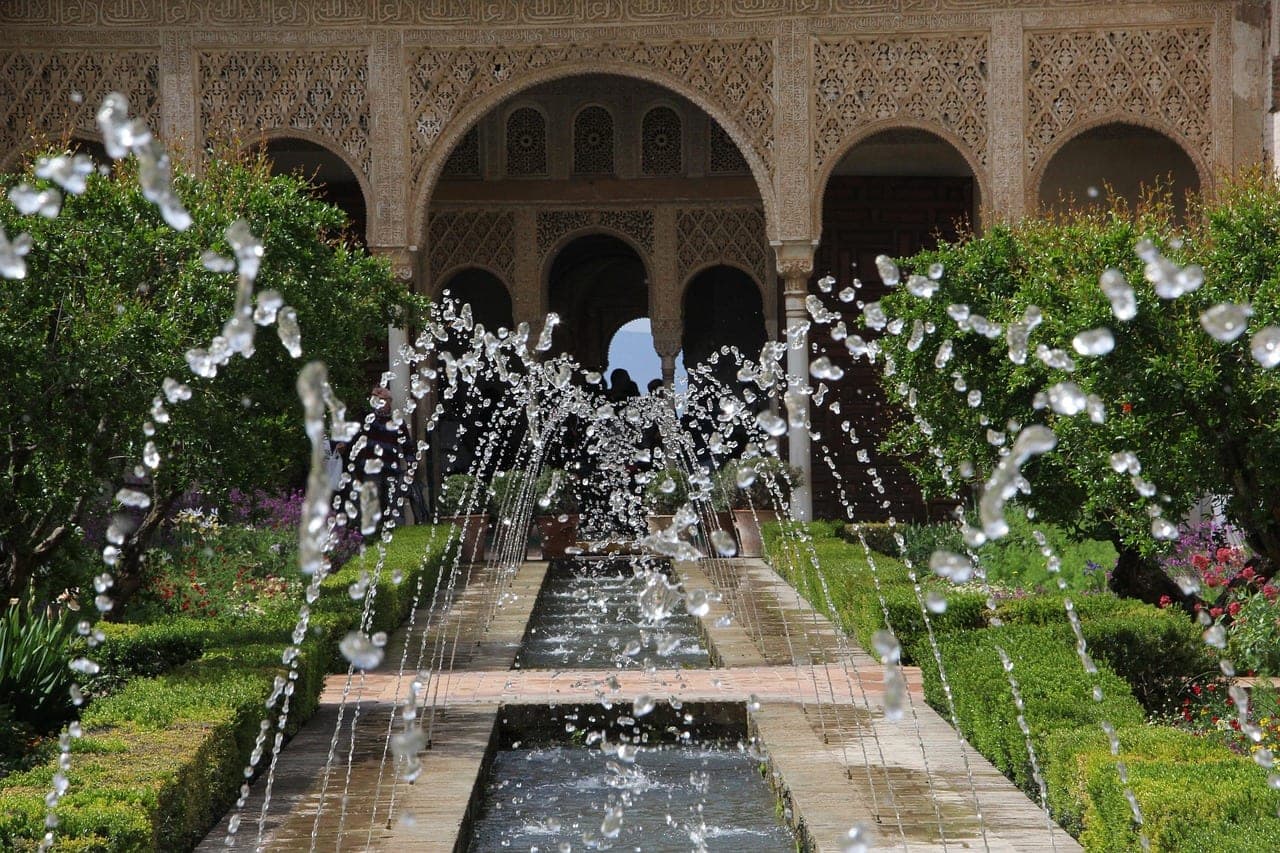
Moorish arches and a reflecting pool in the Alhambra courtyards above Granada, Spain
On this page
  • Where Spain sits in Europe and why it's the deepest art-and-history week a school group can get
  • Six regions worth a day each — Madrid & Toledo, Barcelona, Andalusia, Valencia, Basque Country, Segovia & Salamanca
  • What's on the menu: paella, jamón and tapas, tortilla española, gazpacho, churros con chocolate
  • Practical logistics for teachers: late dinners, high-speed AVE trains, summer heat, four co-official languages
  • Five facts that land after you've walked the Alhambra, the Prado, and a Gaudí rooftop in one week

A quick introduction

Spain is 505,990 km² — roughly the size of Texas plus Louisiana — with a population of about 48 million and a capital, Madrid, that sits at 667 m on the Meseta Central, making it the highest capital city in the European Union. It also holds 50 UNESCO World Heritage Sites, the third-highest count of any country on earth behind Italy and China. For a student group, that's the whole pitch: three millennia of Roman, Moorish, medieval Christian, and modern layering stacked inside a country you can cross by high-speed train in under three hours.

Spain is one of the most-booked European destinations in our educational travel catalog, and it's the first stop on almost every AP Spanish teacher's short list. The curricular fit is unusually broad — AP Spanish Language & Culture, world history, art history, architecture, and comparative religion all pull hard in the same week — and the infrastructure is built for school group travel, with a high-speed AVE rail network, English widely spoken in the trade, and a security profile that reads easier than most US teachers expect. If your school is weighing Spain against France or Italy for a first high school group trip, the combined language-plus-art-plus- history depth tips the scale here.

Quick facts

Spain by the numbers

📐

505,990 km²

The second-largest country in the European Union. Madrid to Barcelona is 2.5 hours on the AVE; Madrid to Seville is 2.5 hours the other direction — the high-speed rail net does the long transfers so a school group keeps energy for the stops.

👥

~48 million

Population of the whole country. Madrid and Barcelona together account for close to 10 million in their metro areas; the rest is spread across 17 autonomous communities with distinct languages, cuisines, and identities.

🏛️

50 UNESCO sites

Third-most of any country on earth. A seven-day itinerary comfortably hits four to six of them — the Alhambra, the historic centers of Toledo, Córdoba, and Segovia, Gaudí's Barcelona, and the Old Town of Salamanca are all on the usual short list.

🗣️

~600M Spanish speakers

Second-most-spoken native language in the world after Mandarin. That's the payoff students feel on day one: every sign, menu, and market transaction is a live reading comprehension exercise from a course they've been taking since middle school.

Inside the trip

A week with a Passports group

A typical Passports high school group trip to Spain runs eight to ten days and slots cleanly into spring break, Easter week, or the first half of June — the three windows most school calendars open up. Day one is Madrid: arrival at Barajas, a welcome paseo around Plaza Mayor and the Puerta del Sol, and dinner with the bilingual Tour Director who stays with the group for the full week. Day two the group walks the Prado with a licensed guide (Velázquez's Las Meninas lives here), then pivots across town to the Reina Sofía for Picasso's Guernica — the art-history and Spanish-Civil-War throughlines in a single afternoon.

The middle of the week is the heart of the curriculum. A private coach or AVE high-speed train south to Toledo and Andalusia: Córdoba's Mezquita (a mosque-cathedral that reads as a physical argument about convivencia), the Alhambra in Granada, and flamenco in Seville. Barcelona usually closes the week — the Sagrada Família with a Gaudí-trained guide, Park Güell, and a Gothic Quarter walking tour that pivots from Roman ruins to the 1992 Olympics in six blocks. Free afternoons on La Rambla or the beach at Barceloneta consistently rank as the trip's best surprise.

We've run educational travel to Spain for long enough that every moving part has a backup plan: a Sagrada Família timed entry that slipped, a student who forgot the passport photocopy, a siesta-hour pharmacy run. Most itineraries build in at least one service-learning touchpoint — conversation hours with Spanish high schoolers, a cooking class with a local chef, or a homestay night on our longer programs. The teacher-led trip piece is real: AP Spanish conversation practice, curriculum-aligned museum tours, and debrief time built into the schedule. The part teachers remember, though, is that the logistics simply work.

Region by region

Top things to see and do

Madrid & Toledo

Madrid & Toledo

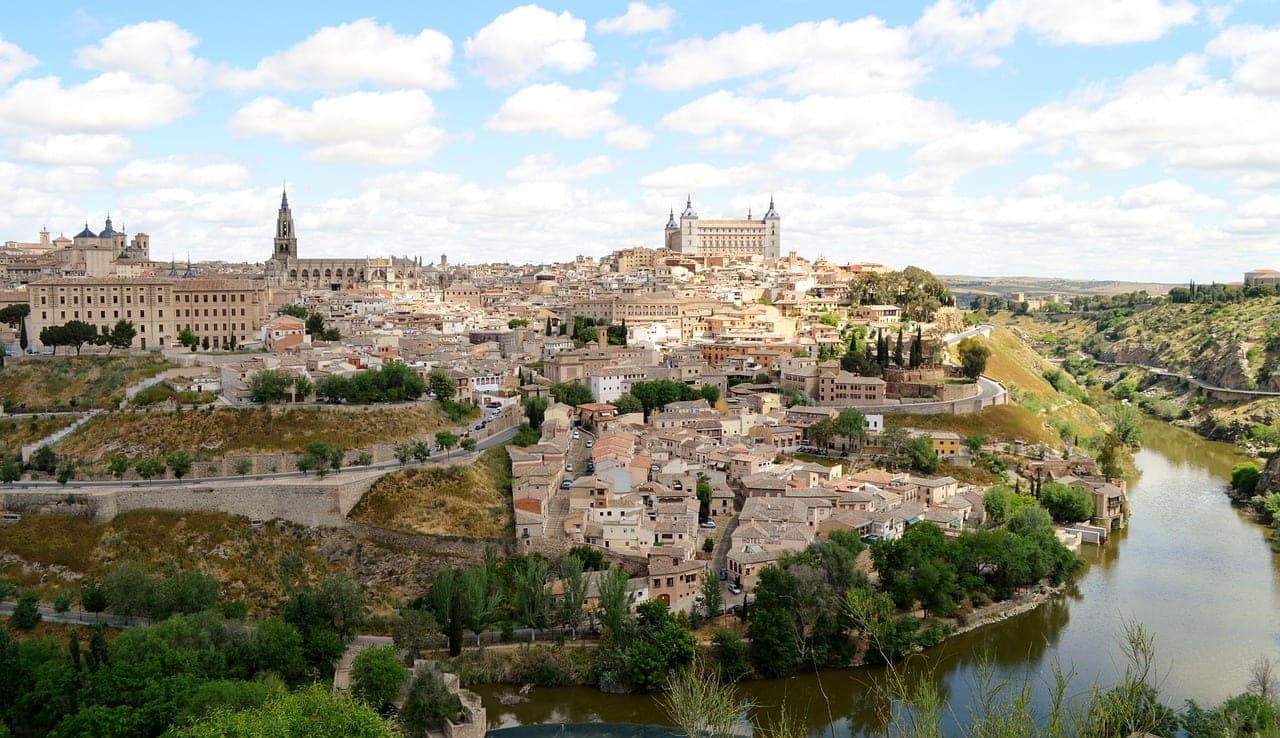
The capital is the art-history anchor: the Prado, the Reina Sofía, the Royal Palace, and the Retiro gardens for a breather. Toledo — Spain's old capital and a UNESCO-listed city of three faiths — is a 33-minute AVE ride south, perfect for a medieval-history day trip.

Barcelona & Catalonia

Barcelona & Catalonia

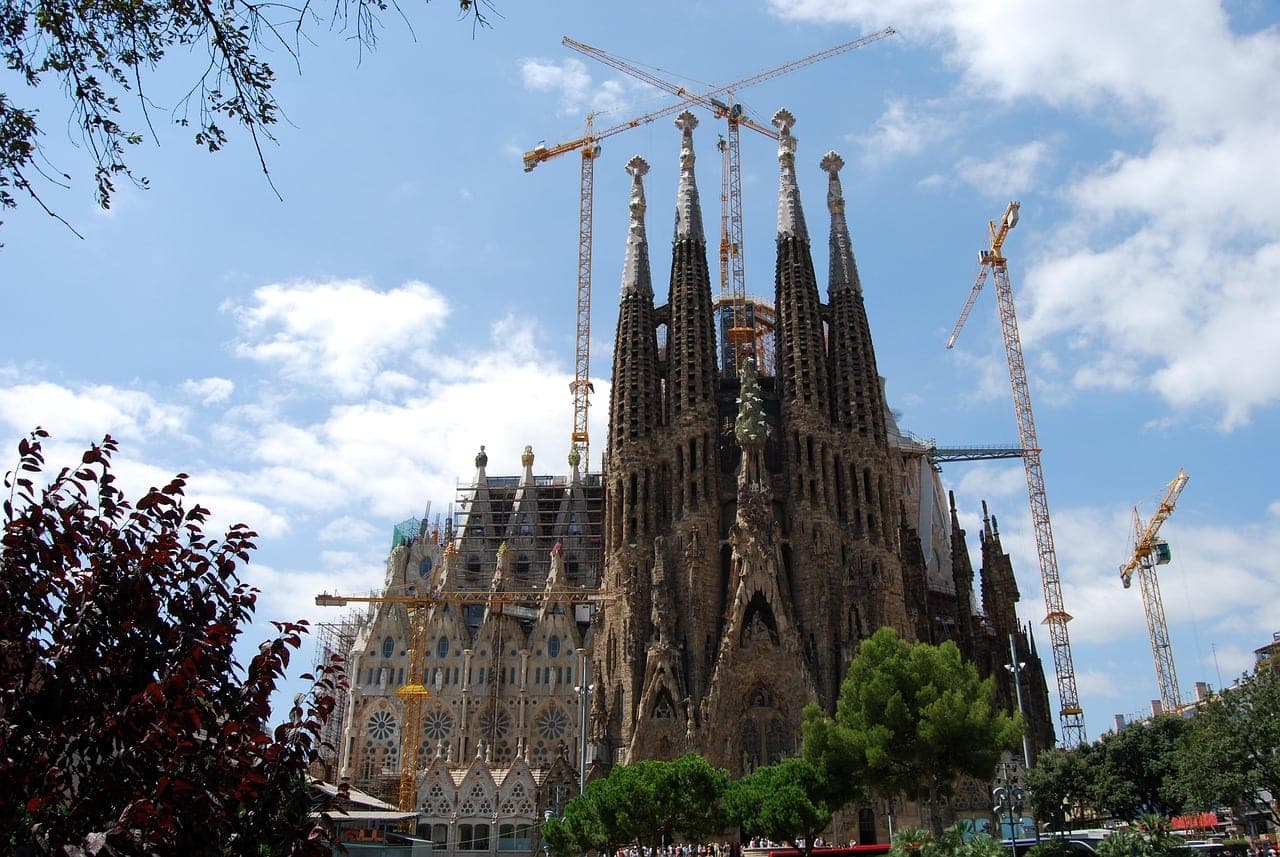
Gaudí's unfinished Sagrada Família, Park Güell, and Casa Batlló; the Gothic Quarter's Roman walls; the Picasso Museum in the Born. Also where your group meets Catalan as a living co-official language on the street signs and in the menus.

Andalusia — Seville, Granada, Córdoba

Andalusia — Seville, Granada, Córdoba

The Moorish south. Granada's Alhambra and Generalife, Córdoba's Mezquita, Seville's Real Alcázar and cathedral with the Giralda minaret-turned-bell-tower. A flamenco tablao in Seville is the night students talk about most.

Valencia & the Mediterranean coast

Valencia & the Mediterranean coast

The birthplace of paella and home to Calatrava's City of Arts and Sciences — a design-and-architecture complex that doubles as a STEM tie-in. Orange groves, a walkable old town, and a Mediterranean beach for free-time decompression.

Basque Country — Bilbao & San Sebastián

Basque Country — Bilbao & San Sebastián

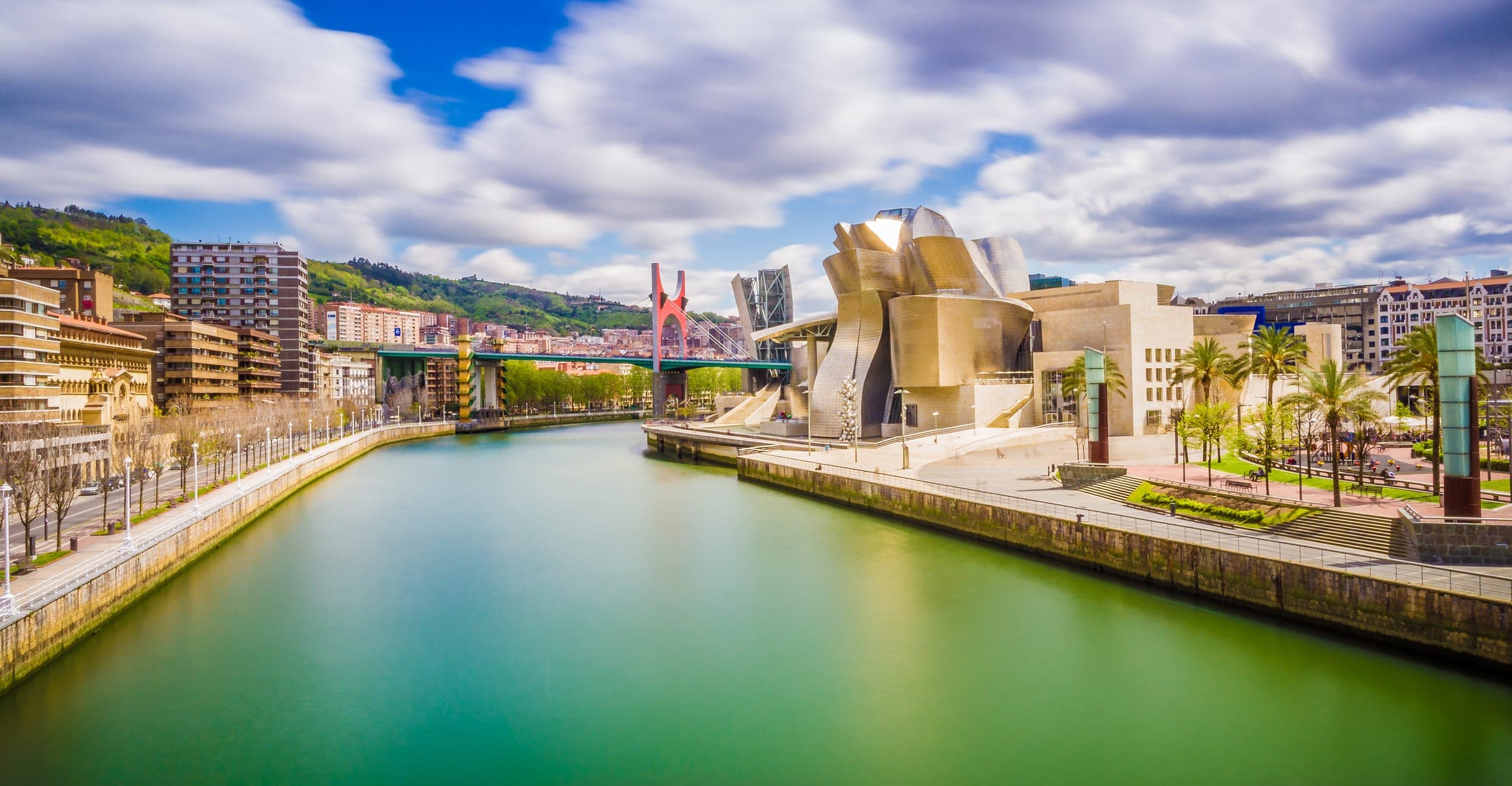
Frank Gehry's Guggenheim Bilbao turned a port city into a design pilgrimage; San Sebastián's La Concha beach and world-famous pintxos bar crawl close the loop. A distinct Basque language and identity give a comparative-politics angle to the week.

Segovia & Salamanca

Segovia & Salamanca

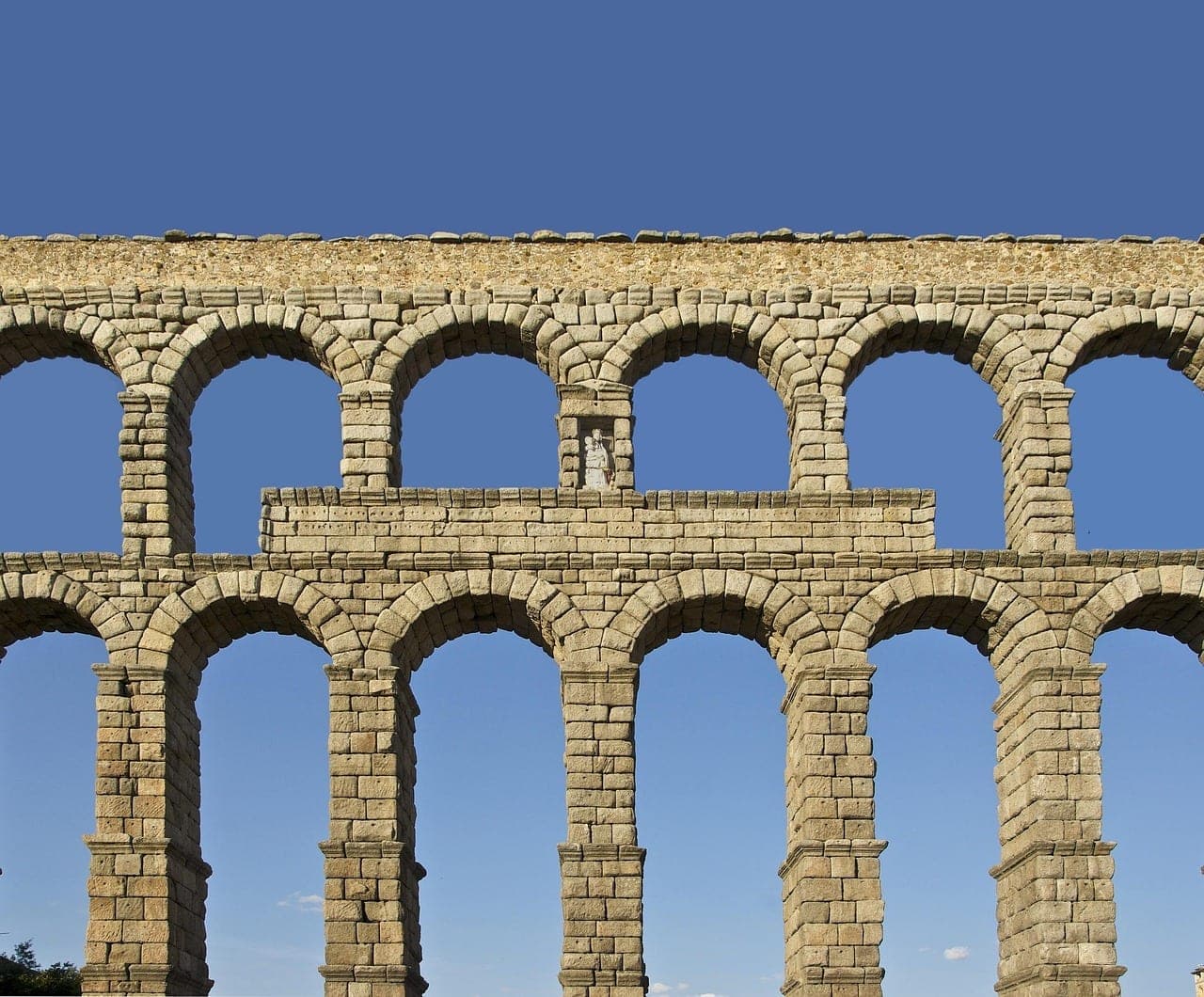
Two Castilian cities worth a day each. Segovia's 1st-century Roman aqueduct still stands without mortar; Salamanca's sandstone university — founded 1218 — is one of the oldest in continuous operation in the world and a favorite stop for AP Spanish groups.

Weather by season

When to go

  • Apr - Jun — spring sweet spot

    The prime window for school group travel. Daytime highs 18-28°C across most of the country, green countryside in Andalusia, and long daylight hours for packed itineraries. Easter week (Semana Santa) is a spectacle in Seville but books out months ahead — plan early or steer around it.

  • Jul - Aug — peak heat, avoid the Meseta

    Madrid, Toledo, and Seville regularly hit 38-42°C in late July and August; Andalusian sightseeing becomes a health risk. Coastal and northern Spain (Barcelona, San Sebastián, Galicia) stay manageable. We generally do not run educational tours through the interior during these weeks.

  • Sep - Oct — autumn, the second sweet spot

    The heat breaks in mid-September. Highs settle into the low 20s °C, the grape harvest is on, and crowds thin at the Alhambra and Sagrada Família. A favorite window for our fall high school group trips, especially those with a culinary or wine-country overnight.

  • Nov - Mar — cool, grey, low-crowd

    Northern and central Spain turn cool and damp (8-14°C, occasional rain); the Sierra Nevada holds snow above Granada. Andalusia and Valencia stay mild and very walkable. Works for January interim terms and for groups that prioritize museums and Moorish architecture over beach time.

What to order

Food and culture

Paella valenciana

Paella valenciana

Short-grain rice cooked in a wide pan with saffron, rabbit, chicken, and green beans — the original, from Valencia. The seafood version most Americans know is a coastal variant. Order at lunch, not dinner; locals never eat paella after sundown.

Tapas & jamón ibérico

Tapas & jamón ibérico

Small plates, standing up, moving bar to bar. Jamón ibérico de bellota — acorn-fed cured ham sliced paper-thin — is the one to splurge on. A tapas crawl is the easiest free-evening activity to hand a student group, with a buddy-system briefing.

Tortilla española

Tortilla española

A thick potato-and-egg omelet, served cold or room-temperature, cut in wedges. The national comfort food. Every cafetería and highway rest stop has one under a glass cloche.

Gazpacho

Gazpacho

The Andalusian cold tomato soup — olive oil, bread, garlic, cucumber, pepper — invented as a way to survive a 40°C afternoon in Seville. Salmorejo is the thicker Córdoba cousin and arguably the better one.

Churros con chocolate

Churros con chocolate

Fried dough strips dipped in a cup of melted dark chocolate thick enough to eat with a spoon. Madrid's Chocolatería San Ginés has been open since 1894 and the line moves. The group will ask to go back.

Curriculum tie-ins

Classroom connections

🗣️

AP Spanish Language & Culture

The single best destination in the catalog for an AP Spanish group. Market visits, restaurant ordering, guided museum tours, and optional conversation hours with Spanish high schoolers all happen in Spanish, with a bilingual Tour Director backstopping the room. Six of the nine AP cultural themes sit directly on the itinerary.

📜

World History

Three millennia in one week: Roman Segovia, Visigothic Toledo, Moorish Andalusia, the 1492 pivot to Atlantic empire, and the Spanish Civil War read live in front of Guernica at the Reina Sofía. Pairs cleanly with AP World History and AP European History field-trip requirements.

🎨

Art History

Velázquez and Goya at the Prado; Picasso in Barcelona and at the Reina Sofía; Dalí at the theatre-museum in Figueres; Gaudí's entire output across Barcelona. Few countries let an AP Art History class see this much primary material in a single week.

🏛️

Architecture & Convivencia

Córdoba's Mezquita and Toledo's synagogues, churches, and mosques-turned-churches are a physical argument about medieval Islamic-Christian-Jewish coexistence. An unusually concrete tie-in for comparative-religion and global-studies classrooms.

📚

Spanish Literature

Cervantes's Don Quixote criss-crosses La Mancha windmills on a day trip from Madrid; Lorca's Granada is still a walkable city; Salamanca's university shaped the Spanish Golden Age. A ready-made on-site syllabus for high school Spanish literature courses.

🗺️

Geography & Climate

Four distinct climates inside one country: Atlantic-humid Galicia, continental Meseta, Mediterranean coast, and semi-arid Andalusia. An AP Human Geography group can read physical geography, agriculture, and migration patterns off a single week's itinerary.

Packing essentials

What to pack

  • Documents

    Passport valid 6+ months past travel date (three months past the Schengen exit, whichever is longer), two printed copies (one for the student, one for the Tour Director's file), insurance card, and the Passports group packet. No visa required for US citizens staying under 90 days in the Schengen Area.

  • Clothing

    Layers for 15-25 °C spring-and-fall swings. Cathedrals and religious sites (Sagrada Família, Seville Cathedral, the Mezquita) enforce shoulders and knees covered — pack a light cardigan or scarf that lives in the day bag. A neat casual outfit for a flamenco night or a nicer group dinner.

  • Footwear

    Broken-in walking shoes or trainers — the group will cover 8-12 km a day on cobblestones. A second pair to rotate. Flip-flops or sandals only for beach days in Barcelona or Valencia. No hiking boots needed for a standard cities itinerary.

  • Tech

    Spain uses Type C/F European plugs at 230V — US devices need a simple plug adapter (chargers handle the voltage). A portable battery matters on long museum days. T-Mobile and Google Fi work out of the box; other carriers should pick up an EU eSIM before departure.

  • Extras

    Reusable water bottle (tap is safe everywhere), sunscreen (even in spring; the Iberian sun is strong), a day pack with a cross- body strap for market and metro days, and a small Spanish phrasebook or offline translator. A hat for Andalusian sun if the itinerary leans south.

The parent-meeting question

Is it safe?

Yes. Spain is one of the safer countries in Europe by any standard measure. The US State Department currently rates it Level 2 — "exercise increased caution" — the same rating as France, Germany, Italy, and the UK, driven by the same general European terrorism posture rather than anything Spain-specific. Violent crime against tourists is statistically rare. The real risk profile is pickpocketing in Barcelona's La Rambla, Madrid's metro, and Seville's cathedral queue, and the countermeasures are the same as for a school group in any European capital: cross-body bags in front, phones off café tables, and a Tour Director briefing on night one.

On a Passports teacher-led trip, the group is never on public transport without the Tour Director, never splits up without a defined meetup time, and never out of reach of a named Tour Director who stays with the group 24/7 for the full week. We operate a 24/7 emergency line out of our Boston HQ, keep parents on a daily-update channel, and have pre-vetted English-speaking medical contacts in every city we run. For most teachers leading school group tours to Spain, the logistics feel easier than a domestic field trip.

🛡️

Personal safety

Violent crime is low; pickpocketing is the real concern. Hot zones are La Rambla and Barcelona Sants station, Madrid's metro (especially line 1 to the airport), and the cathedral-and-Alcázar queues in Seville. Cross-body bags worn in front, phones off tables, and a first-night briefing handle 90% of it. Hotels are vetted for 24-hour reception and in-room safes.

⚕️

Health & medical

Tap water is potable everywhere we stop. No required vaccinations beyond routine. Spain has a strong public health system and excellent private hospitals in every major city (Quirónsalud, Ruber, Clínic Barcelona). EU pharmacies (farmacias, marked with a green cross) are professional and English is common in tourist districts.

🚐

Roads & transport

Long-haul transfers are on the AVE high-speed rail network — assigned seats, luggage racks, reliable to the minute. Shorter transfers are by private coach with a professional, vetted driver — never public bus. Inside cities we use the metro with the Tour Director leading; no student is ever navigating alone.

🌪️

Natural hazards & advisories

Spain sits off the main European hazard map — no hurricanes, no volcanoes on the mainland, low seismic activity. The real seasonal risk is extreme summer heat on the Meseta (Madrid, Toledo, Córdoba in July-August), which is why we steer interior itineraries to spring and fall. Wildfires can affect rural travel in late summer; we monitor Protección Civil alerts.

Practical tips

  • The Spanish day runs late

    Lunch is 2 - 4 pm, dinner rarely starts before 9, and sobremesa (the post-meal lingering conversation) is a real institution. Most museums close Monday and sometimes shut midday. Every Passports teacher-led trip in Spain is built around this rhythm — a long lunch, an afternoon museum block after the siesta window reopens, and a late group dinner.

  • Book AVE trains early

    The high-speed rail net is the secret weapon of a Spain itinerary — Madrid to Seville in 2.5 hours, Madrid to Barcelona in 2.5 hours the other way. Tickets open 60 days out and cheapest fares sell first; we book group seats as soon as the dates lock.

  • Cards are fine, cash helps for tapas

    Chip-and-contactless is accepted almost everywhere. Keep €20-40 in small bills for a tapas crawl, market snacks, and the occasional family-run bodega that's still cash-only. No tipping is expected — rounding up or leaving loose change is standard.

  • Four co-official languages

    Castilian Spanish is national, but Catalan runs Barcelona, Basque (Euskara) runs the Basque Country, and Galician runs the northwest. Signage is usually bilingual. An AP Spanish group gets a live lesson in comparative linguistics without leaving the country.

  • Reserve Alhambra & Sagrada Família months out

    Both are timed-entry and both sell out. Granada's Alhambra releases tickets ~90 days in advance for the Nasrid Palaces (the part everyone's there for); Barcelona's Sagrada Família books up 2-4 weeks ahead in spring. Passports holds the group slots the moment dates confirm — a missed Alhambra entry is one of the few things that can't be fixed day-of.
Five facts

Good to know

🏛️

50 UNESCO World Heritage Sites

Third-most in the world, behind only Italy and China. A standard Passports itinerary knocks out four to six of them in a single week — Alhambra, Toledo, Segovia, Córdoba, and Gaudí's Barcelona are all on the regular rotation.

🕌

Seven centuries of Moorish Spain

Al-Andalus ran from 711 to 1492 — longer than the United States has existed by more than a factor of two. The Alhambra, the Mezquita, and the Seville Alcázar are the three monuments your group will still be talking about a year later.

🗣️

Spanish is the world's #2 native language

About 600 million speakers, second only to Mandarin. Every AP Spanish student in your group is walking into the living, working capital of a language they've been studying since sixth grade.

☀️

The siesta is (mostly) real

Small shops in non-tourist areas still close 2 - 5 pm, especially in Andalusia. Plan a long lunch, a museum block, or free time during the window — fighting the rhythm is the quickest way to burn out a group.

💃

Flamenco is UNESCO Intangible Heritage

Recognized in 2010. It originated with the Romani communities of Andalusia and fuses Moorish, Jewish, and Castilian musical traditions. A tablao night in Seville or Granada is the easiest way to see the form in context, not as a tourist show.

Tours that go here

Tours that visit Spain

See all tours →
Bilbao
Spain · Switzerland · Austria · …

Barcelona to Bavaria

Barcelona · Lucerne · Innsbruck · Munich

Large-group
See itinerary
Paris Cafe
France · Spain

Café Olé

Paris · Biarritz · Burgos · Madrid

See itinerary
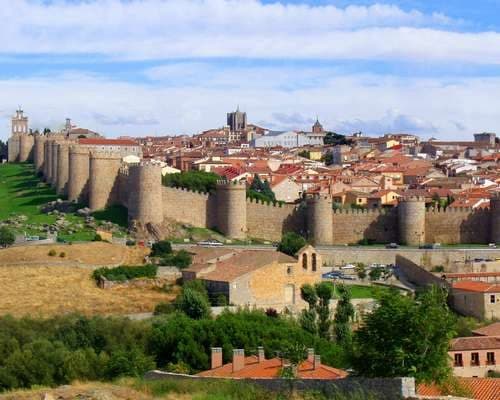
Avila
Spain

Cities of Castile

Madrid · Toledo · Salamanca · Segovia

Language-immersion
See itinerary
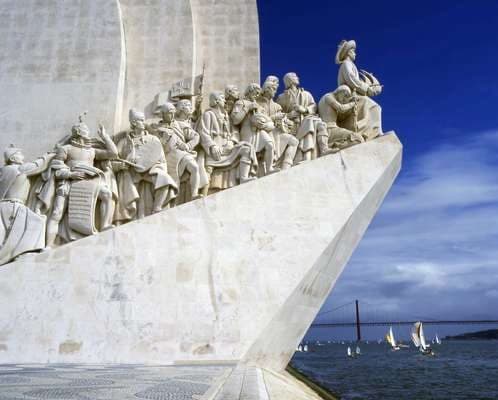
Monument to the Discoveries
Portugal · Spain

Iberian Cultures

Lisbon · Algarve Coast · Seville · Madrid

Language-immersion
See itinerary
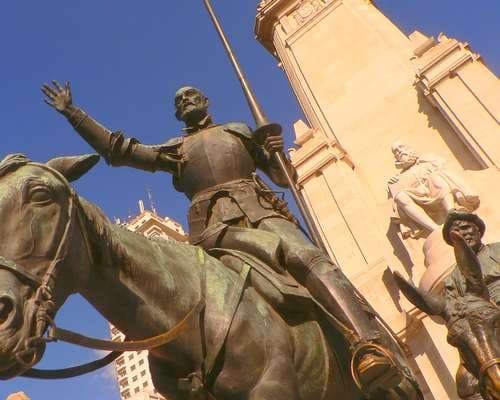
Don Quijote
Spain

Madrid and Barcelona

Madrid · Barcelona

Small-groupLanguage-immersion
See itinerary
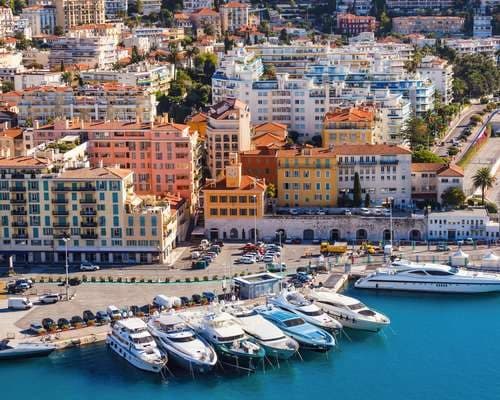
Aerial View on Port of Nice and Luxury Yachts
Spain · France · Italy

On Mediterranean Shores

Barcelona · Avignon area · Nice · Florence · Rome

Adult-recommended
See itinerary
Classroom material

Lesson plans about Spain

See all →
SpainHistoryGrade 11-12

Age of Discovery: Spain: Columbus First Voyage of 1492

Through the investigation of primary and secondary sources, students in this lesson will identify, understand and be able to explain the details of Columbus' First Voyage to the New World, why he undertook the challenge of sailing west to r…

View lesson
SpainEnglish / Language ArtsGrade 9-12

Ballad of the Spanish Civil Guard: An Analysis

In this lesson, students will interpret an English version of Federico García Lorca's Ballad of the Spanish Civil Guard, critique the work using a list of guided questions, and analyze how it serves as a social commentary for both th…

View lesson
MexicoSpanishGrade 11-12

Borders: Countries and Cultures (A Photo Essay)

In this lesson, students will compare and contrast the format, components and purpose of the photo essays "On the Border" by Alan Taylor and "Marisol: The American Dream" by Janet Jarman, defining what a photo essay is based on their observ…

View lesson
MexicoEnglish / Language ArtsGrade 9-12

Borders: Countries and Cultures (A Photo Essay)

In this lesson, students will compare and contrast the format, components and purpose of the photo essays "On the Border" by Alan Taylor and "Marisol: The American Dream" by Janet Jarman, defining what a photo essay is based on their observ…

View lesson
FranceHistoryGrade 11-12

Frankish Gaul (486-987): The Battle of Tours 732 CE

Through an in-depth analysis of various primary and secondary sources including excerpts from contemporary accounts on both sides of the conflict, students in this lesson will identify, understand and be able to explain the importance of th…

View lesson
SpainhistoryGrade 11-12

Hannibal Barca of Carthage: Sworn Enemy of Rome

Through the investigation of primary and secondary sources, students in this lesson will identify, understand and be able to explain the story of Hannibal Barca of Carthage, how he was able to outwit and out maneuver the Roman army time and…

View lesson
From the Tour Directors

Tour Director lectures about Spain

See all →
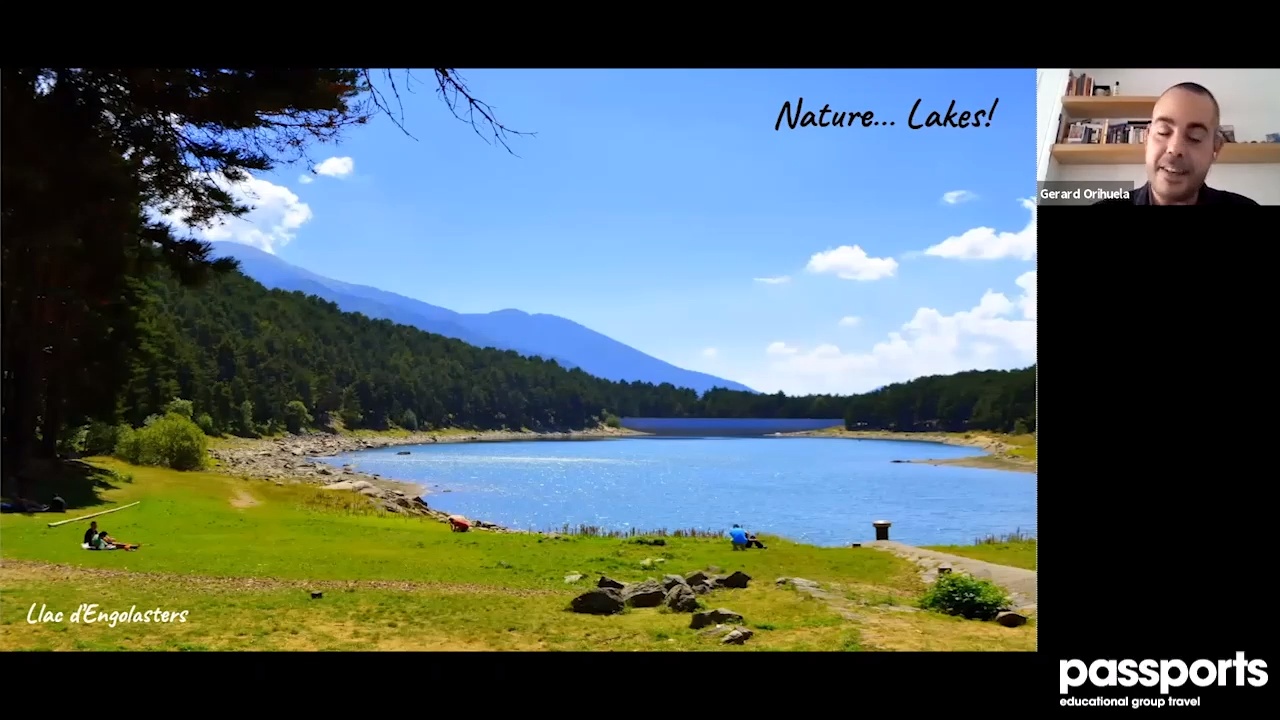
Andorra: The Tiny Country of the Pyrenees — Passports Tour Director lecture
Gerard Orihuela GuerraSpain

Andorra: The Tiny Country of the Pyrenees

An explosion of color and life - culture, shopping, gastronomy - Andorra is a hidden gem.

Watch lecture
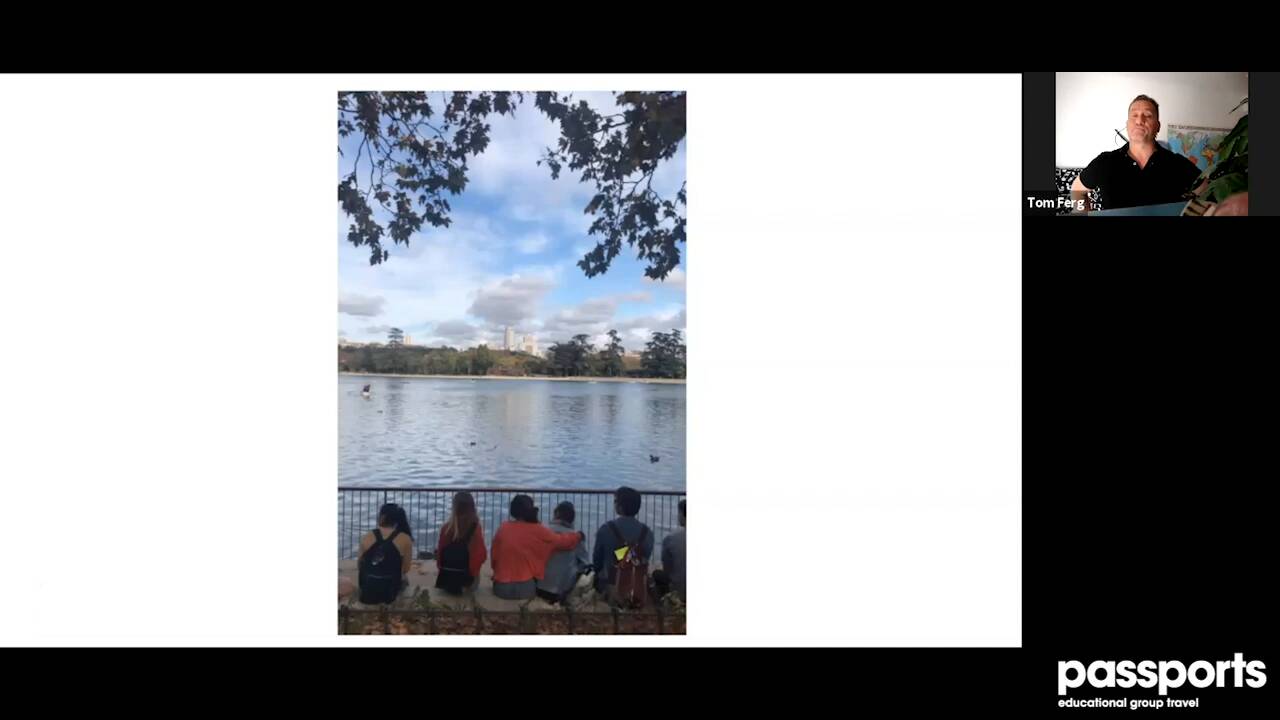
Cities of Castile: Salamanca, El Escorial, Toledo and Segovia — Passports Tour Director lecture
Tom FergusonSpain

Cities of Castile: Salamanca, El Escorial, Toledo and Segovia

Central Spain is your destination - visiting Madrid, Toledo, Salamanca, and Segovia. Catch a glimpse of the iconic landmarks of the region.

Watch lecture
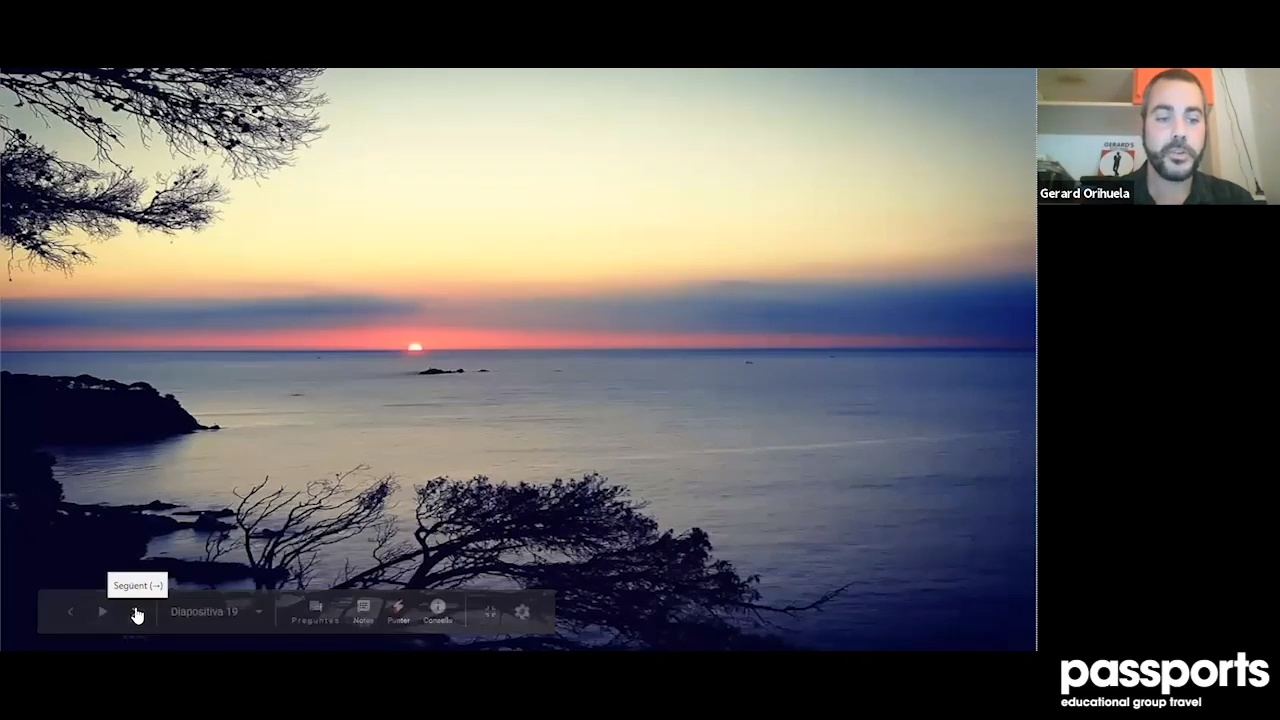
Costa Brava, Spain — Passports Tour Director lecture
Gerard Orihuela Guerra

Costa Brava, Spain

Discover the Costa Brava along the coast trail from the Cap de Creus to Palamós. From the inspiration of Dalí to the pirate attack of Barbarossa.

Watch lecture
Does the rain in Spain fall Mainly on the Plain? — Passports Tour Director lecture
Tom FergusonSpain

Does the rain in Spain fall Mainly on the Plain?

With its population of nearly 7 million, the Madrid Metro Area is the 3rd largest in Europe. As the capital of the Kingdom of Spain, it is surprising that a city so large is nowhere near a navigable river or a coastal harbor. In today’s lecture, we’ll learn about some of the history and geography that gave rise to today’s exciting and surprisingly young Iberian capital.

Watch lecture
Flamenco! — Passports Tour Director lecture
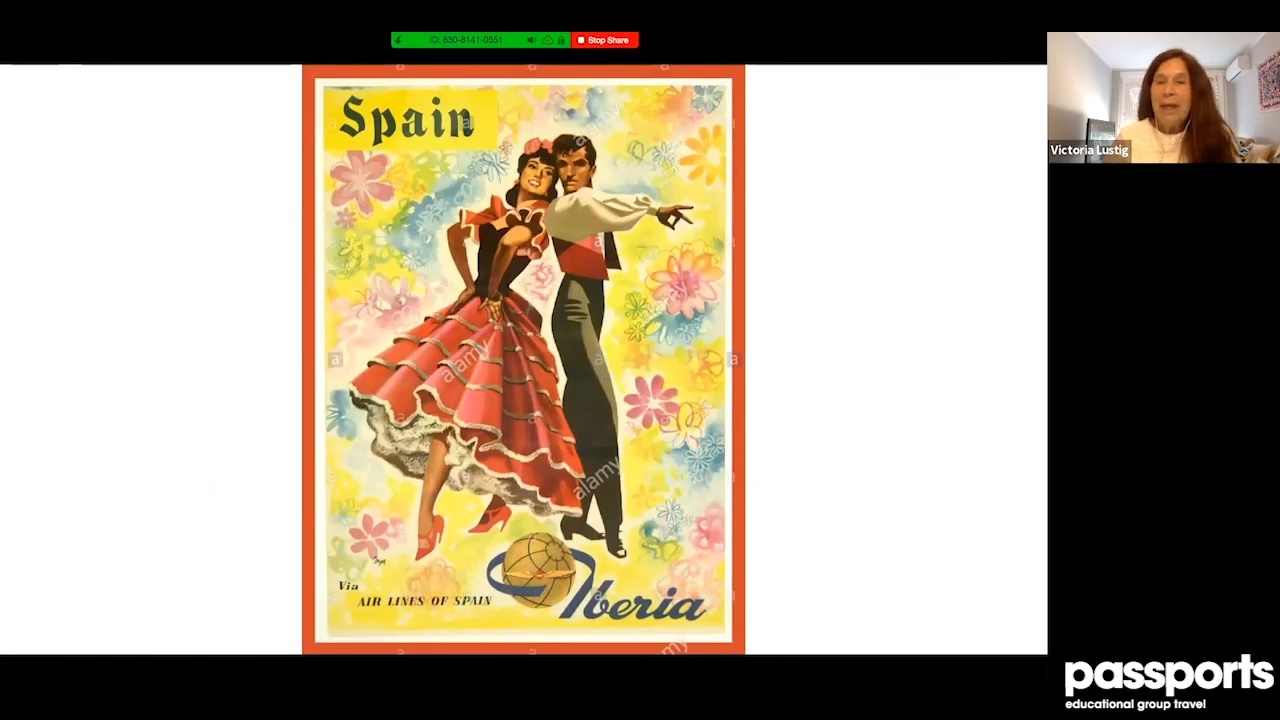
Victoria LustigSpain

Flamenco!

An Andalusian exclusive - the songs, the dance - an unforgettable experience. Learn the roots of the iconic dance of Spain.

Watch lecture
How to travel like a PRO! — Passports Tour Director lecture
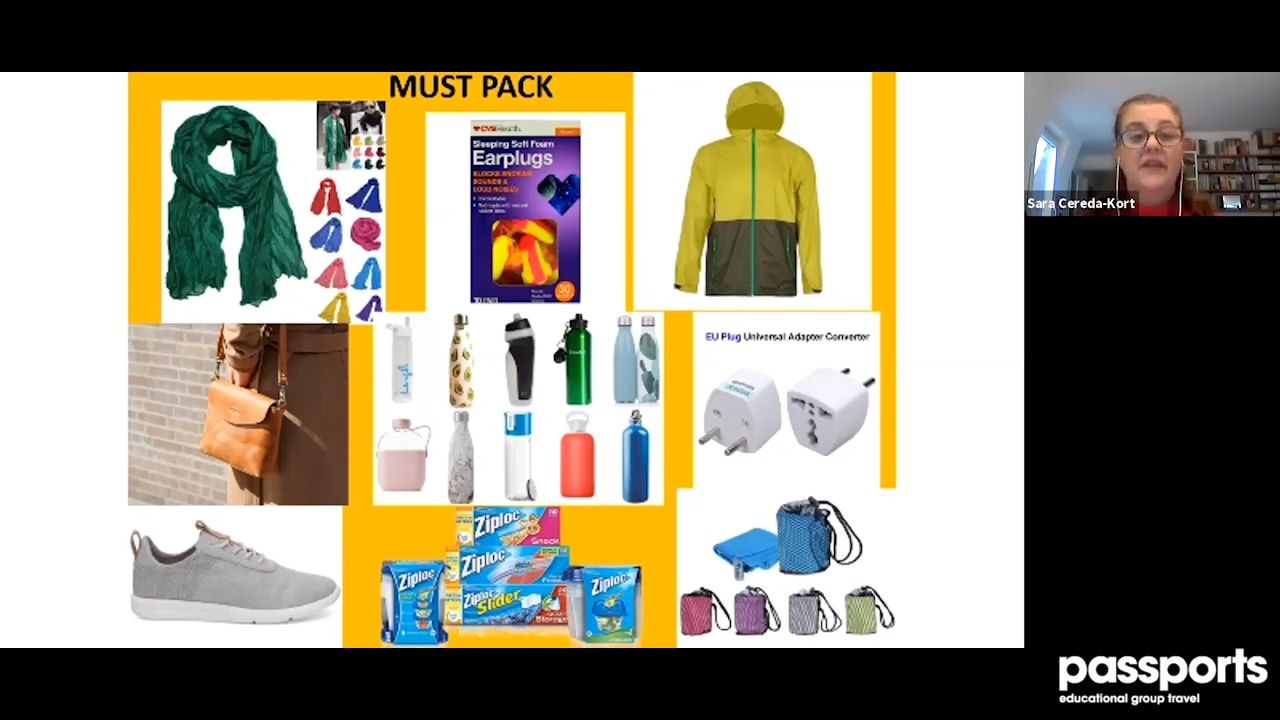
Sara Cereda-KortFranceSpainGermanyItalyUKOther

How to travel like a PRO!

Learn from professional Tour Director, Sara Cereda-Kort, useful insider tips to make your life as a traveler in Europe easier and more comfortable. Best preparation for a group tour or for individual travelers.

Watch lecture
From our blog

Blog posts about Spain

See all →
Small Towns, Big Lessons: Why Teachers Should Explore Hidden Gems on Student Tours
destinations

Small Towns, Big Lessons: Why Teachers Should Explore Hidden Gems on Student Tours

Smaller European towns like Toledo, Siena, and Bruges offer student travelers richer cultural connections and hands-on learning than crowded capital cities alone can provide

Read post
Culinary Classrooms Abroad: Teaching Culture Through Cooking
culture and food

Culinary Classrooms Abroad: Teaching Culture Through Cooking

Cooking classes abroad in Italy, Spain, and France give student travelers a hands-on way to learn culture, history, language, and collaboration — one recipe at a time

Read post
Hidden Educational Gems in Europe’s Most Visited Cities
destinations

Hidden Educational Gems in Europe’s Most Visited Cities

Hidden educational gems in Paris, Rome, London, and Barcelona give student travelers deeper, crowd-free experiences tied to history, science, art, and culture

Read post
Unlocking the History Behind European World Heritage Sites: A Teacher’s Guide
educational impact

Unlocking the History Behind European World Heritage Sites: A Teacher’s Guide

Six European UNESCO World Heritage Sites offer rich classroom tie-ins across history, architecture, and culture. This guide gives teachers activity ideas for each landmark

Read post
Train, Paris
travel inspiration

Fundraising Tips and Ideas

Unsure where to begin when it comes to fundraising?! Check out these tips and tricks!

Read post
Culinary Adventures: Tasting Europe’s Best Street Foods
culture and food

Culinary Adventures: Tasting Europe’s Best Street Foods

Europe's street food scene offers a delicious window into local culture, from Belgian waffles to Turkish döner kebab. Here are five must-try bites across the continent

Read post
On the ground

Places we go

Browse all destinations →
Gaudí's Sagrada Família spires rising above the rooftops of Barcelona, Spain

Barcelona, Spain

Barcelona student group travel for teachers: Gaudí, the Gothic Quarter, and Catalan culture on teacher-led high school group trips and educational tours.

The Gothic spires of Burgos Cathedral rising above the old town in Castile, Spain

Burgos, Spain

Burgos student group travel for teachers: the Gothic cathedral, the Camino de Santiago, and Castilian history on teacher-led educational tours of Spain.

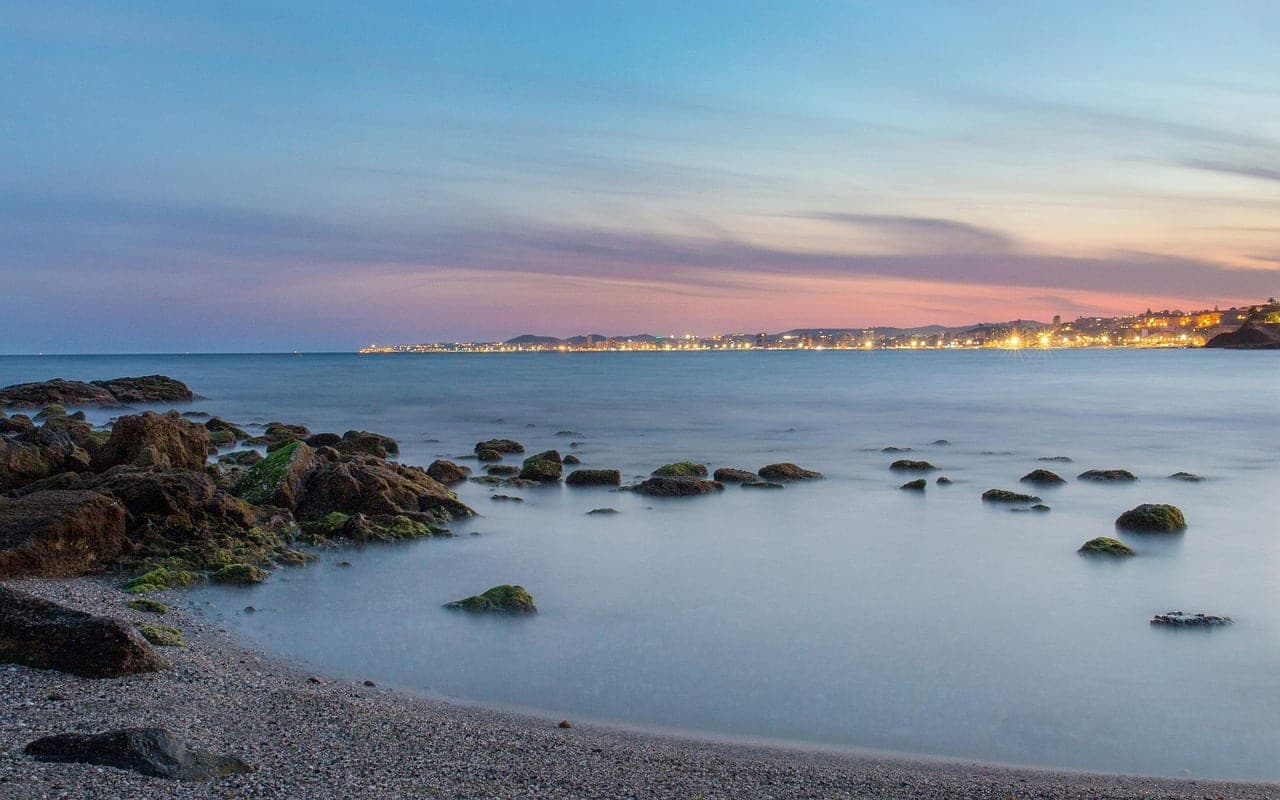
Mediterranean coastline and whitewashed villages along Spain's Costa del Sol

Costa del Sol, Spain

Costa del Sol student group travel for teachers: Malaga, Marbella, Nerja, Ronda. Mediterranean beaches and Moorish history on an educational tour of Andalusia.

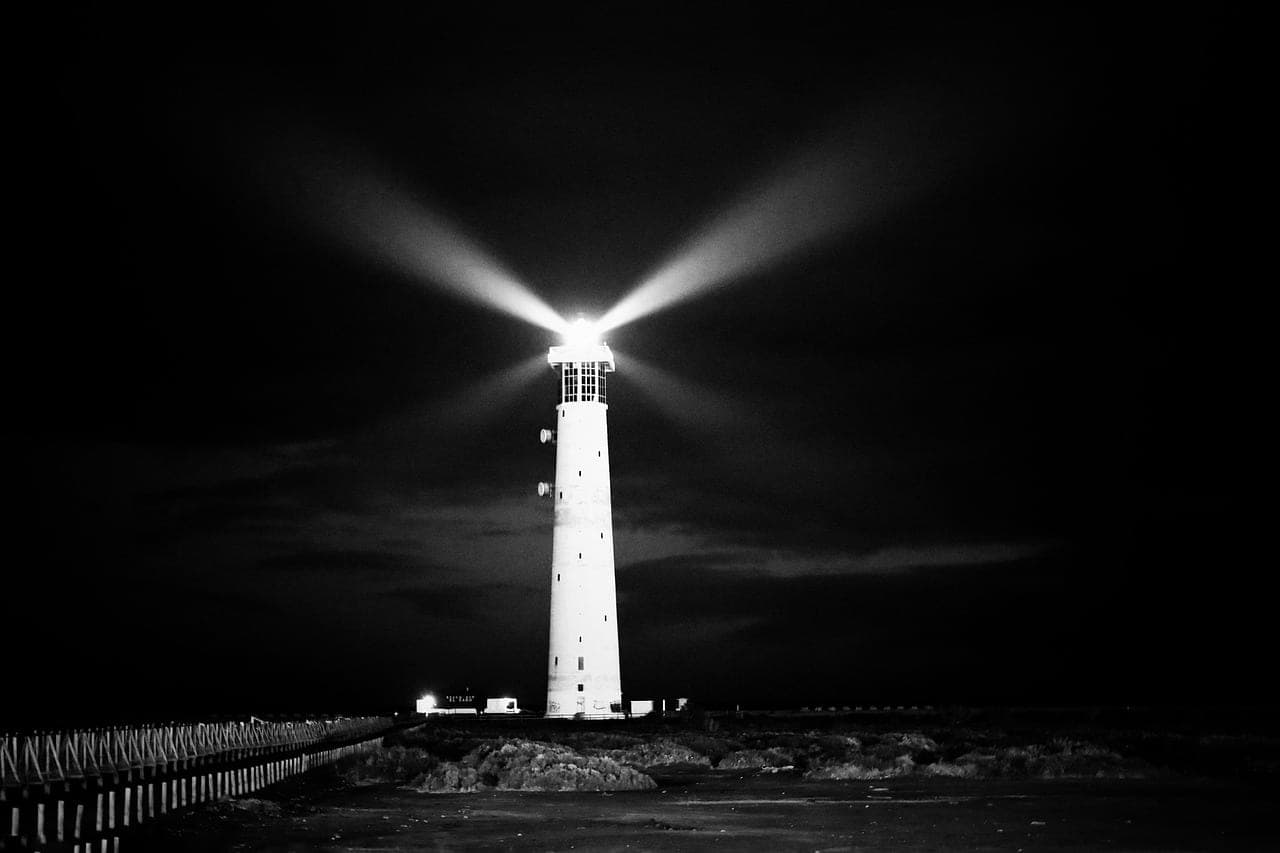
Atlantic lighthouse on the rocky coast near Cádiz, on the southern tip of Andalusia, Spain

Cádiz, Spain

Cádiz student group travel for teachers: the oldest city in Western Europe, the Atlantic seafront, and Andalusian history on teacher-led educational tours.

Wide Mediterranean beach and paseo marítimo at Fuengirola on Spain's Costa del Sol

Fuengirola, Spain

Fuengirola student group travel guide for teachers: Costa del Sol beaches, Sohail Castle, and Mijas — educational tours and teacher-led high school trips.

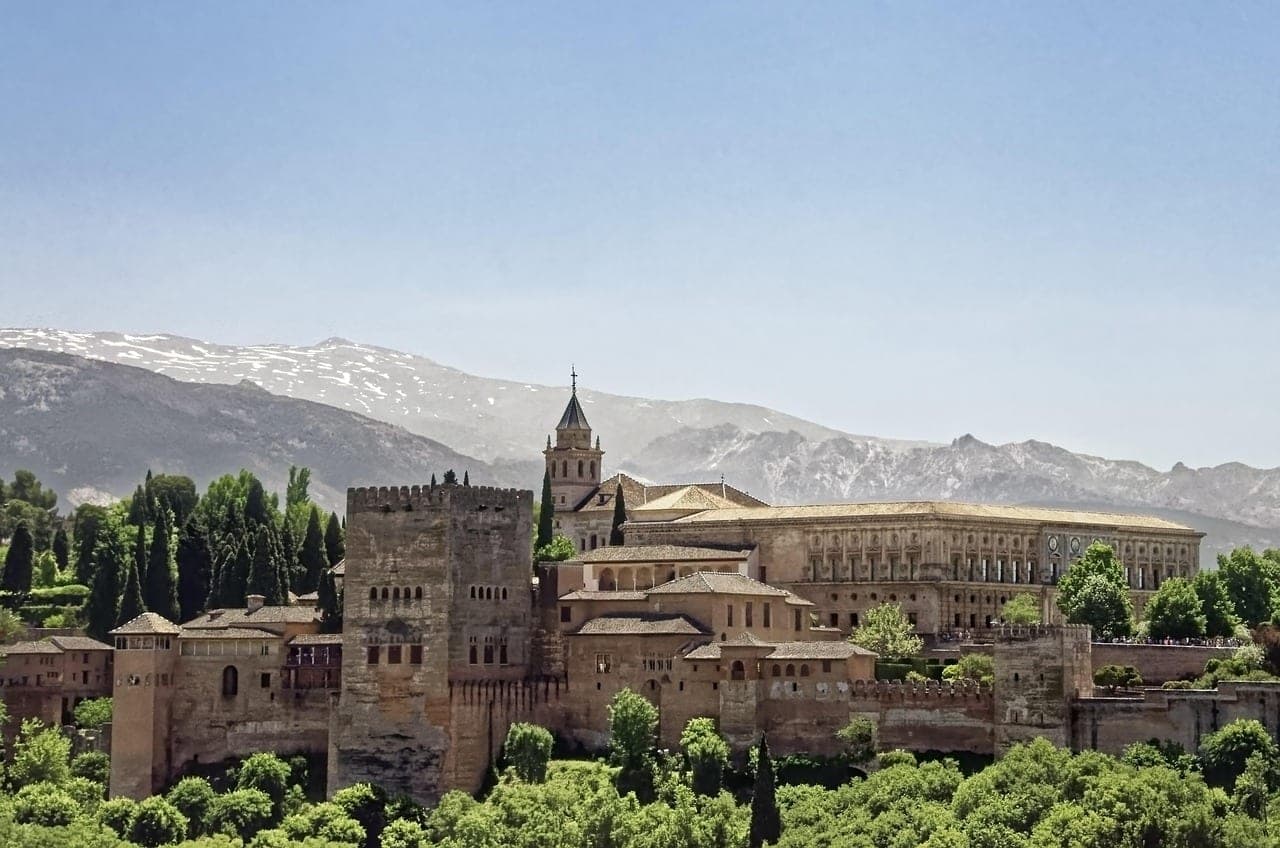
The Alhambra palace walls with the Sierra Nevada mountains rising behind Granada

Granada, Spain

Granada student group travel for teachers: the Alhambra, Albaicín, and Andalusian tapas on teacher-led high school group trips and educational tours.

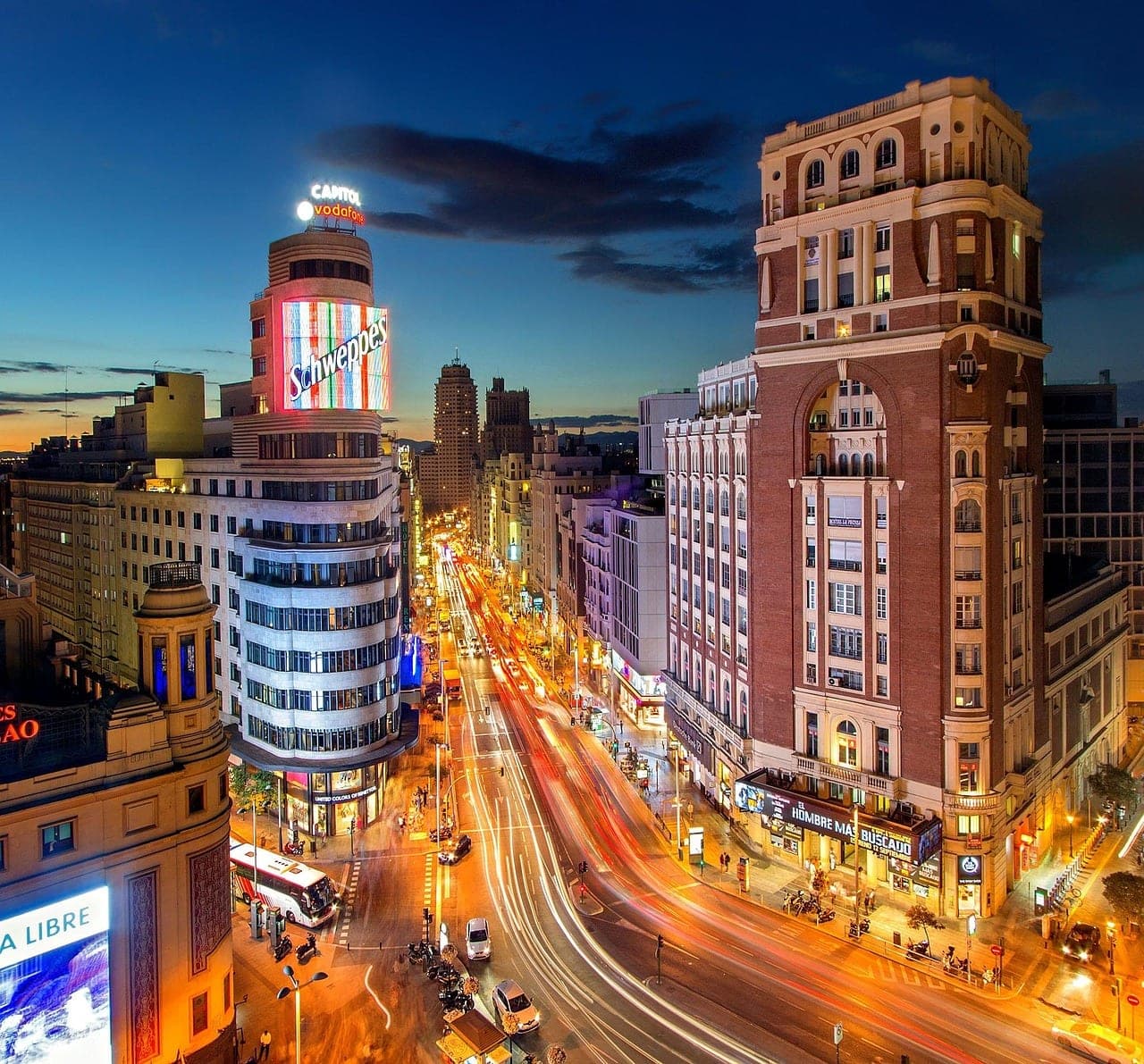
Madrid skyline at sunset over the Plaza Mayor and the Spanish capital's old town

Madrid, Spain

Madrid student group travel for teachers: the Prado, the Royal Palace, and Spanish capital walks on teacher-led educational tours and high school group trips.

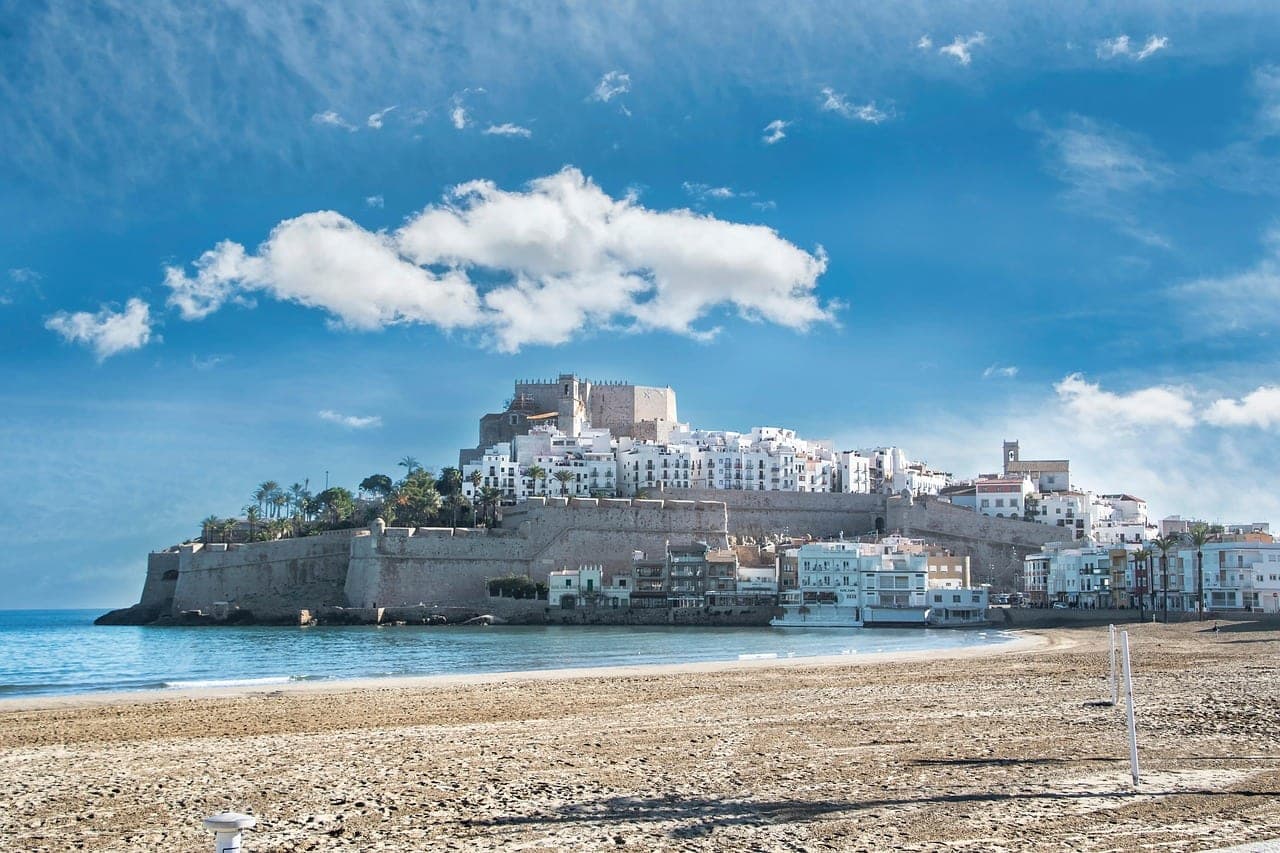
The Templar castle of Peñíscola rising on a rocky peninsula above the Mediterranean Sea in Spain

Peñíscola, Spain

Peñíscola student group travel for teachers: the Templar castle on its Mediterranean peninsula and the Valencian coast on teacher-led educational tours.

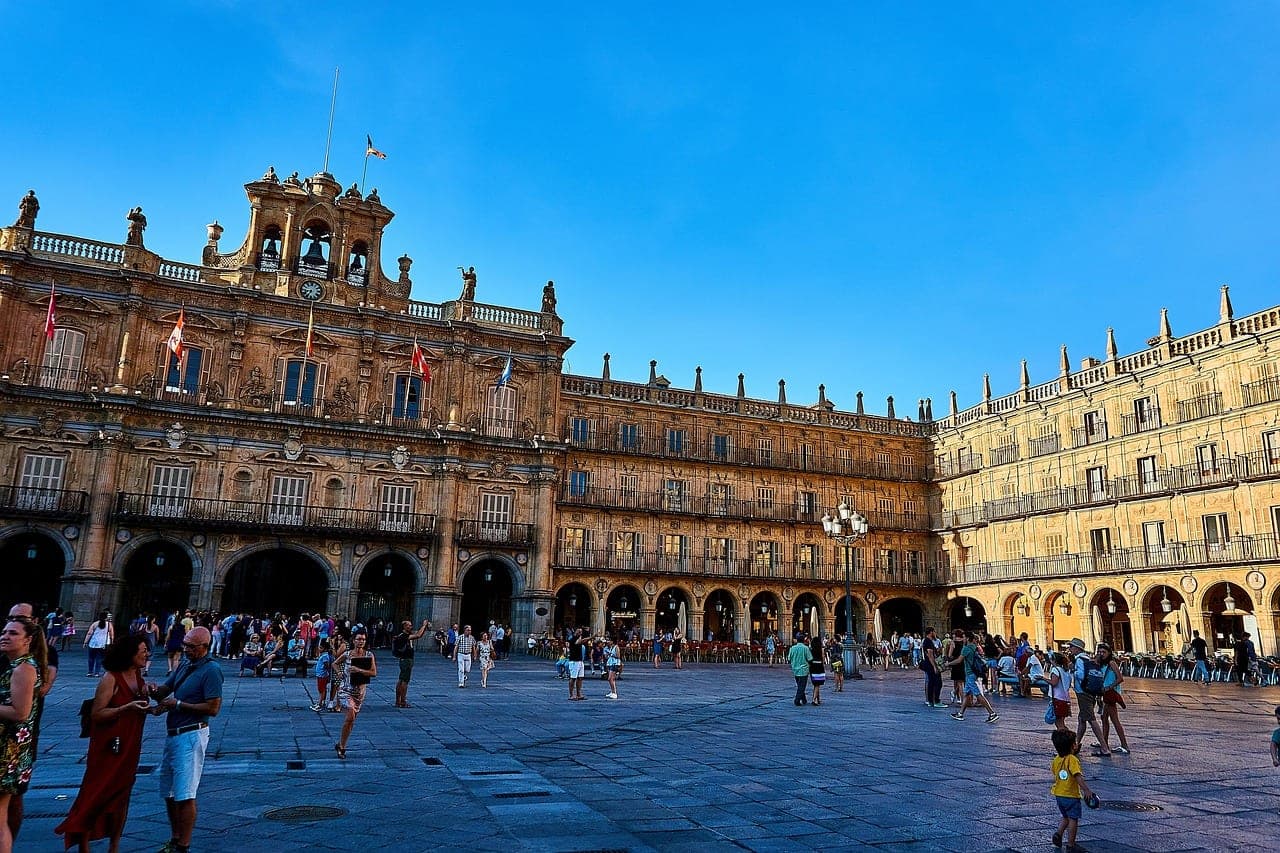
The honey-colored sandstone arcades of Plaza Mayor in Salamanca, Spain, glowing at sunset

Salamanca, Spain

Salamanca student group travel for teachers: the golden sandstone university, Plaza Mayor, and Spanish-language curriculum on teacher-led educational tours.

The Roman aqueduct of Segovia spanning the central plaza in Castile, Spain

Segovia, Spain

Segovia student group travel for teachers: the Roman aqueduct, the Alcázar, and a Castilian day trip from Madrid on teacher-led educational tours of Spain.

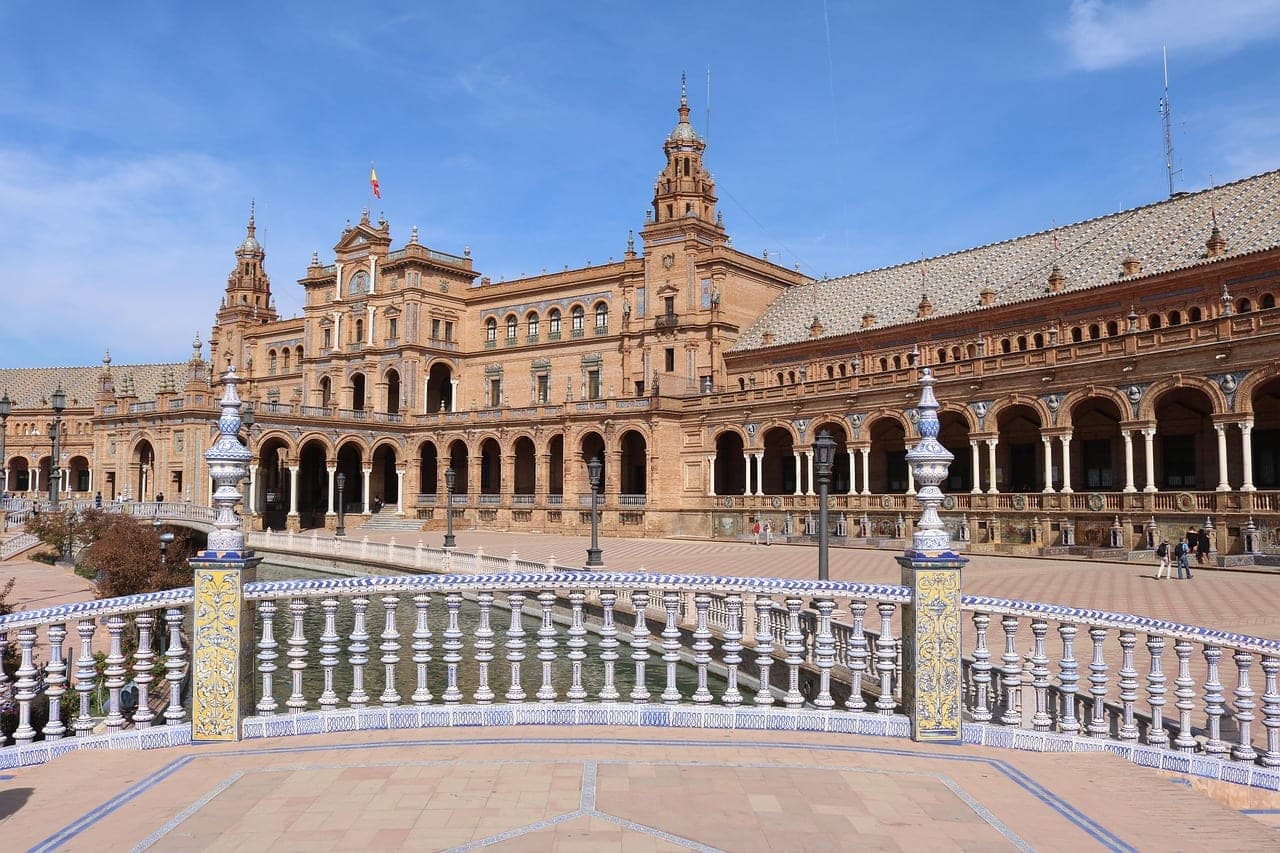
The semicircular Plaza de España in Seville at sunset, with its bridges over the canal in Andalusia, Spain

Seville, Spain

Seville student group travel for teachers: the cathedral, the Alcázar, flamenco, and Andalusian capital walks on teacher-led educational tours of Spain.

The hilltop medieval old town of Toledo above a bend in the Tagus river gorge in Castile, Spain

Toledo, Spain

Toledo student group travel for teachers: the medieval old town, three-cultures heritage, and El Greco on teacher-led educational tours and student trips.

Take your students to Spain.

Every Passports trip is built around a teacher and a group — from first itinerary sketch to the last day on the ground. Tell us what you have in mind and we’ll take it from there.

Plan a trip