Destination

Granada, Spain

Granada student group travel for teachers: the Alhambra, Albaicín, and Andalusian tapas on teacher-led high school group trips and educational tours.

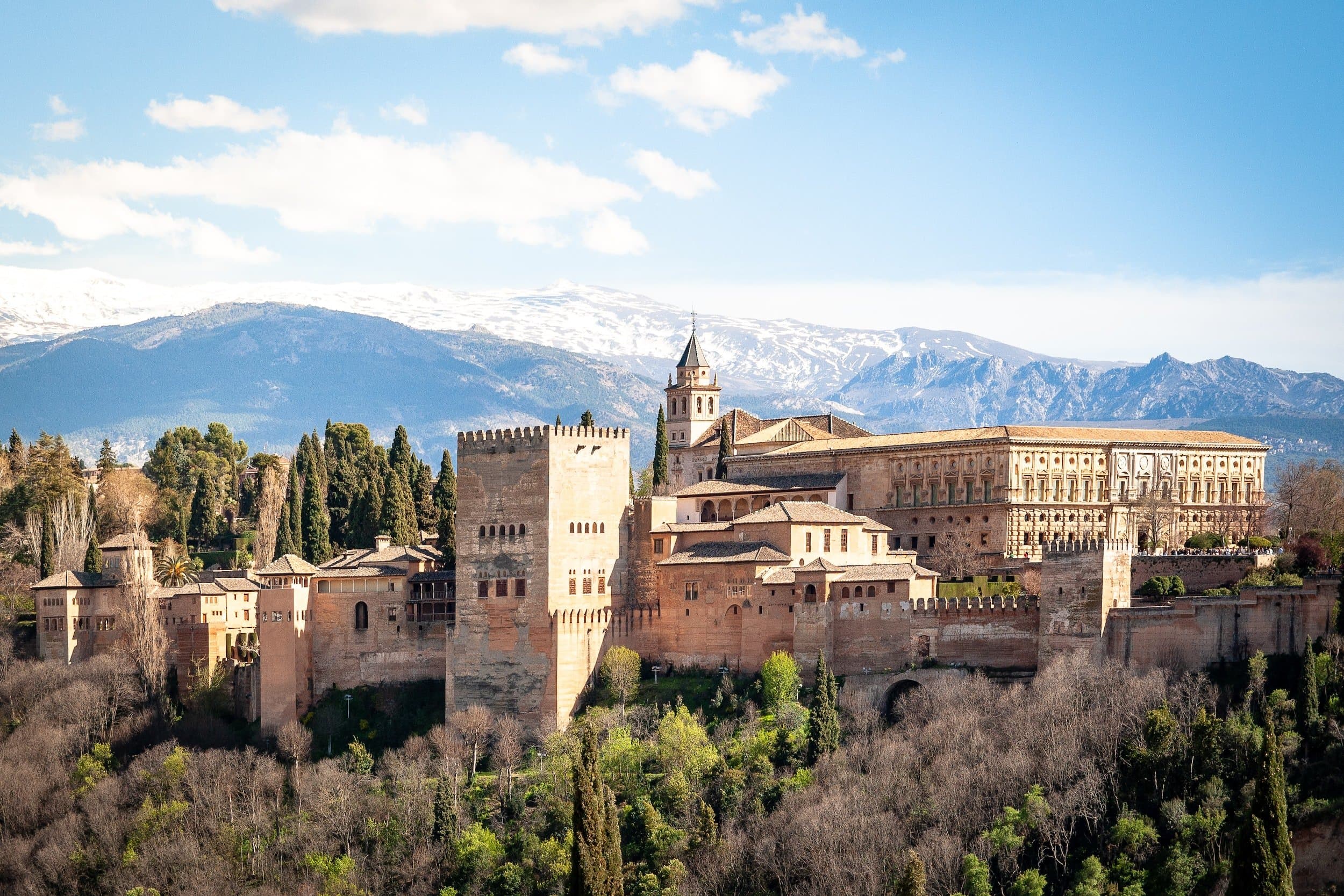
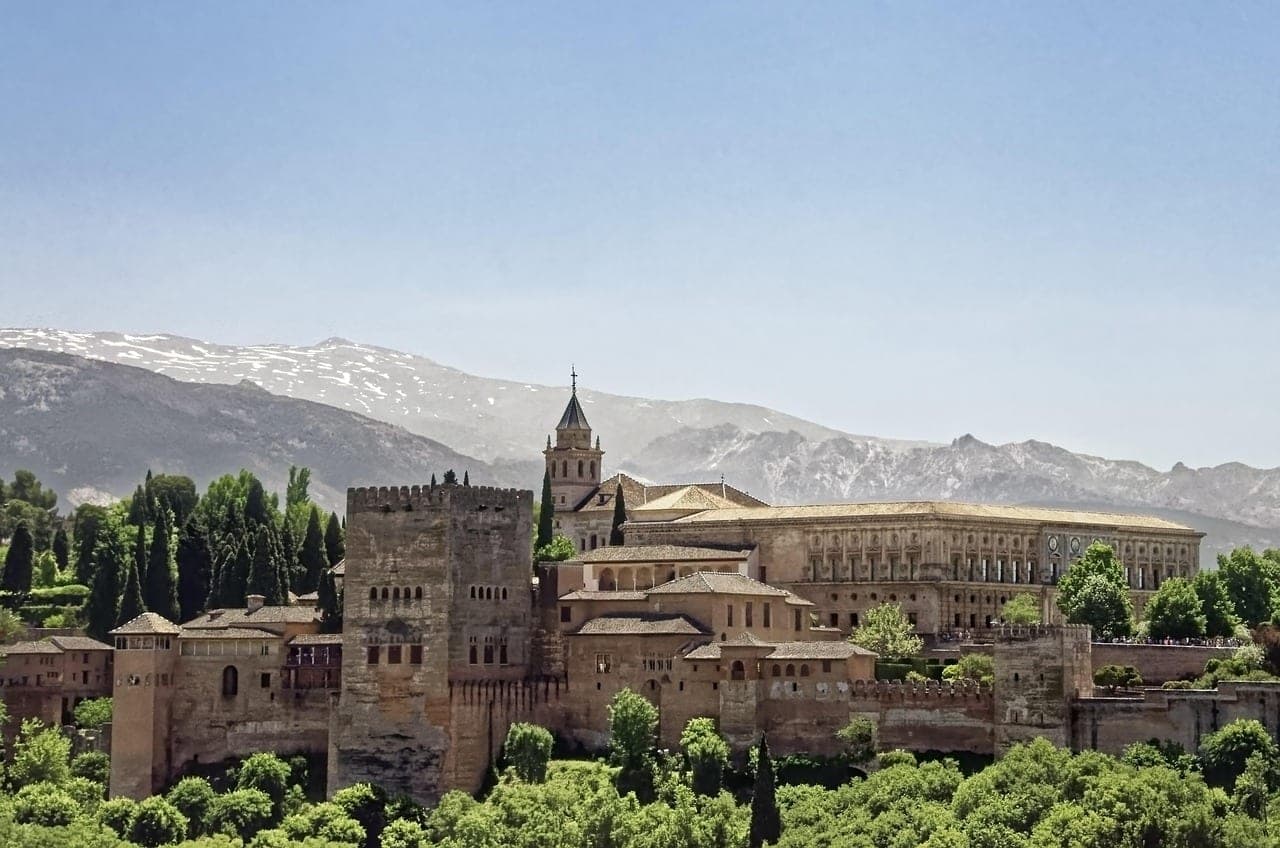
The Alhambra palace walls with the Sierra Nevada mountains rising behind Granada
On this page
  • Where Granada sits below the Sierra Nevada and why the center stays walkable
  • Six sights worth booking ahead — Alhambra, Albaicín, Sacromonte, Royal Chapel
  • What to eat: the free-tapas tradition and piononos de Santa Fe
  • When to go, what to pack, and whether Granada is safe for students
  • Practical logistics for teachers: timed Alhambra entry, siesta hours, hill walks
← All city guidesCountry guide: Spain
Plan a trip

A quick introduction

Granada is where Moorish Spain made its last stand. The city sits at the foot of the Sierra Nevada at about 740 meters of elevation, where two rivers — the Darro and the Genil — carve the old quarters into ridges. Around 230,000 people live inside the city and roughly half a million across the metro. Founded by the Zirids in the 11th century and held by the Nasrid dynasty until 1492, Granada was the final Muslim kingdom to fall in the Reconquista. The fingerprints of both civilizations — the Alhambra above and the Royal Chapel below — sit a 15-minute walk apart.

For a student group, Granada is the most layered single city on a Spain itinerary. Moorish architecture, Reconquista history, Federico García Lorca's poetry, and Washington Irving's Tales of the Alhambra all live inside the same square mile, which makes educational travel here punch above its weight. Teacher-led tours use Granada as the Andalusian anchor — often paired with Seville and Córdoba for a broader high school group trip through southern Spain, or stitched to Madrid for a civilization-wide student group trip.

Day by day

Top things to see and do

The Alhambra

The Alhambra

The Nasrid Palaces, Generalife gardens, and Alcazaba fortress share one ticket and one timed entry slot — the most rationed site in Spain. Plan a full half-day; the Nasrid Palace entry time is non-negotiable and arriving late means losing the slot.

Albaicín quarter

Albaicín quarter

The old Moorish quarter across the Darro river, a UNESCO-listed maze of whitewashed houses and cármenes (walled garden homes). Climb to Mirador de San Nicolás at sunset for the classic Alhambra- against-the-Sierra-Nevada view.

Sacromonte cave dwellings

Sacromonte cave dwellings

The historic Roma neighborhood carved into the hillside above the Albaicín, home to the zambra flamenco tradition. Evening cave flamenco shows are raw and close-quarters — the real thing, not a tourist review.

Royal Chapel & Cathedral

Royal Chapel & Cathedral

The tombs of Isabella and Ferdinand — the Catholic Monarchs who finished the Reconquista and funded Columbus in the same year — sit in the Capilla Real next door to the Renaissance cathedral. A 45-minute paired visit is the Reconquista lesson in physical form.

Sierra Nevada day trip

Sierra Nevada day trip

The highest range on the Iberian Peninsula and mainland Europe's southernmost ski area, 45 minutes from the city center. A non-skiing group still wins on the cable car up for an alpine picnic and geology lesson about glacial cirques.

Monasterio de la Cartuja

Monasterio de la Cartuja

A 15-minute bus ride from the center, this Carthusian monastery is Spanish Baroque at its most unhinged — a sacristy of swirling marble and gilded stucco that students remember long after the trip ends.

Weather by season

When to go

  • Apr - Jun — spring sweet spot

    The prime window for educational travel to Granada. Daytime highs run 18-28°C, Sierra Nevada still carries snow on the peaks, and the Generalife gardens are in full bloom. Semana Santa (Holy Week, usually late March or April) packs the center with processions — book Alhambra slots six weeks out if the trip falls that week.

  • Jul - Aug — peak heat, thinner crowds

    Daytime highs 32-38°C with dry continental heat (the city sits inland, not on the coast). The Alhambra offers evening-entry visits in summer that sidestep the worst heat and are cheaper to book. Many Granadinos leave town in August and some family tapas bars close for two or three weeks.

  • Sep - Oct — shoulder-season gold

    The best-kept secret among teacher-led tours to Andalusia. Temperatures drop to 20-28°C, the light turns amber against the Alhambra walls, and the student-heavy arrival of the University of Granada cohort in late September makes the city feel genuinely young. Tourist volume drops sharply after the first week of September and Alhambra tickets free up again.

  • Nov - Mar — cold nights, open doors

    Daytime highs 12-16°C, cold clear nights, and the Sierra Nevada ski season runs late November through April. No Alhambra lines at all and tapas bars fill up with locals instead of cruise groups. Short daylight (sunset around 6 PM in December) compresses the photo window but a January or February student group trip rewards teachers who can read a thermometer.

What to order

Food and culture

Free tapas tradition

Free tapas tradition

Granada is one of the last Spanish cities where ordering a drink still brings a free tapa — croquetas, jamón, patatas, a little plate of something. Order three rounds at three bars and the group has dinner for the price of the drinks.

Piononos de Santa Fe

Piononos de Santa Fe

A tiny syrup-soaked rolled pastry topped with torched cream, invented in nearby Santa Fe and named for Pope Pius IX. One bite each; the local bakeries sell them by the six-pack.

Tortilla del Sacromonte

Tortilla del Sacromonte

A Sacromonte-style omelette built with lamb brains, sweetbreads, and peas — genuinely old-school. A split portion between curious students is the right call; one full order each is not.

Plato alpujarreño

Plato alpujarreño

The hearty mountain platter from the Alpujarras villages just south of the city: cured ham, chorizo, blood sausage, fried egg, and fried potatoes on one plate. Winter fuel after a cold Albaicín walk.

Berenjenas con miel

Berenjenas con miel

Fried eggplant strips drizzled with cane-sugar syrup (miel de caña) — a Moorish-rooted dish that shows up on almost every menu in the old quarter. The crowd-pleaser even for skeptical students.

Packing essentials

What to pack

  • Documents

    Passport valid 6+ months past travel date, two printed copies (one for the student, one for the Tour Director's file), insurance card, and the Passports group packet. No visa required for US citizens on a stay under 90 days in the Schengen area; ETIAS authorization is phasing in, so check the status 60 days out.

  • Clothing

    Layers are the rule — Granada's 740-meter elevation means cool mornings and warm afternoons even in spring, and evenings drop noticeably once the sun is behind the Sierra. Modest dress (shoulders and knees covered) is enforced at the cathedral and the Royal Chapel; a light scarf in the daypack solves it. In summer, fabrics that breathe beat cotton in the dry inland heat.

  • Footwear

    Serious, broken-in walking shoes with real tread. The Albaicín and Sacromonte are steep cobblestone lanes and the Alhambra visit alone is 3-4 kilometers of uneven stone. A student group will log 12,000-15,000 steps a day. Do not buy new shoes for the trip. Ankle-support sneakers beat fashion sneakers by a wide margin on the Mirador de San Nicolás climb.

  • Tech

    Spain uses Type C / F plugs (European two-prong) — bring a universal adapter. A portable battery earns its weight on the long Alhambra day. T-Mobile and Google Fi work out of the box; others should buy a Movistar or Vodafone eSIM before departure or at the Granada or Málaga airport on arrival.

  • Extras

    A small daypack (the Alhambra lets in normal daypacks but larger bags go to the cloakroom), a reusable water bottle (the fuentes in the old town pour potable Sierra Nevada water), strong sunscreen for the Generalife gardens, and a compact umbrella November through March. Sunglasses are non-negotiable — the reflective Andalusian light fatigues eyes fast.

The parent-meeting question

Is it safe?

Yes. Spain's US State Department rating is Level 2 ("exercise increased caution") — the same as France, the UK, Germany, and most of Western Europe — and the elevated level reflects generic European terrorism risk, not anything specific to Granada. Granada is genuinely one of the lower-crime Spanish cities on our catalog; violent crime against travelers is very rare and the student-heavy University of Granada population keeps the center lively and public into the evening. The real risk is garden-variety pickpocketing at the Alhambra entry queue, the Plaza Nueva bus stops, and the crowded Sacromonte flamenco venues.

On a Passports teacher-led trip, the group moves by private coach with a professional Andalusian driver, the Tour Director runs a pickpocket-awareness briefing on the first evening, and every hotel is pre-vetted for 24-hour reception and secure room storage. We operate a 24/7 emergency line out of Boston, keep parents on a daily-update channel, and have English-speaking medical contacts in every city we visit. For most teachers running their first school group tours to Spain, the Granada logistics feel easier than a domestic field trip because the Tour Director owns the timed Alhambra entry, the coach drops, and any curveballs end to end.

🛡️

Personal safety

Pickpocketing is the real risk; violent crime is rare. Cross-body bags in front, phones off café tables, and a Day 1 briefing cover most of it. Hotels are vetted for 24-hour reception, in-room safes, and English-speaking front desks. The Alhambra queue and Plaza Nueva are the two hotspots the Tour Director names by name.

⚕️

Health & medical

Tap water is safe citywide — the city's supply comes off Sierra Nevada snowmelt. No special vaccines required beyond CDC routine. Hospital Universitario Virgen de las Nieves and Hospital Clínico San Cecilio both run 24-hour emergency rooms to international standards and both take US travel insurance. Pharmacies (look for the green cross) sit on almost every block.

🚐

Roads & transport

Group movement is by private coach with a professional driver; no students on city buses alone, no scooters, no student-driven vehicles at any point. Coach drops at designated stops near Plaza Isabel la Católica and the Tour Director walks the group in. Málaga and Granada airport transfers are private coach end to end.

🌪️

Natural hazards

Andalusia sits in a low-to-moderate seismic zone — small earthquakes register a few times a year and go unfelt. Summer heat and sun exposure are the most common practical concerns; plan the Alhambra for morning and shaded Albaicín walks for afternoon. Sierra Nevada wildfire smoke is a rare late-summer factor worth checking the week of departure.

Practical tips

  • Lunch is late, dinner is later

    Restaurants serve lunch 2-4 PM and dinner rarely before 9 PM. Many tapas bars only pour between 1 and 4 PM and again after 8. Plan group meals on the Spanish clock; a mid-morning bocadillo bridges the gap if an early Alhambra entry wrecks the usual schedule.

  • Order a drink, get a tapa — the Granada rule

    The free-tapas custom is genuinely alive here, not a marketing line. Order a soft drink or a caña and a small plate comes with it, no menu choice involved. Three bar stops at €2 a round is the cheapest and most authentic dinner on the Andalusian itinerary for an educational tour.

  • Altitude and hill-walks are real

    Granada sits at 740 meters and the Albaicín climbs another 150 above that. Groups from sea-level schools notice the walk up to Mirador de San Nicolás; pace the afternoon, carry water, and plan a sit-down break at the top. Not altitude sickness territory — just harder than it looks from the map.

  • Contactless everywhere, small cash helps

    Tap-to-pay is near-universal at museums, restaurants, and the cathedral gift shop. A little cash is useful for Albaicín bakeries, Sacromonte flamenco venues, and tipping. ATMs from CaixaBank, Santander, and BBVA charge lower fees than the tourist-facing Euronet machines around Plaza Nueva.
Five facts

Good to know

📜

1492 happened here

On January 2 of that year Boabdil surrendered the Alhambra to Isabella and Ferdinand, ending eight centuries of Muslim rule on the Iberian Peninsula. Columbus signed his contract with the same monarchs in the same city months later.

🏛️

The Alhambra name means 'the red one'

From the Arabic al-qal'a al-hamra, for the red clay the fortress walls were built from. The Nasrid Palaces inside are plastered white; the red is the outer rampart visible from the Albaicín.

🎭

Federico García Lorca is Granada's patron poet

Spain's great 20th-century poet and playwright was born just outside the city in 1898 and murdered by Nationalist militia in the hills above it in 1936. His summer home at Huerta de San Vicente is a museum and a strong classroom stop.

📖

Washington Irving lived in the Alhambra

The American author squatted in the abandoned palace in 1829 and wrote Tales of the Alhambra, the book that put the site back on the global map. His room off the Court of the Lions is marked with a plaque.

🎓

The University of Granada is 500 years old

Founded in 1531 by Charles V, it enrolls about 60,000 students today and makes Granada one of Spain's youngest cities by median age. The student population is why the tapas scene runs late and affordable.

Classroom material

Lesson plans about Granada

See all →
SpainHistoryGrade 11-12

Age of Discovery: Spain: Columbus First Voyage of 1492

Through the investigation of primary and secondary sources, students in this lesson will identify, understand and be able to explain the details of Columbus' First Voyage to the New World, why he undertook the challenge of sailing west to r…

View lesson
SpainEnglish / Language ArtsGrade 9-12

Ballad of the Spanish Civil Guard: An Analysis

In this lesson, students will interpret an English version of Federico García Lorca's Ballad of the Spanish Civil Guard, critique the work using a list of guided questions, and analyze how it serves as a social commentary for both th…

View lesson
MexicoSpanishGrade 11-12

Borders: Countries and Cultures (A Photo Essay)

In this lesson, students will compare and contrast the format, components and purpose of the photo essays "On the Border" by Alan Taylor and "Marisol: The American Dream" by Janet Jarman, defining what a photo essay is based on their observ…

View lesson
MexicoEnglish / Language ArtsGrade 9-12

Borders: Countries and Cultures (A Photo Essay)

In this lesson, students will compare and contrast the format, components and purpose of the photo essays "On the Border" by Alan Taylor and "Marisol: The American Dream" by Janet Jarman, defining what a photo essay is based on their observ…

View lesson
FranceHistoryGrade 11-12

Frankish Gaul (486-987): The Battle of Tours 732 CE

Through an in-depth analysis of various primary and secondary sources including excerpts from contemporary accounts on both sides of the conflict, students in this lesson will identify, understand and be able to explain the importance of th…

View lesson
SpainHistoryGrade 11-12

Moorish Iberia (711-1492): Al-Andalus

Through the investigation of primary and secondary sources, students in this lesson will identify, understand and be able to explain the details of Al-Andalus (Moorish Iberia), including how Muslim forces came to rule over Christian Iberia,…

View lesson
From our blog

Blog posts about Granada

See all →
Unlocking the History Behind European World Heritage Sites: A Teacher’s Guide
educational impact

Unlocking the History Behind European World Heritage Sites: A Teacher’s Guide

Six European UNESCO World Heritage Sites offer rich classroom tie-ins across history, architecture, and culture. This guide gives teachers activity ideas for each landmark

Read post
Exploring Europe's Ancient Ruins and Archaeological Sites
destinations

Exploring Europe's Ancient Ruins and Archaeological Sites

Europe's top ancient ruins span Roman colosseums to prehistoric Stonehenge. This guide covers 10 must-see archaeological sites across Italy, Greece, England, Spain, and Turkey

Read post
Discovering: Granada, Spain
destinations

Discovering: Granada, Spain

Granada, Spain offers student travel groups a rich mix of Moorish architecture, historic neighborhoods, and tapas culture — here's what a full day in the city looks like

Read post
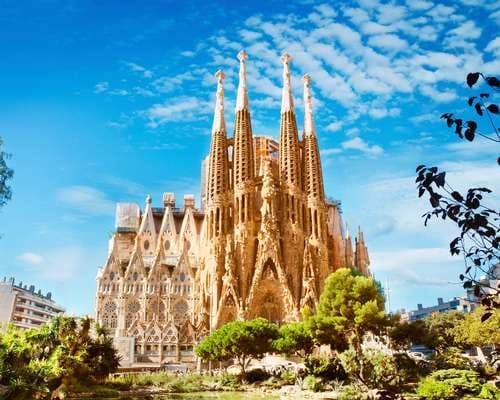
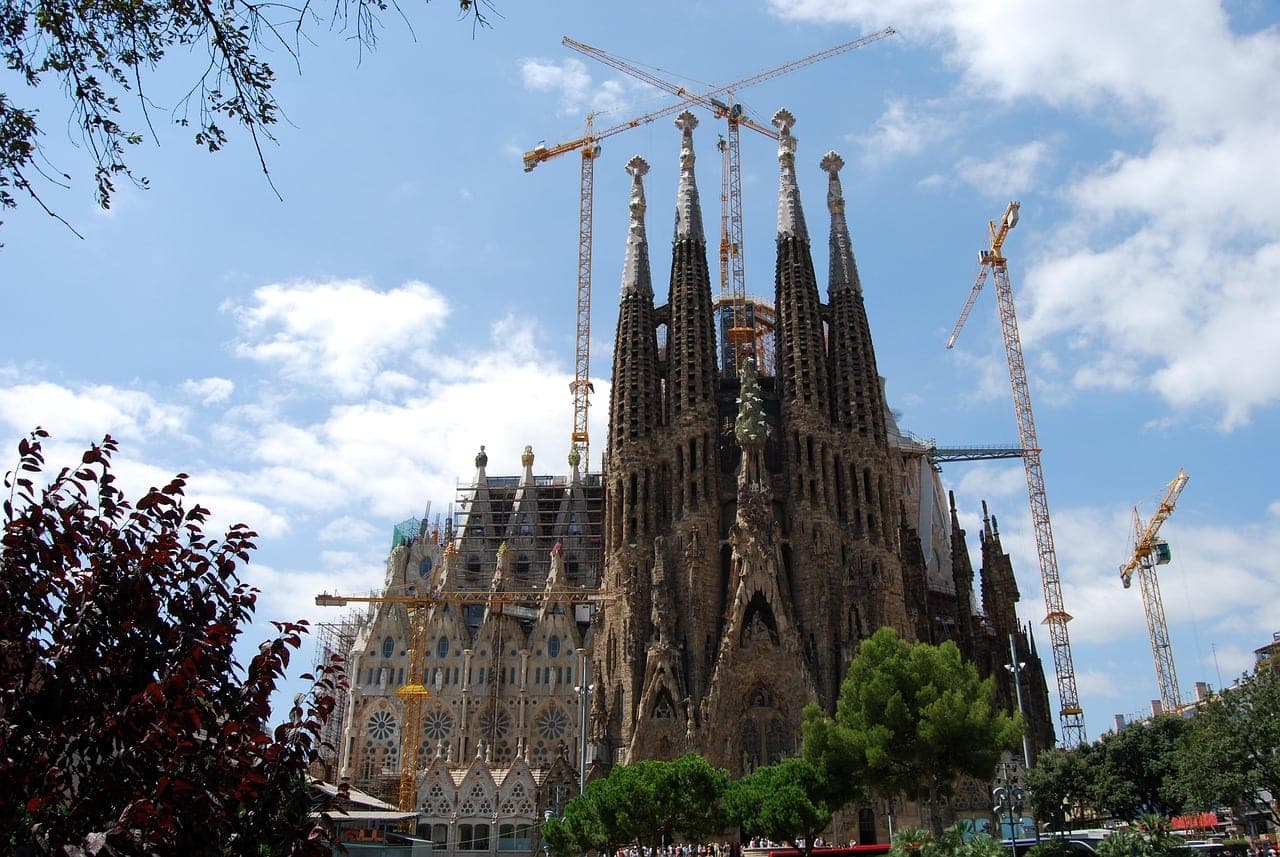
Sagrada Familia Basilica, Barcelona
for teachers

Comprensión de Español: Turismo en Barcelona

La Sagrada Familia ¿Por qué tiene este nombre? Pues en la religión católica, cuando hablamos de la Sagrada Familia, hablamos de José, su mujer María, y su hijo Jesús. El nombre completo de esta basílica (es una basílica,

Read post
On the ground

More places in Spain

Country guide: Spain →
Gaudí's Sagrada Família spires rising above the rooftops of Barcelona, Spain

Barcelona, Spain

Barcelona student group travel for teachers: Gaudí, the Gothic Quarter, and Catalan culture on teacher-led high school group trips and educational tours.

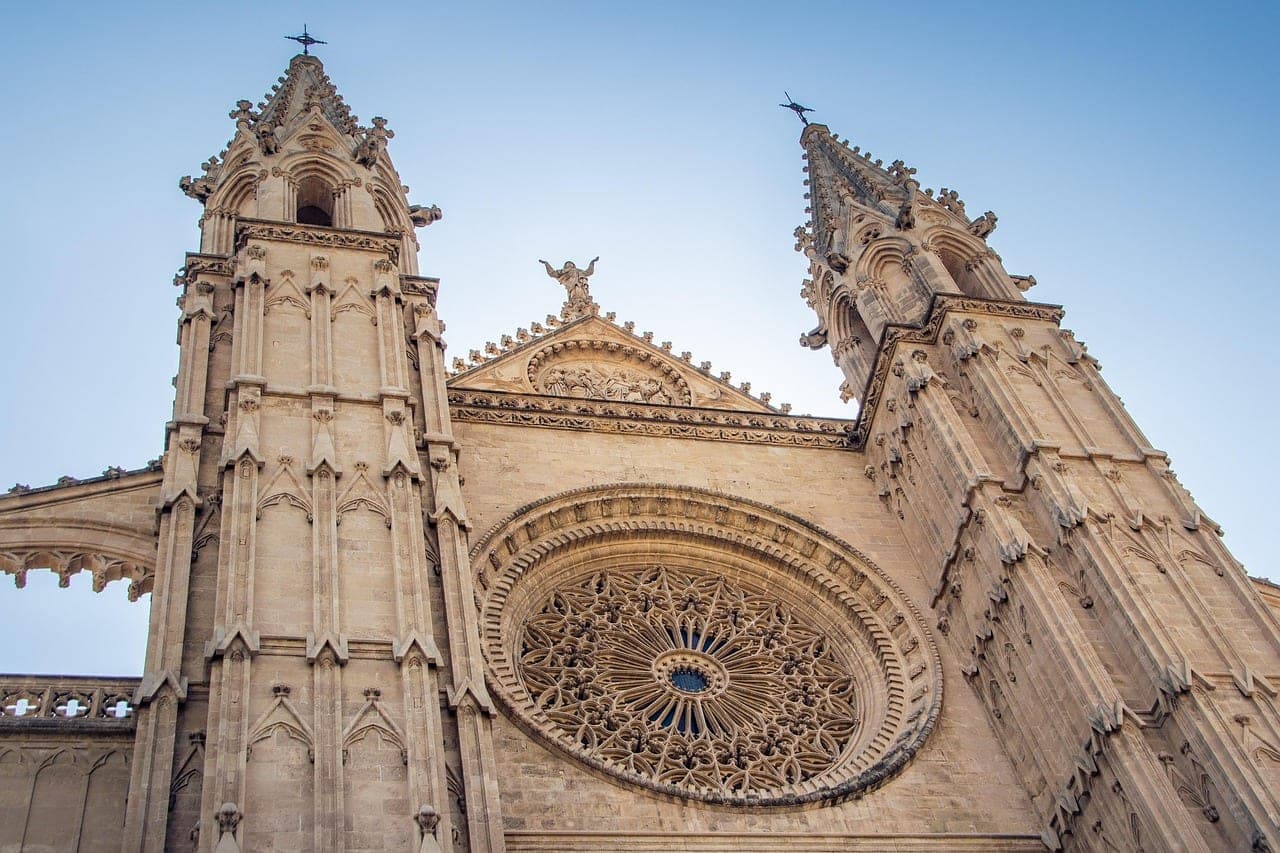
The Gothic spires of Burgos Cathedral rising above the old town in Castile, Spain

Burgos, Spain

Burgos student group travel for teachers: the Gothic cathedral, the Camino de Santiago, and Castilian history on teacher-led educational tours of Spain.

Mediterranean coastline and whitewashed villages along Spain's Costa del Sol

Costa del Sol, Spain

Costa del Sol student group travel for teachers: Malaga, Marbella, Nerja, Ronda. Mediterranean beaches and Moorish history on an educational tour of Andalusia.

Atlantic lighthouse on the rocky coast near Cádiz, on the southern tip of Andalusia, Spain

Cádiz, Spain

Cádiz student group travel for teachers: the oldest city in Western Europe, the Atlantic seafront, and Andalusian history on teacher-led educational tours.

Wide Mediterranean beach and paseo marítimo at Fuengirola on Spain's Costa del Sol

Fuengirola, Spain

Fuengirola student group travel guide for teachers: Costa del Sol beaches, Sohail Castle, and Mijas — educational tours and teacher-led high school trips.

Madrid skyline at sunset over the Plaza Mayor and the Spanish capital's old town

Madrid, Spain

Madrid student group travel for teachers: the Prado, the Royal Palace, and Spanish capital walks on teacher-led educational tours and high school group trips.

Bring your group to Granada, Spain.

Every Passports trip is built around a teacher and a group — from first itinerary sketch to the last day on the ground. Tell us what you have in mind and we’ll take it from there.

Plan a trip