Destination

Barcelona, Spain

Barcelona student group travel for teachers: Gaudí, the Gothic Quarter, and Catalan culture on teacher-led high school group trips and educational tours.

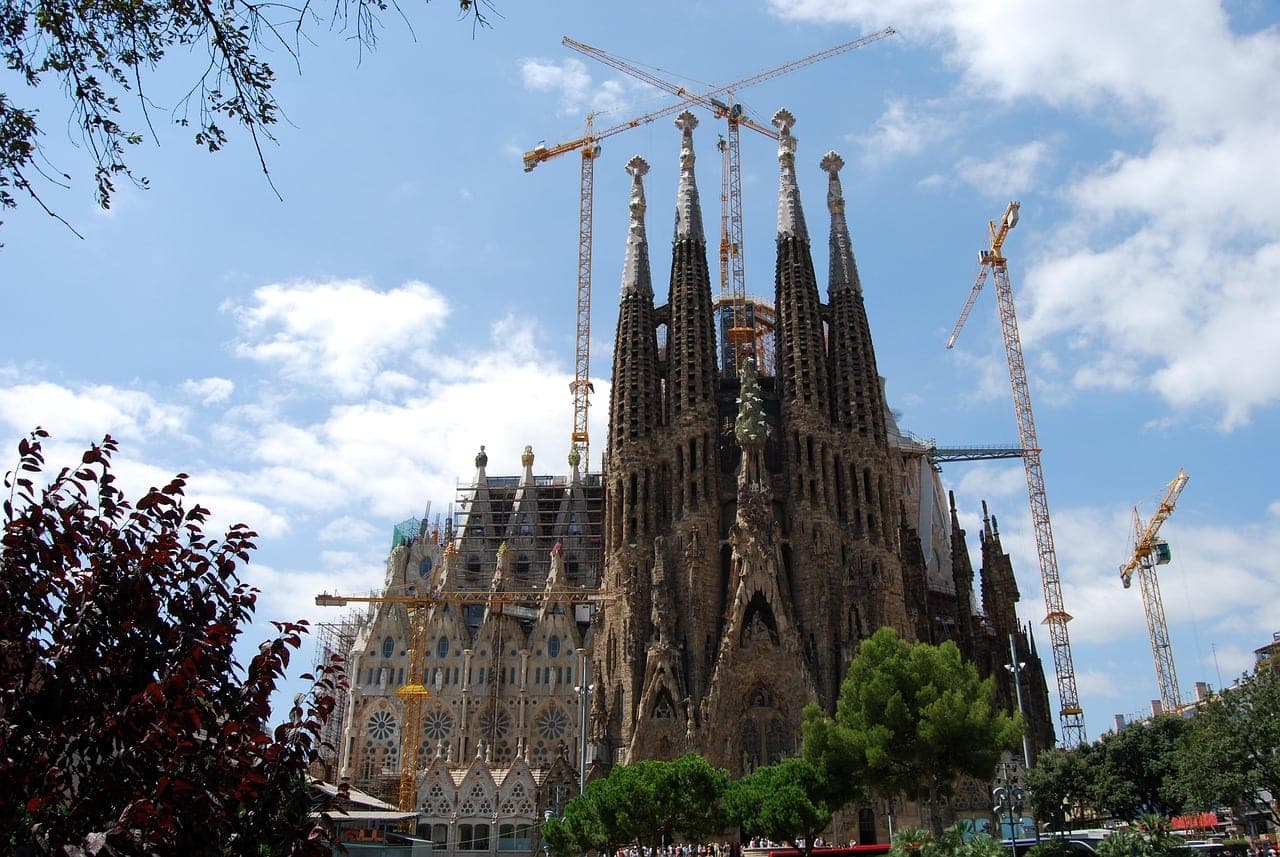
Gaudí's Sagrada Família spires rising above the rooftops of Barcelona, Spain
On this page
  • Where Barcelona sits on the Mediterranean and why the grid makes it walkable
  • Six sights worth booking ahead — Sagrada Família, Park Güell, Casa Batlló, Gothic Quarter
  • What to eat: tapas, paella, and the pan con tomate standard
  • When to go, what to pack, and whether Barcelona is safe for students
  • Practical logistics for teachers: pickpocket briefings, timed entries, siesta hours
← All city guidesCountry guide: Spain
Plan a trip

A quick introduction

Barcelona is a two-thousand-year-old Mediterranean port layered on a Roman grid, expanded by a 19th-century engineer named Ildefons Cerdà, and ornamented by one very patient architect named Antoni Gaudí. The city sits on a narrow plain between the Collserola hills and the sea; 1.6 million people live inside the city limits and about 5.7 million across the metro. Catalan and Spanish are both official, and most signage, menus, and museum panels lead with Catalan.

For a student group, Barcelona is the most visually exciting stop on a Spain itinerary. A walkable historic core, a world-class modernista architecture thread, and a beach inside the city limits make it a high-energy anchor for educational travel. It pairs well with Madrid for a broader Spanish student group trip, or with the south of France on a cross-border high school group trip. Teacher-led tours here lean on art, architecture, Catalan history, and the civics story of post-Franco regional identity.

Day by day

Top things to see and do

Sagrada Família

Sagrada Família

Gaudí's still-unfinished basilica is the trip's headline stop. The forest-of-columns interior and stained-glass light show hit harder than any photo suggests. Timed entry uses the tower climb for students who can handle a tight spiral staircase.

Park Güell

Park Güell

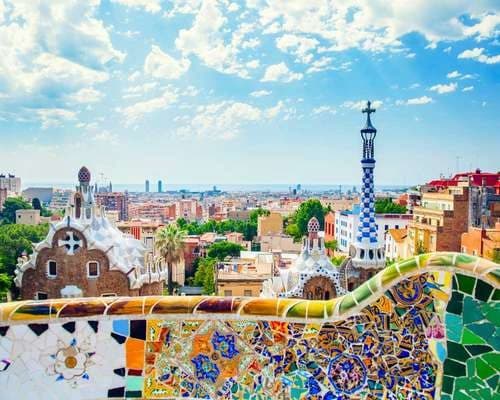
Gaudí's mosaic park on Carmel hill — trencadís serpent bench, gingerbread gatehouses, and the best free skyline view in the city just above the paid zone. The Monumental Zone needs a timed ticket; the surrounding park is free.

Casa Batlló & Casa Milà

Casa Batlló & Casa Milà

Two Gaudí apartment blocks on Passeig de Gràcia, ten minutes apart. Casa Batlló's dragon-scale façade and Casa Milà's wave-stone roof are the modernisme crash course. Pick one for the paid interior tour and walk past the other.

Gothic Quarter & La Rambla

Gothic Quarter & La Rambla

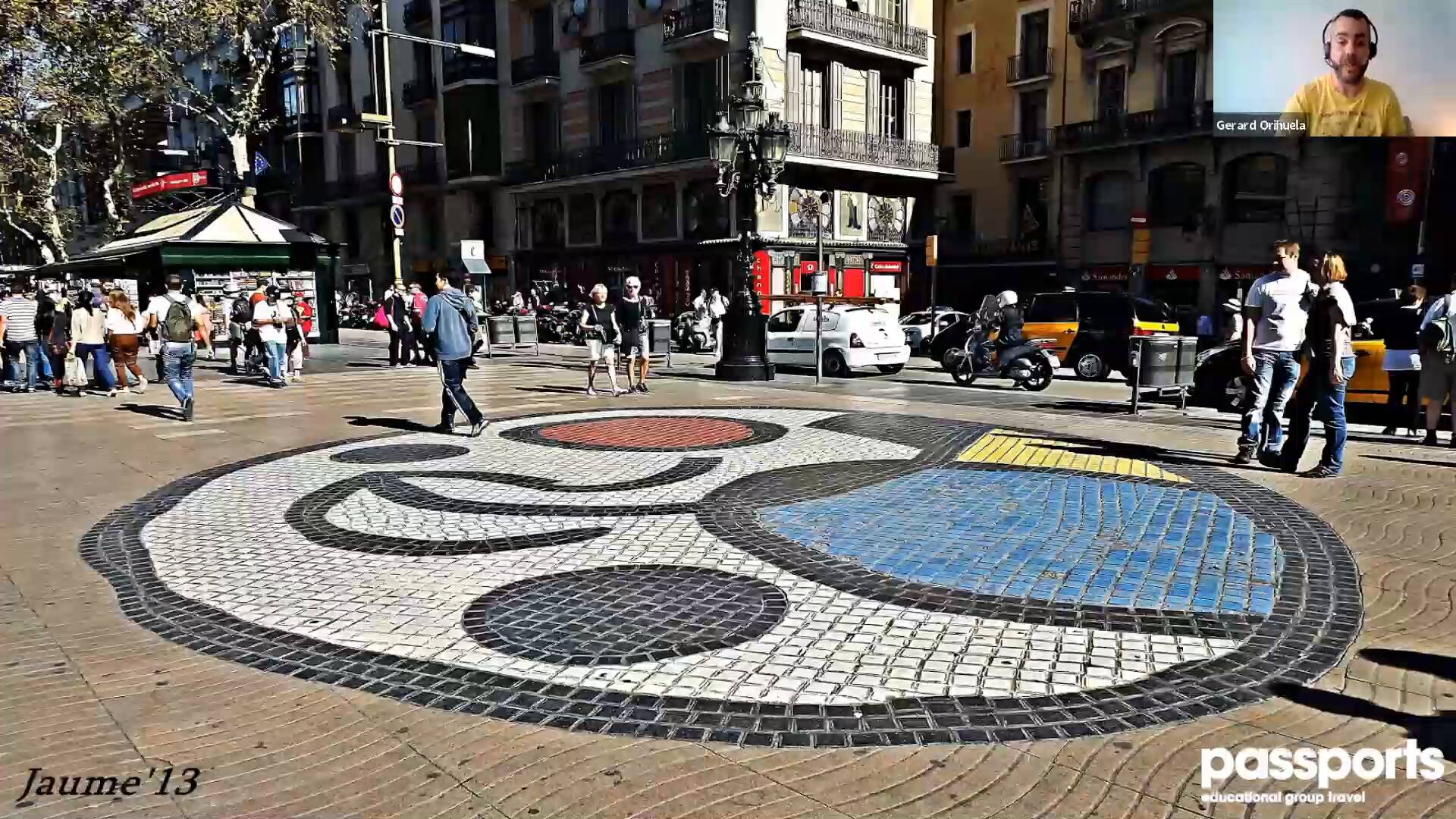
The medieval core: Barcelona Cathedral, Plaça del Rei, the Roman wall fragments, and narrow stone alleys that open onto café plaças. La Rambla runs down the western edge — scenic but the city's densest pickpocket corridor, so keep the group tight.

Picasso Museum

Picasso Museum

Five medieval palaces in the El Born district, holding the world's deepest collection of Picasso's early and Blue Period work. A 90-minute visit reframes how students see his Cubist canvases later in life.

Montjuïc & the 1992 Olympic ring

Montjuïc & the 1992 Olympic ring

The hill south of the city holds the Olympic stadium, the Joan Miró Foundation, the Magic Fountain, and the Montjuïc Castle. The funicular plus cable car up is a worthwhile afternoon; the sunset view back over the city closes the day.

Weather by season

When to go

  • Apr - Jun — spring sweet spot

    The prime window for educational travel to Barcelona. Daytime highs run 18-27°C, the sea is warming up, and the modernisme façades glow in the longer evening light. Book Sagrada Família and Park Güell timed entries four weeks out; crowds build through June but lines are still manageable before 10 AM.

  • Jul - Aug — peak heat, peak crowds

    Daytime highs 28-32°C with sticky Mediterranean humidity, and a full cruise-ship calendar on top of European summer holidays. Still works for determined summer student groups — Passports books the timed slots when the group count locks; outdoor walking tours should shift to early morning or after 5 PM. August is when locals leave and some family-run restaurants close for two or three weeks.

  • Sep - Oct — shoulder-season gold

    The best-kept secret among teacher-led tours to Spain. Temperatures settle at 20-26°C, the sea is still swimmable through mid-October, and tourist volume drops sharply after the first week of September. La Mercè festival runs around September 24 with free street concerts and castellers — a high school group trip timed around it gets real cultural weight.

  • Nov - Mar — mild, quiet winter

    Daytime highs 12-16°C, occasional rain, almost no museum lines. A small group can see Casa Batlló in half the usual time and the Gothic Quarter feels genuinely local. Short daylight (sunset around 5:30 PM in December) compresses photo time, and Christmas markets on the cathedral plaça are worth an evening.

What to order

Food and culture

Pa amb tomàquet

Pa amb tomàquet

The Catalan table standard: rustic bread rubbed with ripe tomato, olive oil, salt. It arrives before almost every meal and sets the baseline for how good the local produce is.

Paella & fideuà

Paella & fideuà

Rice (paella) or short noodles (fideuà) cooked in a shallow pan with saffron, seafood, and a crisp bottom layer called the socarrat. Order at lunch, not dinner — locals treat it as a midday dish.

Tapas & pintxos

Tapas & pintxos

Small shared plates: patatas bravas, croquetas, jamón ibérico, pimientos de padrón. The El Born and Gràcia neighborhoods have the better modern tapas bars; La Rambla versions are tourist traps.

Crema catalana

Crema catalana

Catalonia's answer to crème brûlée — lighter, citrus- and cinnamon-scented, with a torched sugar crust. Traditionally served on Saint Joseph's Day but on menus year-round.

Chocolate & churros

Chocolate & churros

Thick, near-pudding drinking chocolate with crisp fried churros for dunking. A Granja Viader breakfast or late-afternoon stop is a full cultural experience for the group.

Packing essentials

What to pack

  • Documents

    Passport valid 6+ months past travel date, two printed copies (one for the student, one for the Tour Director's file), insurance card, and the Passports group packet. No visa required for US citizens on a stay under 90 days in the Schengen area; ETIAS authorization is phasing in, so check the status 60 days out.

  • Clothing

    Layers for variable spring and autumn weather, plus modest dress (shoulders and knees covered) for Sagrada Família, the cathedral, and Santa Maria del Mar. A light scarf solves dress-code moments on the fly. In summer, bring fabrics that breathe — Barcelona's humidity surprises students who expect dry Spanish heat.

  • Footwear

    Serious, broken-in walking shoes. The Gothic Quarter is uneven stone and a student group will log 12,000-14,000 steps a day between the Eixample, Park Güell, and Barri Gòtic. Do not buy new shoes for the trip. One pair of flip-flops or slides for the hotel and any Barceloneta beach afternoon.

  • Tech

    Spain uses Type C / F plugs (European two-prong) — bring a universal adapter. A portable battery earns its weight on full museum days. T-Mobile and Google Fi work out of the box; others should buy a Movistar or Vodafone eSIM at BCN airport or install one before departure.

  • Extras

    A small daypack for museum days (larger bags go to the Sagrada Família cloakroom), a reusable water bottle, sunscreen for the walking tours, and a compact umbrella November through March. A cross-body bag that zips shut is the single most useful pickpocket deterrent on La Rambla.

The parent-meeting question

Is it safe?

Yes. Spain's US State Department rating is Level 2 ("exercise increased caution") — the same as France, the UK, Germany, and most of Western Europe — and the elevated level reflects generic European terrorism risk, not anything specific to Barcelona. Violent crime against travelers is genuinely rare. The actual risk in Barcelona is pickpocketing, and it is concentrated: La Rambla, the Metro L3 green line, the Sagrada Família entry queue, the Barceloneta beach, and the Sants-Estació train station account for most of what happens on student trips.

On a Passports teacher-led trip, the group is never on the Metro alone, the Tour Director runs a pickpocket-awareness briefing on the first evening, and every hotel is pre-vetted for 24-hour reception and secure room storage. We operate a 24/7 emergency line out of Boston, keep parents on a daily-update channel, and have English-speaking medical contacts in every city we visit. For most teachers running their first school group tours to Spain, the logistics feel easier than a domestic field trip because the Tour Director handles transport, tickets, and problem-solving end to end.

🛡️

Personal safety

Pickpocketing is the real risk; violent crime is rare. Cross-body bags in front, phones off café tables, and a Day 1 briefing cover most of it. Hotels are vetted for 24-hour reception, in-room safes, and English-speaking front desks. La Rambla and Metro L3 are the flagged hotspots the Tour Director names by name.

⚕️

Health & medical

Tap water is safe citywide. No special vaccines required beyond CDC routine. Hospital Clínic and Hospital del Mar both run 24-hour emergency rooms to international standards and both take US travel insurance. Pharmacies (look for the green cross) are on almost every block and staff usually read English prescriptions.

🚐

Roads & transport

Group movement is by private coach with a professional Catalan driver; no students on Metro alone, no scooters, no student-driven vehicles at any point. BCN airport transfers are private coach from Terminal 1 or 2. The coach drops at designated stops near the Gothic Quarter and the Tour Director walks the group in.

🌪️

Natural hazards

Catalonia sits in a low-seismic zone and coastal flooding is uncommon. Summer heat and sun exposure are the most common practical concerns — plan Park Güell and Montjuïc for morning, reserve museum time for the hottest afternoon hours. Wildfire smoke from inland Catalonia is a rare late-summer factor worth checking the week of departure.

Practical tips

  • Lunch is late, dinner is later

    Restaurants serve lunch 1:30-4 PM and dinner rarely before 8:30 PM. Many family-run spots close between services. Plan group meals on the Spanish clock; grab a late-morning bocadillo if the itinerary calls for an early lunch.

  • Catalan first, Spanish second

    Catalonia is bilingual and Catalan leads on signage, menus, and greetings. Bon dia and gràcies land better than buenos días and gracias in most neighborhoods. Either works; acknowledging Catalan earns goodwill quickly with students in the room.

  • Contactless everywhere, small cash helps

    Tap-to-pay is near-universal at museums, restaurants, and the Metro. A little cash is useful for neighborhood bakeries, churro stands, and tipping. ATMs from major Spanish banks (CaixaBank, Santander, BBVA) charge lower fees than the tourist-facing Euronet machines on La Rambla.

  • Churches enforce dress codes

    Sagrada Família, the Cathedral, and Santa Maria del Mar all require covered shoulders and knees. Scarves are sold nearby for groups who didn't plan for it; a lightweight layer in the daypack solves it without the detour.
Five facts

Good to know

🏛️

Sagrada Família has been under construction since 1882

Gaudí took it over in 1883 and spent the last 12 years of his life living on the site. Current target completion is 2026 — the centennial of his death — though the final decorative towers run into the 2030s.

🗺️

The Eixample grid is a 19th-century experiment

Ildefons Cerdà's 1859 plan gave every city block chamfered corners to improve visibility and airflow. Walk any intersection in the Eixample and you're standing in one of the world's earliest pieces of evidence-based urban design.

📜

Catalan was banned in public under Franco

From 1939 to 1975 the language was suppressed; today it's co-official, taught in schools, and the default medium of Catalan TV. The civics story behind the language revival is a strong classroom thread for teacher-led trips.

🏅

The 1992 Olympics reshaped the waterfront

The entire Barceloneta beachfront was industrial dock until the Olympics. The city literally moved the coastline out, added four kilometers of beach, and rebranded itself on the Mediterranean tourist map in 18 months.

🤸

Castellers build human towers

Catalan tradition dating to the 18th century — teams stack 8-10 people high with a child called the enxaneta climbing to the top. Performances happen on major holidays in Plaça de Sant Jaume; an educational tour timed around La Mercè catches them.

Tours that go here

Tours that stop in Barcelona

See all tours →
Bilbao
Spain · Switzerland · Austria · …

Barcelona to Bavaria

Barcelona · Lucerne · Innsbruck · Munich

Large-group
See itinerary
Don Quijote
Spain

Madrid and Barcelona

Madrid · Barcelona

Small-groupLanguage-immersion
See itinerary
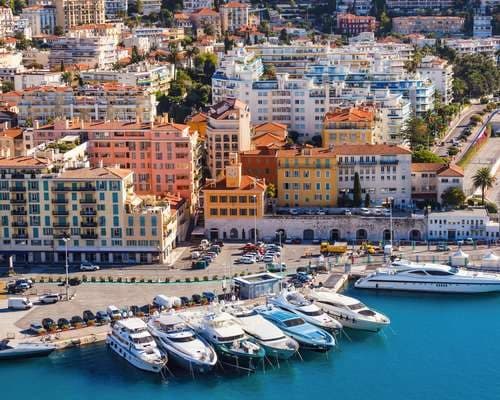
Aerial View on Port of Nice and Luxury Yachts
Spain · France · Italy

On Mediterranean Shores

Barcelona · Avignon area · Nice · Florence · Rome

Adult-recommended
See itinerary
Parc Guell, Barcelona
France · Spain

Paris and Barcelona

Paris · Barcelona

Small-group
See itinerary
From the Tour Directors

Tour Director lectures about Barcelona

See all →
Does the rain in Spain fall Mainly on the Plain? — Passports Tour Director lecture
Tom FergusonSpain

Does the rain in Spain fall Mainly on the Plain?

With its population of nearly 7 million, the Madrid Metro Area is the 3rd largest in Europe. As the capital of the Kingdom of Spain, it is surprising that a city so large is nowhere near a navigable river or a coastal harbor. In today’s lecture, we’ll learn about some of the history and geography that gave rise to today’s exciting and surprisingly young Iberian capital.

Watch lecture
Las Ramblas and the Markets of Barcelona — Passports Tour Director lecture
Gerard Orihuela GuerraSpain

Las Ramblas and the Markets of Barcelona

Watch lecture
From our blog

Blog posts about Barcelona

See all →
If Classrooms Could Travel: How Educational Tours Bring Learning to Life
educational impact

If Classrooms Could Travel: How Educational Tours Bring Learning to Life

Educational travel transforms abstract classroom subjects into lived experience — from Roman history to Costa Rican biodiversity. Here's how student tours make learning unforgettable

Read post
Culinary Classrooms Abroad: Teaching Culture Through Cooking
culture and food

Culinary Classrooms Abroad: Teaching Culture Through Cooking

Cooking classes abroad in Italy, Spain, and France give student travelers a hands-on way to learn culture, history, language, and collaboration — one recipe at a time

Read post
Hidden Educational Gems in Europe’s Most Visited Cities
destinations

Hidden Educational Gems in Europe’s Most Visited Cities

Hidden educational gems in Paris, Rome, London, and Barcelona give student travelers deeper, crowd-free experiences tied to history, science, art, and culture

Read post
The Best European Cities for Art Lovers
destinations

The Best European Cities for Art Lovers

Europe's best cities for art lovers span from Paris's Louvre to Prague's National Gallery, covering must-visit museums, galleries, and street art scenes across 10 destinations

Read post
Top 10 European Walking Tours for Students: A Journey Through History
destinations

Top 10 European Walking Tours for Students: A Journey Through History

Ten European walking tours ideal for student groups span Rome's ancient ruins to Hamburg's Hanseatic port, blending history, culture, and hands-on learning across the continent

Read post
Uncover Montserrat: A Day Excursion Guide from Barcelona
destinations

Uncover Montserrat: A Day Excursion Guide from Barcelona

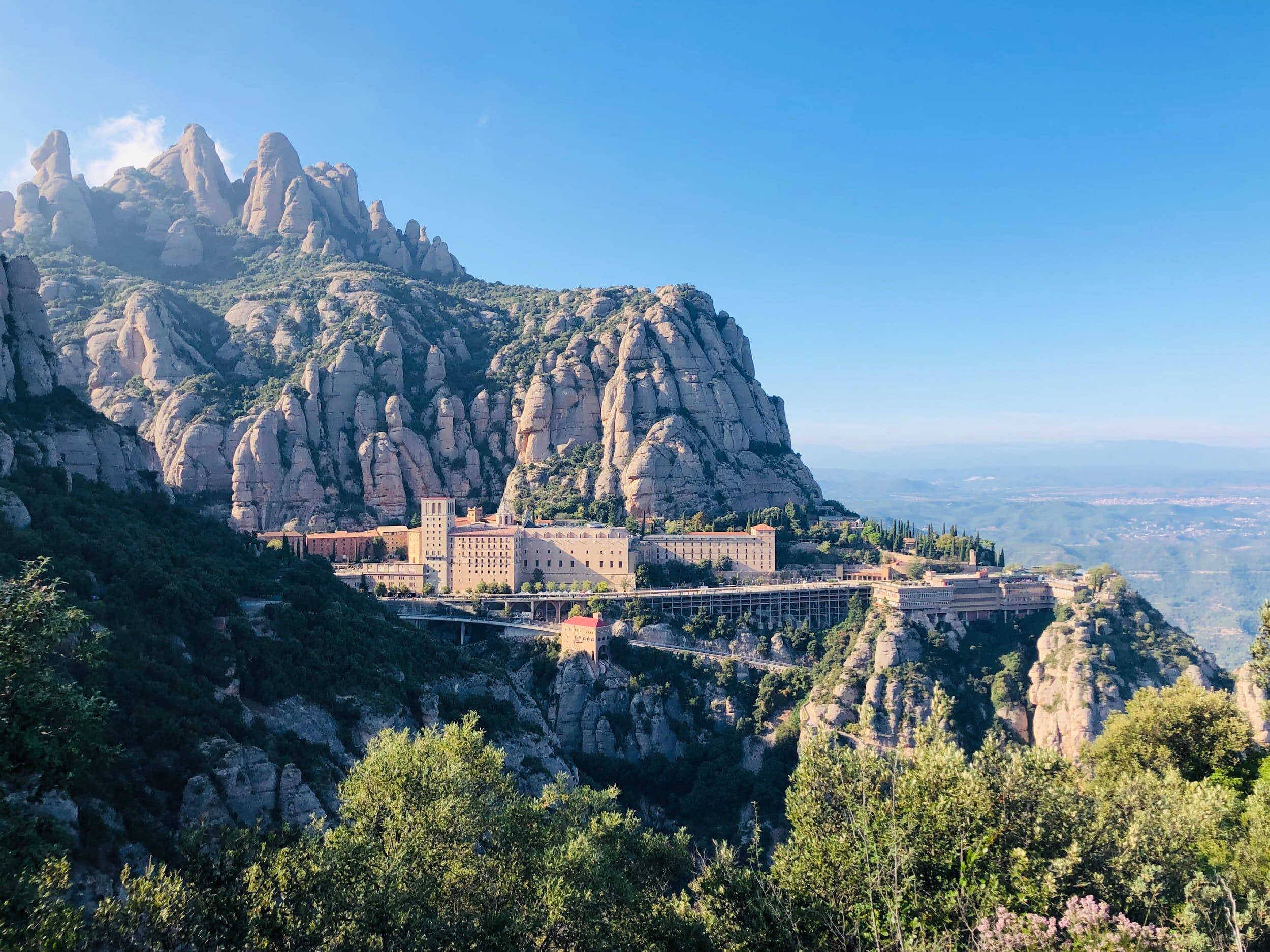
Montserrat is a mountain excursion from Barcelona combining a historic Benedictine monastery, scenic hiking trails, and traditional Catalan cuisine in one day

Read post
On the ground

More places in Spain

Country guide: Spain →
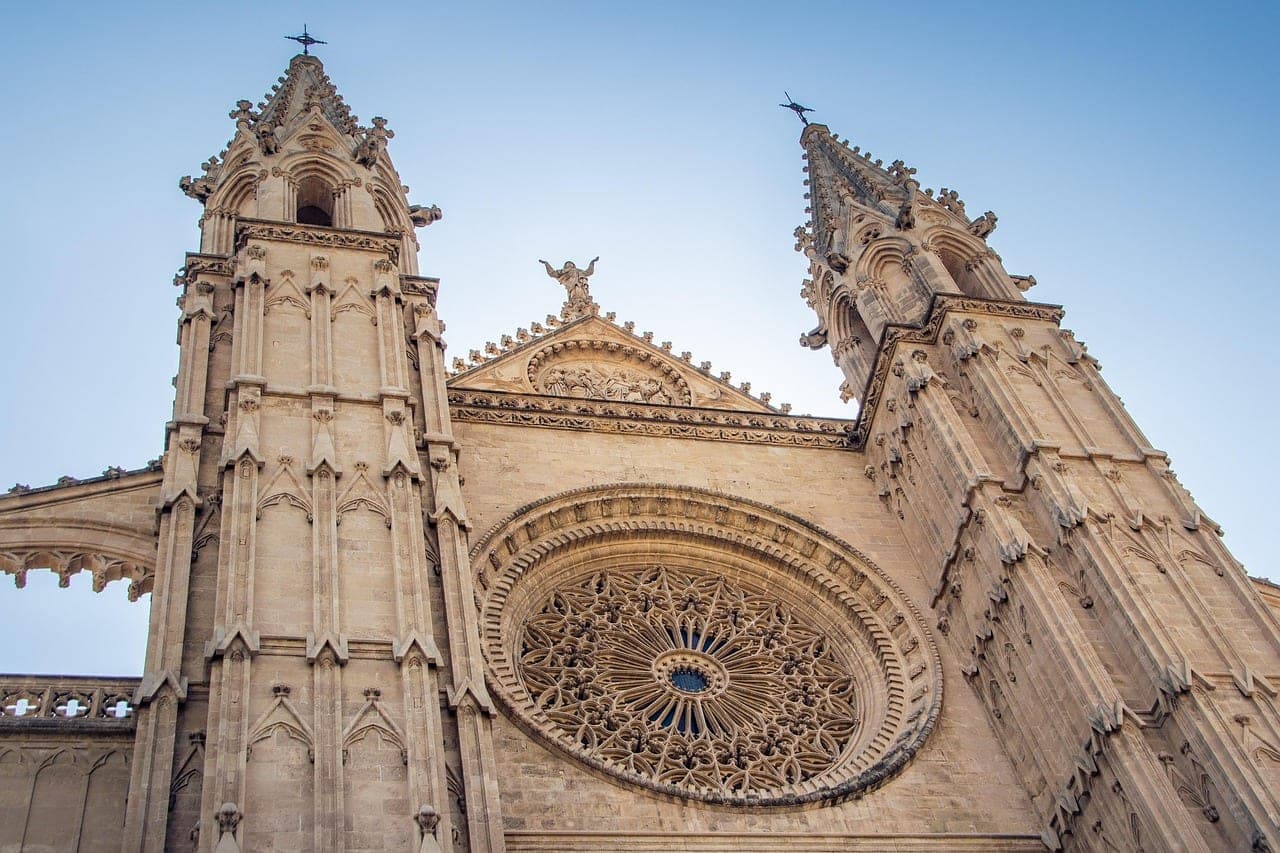
The Gothic spires of Burgos Cathedral rising above the old town in Castile, Spain

Burgos, Spain

Burgos student group travel for teachers: the Gothic cathedral, the Camino de Santiago, and Castilian history on teacher-led educational tours of Spain.

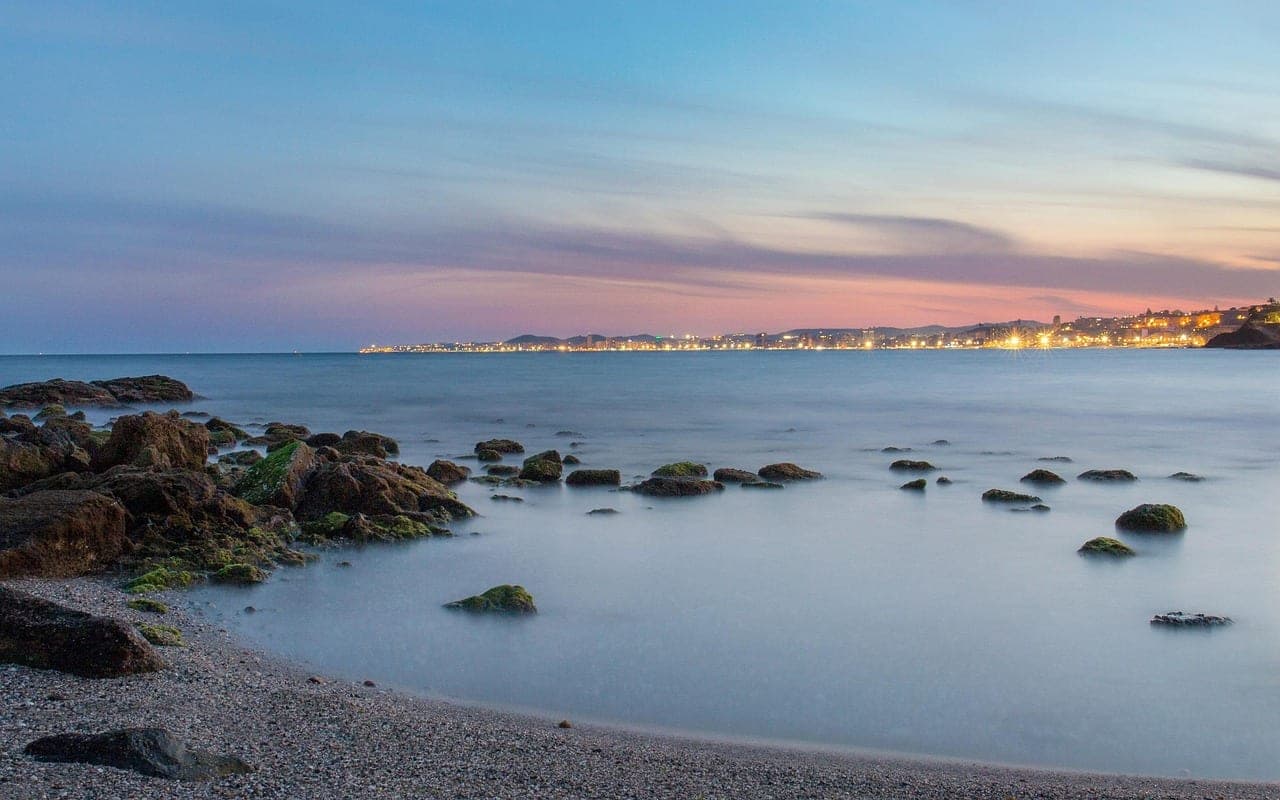
Mediterranean coastline and whitewashed villages along Spain's Costa del Sol

Costa del Sol, Spain

Costa del Sol student group travel for teachers: Malaga, Marbella, Nerja, Ronda. Mediterranean beaches and Moorish history on an educational tour of Andalusia.

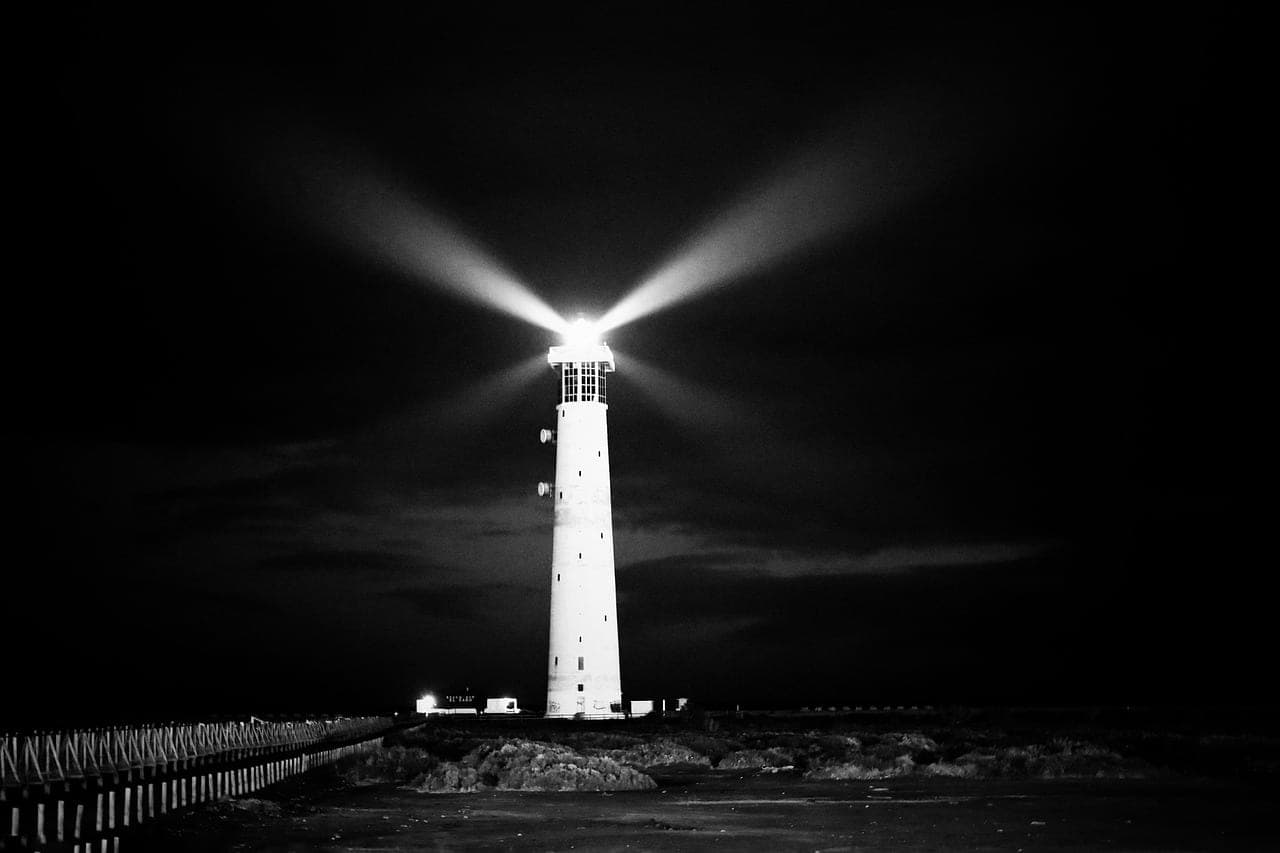
Atlantic lighthouse on the rocky coast near Cádiz, on the southern tip of Andalusia, Spain

Cádiz, Spain

Cádiz student group travel for teachers: the oldest city in Western Europe, the Atlantic seafront, and Andalusian history on teacher-led educational tours.

Wide Mediterranean beach and paseo marítimo at Fuengirola on Spain's Costa del Sol

Fuengirola, Spain

Fuengirola student group travel guide for teachers: Costa del Sol beaches, Sohail Castle, and Mijas — educational tours and teacher-led high school trips.

The Alhambra palace walls with the Sierra Nevada mountains rising behind Granada

Granada, Spain

Granada student group travel for teachers: the Alhambra, Albaicín, and Andalusian tapas on teacher-led high school group trips and educational tours.

Madrid skyline at sunset over the Plaza Mayor and the Spanish capital's old town

Madrid, Spain

Madrid student group travel for teachers: the Prado, the Royal Palace, and Spanish capital walks on teacher-led educational tours and high school group trips.

Free · No commitment

Get a free, no-hassle quote.

Just your name and email. A Tour Advisor follows up with pricing and options for your group — no obligation, no deposit.

No commitment. A Tour Advisor follows up with pricing and options — we never share your info.

Bring your group to Barcelona, Spain.

Every Passports trip is built around a teacher and a group — from first itinerary sketch to the last day on the ground. Tell us what you have in mind and we’ll take it from there.

Plan a trip