Destination

Toledo, Spain

Toledo student group travel for teachers: the medieval old town, three-cultures heritage, and El Greco on teacher-led educational tours and student trips.

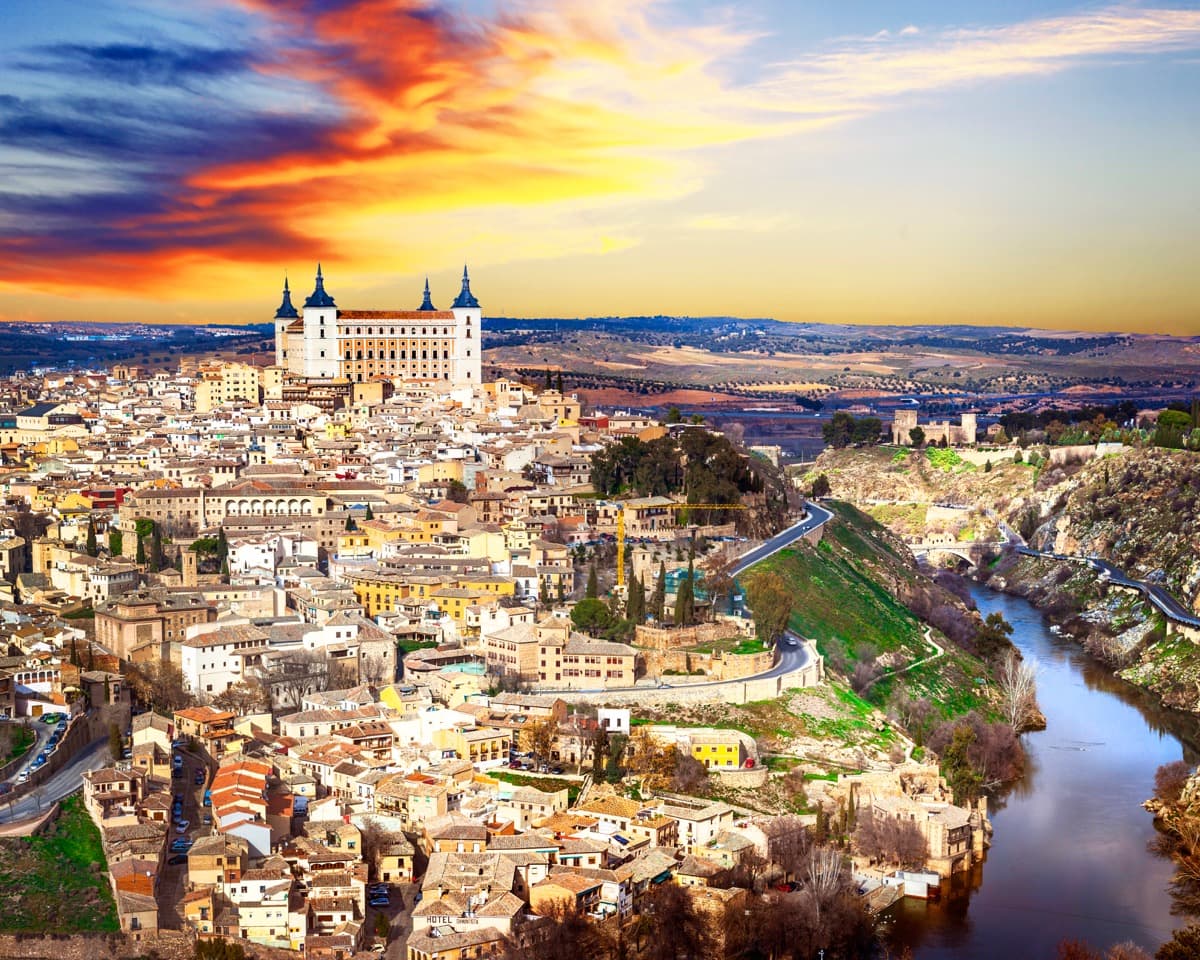
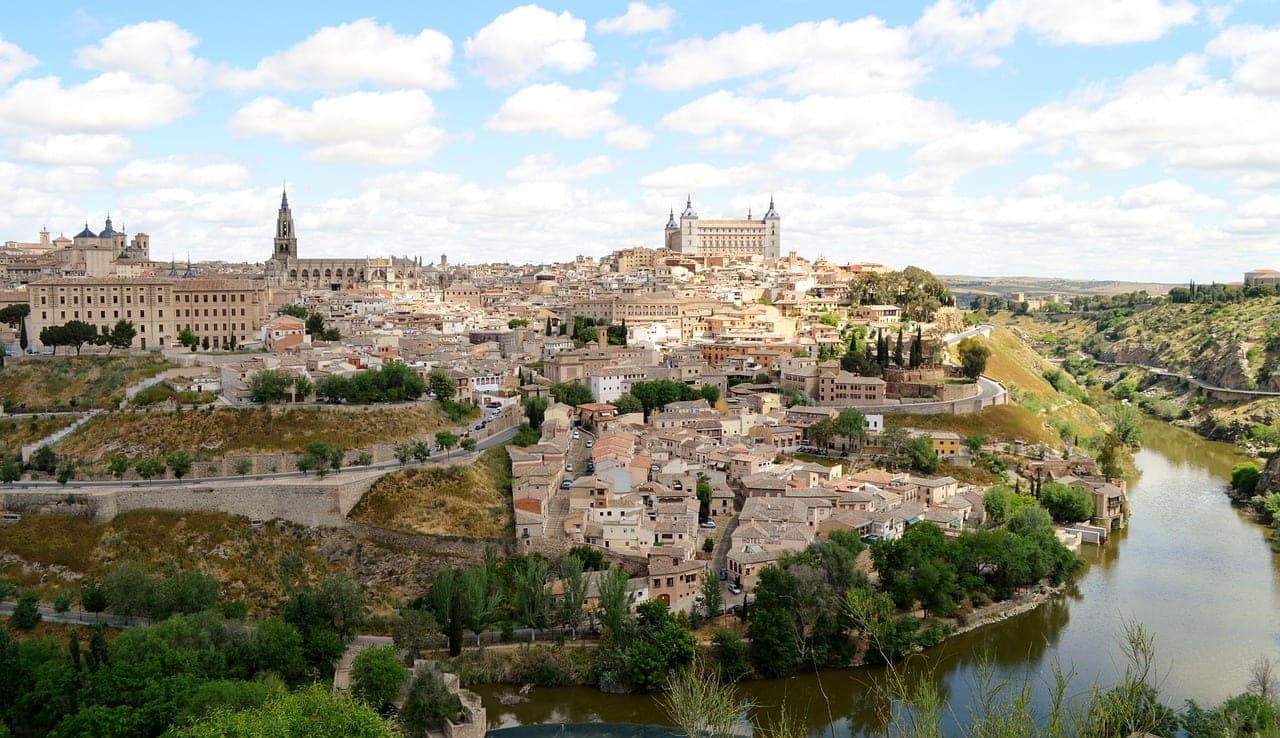
The hilltop medieval old town of Toledo above a bend in the Tagus river gorge in Castile, Spain
On this page
  • Where Toledo sits inside a Tagus river bend and why the whole old town is a UNESCO site
  • Six sights worth a stop — Cathedral, Alcázar, Santo Tomé, the synagogues, El Greco's house
  • What to eat: cordero asado, perdiz estofada, marzipan, manchego cheese
  • When to go, what to pack, and whether Toledo is safe for students
  • Practical logistics for teachers: day-trip from Madrid, late dinners, hilltop weather
← All city guidesCountry guide: Spain
Plan a trip

A quick introduction

Toledo sits on a granite ridge inside a tight horseshoe bend of the Tagus river, 70 kilometers south of Madrid — a natural fortress with the river as its moat on three sides. Around 85,000 people live in the city; the historic center inside the medieval walls is a 15-minute walk across. Capital of Visigothic Spain, then of Moorish Tulaytulah, then of Christian Castile until Phillip II moved the court to Madrid in 1561, Toledo is the layered Spanish capital that history left behind. The entire old town has been a UNESCO World Heritage Site since 1986.

For a student group, Toledo is the strongest single Convivencia — three cultures — visit on a Spain itinerary and one of the highest-yield day trips out of Madrid. The cathedral, the Alcázar, two surviving synagogues, the Cristo de la Luz mosque, and the El Greco house-museum all sit inside one walkable old town. Teacher-led tours pair Toledo with Segovia as paired Madrid day trips on a high school group trip through central Spain; the city's Jewish, Muslim, and Christian layers make it a strong AP World History or AP Spanish stop.

Day by day

Top things to see and do

Toledo Cathedral

Toledo Cathedral

The 13th-century French Gothic cathedral built on the footprint of the city's Visigothic church and Almohad mosque. The Transparente — a Baroque skylight cut through the apse — is the visual gut-punch; the sacristy holds El Greco's Disrobing of Christ and Goya's Christ Arrested. 90-minute visit minimum.

Alcázar of Toledo

Alcázar of Toledo

The square fortress on the highest point of the ridge — Roman foundations, Moorish remodel, Charles V Renaissance rebuild, Civil War siege. Now the Spanish Army Museum, with a strong arms-and-armor collection. The rooftop view back across the cathedral is the best in the city.

Iglesia de Santo Tomé & El Greco

Iglesia de Santo Tomé & El Greco

The small parish church that holds El Greco's Burial of the Count of Orgaz — a single 15-minute visit to a single painting that AP Art History textbooks lead with. The Casa-Museo del Greco is a five-minute walk away and contextualizes the artist's Toledo years.

Sinagoga del Tránsito & Santa María la Blanca

Sinagoga del Tránsito & Santa María la Blanca

Two of three surviving medieval synagogues in Spain (the third is in Córdoba). El Tránsito holds the Sephardic Museum; Santa María la Blanca, with its rows of horseshoe arches, is the oldest standing synagogue in Europe. The pair anchors the Convivencia lesson.

Cristo de la Luz mosque

Cristo de la Luz mosque

The 999 CE Almohad mosque-turned-church on the steep northern slope — the only intact pre-Reconquista mosque surviving in Spain outside Córdoba. Tiny, free, and the cleanest example of Toledan brickwork in the city.

Mirador del Valle

Mirador del Valle

The viewpoint across the Tagus gorge with the postcard angle — the entire old town silhouette above the river bend. A coach drop-off at the start of the visit and a walk-back at the end gives the group both the long view and the inside detail.

Weather by season

When to go

  • Apr - Jun — spring sweet spot

    The prime window for educational travel to Toledo. Daytime highs run 18-28°C, the Tagus gorge greens up after winter rain, and the Corpus Christi festival in late May or early June drapes the old town in tapestries and rosemary. Long daylight stretches past 9 PM.

  • Jul - Aug — peak heat, heavy day-tripper crowds

    Daytime highs 32-38°C with dry continental heat. Madrid day-trippers fill the cathedral plaza between 11 AM and 2 PM; the Tour Director routes the group there at 9 or after 4 to keep the visit clean. Many family restaurants close for August.

  • Sep - Oct — shoulder-season gold

    A teacher-led tour favorite. Temperatures drop to 20-28°C, day-tripper volume drops sharply after the second week of September, and the late-afternoon sun on the Toledan sandstone is at its photogenic best. The strongest single window for a Toledo visit.

  • Nov - Mar — cold, crisp, quiet

    Daytime highs 8-14°C with cold clear nights and rare snow. No day-tripper lines at all — a small group can have an El Greco room nearly to itself on a January Tuesday. Short daylight (sunset around 6 PM in December) compresses photo windows but a winter student group trip rewards teachers who can read a thermometer.

What to order

Food and culture

Cordero asado

Cordero asado

Slow-roasted milk-fed lamb in a wood-fired oven — the Toledan Sunday lunch, shared from a single shoulder. Heavy enough between two students; the carving at the table is part of the show.

Perdiz estofada

Perdiz estofada

Stewed partridge — Toledo and the surrounding La Mancha plain are partridge country, and the dish appears in Don Quixote. Rich gamey braise; a strong split-portion order for an adventurous group.

Mazapán de Toledo

Mazapán de Toledo

The signature Toledan sweet — almond-paste figures shaped and baked, originally invented by Mozarabic nuns. Sold by the kilo at every old-town bakery; the convent-shop varieties are the best.

Manchego cheese

Manchego cheese

The sheep's-milk cheese from the surrounding La Mancha plain — DOP-protected, aged from 60 days to two years, and the most-recognized Spanish cheese in the world. Order a sliced ración with quince paste.

Pisto manchego

Pisto manchego

The Manchegan vegetable stew — tomato, zucchini, peppers, onion, often crowned with a fried egg. Vegetarian by default and forgiving for cautious eaters.

Packing essentials

What to pack

  • Documents

    Passport valid 6+ months past travel date, two printed copies (one for the student, one for the Tour Director's file), insurance card, and the Passports group packet. No visa required for US citizens on a stay under 90 days in the Schengen area; ETIAS authorization is phasing in, so check the status 60 days out.

  • Clothing

    Layers are mandatory — Toledo's hilltop position creates large day-to-night temperature swings even in May. Modest dress (shoulders and knees covered) is enforced inside the cathedral, the synagogues, and most churches; a light scarf in the daypack solves it. Summer fabrics that breathe beat cotton in the dry continental heat.

  • Footwear

    Serious, broken-in walking shoes with real tread. The old-town granite cobbles climb steeply between the cathedral and the river; a student group will log 10,000-12,000 steps in Toledo alone. Do not buy new shoes for the trip. The cobbles are slick after the lightest rain.

  • Tech

    Spain uses Type C / F plugs (European two-prong) — bring a universal adapter. A portable battery earns its weight on day-trip days. T-Mobile and Google Fi work out of the box; others should buy a Movistar or Vodafone eSIM in Madrid before the day trip.

  • Extras

    A small daypack, a reusable water bottle (the public fuentes pour potable water), strong sunscreen and a hat (the open Mirador and the cathedral plaza have no shade), sunglasses, and a compact umbrella November through April. A warm hat earns its keep in winter.

The parent-meeting question

Is it safe?

Yes. Spain's US State Department rating is Level 2 ("exercise increased caution") — the same as France, the UK, Germany, and most of Western Europe — and the elevated level reflects generic European terrorism risk, not anything specific to Toledo. Toledo is one of the safer stops on our Spanish catalog; the city is small, the historic center is fully pedestrianized, and the day-tripper foot traffic keeps the streets visible at all daytime hours. Violent crime against travelers is genuinely rare. The actual risk is garden-variety pickpocketing in the cathedral plaza around midday and on the AVE platform at Madrid-Atocha.

On a Passports teacher-led trip, the group moves by private coach with a professional Castilian driver from Madrid, the Tour Director runs a pickpocket-awareness briefing on the first evening, and every hotel is pre-vetted for 24-hour reception and secure room storage. We operate a 24/7 emergency line out of Boston, keep parents on a daily-update channel, and have English-speaking medical contacts in every city we visit. For most teachers running their first school group tours to Spain, the Toledo day trip feels like the easiest stop on the itinerary because the Tour Director owns the cathedral and synagogue entries, the coach drops, and any curveballs end to end.

🛡️

Personal safety

Pickpocketing in the cathedral plaza is the only meaningful risk; violent crime against travelers is rare. Cross-body bags in front, phones off café tables, and a Day 1 briefing cover most of it. Hotels are vetted for 24-hour reception, in-room safes, and English-speaking front desks.

⚕️

Health & medical

Tap water is safe citywide. No special vaccines required beyond CDC routine. Hospital Universitario de Toledo is a modern 24-hour facility on the southern edge of the new town and takes US travel insurance. Pharmacies sit on almost every block in the old town.

🚐

Roads & transport

Group movement is by private coach with a professional driver; no students on city buses alone, no scooters, no student-driven vehicles at any point. The historic center is pedestrian-only, so coach drops at the lower car park below the Bisagra gate or at the Mirador del Valle and the Tour Director walks the group up through the gates. Madrid-to-Toledo transfer is a private coach end to end.

🌪️

Natural hazards

Castile-La Mancha sits in a low-seismic zone. The dominant practical concerns are summer sun on the open river-bend cobbles and winter wind off the Tagus gorge — the Tour Director keeps a daily eye on AEMET forecasts and adjusts indoor-versus-outdoor sequencing accordingly.

Practical tips

  • Lunch is late, dinner is later

    Restaurants serve lunch 2-4 PM and dinner rarely before 9 PM. Most day-trip groups eat the cordero asado as a 2 PM lunch and head back to Madrid before dinner; teachers planning a one-night stay should adjust the dinner block to the Spanish clock.

  • Convent sweets are a Toledan signature

    Several closed-order convents — the Cistercian Santo Domingo el Antiguo is the most famous — sell marzipan and almond pastries through a torno (a wooden turntable) so the nuns never see the buyer. A free 15-minute cultural stop and a small cash purchase the group remembers.

  • Walk the gorge from the Mirador, not the bus stop

    The coach drop at the Mirador del Valle gives the postcard angle; the walk down through the Bisagra gate gives the arriving-army experience the city was designed for. Schedule the descent for the start of the visit, not the end — climbing back up is a different exercise entirely.

  • Damascene metalwork is the local craft

    Toledan damascene — gold and silver inlaid into blackened steel — is a Moorish-rooted craft that survived the Reconquista in the city's smith shops. Workshops on the eastern slope still make it by hand. A small purchase (earrings, a pendant) is a strong group souvenir.

  • Contactless everywhere, small cash helps

    Tap-to-pay is near-universal at restaurants, the cathedral gift shop, and the synagogue museums. A little cash is useful for the convent torno sweets, the Mirador food stalls, and tipping. ATMs from CaixaBank and Santander charge lower fees than the tourist-facing Euronet machines.
Five facts

Good to know

👑

Capital of Spain until 1561

Toledo was the seat of the Spanish court from the Visigoths through the Catholic Monarchs until Phillip II moved his administration north to Madrid. Decline preserved the medieval city — Madrid grew up new, and Toledo froze.

🕊️

Three cultures, one city

Convivencia — the medieval coexistence of Christian, Muslim, and Jewish populations — found its strongest expression in Toledo. The translation school in the 12th century preserved Greek and Arab philosophy for the European Renaissance.

🎨

El Greco found his light here

Domenikos Theotokopoulos — El Greco — settled in Toledo in 1577 and stayed until his death in 1614. The elongated figures and stormy sky in View of Toledo are the city's actual late-afternoon light from the eastern hills.

⚔️

Toledan steel was Damascus-grade

Medieval Toledan swordsmiths were famous across Europe and the Mediterranean — Hannibal supposedly equipped his Carthaginian army with Iberian steel from the region. The craft survives in the modern damascene workshops.

🚄

30 minutes from Madrid by AVE

The high-speed AVE train from Madrid-Atocha to Toledo-Renfe takes 33 minutes. A Madrid-based teacher-led tour can do Toledo as a one-day visit without hurrying — though Passports always sends the coach for door-to-door control of the group.

Tours that go here

Tours that stop in Toledo

See all tours →
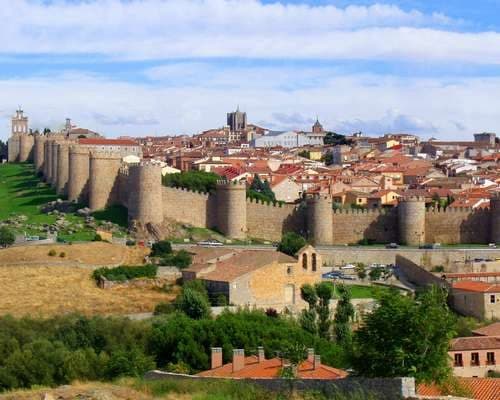
Avila
Spain

Cities of Castile

Madrid · Toledo · Salamanca · Segovia

Language-immersion
See itinerary
Classroom material

Lesson plans about Toledo

See all →
SpainHistoryGrade 11-12

Moorish Iberia (711-1492): Al-Andalus

Through the investigation of primary and secondary sources, students in this lesson will identify, understand and be able to explain the details of Al-Andalus (Moorish Iberia), including how Muslim forces came to rule over Christian Iberia,…

View lesson
SpainHistoryGrade 11-12

Spain and the Reconquista (711-1492)

Through the investigation of primary and secondary sources, students in this lesson will identify, understand and be able to explain the details of the Reconquista, how Muslim forces came to rule over Christian Iberia, the cultural contribu…

View lesson
SpainSpanishGrade 9-12

Teaching Tolerance: Toledo

In this lesson, students will compare and contrast the beliefs and practices of Christianity, Judaism and Islam using informational text in the target language. Students will also analyze the relationships and possible source of conflict be…

View lesson
From the Tour Directors

Tour Director lectures about Toledo

See all →
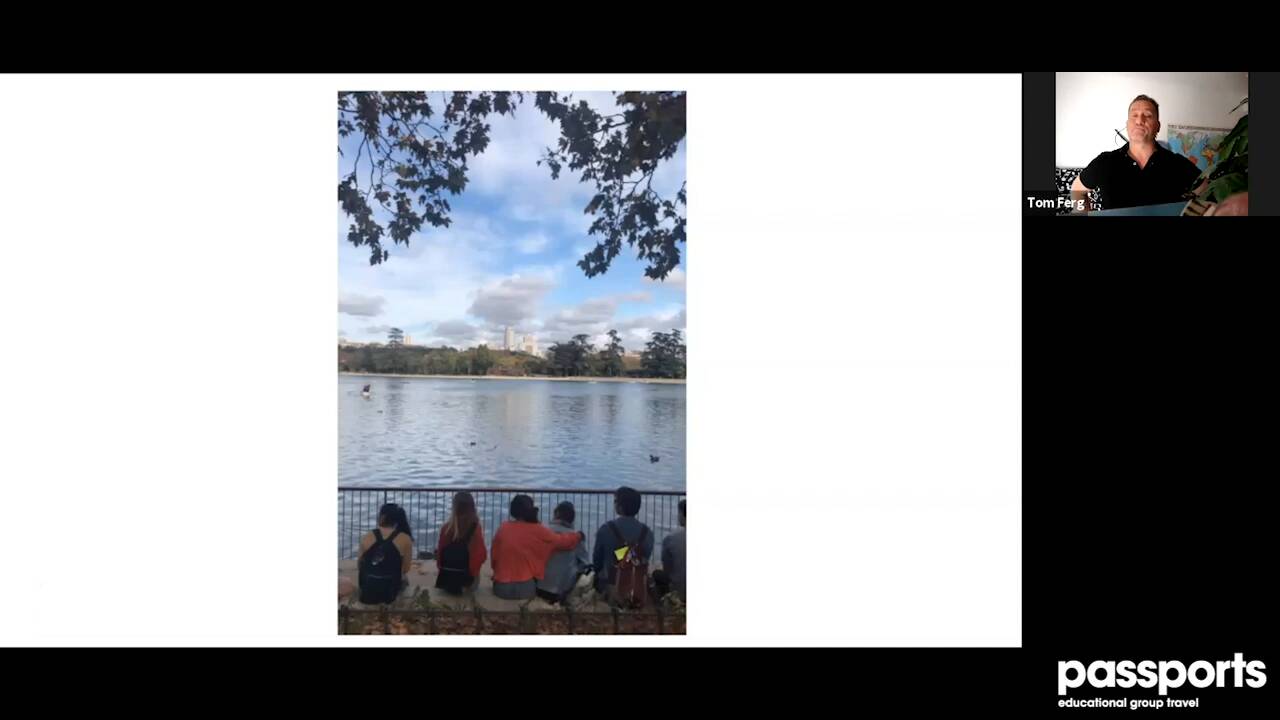
Cities of Castile: Salamanca, El Escorial, Toledo and Segovia — Passports Tour Director lecture
Tom FergusonSpain

Cities of Castile: Salamanca, El Escorial, Toledo and Segovia

Central Spain is your destination - visiting Madrid, Toledo, Salamanca, and Segovia. Catch a glimpse of the iconic landmarks of the region.

Watch lecture
From our blog

Blog posts about Toledo

See all →
Small Towns, Big Lessons: Why Teachers Should Explore Hidden Gems on Student Tours
destinations

Small Towns, Big Lessons: Why Teachers Should Explore Hidden Gems on Student Tours

Smaller European towns like Toledo, Siena, and Bruges offer student travelers richer cultural connections and hands-on learning than crowded capital cities alone can provide

Read post
Comprensión de Español: Viajar a Toledo
for teachers

Comprensión de Español: Viajar a Toledo

TOLEDO Si vamos a hablar de un lugar nombrado Toledo, podríamos empezar con la pregunta "¿pero cuál de los Toledos?", porque ¡hay 43 ciudades en el mundo que llevan este nombre! Nada más en los Estados Unidos, por ejempl

Read post
On the ground

More places in Spain

Country guide: Spain →
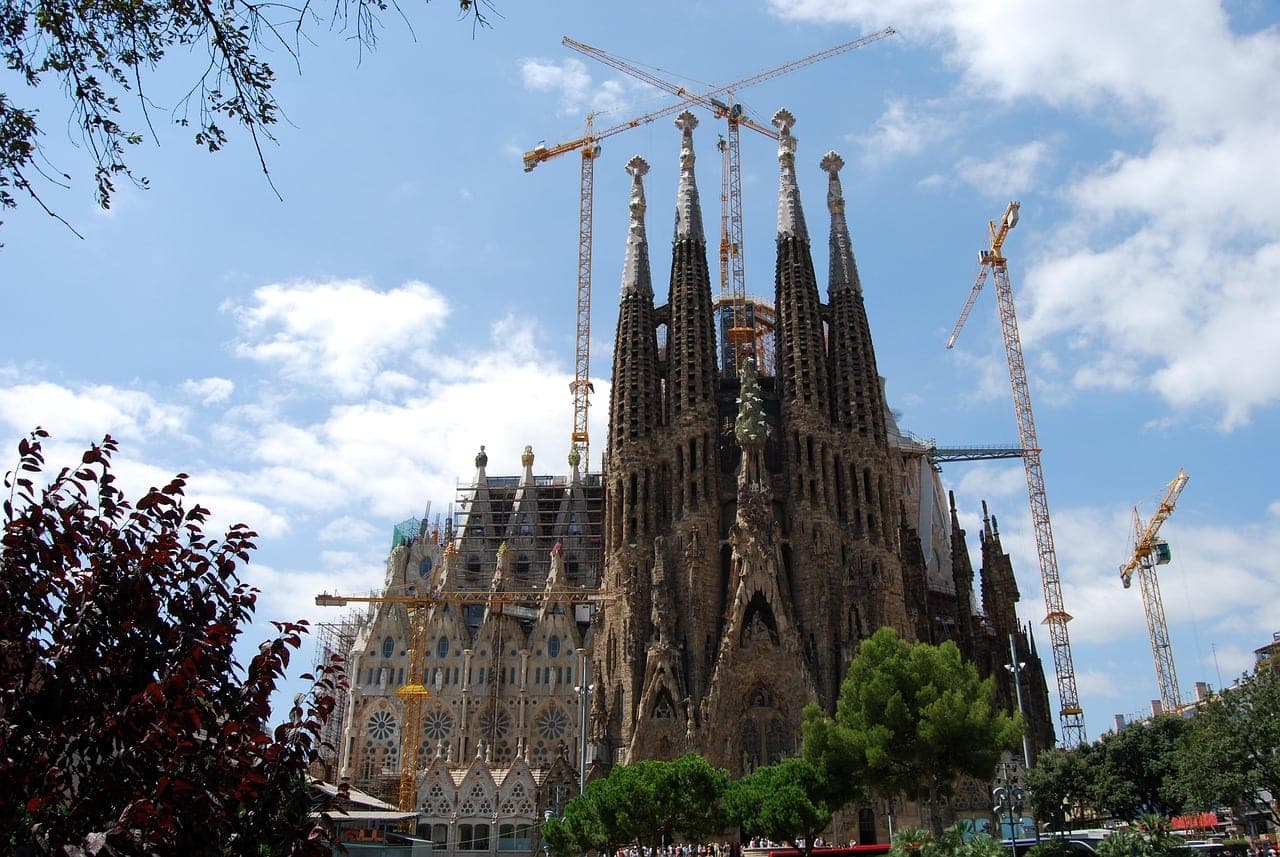
Gaudí's Sagrada Família spires rising above the rooftops of Barcelona, Spain

Barcelona, Spain

Barcelona student group travel for teachers: Gaudí, the Gothic Quarter, and Catalan culture on teacher-led high school group trips and educational tours.

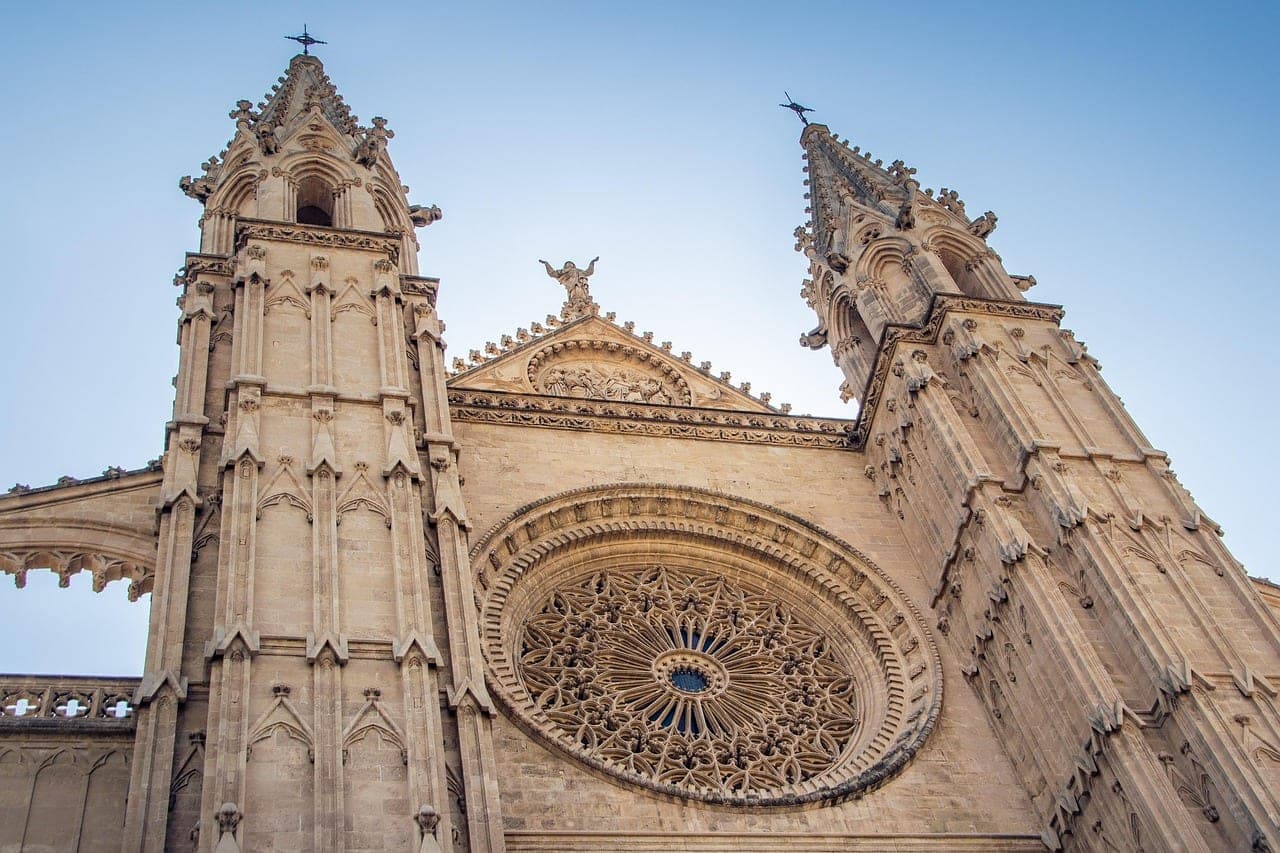
The Gothic spires of Burgos Cathedral rising above the old town in Castile, Spain

Burgos, Spain

Burgos student group travel for teachers: the Gothic cathedral, the Camino de Santiago, and Castilian history on teacher-led educational tours of Spain.

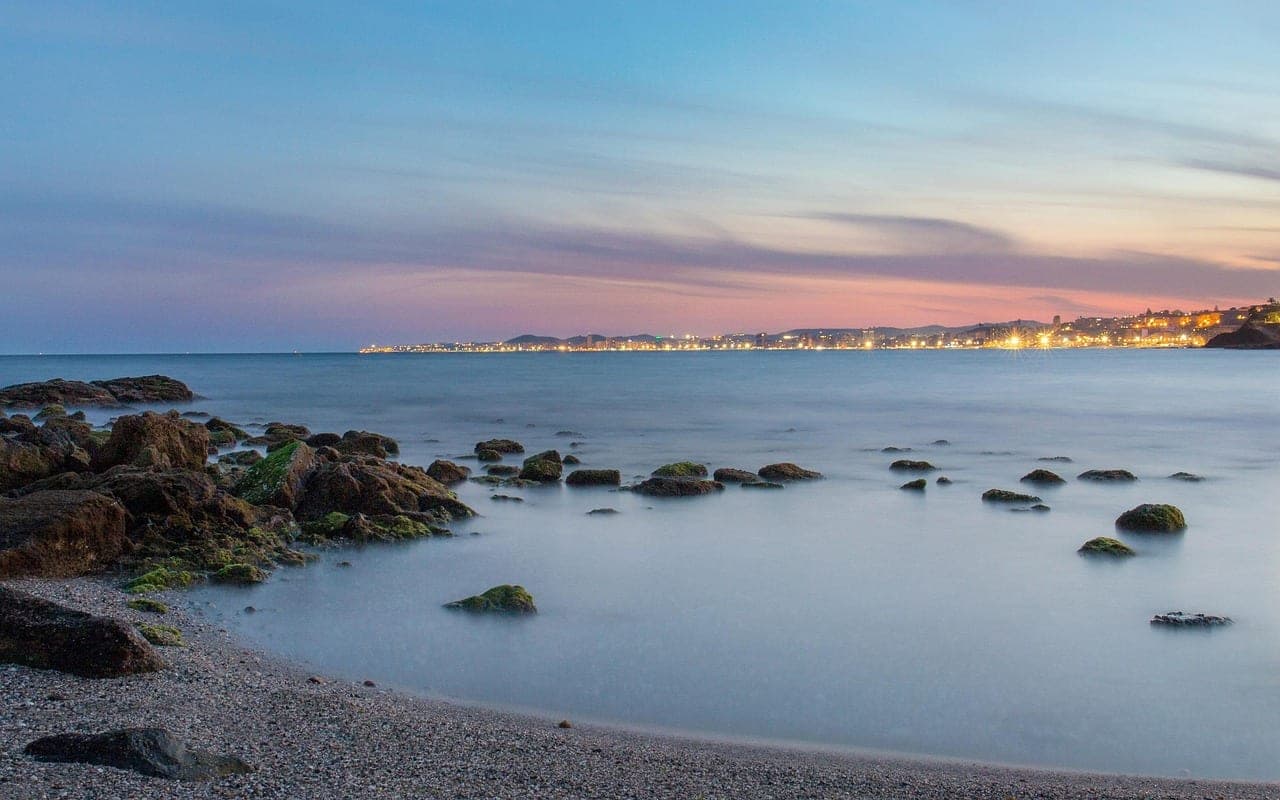
Mediterranean coastline and whitewashed villages along Spain's Costa del Sol

Costa del Sol, Spain

Costa del Sol student group travel for teachers: Malaga, Marbella, Nerja, Ronda. Mediterranean beaches and Moorish history on an educational tour of Andalusia.

Atlantic lighthouse on the rocky coast near Cádiz, on the southern tip of Andalusia, Spain

Cádiz, Spain

Cádiz student group travel for teachers: the oldest city in Western Europe, the Atlantic seafront, and Andalusian history on teacher-led educational tours.

Wide Mediterranean beach and paseo marítimo at Fuengirola on Spain's Costa del Sol

Fuengirola, Spain

Fuengirola student group travel guide for teachers: Costa del Sol beaches, Sohail Castle, and Mijas — educational tours and teacher-led high school trips.

The Alhambra palace walls with the Sierra Nevada mountains rising behind Granada

Granada, Spain

Granada student group travel for teachers: the Alhambra, Albaicín, and Andalusian tapas on teacher-led high school group trips and educational tours.

Bring your group to Toledo, Spain.

Every Passports trip is built around a teacher and a group — from first itinerary sketch to the last day on the ground. Tell us what you have in mind and we’ll take it from there.

Plan a trip