- RegionValencian Community, Spain
- LanguageSpanish, Valencian
- CurrencyEuro (EUR)
- Best seasonMay - Jun, Sep - Oct
- TimezoneCentral European Time (UTC+1)
A quick introduction
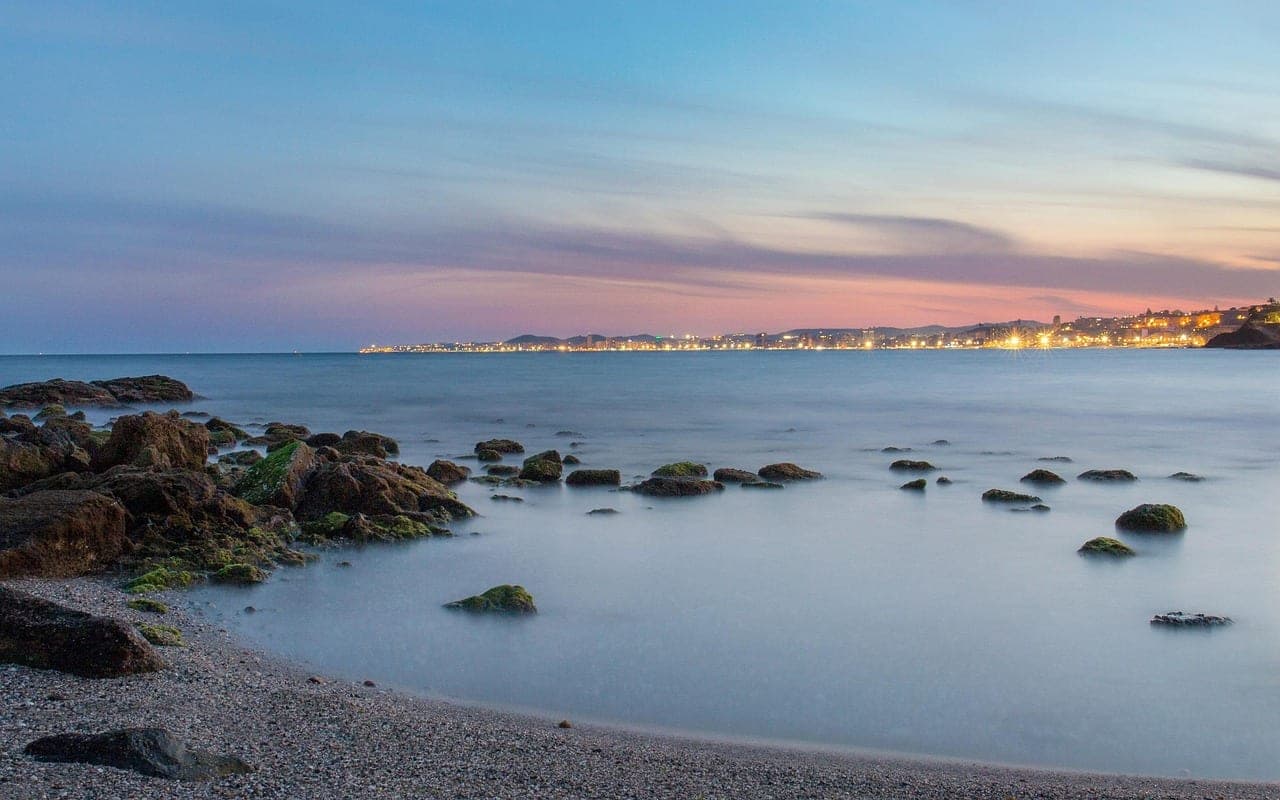
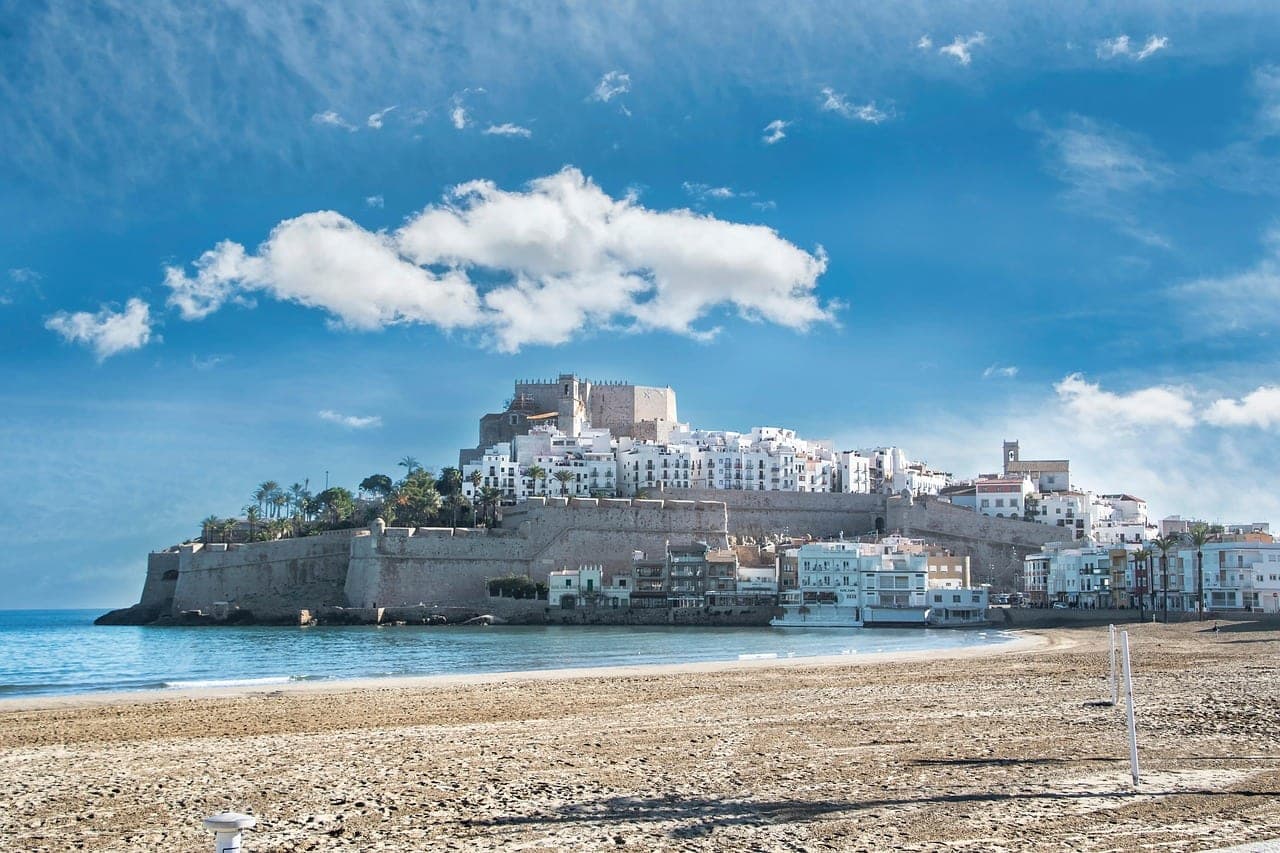
Peñíscola sits on a fortified rocky peninsula on the northern Costa del Azahar, the "orange-blossom coast," about 140 kilometers north of Valencia city. Around 8,000 people live in the town year-round; the historic core is a walled medieval quarter perched on a 64-meter promontory that the Mediterranean surrounds on three sides. The Knights Templar built the castle on top in the 13th century on Phoenician and Arab foundations, and the rebel anti-pope Benedict XIII (Pedro de Luna) used it as his stronghold in the early 1400s — making Peñíscola the only town in Europe to have hosted a papal court outside Rome and Avignon.
For a student group, Peñíscola is the most concentrated fortified-Mediterranean visit on a Spain itinerary and one of the strongest single half-day stops on the Valencian coast. The castle, the walled old town, the harbor, and the long beach sit inside a one-kilometer walking radius. Teacher-led tours use Peñíscola as the seafront pivot between Barcelona and Valencia, or as a contrast stop on a longer Mediterranean high school group trip — the Game of Thrones Meereen filming location is a useful hook for students who recognize the skyline before they hear the history.
Top things to see and do


When to go
- May - Jun — late spring sweet spot
The prime window for educational travel to Peñíscola. Daytime highs run 20-26°C, the Mediterranean is warming back toward swimmable, and the town is awake but not yet packed with Spanish summer families. Long daylight stretches past 9 PM.
- Jul - Aug — peak heat, peak crowds
Daytime highs 28-32°C with high humidity off the sea. Spanish family vacation season fills every apartment in town and the walled old town hits density. The first week of September hosts the Festival de Cine y Televisión with night-time castle screenings — a bonus week if the school calendar catches it.
- Sep - Oct — shoulder-season gold
A teacher-led tour favorite. Temperatures drop to 22-28°C, the Mediterranean stays swimmable into October, and the Spanish summer crowd vanishes after the first weekend of September. The light on the castle walls is at its best in late afternoon.
- Nov - Mar — mild, breezy, quiet
Daytime highs 13-18°C, very rarely below 10°C — the southern coastal Mediterranean keeps Peñíscola warmer than most of Spain. The town nearly empties between November and March; castle visits feel almost private. Short daylight (sunset around 6 PM in December) compresses photo windows.
Food and culture

Arròs a banda
Saffron-stained rice cooked in fish broth and served with the fish on a separate plate — the workmanlike Valencian fishermen's original of paella. Order it at any harbor restaurant; better and cheaper than the tourist paellas inside the walls.

Suquet de peix
A Valencian fisherman's fish stew with potato, tomato, and whatever came in on the morning boat. Hearty, rustic, and the cold-weather lunch the harbor runs on.

Fideuà
A Valencian noodle paella — short toasted vermicelli cooked in fish broth with seafood. Lighter than rice paella, faster on the table, and a strong group dish to share from the central pan.

Cítricos valencianos
The Costa del Azahar — "orange-blossom coast" — is named for the citrus orchards inland. A glass of fresh-squeezed zumo de naranja with breakfast and a few mandarinas in the pocket for the castle climb is the daily routine.

Horchata & fartons
The signature Valencian summer drink — chilled tigernut milk with vanilla, served with sweet finger-pastries called fartons for dipping. A non-alcoholic option that fits a student-group afternoon perfectly.
What to pack
- Documents
Passport valid 6+ months past travel date, two printed copies (one for the student, one for the Tour Director's file), insurance card, and the Passports group packet. No visa required for US citizens on a stay under 90 days in the Schengen area; ETIAS authorization is phasing in, so check the status 60 days out.
- Clothing
Layers are mandatory — sea breeze drops the felt temperature 5-7°C even on a sunny May afternoon. A light windbreaker beats a heavy jacket eight months of the year. Modest dress (shoulders and knees covered) is enforced inside the castle church and the town's main church; a light scarf in the daypack solves it. Bring a swimsuit even in May.
- Footwear
Broken-in walking shoes for the castle ramps and the slick, worn limestone of the old-town lanes plus a pair of sandals for the beach and the harbor promenade. The castle climb is steep and the cobbles are smoothed by 800 years of use — do not buy new shoes for the trip.
- Tech
Spain uses Type C / F plugs (European two-prong) — bring a universal adapter. A portable battery earns its weight on castle-and-coastal-walk days. T-Mobile and Google Fi work out of the box; others should buy a Movistar or Vodafone eSIM before departure or at Valencia or Castellón airport on arrival.
- Extras
A small daypack, a reusable water bottle (the public fountains pour potable water), strong sunscreen and a wide-brim hat (the headland has no shade once you're above the walls), sunglasses for the reflective Mediterranean light, and a compact umbrella November through February.
Is it safe?
Yes. Spain's US State Department rating is Level 2 ("exercise increased caution") — the same as France, the UK, Germany, and most of Western Europe — and the elevated level reflects generic European terrorism risk, not anything specific to Peñíscola. Peñíscola is one of the safer stops on our Spanish catalog; the small-town geography helps and the walled old town is fully pedestrianized. Violent crime against travelers is very rare. The actual risk is minor pickpocketing in the summer-festival crowd inside the walls and the ordinary seaside concerns — sun, surf, and slick wet limestone after a rain shower.
On a Passports teacher-led trip, the group moves by private coach with a professional driver, the Tour Director runs a pickpocket-awareness briefing on the first evening, and every hotel is pre-vetted for 24-hour reception and secure room storage. We operate a 24/7 emergency line out of Boston, keep parents on a daily-update channel, and have English-speaking medical contacts in every city we visit. For most teachers running their first school group tours to Spain, the Peñíscola half-day feels like the easiest stop on the itinerary because the Tour Director owns the castle entry, the coach drop, and any curveballs end to end.
Practical tips
- Lunch is late, dinner is later
Restaurants serve lunch 2-4 PM and dinner rarely before 9 PM. Plan group meals on the Spanish clock; an horchata-and-fartons stop at 6 PM bridges the gap and reads as a cultural experience rather than a snack.
- Eat at the port, not the top
The restaurants inside the castle walls are pretty and pricey; the harbor-edge restaurants below the walls cook better seafood at half the cost. The Tour Director routes the group down for lunch after the castle visit.
- Sea spray is a feature, not a bug
The Bufador sea cave under the old town blasts spray onto the lanes during levante easterly weather — fun on the way down, slick on the way up. Watch footing on the worn limestone and treat the wet patches like ice.
- Two languages, both posted
Castilian Spanish and Valencian (a Catalan dialect) are both official; street signs and menus are bilingual or trilingual. The Tour Director points out the doubled signage on Day 1 — a small linguistics moment that pays off on the rest of the Mediterranean coast.
- Contactless everywhere, small cash helps
Tap-to-pay is near-universal at restaurants, the castle gift shop, and supermarkets. A little cash is useful for the harbor seafood stalls, the small bakeries, and tipping. ATMs from CaixaBank and Santander charge lower fees than the tourist-facing Euronet machines on the seafront.