Destination

Seville, Spain

Seville student group travel for teachers: the cathedral, the Alcázar, flamenco, and Andalusian capital walks on teacher-led educational tours of Spain.

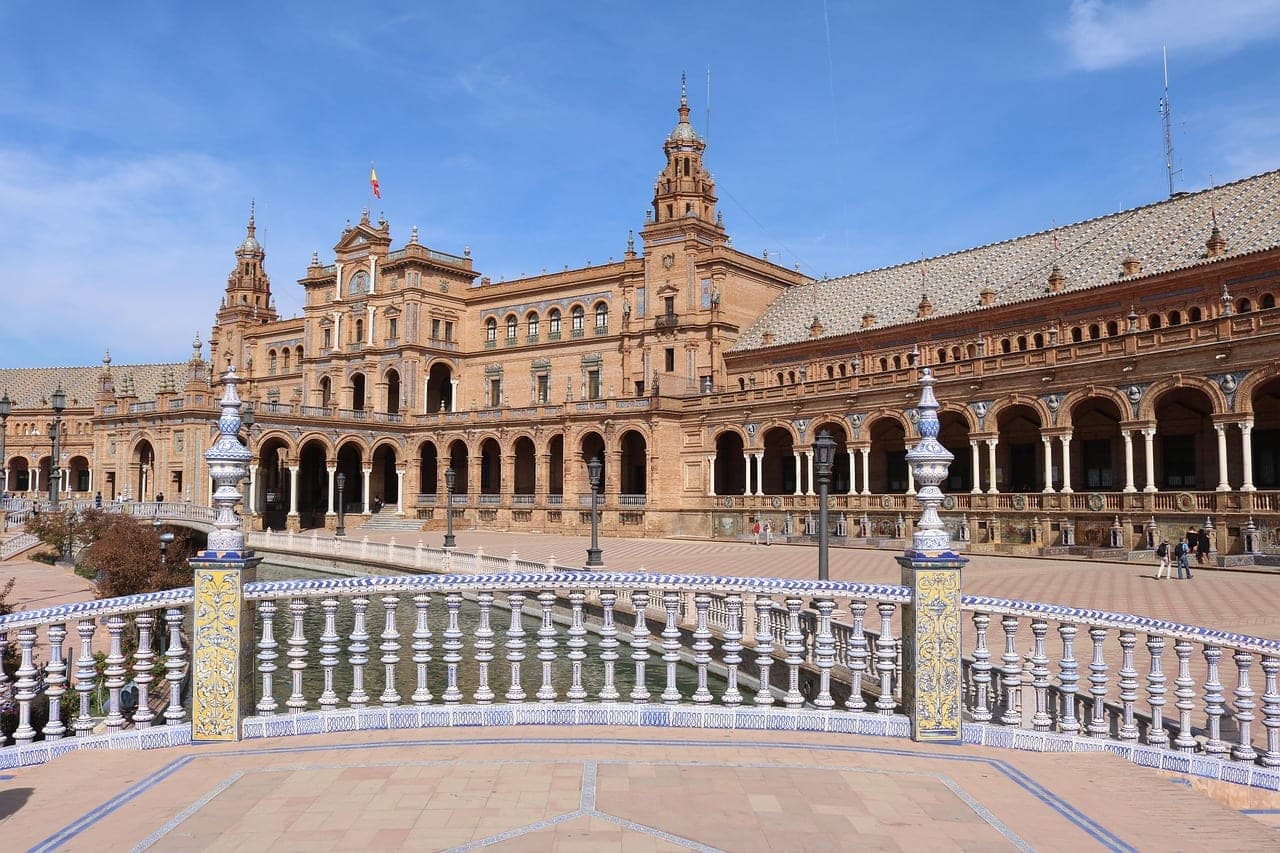
The semicircular Plaza de España in Seville at sunset, with its bridges over the canal in Andalusia, Spain
On this page
  • Where Seville sits on the Guadalquivir and why the old quarters stay walkable
  • Six sights worth a stop — Cathedral, Giralda, Alcázar, Plaza de España, Triana, Setas
  • What to eat: solomillo al whisky, espinacas con garbanzos, salmorejo
  • When to go, what to pack, and whether Seville is safe for students
  • Practical logistics for teachers: Andalusian heat, late dinners, Semana Santa
← All city guidesCountry guide: Spain
Plan a trip

A quick introduction

Seville sits on the Guadalquivir river on the Andalusian floodplain about 90 kilometers inland from the Atlantic — the only river port of any size in interior Spain. Around 690,000 people live in the city and roughly 1.5 million across the metro. Founded by the Romans as Hispalis on Phoenician foundations, ruled by the Moors as Ishbiliya for five centuries, and made the gateway to Spain's New World empire for two more, Seville is one of the most layered single cities in Europe. The cathedral is the largest Gothic church in the world by volume.

For a student group, Seville is the most concentrated Andalusian-history visit on a Spain itinerary and the cultural anchor of southern Iberia. The cathedral, the Alcázar, the Archive of the Indies, and the Plaza de España all sit inside one walkable old town; flamenco was born in the Triana barrio across the river. Teacher-led tours pair Seville with Granada and Córdoba for an Andalusian high school group trip, or use it as the cultural counterweight to the Castilian-meseta block of a wider educational travel itinerary through Madrid and Toledo.

Day by day

Top things to see and do

Seville Cathedral & Giralda

Seville Cathedral & Giralda

The world's largest Gothic cathedral by volume, built on the footprint of the Almohad great mosque. Christopher Columbus's tomb sits inside the south transept. The Giralda bell tower — the original 12th-century minaret with a Renaissance belfry — climbs by ramps, not stairs, so the Moorish caliph could ride his horse to the top.

Real Alcázar

Real Alcázar

A working royal palace and the oldest in continuous use in Europe — Pedro the Cruel's 14th-century mudéjar additions are the visual headline. The gardens are the rest stop after the cathedral; Game of Thrones used the Patio de las Doncellas as the Water Gardens of Dorne for the cohort that recognizes the architecture.

Plaza de España

Plaza de España

The semicircular brick-and-tile pavilion built for the 1929 Ibero-American Exposition. The 48 ceramic-tile alcoves represent each Spanish province in alphabetical order — a Spanish geography lesson in physical form. Free, open all day, perfect for group photos.

Triana barrio

Triana barrio

The traditionally working-class quarter across the Guadalquivir, the historic home of flamenco and Sevillian ceramic tile. The Triana market and the Capilla de los Marineros (sailors' chapel) anchor a free-flowing afternoon walk. Sunset on the river bank looking back at the Giralda is the postcard moment.

Setas de Sevilla (Metropol Parasol)

Setas de Sevilla (Metropol Parasol)

The world's largest wooden structure — a 2011 modernist "mushroom" canopy by Jürgen Mayer, with a rooftop walkway over the city. The contrast with the cathedral skyline two blocks away is the urban-design lesson; a 30-minute add-on after a tapas lunch.

Archivo de Indias

Archivo de Indias

The 16th-century building that holds the original paperwork of Spain's New World empire — Columbus's shipboard logs, Cortés's letters, the Cabot maps. UNESCO inscribed alongside the cathedral and the Alcázar. A 45-minute visit covers the highlights without overwhelming the group.

Weather by season

When to go

  • Mar - May — spring sweet spot

    The prime window for educational travel to Seville. Daytime highs run 20-28°C, the bitter-orange trees in the cathedral courtyard bloom in late March, and the city's two great festivals — Semana Santa (Holy Week) and the Feria de Abril two weeks later — turn the calendar into a cultural mainline. Book hotels six months out for either week.

  • Jun - Aug — peak heat, half-empty city

    Daytime highs 36-42°C and routinely above 45°C in heat waves — the highest sustained summer temperatures in mainland Europe. Sevillanos vacate the city; many family restaurants close for August. A summer student group trip works only with morning starts (cathedral at 9 AM, lunch at 2 PM, hotel pool until 7) and is not the recommended window.

  • Sep - Oct — shoulder-season gold

    A teacher-led tour favorite. Temperatures drop to 25-32°C in September and 20-28°C in October, the city refills after vacation, and the cultural calendar restarts. The light on the Giralda at late-afternoon golden hour is the strongest photo window of the year.

  • Nov - Mar — mild, occasional rain

    Daytime highs 14-20°C, very rarely below 8°C. The bitter oranges hang heavy on the cathedral trees in February. Tourist volume is moderate; cathedral and Alcázar visits feel almost private on a January Tuesday. A winter student group trip is the cheapest and quietest option.

What to order

Food and culture

Solomillo al whisky

Solomillo al whisky

Sevillian pork tenderloin in a garlic-and-whisky reduction, served with crisp fries — the city's signature tapa. Universal across the old-town bars and a strong starter for students who flinch at offal.

Espinacas con garbanzos

Espinacas con garbanzos

Spinach and chickpeas slow-stewed with garlic, cumin, and paprika — a Moorish-rooted dish on every old-town menu. Vegetarian by default and one of the most reliably well-cooked tapas in the city.

Salmorejo cordobés

Salmorejo cordobés

A thick cold tomato soup from neighboring Córdoba, topped with diced jamón and hard-boiled egg. The Andalusian summer lunch — denser and creamier than gazpacho. Refreshing enough to convert skeptical eaters in a 40°C July.

Pescaíto frito

Pescaíto frito

The Andalusian fried-fish plate — small Atlantic fish flash-fried in chickpea flour and salted. Cádiz invented it; Seville perfected the take-out version. Eat it on a bench in the Triana market with the hands.

Torrijas

Torrijas

The Sevillian Holy Week dessert — bread soaked in milk and egg, fried, and dusted with cinnamon and sugar. Sold at every bakery in the old town from Ash Wednesday through Easter Monday and increasingly year-round.

Packing essentials

What to pack

  • Documents

    Passport valid 6+ months past travel date, two printed copies (one for the student, one for the Tour Director's file), insurance card, and the Passports group packet. No visa required for US citizens on a stay under 90 days in the Schengen area; ETIAS authorization is phasing in, so check the status 60 days out.

  • Clothing

    Light, breathable layers — Seville is the hottest city on the Spanish itinerary in summer and the most humid in winter. Modest dress (shoulders and knees covered) is enforced inside the cathedral and the Alcázar chapel; a light scarf in the daypack solves it. A wide-brim hat is non-negotiable May through September.

  • Footwear

    Serious, broken-in walking shoes for the marble-and-cobble old town plus a pair of sandals for the Plaza de España and the river walks. A student group will log 12,000-15,000 steps a day. Do not buy new shoes for the trip; the cathedral polish on the marble does not forgive new soles.

  • Tech

    Spain uses Type C / F plugs (European two-prong) — bring a universal adapter. A portable battery earns its weight on cathedral-and-Alcázar days. T-Mobile and Google Fi work out of the box; others should buy a Movistar or Vodafone eSIM before departure or at Seville-San Pablo airport on arrival.

  • Extras

    A small daypack, a reusable water bottle (the fuentes in the old town pour potable water), strong sunscreen and a hat (the Andalusian sun is genuinely fierce), sunglasses, and a compact umbrella November through March. A folding hand fan is a Seville-specific item that earns its keep in May.

The parent-meeting question

Is it safe?

Yes. Spain's US State Department rating is Level 2 ("exercise increased caution") — the same as France, the UK, Germany, and most of Western Europe — and the elevated level reflects generic European terrorism risk, not anything specific to Seville. Seville is a busy and visible Andalusian capital; violent crime against travelers is genuinely rare and the city has a heavy police presence in tourist zones around the cathedral and Alcázar at all hours. The actual risk is pickpocketing at a handful of predictable hotspots: the cathedral entry queue, the Triana bridge at sunset, and the Setas crowd on summer evenings.

On a Passports teacher-led trip, the group moves by private coach with a professional Andalusian driver, the Tour Director runs a pickpocket-awareness briefing on the first evening, and every hotel is pre-vetted for 24-hour reception and secure room storage. We operate a 24/7 emergency line out of Boston, keep parents on a daily-update channel, and have English-speaking medical contacts in every city we visit. For most teachers running their first school group tours to Spain, the Seville logistics feel easier than a domestic field trip because the Tour Director owns the cathedral and Alcázar entries, the coach drops, and any curveballs end to end.

🛡️

Personal safety

Pickpocketing is the real risk; violent crime against travelers is rare. Cross-body bags in front, phones off café tables, and a Day 1 briefing cover most of it. Hotels are vetted for 24-hour reception, in-room safes, and English-speaking front desks. The Triana bridge at sunset is the hotspot the Tour Director names by name.

⚕️

Health & medical

Tap water is safe citywide. No special vaccines required beyond CDC routine. Hospital Universitario Virgen del Rocío is one of the largest hospitals in Spain, runs a 24-hour emergency room to international standards, and takes US travel insurance. Pharmacies sit on every block in the old town.

🚐

Roads & transport

Group movement is by private coach with a professional driver; no students on city buses or the metro alone, no scooters, no student-driven vehicles at any point. The historic center has tight traffic restrictions, so coach drops at the Paseo de Cristóbal Colón and the Tour Director walks the group in. Seville-San Pablo airport transfers are private coach end to end.

🌪️

Natural hazards

Andalusia sits in a low-to-moderate seismic zone — small tremors register a few times a year and go unfelt. The dominant practical concern is summer heat: 40°C-plus days are routine in July and August. The Tour Director keeps a daily eye on AEMET forecasts and adjusts the museum-versus- siesta sequencing accordingly.

Practical tips

  • Lunch is late, dinner is later

    Restaurants serve lunch 2-4 PM and dinner rarely before 9 PM, and Andalusian dinner is consistently the latest in Spain — many old-town tapas bars don't fill until 10:30. Plan group meals on the Spanish clock; an afternoon tinto-de-verano stop bridges the gap.

  • Tapas crawl, do not sit-down dinner

    The Santa Cruz, Alfalfa, and Triana neighborhoods are built for moving between bars. Order one drink, get one small plate, walk on after twenty minutes. Three stops is a meal; five is dinner and a story for the group chat.

  • The siesta exists for a reason

    Between 2 PM and 5 PM in summer, much of the old town shuts down — shops, smaller museums, family-run shrines. The schedule is not a quirk; it is the city's defense against heat. Plan museum mornings and indoor lunches; save river walks and outdoor sights for after 6 PM.

  • Flamenco is best in a small room

    The big tablao shows on the cathedral street are fine; the smaller peñas in Triana — La Anselma, Casa Anselma — are the real thing, raw and close-quarters. The Tour Director books the group into a vetted intimate venue rather than the tourist circuit.

  • Contactless everywhere, small cash helps

    Tap-to-pay is near-universal at restaurants, museums, and the cathedral gift shop. A little cash is useful for the Triana market stalls, the Plaza de España fan vendors, and tipping. ATMs from CaixaBank, Santander, and BBVA charge lower fees than the tourist-facing Euronet machines.
Five facts

Good to know

Largest Gothic cathedral on Earth

Seville Cathedral is the largest Gothic church in the world by volume — 11,520 cubic meters of nave. The Almohad builders who replaced the great mosque in 1248 vowed to build something so big "those who see it finished will think we were mad."

Columbus is buried here (probably)

A tomb in the south transept, held aloft by four monarch-figure pallbearers, contains remains attributed to Columbus. DNA work in 2006 confirmed at least some of the bones are his. AP US History gold; the audio guide handles the contested provenance.

🕌

The Giralda was a minaret

The Giralda bell tower started life as the minaret of the Almohad great mosque. The Christian builders kept the Moorish brick base and added a Renaissance belfry and the bronze Giraldillo weathervane that gives the tower its name.

💃

Where flamenco was born

The Triana barrio across the river is the historical birthplace of flamenco — Andalusian Roma, Moorish, and Sephardic musical traditions fused into the form recognized today. Seville is one of the few cities where flamenco is genuinely alive in non-tourist venues.

🌉

The 1929 Expo built the postcard view

The Plaza de España, the Plaza de América, and the Maria Luisa park were all built for the 1929 Ibero-American Exposition. The expo never broke even financially, but it left Seville the visual identity it now sells to the world.

Tours that go here

Tours that stop in Seville

See all tours →
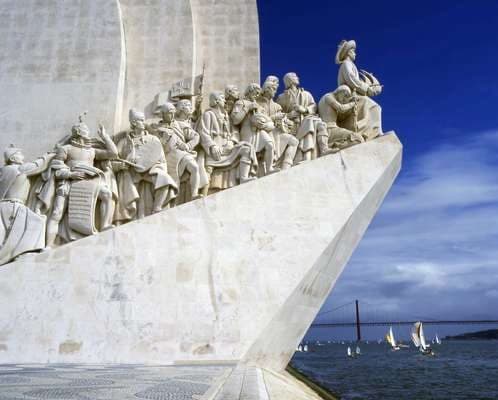
Monument to the Discoveries
Portugal · Spain

Iberian Cultures

Lisbon · Algarve Coast · Seville · Madrid

Language-immersion
See itinerary
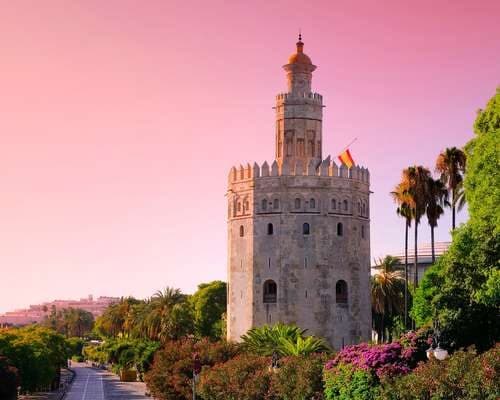
Gold Tower, Seville
Spain

The Sun Coast

Madrid · Seville · Costa del Sol

Language-immersion
See itinerary
Classroom material

Lesson plans about Seville

See all →
SpainHistoryGrade 11-12

Age of Discovery: Spain: Columbus First Voyage of 1492

Through the investigation of primary and secondary sources, students in this lesson will identify, understand and be able to explain the details of Columbus' First Voyage to the New World, why he undertook the challenge of sailing west to r…

View lesson
SpainEnglish / Language ArtsGrade 9-12

Ballad of the Spanish Civil Guard: An Analysis

In this lesson, students will interpret an English version of Federico García Lorca's Ballad of the Spanish Civil Guard, critique the work using a list of guided questions, and analyze how it serves as a social commentary for both th…

View lesson
MexicoEnglish / Language ArtsGrade 9-12

Borders: Countries and Cultures (A Photo Essay)

In this lesson, students will compare and contrast the format, components and purpose of the photo essays "On the Border" by Alan Taylor and "Marisol: The American Dream" by Janet Jarman, defining what a photo essay is based on their observ…

View lesson
MexicoSpanishGrade 11-12

Borders: Countries and Cultures (A Photo Essay)

In this lesson, students will compare and contrast the format, components and purpose of the photo essays "On the Border" by Alan Taylor and "Marisol: The American Dream" by Janet Jarman, defining what a photo essay is based on their observ…

View lesson
SpainSpanishGrade 11-12

Romance de la guardia civil española: An Analysis of the Lorca Ballad

In this lesson, students will interpret Federico García Lorca's Romance de la Guardia Civil española, critique the work using a list of guided questions, and analyze how it serves as a social commentary for both the Spain of L…

View lesson
From the Tour Directors

Tour Director lectures about Seville

See all →
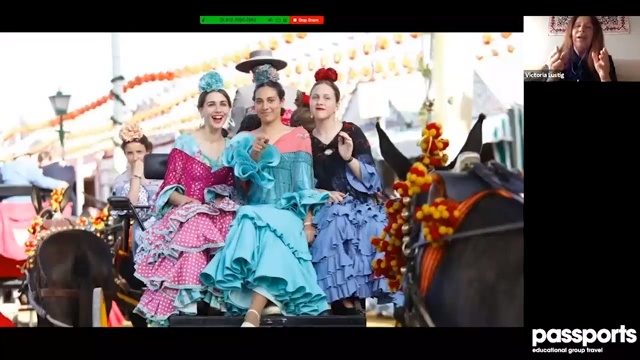
Seville, Flamenco, Fiestas and Magic — Passports Tour Director lecture
Victoria LustigSpain

Seville, Flamenco, Fiestas and Magic

Join me to discover the treasures of this city, home of flamenco and tradition, and its unique bright atmosphere.

Watch lecture
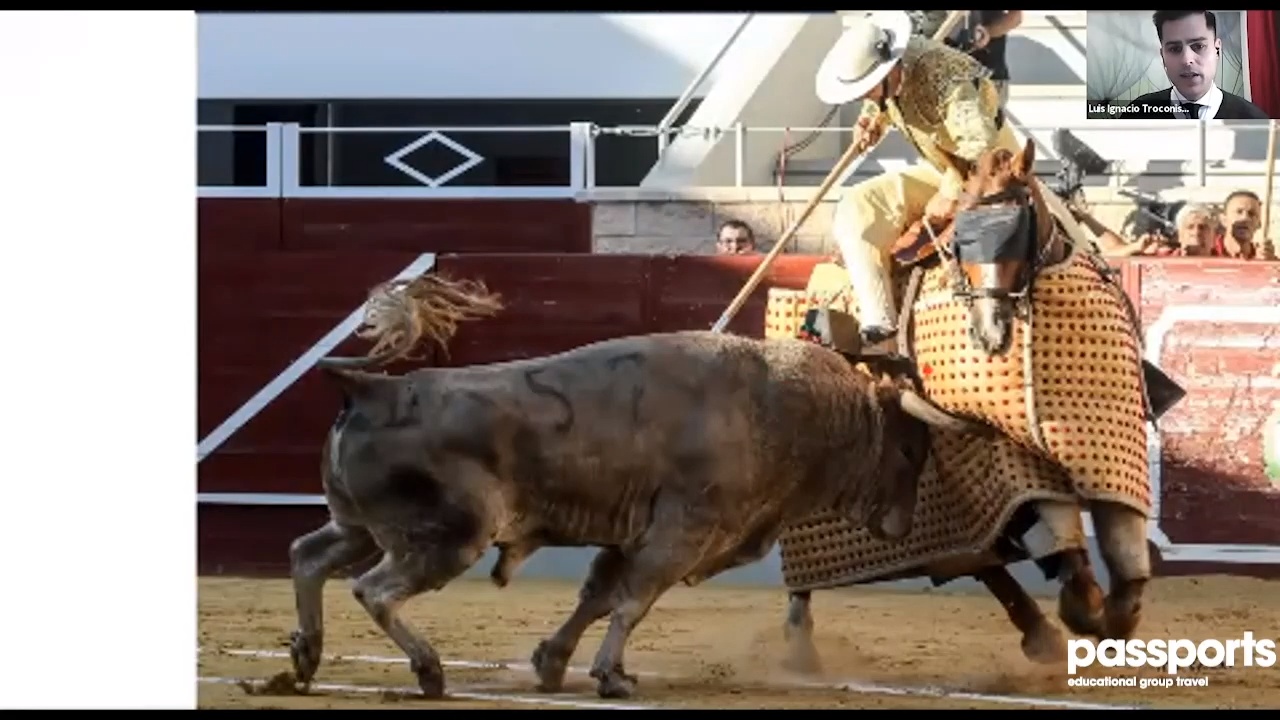
The World of Bullfighting — Passports Tour Director lecture
Luis TroconisSpainHistory

The World of Bullfighting

We will be talking about this unique, passionate and risky

Watch lecture
From our blog

Blog posts about Seville

See all →
game of thrones
destinations

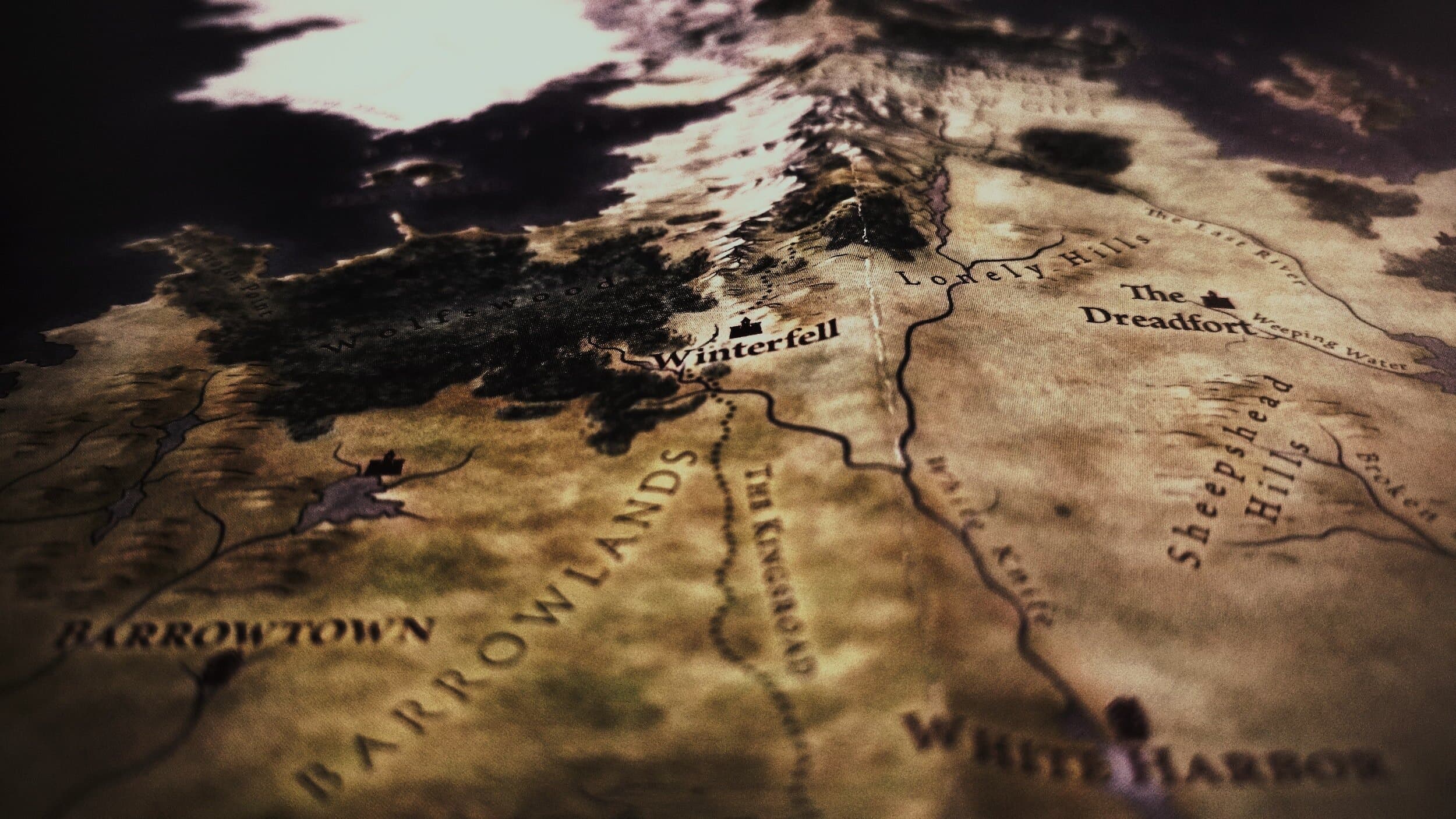
The Ultimate Game of Thrones Travel Guide | Passports Educational Travel Blog

Game of Thrones filming locations span six countries, from Castle Ward in Northern Ireland to Dubrovnik's medieval walls. Here's a guide to every must-see spot and a sample itinerary

Read post
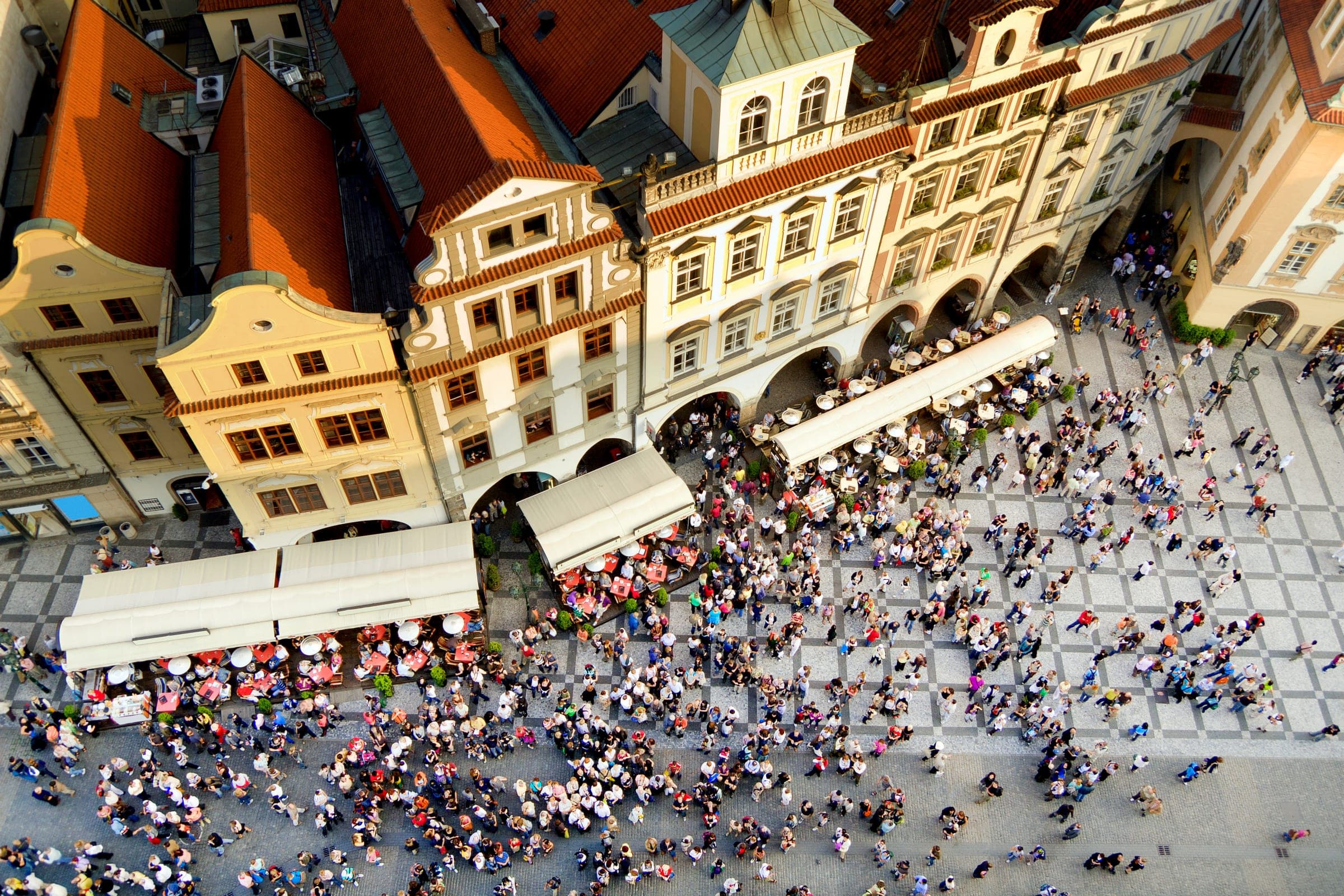
Prague Old Town Square
travel inspiration

Living Abroad in Childhood Inspired Travel Professional's Career

Living Abroad in Childhood Inspired Travel Professional's Career - a first hand perspective from one of our own!

Read post
Eiffel tower
for teachers

Real Travel Talk with Dave - April 2022

After two months of leading groups in Europe, we've learned a lot about what travel will be like this year. Let's talk about it! 

Read post
Paris
travel inspiration

How to Choose the Right Destination for Your Student Tour

Whether your educational goals are historical, linguistic, cultural, charitable or a combination, Passports has the right tour for you and your students.

Read post
Semana Santa
travel inspiration

5 Unique Easter Traditions from around the World

In the United States, we don't think twice about frantically searching for colored eggs hidden by a mythical bunny. Do you ever wonder how other countries around the world celebrate Easter?

Read post
The Eiffel Tower
travel inspiration

Passports Photo Jeopardy

Dreaming of your next adventure abroad? Check out just a few destination options by playing Passports Photo Jeopardy!

Read post
On the ground

More places in Spain

Country guide: Spain →
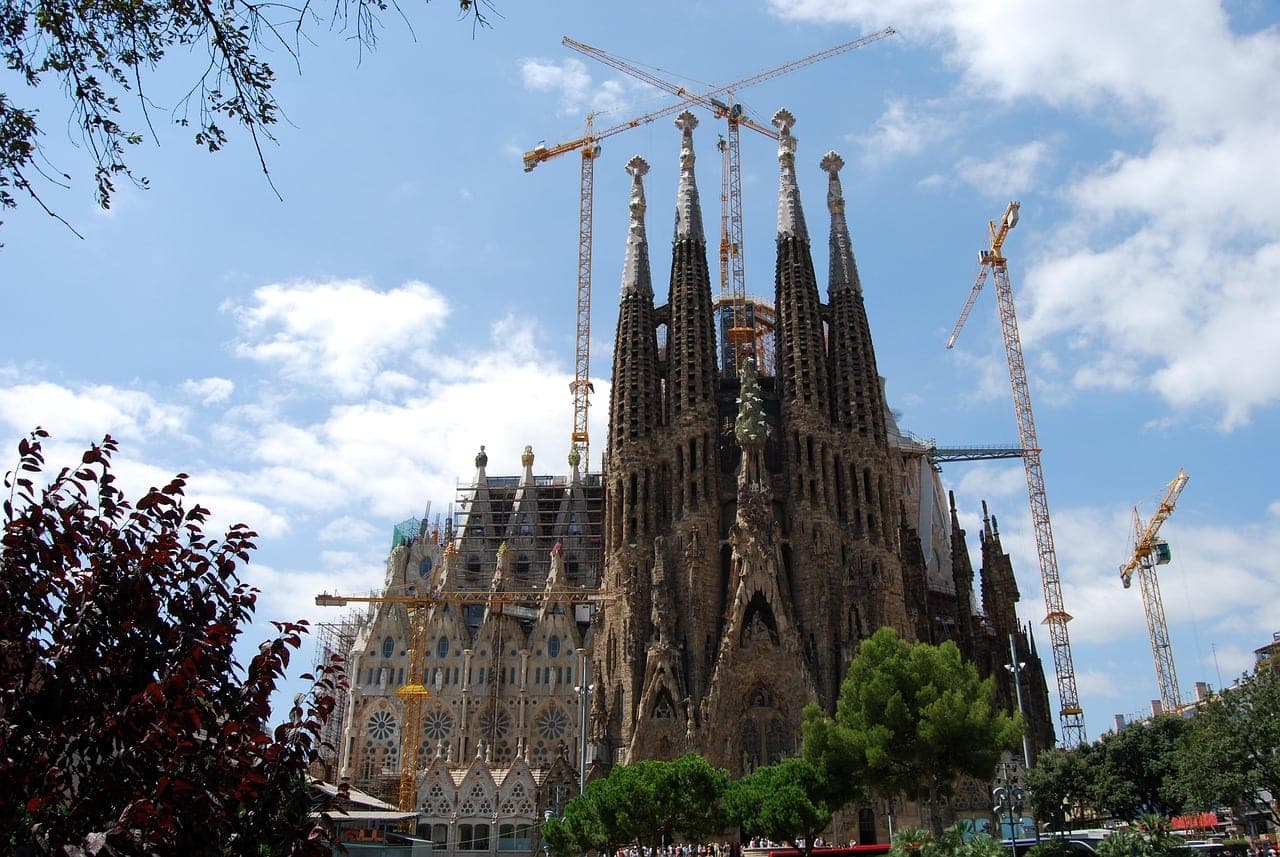
Gaudí's Sagrada Família spires rising above the rooftops of Barcelona, Spain

Barcelona, Spain

Barcelona student group travel for teachers: Gaudí, the Gothic Quarter, and Catalan culture on teacher-led high school group trips and educational tours.

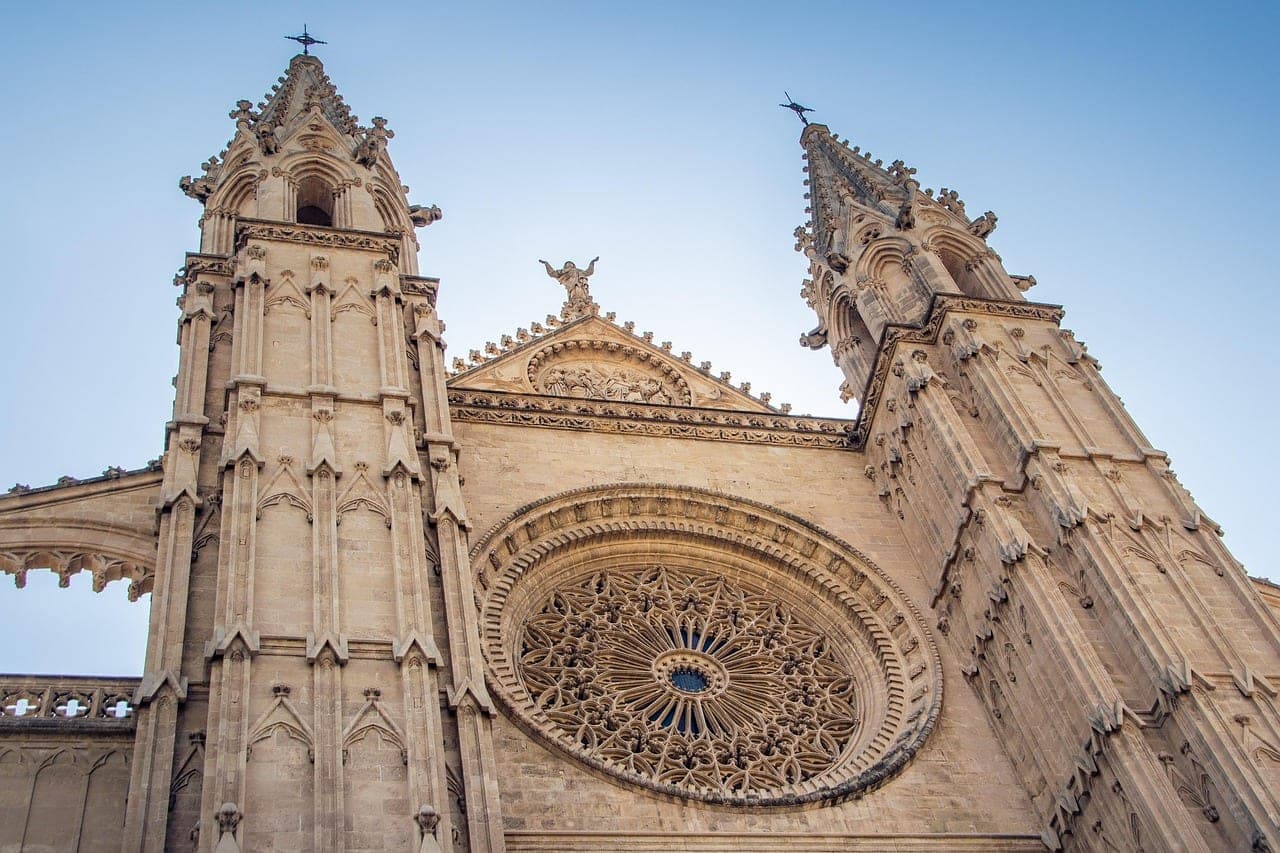
The Gothic spires of Burgos Cathedral rising above the old town in Castile, Spain

Burgos, Spain

Burgos student group travel for teachers: the Gothic cathedral, the Camino de Santiago, and Castilian history on teacher-led educational tours of Spain.

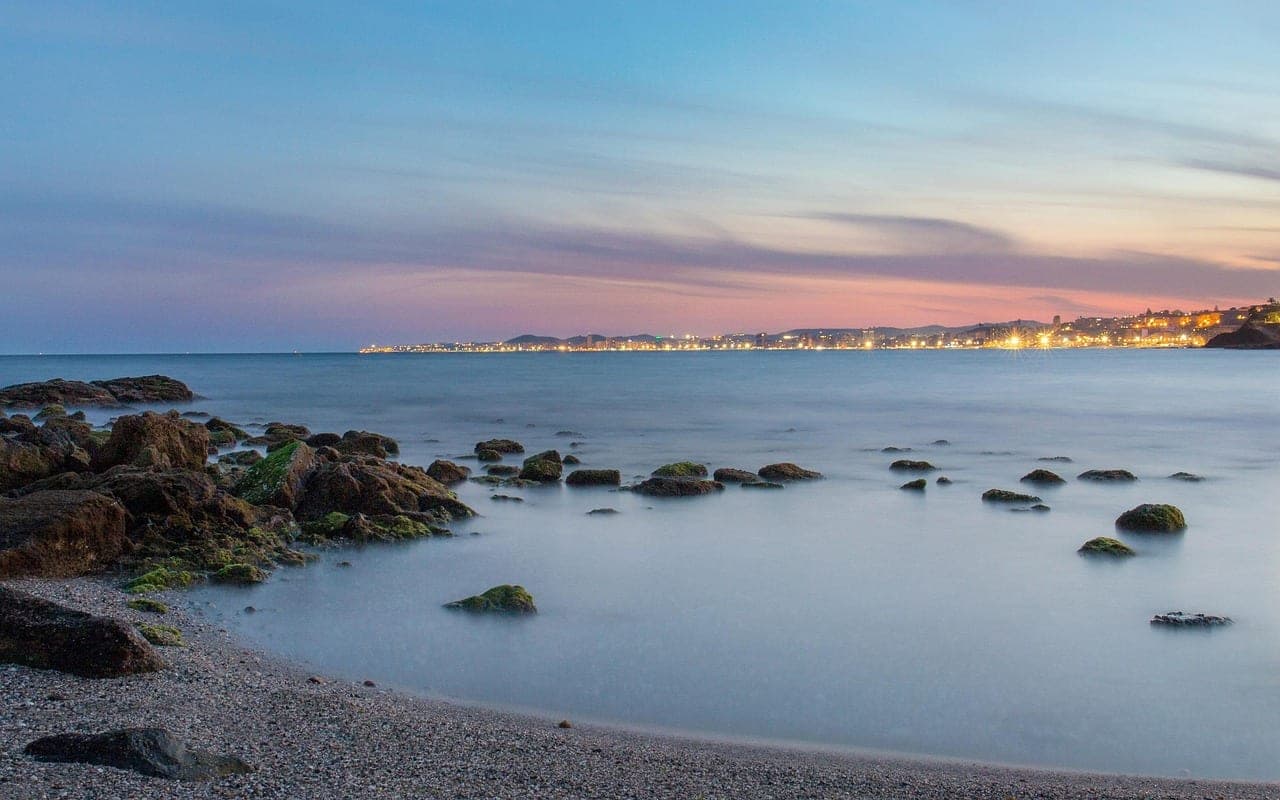
Mediterranean coastline and whitewashed villages along Spain's Costa del Sol

Costa del Sol, Spain

Costa del Sol student group travel for teachers: Malaga, Marbella, Nerja, Ronda. Mediterranean beaches and Moorish history on an educational tour of Andalusia.

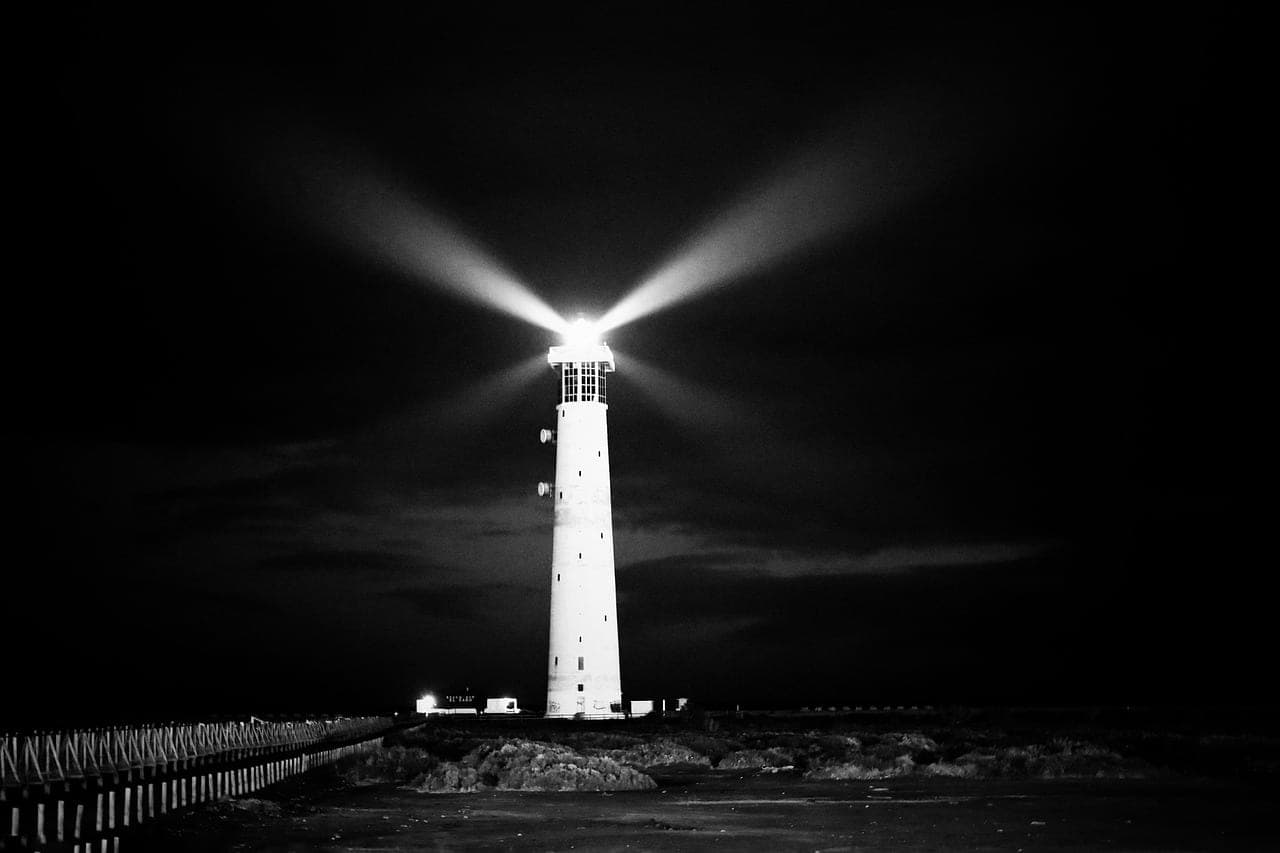
Atlantic lighthouse on the rocky coast near Cádiz, on the southern tip of Andalusia, Spain

Cádiz, Spain

Cádiz student group travel for teachers: the oldest city in Western Europe, the Atlantic seafront, and Andalusian history on teacher-led educational tours.

Wide Mediterranean beach and paseo marítimo at Fuengirola on Spain's Costa del Sol

Fuengirola, Spain

Fuengirola student group travel guide for teachers: Costa del Sol beaches, Sohail Castle, and Mijas — educational tours and teacher-led high school trips.

The Alhambra palace walls with the Sierra Nevada mountains rising behind Granada

Granada, Spain

Granada student group travel for teachers: the Alhambra, Albaicín, and Andalusian tapas on teacher-led high school group trips and educational tours.

Bring your group to Seville, Spain.

Every Passports trip is built around a teacher and a group — from first itinerary sketch to the last day on the ground. Tell us what you have in mind and we’ll take it from there.

Plan a trip