- RegionAndalusia, Spain
- LanguageSpanish
- CurrencyEuro (EUR)
- Best seasonApr - Jun, Sep - Oct
- TimezoneCentral European Time (UTC+1)
A quick introduction
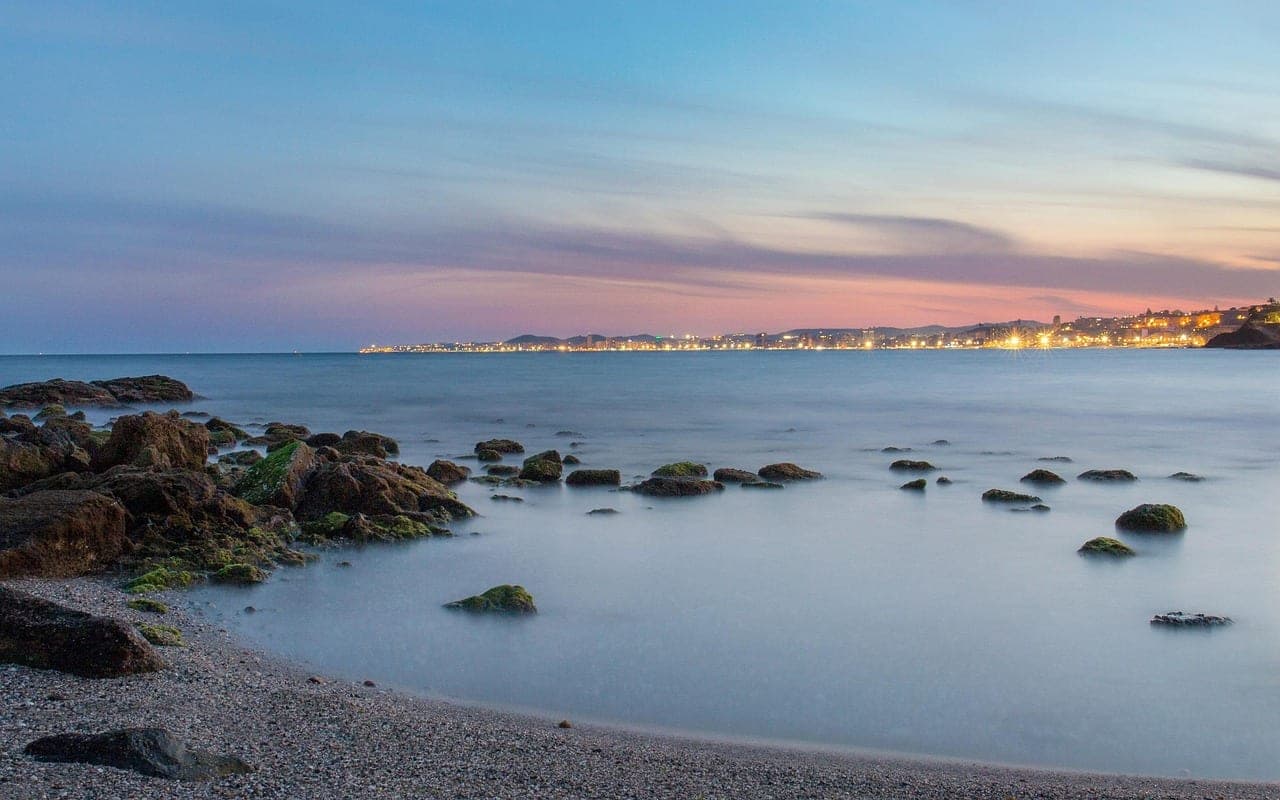
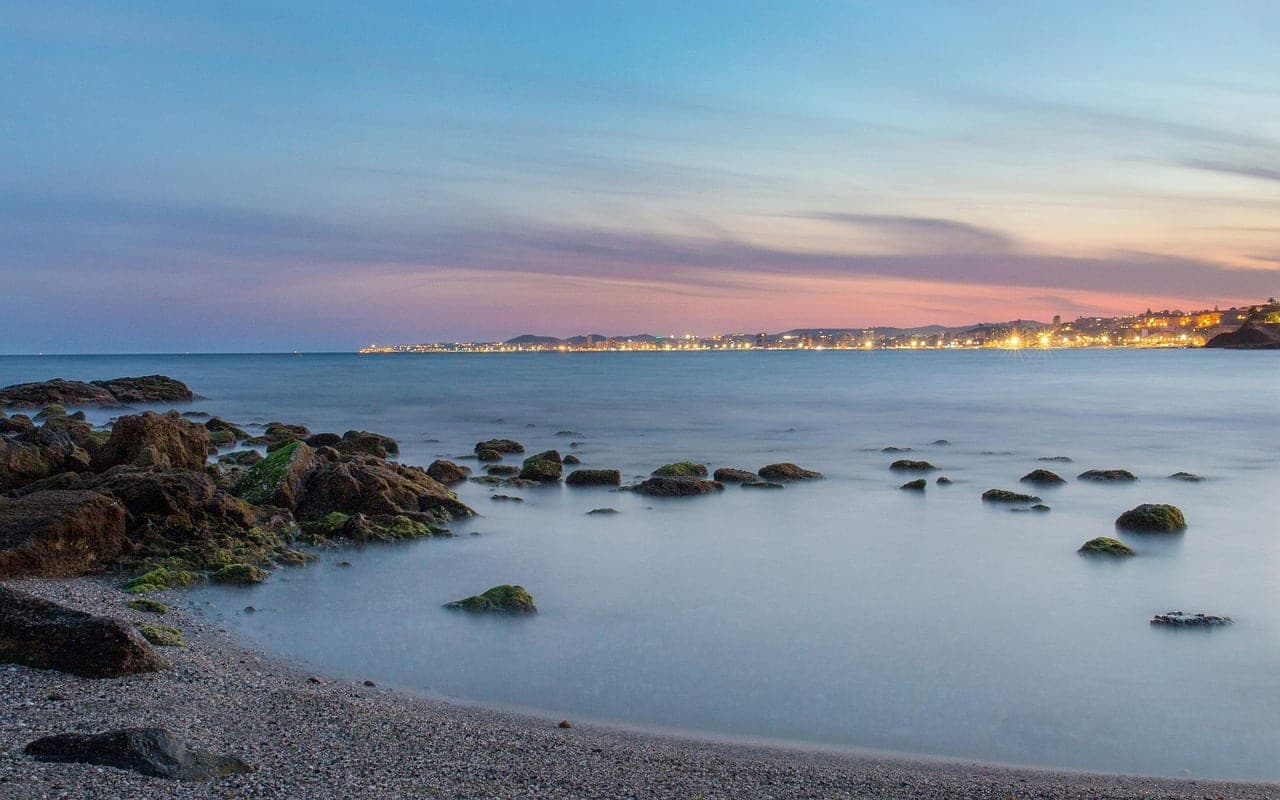
Cádiz sits on a narrow Atlantic peninsula on the southwestern tip of Andalusia, where the Bay of Cádiz opens onto the ocean about 100 kilometers northwest of the Strait of Gibraltar. About 110,000 people live in the city; the old town fits inside a 2-kilometer walking radius surrounded by water on three sides. Founded by Phoenician traders around 1100 BCE as Gadir, Cádiz claims the title of oldest continuously inhabited city in Western Europe — a claim the layered Phoenician, Roman, Moorish, and 18th-century overseas-empire ruins under the streets back up.
For a student group, Cádiz is the most concentrated maritime-and- Atlantic-history visit on a Spain itinerary. The Roman theater, the cathedral, the Tavira Tower camera obscura, and the La Caleta beach where Columbus's second and fourth voyages launched all sit inside one walkable old town. Teacher-led tours pair Cádiz with Seville and Jerez for an Andalusian high school group trip, or use it as the seafront contrast to inland educational travel through Granada and Córdoba.
Top things to see and do


When to go
- Apr - Jun — spring sweet spot
The prime window for educational travel to Cádiz. Daytime highs run 19-26°C, the Atlantic moderates everything, and the wind that defines the local climate (the levante easterly and the poniente westerly) is at its most manageable. Semana Santa processions in the old town are intense and worth a route shift to catch.
- Jul - Aug — beach season, packed
Daytime highs 28-32°C, the poniente keeps things bearable compared with inland Andalusia, and Spanish families fill every apartment in the old town. Hotel rates double; book three months out. La Caleta is shoulder-to-shoulder by 2 PM.
- Sep - Oct — shoulder-season gold
A teacher-led tour favorite. Temperatures drop to 22-28°C, the Atlantic stays swimmable into October, the levante eases, and the Spanish summer crowd vanishes after the first weekend of September. The light on the cathedral dome is at its best in late afternoon.
- Nov - Mar — mild, breezy, alive
Daytime highs 14-18°C, very rarely below 10°C — the southern Iberian Atlantic keeps Cádiz warmer than most of Spain. February hosts Carnival, the second-biggest in Spain after Tenerife, with chirigota satirical singing groups taking over the streets for two weeks. A February student group trip is a once-a-year cultural payoff.
Food and culture

Pescaíto frito
The Cádiz signature — a mixed plate of small Atlantic fish (boquerones, chocos, puntillitas) flash-fried in chickpea flour. Eaten with the hands, salt only, lemon optional. Order one large plate to share at any freiduría.

Tortillitas de camarones
Lacy chickpea-flour fritters studded with tiny live shrimp from the salt marshes. A Cádiz invention; nowhere else gets the texture right. Served as a tapa with a cold fino sherry from neighboring Jerez.

Atún rojo de almadraba
Atlantic bluefin caught off Barbate using the centuries-old almadraba trap-net method, then served raw, grilled, or in tarantelo slow-braise. The May-June almadraba season is the peak window; quality is high year-round from frozen.

Cazón en adobo
Dogfish marinated in vinegar, garlic, and oregano then fried in cubes. A standard tapa across the old town and a strong starter for students who flinch at the pescaíto plate.

Sherry from El Marco
The Marco de Jerez sherry triangle — Jerez, El Puerto, and Sanlúcar — is 30 minutes north. Cádiz bars pour fino and manzanilla by the half-glass for under €2. A non-drinking group still gets the cultural lesson at a bodega tasting flight.
What to pack
- Documents
Passport valid 6+ months past travel date, two printed copies (one for the student, one for the Tour Director's file), insurance card, and the Passports group packet. No visa required for US citizens on a stay under 90 days in the Schengen area; ETIAS authorization is phasing in, so check the status 60 days out.
- Clothing
Layers built around the Atlantic wind — the levante can drop the felt temperature 5-7°C even on a sunny April afternoon. A light windbreaker beats a heavy jacket eight months of the year. Modest dress (shoulders and knees covered) is enforced inside the cathedral; a light scarf in the daypack solves it. Bring a swimsuit even in May.
- Footwear
Broken-in walking shoes for the old-town cobbles plus a pair of sandals or flip-flops for La Caleta and the seafront promenade. A student group will log 10,000-12,000 steps a day. Do not buy new shoes for the trip; the wet limestone underfoot near the cathedral does not forgive new soles.
- Tech
Spain uses Type C / F plugs (European two-prong) — bring a universal adapter. A portable battery earns its weight on seafront photo days. T-Mobile and Google Fi work out of the box; others should buy a Movistar or Vodafone eSIM before departure or at the Jerez or Seville airport on arrival.
- Extras
A small daypack, a reusable water bottle (the Atlantic-coast tap water is fine), strong sunscreen and a wide-brim hat (the Atlantic sun reflects off the white old town and burns faster than students expect), sunglasses, and a compact umbrella for the rare November-through-February rain bursts.
Is it safe?
Yes. Spain's US State Department rating is Level 2 ("exercise increased caution") — the same as France, the UK, Germany, and most of Western Europe — and the elevated level reflects generic European terrorism risk, not anything specific to Cádiz. Cádiz is one of the safer Andalusian cities on our catalog; the geography helps — a small old town with the ocean on three sides keeps foot traffic visible and concentrated. Violent crime against travelers is very rare. The actual risk is garden-variety pickpocketing in the cathedral square, the Mercado Central at midday, and the La Caleta promenade during summer evenings.
On a Passports teacher-led trip, the group moves by private coach with a professional Andalusian driver, the Tour Director runs a pickpocket-awareness briefing on the first evening, and every hotel is pre-vetted for 24-hour reception and secure room storage. We operate a 24/7 emergency line out of Boston, keep parents on a daily-update channel, and have English-speaking medical contacts in every city we visit. For most teachers running their first school group tours to Spain, the Cádiz logistics feel easier than a domestic field trip because the Tour Director owns the coach drops, the cathedral entry, and the Roman Theater visit end to end.
Practical tips
- Lunch is late, dinner is later
Restaurants serve lunch 2-4 PM and dinner rarely before 9 PM. In summer, dinner crowds peak at 10:30 PM. Plan group meals on the Spanish clock; a mid-afternoon ice cream on the seafront bridges the gap on long sightseeing days.
- Freidurías beat sit-down restaurants for lunch
The take-out fried-fish counters — Las Flores, Freiduría Balbino — wrap a paper cone of pescaíto for under €10 and the group eats it on a plaza bench. More memorable, faster, and cheaper than a sit-down lunch.
- Tides matter at La Caleta and Castillo de San Sebastián
The causeway out to the Castillo de San Sebastián is reachable only at low tide; high tide cuts it off entirely. The Tour Director checks the AEMET tide chart and slots the visit accordingly. Local pace is to walk it after the morning museum block.
- Read the wind before the sky
The levante (easterly) and poniente (westerly) define Cádiz weather more than the temperature does. A levante day means windbreakers, hats with chin straps, and not eating on the open seafront. Locals check wind direction the way other cities check rain.
- Contactless everywhere, small cash helps
Tap-to-pay is near-universal at museums, restaurants, and the cathedral gift shop. A little cash is useful for the freiduría take-out counters, the Mercado Central stalls, and tipping. ATMs from CaixaBank, Santander, and BBVA charge lower fees than the tourist-facing Euronet machines.