Destination

Madrid, Spain

Madrid student group travel for teachers: the Prado, the Royal Palace, and Spanish capital walks on teacher-led educational tours and high school group trips.

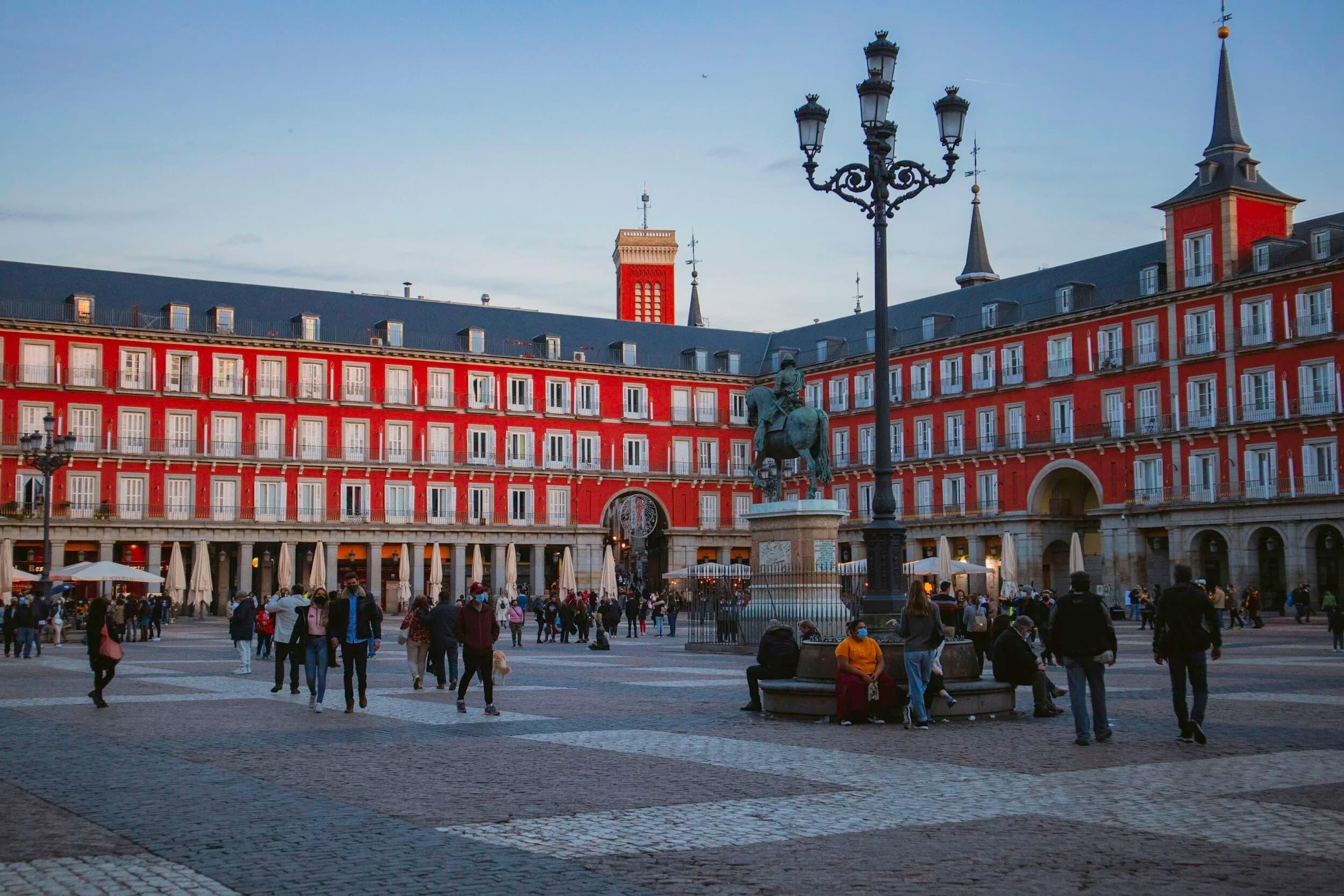
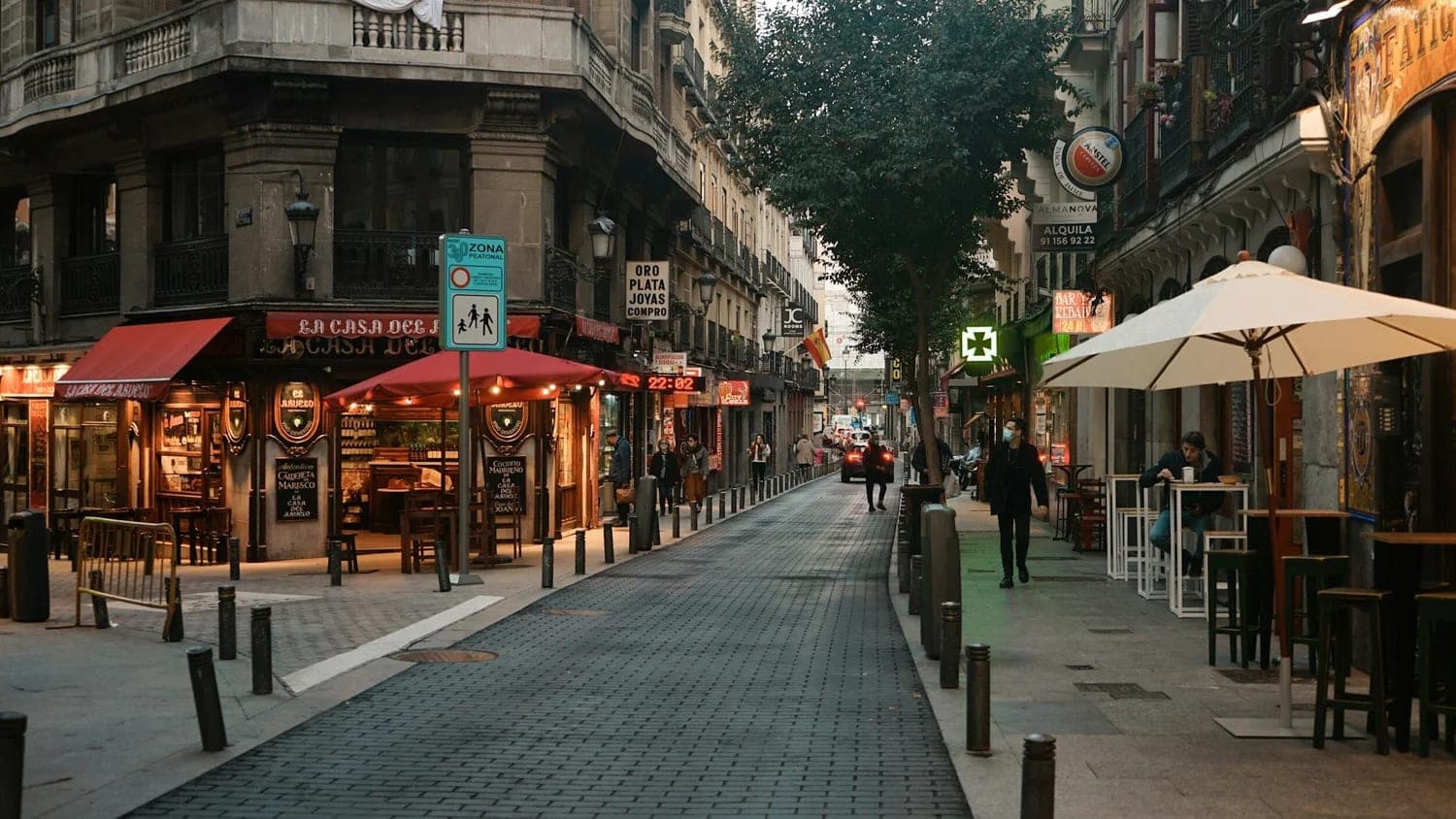
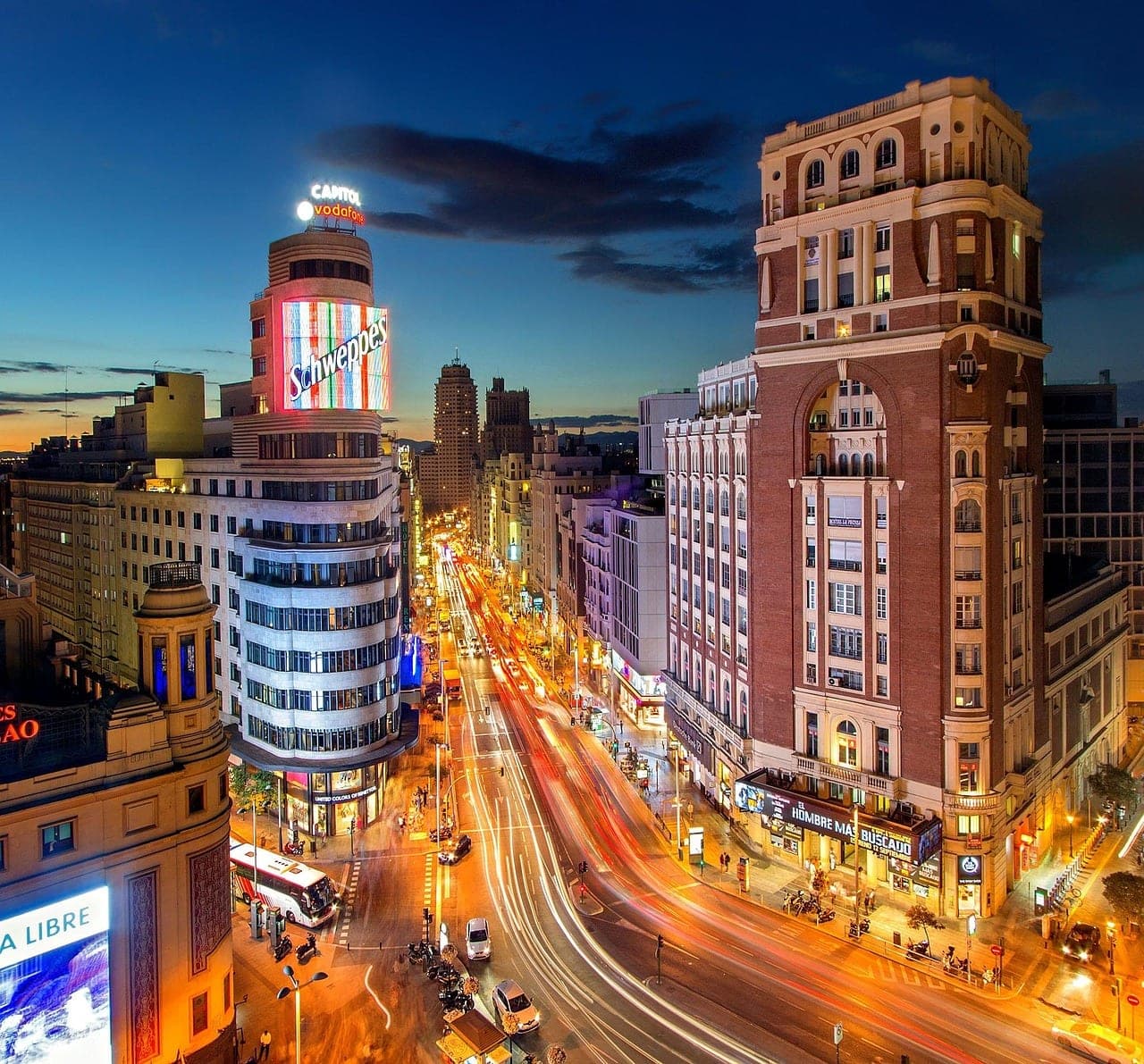
Madrid skyline at sunset over the Plaza Mayor and the Spanish capital's old town
On this page
  • Where Madrid sits at the geographic center of Spain and why Sol is the city's pivot
  • Six sights worth a stop — Prado, Reina Sofía, Royal Palace, Retiro, Plaza Mayor
  • What to eat: cocido madrileño, bocadillo de calamares, churros con chocolate
  • When to go, what to pack, and whether Madrid is safe for students
  • Practical logistics for teachers: late-Spain dinner clock, metro etiquette, plaza heat
← All city guidesCountry guide: Spain
Plan a trip

A quick introduction

Madrid sits at the dead geographic center of the Iberian Peninsula at 667 meters of elevation — the highest capital in continental Europe. Around 3.3 million people live in the city and roughly seven million across the metro. Phillip II moved the Spanish court from Toledo to Madrid in 1561 and the city grew up around the choice, which is why the historic streets fan outward from the Royal Palace and the Plaza Mayor in a way that feels planned rather than accreted.

For a student group, Madrid is the broadest single-city visit on a Spain itinerary and one of the strongest art-history stops in Europe. The Prado, the Reina Sofía, and the Thyssen-Bornemisza sit on the same kilometer — the Paseo del Arte — and a week of educational travel here covers Velázquez, Goya, El Greco, and Picasso's Guernica without leaving one boulevard. Teacher-led tours use Madrid as the anchor for a Castilian high school group trip with day visits to Toledo, Segovia, and Ávila, or as the arrival hub for a wider Andalusian student group trip south.

Day by day

Top things to see and do

Museo del Prado

Museo del Prado

The world's deepest collection of Spanish painting and one of the great European museums of any kind. Velázquez's Las Meninas, Goya's Black Paintings, El Greco, Bosch's Garden of Earthly Delights — a focused 2.5-hour visit hits the curriculum highlights without burning the group out.

Reina Sofía & Guernica

Reina Sofía & Guernica

Spain's national museum of 20th-century art, anchored by Picasso's Guernica. The room dedicated to the painting is one of the most powerful 20 minutes on a Spanish itinerary — and the surrounding floor of preparatory sketches turns it into an art-history lesson.

Royal Palace of Madrid

Royal Palace of Madrid

Europe's largest functioning royal palace by floor area — 3,418 rooms, only used for state ceremonies. The Throne Room, the Royal Armoury, and the Royal Pharmacy give a 90-minute walk through Bourbon Spain. Plaza de Oriente outside is the classic photo stop.

Retiro Park

Retiro Park

The 350-acre former royal pleasure garden in the heart of the city. The Crystal Palace, the rose garden, and the row-boat pond (Estanque del Retiro) make it the rest stop after a Prado morning. Now UNESCO-listed alongside the Paseo del Prado.

Plaza Mayor & old town

Plaza Mayor & old town

The arcaded 17th-century main square — bullfights, royal coronations, and Inquisition autos-de-fé all happened here. The surrounding streets (Calle Mayor, Cava Baja) are the tapas-crawl heart of the city. A free walking loop with high narrative density.

Mercado de San Miguel

Mercado de San Miguel

The 1916 wrought-iron-and-glass food hall just off the Plaza Mayor — small-bite stalls of jamón, oysters, croquetas, and sherry. A controlled lunch stop that reads as a market visit and a culinary lesson at the same time.

Weather by season

When to go

  • Apr - Jun — spring sweet spot

    The prime window for educational travel to Madrid. Daytime highs run 18-28°C, the Retiro is in bloom, and museum lines stay manageable through May. Long daylight stretches past 9 PM and the city's signature outdoor terrazas open up by mid April.

  • Jul - Aug — peak heat, half-empty city

    Daytime highs 32-38°C with dry continental heat — the city sits at 667 meters and well inland. Madrileños empty out for vacation and many family restaurants close for two or three weeks. Museum lines vanish; coach transfers benefit from the light traffic.

  • Sep - Oct — shoulder-season gold

    A teacher-led tour favorite. Temperatures drop to 20-28°C, the city refills after vacation, and the cultural calendar (opera, flamenco, exhibition openings) restarts in earnest. Tourist volume drops sharply after the second week of September.

  • Nov - Mar — cold, crisp, quiet

    Daytime highs 8-14°C with cold clear nights and occasional snow on the Sierra. No museum lines at all — a small group can have a Velázquez room nearly to itself on a January Tuesday. Short daylight (sunset around 6 PM in December) compresses photo windows but a winter student group trip rewards teachers who can read a thermometer.

What to order

Food and culture

Cocido madrileño

Cocido madrileño

The capital's signature winter dish — a three-course chickpea stew served as broth, then chickpeas and vegetables, then meats. A two-hour Sunday lunch in places like La Bola. Heavy enough for one bowl between two students.

Bocadillo de calamares

Bocadillo de calamares

Madrid's iconic street sandwich — a crusty roll stuffed with ringed fried squid, lemon, no sauce. Two euros at the counters around Plaza Mayor and a Madrid rite of passage for the group.

Tortilla de patatas

Tortilla de patatas

The Spanish potato omelette — eggs, potato, optional onion. Madrid's old-school cafés serve it warm and runny in the middle. Order a pincho slice as a tapa or a racion slice as a meal.

Churros con chocolate

Churros con chocolate

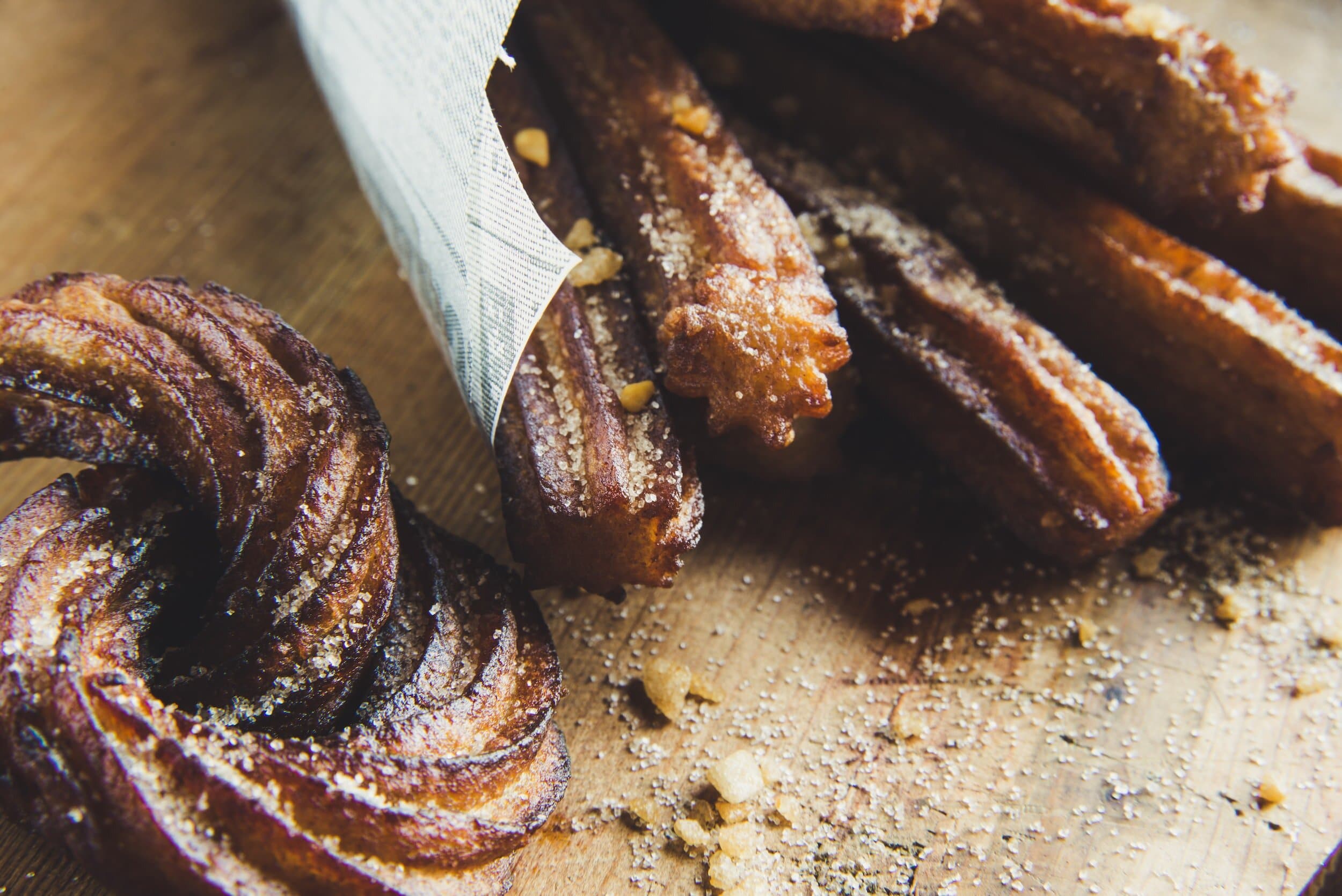
Long fried-dough sticks dipped in thick drinking chocolate. The classic post-night-out breakfast at Chocolatería San Ginés (open since 1894 and open until dawn). A required group stop.

Croquetas

Croquetas

Bechamel croquettes — usually jamón or pollo, sometimes bacalao — fried gold and served three or four to a plate. Madrid's defining bar tapa: every neighborhood spot has its own version and a local opinion about whose are best.

Packing essentials

What to pack

  • Documents

    Passport valid 6+ months past travel date, two printed copies (one for the student, one for the Tour Director's file), insurance card, and the Passports group packet. No visa required for US citizens on a stay under 90 days in the Schengen area; ETIAS authorization is phasing in, so check the status 60 days out.

  • Clothing

    Layers are mandatory — Madrid's elevation creates 12-15°C day-to-night temperature swings even in May. Modest dress (shoulders and knees covered) is enforced inside the Royal Palace, the Almudena Cathedral, and most churches; a light scarf in the daypack solves it. Summer fabrics that breathe beat cotton in the dry continental heat.

  • Footwear

    Serious, broken-in walking shoes. Madrid is a walking city end-to-end; a student group will log 12,000-15,000 steps a day between the Paseo del Arte, the Royal Palace, and the old town. Do not buy new shoes for the trip. Ankle-support sneakers beat fashion sneakers on the granite cobbles around Plaza Mayor.

  • Tech

    Spain uses Type C / F plugs (European two-prong) — bring a universal adapter. A portable battery earns its weight on museum days. T-Mobile and Google Fi work out of the box; others should buy a Movistar or Vodafone eSIM before departure or at Madrid-Barajas on arrival. The metro has strong cellular and free WiFi at every station.

  • Extras

    A small daypack (museums require larger bags to be checked), a reusable water bottle (the fuentes in the Retiro and across the city pour potable Sierra de Guadarrama water), strong sunscreen May through September, sunglasses, lip balm for the dry climate, and a compact umbrella November through March.

The parent-meeting question

Is it safe?

Yes. Spain's US State Department rating is Level 2 ("exercise increased caution") — the same as France, the UK, Germany, and most of Western Europe — and the elevated level reflects generic European terrorism risk, not anything specific to Madrid. Madrid is one of the safer European capitals; violent crime against travelers is genuinely rare and the city has a visible police presence in tourist zones around the clock. The actual risk is pickpocketing at a handful of predictable hotspots: the Sol metro station, the #5 metro between Sol and Atocha, the Prado entry queue, and the El Rastro Sunday flea market.

On a Passports teacher-led trip, the group moves by private coach with a professional driver between hotel, Paseo del Arte, and the Royal Palace, the Tour Director runs a pickpocket-awareness briefing on the first evening, and every hotel is pre-vetted for 24-hour reception and secure room storage. We operate a 24/7 emergency line out of Boston, keep parents on a daily-update channel, and have English-speaking medical contacts in every city we visit. For most teachers running their first school group tours to Spain, the Madrid logistics feel easier than a domestic field trip because the Tour Director owns the museum entries, the coach drops, and any curveballs end to end.

🛡️

Personal safety

Pickpocketing is the real risk; violent crime against travelers is rare. Cross-body bags in front, phones off café tables, and a Day 1 briefing cover most of it. Hotels are vetted for 24-hour reception, in-room safes, and English-speaking front desks. Sol metro and the El Rastro market are the two hotspots the Tour Director names by name.

⚕️

Health & medical

Tap water is excellent — the city's supply comes off Sierra de Guadarrama snowmelt and is among the highest-quality municipal water in Europe. No special vaccines required beyond CDC routine. Hospital Universitario La Paz and Hospital Universitario Gregorio Marañón both run 24-hour emergency rooms to international standards and take US travel insurance.

🚐

Roads & transport

Group movement is by private coach with a professional driver; no students on city buses or metro alone, no scooters, no student-driven vehicles at any point. The historic center has tight traffic restrictions, so coach drops at Plaza de Oriente or Atocha and the Tour Director walks the group in. Madrid-Barajas airport transfers are private coach end to end.

🌪️

Natural hazards

Madrid sits in a low-seismic zone with no significant recent earthquake history. The dominant practical concerns are summer heat and winter dry-cold; the Tour Director keeps a daily eye on AEMET forecasts and adjusts museum-versus-park sequencing accordingly. Wildfire smoke from the Sierra is a rare late-summer factor.

Practical tips

  • Lunch is late, dinner is later

    Restaurants serve lunch 2-4 PM and dinner rarely before 9 PM. Many places only seat dinner from 9:30. Plan group meals on the Spanish clock; a merienda (afternoon snack — bocadillo, pastry, café con leche) at 6 PM bridges the gap and is a Madrid tradition the group will adopt fast.

  • The metro is the best in Europe

    Twelve lines, clean, frequent, English-signed, and with free WiFi at every station. A 10-trip Metrobús card splits neatly across a small group and beats taxis everywhere except Barajas. The Tour Director still moves the group by coach for safety, but a free-time afternoon on the metro is a fine educational travel exercise.

  • Tapas crawl, do not sit-down dinner

    The neighborhood around Plaza Mayor — Cava Baja, La Latina — is built for moving between bars. Order one drink, get one small plate, walk on after twenty minutes. Three stops is a meal; five is dinner and a story for the group chat.

  • Museums close one day a week — and most close Mondays

    The Prado closes Mondays in winter, the Reina Sofía closes Tuesdays year-round, the Thyssen closes Mondays. The Tour Director sequences the Paseo del Arte days around the closures so nothing is missed. Teachers planning ahead should not assume any specific museum is open on any given morning.

  • Contactless everywhere, small cash helps

    Tap-to-pay is universal at museums, restaurants, and the metro turnstiles. A little cash is useful for the bocadillo counters, the El Rastro market, and tipping. ATMs from CaixaBank, Santander, and BBVA charge lower fees than the tourist-facing Euronet machines around Sol.
Five facts

Good to know

🏔️

Highest capital in continental Europe

Madrid sits at 667 meters — higher than Andorra la Vella or Bern. The elevation explains the dry air, the wide day-to-night temperature swings, and why the Sierra de Guadarrama snow line drops to within an hour of the city.

📍

Kilometer Zero

A bronze plaque in Puerta del Sol marks the official kilometer zero from which all six radial Spanish national roads are measured. A small but high-density photo stop on any old-town walk.

🐻

The bear and the strawberry tree

The city's coat of arms — a bear standing against a strawberry tree — is sculpted into a six-foot statue at Sol. El Oso y el Madroño dates to medieval Madrid, when both bears and the trees grew in the surrounding forest.

⚔️

The Royal Armoury rivals the Tower of London

The Royal Palace's armoury holds the parade armour of Charles V, plus medieval and Renaissance suits collected by every monarch since. AP European History gold; often undervisited.

🌳

The Retiro is older than Versailles

The Buen Retiro park dates to the 1630s, predating Le Nôtre's work at Versailles by three decades. The original palace burned in 1734; the gardens survived and became public in 1868.

Tours that go here

Tours that stop in Madrid

See all tours →
Avila
Spain

Cities of Castile

Madrid · Toledo · Salamanca · Segovia

Language-immersion
See itinerary
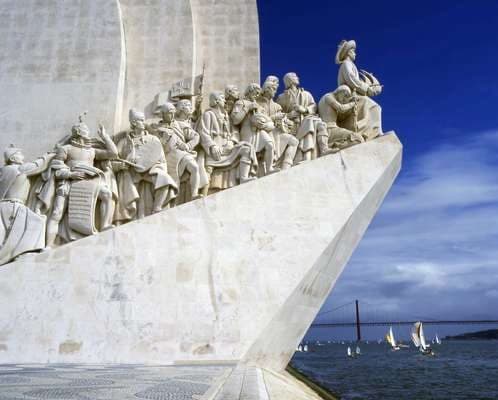
Monument to the Discoveries
Portugal · Spain

Iberian Cultures

Lisbon · Algarve Coast · Seville · Madrid

Language-immersion
See itinerary
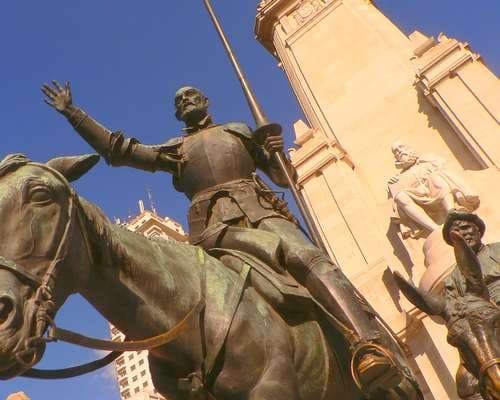
Don Quijote
Spain

Madrid and Barcelona

Madrid · Barcelona

Small-groupLanguage-immersion
See itinerary
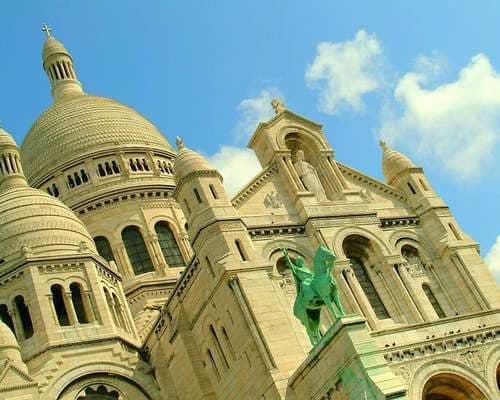
Sacre-Coeur
France · Spain

Paris and Madrid

Paris · Madrid

Small-group
See itinerary
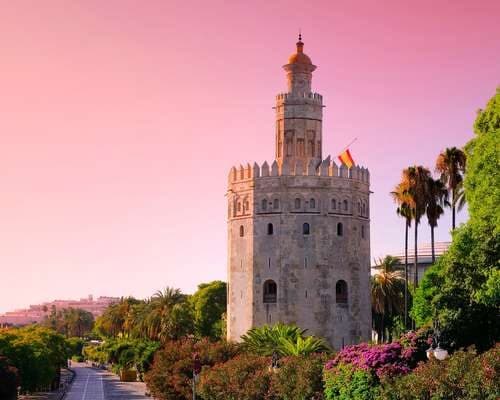
Gold Tower, Seville
Spain

The Sun Coast

Madrid · Seville · Costa del Sol

Language-immersion
See itinerary
Classroom material

Lesson plans about Madrid

See all →
SpainHistoryGrade 11-12

Age of Discovery: Spain: Columbus First Voyage of 1492

Through the investigation of primary and secondary sources, students in this lesson will identify, understand and be able to explain the details of Columbus' First Voyage to the New World, why he undertook the challenge of sailing west to r…

View lesson
SpainEnglish / Language ArtsGrade 9-12

Ballad of the Spanish Civil Guard: An Analysis

In this lesson, students will interpret an English version of Federico García Lorca's Ballad of the Spanish Civil Guard, critique the work using a list of guided questions, and analyze how it serves as a social commentary for both th…

View lesson
SpainArtGrade 11-12

Interwar Europe (1919-1939): Surrealism: Dali and Bunuel

Through an examination of both primary and secondary sources on the subject, including various types of visual media in addition to electronic and written sources, Students here will identify, understand and be able to explain the basics of…

View lesson
SpainSpanishGrade 9-12

King Philip III of Spain & the Expulsion of the Moriscos

In this lesson, students will infer relationships in history from prior knowledge about the Plaza Mayor, King Philip III, and the Islamic presence in early Spain. Students will also interpret an excerpt of Cervantes' "El coloquio de los per…

View lesson
SpainHistoryGrade 11-12

Moorish Iberia (711-1492): Al-Andalus

Through the investigation of primary and secondary sources, students in this lesson will identify, understand and be able to explain the details of Al-Andalus (Moorish Iberia), including how Muslim forces came to rule over Christian Iberia,…

View lesson
SpainSpanishGrade 11-12

Romance de la guardia civil española: An Analysis of the Lorca Ballad

In this lesson, students will interpret Federico García Lorca's Romance de la Guardia Civil española, critique the work using a list of guided questions, and analyze how it serves as a social commentary for both the Spain of L…

View lesson
From the Tour Directors

Tour Director lectures about Madrid

See all →
Does the rain in Spain fall Mainly on the Plain? — Passports Tour Director lecture
Tom FergusonSpain

Does the rain in Spain fall Mainly on the Plain?

With its population of nearly 7 million, the Madrid Metro Area is the 3rd largest in Europe. As the capital of the Kingdom of Spain, it is surprising that a city so large is nowhere near a navigable river or a coastal harbor. In today’s lecture, we’ll learn about some of the history and geography that gave rise to today’s exciting and surprisingly young Iberian capital.

Watch lecture
Flamenco! — Passports Tour Director lecture
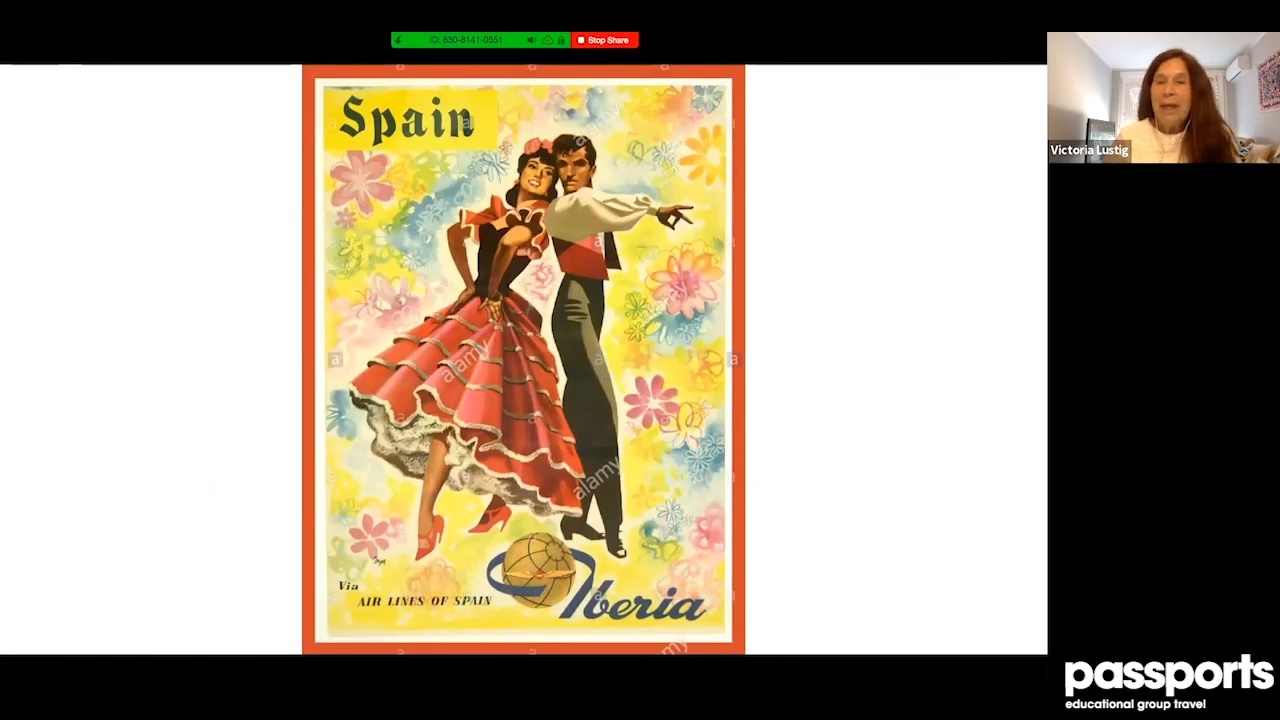
Victoria LustigSpain

Flamenco!

An Andalusian exclusive - the songs, the dance - an unforgettable experience. Learn the roots of the iconic dance of Spain.

Watch lecture
The Architecture of Madrid — Passports Tour Director lecture
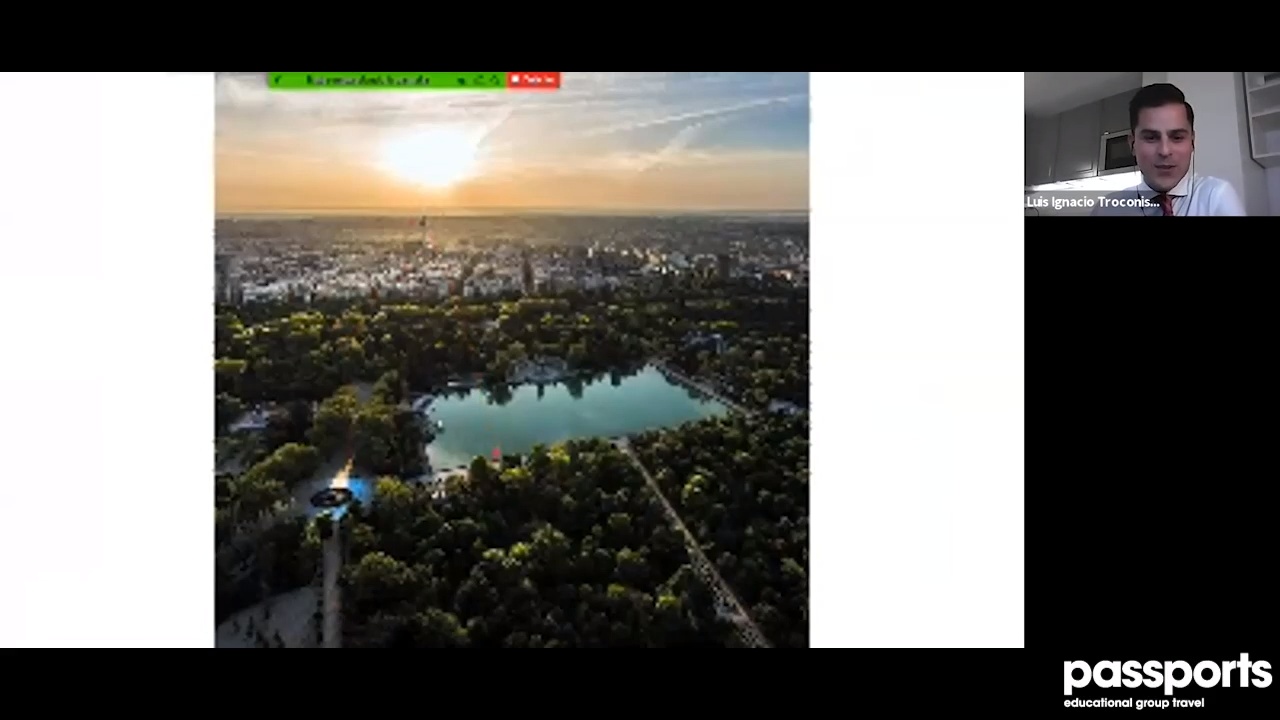
Luis TroconisSpain

The Architecture of Madrid

Take a ride through the streets of Madrid with your guide, Luis, as he regales you with tales of the history of the city and its architectural triumphs.

Watch lecture
The World of Bullfighting — Passports Tour Director lecture
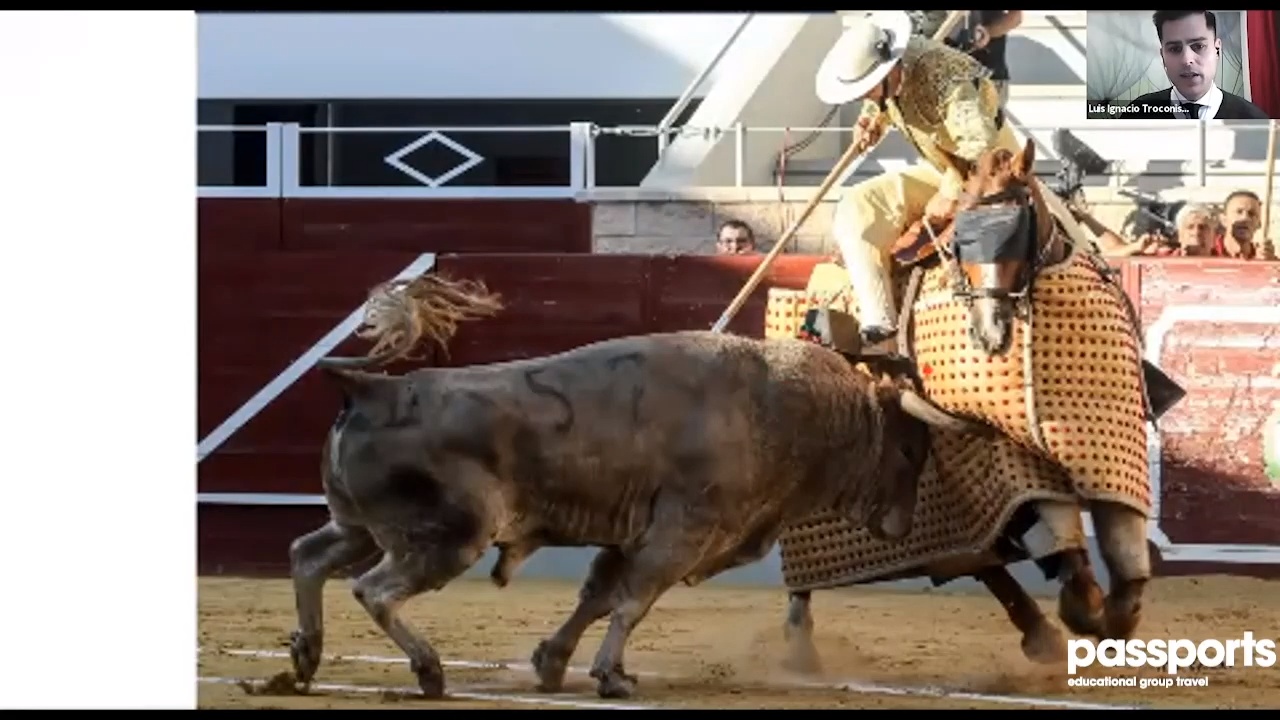
Luis TroconisSpainHistory

The World of Bullfighting

We will be talking about this unique, passionate and risky

Watch lecture
„König Fußball regiert die Welt!“ King soccer rules the world! — Passports Tour Director lecture
Matthias KortGermanyUKHistory

„König Fußball regiert die Welt!“ King soccer rules the world!

Germans love sports. It’s not only “soccer” but … almost. With more than 7 million members the “Deutsche Fußball Bund” is the biggest Sport association in the whole world. Let’s find out what makes Fußball so important for us Germans and how this sport changed our country.

Watch lecture
From our blog

Blog posts about Madrid

See all →
The Best European Cities for Art Lovers
destinations

The Best European Cities for Art Lovers

Europe's best cities for art lovers span from Paris's Louvre to Prague's National Gallery, covering must-visit museums, galleries, and street art scenes across 10 destinations

Read post
What is a Passports Teacher Training Conference?
for group leaders

What is a Passports Teacher Training Conference?

Passports Teacher Training Conferences offer educators a free international trip to network, learn group tour techniques, and explore a city — here's what's included and how to earn your spot

Read post
Madrid Educational Travel: Mastering Spanish Through Immersion
destinations

Madrid Educational Travel: Mastering Spanish Through Immersion

Madrid offers student travelers a full Spanish-language immersion experience across five days of royal palaces, flamenco, world-class museums, and a Segovia day trip

Read post
Passports Teacher Training Conference Madrid 2024 Recap!
company news

Passports Teacher Training Conference Madrid 2024 Recap!

Passports Educational Travel's 2024 Teacher Training Conference in Madrid brought group leaders together for an event full of highlights and professional development

Read post
Madrid Training Conference 2024
company news

Madrid Training Conference 2024

Passports Educational Travel's 2024 Madrid Training Conference offers group leaders five days of professional development, networking, and cultural exploration — fully covered with reward points

Read post
Paris and Madrid Training Conferences 2023/2024
company news

Paris and Madrid Training Conferences 2023/2024

Passports Educational Travel is hosting group-leader training conferences in Paris in November 2023 and Madrid in January 2024, with airfare, hotels, and excursions included

Read post
On the ground

More places in Spain

Country guide: Spain →
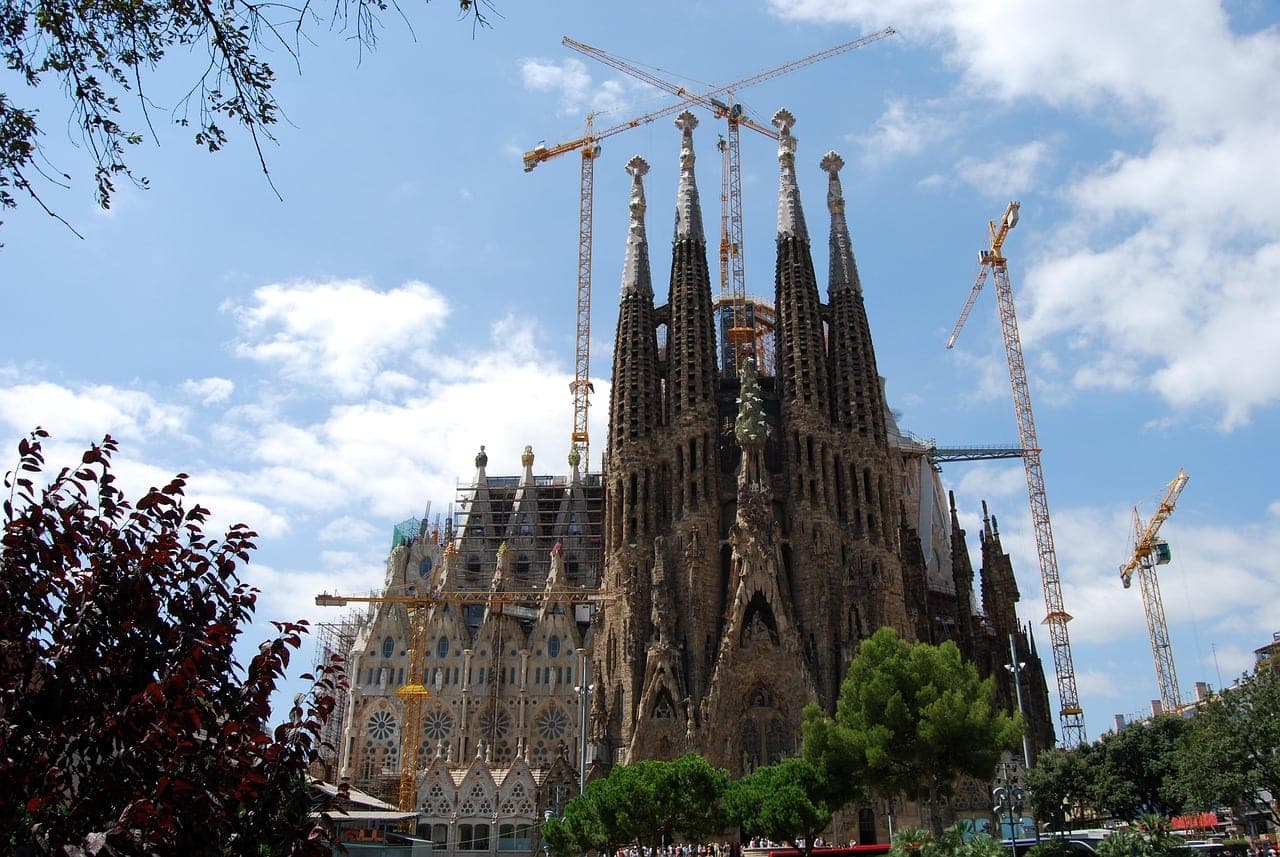
Gaudí's Sagrada Família spires rising above the rooftops of Barcelona, Spain

Barcelona, Spain

Barcelona student group travel for teachers: Gaudí, the Gothic Quarter, and Catalan culture on teacher-led high school group trips and educational tours.

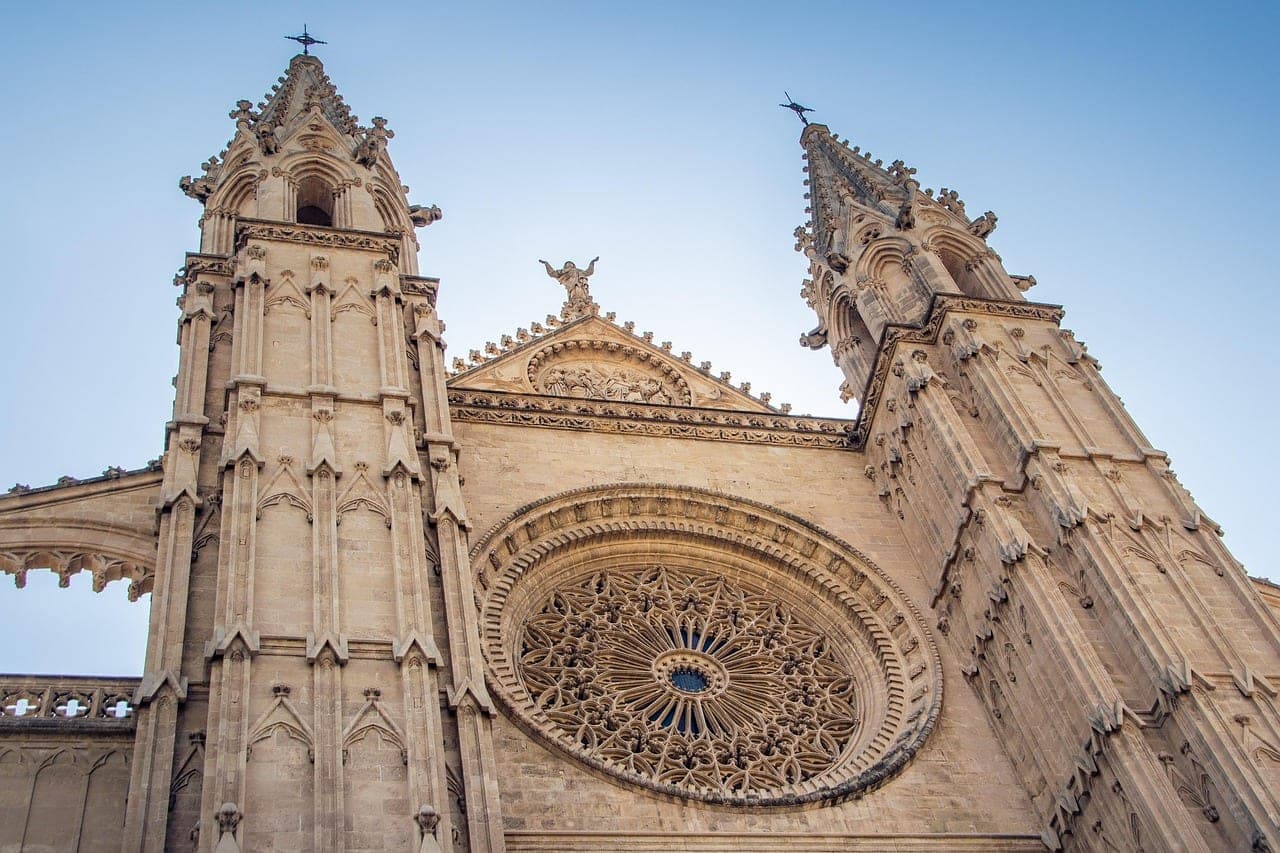
The Gothic spires of Burgos Cathedral rising above the old town in Castile, Spain

Burgos, Spain

Burgos student group travel for teachers: the Gothic cathedral, the Camino de Santiago, and Castilian history on teacher-led educational tours of Spain.

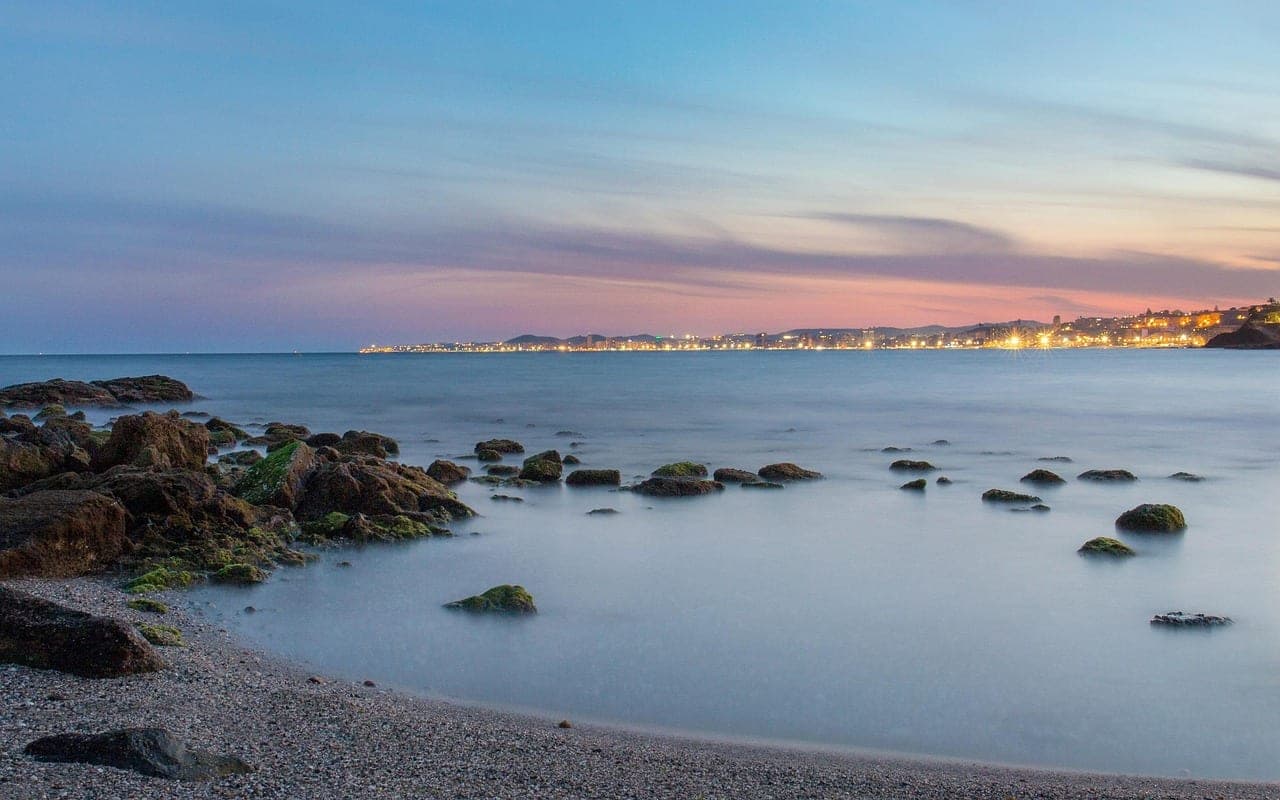
Mediterranean coastline and whitewashed villages along Spain's Costa del Sol

Costa del Sol, Spain

Costa del Sol student group travel for teachers: Malaga, Marbella, Nerja, Ronda. Mediterranean beaches and Moorish history on an educational tour of Andalusia.

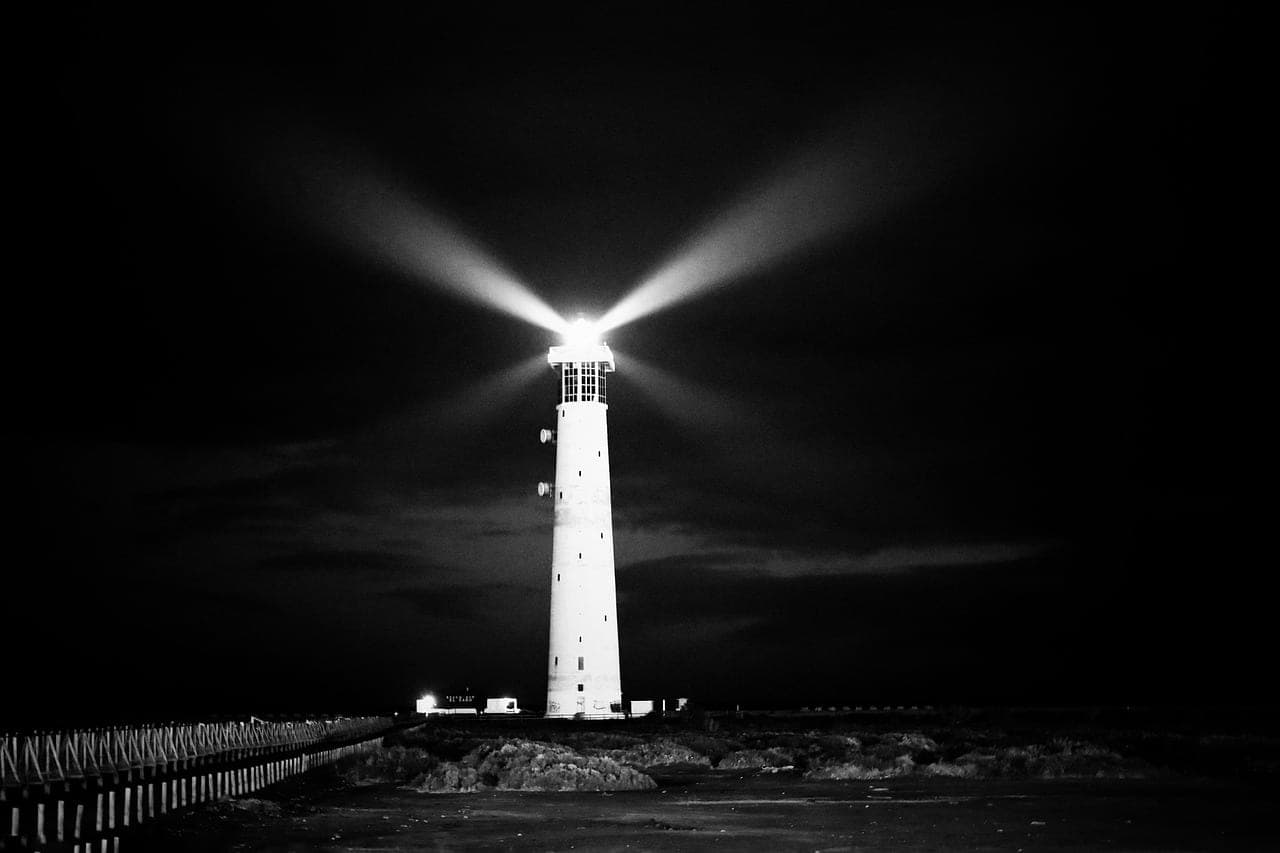
Atlantic lighthouse on the rocky coast near Cádiz, on the southern tip of Andalusia, Spain

Cádiz, Spain

Cádiz student group travel for teachers: the oldest city in Western Europe, the Atlantic seafront, and Andalusian history on teacher-led educational tours.

Wide Mediterranean beach and paseo marítimo at Fuengirola on Spain's Costa del Sol

Fuengirola, Spain

Fuengirola student group travel guide for teachers: Costa del Sol beaches, Sohail Castle, and Mijas — educational tours and teacher-led high school trips.

The Alhambra palace walls with the Sierra Nevada mountains rising behind Granada

Granada, Spain

Granada student group travel for teachers: the Alhambra, Albaicín, and Andalusian tapas on teacher-led high school group trips and educational tours.

Bring your group to Madrid, Spain.

Every Passports trip is built around a teacher and a group — from first itinerary sketch to the last day on the ground. Tell us what you have in mind and we’ll take it from there.

Plan a trip