A philosophy professor takes his class to Europe.
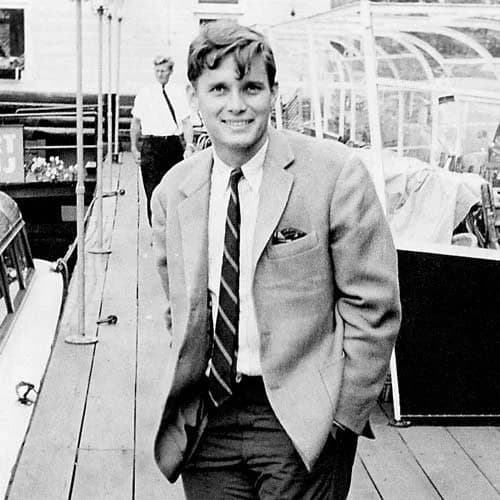
Dr. Gil Markle's academic background was unusually broad before he ever stepped into a classroom. Undergrad in physics at Rensselaer Polytechnic Institute. A Doctorat d'Université in philosophy at the Sorbonne, in Paris, on a Fulbright Scholarship. A PhD in the Philosophy of Science from Yale. Earlier, service at Camp Century with the U.S. Army Corps of Engineers — the experimental nuclear-powered research base under the Greenland ice sheet.
By the early 1960s he was teaching at Clark University in Worcester, Massachusetts, already legendary on campus for the way he taught — interactive, unscripted, deliberately uncomfortable.
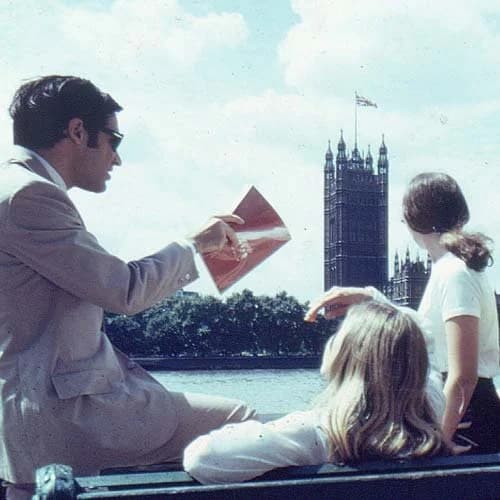
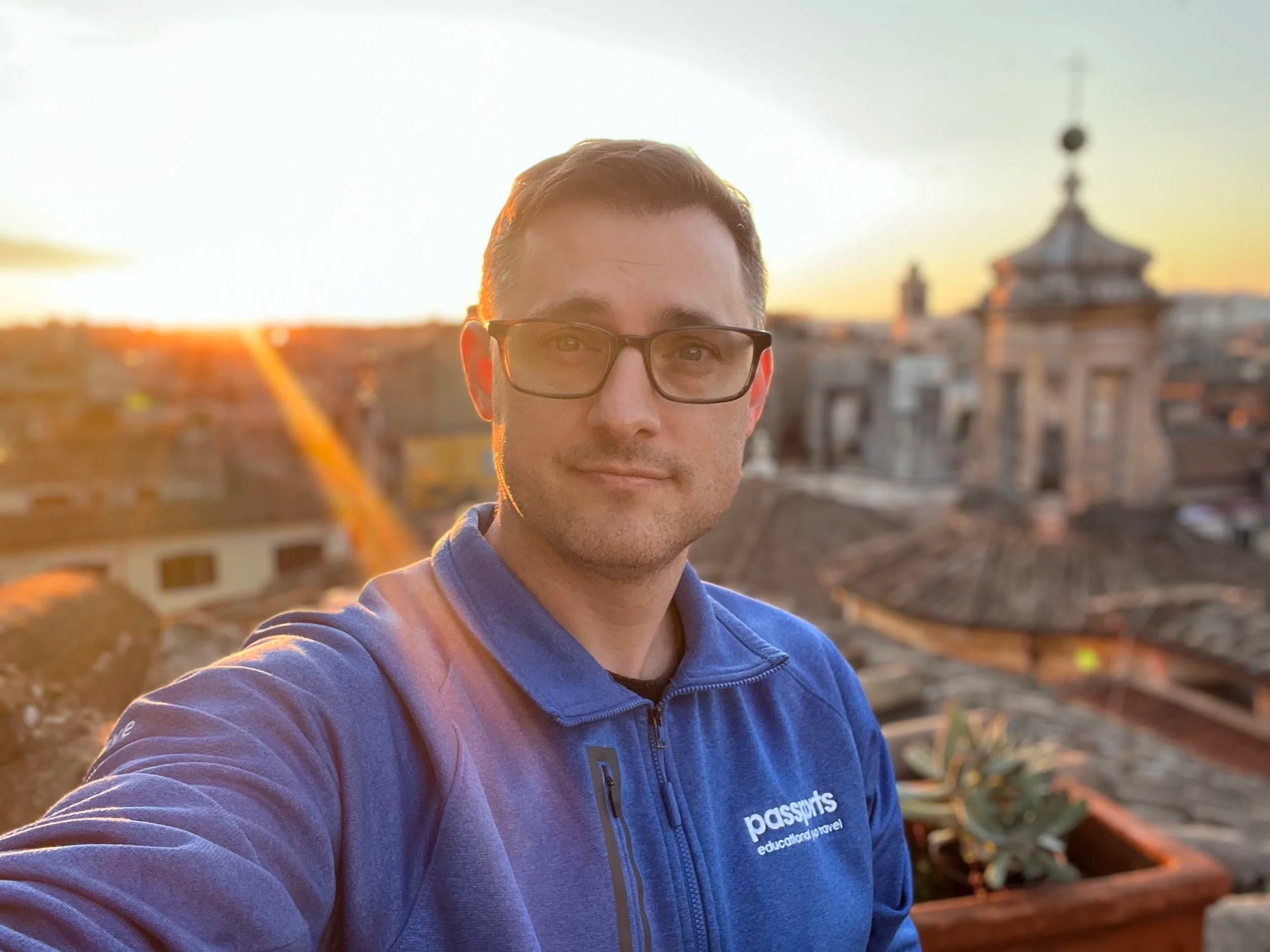
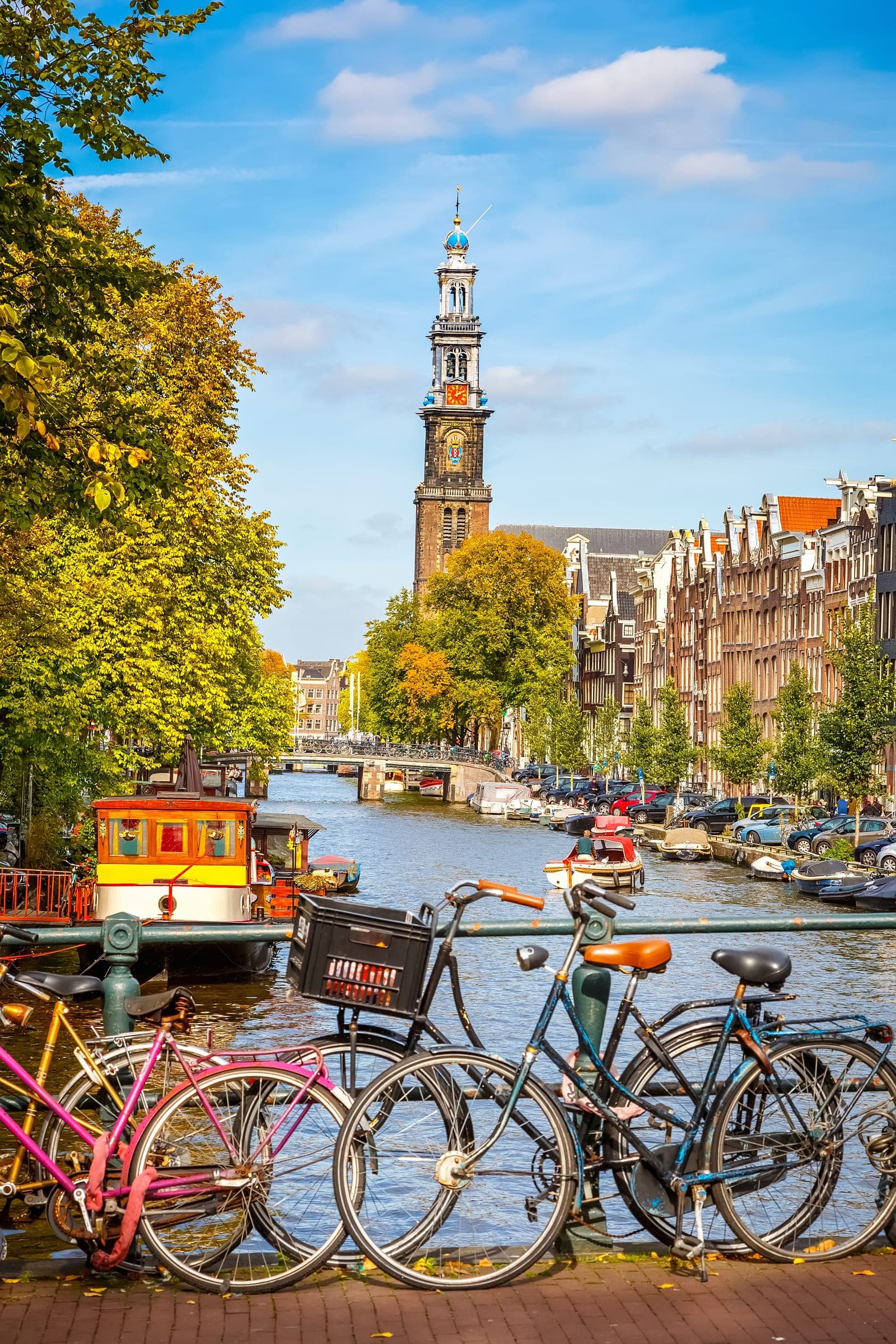
One summer he loaded a group of his students onto a flight to Europe. The trip was so well-received that he ran it again the next year, and the next, eventually organizing more than twenty groups a year. The route — England, France, Italy — became what's now Passports' Grand Tour. The phrase “outbound educational travel” didn't really exist yet in America. Gil was, in real terms, inventing the category.