- RegionCastile and León, Spain
- LanguageSpanish
- CurrencyEuro (EUR)
- Best seasonMay - Jun, Sep - Oct
- TimezoneCentral European Time (UTC+1)
A quick introduction
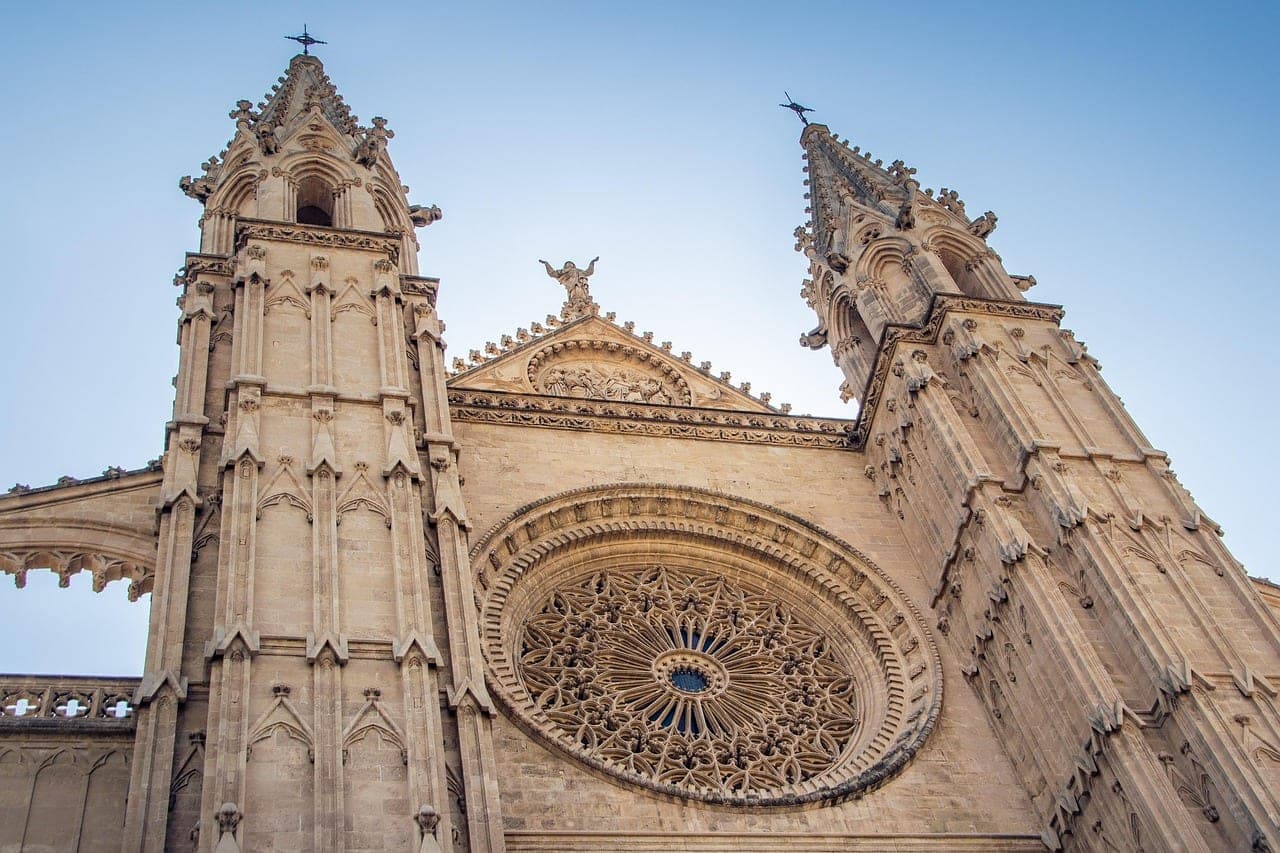
Burgos sits at 860 meters on the northern Castilian meseta, where the Arlanzón river cuts a flat valley between two ridges. Around 175,000 people live in the city. Founded as a frontier outpost in 884 against the Muslim south, Burgos became the capital of the Kingdom of Castile and the burial city of El Cid Campeador, the 11th-century knight at the center of Spain's national epic. The cathedral that defines the skyline took more than 300 years to finish and is one of only three cathedrals in Spain inscribed on its own as a UNESCO World Heritage Site.
For a student group, Burgos is the cleanest single stop on the French Camino de Santiago and the most concentrated Gothic-Spain visit on our catalog. The cathedral, the Monastery of Las Huelgas, and the Cartuja de Miraflores sit inside one walkable city, and the Atapuerca archaeological caves — the oldest hominid site in Western Europe — are 15 kilometers east. Teacher-led tours use Burgos as the medieval pivot between Madrid and the Basque north, or as a one-night anchor on a Camino-themed high school group trip that picks up the pilgrim route in León or Logroño.
Top things to see and do


When to go
- May - Jun — late spring sweet spot
The prime window for educational travel to Burgos. Daytime highs run 18-25°C, the meseta is green from spring rain, and the Camino crowd is steady but not overwhelming. Long daylight stretches well past 9 PM, which buys an evening cathedral-square stroll after dinner.
- Jul - Aug — warm days, cool nights
Daytime highs 28-32°C with classic continental swings — the altitude drops temperatures 10-12°C overnight. Burgos's annual San Pedro y San Pablo fiesta wraps the last week of June into early July with parades, concerts, and giants in the Plaza Mayor. Pilgrim numbers peak; book hotels six weeks out.
- Sep - Oct — shoulder-season gold
A teacher-led tour favorite. Temperatures drop to 15-22°C, the surrounding wheat fields turn ochre, and the Camino quiets down after the September pilgrim wave. The light on the cathedral's sandstone is at its best in late afternoon — a strong photography window for the trip yearbook.
- Nov - Mar — cold, crisp, quiet
Daytime highs 6-10°C, frequent frost, occasional snow on the meseta. The cathedral interior is cold but uncrowded — a small group can walk the Constable's Chapel alone. Short daylight (sunset around 6 PM in December) compresses the photo window. Winter works for an interim-term student group trip if the itinerary allows for thicker coats and earlier dinners.
Food and culture

Morcilla de Burgos
The signature dish — blood sausage with rice, onion, and spices, sliced and pan-seared. Served as a tapa across the city; even students who flinch at the description usually come back for a second bite.

Lechazo asado
Milk-fed lamb slow-roasted in a wood-fired oven, the Castilian Sunday classic. Order a quarter to share and let the group see the whole shoulder come to the table.

Queso de Burgos
A fresh white sheep's-milk cheese, mild and lightly salted. Served plain with honey or membrillo paste as a Castilian dessert plate.

Olla podrida
The "rotten pot" — a slow-cooked stew of red beans, chorizo, morcilla, ribs, and pork ear. Heavy winter fuel; one bowl between two students is the right call.

Sopa castellana
Garlic and bread soup with a poached egg and chorizo on top. The cold-weather lunch the meseta runs on, and the most forgiving dish on the menu for cautious eaters.
What to pack
- Documents
Passport valid 6+ months past travel date, two printed copies (one for the student, one for the Tour Director's file), insurance card, and the Passports group packet. No visa required for US citizens on a stay under 90 days in the Schengen area; ETIAS authorization is phasing in, so check the status 60 days out.
- Clothing
Layers are mandatory — Burgos's 860-meter elevation means cold mornings and warm afternoons even in May, and evenings drop noticeably once the sun is behind the castle hill. Modest dress (shoulders and knees covered) is enforced inside the cathedral and the monasteries; a light scarf in the daypack solves it on the fly.
- Footwear
Serious, broken-in walking shoes with real tread. The old-town cobbles and the climb to the castle add up; a student group will log 10,000-12,000 steps in Burgos alone. Do not buy new shoes for the trip. If the itinerary includes a Camino walk segment, double-check that ankle support is in.
- Tech
Spain uses Type C / F plugs (European two-prong) — bring a universal adapter. A portable battery earns its weight on cathedral-and-monastery days. T-Mobile and Google Fi work out of the box; others should buy a Movistar or Vodafone eSIM before departure or at Madrid-Barajas on arrival.
- Extras
A small daypack (the cathedral allows normal daypacks but larger bags go to the cloakroom), a reusable water bottle (the public fuentes pour potable mountain water), strong sunscreen May through September, lip balm for the dry meseta air, and a compact umbrella November through April. A warm hat earns its keep in winter.
Is it safe?
Yes. Spain's US State Department rating is Level 2 ("exercise increased caution") — the same as France, the UK, Germany, and most of Western Europe — and the elevated level reflects generic European terrorism risk, not anything specific to Burgos. Burgos is one of the lower-crime cities on our Spanish catalog; violent crime against travelers is very rare and the steady pilgrim traffic on the Camino keeps the center busy and visible well into the evening. The actual risk is garden-variety pickpocketing in the Plaza Mayor at festival time and around the cathedral entry queue on weekends.
On a Passports teacher-led trip, the group moves by private coach with a professional Castilian driver, the Tour Director runs a pickpocket-awareness briefing on the first evening, and every hotel is pre-vetted for 24-hour reception and secure room storage. We operate a 24/7 emergency line out of Boston, keep parents on a daily-update channel, and have English-speaking medical contacts in every city we visit. For most teachers running their first school group tours to Spain, the Burgos logistics feel easier than a domestic field trip because the Tour Director owns the cathedral entry, the coach drops, and any curveballs end to end.
Practical tips
- Lunch is late, dinner is later
Restaurants serve lunch 2-4 PM and dinner rarely before 9 PM. Plan group meals on the Spanish clock; a mid-morning bocadillo or a Camino-style café con leche bridges the gap if an early cathedral start wrecks the usual schedule.
- Tapas are a verb
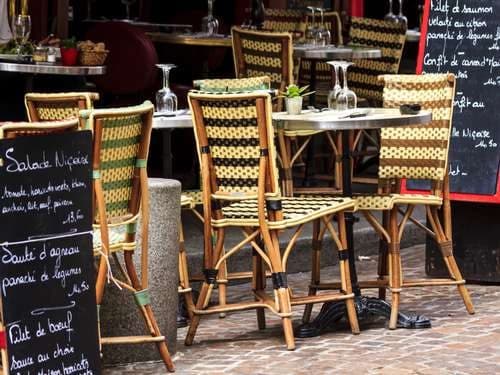
Burgos's old-town tapas circuit — Calle Sombrerería, Calle San Lorenzo, Plaza Huerto del Rey — is built for crawling. Order a drink, get a small plate, move on after twenty minutes. Three stops is a meal; five is dinner and a story for the group chat.
- The cathedral closes the choir at midday
The full visit — naves, ambulatory, Constable's Chapel, cloister, museum — runs 90 minutes minimum and the choir stalls lock briefly during the noon Mass. The Tour Director routes the group around the closure so nothing is missed.
- Pilgrims are part of the city
Camino walkers thread through Burgos at all hours, distinguished by the scallop shell on their packs. Teaching the group to recognize the yellow arrows painted on curbs and corners turns a city walk into a living geography lesson — the first educational travel moment many students remember.
- Contactless everywhere, small cash helps
Tap-to-pay is near-universal at museums, restaurants, and the cathedral gift shop. A little cash is useful for the small tapas bars off the Plaza Mayor, the Cartuja's donation box, and tipping. ATMs from CaixaBank, Santander, and BBVA charge lower fees than the tourist-facing Euronet machines.