- RegionCosta del Sol, Andalusia
- LanguageSpanish
- CurrencyEuro (EUR)
- Best seasonApr - Jun, Sep - Oct
- TimezoneCentral European Time (UTC+1)
A quick introduction
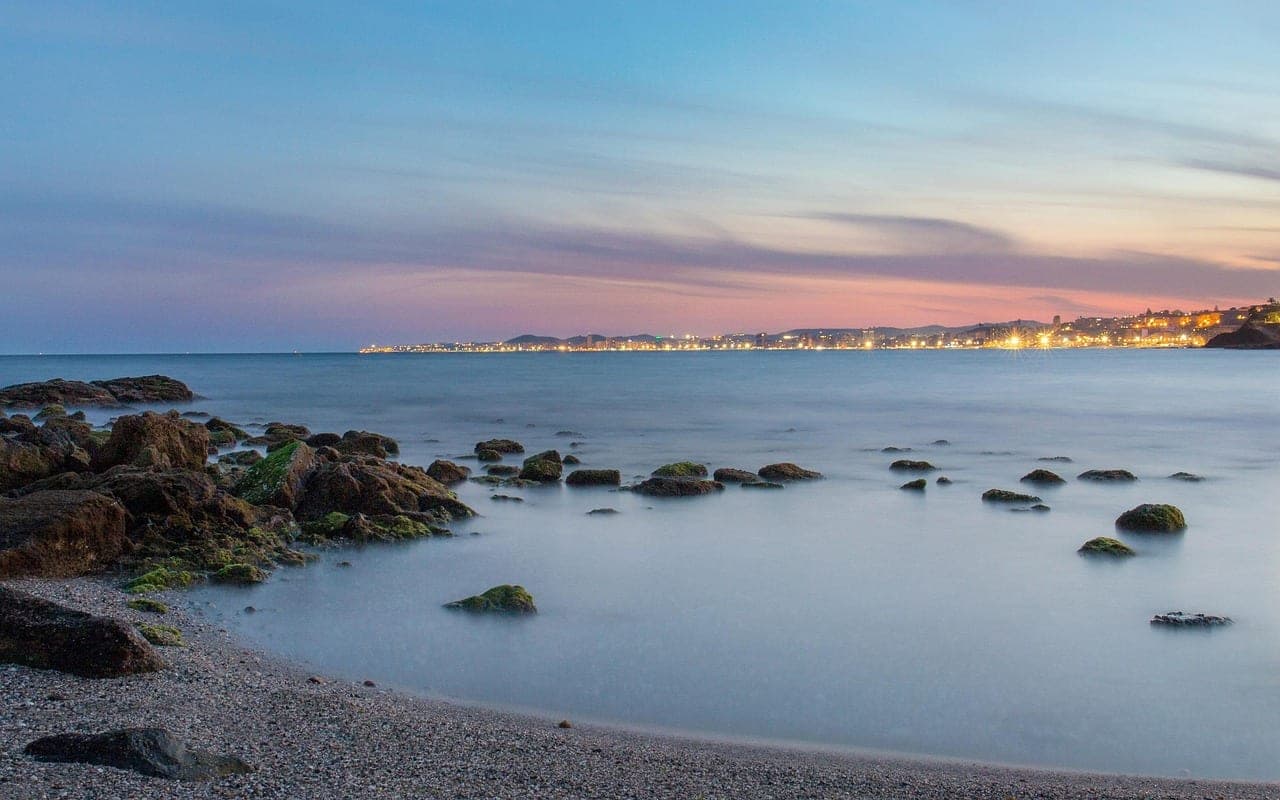
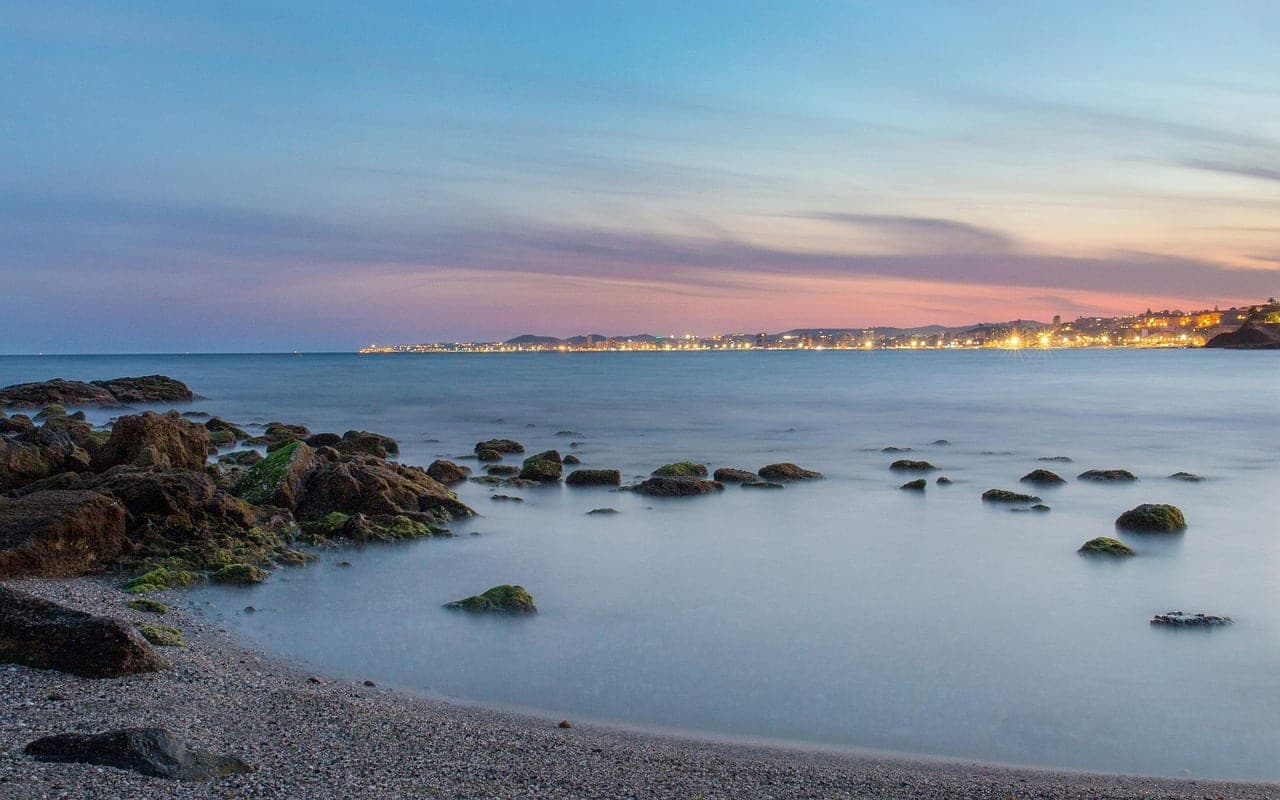
Fuengirola is a Mediterranean resort town on Spain's Costa del Sol, 30 km southwest of Málaga on the Andalusian coast. Population hovers around 85,000 in the off-season and roughly doubles in summer. The town runs an eight-kilometer ribbon of beach backed by a continuous paseo marítimo, a 10th-century Moorish castle on the western headland, and a Cercanías commuter train that reaches Málaga city center in 45 minutes flat.
For a student group, Fuengirola is the easy-logistics base on the Costa del Sol. Hotels sit steps from the beach, the town center is walkable end-to-end, and the commuter rail puts Málaga's museums and the whitewashed village of Mijas inside a half-day radius. It's a strong anchor for educational travel in Andalusia — the kind of high school group trip where students bank real Spanish-language exposure between day trips to Granada, Córdoba, or Ronda, and the teacher-led itinerary doesn't live or die on a coach driver navigating historic centers every morning.
Top things to see and do


When to go
- Apr - Jun — spring on the coast
The sweet spot for a student group trip. Daytime highs climb from 20°C in April to 27°C in June, the sea warms up enough to swim by late May, and the Semana Santa processions in Málaga city run the week before Easter. Hotels aren't full yet, the paseo marítimo isn't shoulder-to-shoulder, and museum day trips to Málaga stay comfortable.
- Jul - Aug — peak beach, peak crowds
Daytime highs 30-33°C, the town's population effectively doubles, and every hotel books out weeks in advance. Workable for a determined summer high school group trip, but plan early mornings for museums and castle climbs, and save beach time for late afternoon. The August Virgen del Carmen festival — fishermen carrying a statue of the Virgin into the sea — is worth timing around.
- Sep - Oct — shoulder-season gold
The quiet favorite for teacher-led tours. Sea temperatures stay swimmable through October, crowds thin out after the first week of September, and hotel rates drop sharply. Daytime highs 25-28°C, long warm evenings, and the Feria del Rosario in Fuengirola in early October is a genuine Andalusian fair rather than a tourist show.
- Nov - Mar — mild winter
Winter on the Costa del Sol is among the mildest in Europe — daytime highs 16-19°C, occasional rain, and short but bright days. The sea is too cold for swimming (15-17°C), but the paseo, Sohail Castle, and Mijas are all pleasant, and interim-term or MLK-week student tours get the town largely to themselves.
Food and culture

Espetos de sardinas
Sardines threaded onto a cane skewer and grilled over olive-wood embers in a beached sardine boat. The signature Málaga-coast dish — every chiringuito on the paseo serves them from May through October.

Pescaíto frito
Mixed small fry — anchovies, small squid, red mullet — dusted in flour and fried fast in hot olive oil. Order it for the table with a cold Cruzcampo or a wedge of lemon.

Gazpacho
The cold Andalusian tomato soup. Restaurants pour it from a jug at lunch from late May through September; on a 32°C beach day it's the only starter that makes sense.

Ajoblanco
The older, white cousin of gazpacho — chilled almonds, garlic, bread, and olive oil, topped with muscatel grapes. Málaga province is its heartland.

Churros con chocolate
Fried dough sticks dunked in a cup of thick hot chocolate. Breakfast or late-night; Churrería Ramón on the paseo is the local standby for a student group on the way back from Mijas.
What to pack
- Documents
Passport valid 6+ months past travel date, two printed copies (one for the student, one for the Tour Director's file), insurance card, and the Passports group packet. No visa required for US citizens on a Schengen-area stay under 90 days.
- Clothing
Light layers — warm days, cool evenings on the paseo even in June. A swimsuit plus a cover-up that works for walking between the beach and a restaurant (Spanish cafés don't love bare swimwear indoors), and modest cover — shoulders and knees — for church visits in Málaga or Ronda.
- Footwear
Broken-in walking shoes for Mijas cobblestones and castle ramps, plus flip-flops or sport sandals for the beach. Los Boliches sand gets genuinely hot in July and August — the sandals earn their keep.
- Sun & weather
Reef-safe sunscreen (SPF 30 minimum), sunglasses, and a hat. Atlantic storm cells roll through November through March — a packable rain jacket covers it. Daytime UV stays high even in shoulder season; students underestimate it every single trip.
- Tech
Spain uses Type C / F plugs (European two-prong) — bring a universal adapter. A portable battery earns its weight on day-trip coach days. T-Mobile and Google Fi work out of the box; others should grab an Orange or Movistar eSIM at AGP airport or the first-night hotel.
- Extras
A small daypack for day trips to Málaga or Granada, a reusable water bottle (the Fuengirola paseo has public fountains in summer), and a dry bag if snorkeling or a boat excursion is on the itinerary.
Is it safe?
Yes. Spain's US State Department rating is Level 2 ("exercise increased caution") — the same tier as France, Italy, Germany, and most of Western Europe — and the elevated level reflects generic European terrorism risk, not anything specific to Fuengirola or the Costa del Sol. Violent crime against travelers is rare, and Fuengirola itself is a residential resort town with a large year-round expat community and a visible municipal police presence along the paseo. The real risk is pickpocketing in predictable places: the Cercanías train to Málaga, Málaga's Calle Larios shopping street, and the crowded chiringuito strip on a July evening.
On a Passports teacher-led trip, the group is never on the train or a crowded beach alone — the Tour Director runs a pickpocket briefing on the first evening and travels with the group on every Cercanías leg. Hotels are pre-vetted for 24-hour reception and in-room safes, the day-trip coach is private and seat-belted, and we run a 24/7 emergency line out of Boston with a parent daily-update channel. For most teachers planning their first school group tours to Spain, the logistics on the Costa del Sol read as easier than a domestic field trip.
Practical tips
- The Cercanías is the hack
The C-1 commuter train runs every 20 minutes from Fuengirola through Los Boliches, Benalmádena, and Torremolinos to Málaga city center (45 minutes) and AGP airport (35 minutes). Our Tour Director carries group tickets and times day trips around it.
- Lunch runs late, dinner runs later
Restaurants serve lunch 2-4 PM and dinner from 8:30 PM. Chiringuitos on the paseo stay flexible for earlier family diners, but a student group eating at 6 PM will find most town kitchens closed. Build a late-lunch, light-dinner rhythm.
- Siesta is real in summer
Small shops and some museums close 2-5 PM from June through September. Plan priority visits before noon or after 5, and keep the middle of the day for the beach or the pool.
- Cards work almost everywhere
Contactless is universal in Fuengirola and Málaga. A small cash reserve covers chiringuito tips, Mijas market stalls, and the occasional rural café on the Ronda day trip.
- Spanish practice lands here
Costa del Sol staff speak strong English, so a shy student can coast — but locals warm up fast to a greeting in Spanish. We brief groups on five usable phrases before the first dinner; educational travel only pays off if students actually use the language.