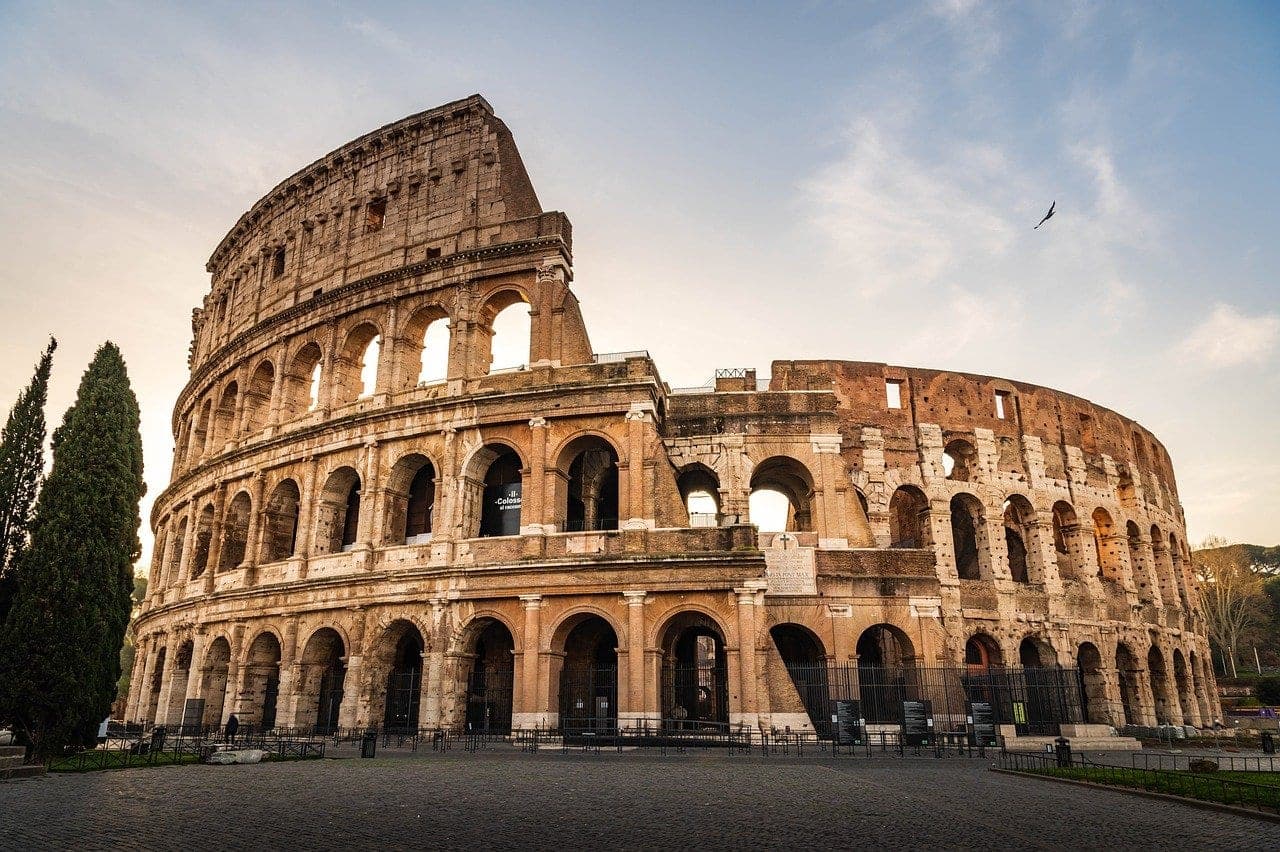
- RegionLazio, Italy
- LanguageItalian
- CurrencyEuro (EUR)
- Best seasonApr - May, Sep - Oct
- TimezoneCentral European Time (UTC+1)
A quick introduction
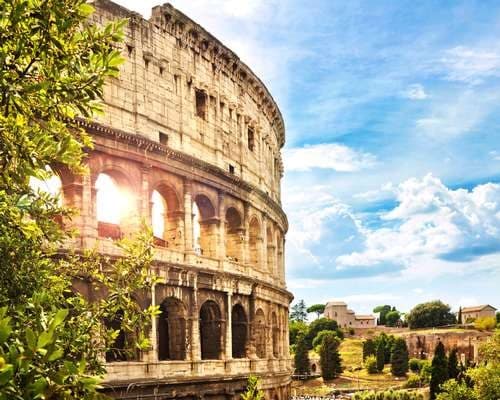
Rome is the capital of Italy and the seat of the Catholic Church — 2.8 million in the city, 4.4 million in the metro, and at its historic core a UNESCO-listed open-air museum where every square is older than the United States. The traditional founding date is 753 BC; the current city has been continuously inhabited for nearly three millennia and you can read all of it in the layers visible from any street corner: an Etruscan wall, a Roman pavement, a medieval tower, a Renaissance facade, and a Fascist boulevard sometimes within the same block.
For a student group, Rome is the most-requested city on our European catalog and the single best classroom for Latin, AP Art History, AP World, and Western Civilization survey courses. Educational travel here rewards planning: the Vatican, the Colosseum, and the Borghese all run on timed entries that fill weeks ahead, and the Tour Director runs the booking calendar so teachers don't have to. Rome is the spine of any Italy teacher-led tour, and 4-5 days here is the right shape for a high school group trip.
Top things to see and do


When to go
- Apr - May — spring sweet spot
Daytime highs 18-25°C, the Spanish Steps banked in azalea, and the long evenings that make outdoor dinners work. The strongest window for educational travel to Rome and the busiest US-school window — book Vatican slots 6 weeks ahead.
- Jun - Aug — Roman summer
Highs 30-34°C, occasional 38°C days, and a city that empties in mid-August (Ferragosto). Workable for summer student tours but build air-conditioned indoor visits for midday and start every outdoor block at opening.
- Sep - Oct — second sweet spot
Highs 22-27°C, light turns warm, and the Vatican crowd drops after the cruise season tails off. The pick for a teacher-led tour that wants high museum throughput without summer heat.
- Nov - Mar — quiet winter
Highs 11-15°C, occasional rain, no crowds at all. The Vatican can be done in 90 minutes flat in February. Good for January-term and MLK groups; daylight is short but every major site stays open.
Food and culture

Cacio e pepe
Tonnarelli pasta with pecorino romano and black pepper — three ingredients, technique only. The Roman test of a trattoria.

Carbonara
Eggs, guanciale, pecorino, and pepper. No cream, ever. Order at a working trattoria, not a pasta-bar tourist front.

Supplì
Roman cousin of the arancino — fried rice croquette stuffed with mozzarella and tomato. The pre-pizza street snack.

Pizza al taglio
Rectangular Roman pizza sold by weight at a counter. Lunch that runs 4-6 euros and feeds a hungry student in 90 seconds.

Gelato — the real thing
Same rule as Florence: covered tubs, flat (not mounded) scoops, seasonal flavors only. Mounded rainbow displays are the tourist tell.
What to pack
- Documents
Passport valid 6+ months past travel date, two printed copies (one for the student, one for the Tour Director's file), insurance card, and the Passports group packet. No visa for US citizens on Schengen-area stays under 90 days.
- Clothing
Layers — Rome's spring and autumn swing 10°C between morning and afternoon. Modest dress (shoulders and knees covered, both sexes) is enforced inside St. Peter's, the Vatican Museums, and every major Roman church. A light scarf or shawl solves most dress-code moments on the fly.
- Footwear
Broken-in walking shoes, full stop. Rome is ancient cobblestone end-to-end and a student group will log 12,000-16,000 steps a day. Do not buy new shoes for the trip; ankle-support sneakers beat fashion sneakers by a wide margin.
- Tech
Italy uses Type C / F plugs — universal adapter required. Portable battery for Vatican-and-Forum days that easily kill a phone. T-Mobile and Google Fi work out of the box; others should buy a TIM or Vodafone eSIM at FCO airport on arrival.
- Extras
A small daypack with a front zip (anything larger gets checked at the Vatican), a reusable water bottle (Rome's nasoni drinking fountains pour cold mountain water for free across the city), high-SPF sunscreen April through October, and a compact umbrella the rest of the year.
Is it safe?
Yes. Italy carries a US State Department Level 2 advisory ("exercise increased caution") — the same as France, Germany, and most of Western Europe — and the elevation reflects generic European terrorism risk, not anything specific to Rome. Violent crime against travelers is rare. The actual risk is pickpocketing, well-organized and concentrated at five predictable hotspots: the Termini station, the #64 bus to the Vatican, the Colosseum entry queue, the Trevi Fountain crush, and the Spanish Steps after dark.
On a Passports teacher-led trip, the group never rides the metro or buses unsupervised, the Tour Director runs a pickpocket-and- scam briefing on the first evening, and every hotel is pre-vetted for 24-hour reception and secure room storage. We operate a 24/7 emergency line out of Boston, keep parents on a daily-update channel, and maintain English-speaking medical contacts at Salvator Mundi and Gemelli hospitals. For most teachers running their first student group travel to Italy, the Rome logistics feel easier than a domestic field trip once Day 1 is done.
Practical tips
- Vatican mornings start at 7:30
The early-entry Vatican slot beats the cruise rush by 90 minutes and clears the Sistine Chapel for breath. The Tour Director books the slot for the group as part of school group tours operations.
- Churches enforce dress codes hard
Shoulders and knees covered, no exceptions, at St. Peter's and every basilica. Vatican security pulls travelers from the line for a re-dress. Light scarves stuffed in the daypack solve it.
- Drink from the nasoni
Two thousand cast-iron nasoni fountains across the city pour cold mountain water from the same Roman aqueducts that have run for 2,000 years. Refill every bottle every chance you get.
- Lunch closes from 3 to 7:30
Real Roman trattorias close hard between lunch and dinner. Bakeries, pizza al taglio, and gelato shops bridge the gap; sit-down meals are 1-2:30 or 7:30 onward.
- Cash is fine but not required
Contactless is standard at restaurants and shops. Small euros help at street-food carts, pizza al taglio counters, and for the Vatican-area religious-store negotiations.