- RegionCampania, Italy
- LanguageItalian
- CurrencyEuro (EUR)
- Best seasonApr - Jun, Sep - early Oct
- TimezoneCentral European Time (UTC+1)
A quick introduction
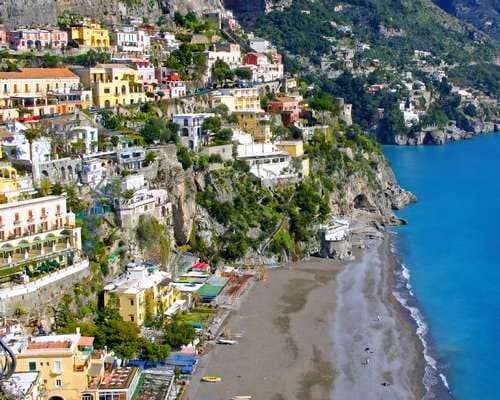
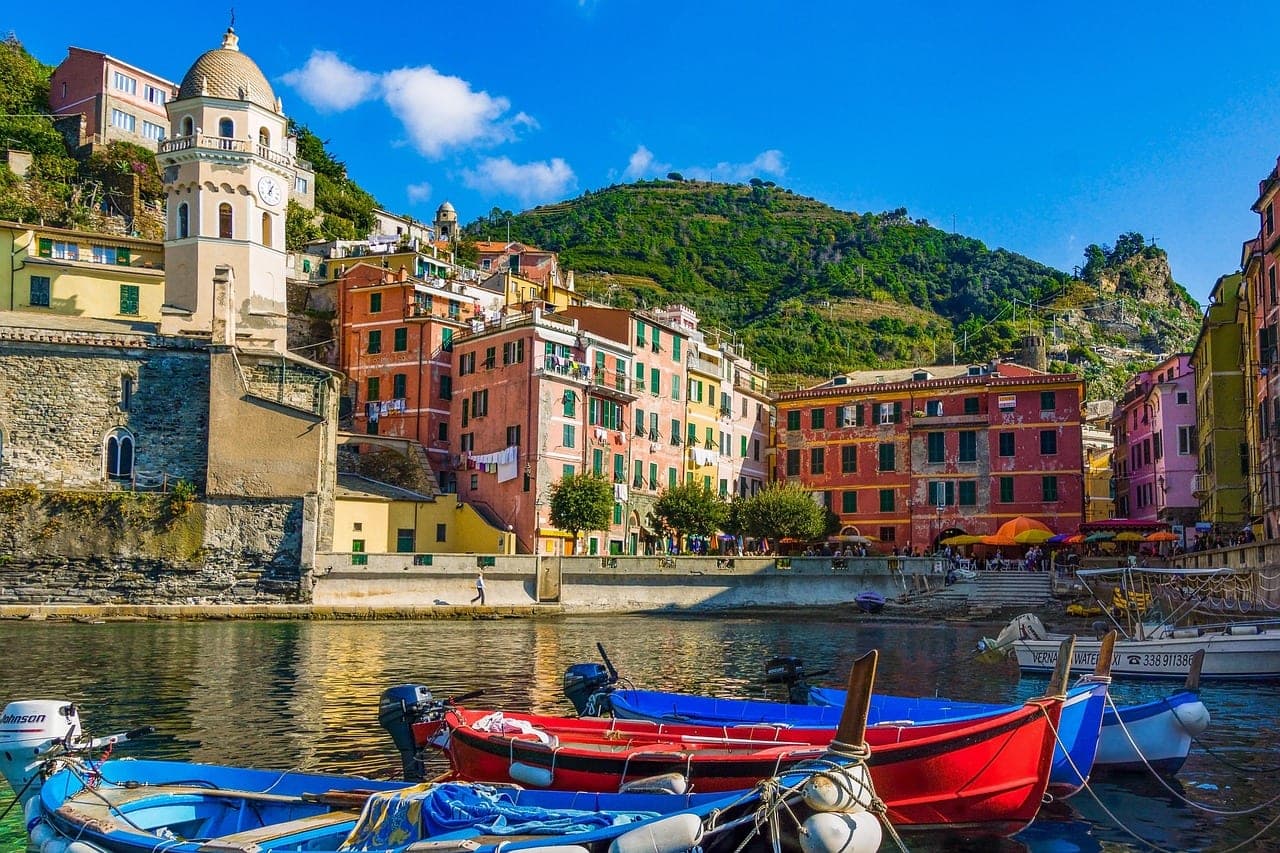
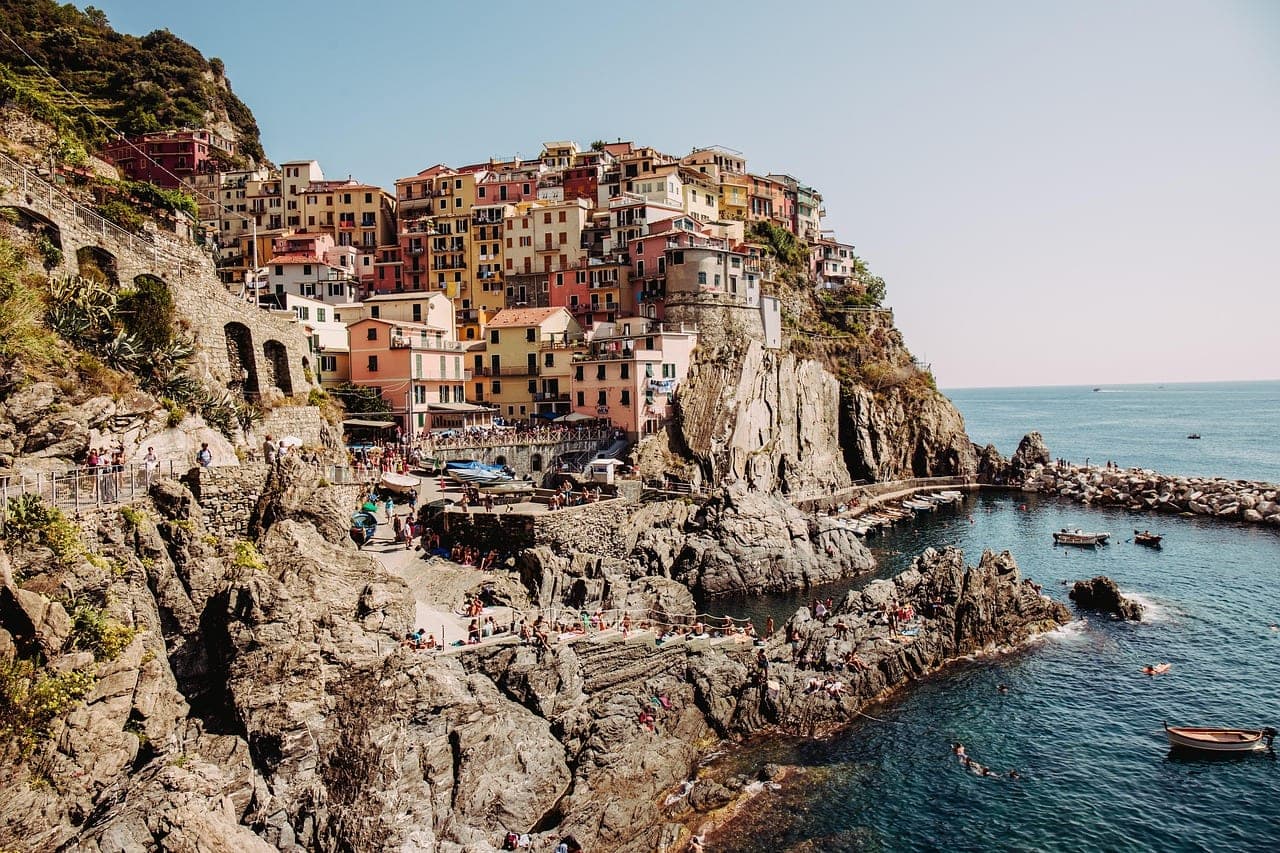
Sorrento is a clifftop town of about 16,000 perched on tuff cliffs above the Bay of Naples, looking directly across the water at Mount Vesuvius. The Romans called it Surrentum and built villas along the same cliff edge that the Grand Hotel Excelsior occupies today; the historic center is a pedestrian grid of pastel facades, lemon-grove courtyards, and Marina Grande's working fishing harbor below.
For a student group, Sorrento is the southern base on every Italian itinerary that takes in Pompeii and the Amalfi Coast. Hotels are bigger than anything available in Positano or Amalfi, the Circumvesuviana commuter rail puts Pompeii 30 minutes away, and ferries to Capri leave from the same Marina Grande all morning long. Educational travel here trades a packed museum day for a wider classroom — Pompeii and Vesuvius are the spine of any high school group trip Latin, AP World, or earth-science teachers bring to Italy.
Top things to see and do


When to go
- Apr - Jun — spring sweet spot
Daytime highs 19-26°C, sea swimmable from late May, and the bougainvillea over the lemon groves in full color. The strongest window for student group travel and the busiest US-school window — book Pompeii guides 6 weeks ahead.
- Jul - Aug — full Mediterranean summer
Highs 29-32°C, sea at 25°C, ferry queues on every Capri morning. Workable for summer educational tours but plan Pompeii for the early opening (8:30 AM) before the stone pavement bakes.
- Sep - early Oct — second sweet spot
Highs 22-27°C, water still warm, US cruise season tailing off. The pick for a teacher-led tour that wants Capri without the August queue and Amalfi without the bus jam.
- Nov - Mar — quiet off-season
Mild but variable (highs 13-17°C), regular Atlantic-front rain, ferries to Capri reduced and the Blue Grotto often closed by swell. Hotels stay open year-round but Sorrento is a warm-weather base — most school group tours that overnight here run April to October.
Food and culture

Gnocchi alla Sorrentina
Potato gnocchi baked in tomato sauce with fresh mozzarella and basil — the dish the town is named for. Served bubbling out of a small terracotta dish.

Pizza margherita
Naples is 50 km north and the wood-fired Neapolitan tradition reaches Sorrento intact: tomato, mozzarella di bufala, basil, 30-second bake at 485°C. Order it where the pizzaiolo is visible from the dining room.

Frittura di paranella
Mixed fried seafood — anchovies, calamari, prawns, tiny fish caught off the same Marina Grande pier that morning. Squeeze lemon, eat with fingers.

Sfogliatella
Crisp ricotta-and-semolina pastry shaped like a clamshell — the Campanian breakfast. The riccia (shell) version flakes everywhere; the frolla (smooth) version is the polite option.

Limoncello
The local lemon liqueur, served chilled in tiny glasses after dinner. For chaperones only — the lemonade made from the same fruit is the student answer at the same table.
What to pack
- Documents
Passport valid 6+ months past travel date, two printed copies (one for the student, one for the Tour Director's file), insurance card, and the Passports group packet. No visa for US citizens on Schengen-area stays under 90 days.
- Clothing
Beach gear plus modest layers for churches (shoulders and knees covered at the Cattedrale and at any chapel on the Amalfi Coast). Light long-sleeve for the breezy Capri ferry crossing even in July.
- Footwear
Two pairs: serious closed-toe walking shoes for Pompeii's rough volcanic stone (cobblestones older than the United States) and a pair of sandals for the hotel-and-beach block. Vesuvius needs the closed-toe.
- Tech
Italy uses Type C / F plugs — universal adapter required. Portable battery for the long Pompeii day. T-Mobile and Google Fi work fine; others should buy a TIM or Vodafone eSIM at NAP airport on arrival.
- Extras
High-SPF sunscreen (the Bay of Naples sun is intense from May), reusable water bottle (Pompeii has only a few drinking fountains, all marked on the official map), sunglasses, a hat for the unshaded ruins, and a compact umbrella shoulder- season.
Is it safe?
Yes. Italy carries a US State Department Level 2 advisory ("exercise increased caution") — the same as France, Germany, and most of Western Europe — and that level reflects generic European terrorism risk, not anything specific to Sorrento. Violent crime against travelers is genuinely rare here; the town is small and largely tourism-economic. The actual risk profile is the Circumvesuviana commuter train (pickpockets work the Pompeii route) and the Amalfi Coast switchback road, where coach-passing protocols matter.
On a Passports teacher-led trip, the group never rides the Circumvesuviana unsupervised, the Tour Director runs a pickpocket briefing on the first evening, and the coach drivers on our Amalfi runs are vetted for that specific route — it's not a road for first-timers. Every hotel is pre-vetted for 24-hour reception and secure storage. We operate a 24/7 emergency line out of Boston, keep parents on a daily-update channel, and maintain English-speaking medical contacts at the Sorrento and Castellammare hospitals. For teachers running their first student group travel to southern Italy, Sorrento is the easy base.
Practical tips
- Circumvesuviana is the Pompeii route
The regional commuter rail from Sorrento to Pompeii runs every 30 minutes, takes 30 minutes, and stops at Herculaneum on the way. The Tour Director rides as a group — the line is famous for its pickpockets.
- Capri ferries are first-come at the dock
The fast ferries to Capri leave from Marina Piccola; the morning runs sell out by 9:30 in summer. The Tour Director pre-books the group block, but tickets are paper and the gate is gate-staffed.
- Cathedrals enforce dress codes
Shoulders and knees covered at the Cattedrale di Sorrento and at every Amalfi-Coast chapel. A light scarf in the daypack solves most of the Amalfi photo stops.
- Lunch closes from 3 to 7:30
Sorrentine restaurants close hard between lunch and dinner. Plan late lunches (1-2:30) or early dinners (7:30); pizza al taglio counters and bakeries bridge the gap.
- Cash for the lemon stalls
Contactless is standard at restaurants and ferries. Cash helps at the Marina Grande fish counters and the lemon-cart vendors on Corso Italia. Pull from the Banco di Napoli ATM under Piazza Tasso.