- RegionSicily, Italy
- LanguageItalian (Sicilian dialect)
- CurrencyEuro (EUR)
- Best seasonApr - May, Sep - Oct
- TimezoneCentral European Time (UTC+1)
A quick introduction
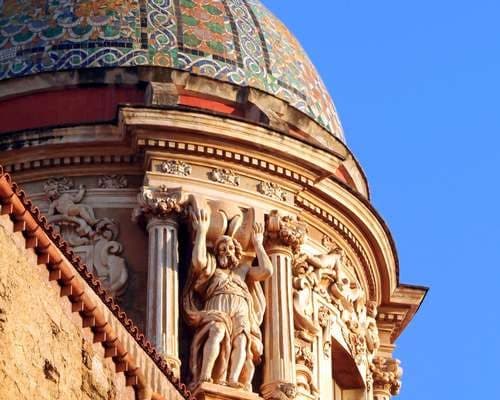
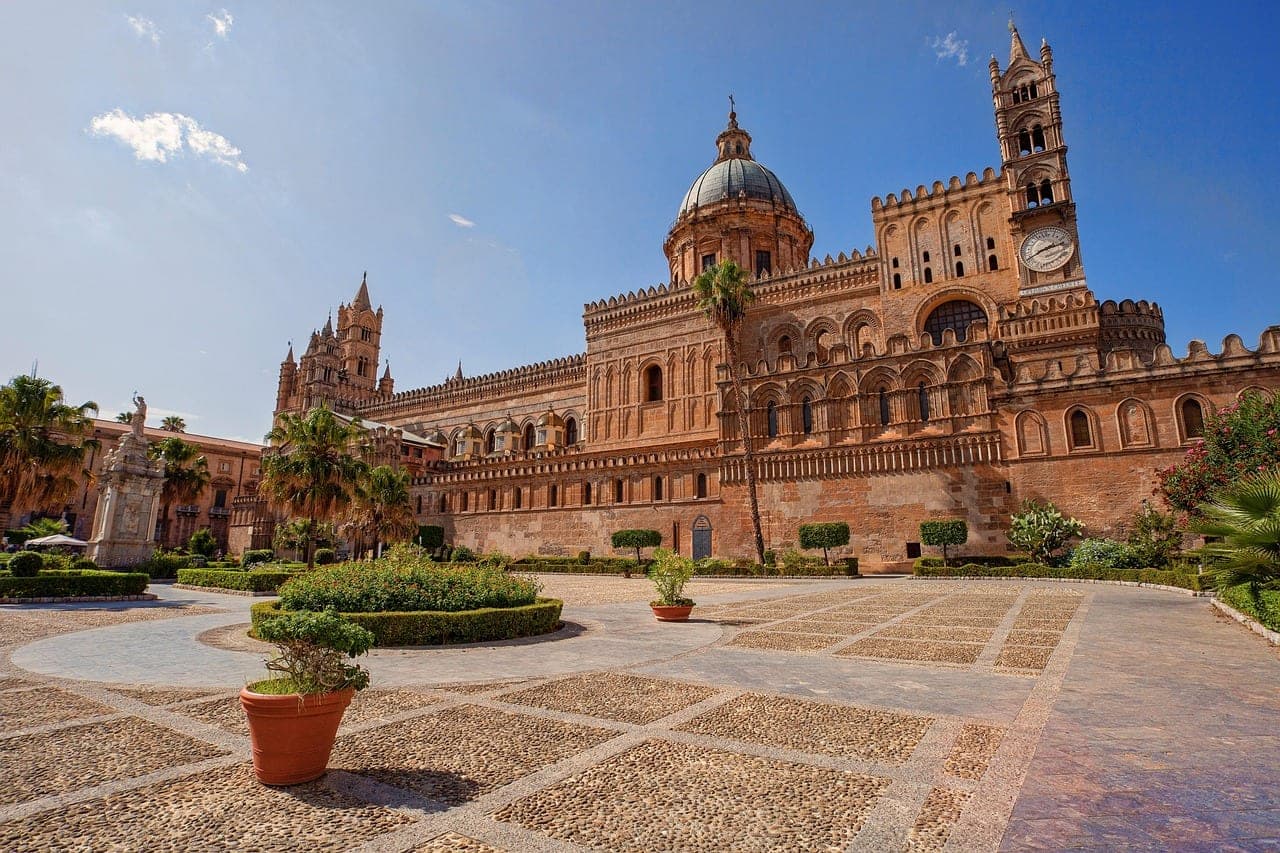
Palermo is Sicily's capital — 650,000 in the city, 1.2 million across the metro — wedged between the Tyrrhenian Sea and the rocky bowl of Monte Pellegrino. The Phoenicians founded it in 734 BC; the Arabs ruled it for two centuries; the Normans took it in 1072 and turned it into the most cosmopolitan court in medieval Europe. The result is a city where a single street corner can show you a Punic wall, an Arab arch, a Norman mosaic, and a Baroque facade stacked on top of each other.
For a student group, Palermo is the most layered history visit on our Italian catalog and a strong contrast block alongside the classical sites elsewhere in Sicily. Educational travel here moves at street pace — the historic core is walkable, the markets shout, and the Tour Director earns the tip on the first morning. We use Palermo as the hinge for a high school group trip that pairs the Norman-Arab west with Greek-classical eastern Sicily.
Top things to see and do


When to go
- Apr - May — the spring window
Daytime highs 19-25°C, almond and citrus blossoms in the surrounding countryside, and Easter processions in the historic center if the calendar lines up. The strongest window for student group travel to Sicily.
- Jun - Aug — Sicilian summer
Highs 30-34°C, occasional sirocco days that push it past 38°C, and a city that genuinely empties at midday. Workable for summer high school student travel but build siesta blocks between 1 PM and 4 PM and front-load mornings.
- Sep - Oct — second sweet spot
Highs 24-29°C, sea still warm enough for a beach day at Mondello, and the post-summer shoulder lowers museum and Monreale crowds sharply. The pick for educational tours that want full days without midday shutdown.
- Nov - Mar — mild winter
Highs 14-18°C, occasional rain, almost no other tourists. Cathedrals, markets, and museums are all open year-round and run at half the volume. A quiet, layered city for a January-term group with the time to see it slowly.
Food and culture

Arancine
Fried rice balls — al ragù (meat-and-tomato) or al burro (cheese-and-béchamel). Palermo is the only city in Sicily that calls them feminine arancine; everyone else says arancini. Don't argue.

Sfincione
Palermitan square pizza — thick spongy dough topped with tomato, onions, anchovies, breadcrumbs, and caciocavallo cheese. Bakery snack, eaten standing up.

Panelle & crocchè
Chickpea fritters and potato croquettes, stuffed into a sesame bun for the pane e panelle sandwich. Street-cart classic; the cheapest authentic lunch on the island.

Cannolo
Crisp tube shell filled to order with sweetened sheep-milk ricotta, tipped in pistachio crumb. Order from a place that pipes after you order, never before.

Granita con brioche
Half-frozen citrus or coffee slush served in a glass with a sweet brioche bun for dipping. The Sicilian summer breakfast, and the best argument for booking the Sep-Oct window.
What to pack
- Documents
Passport valid 6+ months past travel date, two printed copies (one for the student, one for the Tour Director's file), insurance card, and the Passports group packet. No visa for US citizens on Schengen-area stays under 90 days.
- Clothing
Layers for spring and autumn — mornings can be 14°C, afternoons 26°C. Modest dress (shoulders and knees covered) is enforced at the Cathedral, Monreale, and Cappella Palatina. A light scarf solves it on the fly.
- Footwear
Broken-in walking shoes; the historic center is uneven basalt-cobble and a student group will log 10,000-13,000 steps a day. The Monreale visit and the Quattro Canti loop are both standing-heavy.
- Tech
Italy uses Type C / F plugs — universal adapter required. Portable battery for full days. T-Mobile and Google Fi work out of the box; others should buy a TIM or WindTre eSIM at PMO airport on arrival.
- Extras
High-SPF sunscreen (Sicilian sun is fierce April through October), reusable water bottle (the Quattro Canti area has free public taps), sunglasses, and a small daypack with a front zip — anything larger has to be checked at the cathedrals.
Is it safe?
Yes. Italy carries a US State Department Level 2 advisory ("exercise increased caution") — the same as France, Germany, and most of Western Europe — and that level reflects generic European terrorism risk, not anything specific to Palermo. The Sicily-organized-crime narrative parents may remember from the 1980s is genuinely 30 years out of date for a visiting student group; Palermo today has lower violent-crime rates than most US state capitals. The actual risk is street pickpocketing in the Vucciria and around the Stazione Centrale at rush hour.
On a Passports teacher-led trip, the group never moves through the markets without the Tour Director, the briefing on Day 1 covers the petty-crime hotspots and the standard cross-body-bag discipline, and every hotel is pre-vetted for 24-hour reception and secure storage. We operate a 24/7 emergency line out of Boston, keep parents on a daily-update channel, and maintain English-speaking medical contacts at Civico and Policlinico hospitals. For a teacher-led tour to Italy, Palermo is a surprisingly easy operation once the first morning's orientation is done.
Practical tips
- Markets are mornings only
Vucciria and Ballarò start winding down by 1 PM and most stalls are gone by 2. The Tour Director runs the market food walk between 9:30 and noon as part of the student tours morning block.
- Lunch closes from 3 to 7:30
Sicilian restaurants close hard between lunch and dinner. Plan late lunches (1-2:30) or early dinners (7:30); bakeries and rosticcerie bridge the gap with arancine and sfincione.
- Cathedrals enforce dress codes
Shoulders and knees covered at the Cathedral, Cappella Palatina, and Monreale. Scarves are sold from carts outside; the on-the-fly fix is fine.
- Sicilian is its own language
Most Palermitans switch comfortably to standard Italian for visitors, but the dialect you hear in the markets is genuinely separate. A few Italian phrases earn good will; English is spoken at major sights.
- Cash for the markets, card everywhere else
Contactless is now standard at restaurants and shops. Markets and street-food carts run cash-only — pull small euros from the BancoPosta inside the Quattro Canti before the morning walk.