Destination

Milan, Italy

Milan student group travel for teachers: the Duomo, La Scala, the Last Supper, and design district fieldwork on teacher-led educational tours of Lombardy.

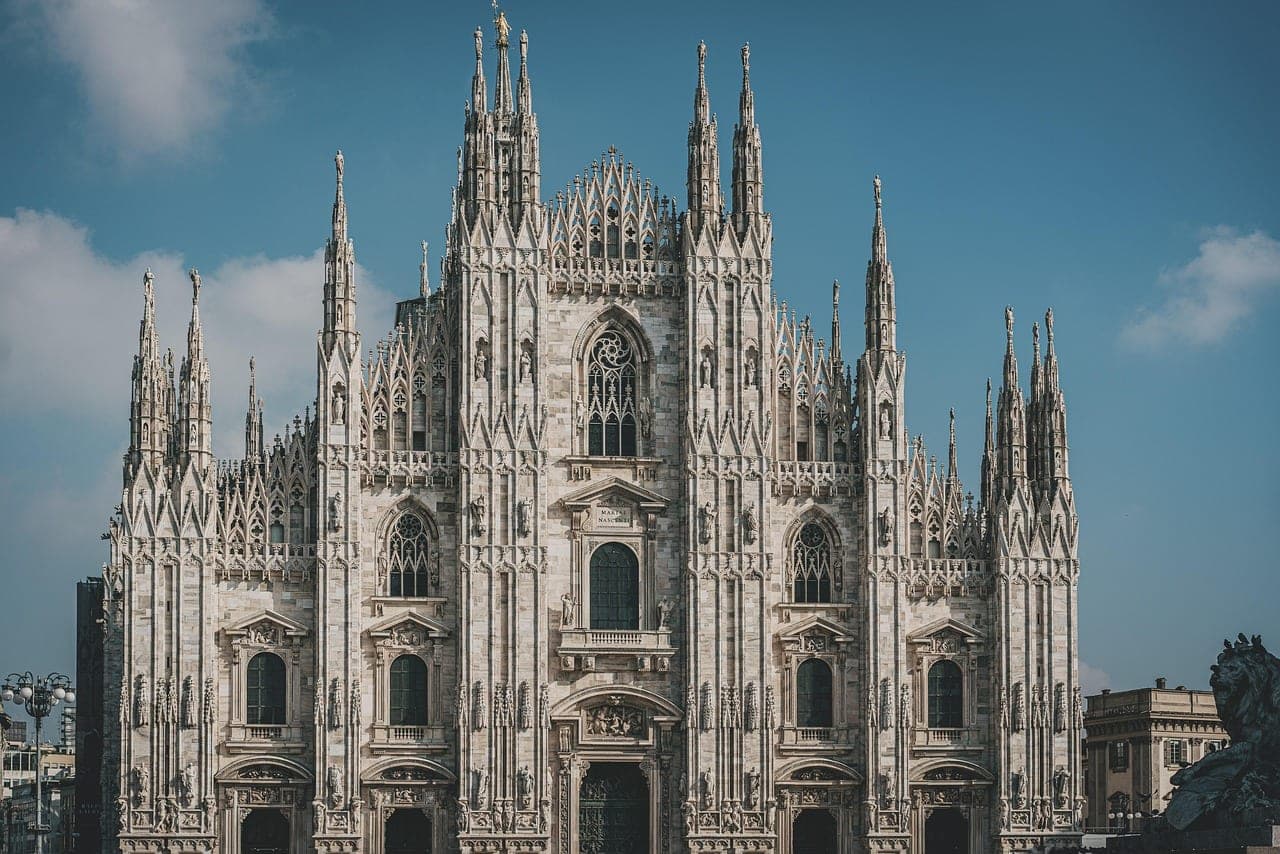
Milan Duomo cathedral facade with Gothic spires under blue sky in Piazza del Duomo
On this page
  • Where Milan sits in Lombardy and how the metro stitches the sights together
  • Six sights worth knowing — Duomo, Last Supper, La Scala, Galleria, Castello, Navigli
  • What to eat: risotto giallo, cotoletta, panettone, and the aperitivo ritual
  • When to go, what to pack, and whether Milan is safe for students
  • Practical logistics for teachers: ZTL, metro etiquette, and church dress codes
← All city guidesCountry guide: Italy
Plan a trip

A quick introduction

Milan is Italy's design capital and its financial engine — a city of 1.4 million in the metro core, 3.2 million across the wider region, sitting on the flat Po Valley plain about an hour south of the Alps. The Romans called it Mediolanum and used it as the Western Empire's fourth-century capital; the Sforza dukes ran it during the Renaissance; today it produces a quarter of Italy's GDP and hosts Fashion Week twice a year.

For a student group, Milan is the most modern face of Italy on our catalog. The historic core fits inside the inner-ring metro stops, so educational travel here trades cobblestone wandering for sharp architectural contrasts: Gothic cathedral, Napoleon-era arcades, and Zaha Hadid towers all in one walking day. It's a strong bookend for any high school group trip that pairs Milan with Venice, Florence, or the Lakes — and the Last Supper alone earns its slot on a teacher-led art-history itinerary.

Day by day

Top things to see and do

Duomo di Milano

Duomo di Milano

The third-largest cathedral in the world and the only major Italian church built in northern Gothic style. Climb to the rooftop terraces for a walk among the marble spires — the city view is the photo, the close-up of the statuary is the lesson.

The Last Supper at Santa Maria delle Grazie

The Last Supper at Santa Maria delle Grazie

Leonardo's mural in the convent refectory next to the church. Strict 15-minute timed entry in groups of 25, booked months ahead — the Tour Director handles the booking window. One of the rarest classroom moments in European travel.

Teatro alla Scala

Teatro alla Scala

The world's most famous opera house, opened 1778. The backstage and museum tour is the school-group play; an evening performance is possible for music programs willing to plan around the season schedule.

Galleria Vittorio Emanuele II

Galleria Vittorio Emanuele II

The original 1877 shopping arcade — glass dome, mosaic floors, and the bull mosaic students will inevitably spin a heel on for luck. Connects the Duomo and La Scala; you'll cross it three times in a day.

Castello Sforzesco & Sempione Park

Castello Sforzesco & Sempione Park

The Sforza fortress holds Michelangelo's unfinished Rondanini Pietà and a clutch of free civic museums. The park behind it is the green breather between morning and afternoon visits.

Navigli canal district

Navigli canal district

Leonardo helped design these canals; today the towpaths are where Milan eats and lingers in the evening. Daylight visits work fine for a student group — the aperitivo crowd builds after 7 PM.

Weather by season

When to go

  • Apr - Jun — spring sweet spot

    Daytime highs climb from 17°C in April to 27°C in June, the magnolias bloom around the Duomo, and the Salone del Mobile design week (mid-April) electrifies the whole city. The classroom-travel window most teachers aim for.

  • Jul - Aug — hot and quiet

    Daytime highs 30-33°C, humidity that surprises first-timers, and a real Milanese exodus in August — many smaller restaurants close entirely. Workable for summer groups but plan air-conditioned indoor visits for midday.

  • Sep - Oct — second sweet spot

    Highs drop to 18-25°C, Fashion Week energizes late September, and the Lombard plains turn into a long golden harvest. Strong shoulder window for educational tours that need lower museum crowds.

  • Nov - Mar — fog and panettone

    Cold (highs 5-10°C), often grey or foggy — the famous nebbia of the Po Valley. December lights up the Galleria and panettone season takes over the bakeries. Light snow is occasional, not reliable.

What to order

Food and culture

Risotto alla milanese

Risotto alla milanese

Saffron-yellow rice cooked with bone marrow and white wine — the city's signature dish, ideally served with osso buco on the side.

Cotoletta alla milanese

Cotoletta alla milanese

A bone-in veal cutlet pounded thin, breaded, and pan-fried in butter. The original Wiener schnitzel argument starts here.

Panettone

Panettone

The tall, domed Christmas bread invented in Milan. Every bakery sells a year-round variant; December is the real season.

Aperitivo spread

Aperitivo spread

A Milanese invention: order a drink before dinner and the bar sets out a snack buffet. The students get fizzy water and the same buffet — a useful low-cost cultural moment.

Gelato — northern style

Gelato — northern style

The Milanese version leans toward dense, low-air scoops from covered tubs. Mounded rainbow displays in the storefront are the tourist tell, here as in Florence.

Packing essentials

What to pack

  • Documents

    Passport valid 6+ months past travel date, two printed copies (one for the student, one for the Tour Director's file), insurance card, and the Passports group packet. No visa for US citizens on Schengen-area stays under 90 days.

  • Clothing

    Layers — Milan's continental climate swings 10°C between morning and afternoon in spring and fall. Modest dress (shoulders and knees covered) is enforced inside the Duomo, Santa Maria delle Grazie, and Sant'Ambrogio. A light scarf solves the dress-code moments on the fly.

  • Footwear

    Broken-in walking shoes; the historic core is mostly flat but you'll log 9,000-12,000 steps a day. Milan dresses well, so one pair of clean closed-toe shoes for an evening at La Scala is a good call for music programs.

  • Tech

    Italy uses Type C / F plugs — bring a universal adapter. Portable battery for full museum days. T-Mobile and Google Fi work out of the box; others should buy a TIM or Vodafone eSIM at MXP / LIN airport on arrival.

  • Extras

    A small daypack (anything larger gets checked at major museums), a reusable water bottle (Milan's case dell'acqua kiosks pour cold filtered water for free), sunscreen April-September, and a compact umbrella the rest of the year.

The parent-meeting question

Is it safe?

Yes. Italy carries a US State Department Level 2 advisory ("exercise increased caution"), the same as France, Germany, and most of Western Europe — the elevation reflects generic European terrorism risk, not anything specific to Milan. Violent crime against travelers is rare. The actual risk profile is pickpocketing on the Metro Line 1 and 3 trains during rush hour, around Milano Centrale station, and at the Duomo bracelet-scam perimeter — all predictable, all manageable with a Day 1 briefing.

On a Passports teacher-led trip, the group never rides the metro alone, the Tour Director runs a pickpocket-and-scam briefing on the first evening, and every hotel is pre-vetted for 24-hour reception and secure room storage. We operate a 24/7 emergency line out of Boston, keep parents on a daily-update channel, and maintain English-speaking medical contacts in every city. For teachers running their first student group travel to Italy, the logistics feel easier than a domestic field trip.

🛡️

Personal safety

Pickpocketing at Centrale and on the metro is the real risk. Bracelet-and-petition scammers cluster on the Duomo plaza — the Tour Director walks the group past them with a clear "no eye contact, no stopping" rule.

⚕️

Health & medical

Tap water is excellent; the case dell'acqua fountains pour free still and sparkling. No special vaccines required beyond CDC routine. Ospedale Niguarda and Policlinico both run 24-hour emergency rooms to international standards and accept US travel insurance.

🚐

Roads & transport

The historic center sits inside Area C, a congestion-charge zone — the coach drops at designated stops and the Tour Director walks the group in. Metro is fast and clean; we use it as a group with the Tour Director leading.

🌪️

Natural hazards

Lombardy sits in a low-seismic zone. The main practical concern is summer heat plus humidity — afternoon indoor visits are the move in July and August. Winter fog reduces visibility but rarely cancels transport.

Practical tips

  • The Last Supper books months ahead

    Tickets are released in 90-day windows and sell out the same day. The Tour Director locks the slot as soon as the group count is confirmed — teachers don't need to do anything except flag music or art priorities early.

  • Centrale is the hub

    Milano Centrale connects to Venice (2.5 hrs), Florence (2 hrs), Rome (3 hrs), and the Como / Bergamo regional lines. Most of our school group tours that touch Milan use it as a rail gateway in or out.

  • Churches enforce dress codes

    Shoulders and knees covered at the Duomo, Santa Maria delle Grazie, and Sant'Ambrogio. Scarves are sold from carts outside; the on-the-fly fix works fine.

  • Coffee etiquette is short and standing

    A cappuccino is a morning drink — order one after lunch and the barista will gently judge you. Espresso (just un caffè) after meals, standing at the bar, costs half what a table service will.

  • Cash is fine but not required

    Contactless is near-universal. Small euro coins help at the Navigli artisan stalls and for the metro single-ride machines if the contactless gates have a queue.
Five facts

Good to know

🏛️

The Duomo took six centuries

Construction started in 1386 and finished in 1965 with the last bronze door. Most of the marble was barged down the Naviglio Grande from Candoglia quarry — the canal had a sacred-cargo tax exemption.

🎨

The Last Supper is decaying

Leonardo painted it on dry plaster (a tempera experiment), not proper fresco — which is why it started flaking within 20 years of completion. The current visible image is a 1999 restoration that took 21 years.

🐂

The Galleria spinning bull

Tradition says spinning your heel on the testicles of the Turin bull mosaic in the Galleria's central cross brings luck. The mosaic gets re-tiled every few years from the wear pattern.

🗿

Italian Stock Exchange middle finger

Maurizio Cattelan's L.O.V.E. statue in Piazza Affari faces the stock exchange with a giant marble hand giving the building the finger. Installed in 2010 as a "temporary" piece. Still there.

🌳

Vertical Forest skyscrapers

The Bosco Verticale towers in Porta Nuova hold over 20,000 plants on their balconies — a working test case for urban reforestation that the architecture students always want to photograph.

Tours that go here

Tours that stop in Milan

See all tours →
Gondolier
Italy · Switzerland

Bel Viaggio

Rome · Florence · Venice · Milan · Lucerne

Large-groupLanguage-immersion
See itinerary
Classroom material

Lesson plans about Milan

See all →
ItalyArtGrade 11-12

Renaissance Italy: Leonardo da Vinci: The Last Supper

Through the use of various primary and secondary sources, students in this lesson will identify, understand and be able to explain Leonardo's place in Renaissance Italian society, the techniques he used to produce his masterpiece The Last S…

View lesson
From our blog

Blog posts about Milan

See all →
Paris
travel inspiration

How to Choose the Right Destination for Your Student Tour

Whether your educational goals are historical, linguistic, cultural, charitable or a combination, Passports has the right tour for you and your students.

Read post
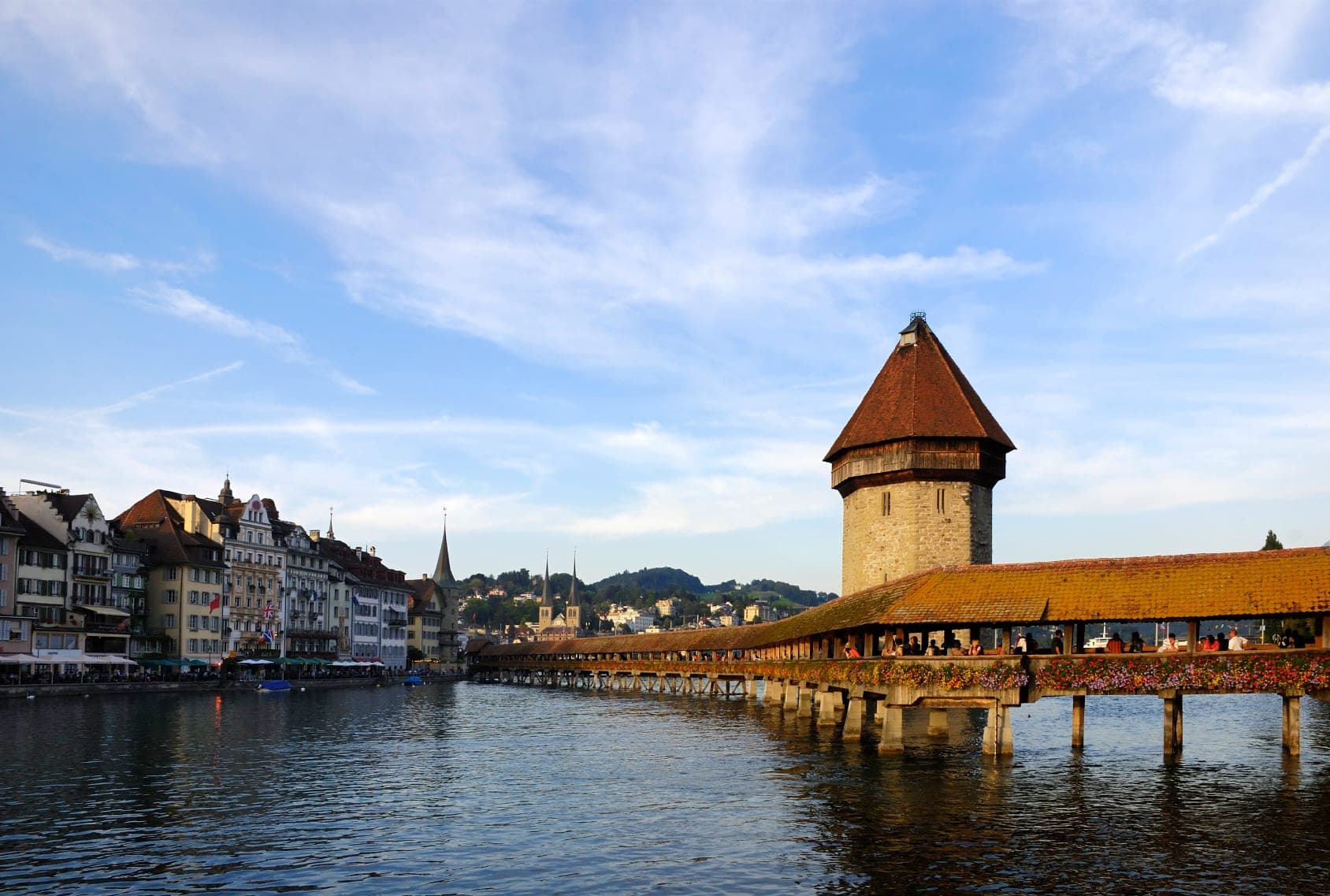
Chapel Bridge, Lucerne
travel inspiration

Tour Spotlight: Chocolates and Cappuccino

Visit Juliet's balcony and Mozart's birthplace. Slide down a chute into a mine to explore its dark underground chambers. Enjoy a morning excursion to the top of the world, with an ascent to the summit of Mt. Pilatus 7,00

Read post
On the ground

More places in Italy

Country guide: Italy →
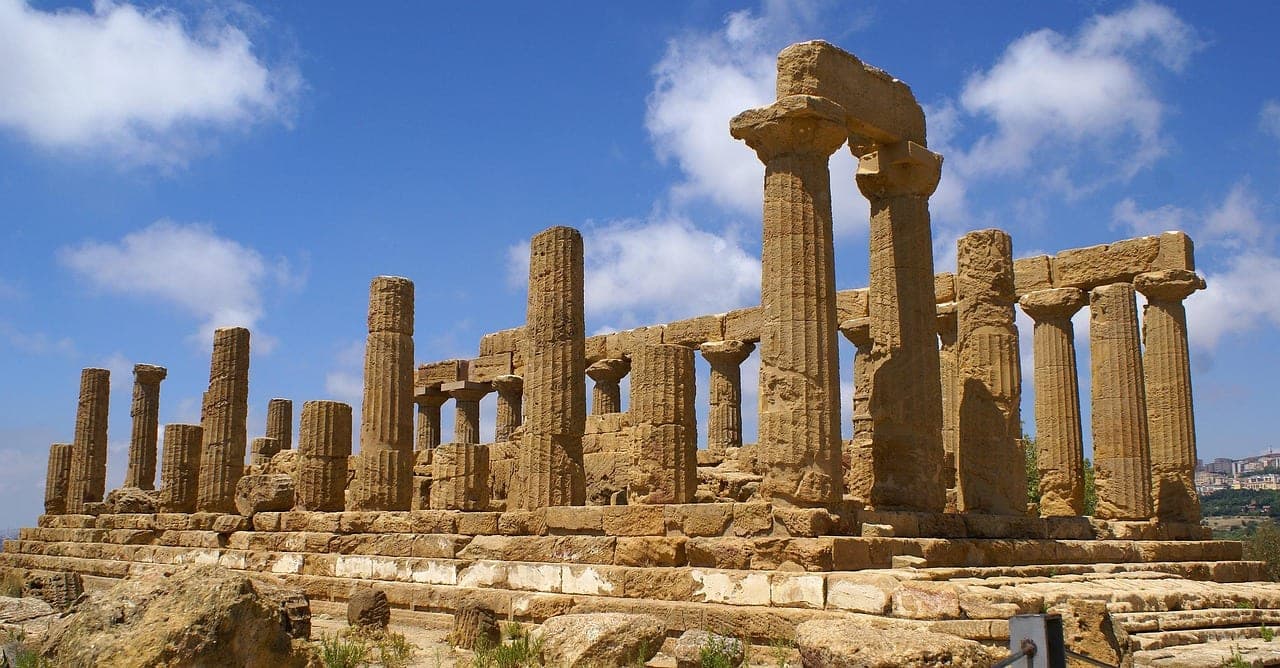
Greek temples of the Valley of the Temples at Agrigento lit by Sicilian sunset

Agrigento, Italy

Agrigento student group travel for teachers: Sicily's Valley of the Temples, Greek ruins, and educational tours for teacher-led Italian high school group trips.

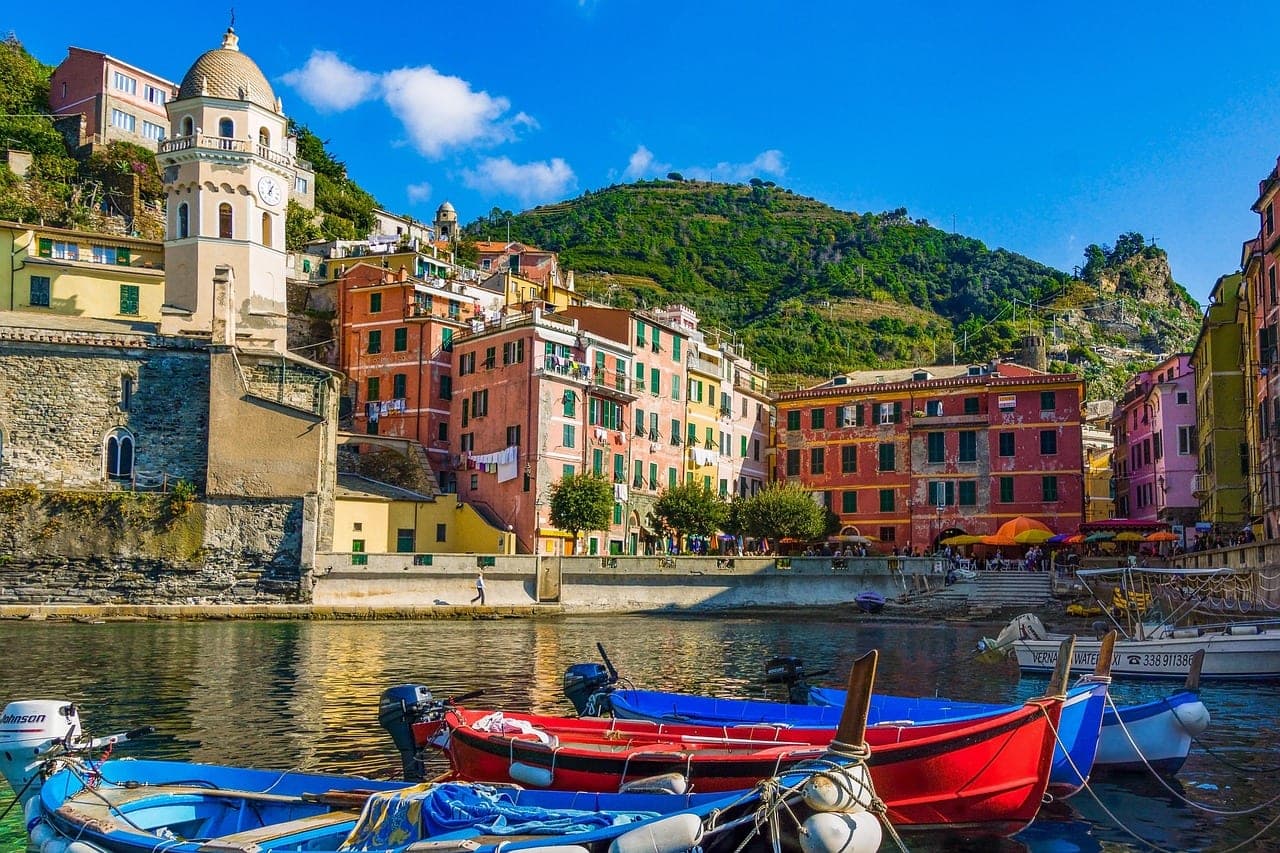
Colorful fishing boats lining the harbor of Fiumicino on the Tiber estuary near Rome

Fiumicino, Italy

Fiumicino student group travel guide for teachers: Rome's coastal gateway with Ostia Antica, Portus, and seafood — educational travel for school group tours.

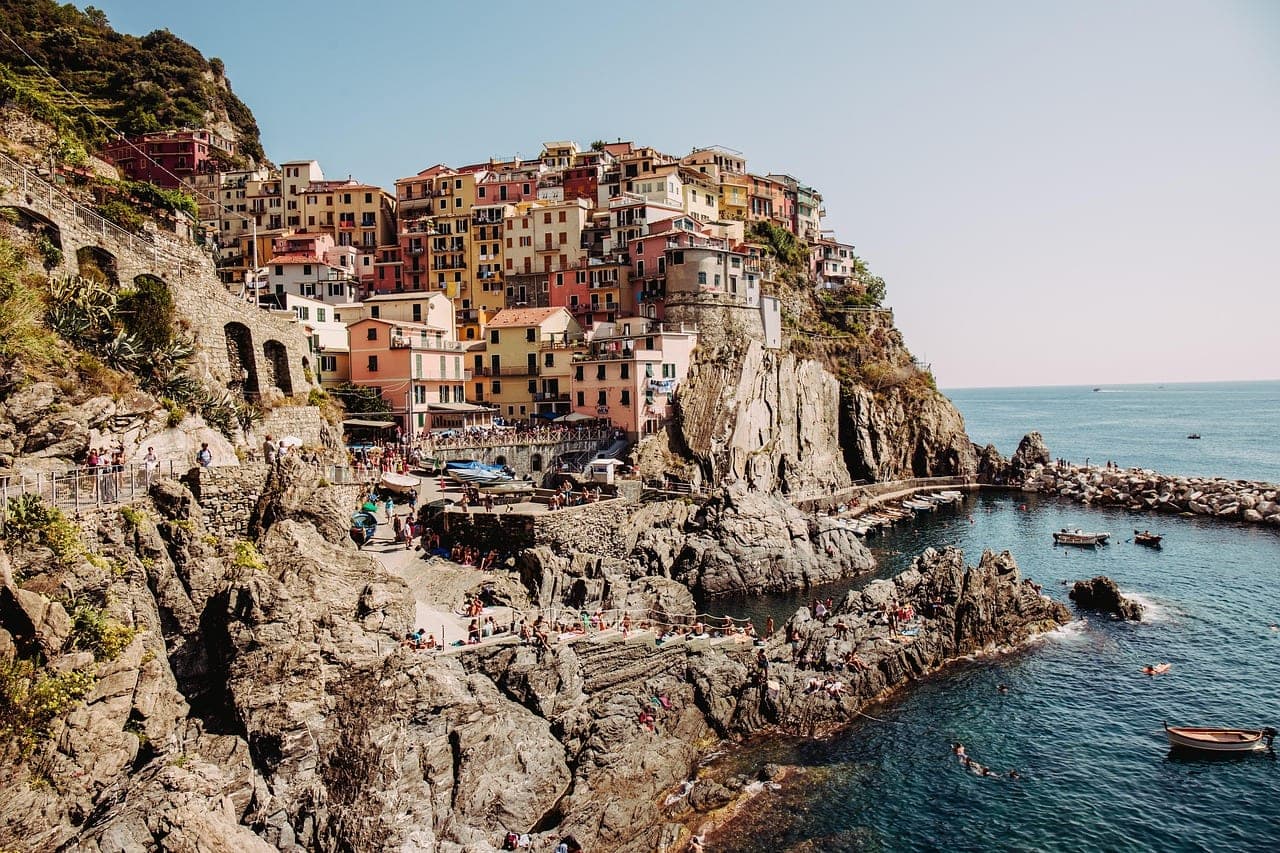
Pastel-colored seaside village on the Italian Riviera coast with beach and turquoise water

Moneglia, Italy

Moneglia student group travel for teachers: a quiet Ligurian seaside base near Cinque Terre on teacher-led educational tours and high school group trips.

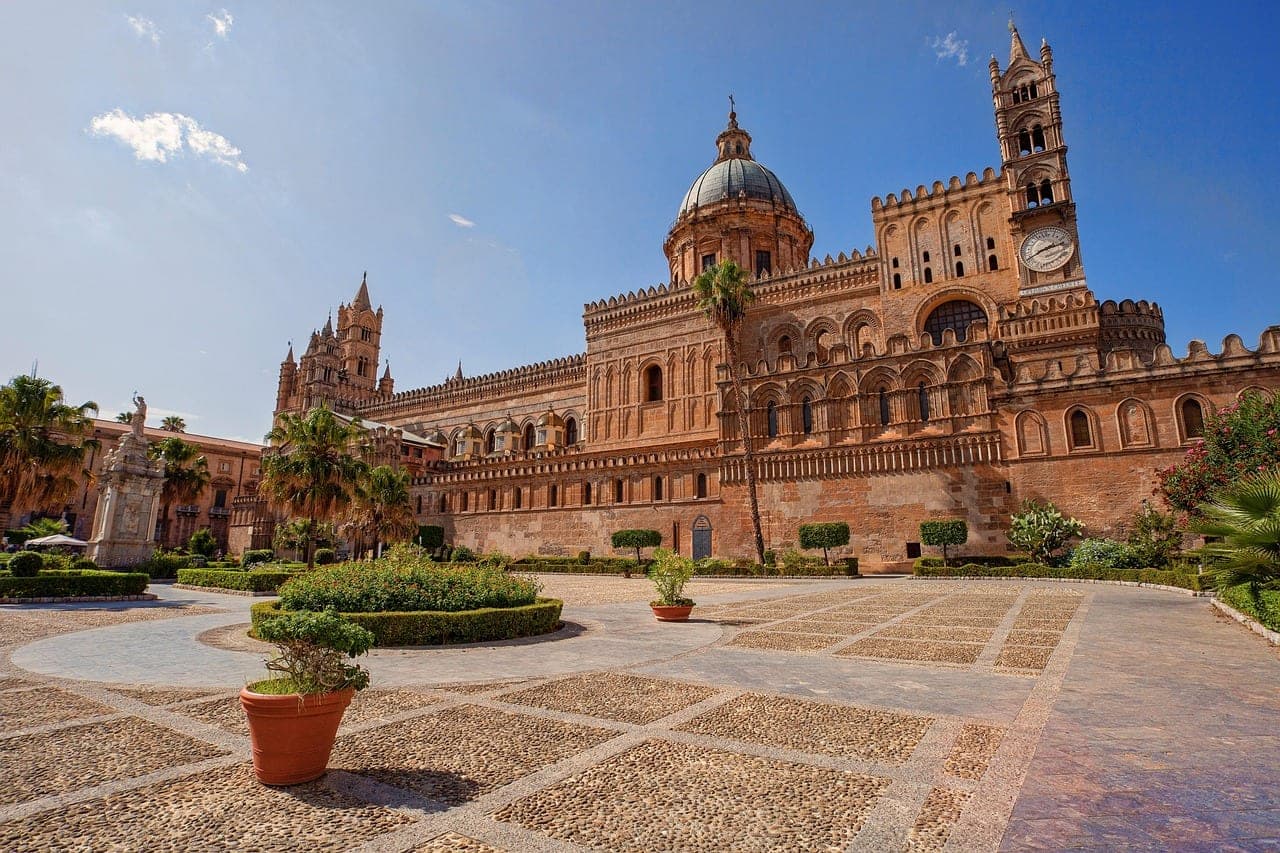
Palermo cathedral with Norman-Arab architecture and palm trees against blue Sicilian sky

Palermo, Italy

Palermo student group travel for teachers: Sicily's capital, the Norman cathedral, markets, and street food on teacher-led educational tours of the south.

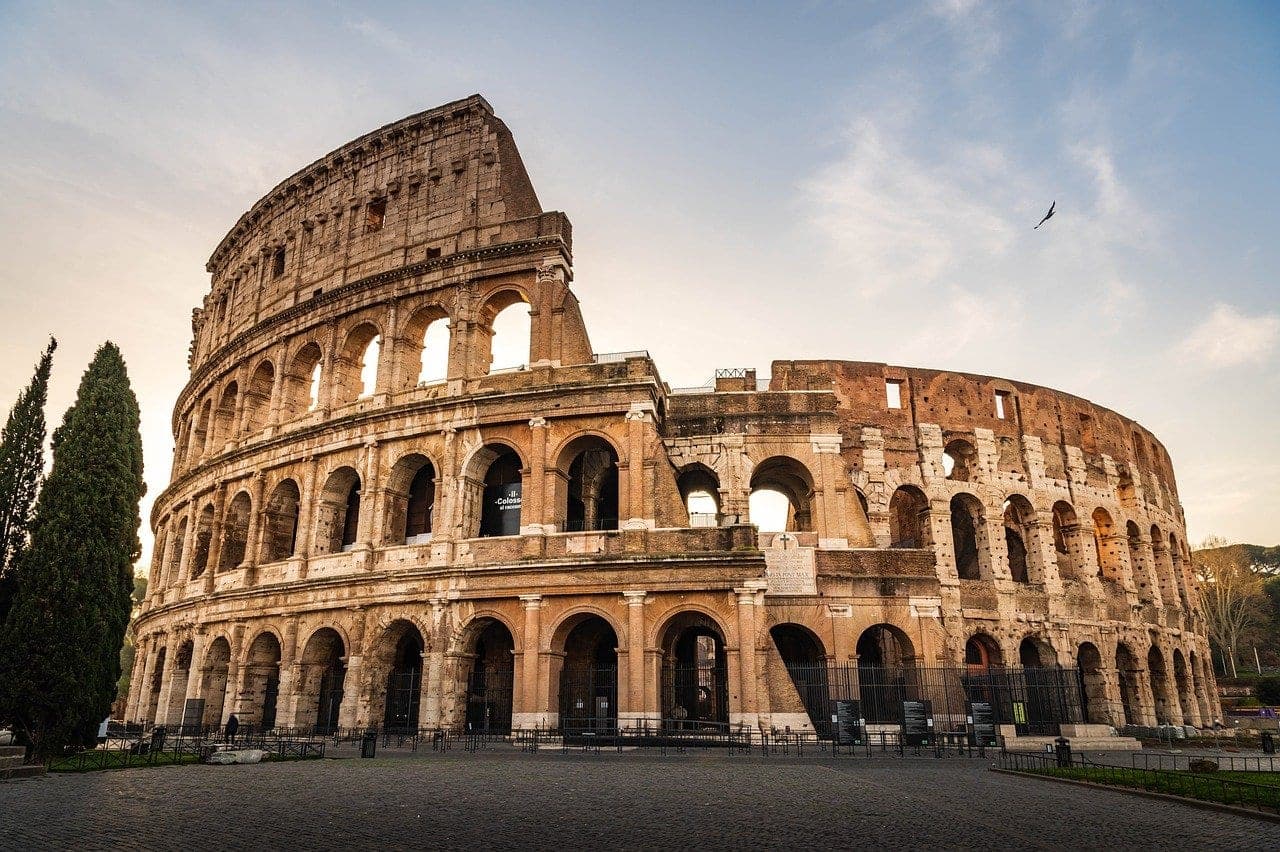
Rome Colosseum exterior with arches and ancient stone glowing in golden evening light

Rome, Italy

Rome student group travel for teachers: the Colosseum, Vatican, Forum, and Pantheon on teacher-led educational tours and high school group trips through Italy.

Sorrento cliffs above the Bay of Naples with pastel buildings and lemon groves at sunset

Sorrento, Italy

Sorrento student group travel for teachers: the Bay of Naples, Amalfi Coast gateway, and Pompeii day trips on teacher-led educational tours of Campania.

Bring your group to Milan, Italy.

Every Passports trip is built around a teacher and a group — from first itinerary sketch to the last day on the ground. Tell us what you have in mind and we’ll take it from there.

Plan a trip