- RegionLazio, Italy
- LanguageItalian
- CurrencyEuro (EUR)
- Best seasonApr - Jun, Sep - Oct
- TimezoneCentral European Time (UTC+1)
A quick introduction
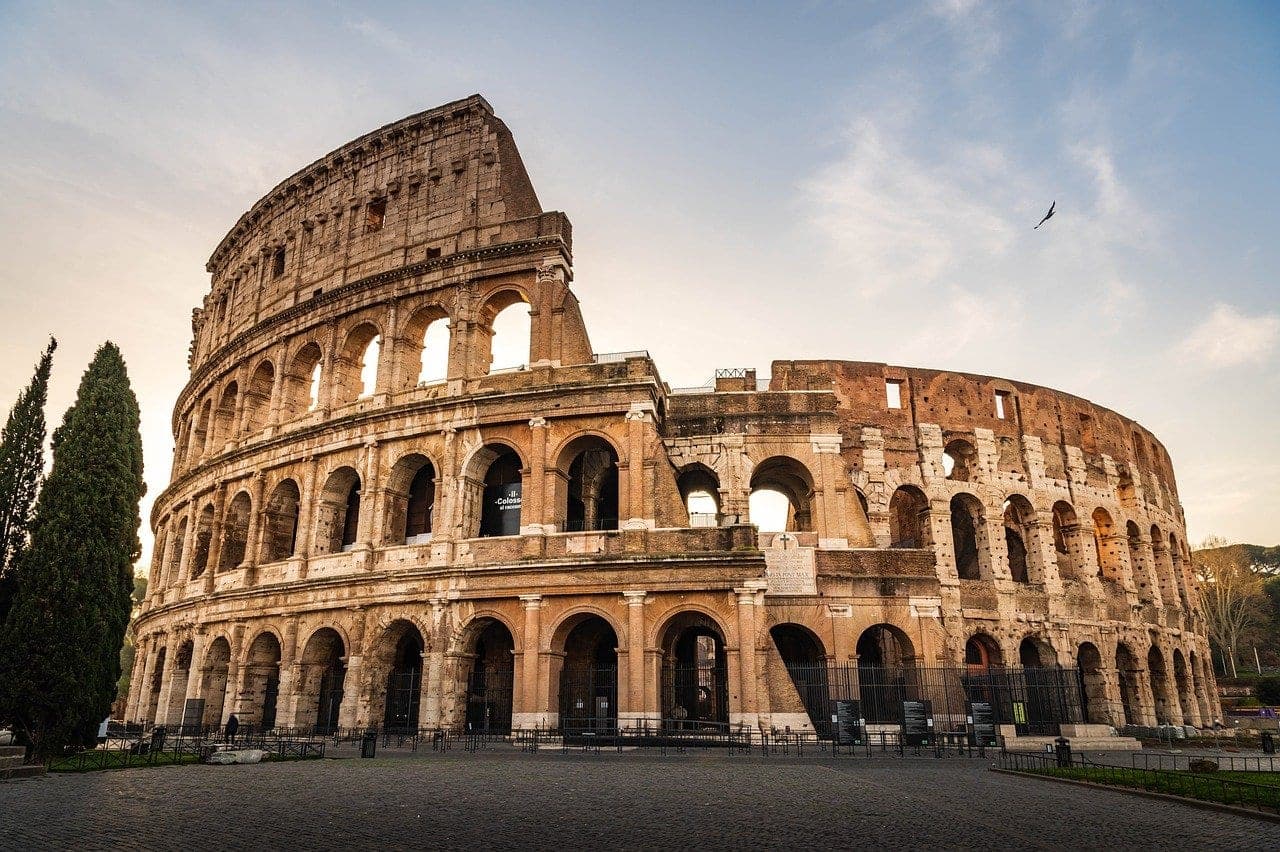
Fiumicino is where the Tiber meets the Tyrrhenian Sea, thirty kilometers southwest of Rome. It's a working fishing town of about 80,000 that most travelers only see through an airport window — Leonardo da Vinci / FCO sits on its northern edge and handles roughly 40 million passengers a year. But the town itself is where imperial Rome built its harbor: Trajan's hexagonal basin, Claudius's outer port, and the archaeological city of Ostia Antica all sit within a ten-minute drive of the terminal.
For a student group, Fiumicino is the rare Italian arrival city that rewards staying an extra night. Most teacher-led tours bus straight from FCO into Rome and miss the best-preserved Roman port complex on the Mediterranean. A layover day here lets a jet-lagged high school group trip walk the decumanus of Ostia Antica at opening hour, see Portus from the air-corridor road, and eat fresh-off-the-boat seafood before the big-city itinerary begins. Educational travel to Italy almost always starts at FCO; Fiumicino turns that logistics stop into a real curriculum day.
Top things to see and do


When to go
- Apr - Jun — spring sweet spot
The ideal window for educational travel to the Roman coast. Daytime highs climb from 18°C in April to 28°C in June, the archaeological parks are open full hours, and the Mediterranean is warming but the summer haze hasn't set in. Ostia Antica at 9 AM in May is the photo you want.
- Jul - Aug — hot, humid, crowded
Daytime highs 30-34°C with coastal humidity, and every Roman in town heads to the Fiumicino beaches on August weekends. Workable for a summer student group if you start the Ostia visit at opening (8:30) and finish by 12:30 — afternoon sun on unshaded ruins is brutal. Hotels fill on Ferragosto week.
- Sep - Oct — shoulder-season gold
The quiet favorite for teacher-led trips. Temperatures drop to 19-26°C, the sea is still swimmable into early October, and the archaeological sites shed the summer crowds. Tuscan-Lazio harvest menus kick in and seafood restaurants swap to the autumn catch.
- Nov - Mar — quiet winter
Mild by Northern-European standards (10-14°C daytime highs) but genuinely damp — expect rain on a third of days. Ostia Antica closes earlier (4 PM in January) and Portus mostly shuts for conservation. A workable option for a small group with a short layover day; not the pick for a photo-heavy high school group trip.
Food and culture

Spaghetti alle vongole
Pasta with Manila clams, garlic, white wine, and parsley — the Tyrrhenian coast's signature dish. Fiumicino's boats land the clams that morning; you can taste the difference versus Rome.

Fritto misto di mare
Mixed deep-fried fish — calamari, small shrimp, baby anchovies, and whatever else came up in the nets. Squeezed lemon, no sauce. Lunchtime staple along the harbor.

Tellina
Tiny wedge clams harvested from the Tiber estuary sand — a Fiumicino specialty that rarely shows up farther inland. Served with spaghetti or as a briny antipasto.

Allacciati di pesce
Whole grilled sea bass or bream, priced by weight, dressed with olive oil and parsley. The trattoria test: if the fish arrives whole and filleted tableside, you're in the right place.

Maritozzo
Rome-region sweet bun split and stuffed with whipped cream — the classic Lazio breakfast. Bar Tevere and the harborfront cafés do a version worth the airport-morning detour.
What to pack
- Documents
Passport valid 6+ months past travel date, two printed copies (one for the student, one for the Tour Director's file), insurance card, and the Passports group packet. No visa required for US citizens on a stay under 90 days in the Schengen area.
- Clothing
Layers for coastal breeze and variable shoulder-season weather; modest dress (shoulders and knees covered) for the churches inside Ostia Antica. A light windbreaker earns its weight on the harbor; a swim layer is worth packing April through October.
- Footwear
Serious walking shoes for the Ostia Antica stones — ancient basalt paving that eats flimsy soles. Do not buy new shoes for the trip. Flip-flops only if your itinerary includes the Castel Porziano beach afternoon.
- Tech
Italy uses Type C / F plugs (European two-prong) — bring a universal adapter. A portable battery handles a full Ostia day. T-Mobile / Google Fi work out of the box; others should buy a TIM or Vodafone eSIM in the FCO terminal on arrival.
- Extras
A small daypack for ruin days, a reusable water bottle (Ostia Antica has drinking fountains in three spots), high-SPF sunscreen for unshaded archaeological walking, sunglasses, and a compact umbrella November through March.
Is it safe?
Yes. Italy's US State Department rating is Level 2 ("exercise increased caution") — the same as France, the UK, Germany, and most of Western Europe — and the elevated level reflects generic European terrorism risk, not anything specific to Fiumicino. Violent crime against travelers is genuinely rare. The realistic risks in Fiumicino are airport-area pickpocketing around FCO arrivals, Mediterranean sun exposure on unshaded ruin walks, and standard beach-safety common sense at Castel Porziano.
On a Passports teacher-led trip, the group is never on public transport alone, the Tour Director runs an arrivals-day safety briefing before anyone leaves the hotel, and every property is pre-vetted for 24-hour reception and secure storage. We operate a 24/7 emergency line out of Boston, keep parents on a daily-update channel, and maintain English-speaking medical contacts near FCO. For teachers running their first school group tours to Italy, a Fiumicino arrival day is the gentlest possible start.
Practical tips
- Build the layover day deliberately
A 24-hour Fiumicino stopover turns a zombie arrival day into a usable curriculum day. Our Tour Director schedules Ostia Antica for the morning after landing so the group can nap through the afternoon before the Rome leg begins.
- FCO coach access is restricted
Private coaches drop at a designated curb outside Terminal 3 and cannot wait. The Tour Director meets the group inside arrivals and walks everyone to the coach together — allow 25 minutes from plane door to seated on the bus.
- Eat where the boats tie up
The harborfront trattorias that face the fishing fleet serve the day's catch; menus with photos and multilingual English translate- every-word signage are the tourist trap tell. If the menu is chalked on a board, you're closer to the real thing.
- Cash is fine but not required
Contactless is near-universal across Italy. Small cash helps at harbor fish stalls and at the single ticket kiosk inside the Ostia Antica gate.