Country guide

Italy

Italy student group travel guide for teachers: Rome, Florence, Venice, and Pompeii. Educational travel itineraries for high school and middle school trips.

All countries
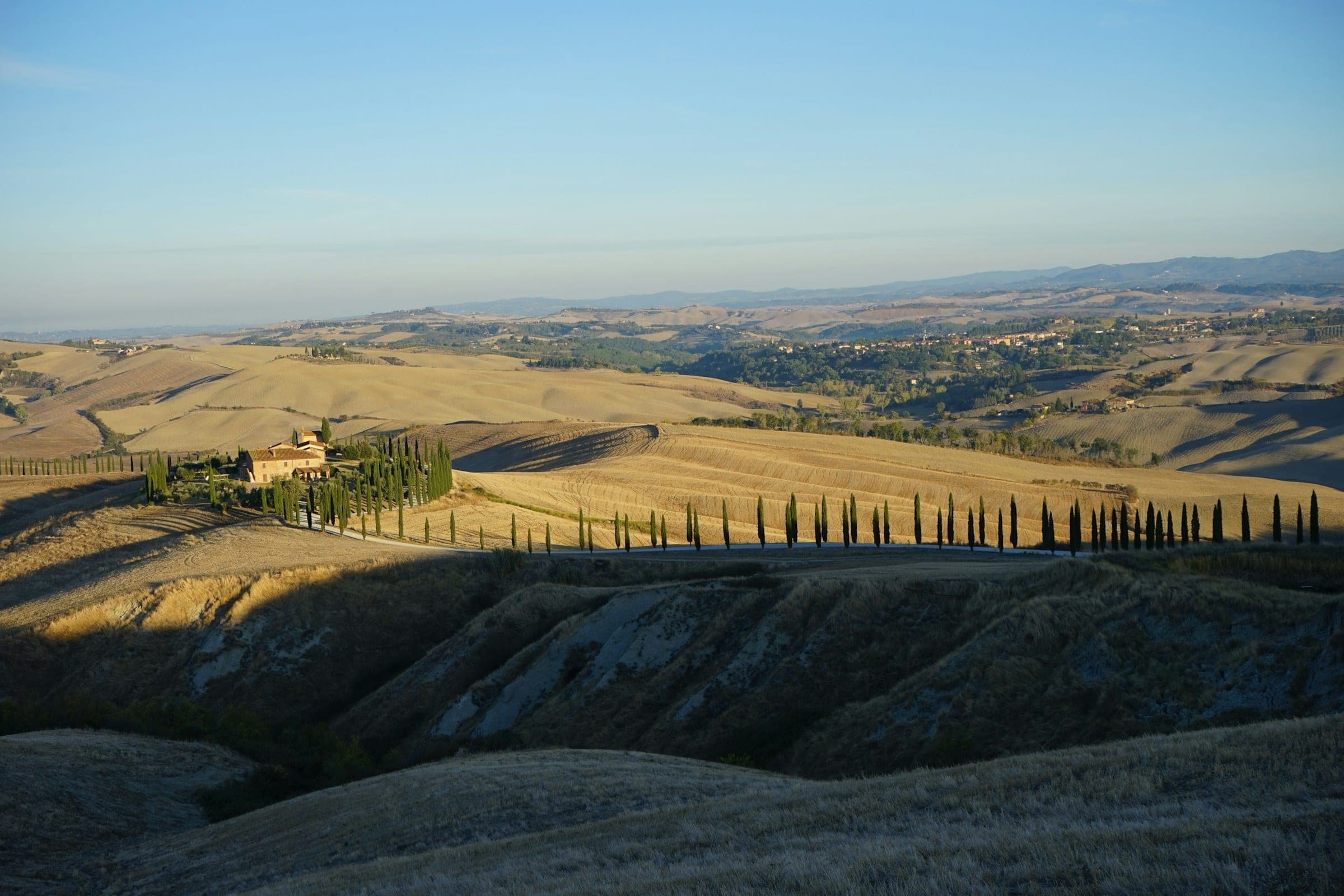
Tuscan hilltop with cypress trees above rolling golden countryside
On this page
  • Where Italy sits — one boot, 1,200 km top to bottom, and the curricular payoff per travel day
  • Six regions worth a stop — Rome, Florence, Venice, Naples & the Amalfi Coast, Milan, Sicily
  • What to eat: Neapolitan pizza, regional pasta, the aperitivo and gelato rules
  • Practical logistics for teachers: ZTL zones, church dress codes, pre-booking the Colosseum and Vatican
  • Why Italy is the most-booked European destination on our student group travel catalog

A quick introduction

Italy is roughly 301,000 km² — a little larger than Arizona — with a population of about 59 million and a capital, Rome, that sits on nearly three millennia of continuous layered history. It's a long country: 1,200 km from the Alps to the tip of Sicily, about the same as Boston to Savannah. More UNESCO World Heritage Sites (60) than any other country on earth, the largest collection of Renaissance art anywhere, and an active volcano that buried a Roman city we can still walk through.

Italy is the most-booked European destination on our educational travel catalog, and the reasons stack. The curricular fit is unusually wide — Latin, classical history, Renaissance art, Catholicism, World War II, modern design, and food studies all have a natural home on a single itinerary. Train infrastructure moves a student group between Rome, Florence, and Venice without an internal flight. English is widely spoken in museums, hotels, and restaurants. For teachers planning their first international high school group trip — or a return trip for returning students — Italy is the destination the rest of the catalog is measured against.

Quick facts

Italy by the numbers

📐

~301,000 km²

Slightly larger than Arizona, but 1,200 km long from Alps to Sicily. The high-speed Frecciarossa train puts Rome-to-Florence in 90 minutes and Florence-to-Venice in two hours, which keeps a student group on the ground and not in airports.

👥

~59 million

About two-thirds of Italians live in the Po Valley and the corridor from Rome through Naples. Population density drops sharply in the mountains and on the islands, which is why the countryside feels empty within 30 minutes of any major city.

🏛️

60 UNESCO sites

More than any other country on earth. Our standard ten-day itinerary walks a student group past six of them — Rome's historic center, the Vatican, Florence's historic center, Pompeii, Venice, and the Amalfi Coast — without a single backtrack.

🇮🇹

Unified in 1871

Italy is younger than the United States as a political entity. Regional identities (Tuscan, Venetian, Roman, Sicilian) still dominate food, dialect, and daily life — a live case study for nationalism and civics classes.

Inside the trip

A week with a Passports group

A typical Passports high school group trip to Italy runs eight to ten days and lines up cleanly for April, June, or October — the three windows most school calendars open up. Day one is Rome: arrival at Fiumicino, a private-coach transfer into the city, a light walking orientation through Piazza Navona and the Pantheon to shake off jet lag, and dinner with the Tour Director who stays with the group for the full week.

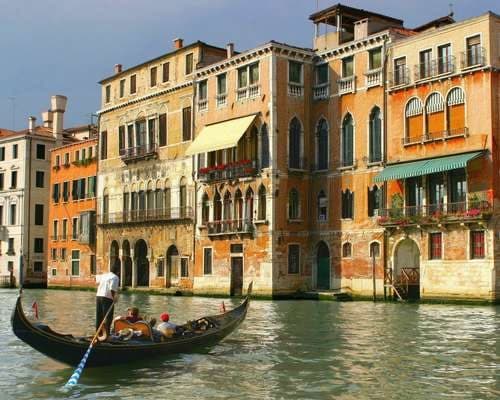
The middle of the week is the curricular heart of the trip. Colosseum, Forum, and Vatican in Rome on days two and three — timed-entry tickets booked four weeks ahead so the group walks in while the general-admission line stretches around the block. Fast train to Florence for the Duomo, Uffizi, and Accademia. A day-trip south to Pompeii on the Naples itineraries, or a morning in Assisi for the Umbria-focused ones. Venice on the back end — vaporetto through the Grand Canal at sunset is consistently the moment students rank as the trip's best surprise.

We've run student group travel to Italy for long enough that the predictable problems have predictable answers: a student loses a passport (we have the consulate on speed-dial), a museum strike shifts a day's schedule (we keep a list of high-value backups), a student gets sick (our 24/7 line routes them to a pre-vetted English-speaking clinic). Most itineraries include at least one service-learning or artisan-workshop component — a ceramics day in Deruta, a pasta lesson with a family in Trastevere — and debrief journaling time is built into the longer programs. The teacher-led educational travel piece is real; the part teachers remember is that the logistics simply work.

Region by region

Top things to see and do

Rome & Lazio

Rome & Lazio

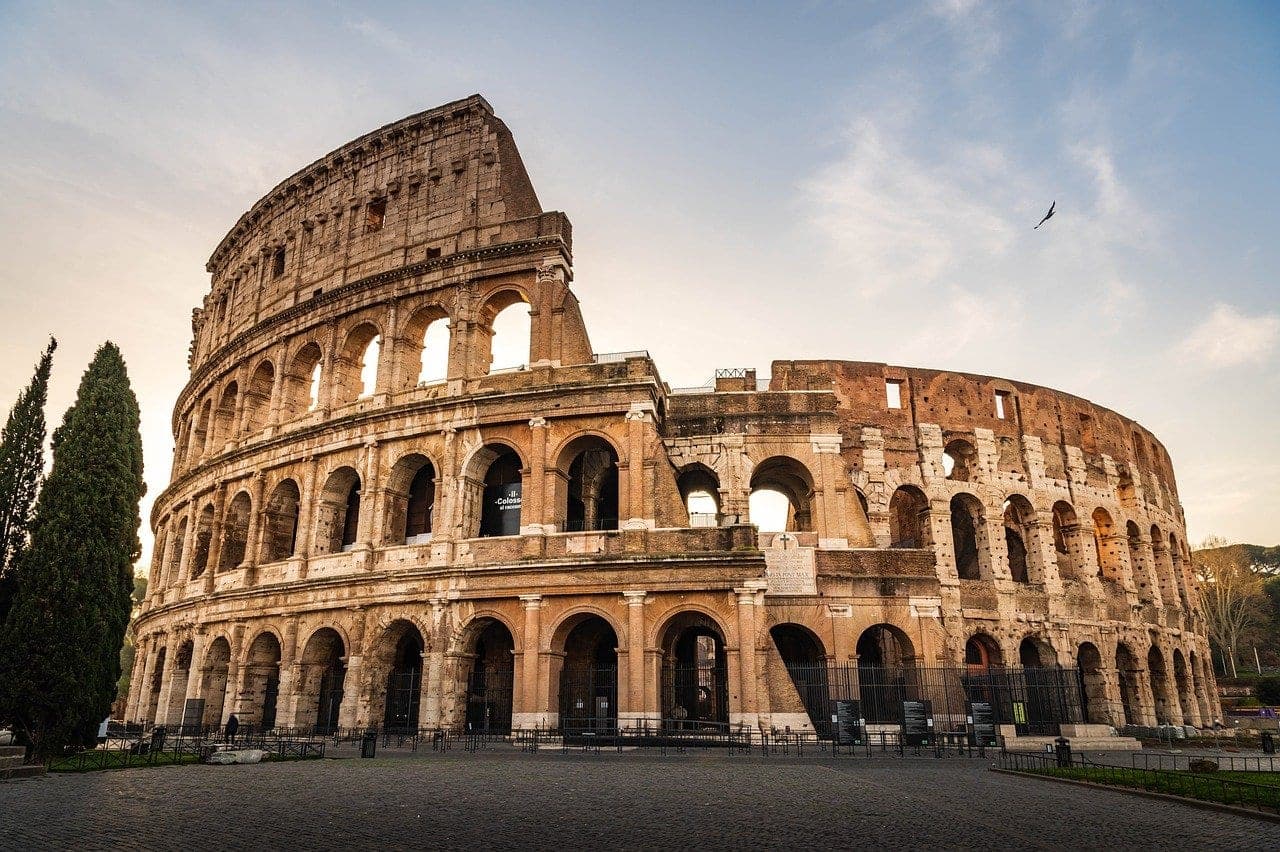
The Colosseum, Roman Forum, Pantheon, and Vatican City all within a 20-minute walk of each other. The single densest classical + Renaissance block on earth — and a full three-day stop on most itineraries before the group moves north.

Florence & Tuscany

Florence & Tuscany

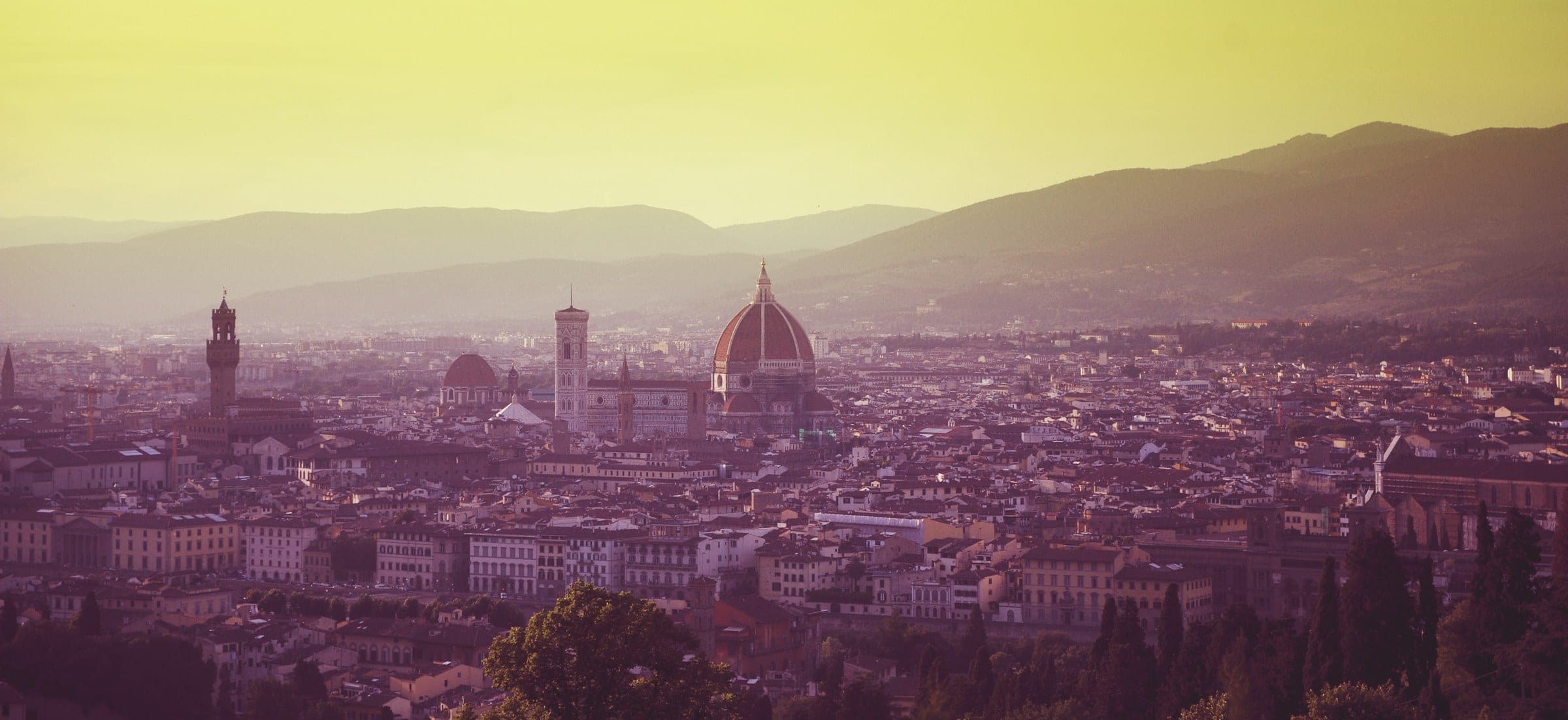
The Renaissance capital. Brunelleschi's Duomo, the Uffizi, the Accademia (Michelangelo's David), and a walkable historic center that works as a 15-minute art-history classroom. Day-trips to Siena, San Gimignano, and the Chianti hills if the calendar allows.

Venice & the Veneto

Venice & the Veneto

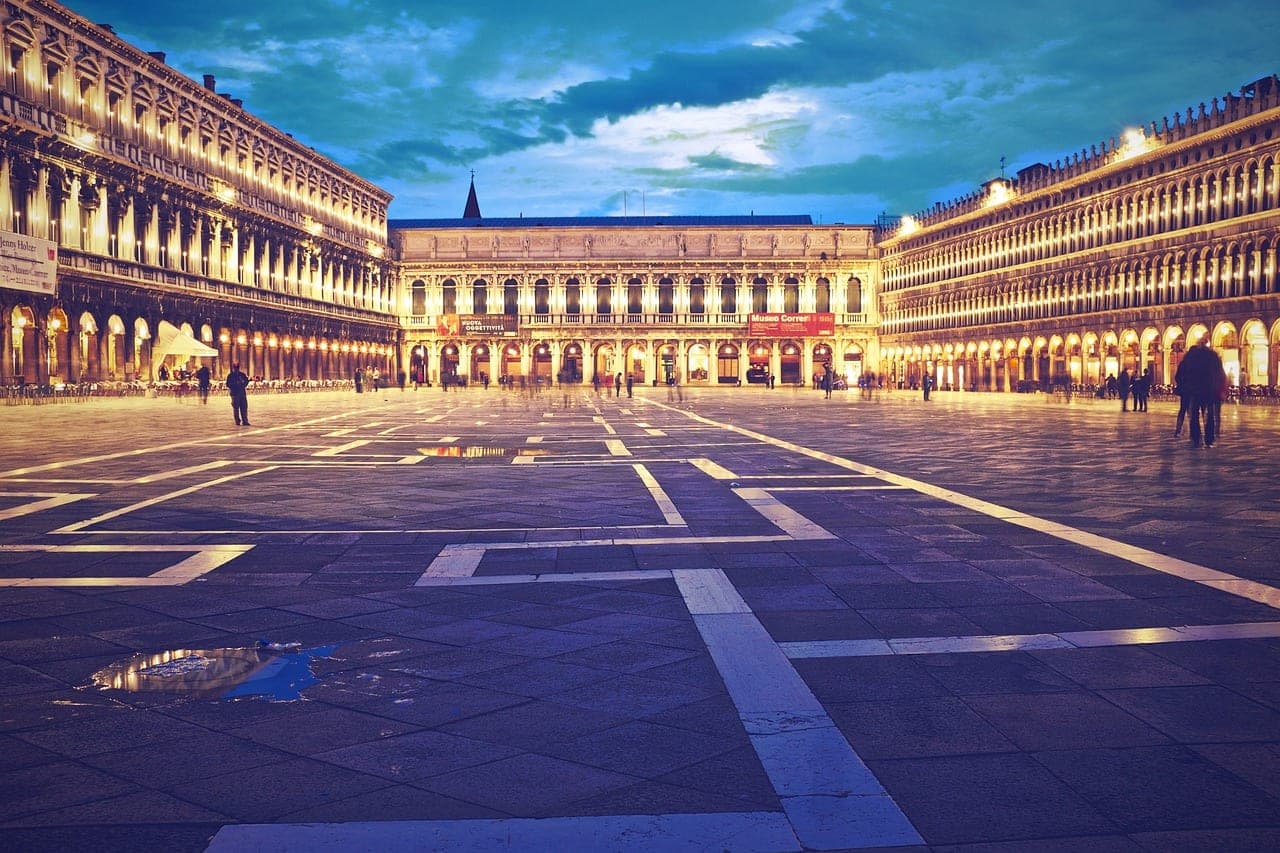
The lagoon city. St. Mark's Basilica, the Doge's Palace, a vaporetto ride up the Grand Canal, and Murano glassblowing on a half-day excursion. Padua's Scrovegni Chapel (Giotto) is an easy add-on for art-history groups.

Naples, Pompeii & the Amalfi Coast

Naples, Pompeii & the Amalfi Coast

Vesuvius, the buried city, and the most dramatic coastline in Europe. Pompeii is the single most requested add-on on our Rome itineraries; Positano and Sorrento extend it into a four-day southern loop.

Milan & the Italian Lakes

Milan & the Italian Lakes

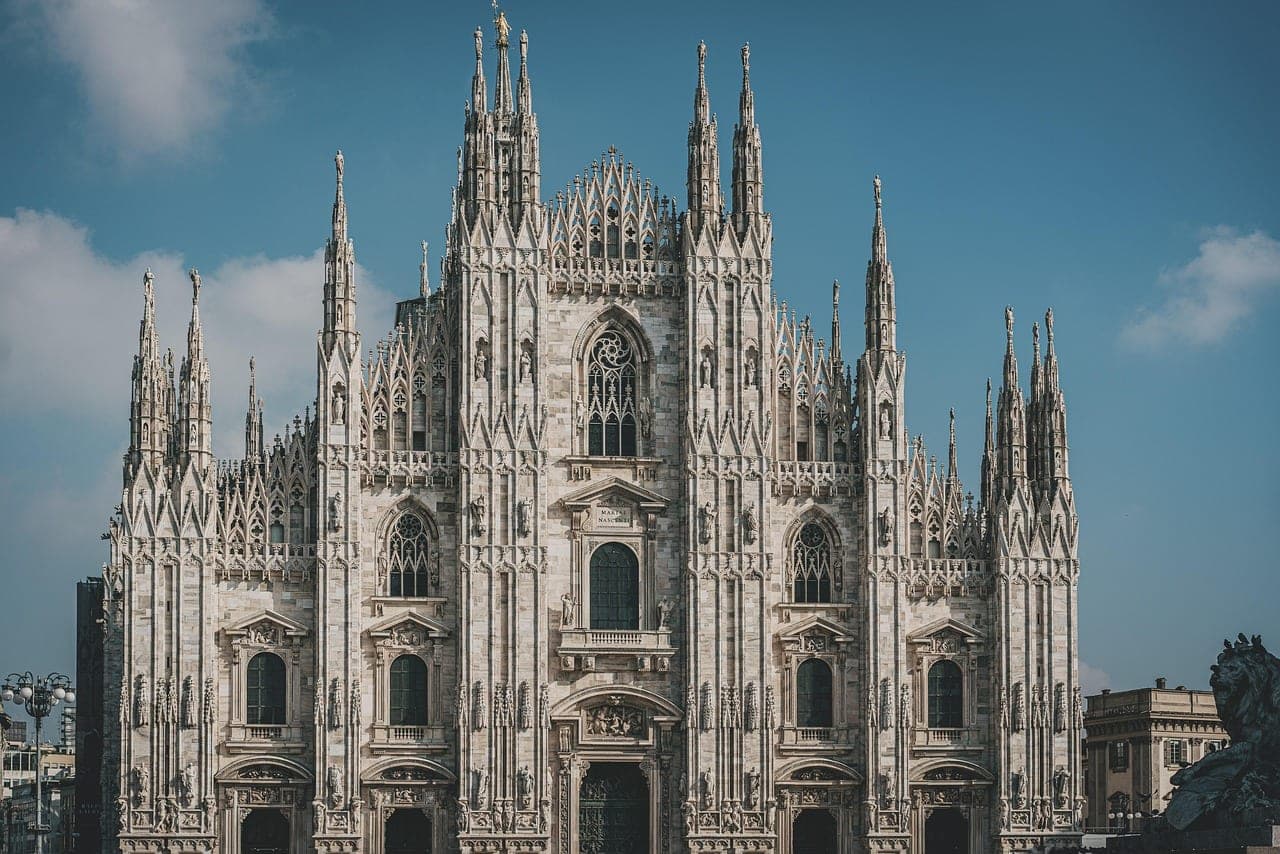
Milan's Duomo, da Vinci's Last Supper (timed tickets, 4+ weeks ahead), and a day-trip to Lake Como or Lake Garda. A good starting city for north-to-south itineraries and the best shopping on the trip — if that matters to your group.

Sicily & the south

Sicily & the south

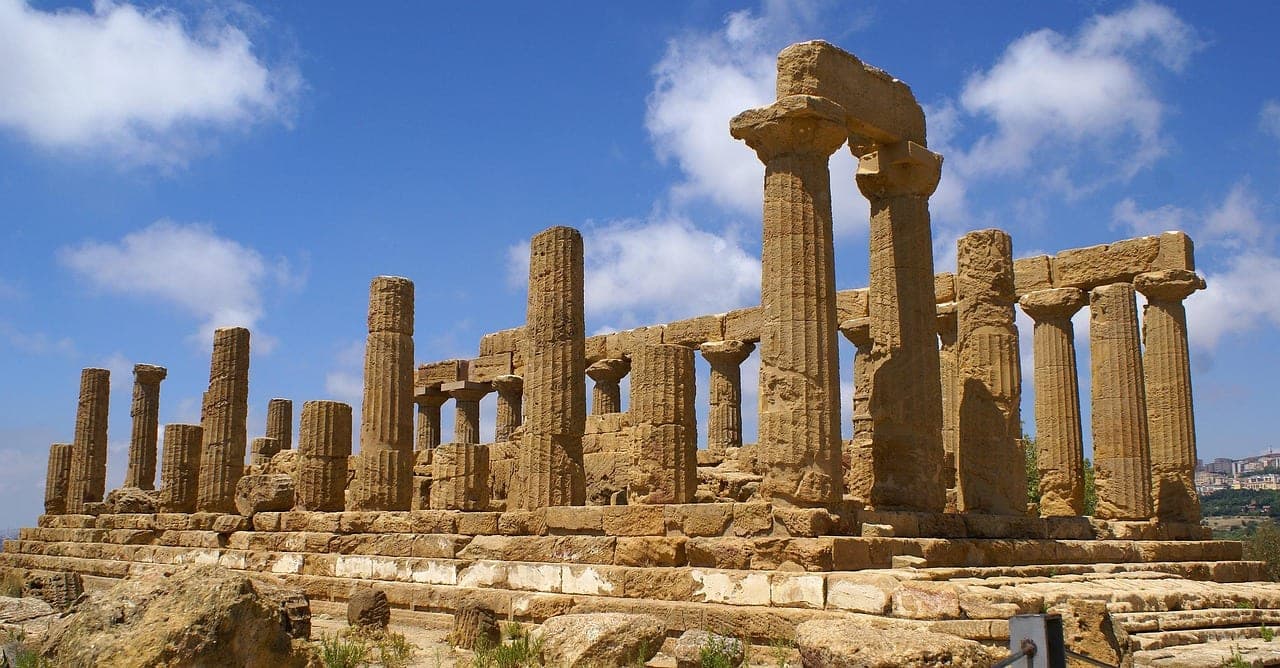
Greek temples at Agrigento that predate most of the Roman Forum, Mt. Etna, Palermo's Arab-Norman layer, and Baroque Syracuse. Sicily is a specialist add-on — best treated as its own 5-day extension rather than compressed into a single-day stop.

Weather by season

When to go

  • Apr - Jun — spring sweet spot

    The classic window for educational travel to Italy. Daytime highs 16-24°C in the north, 18-26°C in Rome and Naples, long daylight, Tuscan wildflowers, and reasonable museum lines into early June. Book the Vatican, Colosseum, and Uffizi 4+ weeks ahead.

  • Jul - Aug — peak heat, peak crowds

    Daytime highs 32-36°C across most of the country, Vatican lines two hours long at 9 AM, and many Italians leaving town for Ferragosto in mid-August. Still works for determined summer high school group trips, but pre-book every ticket, start museum days at opening, and plan shade afternoons.

  • Sep - Oct — shoulder-season gold

    The best-kept secret among teacher-led tours. Temperatures drop to 18-26°C, the light turns golden, the olive and grape harvest kicks off, and tourist volume drops sharply after the second week of September. If your school calendar allows a fall trip, this is the window.

  • Nov - Mar — quiet winter

    Short daylight (sunset around 4:45 PM in December), occasional rain, and no museum lines at all. The Uffizi in January can be a 90-minute visit. Some coastal trattorias close for holidays. Great for January interim-term trips or MLK-week itineraries; harder for photo-heavy groups.

What to order

Food and culture

Pizza Margherita

Pizza Margherita

Naples invented it — tomato, mozzarella di bufala, basil, and wood-fired in 60 seconds. A proper Neapolitan pie is soft in the middle, leopard-spotted on the crust, and eaten with a knife and fork.

Regional pasta

Regional pasta

Pasta is militantly regional. Rome does cacio e pepe and carbonara; Bologna does tagliatelle al ragù; the south does orecchiette and puttanesca. "Spaghetti Bolognese" is an American invention that doesn't exist on Italian menus.

Aperitivo

Aperitivo

The 6 to 8 PM tradition — a drink (Aperol spritz, Campari soda, or a glass of prosecco for the teachers) comes with small plates of olives, crostini, and cured meat. In Milan it's a full buffet; elsewhere it's a nibble.

Gelato — the real thing

Gelato — the real thing

Churned slower and served warmer than American ice cream. The good shops serve flat scoops from covered tubs. Mounded rainbow displays in storefronts are the tourist tell — skip those and walk another block.

Tiramisu

Tiramisu

Invented in the Veneto in the 1960s — espresso-soaked ladyfingers, mascarpone cream, cocoa on top. Every Italian family has an opinion about it; your group will develop one by night three.

Curriculum tie-ins

Classroom connections

🎨

AP Art History

The single best destination on earth for this course. The Uffizi alone covers two weeks of syllabus — Giotto through Caravaggio in one building — and the Vatican, Accademia, Sistine Chapel, and Borghese Gallery extend it. We pair museum days with sketching time built into the schedule.

📜

Classical History & Latin

Colosseum, Roman Forum, Pantheon, and Pompeii in a single itinerary. Latin students read inscriptions off the Arch of Titus in situ; AP World History groups map the Republic-to-Empire transition across the same stones.

🏛️

AP European History

Renaissance Florence, the Reformation in Rome, Napoleonic northern Italy, Risorgimento unification, Mussolini's EUR district, and post-war reconstruction — all physically accessible from a single itinerary, with museum stops to back each one.

🗣️

Italian Language & Culture

Real immersion for high school Italian students. Pasta-making lessons, market visits, and coffee-bar interactions all happen in Italian with a bilingual Tour Director backstopping the group. A homestay night can be added to longer programs.

Religious Studies

The Vatican — one of three sovereign theocracies on earth — plus the great basilicas of Rome, Assisi (birthplace of Franciscan order), and the mosaics of Ravenna. A live case study for comparative religion and AP World History classes.

🏗️

Architecture & Engineering

The Pantheon's concrete dome (2nd century, still the largest unreinforced concrete dome in the world), Brunelleschi's herringbone-brick Duomo, and Palladio's villas in the Veneto. A physics-and-engineering thread for STEM-leaning groups.

Packing essentials

What to pack

  • Documents

    Passport valid 6+ months past travel date, two printed copies (one for the student, one for the Tour Director's file), insurance card, and the Passports group packet. No visa required for US citizens on a stay under 90 days in the Schengen area.

  • Clothing

    Layers for variable spring and autumn weather. Modest dress (shoulders and knees covered) is enforced inside every major church — St. Peter's, the Duomo, San Marco all turn away students in shorts or tank tops. A light scarf that doubles as a shoulder cover solves most dress-code moments on the fly.

  • Footwear

    The single most important item on the packing list. Italy is cobblestones end-to-end and a student group will log 10,000 to 14,000 steps a day. Broken-in ankle-support sneakers or light hiking shoes beat fashion sneakers by a wide margin. Do not buy new shoes for this trip.

  • Rain gear

    A compact umbrella and a packable rain jacket for November through March, and for any autumn shoulder-season trip. Rain jackets beat ponchos for cobblestones and wind.

  • Tech

    Italy uses Type C / F plugs (European two-prong) — bring a universal adapter, not just a UK-style one. A portable battery is worth its weight on full museum days. T-Mobile and Google Fi work out of the box; other carriers should pick up a TIM or Vodafone eSIM on the way in or at the airport.

  • Extras

    A small daypack for museum days (anything larger has to be checked at the Uffizi, Vatican, and Accademia), a reusable water bottle (Rome's nasoni public fountains pour cold mountain water for free), sunscreen in spring and summer, and motion-sickness tablets if the itinerary includes the Amalfi Coast drive.

The parent-meeting question

Is it safe?

Yes. Italy's US State Department rating is Level 2 ("exercise increased caution") — the same as France, the UK, Germany, and most of Western Europe — and the elevated level reflects generic European terrorism risk, not anything specific to Italy. Violent crime against travelers is genuinely rare. The actual risk profile is pickpocketing at a handful of predictable hotspots: the Colosseum entry queue, the Vatican crowd-crush inside St. Peter's Square, the Uffizi line in Florence, Venice's Rialto and Ponte Vecchio at sunset, and Rome's Termini train station.

On a Passports teacher-led trip, the group is never on public transport alone, the Tour Director runs a pickpocket-awareness briefing on the first evening, and every hotel is pre-vetted for 24-hour reception and secure room storage. We operate a 24/7 emergency line staffed out of our Boston HQ, keep parents on a daily-update channel, and have English-speaking medical contacts in every city we visit. For most teachers leading school group tours to Italy, the logistics feel easier than a domestic field trip.

🛡️

Personal safety

Pickpocketing is the real risk; violent crime is rare. Cross-body bags worn in front, phones off café tables, and a Day 1 briefing handle 90% of it. Hotels are vetted for 24-hour reception, in-room safes, and English-speaking front desks.

⚕️

Health & medical

Tap water is excellent across the country — the Roman nasoni pour cold mountain water from the ancient aqueducts. No special vaccines required beyond CDC routine. Policlinico Gemelli and Salvator Mundi (Rome), Careggi (Florence), and Ospedale dell'Angelo (Venice) all run 24-hour emergency rooms to international standards.

🚐

Roads & transport

Group transport between cities is by high-speed Frecciarossa train or a private coach with a professional, vetted driver — never public bus. Historic centers are ZTL (limited-traffic) zones: coach drops at designated stops and the Tour Director walks the group in. No students on scooters at any point.

🌪️

Natural hazards

Italy sits on a seismic belt — small earthquakes are common, damaging ones rare. Vesuvius and Etna are monitored in real time by the INGV and visible closure bulletins are posted the morning of. Summer heat (36°C+ in July and August) is the most common practical concern — we plan museum mornings and shade afternoons in peak season.

Practical tips

  • Pre-book the big four — weeks in advance

    Colosseum, Vatican, Uffizi, and da Vinci's Last Supper in Milan all require timed entry, and in peak season they sell out 3-4 weeks ahead. Every Passports teacher-led trip has these booked before the group boards its flight — one of the quiet reasons our itineraries move so smoothly.

  • The historic centers are walkable — and carless

    Rome, Florence, Venice, and most of Milan restrict cars in the center (the ZTL). Buses drop groups at designated coach stops; the Tour Director walks the group in from there. Plan on 10,000-14,000 steps a day.

  • Churches enforce dress codes

    Shoulders and knees covered — enforced even on the hottest August day. Scarves are sold by street vendors outside every major basilica for students who didn't plan for it, but the smoother play is a light scarf in every day-pack from Day 1.

  • Coffee has rules

    Cappuccino is morning-only — ordering one after lunch marks you as a tourist. After a meal it's an espresso or a macchiato. A "latte" is literally a glass of milk. It's a class-discussion moment about translation and cultural expectation waiting to happen.

  • Cards work almost everywhere — carry a little cash

    Contactless is near-universal in cities. Small cash ($10-20 in euros per day per student) helps at Oltrarno artisan stalls, Venice's smaller bacari, and the occasional family trattoria in smaller towns. Do a cash stop at a bank ATM, not a currency exchange kiosk.
Five facts

Good to know

🏳️

Two countries inside Italy

Vatican City (0.49 km², the world's smallest country) and San Marino (61 km², and one of the oldest republics on earth — founded in 301 AD). Both are walkable day-trip stops on the right itinerary.

📜

Italian was codified here

Dante's Divine Comedy was written in the Florentine Tuscan dialect, which became the basis for standard modern Italian. Many Italians still speak a local dialect at home; standard Italian is what students learn in school.

💧

Drinkable fountains everywhere

Rome has over 2,500 public nasoni ("big noses") pouring free, cold, potable mountain water from the ancient aqueducts. Florence has its own version (fontanelli). Refill your bottle, save the plastic — students pick this up by day two.

La dolce vita is still real

The long-lunch, passeggiata evening walk, aperitivo before-dinner rhythm still runs in smaller cities. Your group will notice by day three and you'll have a hard time getting them out of Italy on the last day.

🤌

Hand gestures are grammar

The stereotype is true — Italians gesture because it carries real semantic weight, not as decoration. Students pick up the finger-pinch "ma che vuoi" within 48 hours. A fun linguistics discussion after day three.

Tours that go here

Tours that visit Italy

See all tours →
Gondolier
Italy · Switzerland

Bel Viaggio

Rome · Florence · Venice · Milan · Lucerne

Large-groupLanguage-immersion
See itinerary
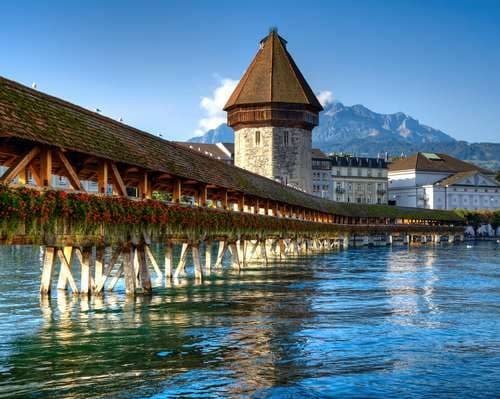
Wooden Bridge in Lucerne
Italy · Austria · Germany · …

Chocolates and Cappuccino

Venice · Salzburg · Garmisch-Partenkirchen · Lucerne · Lake Maggiore

See itinerary
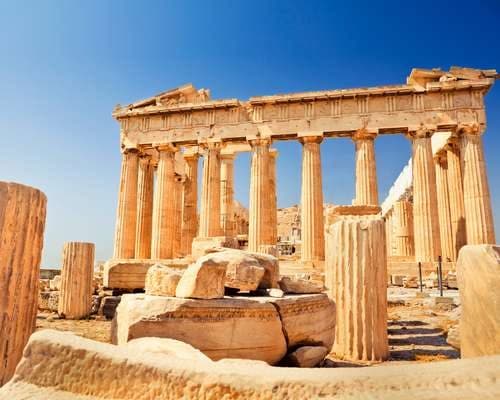
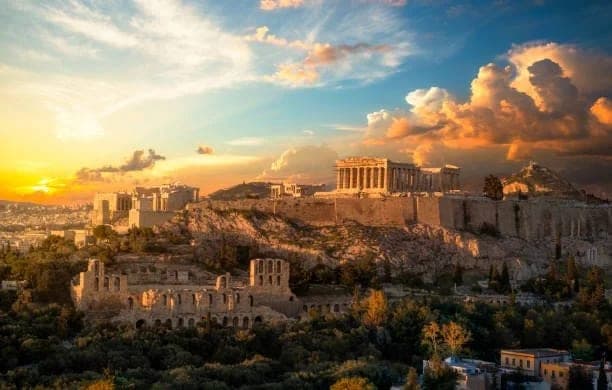
Parthenon on the Akropolis in Athens
Italy · Greece

Classical Discovery

Rome · Athens

Small-group
See itinerary
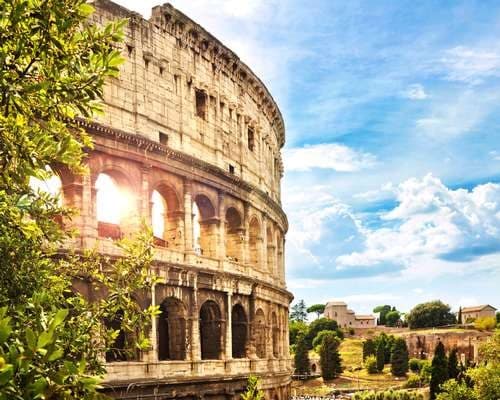
The Colosseum, Rome
Italy · Greece

Classical Exploration

Rome · Sorrento · Athens

Large-group
See itinerary
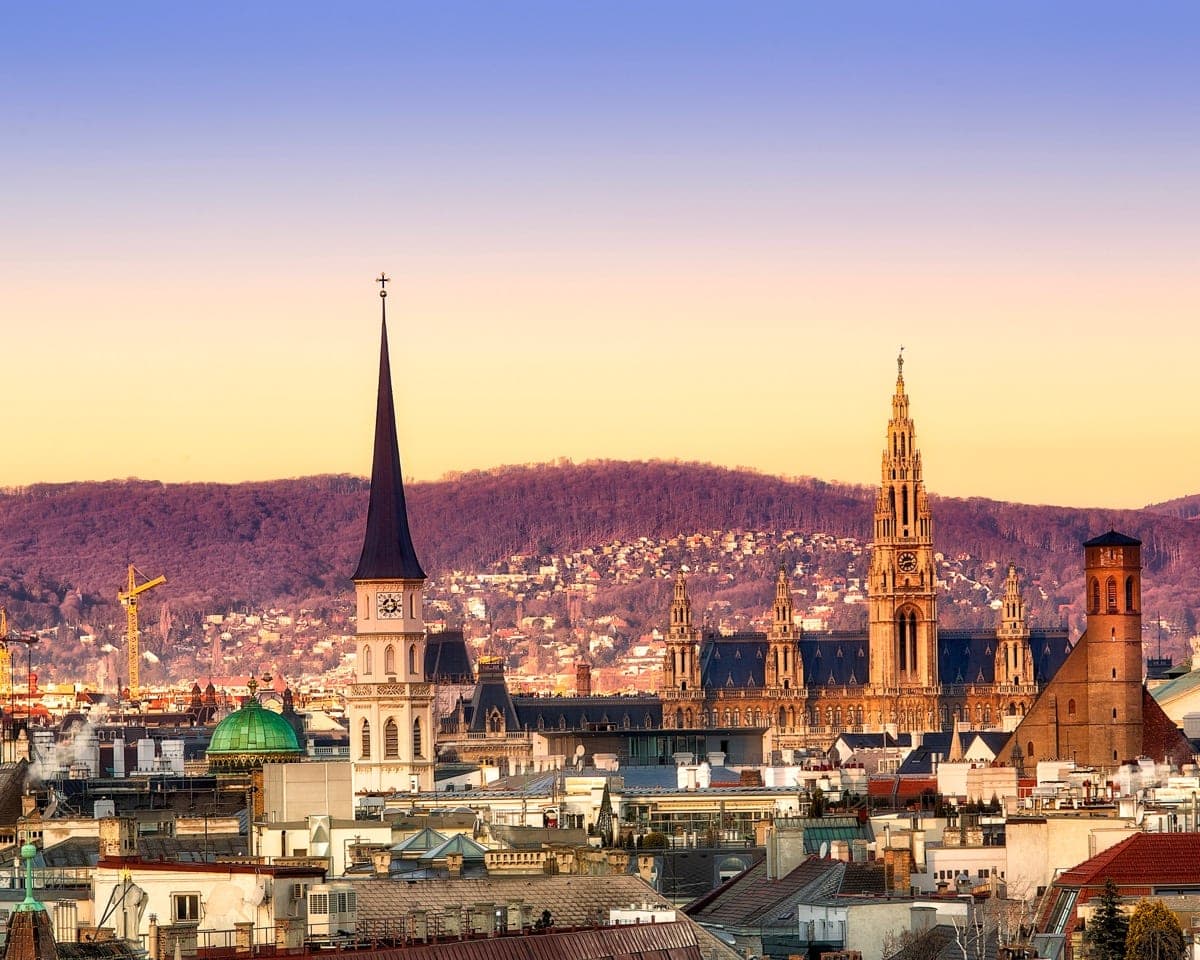
Vienna
Austria · Italy

For The Love of Art and Music

Vienna · Rome

Custom & private
See itinerary
Gondolier
Italy

Italian Vistas

Venice · Montecatini Terme · Florence · Sorrento · Rome

Language-immersion
See itinerary
Classroom material

Lesson plans about Italy

See all →
SpainHistoryGrade 11-12

Age of Discovery: Spain: Columbus First Voyage of 1492

Through the investigation of primary and secondary sources, students in this lesson will identify, understand and be able to explain the details of Columbus' First Voyage to the New World, why he undertook the challenge of sailing west to r…

View lesson
ItalyHistoryGrade 11-12

Ancient Rome: Identity: Rape of the Sabine Women

Through the investigation of primary and secondary sources, students in this lesson will identify, understand and be able to explain the details behind the Rape of the Sabine Women and how the myth became part of the Roman identity and sens…

View lesson
ItalyHistoryGrade 11-12

Ancient Rome: Identity: Romulus and Remus

Through the investigation of primary and secondary sources, students in this lesson will identify, understand and be able to explain the details behind the story of Romulus and Remus. The mythical/historical narrative behind the founding of…

View lesson
TurkeyhistoryGrade 11-12

Byzantine Istanbul (330-1453 CE): Constantinople

Through the investigation of selected primary and secondary sources, students in this lesson will identify, understand and be able to explain why Constantine the Great chose to relocate the Roman capital to Byzantium, how the city preserved…

View lesson
TurkeyhistoryGrade 11-12

Byzantine Istanbul (330-1453): Great Schism of 1054: Orthodox Christianity

Through the investigation of selected sources, students in this lesson will identify, understand and be able to explain in detail the Great Schism of 1054 that split the Christian Church into Eastern Orthodoxy and Roman Catholicism, what di…

View lesson
TurkeyhistoryGrade 11-12

Constantinople/Istanbul: Hagia Sophia: Church of the Holy Wisdom

Through the investigation of selected primary and secondary sources, students in this lesson will identify, understand and be able to explain the importance of Istanbul's Hagia Sophia, how and why it was constructed, why it was converted fr…

View lesson
From the Tour Directors

Tour Director lectures about Italy

See all →
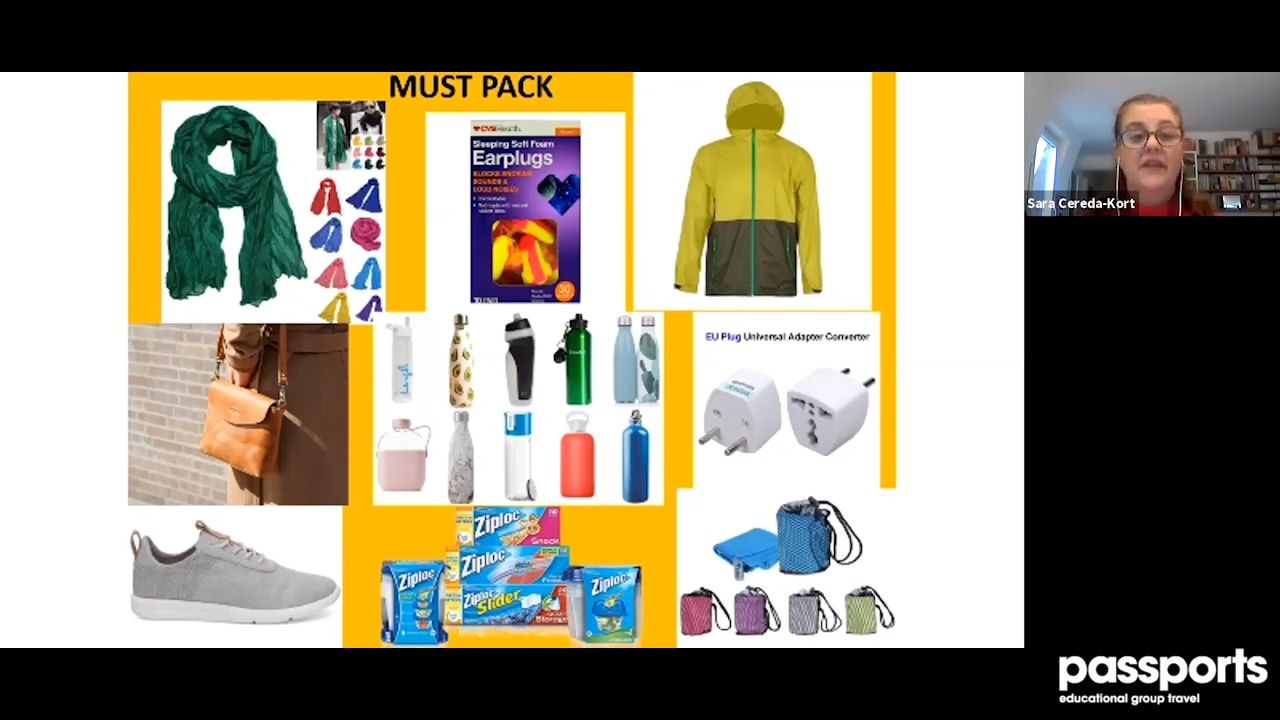
How to travel like a PRO! — Passports Tour Director lecture
Sara Cereda-KortFranceSpainGermanyItalyUKOther

How to travel like a PRO!

Learn from professional Tour Director, Sara Cereda-Kort, useful insider tips to make your life as a traveler in Europe easier and more comfortable. Best preparation for a group tour or for individual travelers.

Watch lecture
Roman Classics: A walk from the Colosseum to the Pantheon — Passports Tour Director lecture
Sara Cereda-KortItaly

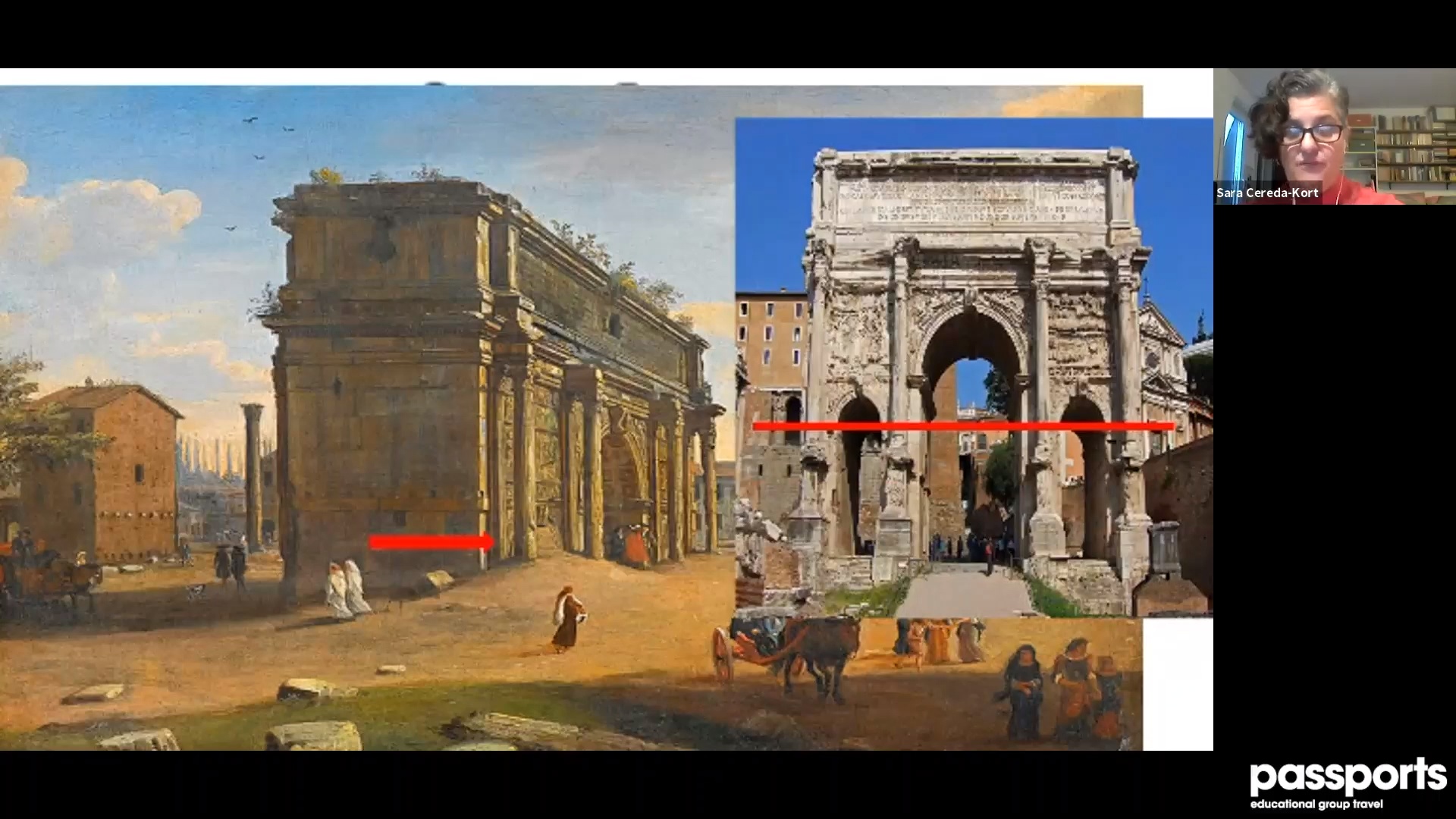
Roman Classics: A walk from the Colosseum to the Pantheon

Watch lecture
Venice and its Fragile Lagoon Ecosystem — Passports Tour Director lecture
Sara Cereda-KortItaly

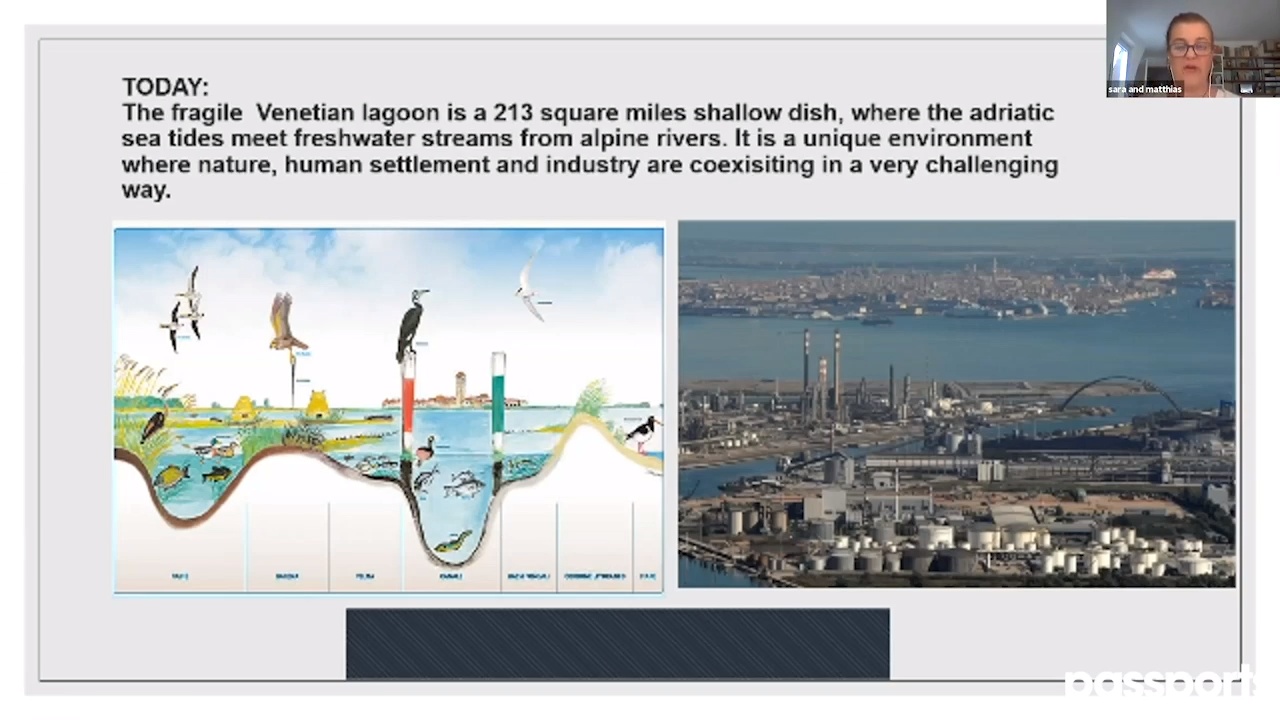
Venice and its Fragile Lagoon Ecosystem

Learn about why and how Venice was built on small islands of the Adriatic lagoon and why it is so important to protect its fragile ecosystem to help this world Heritage site to survive.

Watch lecture
Authentic Italian Cuisine — Passports Tour Director lecture
Sara Cereda-KortItaly

Authentic Italian Cuisine

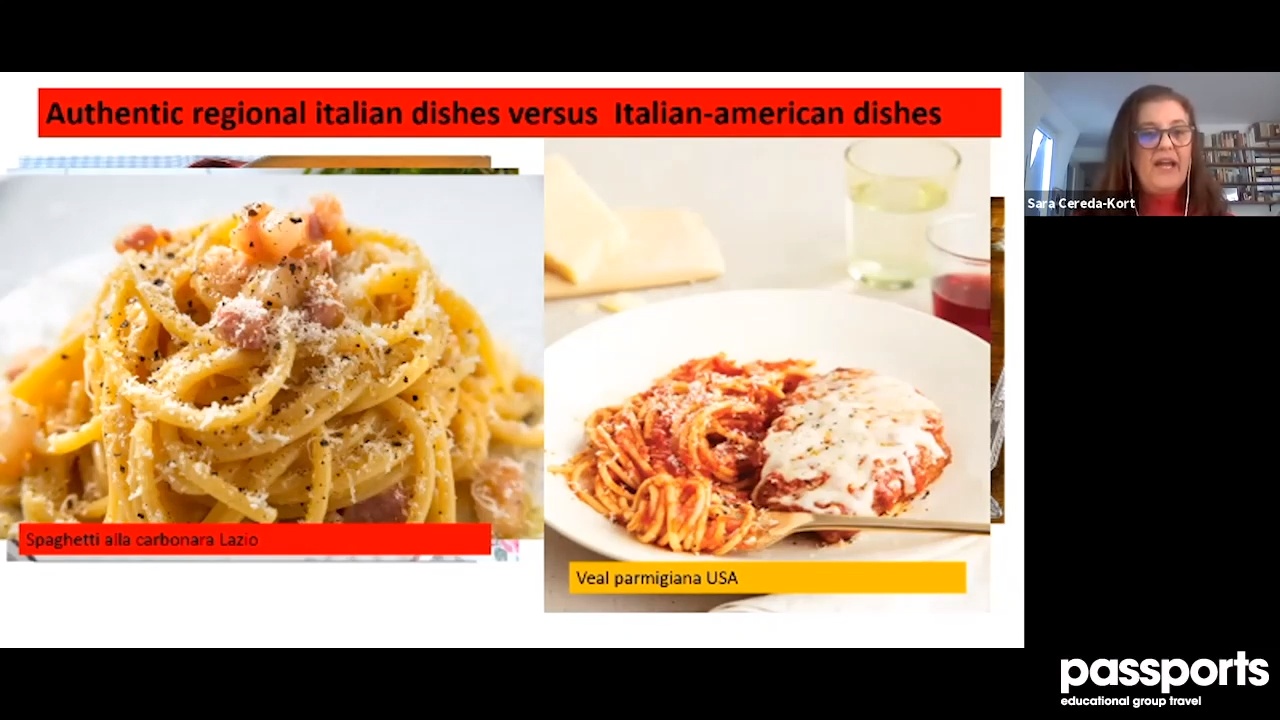
Learn how simple authentic Italian cuisine really is, the do's and don'ts of eating out in Italy, and the secret to cooking the perfect Italian meal yourself!

Watch lecture
From our blog

Blog posts about Italy

See all →
Small Towns, Big Lessons: Why Teachers Should Explore Hidden Gems on Student Tours
destinations

Small Towns, Big Lessons: Why Teachers Should Explore Hidden Gems on Student Tours

Smaller European towns like Toledo, Siena, and Bruges offer student travelers richer cultural connections and hands-on learning than crowded capital cities alone can provide

Read post
Culinary Classrooms Abroad: Teaching Culture Through Cooking
culture and food

Culinary Classrooms Abroad: Teaching Culture Through Cooking

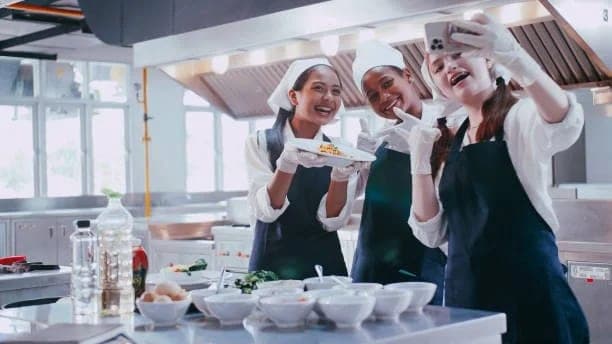
Cooking classes abroad in Italy, Spain, and France give student travelers a hands-on way to learn culture, history, language, and collaboration — one recipe at a time

Read post
Hidden Educational Gems in Europe’s Most Visited Cities
destinations

Hidden Educational Gems in Europe’s Most Visited Cities

Hidden educational gems in Paris, Rome, London, and Barcelona give student travelers deeper, crowd-free experiences tied to history, science, art, and culture

Read post
Unlocking the History Behind European World Heritage Sites: A Teacher’s Guide
educational impact

Unlocking the History Behind European World Heritage Sites: A Teacher’s Guide

Six European UNESCO World Heritage Sites offer rich classroom tie-ins across history, architecture, and culture. This guide gives teachers activity ideas for each landmark

Read post
Exploring Ancient Civilizations Through Student Travel: Top Historical Sites for Teachers
educational impact

Exploring Ancient Civilizations Through Student Travel: Top Historical Sites for Teachers

Student travel to ancient sites like Athens, Rome, and Pompeii transforms history lessons into hands-on experiences, with curriculum connections and pre- and post-trip activity ideas for teachers

Read post
Spontaneous Dancing on Florence’s Ponte Vecchio
destinations

Spontaneous Dancing on Florence’s Ponte Vecchio

Passports travelers spontaneously broke into dance on Florence's iconic Ponte Vecchio, turning an unplanned moment into an unforgettable travel memory

Read post
On the ground

Places we go

Browse all destinations →
Greek temples of the Valley of the Temples at Agrigento lit by Sicilian sunset

Agrigento, Italy

Agrigento student group travel for teachers: Sicily's Valley of the Temples, Greek ruins, and educational tours for teacher-led Italian high school group trips.

Colorful fishing boats lining the harbor of Fiumicino on the Tiber estuary near Rome

Fiumicino, Italy

Fiumicino student group travel guide for teachers: Rome's coastal gateway with Ostia Antica, Portus, and seafood — educational travel for school group tours.

white and black concrete buildings at golden hour

Florence, Italy

Florence student group travel guide for teachers: the Renaissance city as a walking classroom. Uffizi, Duomo, Oltrarno — an educational travel itinerary for high school and middle school groups.

Milan Duomo cathedral facade with Gothic spires under blue sky in Piazza del Duomo

Milan, Italy

Milan student group travel for teachers: the Duomo, La Scala, the Last Supper, and design district fieldwork on teacher-led educational tours of Lombardy.

Pastel-colored seaside village on the Italian Riviera coast with beach and turquoise water

Moneglia, Italy

Moneglia student group travel for teachers: a quiet Ligurian seaside base near Cinque Terre on teacher-led educational tours and high school group trips.

Palermo cathedral with Norman-Arab architecture and palm trees against blue Sicilian sky

Palermo, Italy

Palermo student group travel for teachers: Sicily's capital, the Norman cathedral, markets, and street food on teacher-led educational tours of the south.

Rome Colosseum exterior with arches and ancient stone glowing in golden evening light

Rome, Italy

Rome student group travel for teachers: the Colosseum, Vatican, Forum, and Pantheon on teacher-led educational tours and high school group trips through Italy.

Sorrento cliffs above the Bay of Naples with pastel buildings and lemon groves at sunset

Sorrento, Italy

Sorrento student group travel for teachers: the Bay of Naples, Amalfi Coast gateway, and Pompeii day trips on teacher-led educational tours of Campania.

Taormina hilltop town with the Bay of Naxos and Mount Etna in the distance

Taormina, Italy

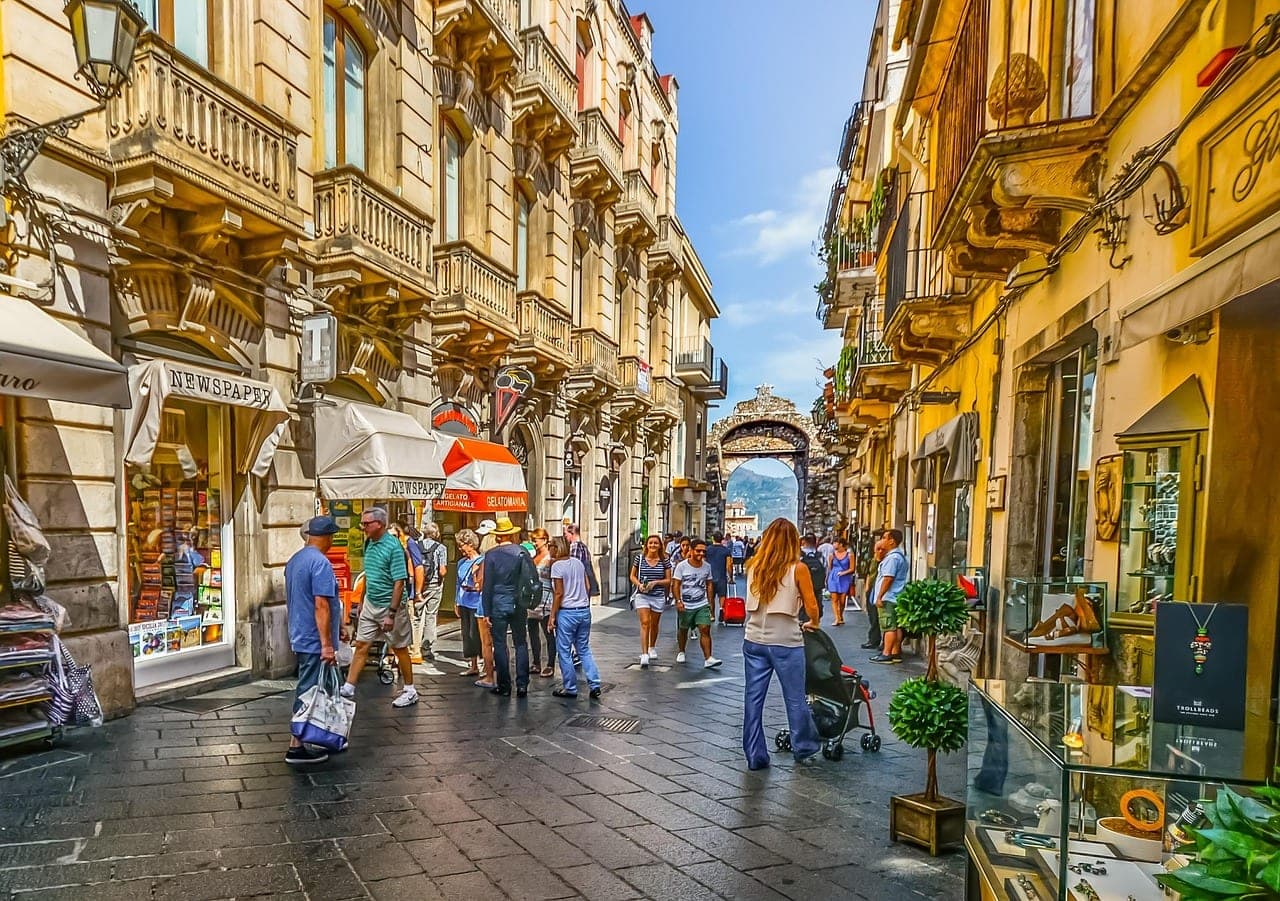
Taormina student group travel for teachers: Sicily's hilltop town, the Greek theater, and Mount Etna views on teacher-led educational tours of the island.

Venice Grand Canal at sunset with gondolas and pastel palazzo facades along the water

Venice, Italy

Venice student group travel for teachers: canals, San Marco, the Doge's Palace, gondolas, and lagoon islands on teacher-led educational tours of the Veneto.

Take your students to Italy.

Every Passports trip is built around a teacher and a group — from first itinerary sketch to the last day on the ground. Tell us what you have in mind and we’ll take it from there.

Plan a trip