- RegionVeneto, Italy
- LanguageItalian (Venetian dialect)
- CurrencyEuro (EUR)
- Best seasonApr - May, Sep - Oct
- TimezoneCentral European Time (UTC+1)
A quick introduction
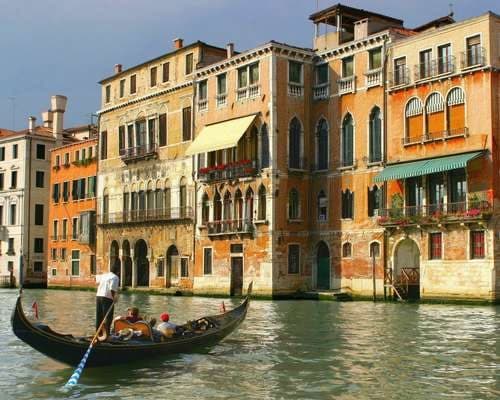
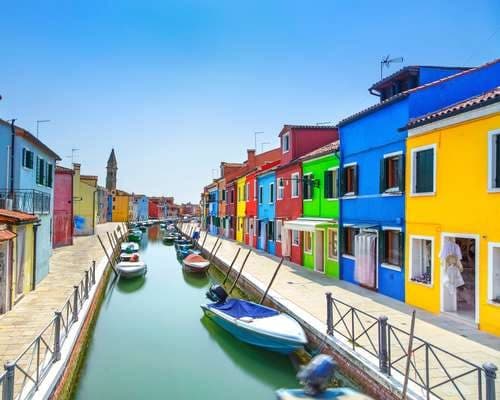
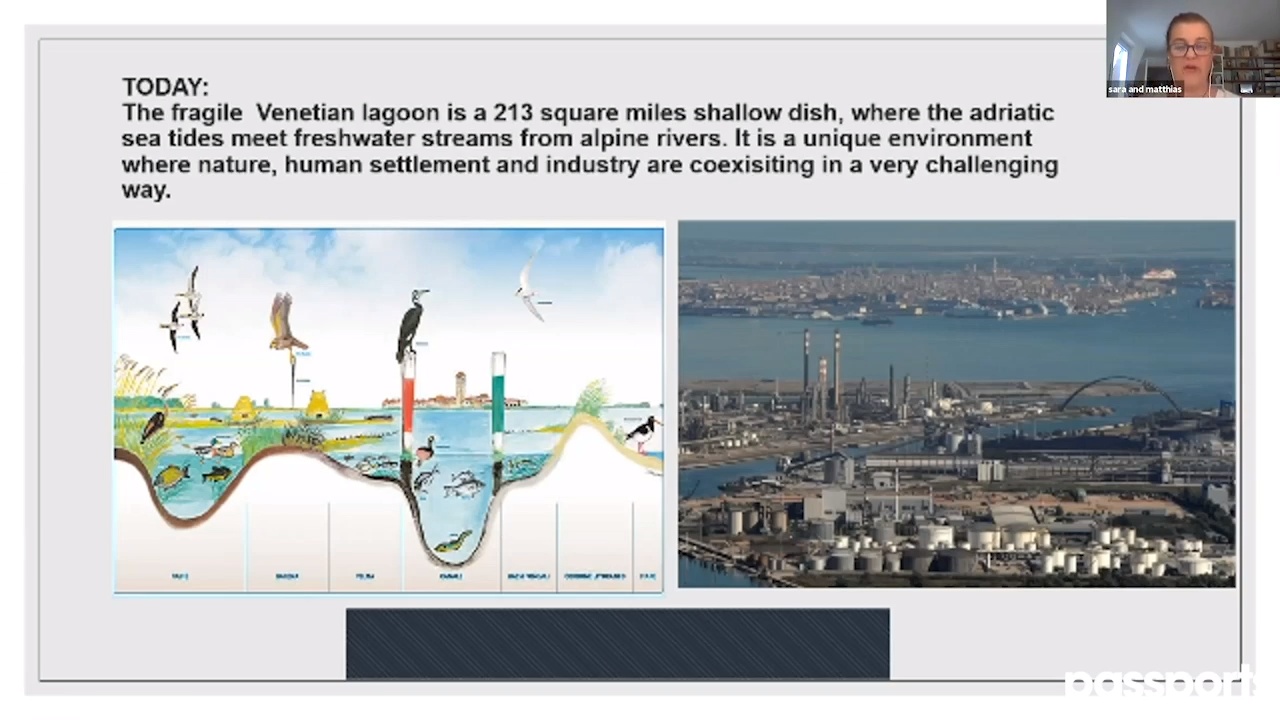
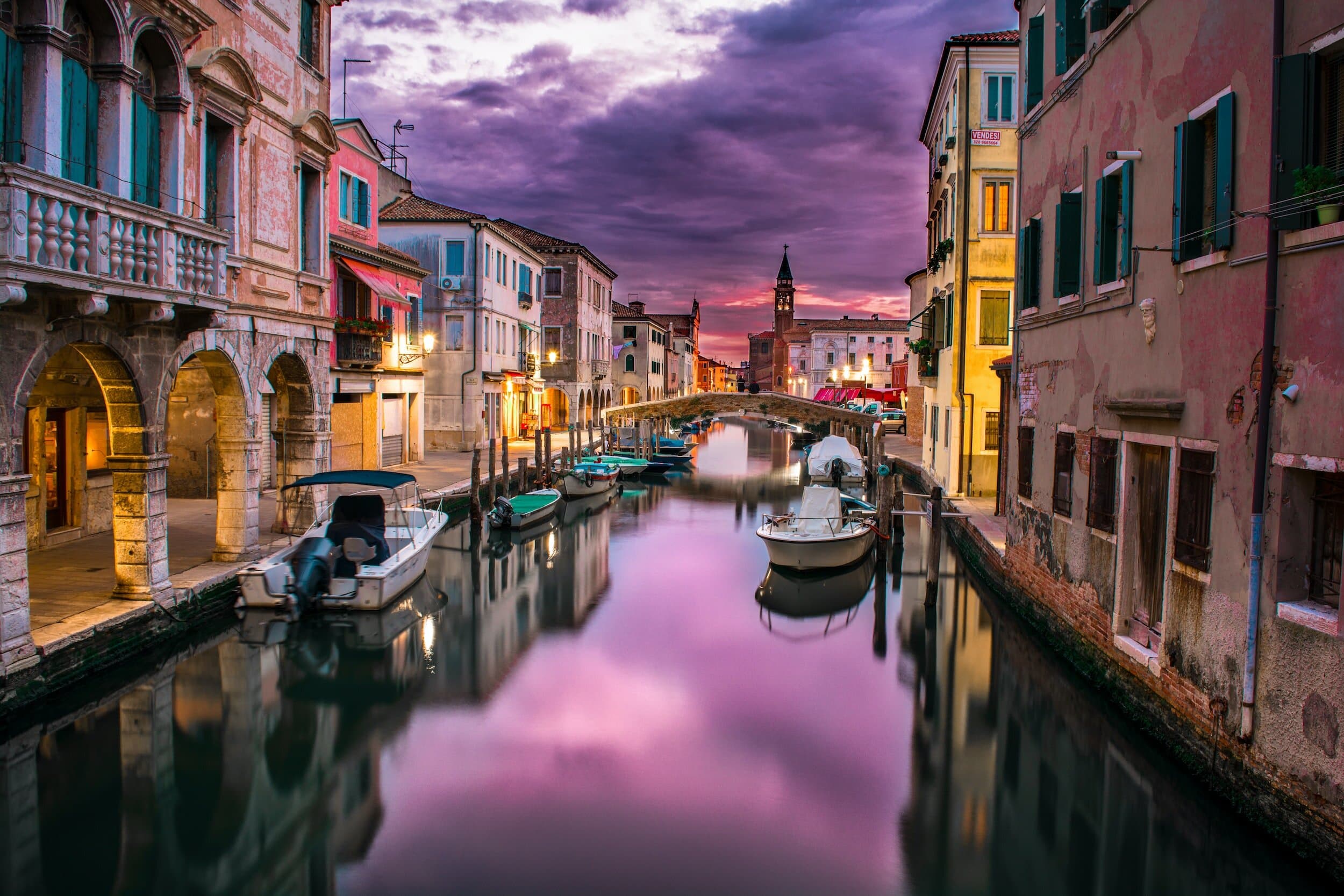
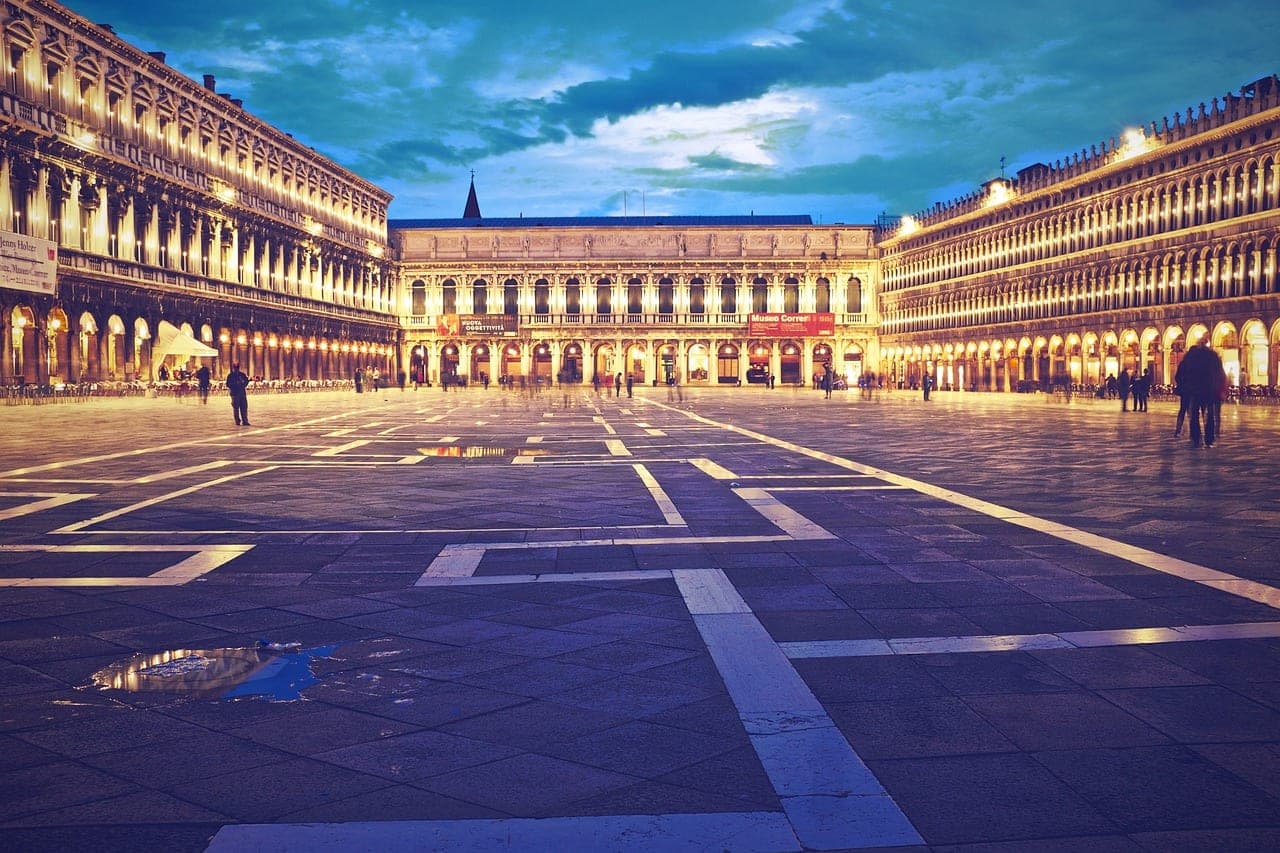
Venice is built on 118 small islands inside a tidal lagoon, laced together by 400 bridges and around 150 canals — a city that runs entirely without cars and where the buses are boats. The population of the historic islands is now under 50,000 (down from a peak of 175,000 in the 16th century when this was the richest trading city in Europe), and the entire historic centro storico is a UNESCO World Heritage site.
For a student group, Venice is the most physically distinctive classroom on our European catalog. The art-history payoff is extreme — Tintoretto, Titian, Veronese, and Bellini are visible in their original churches, not in distant museums — and the geography lesson teaches itself: a city slowly sinking, defended now by the MOSE flood barriers that were finally activated in 2020. Educational travel here pairs cleanly with Florence or Milan as the third leg of a high school group trip; two nights on the island is the right length for a Passports teacher-led tour.
Top things to see and do


When to go
- Apr - May — spring sweet spot
Daytime highs 16-22°C, long evenings on the campi, and the Biennale art shows kicking off in mid-May (in Biennale years). The strongest window for student group travel — book the Doge's Palace and Accademia 4-6 weeks ahead.
- Jun - Aug — Venetian summer
Highs 27-30°C, lagoon humidity that makes it feel hotter, and a city overwhelmed by day-trippers off cruise ships. Workable for summer educational tours but plan San Marco for 8 AM and inner-city wandering for the early evening.
- Sep - Oct — second sweet spot
Highs 19-25°C, light turns soft, and the Regata Storica (first Sunday of September) puts ornate historic boats on the Grand Canal. The pick for a teacher-led tour that wants quiet museums and clean photos.
- Nov - Mar — acqua alta season
Highs 5-10°C, regular fog, and the high-tide acqua alta events that flood Piazza San Marco several times each winter. Carnival explodes the second half of February. Hotels are cheap, lines are zero, but pack rubber boots if you go.
Food and culture

Cicchetti
Venetian small plates — crostini topped with baccalà mantecato, tiny meatballs, marinated anchovies — eaten standing at a bacaro (wine bar) with a small glass of wine. The Venetian lunch ritual.

Sarde in saor
Fried sardines marinated with sweet-and-sour onions, pine nuts, and raisins. A 13th-century preservation recipe; still every bacaro's house specialty.

Risotto al nero di seppia
Risotto cooked in cuttlefish ink — jet black, rich, and faintly briny. The Venetian dish students will photograph hardest.

Baccalà mantecato
Whipped salt-cod spread served on grilled polenta — the classic cicchetto, and (perversely) made from Norwegian stockfish since the 1300s.

Gelato — northern style
Same rule as Florence: covered tubs, flat scoops, seasonal flavors. Mounded rainbow displays in the storefront are the tourist tell.
What to pack
- Documents
Passport valid 6+ months past travel date, two printed copies (one for the student, one for the Tour Director's file), insurance card, and the Passports group packet. No visa for US citizens on Schengen-area stays under 90 days.
- Clothing
Layers — Venice's lagoon air swings 8-10°C between morning and afternoon. Modest dress (shoulders and knees covered) is enforced inside San Marco, the Frari, and every functioning church. A light scarf solves the dress-code moments on the fly.
- Footwear
Broken-in walking shoes; the city is solid stone and a student group will log 12,000-14,000 steps a day plus the cumulative bridge climbs. Closed-toe is mandatory November through March in case of acqua alta puddles.
- Tech
Italy uses Type C / F plugs — universal adapter required. Portable battery for the long museum days. T-Mobile and Google Fi work fine; others should buy a TIM or Vodafone eSIM at VCE airport on arrival.
- Extras
A small daypack with a front zip (anything larger gets checked at the Doge's Palace), a reusable water bottle (the fontanelle across the city pour cold mountain water for free), high-SPF sunscreen May through September, and a compact umbrella the rest of the year. Mosquito repellent May to October — the lagoon breeds them.
Is it safe?
Yes. Italy carries a US State Department Level 2 advisory ("exercise increased caution") — the same as France, Germany, and most of Western Europe — and the elevation reflects generic European terrorism risk, not anything specific to Venice. Violent crime against travelers is genuinely rare and Venice is the calmest major Italian city on our catalog: there are no cars, the police presence in San Marco is constant, and a group can't easily get truly lost. The actual risk profile is pickpocketing in San Marco / Rialto crush, slip-and-falls on wet bridge steps, and the canal water itself.
On a Passports teacher-led trip, the group never crosses a bridge except as a counted unit, the Tour Director runs a pickpocket-and-water briefing on the first evening (no, the students don't go in), and every hotel is pre-vetted for 24-hour reception and secure room storage. We operate a 24/7 emergency line out of Boston, keep parents on a daily-update channel, and maintain English-speaking medical contacts at the Ospedale Civile SS Giovanni e Paolo. For most teachers running their first student group travel to Italy, Venice is the easiest city in the country to chaperone.
Practical tips
- The vaporetto is the bus
The water-bus network covers every island. The Tour Director carries the group pass; we ride as a unit. The Grand Canal trip on the #1 from Piazzale Roma to San Marco is the cheapest 45-minute architectural tour in the city.
- Churches enforce dress codes
Shoulders and knees covered at San Marco, the Frari, and every operating church. Vendors at the basilica entrance sell cover-up scarves; the on-the-fly fix works.
- Getting lost is the lesson
No street grid, no two calli the same width, and the yellow signs (per San Marco / per Rialto / per Accademia) are how locals navigate. The Tour Director carries the paper backup; phones drain quickly running offline maps.
- Lunch closes from 3 to 7
Venetian restaurants close hard between lunch and dinner. Bacari (cicchetti wine bars) stay open through the afternoon and serve the cheap, authentic, walking lunch. Sit-down meals are 12:30-2:30 or 7 onward.
- Cash for the bacari
Contactless is now standard at restaurants and shops. Cash helps at the bacari (wine bars often round to the euro) and the Rialto market stands. Pull from the BancoPosta near the Rialto bridge.