- RegionCentral Europe
- LanguageGerman
- CurrencyEuro (EUR)
- Best seasonMay - Sep (long days, mild weather)
- TimezoneCentral European Time (UTC+1)
A quick introduction
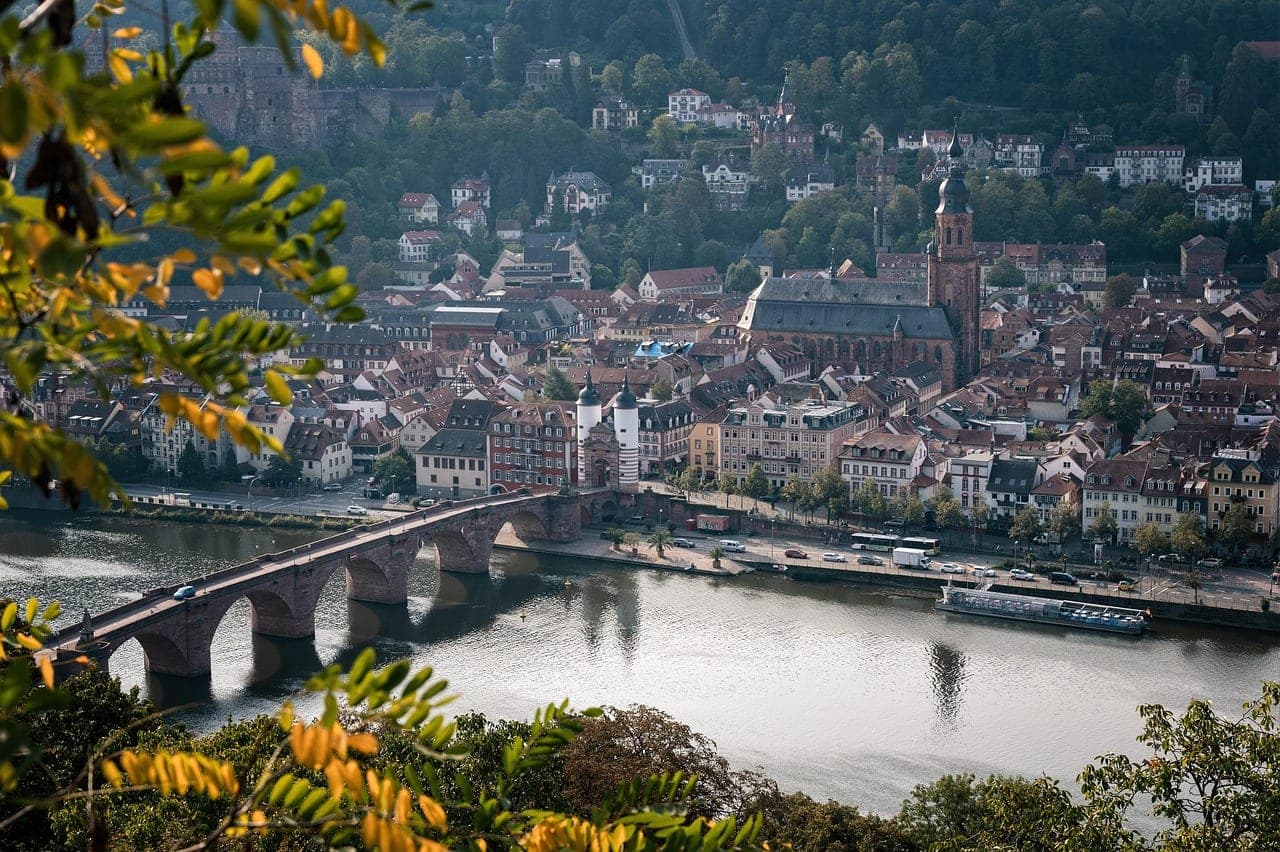
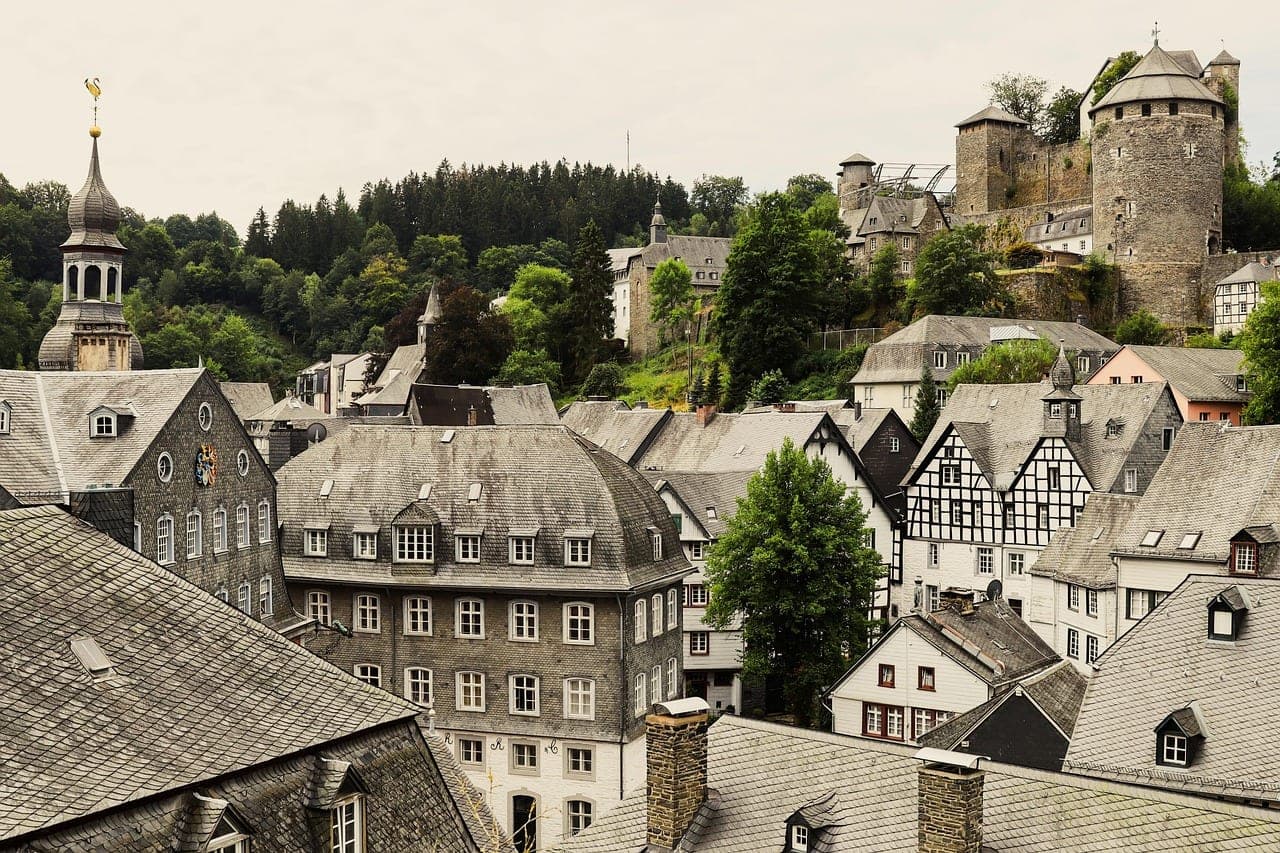
Germany is big by European standards — 357,588 km², roughly the size of Montana — with a population of about 84 million and a capital, Berlin, that still reads as two cities stitched together thirty-five years after reunification. It's the most-populous country in the European Union and the EU's largest economy, a federal republic of sixteen Bundesländer that each run a distinct local identity, and holder of 52 UNESCO World Heritage sites — the third-highest tally on the planet after Italy and China. The country spans North Sea coastline, the Rhine's vineyard bluffs, the walled medieval towns of the Romantic Road, and the Bavarian Alps inside a single rail network.
For a school group, Germany is arguably the most curriculum-dense destination in Europe. A well-built week threads AP European History, AP German, WWII and Holocaust studies, Cold War civics, and a serious STEM angle (Gutenberg, Einstein, the Bauhaus, BMW, Volkswagen) without a single painful transit day. Germany is one of the most-requested destinations in our educational travel catalog, and among the most reliable for first-time teacher-led trips to Europe: trains run, hotels are where they're supposed to be, and English is widely spoken in tourism. If your high school group trip is looking for a destination that earns its academic hours across five or six subjects at once, Germany belongs at the top of the short list.
Germany by the numbers
A week with a Passports group
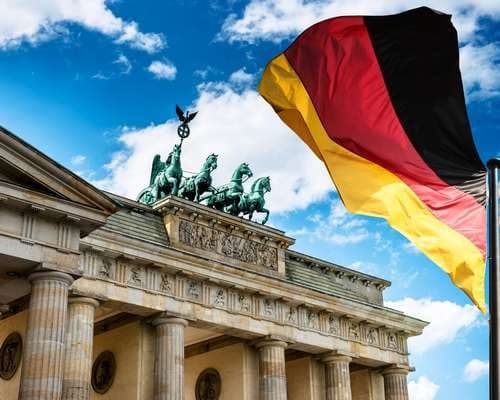
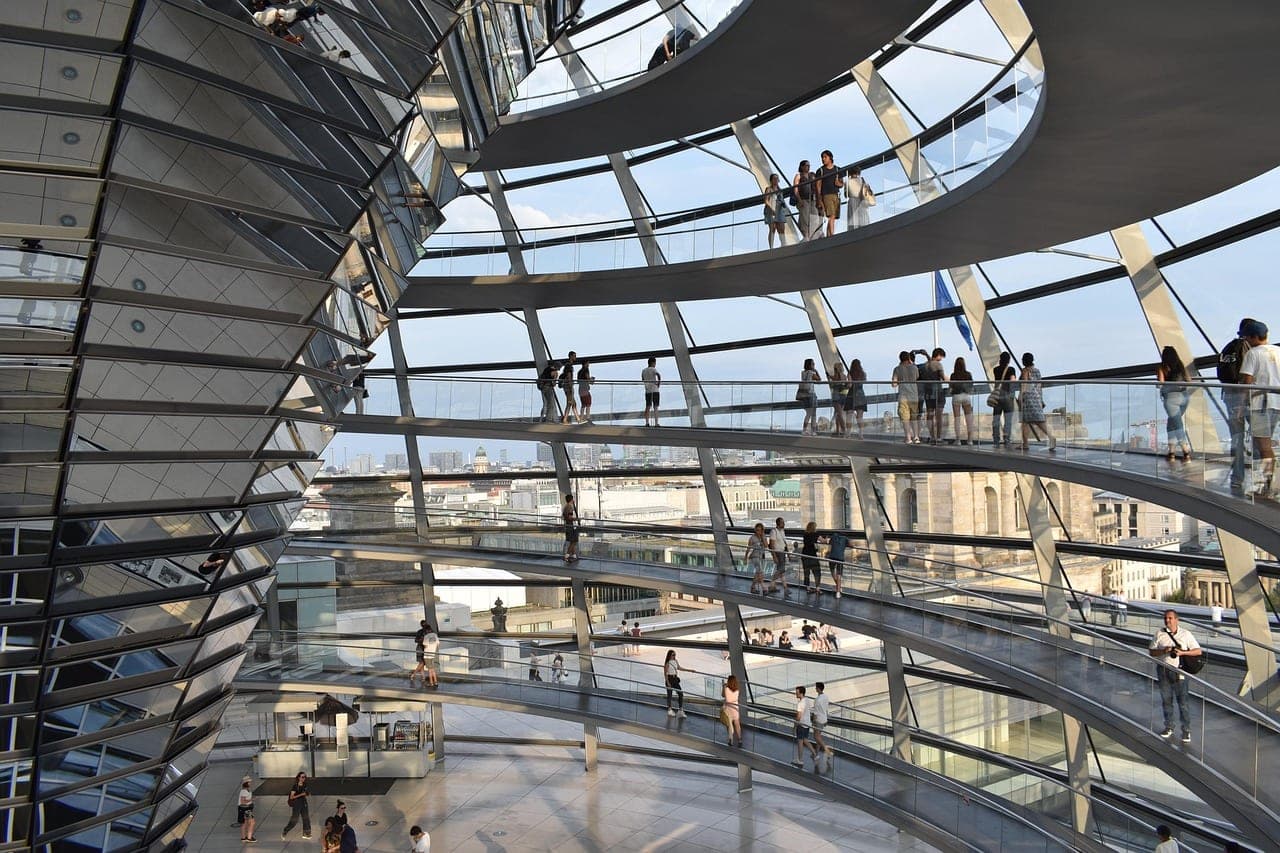
A typical Passports high school group trip to Germany runs seven to ten days and lines up cleanly for spring break, early summer, or the first half of July. Day one is Berlin: arrival, an afternoon orientation walk that hits the Brandenburg Gate, the Reichstag dome, and the Holocaust Memorial of the Murdered Jews of Europe, and dinner with the Tour Director who stays with the group for the full week. Day two builds out the Cold War spine of the trip — Checkpoint Charlie, a stretch of the Berlin Wall at the East Side Gallery, and the DDR Museum for a hands-on read on daily life behind the Iron Curtain.
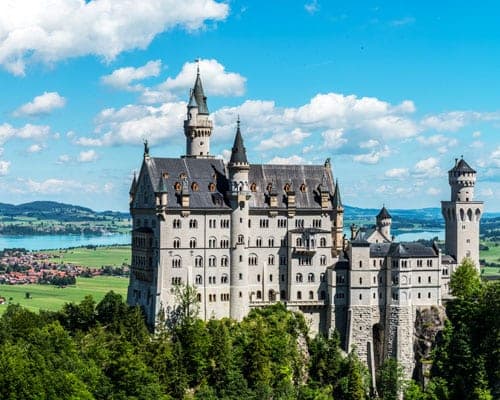
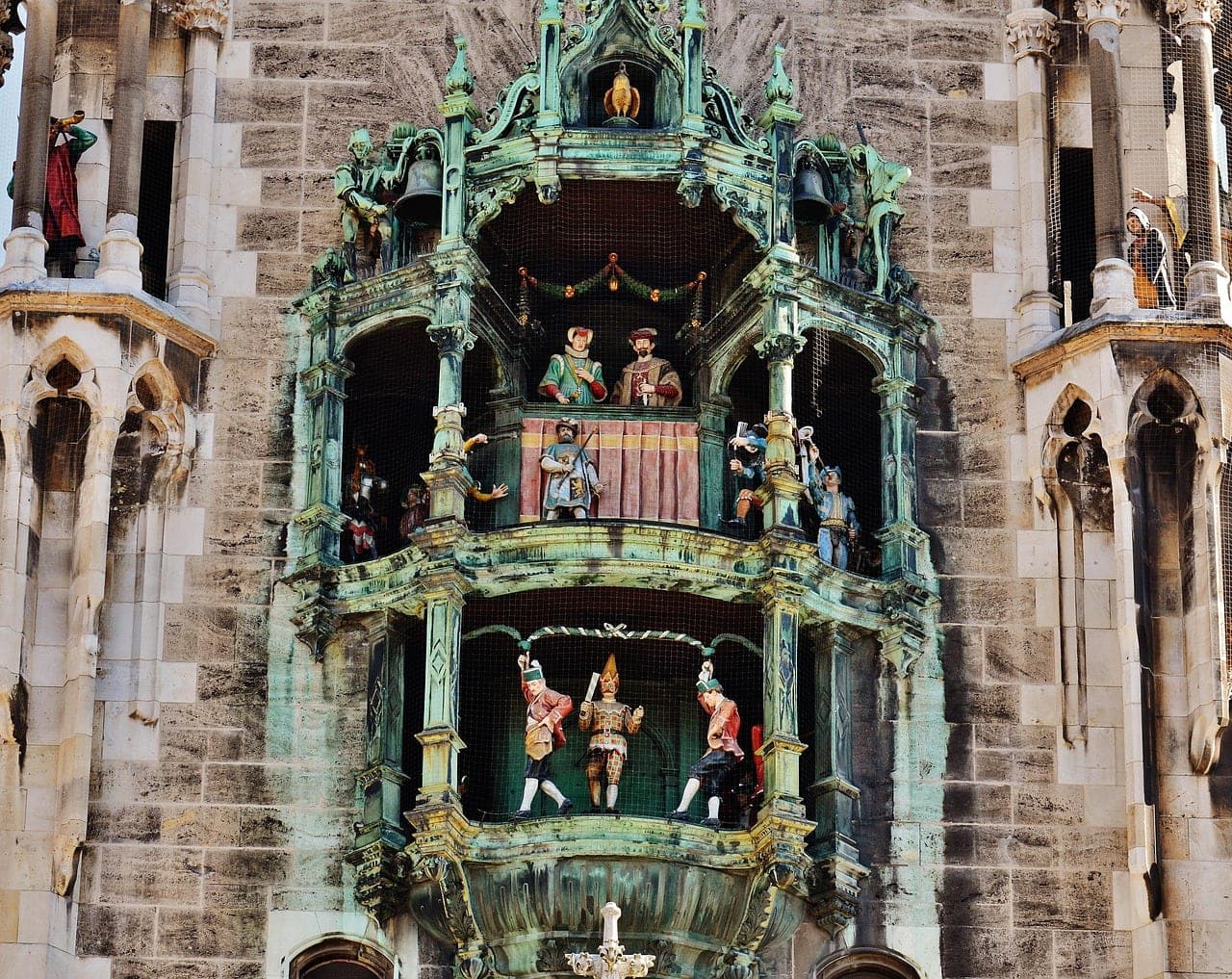
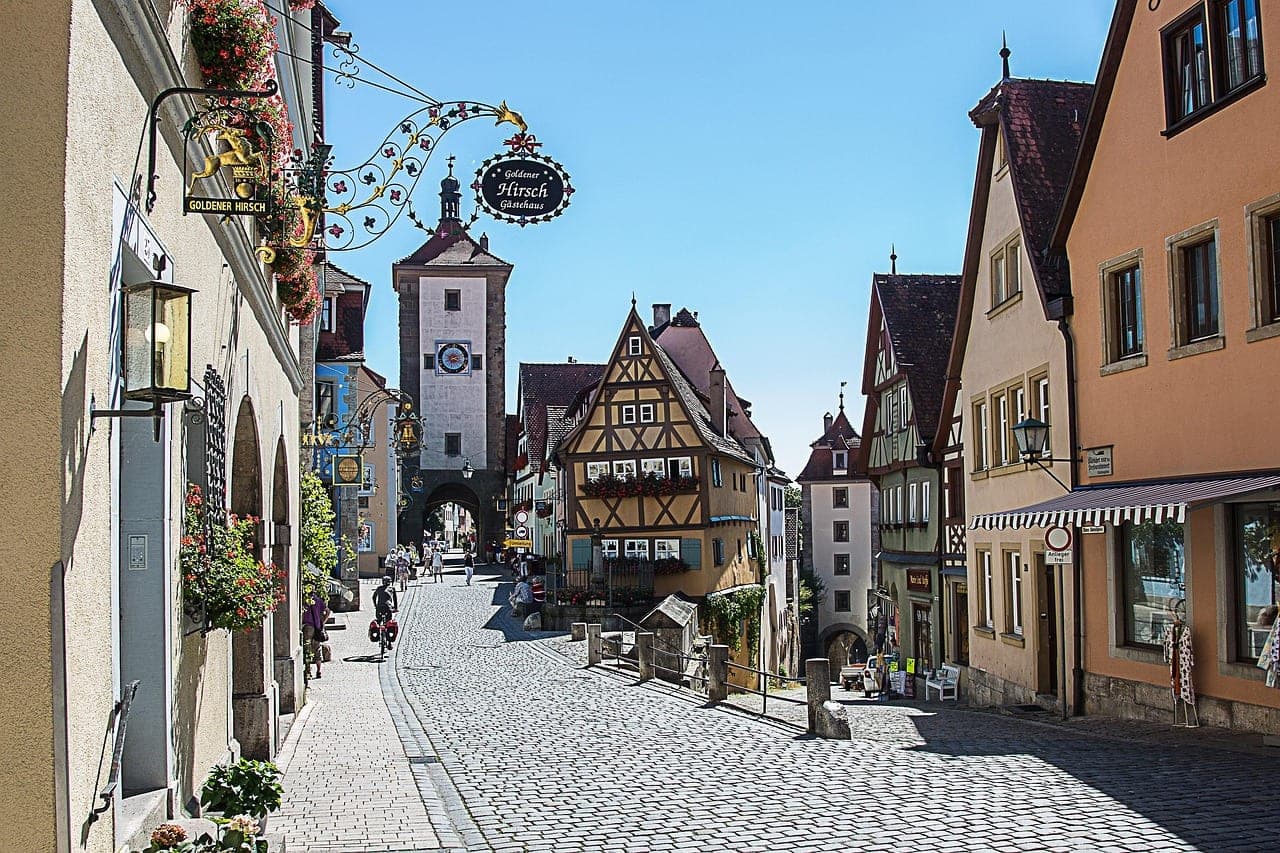
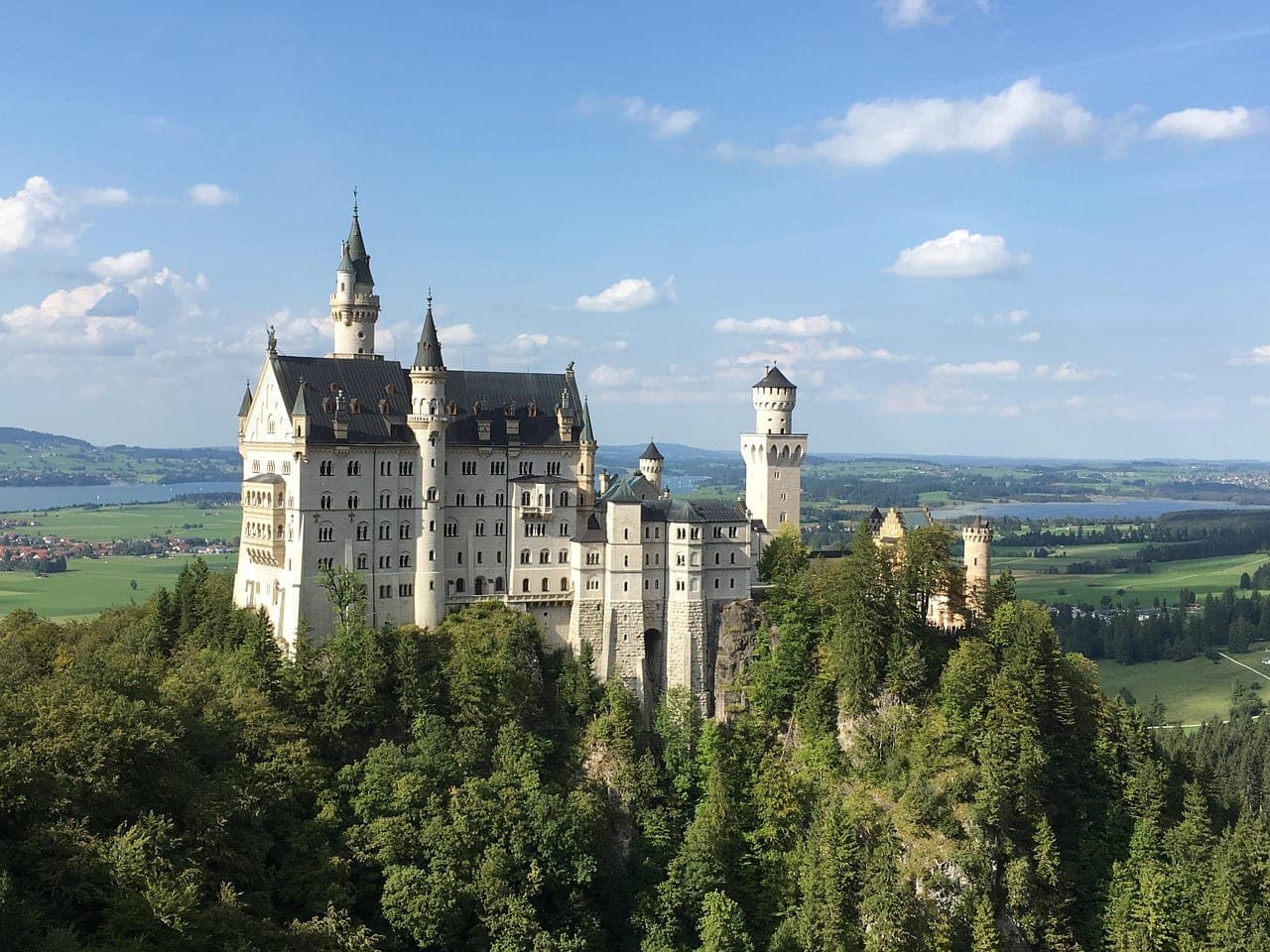
The middle of the week is the curricular heart of the trip. An ICE high-speed train carries the group south to Munich — a painless four-hour ride that doubles as a geography lesson — for two nights anchored on Marienplatz. A half-day at the Deutsches Museum or the BMW Welt delivers the STEM block, and the Dachau concentration camp memorial a short S-Bahn ride outside the city is the most heavy-weight stop on the itinerary. From Munich, most groups add a side day to Neuschwanstein — the Bavarian Alps fairy- tale castle that inspired Disney — or loop through a walled Romantic Road town like Rothenburg ob der Tauber. Students consistently rank that alpine day as the trip's best surprise.
We've run student group travel to Germany for enough years that every moving part has a backup plan: a rail strike, a thunderstorm rerouting the Neuschwanstein hike, a student with dietary restrictions nobody mentioned before the first schnitzel lunch. The educational travel piece is real — most itineraries include a guided memorial visit and a structured debrief for the WWII and Holocaust studies block, with optional service-learning or reconciliation-site volunteering on longer programs — but what teachers remember is that the logistics simply work. Private coach between hotels, ICE rail for the long hops, and a Tour Director who handles the two hundred small moves an American group doesn't see.
Top things to see and do


When to go
- Jun - Aug — long days and festival season
Daytime highs 22 - 28°C across most of the country, with daylight stretching past 9:30pm in June. Beer gardens are open, the Kieler Woche sailing festival runs in late June, and city museums stay open later on weekends. Peak tourism — book early — and the main summer-break window for educational travel to Germany.
- May & Sep — shoulder-season sweet spot
Our favorite window for teacher-led trips. Vienna-level museum-crowding drops off, hotel pricing softens, daytime highs sit at a mild 15 - 22°C, and the rhododendron gardens and first hints of fall color tune up the Rhine and the Bavarian Alps. The anchor spring-break and fall-travel window for AP European History and German-language school group tours.
- Oct — Oktoberfest caveat and foliage
The first two weeks of October cover the tail end of Oktoberfest (it starts mid-September despite the name), which makes Munich hotels scarce and pricey — we steer school groups around those dates. Foliage in the Rhine Valley and the Black Forest peaks mid-October, and the rest of the country is calm, crisp, and rewarding.
- Dec - Feb — Christmas markets and alpine cold
The Nuremberg, Dresden, Munich, and Berlin Christkindlmärkte run from late November through Christmas Eve — a specialty window we build interim-term and holiday student tours around each year. January and February are bitterly cold (-5 to 2°C in the cities, sub-zero in the Alps), so we pack for weather and keep itineraries weighted toward indoor museums.
Food and culture

Bratwurst & currywurst
Grilled pork sausage in a crusty Brötchen roll with sharp mustard is the national street food. In Berlin, ask for currywurst — sliced sausage swimming in a curry-dusted ketchup — and eat it standing at an Imbiss stand the way Berliners do.

Bavarian pretzel
A fist-sized soft Brezn, dusted with coarse salt, split and buttered. The Bavarian breakfast standard and the beer-garden default. Warm from the oven at a Munich bakery, it's a completely different food from the American mall version.

Wiener Schnitzel vom Schwein
A thin, breaded pork cutlet pounded flat and pan-fried golden, served with a lemon wedge and potato salad or Kartoffelsalat. Every Gasthaus does one; the veal original is labeled Wiener Schnitzel vom Kalb and costs about twice as much.

Schweinshaxe & Sauerbraten
Schweinshaxe is a slow-roasted pork knuckle with crackling skin — a showstopper plate at a Munich beer hall. Sauerbraten is the Rhineland answer: beef marinated for days in vinegar and spices, served with red cabbage and potato dumplings. Either one feeds two hungry students.

Black Forest cake & Apfelstrudel
Schwarzwälder Kirschtorte — layers of chocolate sponge, whipped cream, sour cherries, and Kirschwasser — is the Black Forest's contribution to world dessert. Apfelstrudel with vanilla sauce is the Bavarian counterpart, ideal after a cable-car day in the Alps.
Classroom connections
What to pack
- Documents
Passport valid at least three months past the return date (the Schengen rule), two printed copies — one for the student, one for the Tour Director's file — insurance card, and the Passports group packet. US citizens don't need a visa for stays under 90 days; the EU's new ETIAS electronic authorization rolls in during 2026 and the Passports office files it on the group's behalf ahead of departure.
- Clothing
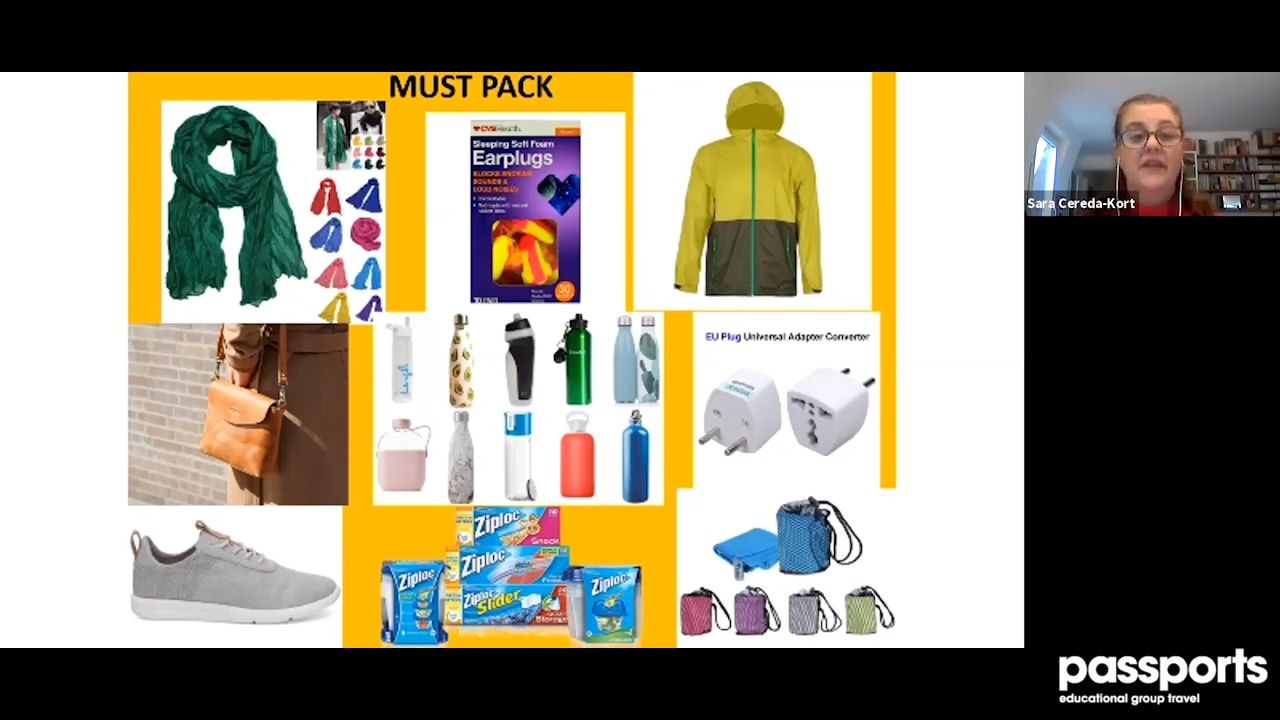
Layers over bulk. A rain shell, a fleece or light down jacket even in summer (the Alps and the North flip cool fast), and breathable midlayers in spring and fall. One "smart-casual" outfit for a Berlin Philharmonic or Gewandhaus concert night — Germans lean dressier than Americans for concerts and sit-down dinners.
- Footwear
Broken-in walking shoes or light trail runners for the cobblestones in Rothenburg, Dresden, Regensburg, and every other old town. Cobblestones eat heels. A second pair for concert or dinner nights keeps the daypack pair dry if the day's weather turns.
- Rain gear
Germany is drizzly by default — the Rhine, Bavaria, and the North all see regular showers outside high summer. A compact rain jacket lives in the daypack year-round. Skip the umbrella; Berlin's wide-boulevard wind tunnels and alpine gusts destroy them by day two.
- Tech
Germany uses Type C/F two-round-pin plugs at 230V. A simple Type C adapter or a global multi-adapter is essential. T-Mobile's Magenta Max and Google Fi work out of the box; other carriers can pick up a prepaid Telekom, Vodafone, or O2 SIM on arrival. A portable battery earns its weight on museum-heavy days.
- Extras
A reusable water bottle (public fountains and tap water are excellent), a small notebook for reflection journaling, a handful of €0.50 and €1 coins for public bathrooms and supermarket-cart deposits, and a compact daypack for day-trip essentials at Dachau, Neuschwanstein, or a Rhine cruise.
Is it safe?
Yes. Germany has one of the lowest violent-crime rates in the developed world, world-class public infrastructure, and an excellent medical system. The US State Department currently rates it Level 2 ("exercise increased caution") — the same advisory level applied to France, the United Kingdom, Spain, and Italy under a broader European terrorism-threat bulletin that's less specific to Germany than the level number suggests. The realistic risk profile for a school group tour is pickpocketing around the main train stations in Berlin and Munich and at the Oktoberfest grounds, and the countermeasures are the same as anywhere in Europe: cross-body bag, a zipped inner pocket for the phone, and a first-night Tour Director briefing.
On a Passports teacher-led trip, the group is never on public transport unsupervised, never splits up without a defined meetup time, and never out of reach of a named Tour Director who stays with the group 24/7 for the full week. We operate a 24/7 emergency line out of our Boston HQ, keep parents on a daily-update channel, and have pre-vetted English-speaking medical contacts in Berlin, Munich, Frankfurt, and Hamburg. For most teachers leading school group tours to Germany, the day-to-day logistics feel safer than a domestic field trip.
Practical tips
- Germany is still a cash country
Cards are accepted at hotels, chain restaurants, and most museums, but small cafés, bakeries, Imbiss stands, Christmas-market stalls, and plenty of taxi drivers are cash-only or Girocard-only. About €50 - €100 per day in €5, €10, and €20 notes covers snacks, tips, and the occasional pastry no one will admit they already ate.
- Punctuality is a culture, not a preference
Trains leave on the minute, tour slots start on time, and being five minutes late is socially loud in Germany. Every Passports teacher-led trip builds a ten-minute cushion before each moving departure, and the Tour Director calls the day's schedule at breakfast so students know exactly what "we leave at 8:15" actually means.
- ICE rail is a marvel, but we coach
Deutsche Bahn's ICE high-speed network is one of the best in Europe, and teachers sometimes ask about dropping the coach. The short answer: a private coach keeps 25 high schoolers plus luggage together, on schedule, and with the Tour Director free to teach rather than wrangle tickets. We combine the two on longer itineraries — ICE for the Berlin-to-Munich leg, private coach for everything else.
- Sundays are quiet — plan around closures
Most shops, supermarkets, and smaller cafés close on Sundays under Germany's Ladenschlussgesetz (shop-closing law). Museums, restaurants, and train-station convenience stores stay open, but the day feels noticeably slower. A good Sunday is a castle, a long lunch, and a quiet walk — which is, frankly, excellent for a high school group on day five.
- Sparkling tap, bottled by default
German restaurants serve Mineralwasser mit Kohlensäure (sparkling) or ohne Kohlensäure (still) by default and almost never bring free tap water. Ordering Leitungswasser works but can raise eyebrows. Bring a reusable bottle, refill at the hotel, and pay for bottled at dinner — it's cheap and part of the culture.