Destination

Munich, Germany

Munich student group travel guide for teachers: Marienplatz, the Residenz, Dachau, and Bavarian Alps day trips — educational tours for high school groups.

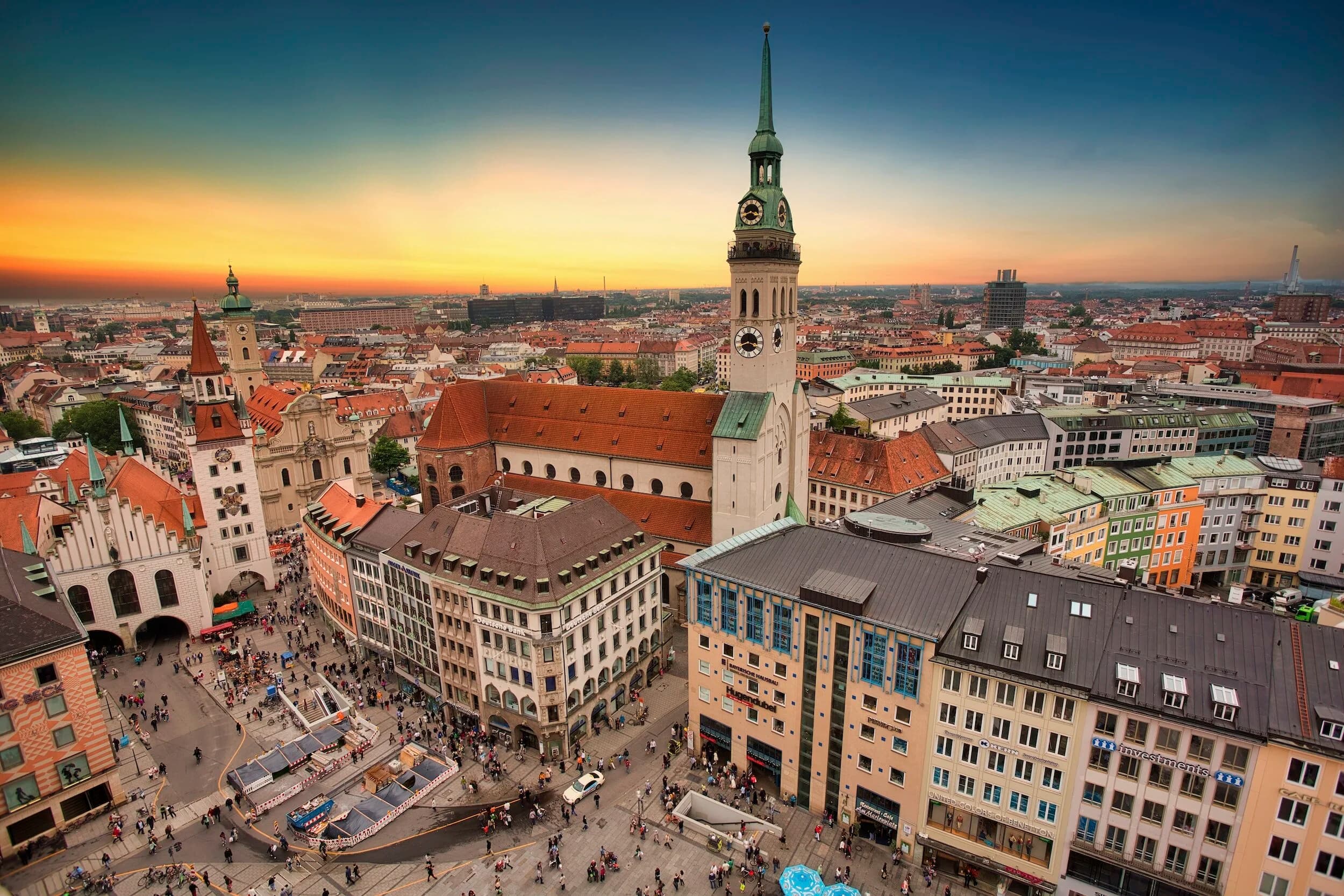
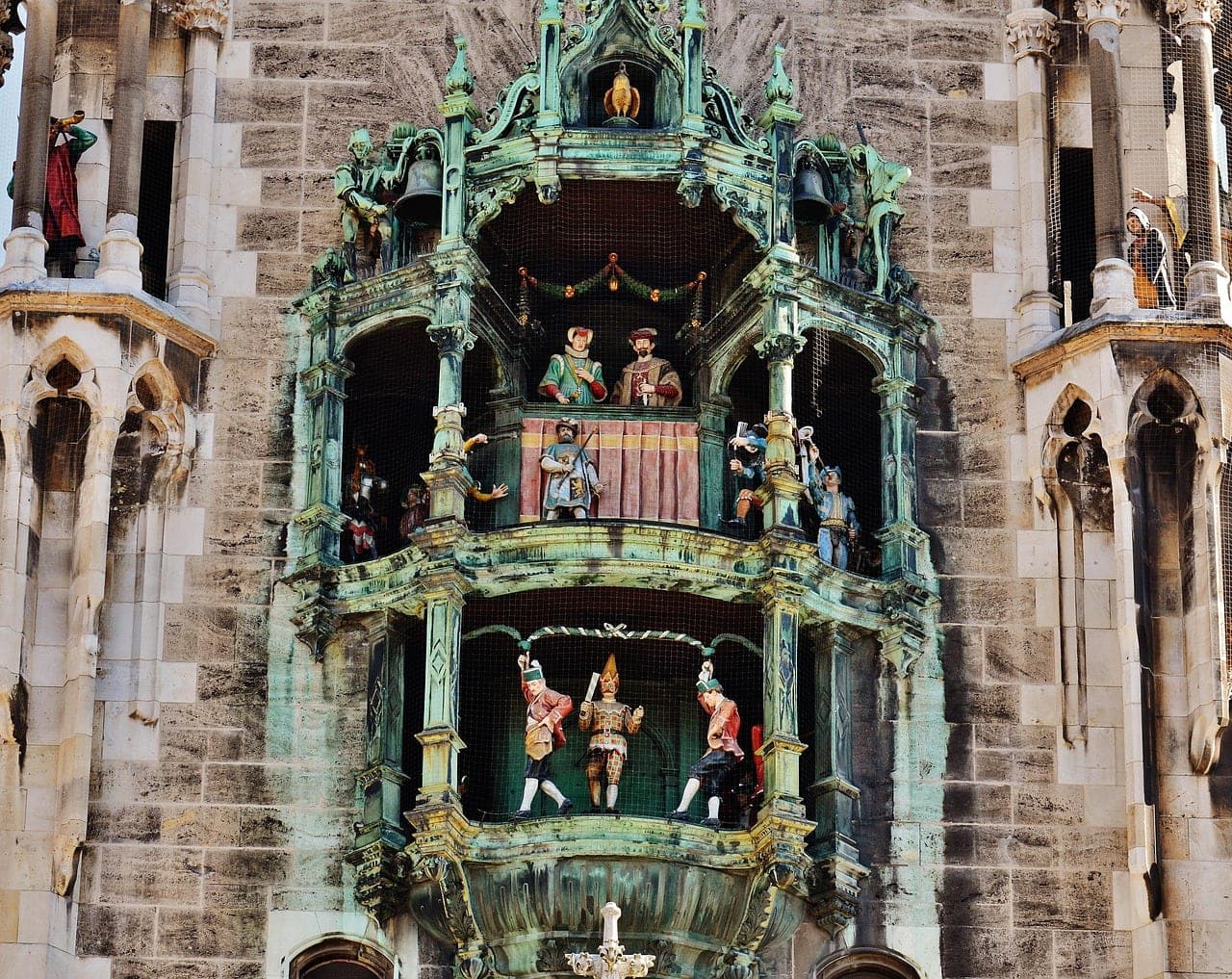
Marienplatz square with Munich's New Town Hall and Glockenspiel tower in the Bavarian capital
On this page
  • How Munich's compact center, the Altstadt, walks in a single morning
  • Six sights to see — Marienplatz, the Residenz, Frauenkirche, English Garden, Dachau, BMW
  • What to eat: Weisswurst, schnitzel, sauerbraten, pretzels, Apfelstrudel
  • When to go, what to pack, and whether Munich is safe for student groups
  • Practical logistics for teachers: U-Bahn day passes, Tracht etiquette, Sundays closed
← All city guidesCountry guide: Germany
Plan a trip

A quick introduction

Munich is Germany's third-largest city — about 1.5 million people in the city, 6 million in the metro — and the cultural capital of Bavaria. The Altstadt sits on the Isar River at 520 meters elevation, with a clear view of the Alps on a good day. The Wittelsbach dynasty ran the place for 738 years; the Residenz palace, the Hofgarten, and the Frauenkirche are all theirs. Heavily bombed in WWII and painstakingly rebuilt to the original footprint after 1945, the Munich you walk today is a careful reconstruction of the medieval and baroque city, not a pastiche.

For a high school group trip, Munich does double duty as a Bavarian cultural anchor and a 20th-century history classroom. The Residenz and Marienplatz cover monarchy and civic life; Dachau Concentration Camp Memorial Site (a 25-minute S-Bahn ride) and the NS-Dokumentationszentrum cover the Third Reich; and the BMW Welt and Olympiapark cover post-war reconstruction and the 1972 Games. Educational travel here is content-rich without being logistically complicated — the city's transit, museums, and beer halls all run on schedule.

Day by day

Top things to see and do

Marienplatz & the Glockenspiel

Marienplatz & the Glockenspiel

The civic heart of the city. The Neues Rathaus Glockenspiel runs at 11 AM, noon, and (May-October) 5 PM. Climb the tower for the cleanest view of the Frauenkirche's twin onion domes.

The Residenz

The Residenz

The Wittelsbach palace — 130 rooms, the gilded Antiquarium, the Treasury with the crown jewels. Plan two hours minimum; the audio guide is the best in the city.

Frauenkirche

Frauenkirche

The 1488 brick cathedral with twin copper-green onion domes that define the skyline. The "Devil's Footprint" inside the entrance is the photo students always remember; height limits keep it the city's tallest visible structure.

English Garden & the Eisbach surfers

English Garden & the Eisbach surfers

Larger than New York's Central Park. The standing wave on the Eisbach river by the Haus der Kunst draws a steady rotation of surfers year-round — a 15-minute stop that students remember longer than most museums.

Dachau Memorial Site

Dachau Memorial Site

The first Nazi concentration camp (opened 1933), now a free-admission memorial and documentation site. Twenty-five minutes by S-Bahn from Hauptbahnhof. A serious half-day visit and one of the most important stops on any German educational tour.

BMW Welt & Olympiapark

BMW Welt & Olympiapark

The 1972 Olympic park's tent-roof architecture, the BMW headquarters' "four-cylinder" tower, and the BMW Museum next door. A useful late-afternoon counterweight to the heavier history stops.

Weather by season

When to go

  • May - Jun — spring sweet spot

    Daytime highs 18-24°C, beer-garden chestnut trees in full leaf, English Garden green, occasional thunderstorms. The classic educational travel window for Bavaria — comfortable for walking and cool enough for a heavy itinerary.

  • Jul - Aug — peak heat, peak crowds

    Daytime highs 24-30°C and heavy international visitor traffic at Marienplatz and Neuschwanstein day-trips. Long daylight (sunset around 21:30 in late June) extends the day. Fine for a determined summer student group; book Dachau and the Residenz at opening.

  • Sep - Oct — Oktoberfest caveat

    Highs 14-22°C, golden Bavarian foothills, and Oktoberfest from mid-September to first Sunday of October. Beautiful weather but hotels triple in price and book a year out. A school group trip is doable on the shoulder weeks; the festival itself is not the right context for a teacher-led student group.

  • Nov - Mar — Christmas markets, cold and clear

    Daytime highs around 0-5°C, occasional snow, and the Christkindlmarkt from late November to 24 December across Marienplatz, Residenzstrasse, and a dozen smaller squares. A great interim-term or winter-break window for a small group; pack serious layers.

What to order

Food and culture

Weisswurst with sweet mustard

Weisswurst with sweet mustard

Bavarian white veal-and-pork sausage poached in water, eaten strictly before noon, with sweet mustard, a soft pretzel, and a Weissbier. Don't eat the casing — peel it back with the fork.

Schweinshaxe (roast pork knuckle)

Schweinshaxe (roast pork knuckle)

Slow-roasted pork shank with crackling skin, dumplings, and red cabbage. The all-in Bavarian dinner; one between two students is usually enough.

Sauerbraten

Sauerbraten

Pot roast marinated for days in vinegar and red wine, served with a sweet-sour gravy of raisins and gingersnap crumbs and a side of red cabbage and dumplings.

Brezn (soft pretzel)

Brezn (soft pretzel)

The big, glossy, heavily salted Bavarian soft pretzel — different animal from the supermarket version. Sold at every Bäckerei from 6 AM. Best paired with Obatzda cheese spread.

Apfelstrudel mit Vanillesoße

Apfelstrudel mit Vanillesoße

Thin layers of pastry around spiced apple, raisins, and almonds, served warm with a pour of vanilla sauce. Standard kaffeehaus dessert and the easiest sell to a student group.

Packing essentials

What to pack

  • Documents

    Passport valid 6+ months past travel date, two printed copies (one for the student, one for the Tour Director's file), insurance card, and the Passports group packet. No visa required for US citizens on a Schengen stay under 90 days.

  • Clothing

    Layers — Munich's altitude (520 m) and proximity to the Alps mean summer evenings drop fast. A waterproof shell for the regular thunderstorm cycle and a long-sleeve covering shoulders for the Frauenkirche and Asamkirche.

  • Footwear

    Broken-in walking shoes — Marienplatz, the Viktualienmarkt, and the English Garden routes are 12,000-step days, plus Dachau is a slow walk on gravel. Skip new shoes for the trip.

  • Rain layer

    Compact umbrella or packable rain jacket — Munich averages ~120 rainy days a year and weather flips quickly off the Alps. Lightweight gloves November through March.

  • Tech

    Germany uses Type C / F plugs (European two-prong) — universal adapter required. T-Mobile and Google Fi work out of the box; others should pick up a Vodafone or Telekom eSIM at MUC airport on arrival. Portable battery for full museum-and-Dachau days.

  • Extras

    Reusable water bottle (Munich tap water comes from the Mangfall Valley and is excellent), small daypack for museum days, sunscreen May-September, and a slim notebook — the Dachau visit warrants some space for written reflection.

The parent-meeting question

Is it safe?

Yes. Germany's US State Department rating is Level 2 ("exercise increased caution") — the same level as France, the UK, and most of Western Europe — and the elevated language reflects generic European terrorism risk, not anything Munich-specific. Munich is consistently one of the safest large cities in Germany; the local police and public-transport security presence is heavy and visible. Violent crime against travelers is rare. The realistic risks for a school group are pickpocketing at Hauptbahnhof, Marienplatz, and on the U-Bahn at rush hour, plus alcohol exposure if a teacher-led group walks unbriefed into a Hofbräuhaus.

On a Passports teacher-led trip, the group is never on public transport alone, the Tour Director runs a pickpocket-and-alcohol briefing on the first evening, and every hotel is pre-vetted for 24-hour reception and secure room storage. We operate a 24/7 emergency line out of Boston, keep parents on a daily-update channel, and have English-speaking medical contacts in every German city we visit. For most teachers running their first school group tours of Germany, Munich's logistics and safety profile feel easier than a domestic field trip.

🛡️

Personal safety

Pickpocketing at Hauptbahnhof and on the rush-hour U-Bahn is the one real risk; violent crime against travelers is rare. Cross-body bags in front, phones off café tables, and a Day 1 briefing cover almost all of it. Hotels are vetted for 24-hour reception and English-speaking front desks.

⚕️

Health & medical

Tap water is excellent and Apotheke pharmacies are easy to find. No special vaccines required beyond CDC routine. Klinikum Großhadern and Klinikum Schwabing both run 24-hour international ERs; both accept US travel insurance.

🚐

Roads & transport

The Altstadt within the Altstadtring is largely pedestrianized; coaches drop at designated stops and the Tour Director walks the group in. The U-Bahn / S-Bahn / tram network is excellent and runs on the honor system — everyone in the group buys a stamped ticket every time.

🌪️

Natural hazards

Munich sits in a low-seismic zone with no hurricane or volcanic risk. The Isar can flood in heavy spring snowmelt but modern barriers keep the Altstadt dry. Summer thunderstorms off the Alps are common — short, intense, then over.

Practical tips

  • Buy the IsarCard or group day pass

    The MVV transit network covers U-Bahn, S-Bahn, tram, and bus on a single ticket. A day group ticket (Gruppen-Tageskarte) covers up to 5 people for under 20€ — Passports' Tour Director handles the math for the full school group.

  • Carry some cash

    Germany is more cash-friendly than the rest of Western Europe. Beer gardens, the Viktualienmarkt stands, and many older Wirtshäuser are cash-only or have a 10€ card minimum. ATMs at Sparkasse and Stadtsparkasse are reliable.

  • Sundays close almost everything

    German law closes most retail on Sundays. Restaurants, museums, beer gardens, and bakeries open as normal, but supermarkets, pharmacies (except duty), and most shops do not. Plan a museum day or a Bavarian Alps day-trip for Sunday — not a shopping run.

  • Beer-hall etiquette is real

    Don't sit at a Stammtisch (regulars' table — usually marked with a brass sign). Make eye contact when you cheers. The Hofbräuhaus is a legitimate cultural stop for a school group at lunch with the Tour Director — not an evening hang.

  • Servus, not Hallo

    Bavaria has its own greeting (Servus for hello and goodbye) and a few of its own words (Brezn not Brezel, Semmel not Brötchen). Standard German works everywhere; a couple of local phrases earn genuine warmth from a teacher-led student group.
Five facts

Good to know

🍺

The Reinheitsgebot is from 1516

Bavaria's beer purity law — water, barley, hops only (yeast was added later when biology caught up) — is the oldest food-safety regulation still in continuous use. Every Munich brewery still brews to it.

Frauenkirche stays the tallest

A 2004 city referendum capped new construction in the inner ring at 100 meters so the Frauenkirche's 99-meter onion domes still define the skyline. The cathedral is still the tallest building in central Munich.

🏟️

Olympiapark and the 1972 Games

The tent-roof stadium architecture by Frei Otto was meant to be the literal opposite of the 1936 Berlin Games — open, transparent, democratic. The site is now the city's biggest concert venue and a 30-minute U-Bahn ride from Marienplatz.

🏄

The English Garden surfers

The standing wave on the Eisbach has been surfed since the early 1970s; the city legalized it in 2010 and it now has a dedicated board-storage rack. Year-round, including in snow.

🎪

A 13.5-million-pint festival

Oktoberfest serves about 7 million liters of beer each year on the Theresienwiese. The first one was a wedding party for King Ludwig I in 1810 — the public liked it enough that they did it again the next year, and have ever since.

Tours that go here

Tours that stop in Munich

See all tours →
Danube River Cruise
Austria · Hungary · Czech Republic · …

Along the Danube

Salzburg · Vienna · Budapest · Prague · Munich

Adult-recommendedLarge-group
See itinerary
Bilbao
Spain · Switzerland · Austria · …

Barcelona to Bavaria

Barcelona · Lucerne · Innsbruck · Munich

Large-group
See itinerary
Bavaria Cover
Germany · Austria · Switzerland

Bavaria!

Rothenburg ob der Tauber · Munich · Innsbruck · Lucerne · Heidelberg

Large-groupLanguage-immersion
See itinerary
Berlin
Germany

Berlin Express

Berlin · Munich · Rothenburg ob der Tauber · Frankfurt am Main

Large-groupLanguage-immersion
See itinerary
Rothenburg
Germany · Austria

Castles in Waltz Time

Heidelberg · Munich · Garmisch-Partenkirchen · Salzburg

Adult-recommended
See itinerary
Strasbourg
Germany · France

Munich to Paris

Munich · Strasbourg · Paris

Large-group
See itinerary
Classroom material

Lesson plans about Munich

See all →
Czech RepublichistoryGrade 11-12

Interwar Europe (1919-1939) - Munich Accords of 1938

Through an analysis of primary and secondary sources, students in this lesson will identify, understand and be able to explain the Munich Accords of 1938, what issues were inherent with the "Czechoslovakian Question" and how Chamberlain's p…

View lesson
From the Tour Directors

Tour Director lectures about Munich

See all →
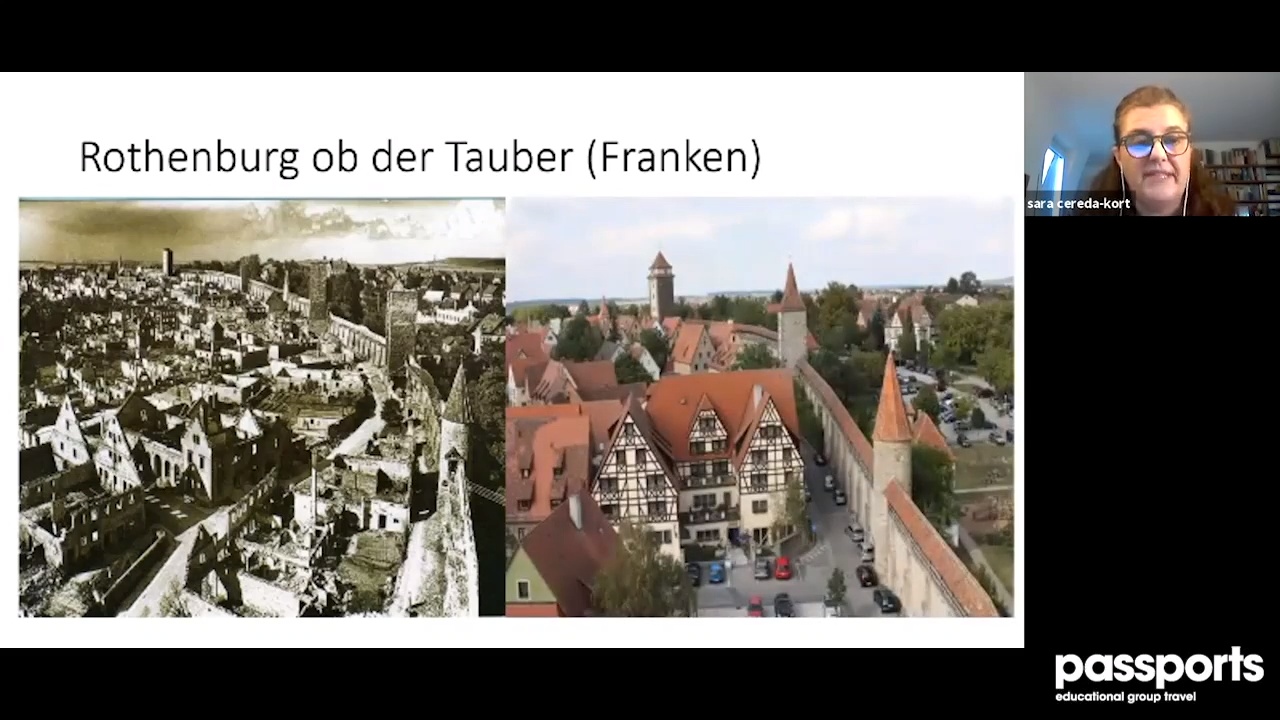
Bavaria — Passports Tour Director lecture
Sara Cereda-KortGermany

Bavaria

We will learn about iconic landmarks, food, traditions, such as the famous Oberammergau Passion Play, and why German stereotypes have their roots in Bavaria.

Watch lecture
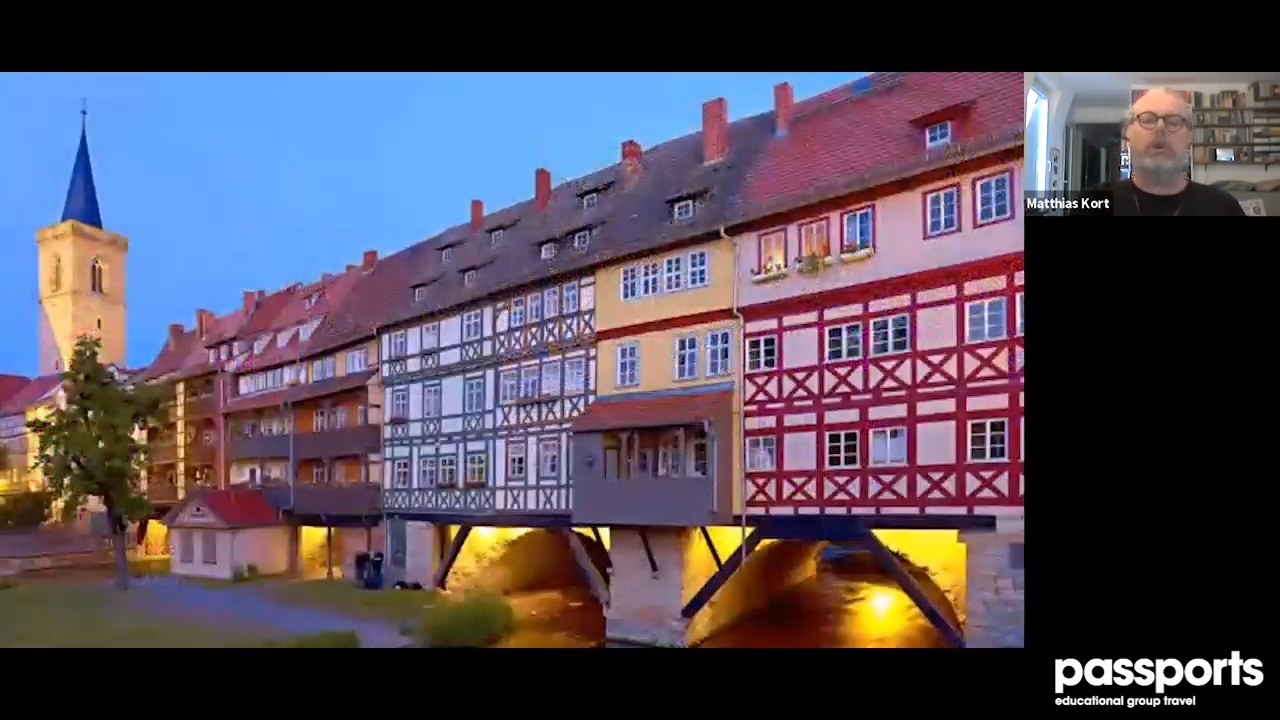
The Bridges and Walls of Munich — Passports Tour Director lecture
Matthias KortGermany

The Bridges and Walls of Munich

History is complex and seems sometimes confusing. Let’s try to make it simple and understand some general aspects. We take a journey through the centuries, look on European maps and take the city of Munich as an example to discover some fundamental rules in the development of European cities, their structures, and urbanization.

Watch lecture
From our blog

Blog posts about Munich

See all →
Discover Munich: An Educational Exploration of Bavarian Culture and Innovation
destinations

Discover Munich: An Educational Exploration of Bavarian Culture and Innovation

Munich offers student travelers a rich mix of Bavarian history, world-class museums, traditional beer culture, and modern innovation sites like BMW World and the Olympic Park

Read post
Versailles
travel inspiration

May 26- May 30 Lesson Plan Roundup

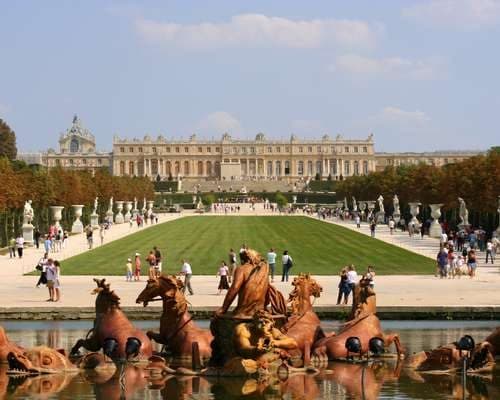
New from passports this week: Great War (1914-1918) - Treaty of Versailles 1919 Through an analysis of primary and secondary sources, students in this lesson will identify, understand and be able to explain the basic pro

Read post
Paris
travel inspiration

How to Choose the Right Destination for Your Student Tour

Whether your educational goals are historical, linguistic, cultural, charitable or a combination, Passports has the right tour for you and your students.

Read post
St. Basil's Cathedral
travel inspiration

March 17- March 21 Lesson Plan Roundup

Check out our lesson plans from this week! Imperial Russia (1721-1917) - Dostoevsky’s Grand Inquisitor Through an in-depth analysis of various primary and secondary sources, including a full reading of the parable of the

Read post
Budapest Parliament
travel inspiration

Hidden Gems Along the Danube

Matthias is one of the very most popular tour leaders our company has ever worked with. Join him <i>Along the Danube</i>.

Read post
On the ground

More places in Germany

Country guide: Germany →
Aachen Cathedral's octagonal Carolingian dome rising above the old town

Aachen, Germany

Aachen student group travel for teachers: Charlemagne's imperial capital, the UNESCO cathedral, and educational tours for teacher-led high school group trips.

Brandenburg Gate at dusk in central Berlin, Germany

Berlin, Germany

Berlin student group travel for teachers: the Brandenburg Gate, Wall history, and 20th-century Europe on teacher-led high school group trips and school tours.

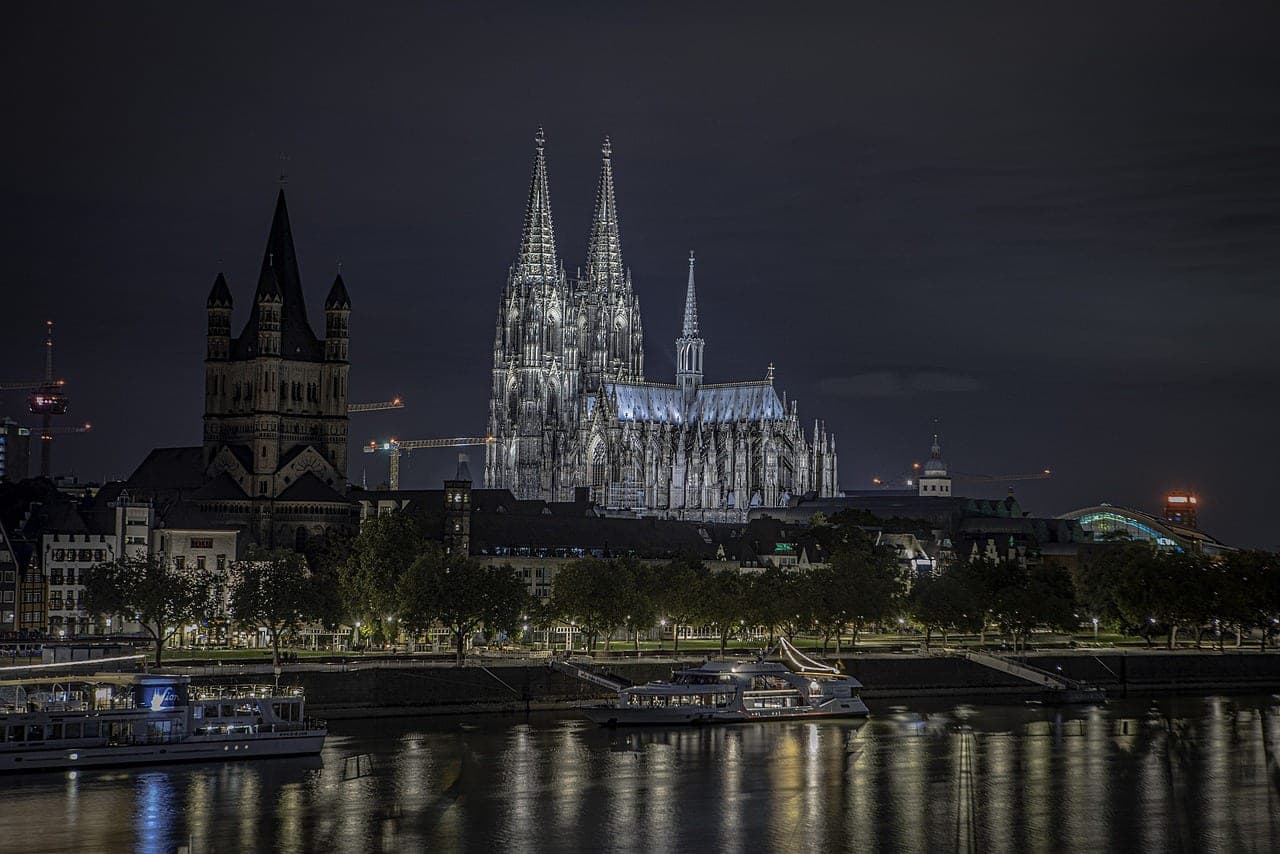
Gothic twin spires of Cologne Cathedral rising above the Rhine riverfront at dusk

Cologne, Germany

Cologne student group travel guide: the Gothic cathedral, Roman roots, and Rhine riverfront — educational tours for high school and middle school groups.

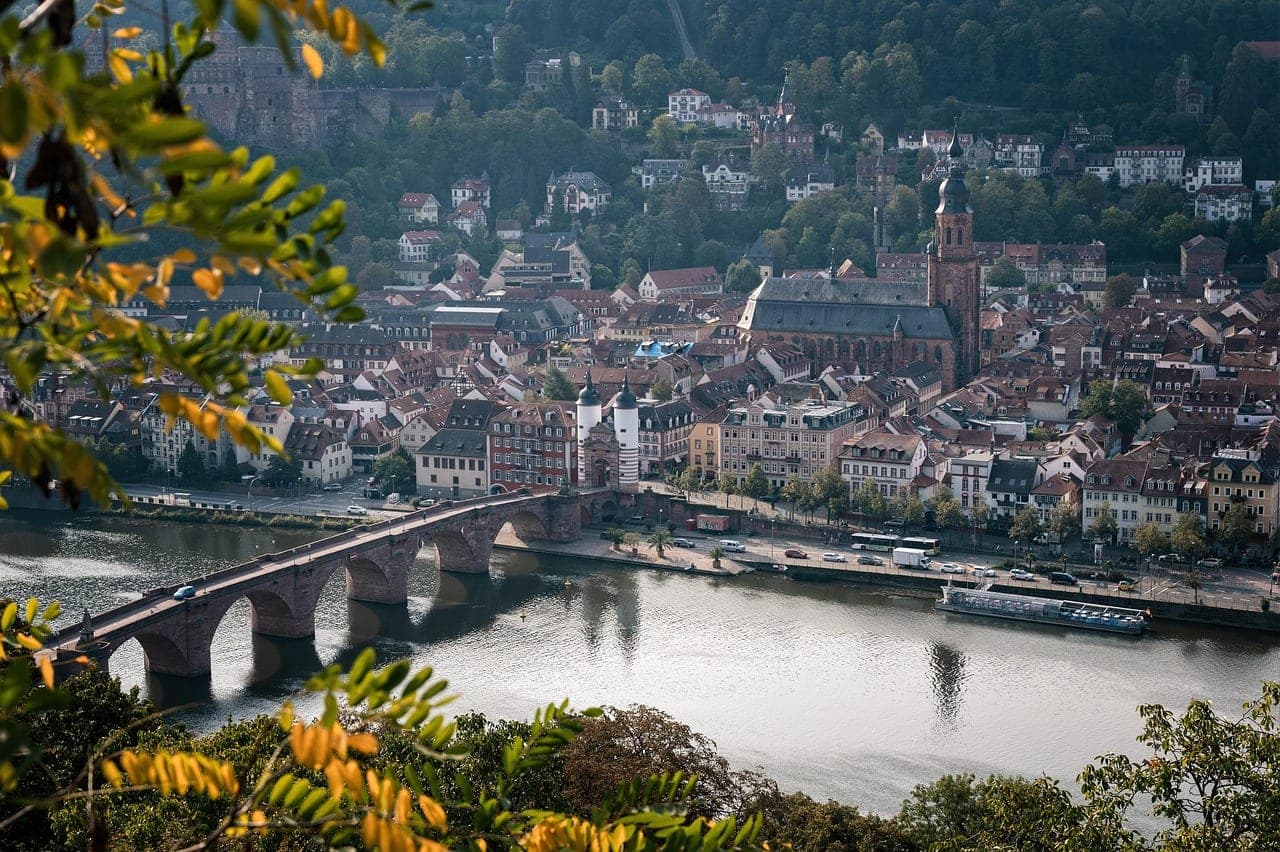
Heidelberg Castle ruins above the Old Bridge and Neckar River in Germany's oldest university town

Heidelberg, Germany

Heidelberg student group travel guide for teachers: castle ruins, the Old Bridge, and Germany's oldest university — educational tours for high school groups.

Nuremberg Imperial Castle above the half-timbered medieval old town and red-tiled roofs of Bavaria

Nuremberg, Germany

Nuremberg student group travel guide for teachers: medieval old town, the Imperial Castle, Documentation Center, and Nuremberg Trials sites for educational tours.

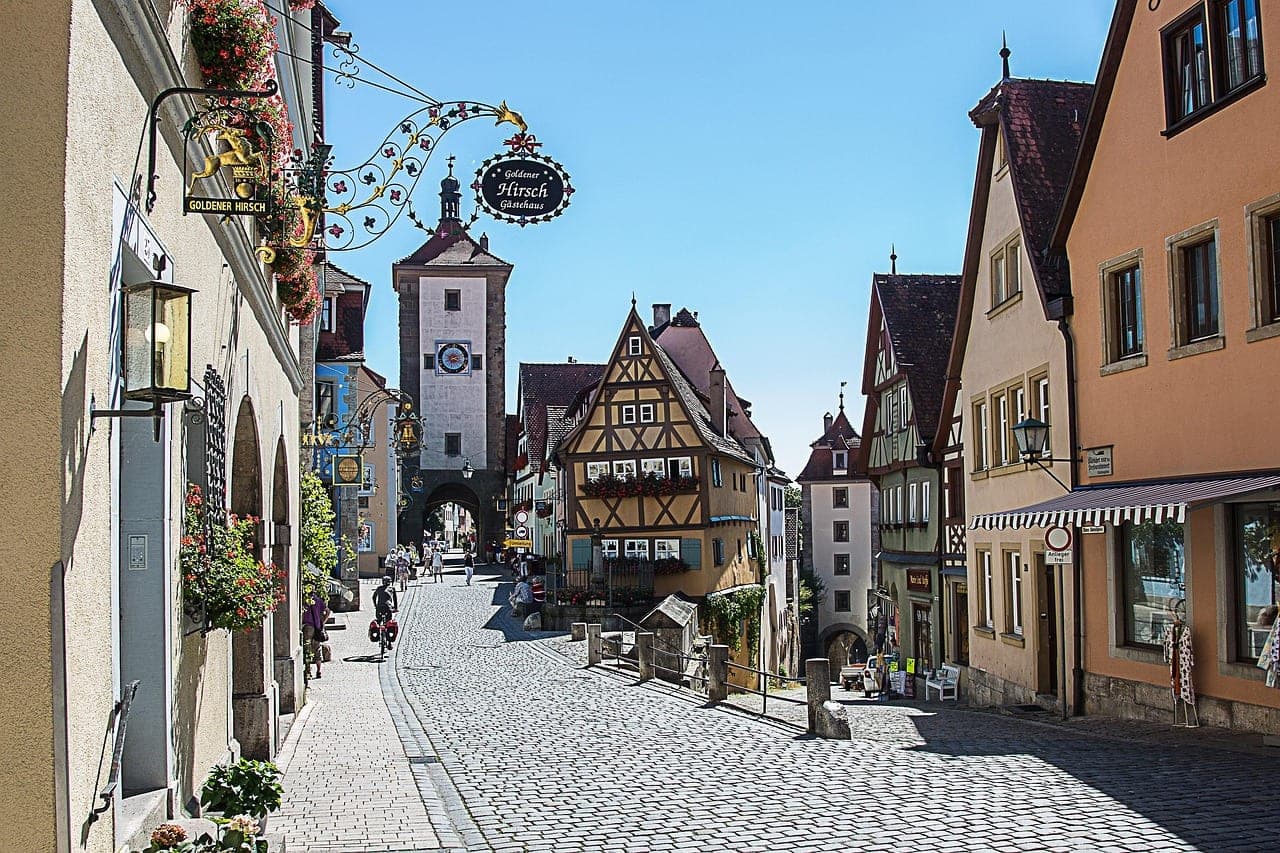
Rothenburg ob der Tauber's Plonlein corner with half-timbered houses framed by medieval town walls in Bavaria

Rothenburg ob der Tauber, Germany

Rothenburg ob der Tauber student group travel guide: walk a complete medieval town wall, half-timbered houses, and Romantic Road tours for high school students.

Bring your group to Munich, Germany.

Every Passports trip is built around a teacher and a group — from first itinerary sketch to the last day on the ground. Tell us what you have in mind and we’ll take it from there.

Plan a trip