Country guide

France

France student group travel for teachers: Paris, Normandy, Provence, and the history, art, and language curriculum behind our top teacher-led school trips.

All countries
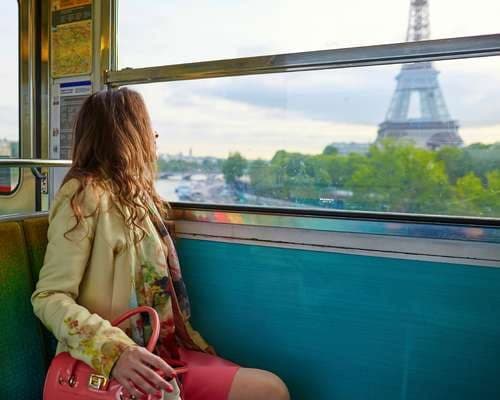
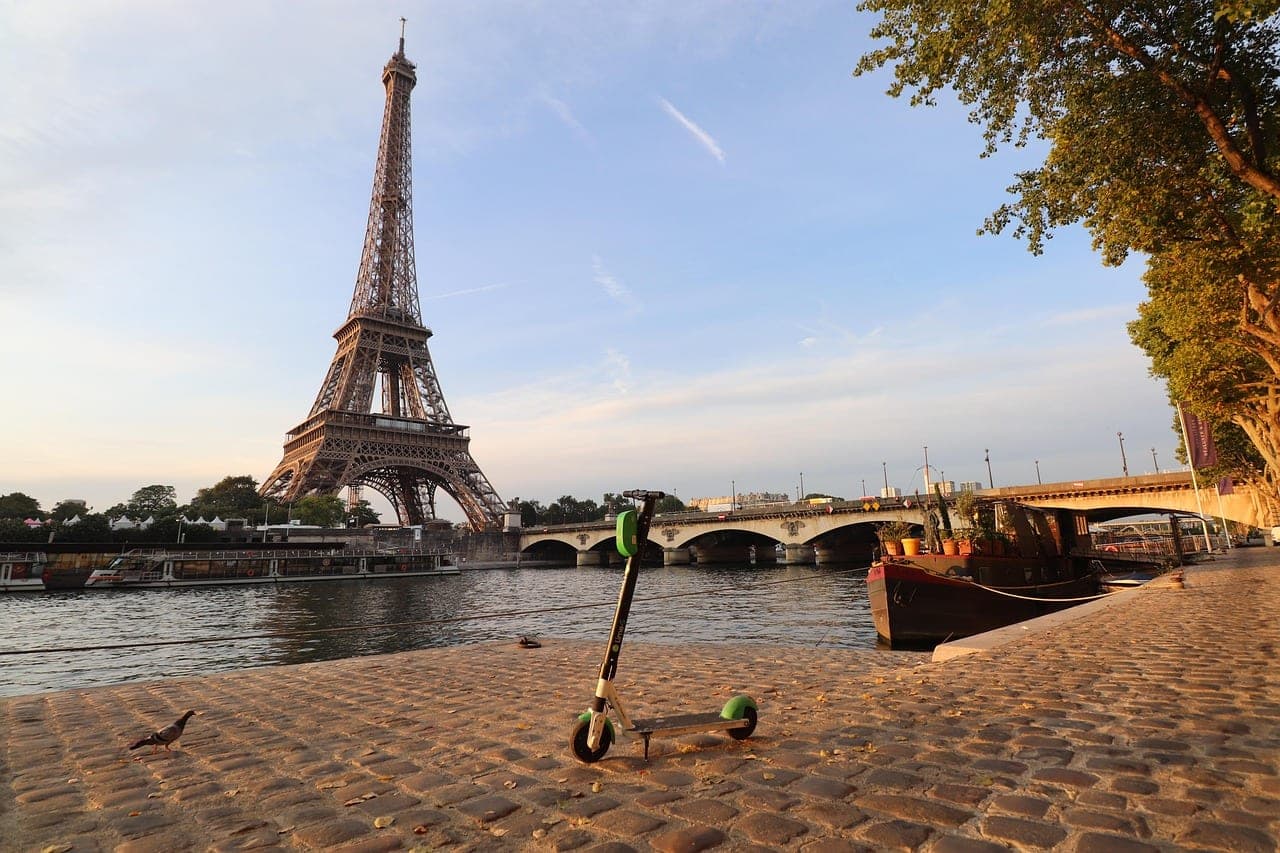
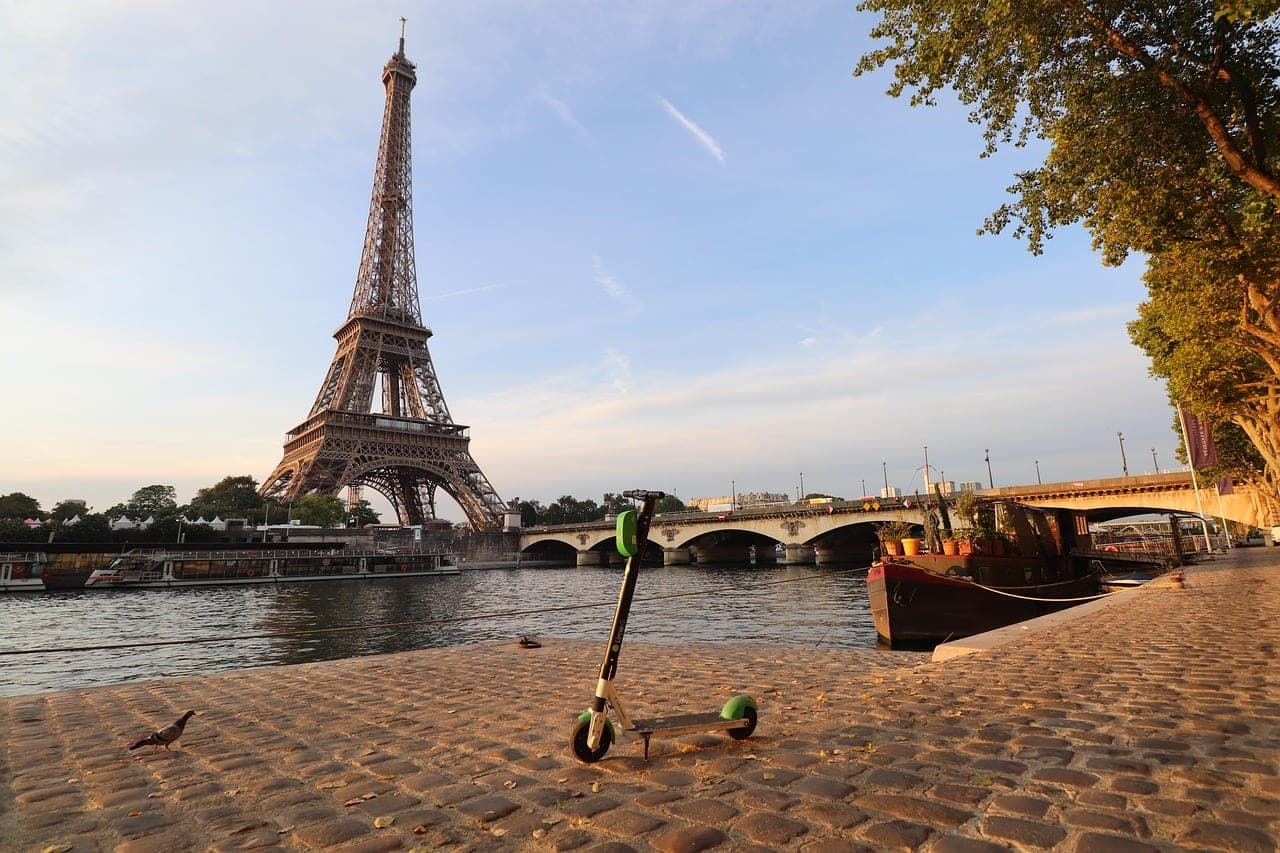
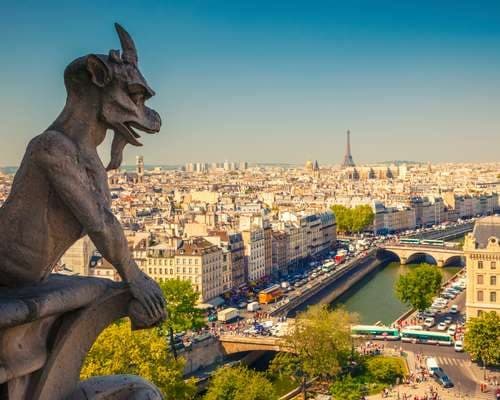
Eiffel Tower rising above the Seine with Paris cityscape at golden hour
On this page
  • Where France sits in Western Europe and why it's one of our most-booked teacher-led school trips
  • Six regions worth a day each — Paris, Normandy, the Loire Valley, Provence, the French Alps, and Alsace
  • What's on the menu: croissants, steak frites, boeuf bourguignon, ratatouille, and Parisian macarons
  • Practical logistics for teachers: Schengen paperwork, cobblestone-ready shoes, tap-to-pay euros, and museum pre-bookings
  • Five facts that land after a week of Louvre galleries, Normandy beaches, and Shakespeare-level French literature on the Left Bank

A quick introduction

Metropolitan France covers 551,695 km² — roughly 80% the size of Texas — with a population of about 68 million and a capital, Paris, whose metro area holds more than 12 million people. Add the overseas départements and the country stretches to 643,801 km² across four continents and twelve time zones. France is the world's #1 tourist destination, drawing close to 100 million international visitors a year, and holds 37 UNESCO World Heritage sites stacked across landscapes that run from alpine summits to Provençal lavender fields to D-Day beaches.

For a student group, France is the most curriculum-dense single country in Western Europe. A well-built week covers AP French Language & Culture, AP European History, AP Art History at the Louvre and Musée d'Orsay, and twentieth-century civics on the Normandy beaches — without a single painful transit day. France is one of our most-booked destinations in the educational travel catalog, and for a lot of teachers it's the anchor of a first teacher-led trip to Europe. If your AP French, AP European History, or high school humanities program is looking for a trip that earns its academic hours, France belongs at the top of the short list.

Quick facts

France by the numbers

📐

551,695 km²

Metropolitan France is about 80% the size of Texas — big enough to hold genuine regional variety, small enough that a private coach or a TGV lands the group in a new landscape every two days.

👥

~68 million

Population of the whole country. Nearly a fifth live in Greater Paris; the rest spread across twelve other cities with more than half a million people and a deep network of petites villes that each carry a distinct regional accent and cuisine.

🗼

#1 tourist destination

Close to 100 million international visitors a year — more than any other country on Earth. The tourism infrastructure is built for scale, which is why a well-run high school group trip to France feels almost low-drama on the logistics side.

🏛️

37 UNESCO sites

From the banks of the Seine and the Palace of Versailles to Mont Saint-Michel, the Loire Valley, and the prehistoric painted caves of the Vézère — few countries pack this much officially recognized history into walkable distances.

Inside the trip

A week with a Passports group

A typical Passports high school group trip to France runs seven to ten days and lines up cleanly for April spring break, the June window after AP exams, or the first half of July. Day one is Paris: arrival at Charles de Gaulle, an afternoon orientation walk along the Seine past Notre-Dame and through the Latin Quarter, and dinner with the Tour Director who stays with the group for the full week. Day two is the Louvre on an opening-bell reservation, the Musée d'Orsay after lunch, and the Eiffel Tower lit up after dinner — the three photographs every student sends home on night one.

The middle of the week pivots outside the Périphérique. A private coach carries the group to Versailles for a guided morning at the Château, then a TGV or coach transfer west to Normandy for the Bayeux Tapestry, the American Cemetery at Colleville-sur-Mer, and Pointe du Hoc — a day that lands harder than any classroom unit on WWII. Longer itineraries swap or add the Loire Valley for Chambord and Chenonceau, Provence for Avignon and the Pont du Gard, or the Alsace half-timbered villages around Strasbourg. Students consistently rank the Normandy day and a free-afternoon Seine cruise as the trip's two best surprises.

We've run student group travel to France for decades and every moving part has a backup plan: a rail strike on the SNCF, a Louvre queue that jumps an hour between breakfast and arrival, a student whose dietary restrictions nobody mentioned until the first bistro lunch. Most itineraries include at least one service-learning component — a partner lycée visit, a Normandy cemetery clean-up day, or a structured homestay night on longer programs — and reflection time is built into the schedule. The educational travel piece is real, but the part teachers remember is that the logistics simply work.

Region by region

Top things to see and do

Paris & Île-de-France

Paris & Île-de-France

The capital and the launchpad for almost every itinerary. The Louvre, Musée d'Orsay, Notre-Dame, the Eiffel Tower, Montmartre, and Versailles all sit inside a private-coach day of each other. Two full days minimum; three is better if the group can spare them.

Normandy & the D-Day Beaches

Normandy & the D-Day Beaches

Bayeux and its 70-metre Norman conquest tapestry, Omaha Beach, the American Cemetery at Colleville-sur-Mer, Pointe du Hoc, and Mont Saint-Michel rising from the tidal flats. The single most moving day of a typical itinerary and a non-negotiable for WWII history groups.

The Loire Valley & its châteaux

The Loire Valley & its châteaux

Chambord's Da Vinci staircase, Chenonceau spanning the River Cher, Amboise, and the Château d'Azay-le-Rideau — Renaissance France on the ground, inside a UNESCO-listed cultural landscape that an Art History teacher can teach straight from a coach window.

Provence & the Côte d'Azur

Provence & the Côte d'Azur

Avignon's Palais des Papes, the Roman Pont du Gard, Arles where Van Gogh painted, the lavender plateaus of the Luberon, and Nice and Cannes on the Mediterranean. Adds a Latin, art, and Roman-history layer that a Paris-only week can't touch.

The French Alps & Mont Blanc

The French Alps & Mont Blanc

Chamonix in the shadow of the 4,808-metre Mont Blanc — Europe's highest peak — with the Aiguille du Midi cable car climbing to a glacier viewpoint at 3,842 metres. A geography-class poster shot and a natural extension for groups building a Switzerland or Italy loop.

Alsace & Strasbourg

Alsace & Strasbourg

Half-timbered villages on the Route des Vins, Strasbourg's UNESCO Grande Île with its soaring Gothic cathedral, and the European Parliament — a Franco-German borderland that doubles as a live civics lesson on the postwar EU project.

Weather by season

When to go

  • Jun - Aug — high summer, long days, peak crowds

    Daytime highs of 25 - 32°C in Paris and 30°C-plus in Provence, with occasional heatwaves that push the south past 38°C. Bastille Day on July 14th is a spectacle, the Seine hosts Paris-Plages urban beaches, and the light runs until almost 10 PM. Peak tourism means pre-booked Louvre and Versailles slots are non-negotiable; this is the main summer-break window for educational travel and pricing reflects it.

  • Apr - Jun — spring sweet spot, April in Paris is real

    Our favorite window for teacher-led trips. Daytime highs climb from 14°C in April to 22 - 24°C in June, the chestnut trees on the Champs-Élysées come into bloom, and the museum queues haven't yet hit summer levels. Spring break and post-AP-exam June slot in beautifully against most US school calendars.

  • Sep - Oct — back-to-school, harvest, golden light

    Paris empties of August tourists, Parisians return from les grandes vacances, and the wine harvest runs through the Loire, Burgundy, and Champagne. Daytime highs 15 - 22°C with crisp mornings, foliage turning gold in the Luxembourg Gardens, and the best-value pricing window for a shorter school group trip.

  • Dec - Feb — quiet museums, interim-term window

    Daytime highs 4 - 9°C in Paris with short, grey days and the occasional dusting of snow. The upside: the Louvre and Musée d'Orsay are genuinely walkable in December, the Christmas markets in Strasbourg and Colmar are Europe's best, and the French Alps are in full ski season. A strong fit for January interim-term groups that want lower prices and smaller crowds.

What to order

Food and culture

Croissant & pain au chocolat

Croissant & pain au chocolat

Breakfast. Every morning, from every neighborhood boulangerie, still warm at 7:30 AM. A hotel breakfast buffet is fine; a walk to the corner bakery for fresh viennoiseries is the Parisian version and the one students talk about later.

Steak frites

Steak frites

The default bistro lunch: a hanger or rib steak, a pile of crisp frites, and a peppercorn or béarnaise sauce on the side. Cheap, filling, and available at every neighborhood bistro from the Marais to Montmartre — the reliable group-friendly order when the Tour Director needs twenty meals on the table fast.

Boeuf bourguignon

Boeuf bourguignon

Burgundy's signature: beef braised for hours in red wine with bacon lardons, pearl onions, and mushrooms. Shows up on every classic bistro menu in Paris and in every family kitchen in the Côte d'Or. A good introduction to slow French regional cooking.

Ratatouille

Ratatouille

Summer Provence in a pot: eggplant, zucchini, bell peppers, onion, tomato, garlic, and herbes de Provence, stewed until everything melts into everything else. A reliable vegetarian-friendly option that pairs well with a slice of grilled country bread.

Macarons

Macarons

The Parisian pastry export. Almond-meringue shells in every color, sandwiched around ganache, buttercream, or fruit. Ladurée and Pierre Hermé are the famous addresses; every neighborhood pâtisserie does a respectable version. An easy splurge on a free afternoon.

Curriculum tie-ins

Classroom connections

🗣️

AP French Language & Culture

Real immersion for AP and IB French students. Market visits, café ordering, museum audio guides in French, and an optional half-day exchange at a partner French lycée. Paris, Lyon, and Strasbourg all read as standard français hexagonal — friendly to learners and the single best educational tour France trip we run for a world-languages program.

📜

AP European History

The French Revolution on the Place de la Bastille, Versailles and the Ancien Régime, Napoleon at Les Invalides, the Belle Époque at the Musée d'Orsay, and the 1940 - 1944 Occupation mapped across the Marais and Normandy. The AP Euro syllabus on the ground — teachers can structure stops directly around College Board content standards.

🎨

AP Art History

The Louvre and the Musée d'Orsay alone cover prehistoric to post-Impressionist on the AP Art History syllabus; the Centre Pompidou adds twentieth-century modernism; the Loire châteaux and the Gothic cathedrals of Chartres and Strasbourg round out the architecture block. Three to four AP Art History field-study days fit inside a standard Paris-plus-regions week.

🕊️

WWII & Civics at Normandy

The Bayeux Tapestry, the Caen Memorial, Omaha Beach, the American Cemetery at Colleville-sur-Mer, and Pointe du Hoc — a guided D-Day beaches day anchors the WWII unit in a way no classroom text can. Paired with a Marais-quarter visit and the Mémorial de la Shoah in Paris, this is the strongest Holocaust-studies and civics module on any of our Western Europe itineraries.

📚

Literature & Philosophy

Hugo's Notre-Dame de Paris, Dumas's Three Musketeers, Camus and Sartre on the Left Bank, Shakespeare and Company across from Notre-Dame, and the Panthéon resting place of Voltaire, Rousseau, and Hugo. An AP Literature group can build a credible Left Bank reading-list walk in an afternoon.

🔬

Enlightenment & STEM

The Panthéon's Foucault pendulum still swings over the physics-classroom proof that the Earth rotates; the Musée des Arts et Métiers houses Pascal's calculator and Lavoisier's lab; and Paris gave the world the metric system in 1795. An easy STEM or Enlightenment field-trip day for a humanities-adjacent AP Physics or history-of-science program.

Packing essentials

What to pack

  • Documents

    Passport valid 3+ months past the return date (Schengen rule), two printed copies — one for the student, one for the Tour Director's file — insurance card, and the Passports group packet. US citizens don't need a visa for stays under 90 days; the Passports office files the ETIAS electronic authorization on the group's behalf before departure.

  • Clothing

    Smart-casual is the default. French museums and fine-dining restaurants expect more than a T-shirt and athletic shorts — pack at least one collared shirt or simple blouse and one pair of non-athletic trousers. Shoulders covered at Notre-Dame, Sacré-Cœur, and the provincial cathedrals; otherwise, layers for weather that can swing 10°C in a day.

  • Footwear

    Broken-in walking shoes, worn in before departure. The cobblestones in the Marais, Montmartre, the Latin Quarter, and every historic town from Bayeux to Avignon punish new footwear hard. One dressier pair for a nicer dinner or an evening at the Opéra Garnier. Skip heels entirely.

  • Rain gear

    A lightweight, packable waterproof jacket lives in the day pack year-round — Paris drizzle is routine in every season except the height of summer. Skip the umbrella; the wind funneling between Haussmann boulevards inverts them. A small pack cover keeps the day bag dry on the museum-hopping days.

  • Tech

    France uses Type C and Type E two-round-pin plugs at 230V. A simple Type C/E adapter (or a global multi-adapter) is essential. T-Mobile's Magenta plans and Google Fi work out of the box; other carriers should pick up an Orange or SFR prepaid SIM or an eSIM before departure. A portable battery earns its weight on museum days.

  • Extras

    A reusable water bottle (Paris tap water is excellent and public fontaines Wallace are everywhere), a small daypack that meets the standard museum-compliant size (roughly 40 × 30 × 20 cm — anything larger gets sent to the cloakroom at the Louvre), a student ID card for discounts at EU-state museums, and a small notebook for reflection journaling.

The parent-meeting question

Is it safe?

Yes, with appropriate awareness. The US State Department currently rates France at Level 2 — "exercise increased caution" — driven almost entirely by the general terrorism advisory that applies across Western Europe, not by violent-crime data on the ground. The same Level 2 advisory covers the United Kingdom, Spain, Italy, and Germany; it is the standard rating for major Western European countries and not a reason to rethink the trip. In practice, the everyday risk profile on a school group tour to France is pickpocketing in Paris — on the Metro, in the Louvre queue, on the steps of Sacré-Cœur — not violent crime, and the countermeasures are the same as anywhere in Europe.

On a Passports teacher-led trip, the group is never on public transport unsupervised, never splits up without a defined meetup time, and never out of reach of a named Tour Director who stays with the group 24/7 for the full week. We operate a 24/7 emergency line staffed out of our Boston HQ, keep parents on a daily-update channel, and have pre-vetted English-speaking medical contacts in Paris and every overnight stop. For most teachers leading school group tours to France, the operation feels closer to a long domestic field trip than a foreign-country program.

🛡️

Personal safety

Violent crime is low. Pickpocketing is the main real risk and clusters at three predictable places: the Paris Metro at rush hour (especially Lines 1, 4, and 9), the Louvre and Eiffel Tower ticket queues, and the steps of Sacré-Cœur in Montmartre. The Tour Director runs a first-night briefing, routes the day away from the worst hotspots, and enforces cross-body bags in front and phones off café tables.

⚕️

Health & medical

Tap water is safe everywhere in France. No vaccinations beyond the routine US schedule are required. France's public healthcare system is rated among the best in the world; public hospitals (AP-HP in Paris) and the American Hospital in Neuilly are world-class and a short taxi ride from any hotel we use.

🚐

Roads & transport

Long transfers use a private coach with a professional, European-licensed driver — never an intercity bus or unsupervised train. Seatbelts on every seat. Urban moves are usually on foot or by private coach; the Metro is only used with the Tour Director and the whole group together. Internal flights are rare and only used to reach Provence or Nice on extended itineraries.

🌪️

Natural hazards & advisories

France has no meaningful hurricane, earthquake, or volcanic exposure. The real seasonal risk is a summer canicule (heatwave), mainly in Paris and Provence in July and August — we build extra hydration stops and shaded-museum afternoons into the itinerary when forecasts call for it. Occasional rail strikes are announced in advance; the private coach keeps the group moving regardless.

Practical tips

  • Tap-to-pay is universal, cash barely matters

    Visa and Mastercard contactless work at virtually every café, bistro, bakery, and museum in France. A zero-foreign-transaction card or a Visa/Mastercard-branded debit handles the whole week. €30 - €50 in small notes per student covers a market crêpe, a Metro single ticket, and the occasional pastry no one will admit they already ate.

  • Say "bonjour" first, always

    French service culture expects a bonjour, madame or bonjour, monsieur before any transaction — walking into a shop and leading with "do you speak English?" reads as rude in a way Americans don't always realize. A first-night briefing on the five essential phrases (bonjour / merci / s'il vous plaît / pardon / au revoir) changes the feel of the whole week for the group.

  • Pre-book the Louvre and Versailles

    The Louvre sells timed-entry slots that sell out weeks in advance during peak season; walking up without a reservation means an hour in the Pyramid queue that the itinerary doesn't have. Versailles, Sainte-Chapelle, the Eiffel Tower summit, and the Orsay all benefit from the same approach. Our operations team books these on a single pre-departure schedule so teachers don't have to.

  • Private coach beats public transit for a group

    The SNCF rail network is one of Europe's best and the Paris Metro moves millions of people a day, but a private coach keeps 25 high schoolers plus luggage together, on schedule, and with the Tour Director free to teach rather than wrangle tickets. Every Passports teacher-led trip to France uses a private coach for intercity transfers and most urban moves outside central Paris.

  • Tipping is small and usually already included

    French menus say service compris — a 15% service charge is already in the price. Rounding up a euro or two on a café coffee and leaving 5% on a sit-down dinner is generous by French standards; no one expects 18-20% American-style tips. Hotel housekeeping gets a euro or two per night at checkout; taxi drivers get the rounded-up fare.
Five facts

Good to know

🗼

#1 tourist destination on Earth

Close to 100 million international visitors a year — more than any other country, and more than the population of France itself. An easy opening hook for a global-studies unit on tourism economics and soft power.

🎨

Louvre is the world's most-visited museum

Roughly 8 - 9 million visitors a year wander past the Mona Lisa, the Winged Victory of Samothrace, and 35,000 other works across 380,000 m² of former royal palace. A morning-reservation visit at opening is the only way a school group sees it properly.

📚

Sixteen Nobel Literature laureates

More than any other country — from Sully Prudhomme in 1901 to Annie Ernaux in 2022. Sartre refused his in 1964; Camus accepted at age 44 and died three years later. A live case study for an AP Literature comparative-authors unit.

📏

The metric system was born here

Paris, 1795. The metre was defined as one ten-millionth of the distance from the equator to the North Pole through Paris, and the rest of the world — minus three holdouts — followed. A genuine STEM-meets-history moment at the Musée des Arts et Métiers.

⚖️

Laïcité shapes everyday life

The 1905 French separation of church and state is stricter than the American version: no public crosses in classrooms, no religious symbols in government offices. A live civics-class discussion when the group walks past a centuries-old cathedral that the state nominally owns.

Tours that go here

Tours that visit France

See all tours →
Paris Cafe
France · Spain

Café Olé

Paris · Biarritz · Burgos · Madrid

See itinerary
Gargoyle on Notre Dame Cathedral
France

Côte à Côte

Paris · St. Malo · Loire Valley · Nice

Language-immersion
See itinerary
Paris Balcony
France

Discover Paris

Paris

Language-immersion
See itinerary
Gargoyle on Notre Dame Cathedral
France

France: North to South

Caen · St. Malo · Amboise · Paris · Nice

Custom & private
See itinerary
Gargoyle on Notre Dame Cathedral
France

La Belle France

Paris · St. Malo · Loire Valley

Language-immersion
See itinerary
Paris
United Kingdom/England · France

Le Beau Voyage

London · Caen · St. Malo · Loire Valley · Paris

Large-group
See itinerary
Classroom material

Lesson plans about France

See all →
FranceHistoryGrade 11-12

Age of Enlightenment: France: Rousseau

Through an in-depth analysis of primary and secondary sources, specifically by reading and analyzing excerpts from two of Jean Jacques Rousseau's major works, The Social Contract (1763) and Discourse on the Origin and Basis of Inequality am…

View lesson
FranceHistoryGrade 11-12

Age of Enlightenment: France: Voltaire (Candide)

Students in this lesson will analyze and understand the basic story behind Voltaire's satire by reading Candide (1759). In doing such analysis, students will also gain an appreciation and understanding of how Voltaire challenged the French …

View lesson
ItalyHistoryGrade 11-12

Ancient Rome: Identity: Rape of the Sabine Women

Through the investigation of primary and secondary sources, students in this lesson will identify, understand and be able to explain the details behind the Rape of the Sabine Women and how the myth became part of the Roman identity and sens…

View lesson
TurkeyhistoryGrade 11-12

Byzantine Istanbul (330-1453): Great Schism of 1054: Orthodox Christianity

Through the investigation of selected sources, students in this lesson will identify, understand and be able to explain in detail the Great Schism of 1054 that split the Christian Church into Eastern Orthodoxy and Roman Catholicism, what di…

View lesson
RussiaHistoryGrade 11-12

Crimean War 1853-1856

Through the use of various primary and secondary sources, students in this lesson will identify, understand and be able to explain the basics behind the Crimean War of 1853-56, how Russian expansionism helped precipitate the war, why the Fr…

View lesson
FranceHistoryGrade 11-12

Early Modern France (1498-1789): The Sun King: Louis XIV

Through an examination of both primary and secondary sources on the subject, including various types of visual media in addition to electronic and written sources, students in this lesson will identify, understand and be able to explain Fre…

View lesson
From the Tour Directors

Tour Director lectures about France

See all →
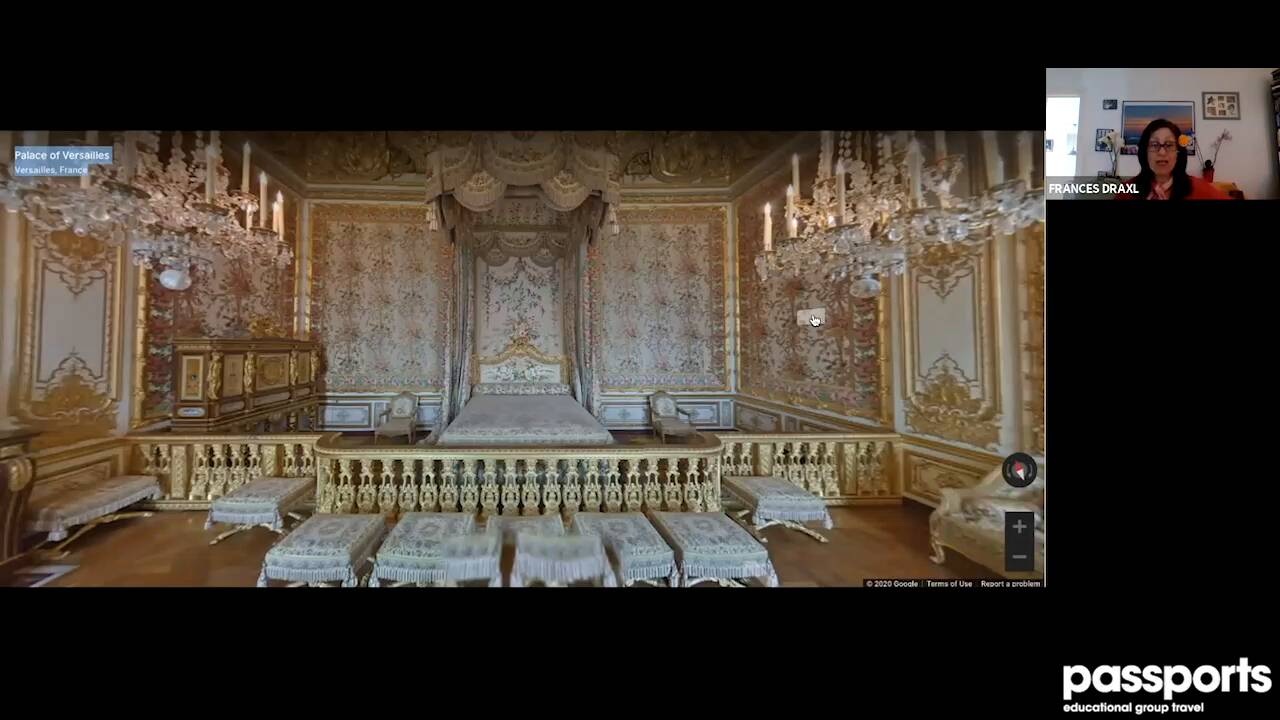
A Virtual Tour of the Palace of Versailles — Passports Tour Director lecture
Frances DraxlFranceVirtual Tour

A Virtual Tour of the Palace of Versailles

A virtual guided tour inside the palace!

Watch lecture
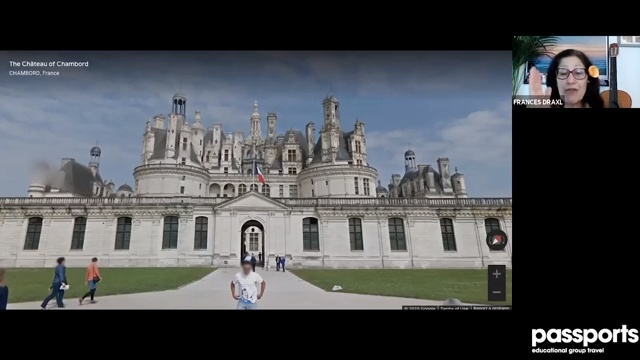
Chambord: A Virtual Tour — Passports Tour Director lecture
Frances DraxlFranceVirtual Tour

Chambord: A Virtual Tour

Watch lecture
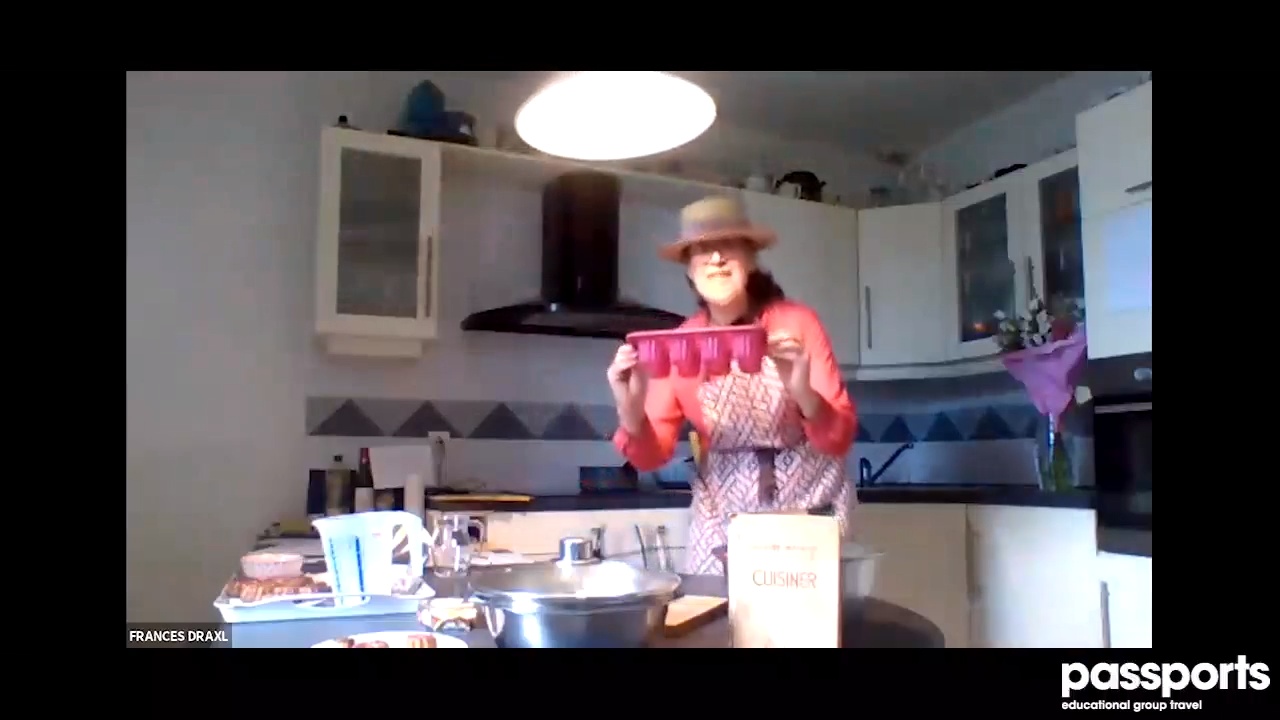
French Cooking Lesson - Caneles — Passports Tour Director lecture
Frances DraxlFrance

French Cooking Lesson - Caneles

Step inside the kitchen with Frances for an intimate cooking lesson in the French style.

Watch lecture
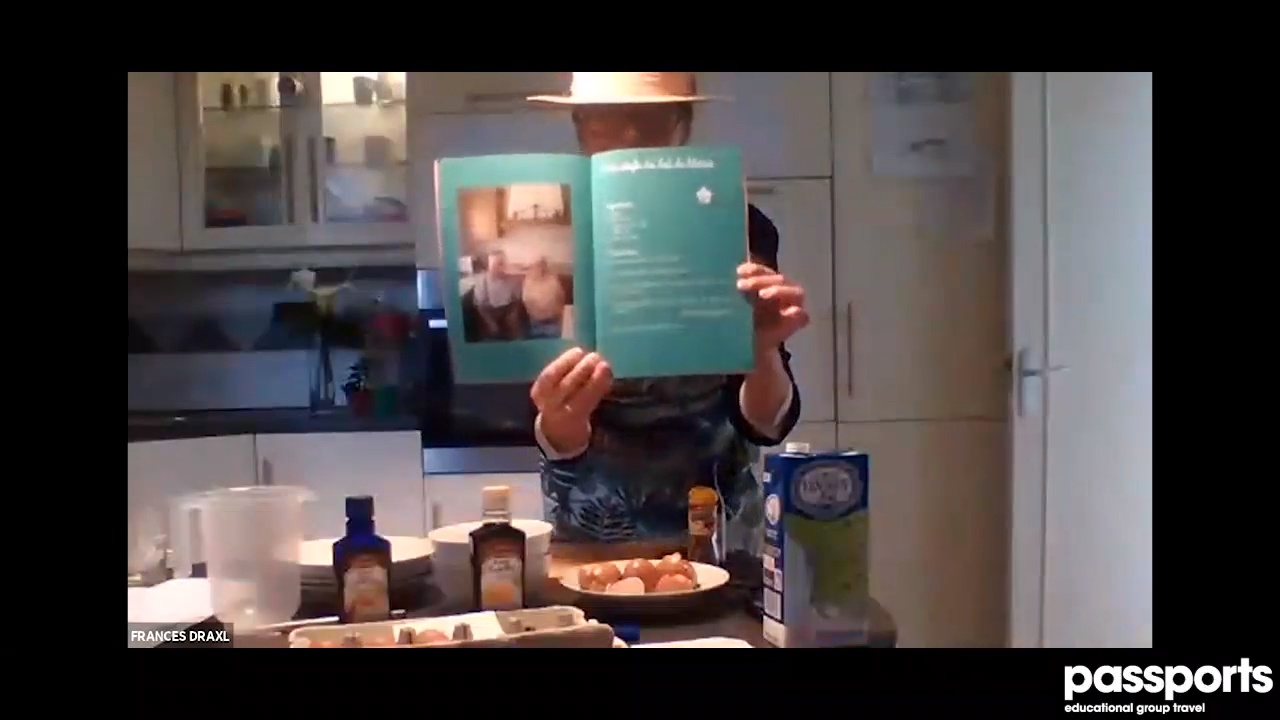
French Cooking Lesson - Les Oeufs au Lait — Passports Tour Director lecture
Frances DraxlFranceOther

French Cooking Lesson - Les Oeufs au Lait

Step inside the kitchen of Frances Draxl for an intimate cooking lesson in the French style.

Watch lecture
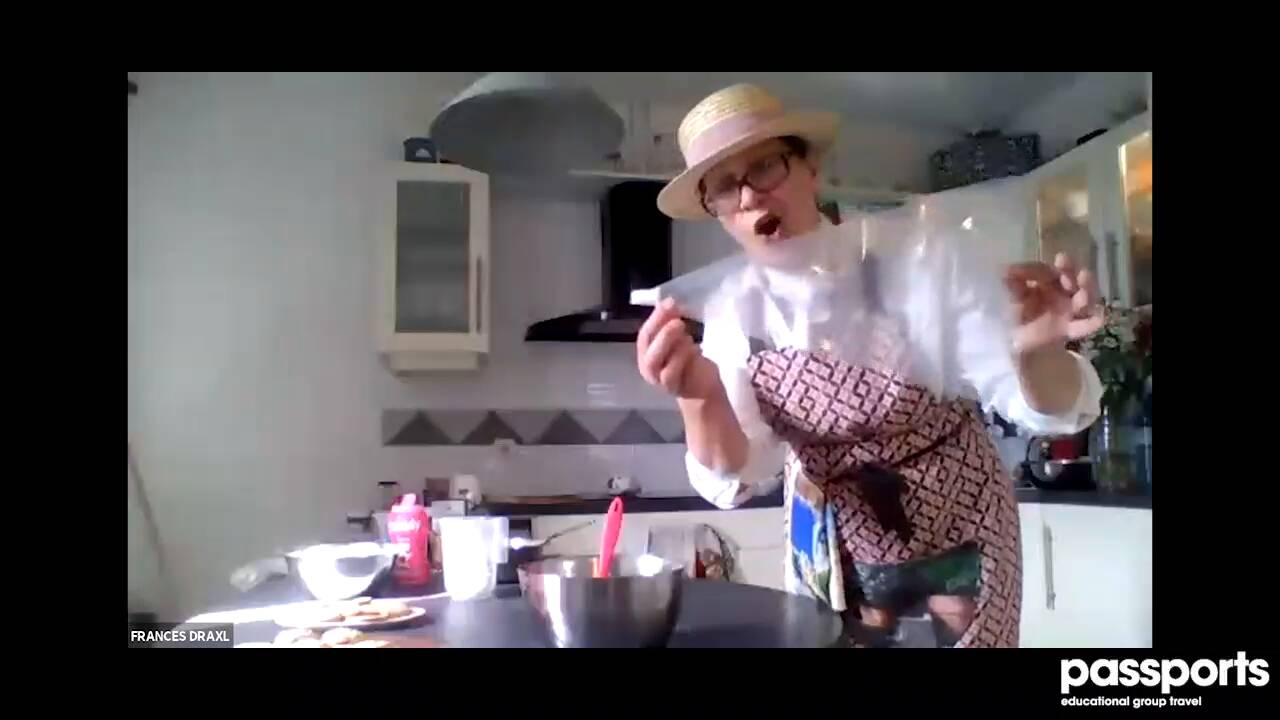
French Cooking Lesson - Macarons — Passports Tour Director lecture
Frances DraxlFrance

French Cooking Lesson - Macarons

Step inside the kitchen with Frances for an intimate cooking lesson in the French style. Learn how the French do it!

Watch lecture
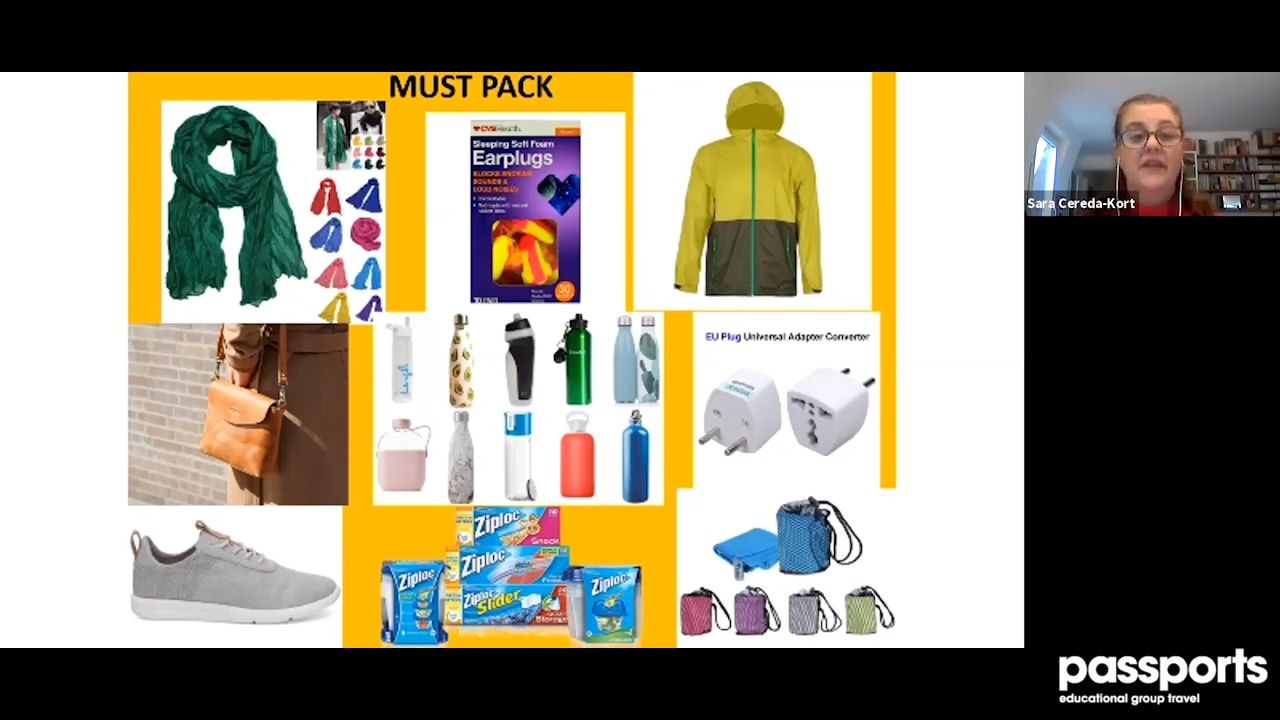
How to travel like a PRO! — Passports Tour Director lecture
Sara Cereda-KortFranceSpainGermanyItalyUKOther

How to travel like a PRO!

Learn from professional Tour Director, Sara Cereda-Kort, useful insider tips to make your life as a traveler in Europe easier and more comfortable. Best preparation for a group tour or for individual travelers.

Watch lecture
From our blog

Blog posts about France

See all →
Small Towns, Big Lessons: Why Teachers Should Explore Hidden Gems on Student Tours
destinations

Small Towns, Big Lessons: Why Teachers Should Explore Hidden Gems on Student Tours

Smaller European towns like Toledo, Siena, and Bruges offer student travelers richer cultural connections and hands-on learning than crowded capital cities alone can provide

Read post
Culinary Classrooms Abroad: Teaching Culture Through Cooking
culture and food

Culinary Classrooms Abroad: Teaching Culture Through Cooking

Cooking classes abroad in Italy, Spain, and France give student travelers a hands-on way to learn culture, history, language, and collaboration — one recipe at a time

Read post
Hidden Educational Gems in Europe’s Most Visited Cities
destinations

Hidden Educational Gems in Europe’s Most Visited Cities

Hidden educational gems in Paris, Rome, London, and Barcelona give student travelers deeper, crowd-free experiences tied to history, science, art, and culture

Read post
Unlocking the History Behind European World Heritage Sites: A Teacher’s Guide
educational impact

Unlocking the History Behind European World Heritage Sites: A Teacher’s Guide

Six European UNESCO World Heritage Sites offer rich classroom tie-ins across history, architecture, and culture. This guide gives teachers activity ideas for each landmark

Read post
Train, Paris
travel inspiration

Fundraising Tips and Ideas

Unsure where to begin when it comes to fundraising?! Check out these tips and tricks!

Read post
Europe’s Most Beautiful Libraries and Bookstores
destinations

Europe’s Most Beautiful Libraries and Bookstores

Europe's most stunning libraries and bookstores span Dublin's Long Room to Paris's Shakespeare and Company — each a landmark of architecture, history, and literary culture

Read post
On the ground

Places we go

Browse all destinations →
Moss-draped thermal fountain on Cours Mirabeau in Aix-en-Provence

Aix-en-Provence, France

Aix-en-Provence student group travel for teachers: Cézanne's studio, Provencal markets, and educational tours for teacher-led French high school group trips.

Ajaccio harbor and Corsican mountains across the Mediterranean

Ajaccio, France

Ajaccio student group travel for teachers: Napoleon's Corsican birthplace, Mediterranean coast, and educational tours for teacher-led French high school trips.

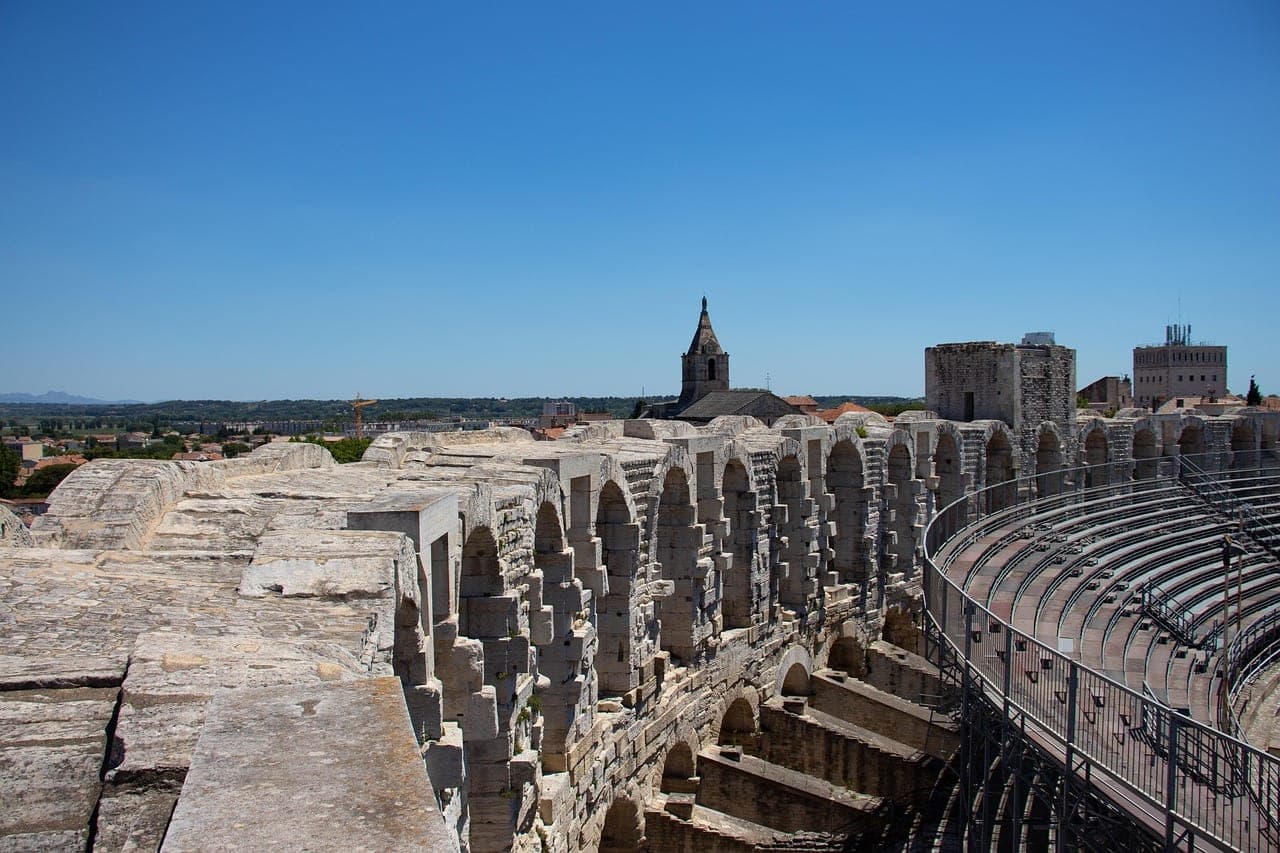
Roman amphitheater in Arles lit at dusk amid Provencal rooftops

Arles, France

Arles student group travel for teachers: Roman ruins and Van Gogh's Provence on teacher-led educational tours and high school group trips in art and history.

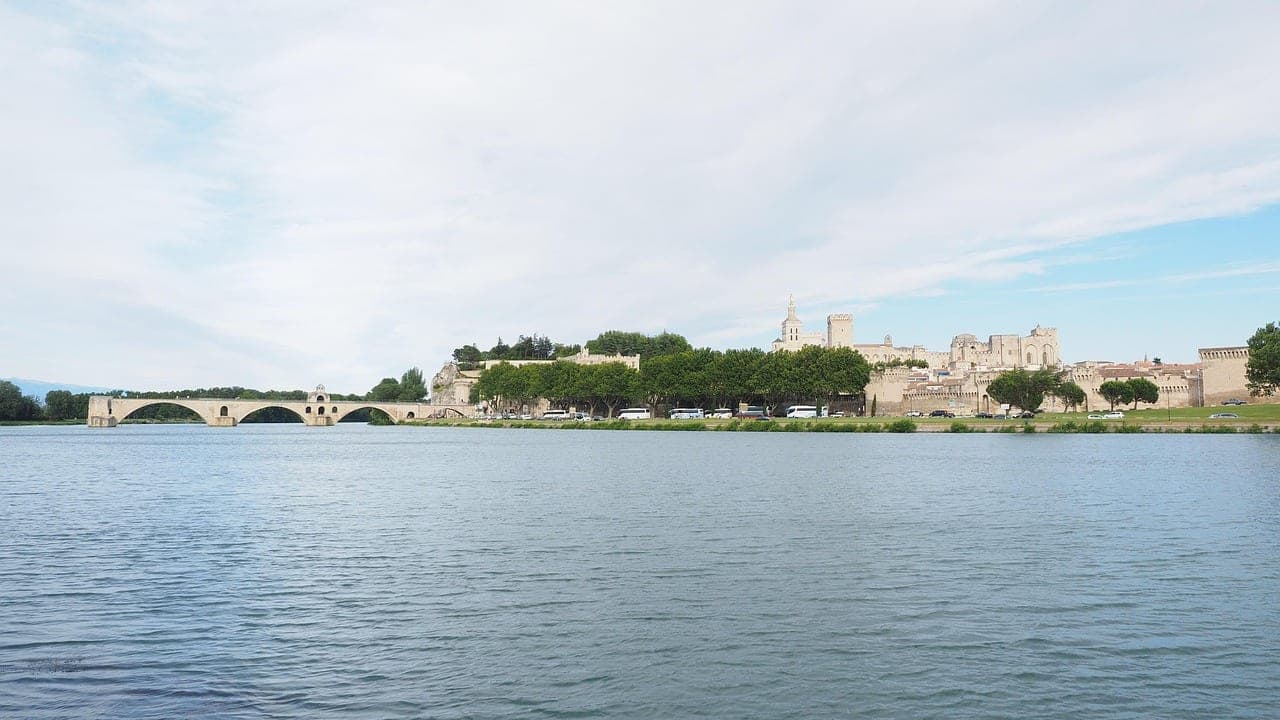
Pont d'Avignon and the Papal Palace fortress walls above the Rhône River in Provence

Avignon, France

Avignon student group travel for teachers: the Papal Palace, Pont d'Avignon, and Provençal history on teacher-led school group tours through southern France.

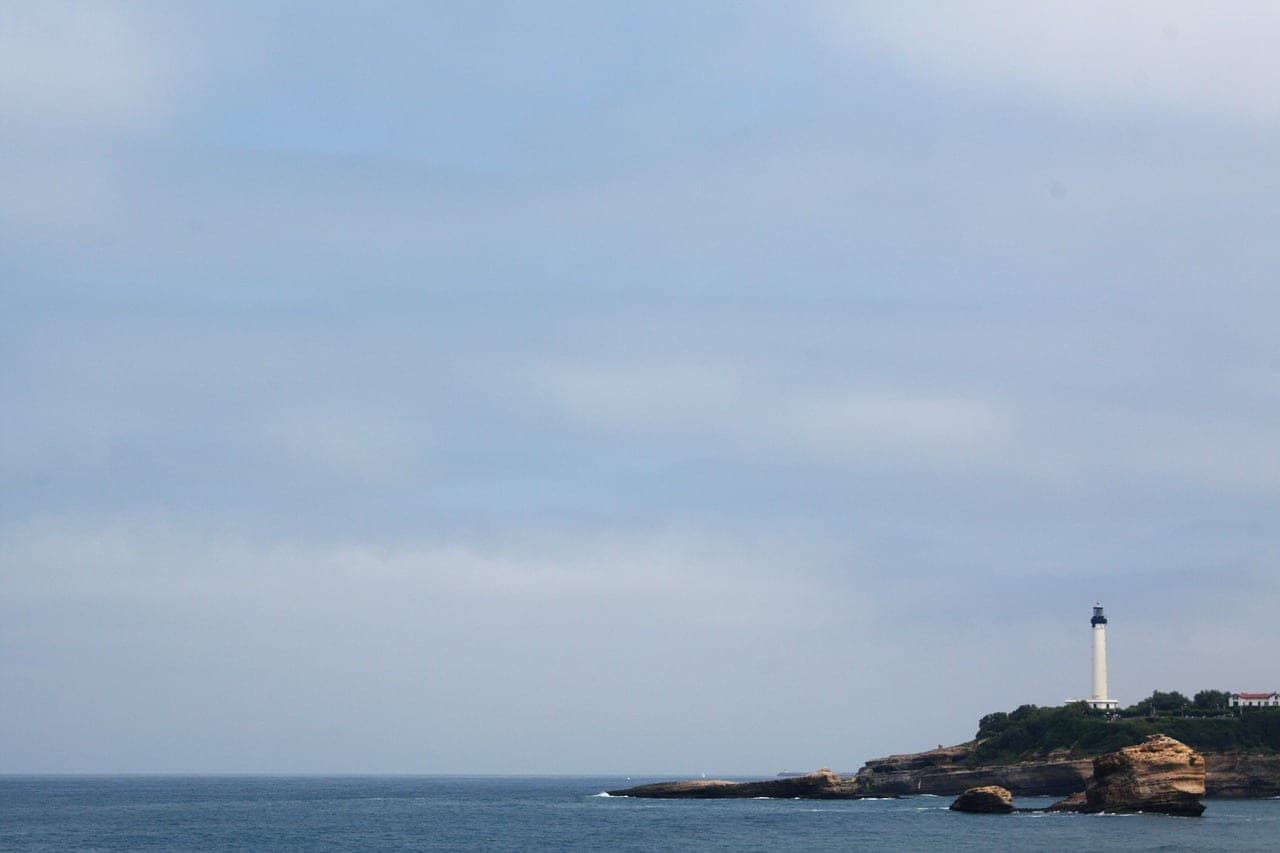
Grande Plage beach and Atlantic surf below the Belle Époque hotels of Biarritz, France

Biarritz, France

Biarritz student group travel for teachers: Basque coast, Belle Époque seafront, and Pyrénées day trips on teacher-led educational tours in southern France.

Royal Château de Blois rising above the Loire River in the Loire Valley, France

Blois, France

Blois student group travel for teachers: the Royal Château, Loire Valley castles, and French Renaissance history on teacher-led high school group trips.

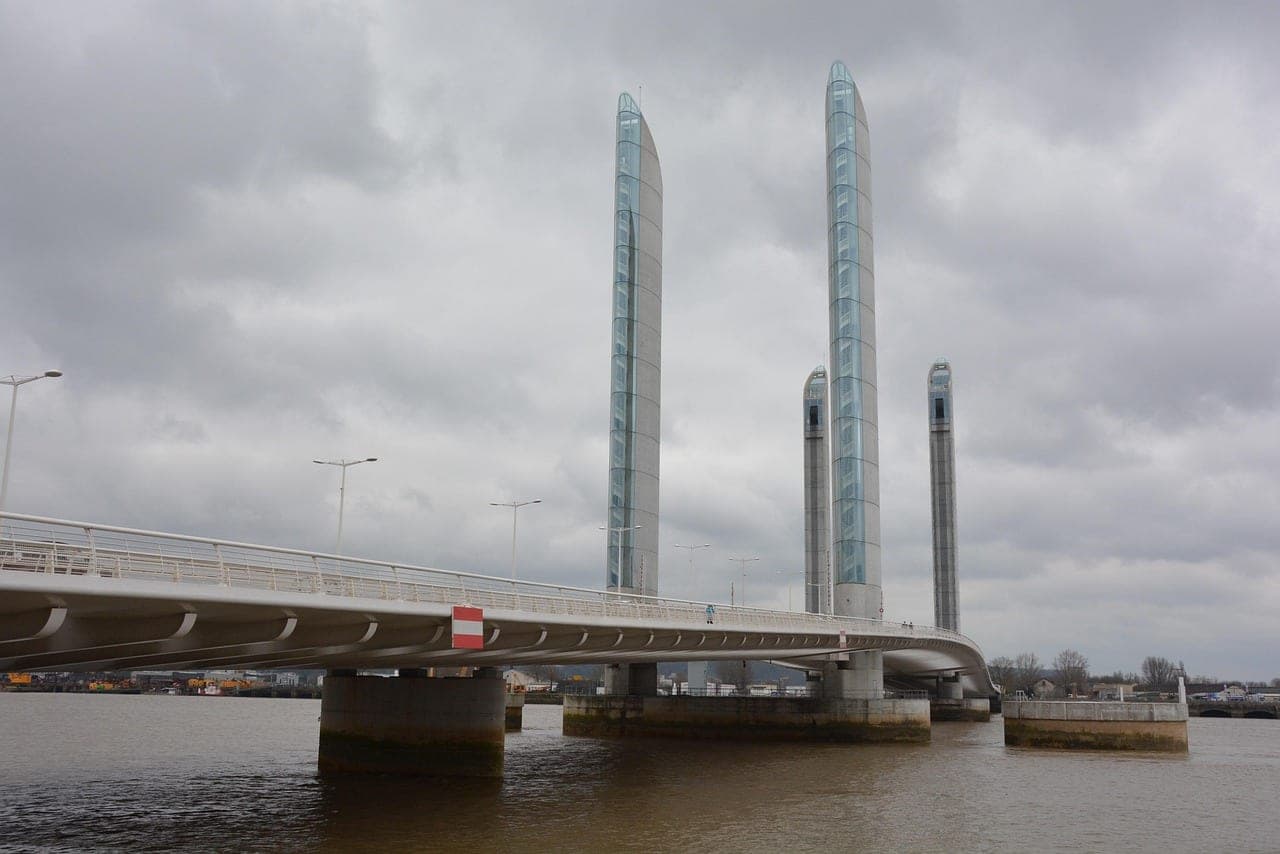
Place de la Bourse and its water mirror reflection along the Garonne River in Bordeaux

Bordeaux, France

Bordeaux student group travel for teachers: UNESCO waterfront, wine country, and Atlantic France on teacher-led educational tours and high school group trips.

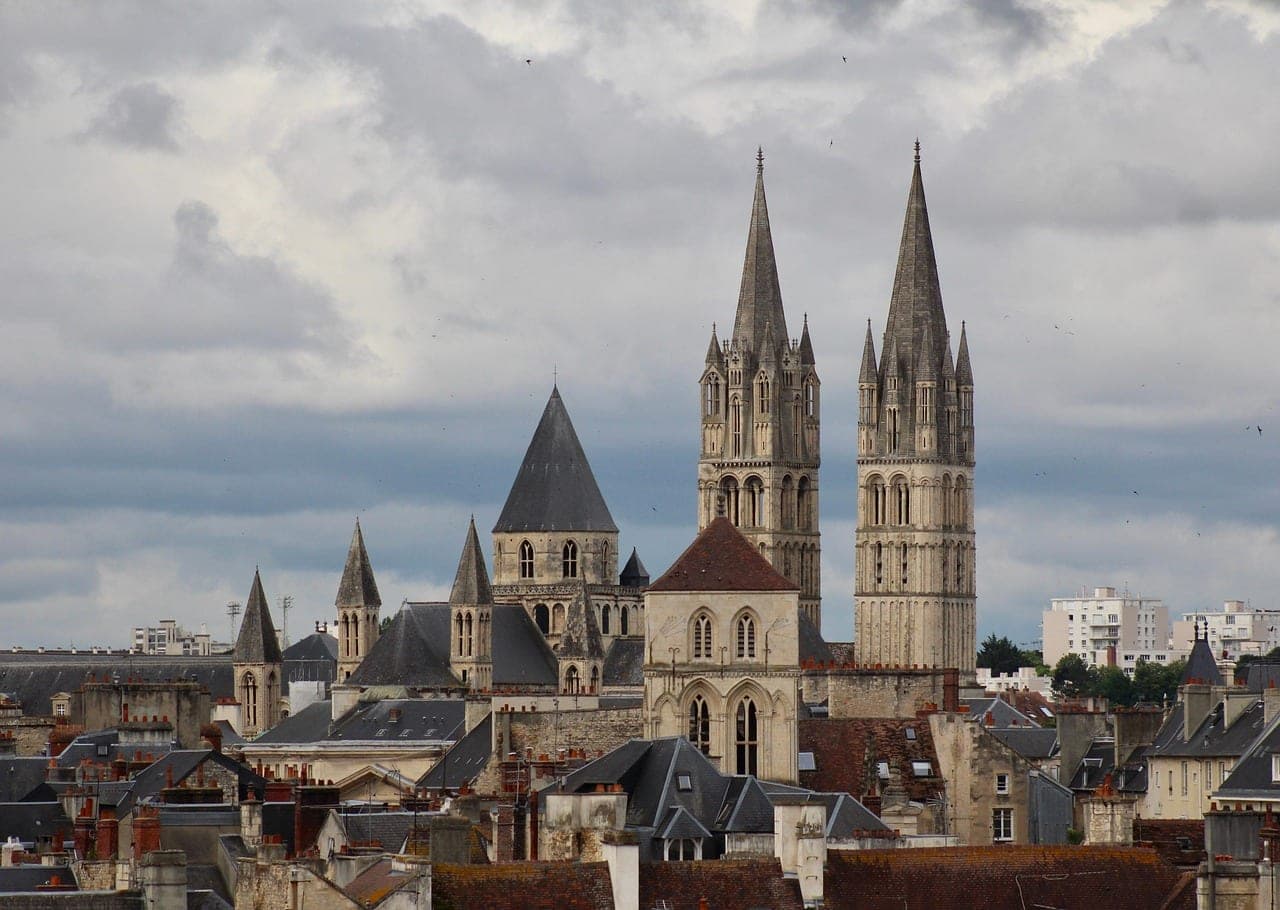
Mémorial de Caen peace museum entrance with the WWII memorial sculpture in front, Normandy

Caen, France

Caen student group travel for teachers: WWII history, the Mémorial peace museum, and D-Day beaches on teacher-led educational tours through Normandy.

Palm-lined Boulevard de la Croisette curving along the Cannes seafront on the French Riviera

Cannes, France

Cannes student group travel for teachers: the Croisette, Le Suquet, and the Lérins islands on teacher-led educational tours of the French Riviera.

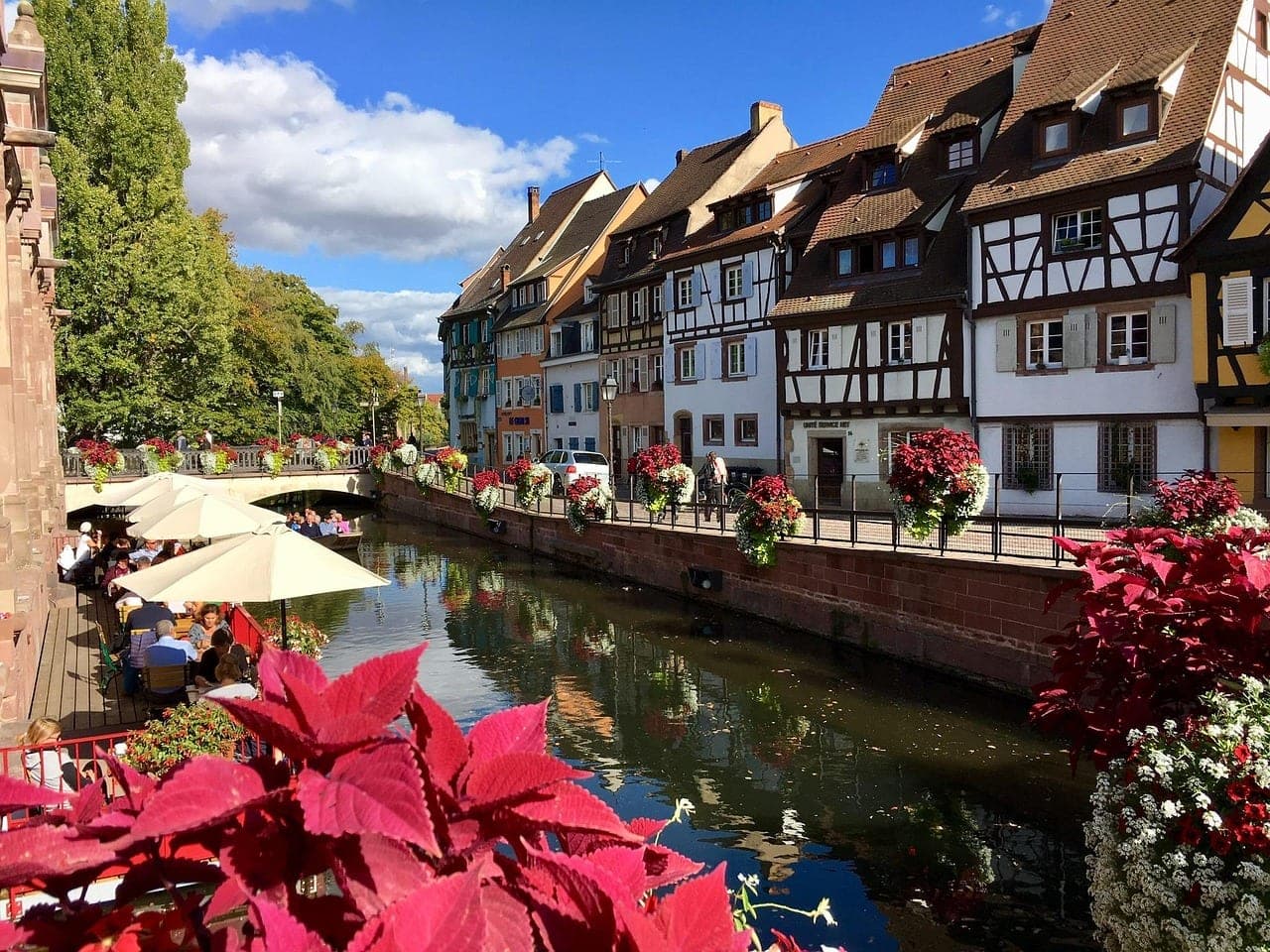
Flower-draped half-timbered houses reflected in the canals of old Colmar, Alsace

Colmar, France

Colmar student group travel guide for teachers: half-timbered canals, Alsatian food, and Unterlinden — an Alsace city built for a teacher-led educational tour.

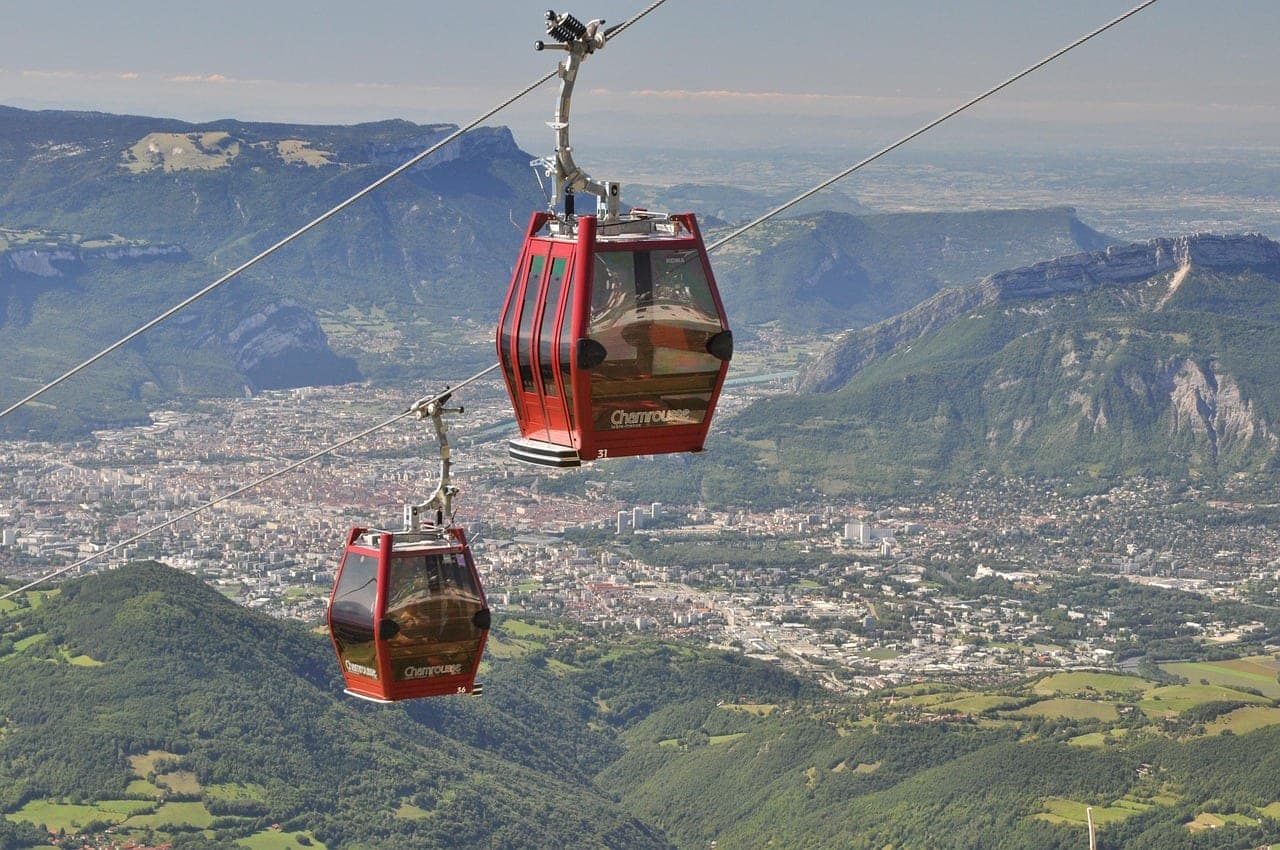
Grenoble's Bastille cable-car bubbles rising above the Isère river and the French Alps

Grenoble, France

Grenoble student group trips for teachers: Alpine capital with Bastille cable car, Stendhal, 1968 Olympic history — our educational travel guide for schools.

The Eiffel Tower above the Seine at golden hour, Paris's iconic skyline

Paris, France

Paris student group travel for teachers: Louvre, Eiffel Tower, Versailles, and the curriculum behind teacher-led trips and educational tours.

Take your students to France.

Every Passports trip is built around a teacher and a group — from first itinerary sketch to the last day on the ground. Tell us what you have in mind and we’ll take it from there.

Plan a trip