- RegionFrench Basque Country, Nouvelle-Aquitaine
- LanguageFrench (Basque signage bilingual)
- CurrencyEuro (EUR)
- Best seasonMay - Jun, Sep - Oct
- TimezoneCentral European Time (UTC+1)
A quick introduction
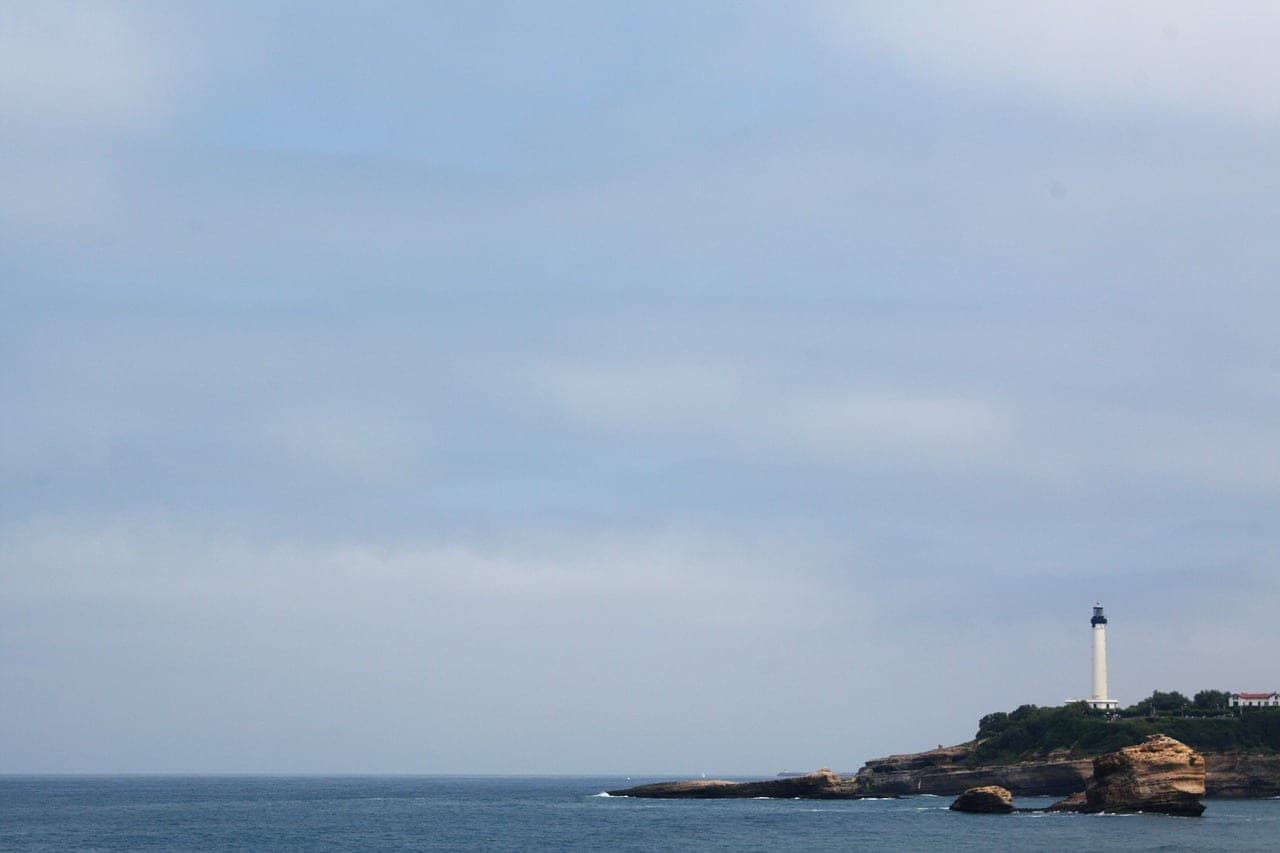
Biarritz is where the Atlantic hits the French Basque coast. The town sits about 20 miles north of the Spanish border, tucked between the surf-carved cliffs of the Côte des Basques and the foothills of the Pyrénées. Population is small — around 25,000 year-round — but the seafront is lined with Belle Époque hotels built after Empress Eugénie put the place on the map in the 1850s. It's walkable end-to-end in under 40 minutes, and the beaches, the lighthouse, and the old fishing port all sit inside that footprint.
For a student group, Biarritz earns its spot on the itinerary as the cultural hinge between France and Spain. This is educational travel with an unusual layered payoff: a French seaside town, a Basque cultural identity that pre-dates either modern nation, and day-trip access to San Sebastián, the Pyrénées, and the pilgrimage route to Santiago. High school group trips that pair Biarritz with Paris or Barcelona come home with a sharper read on what "France" and "Spain" actually mean. For teacher-led tours that want a Mediterranean-style coast without the Mediterranean crowds, the Basque coast is the answer.
Top things to see and do


When to go
- May - Jun — spring sweet spot
The prime window for educational travel to Biarritz. Daytime highs 17-23°C, the Atlantic has warmed just enough for a tide-pool walk, and the town is lively without the August surge. Surf schools are running, hotels are easy to book, and most high school group trips on our French catalog land here.
- Jul - Aug — peak season
Daytime highs 22-28°C, the Grande Plage packed by 10 AM, and every Parisian family on the Atlantic coast. The town still works for a student group but budget rises, coach parking tightens, and the Musée de la Mer queues hit 45 minutes by midday.
- Sep - Oct — shoulder-season gold
Arguably the best window for a teacher-led trip. Water is still warm enough for a surf lesson, temperatures settle at 18-24°C, the Biarritz Surf Festival spills through September, and the crowd volume drops hard after the French rentrée. Light turns long and gold — the photography your yearbook editor wants.
- Nov - Mar — quiet Atlantic winter
Mild for the latitude (highs 10-14°C) but genuinely wet — the Atlantic storms roll in. Big-wave surf competitions bring serious crowds on a handful of days; otherwise the town is quiet and hotels are cheap. Works for an interim-term trip if the group is fine with rain and the itinerary leans indoor (museums, cooking classes, day trips to Bayonne).
Food and culture

Piperade
The signature Basque dish: peppers, tomatoes, onions, and Espelette pepper slow-cooked down, usually with eggs or ham folded in. Served hot at lunch, warm at breakfast. The Basque answer to ratatouille.

Axoa d'Espelette
Minced veal stewed with onions and Espelette pepper. A traditional Basque farm dish, hearty enough to fuel a half-day coastal walk. Pretty much every family-run restaurant in the old town serves it.

Gâteau basque
The regional pastry — a butter-crust cake filled with black-cherry jam (the Itxassou version) or pastry cream. Bakeries along Rue Mazagran sell fresh slices all afternoon. The dessert students bring home and try to replicate.

Pintxos
Basque-Spanish small plates, served on skewered bread. Easier to find a block over in Saint-Jean-de-Luz or on the day trip to San Sebastián, but Biarritz's Halles-area bars run a solid pintxos hour from 7 PM onward.

Ossau-Iraty cheese
The Pyrénéan sheep's-milk cheese, aged in highland caves and protected by AOP designation. Most market stalls let you taste three or four ages side by side — a real terroir lesson in the space of a lunch break.
What to pack
- Documents
Passport valid 6+ months past travel date, two printed copies (one for the student, one for the Tour Director's file), insurance card, and the Passports group packet. No visa required for US citizens on a stay under 90 days in the Schengen area. If the itinerary day-trips into Spain, the same passport covers it — no internal border stamp.
- Clothing
Layers for Atlantic weather — a light fleece and a packable rain shell earn their space even in June. Modest dress (shoulders and knees covered) for any church visits, including the Sainte-Eugénie chapel. A swimsuit and a quick-dry towel for the beach; a light scarf that doubles as a shoulder cover solves most dress-code moments on the fly.
- Footwear
Broken-in walking shoes for the seafront and the old-port staircases — Biarritz is hillier than it looks. Sandals or water shoes for the beach (the Côte des Basques is rocky at low tide). Do not buy new shoes for the trip. Dress shoes only if an evening event is on the itinerary; otherwise leave them.
- Tech
France uses Type C / E plugs (European two-prong) — bring a universal adapter. A portable battery earns its weight on day-trip days to the Pyrénées. T-Mobile / Google Fi work out of the box; others should buy an Orange or SFR eSIM before departure or at BIQ airport on arrival.
- Extras
A small daypack for museum days, a reusable water bottle (public fountains run free and cold), reef-safe sunscreen (the Atlantic sun is stronger than students expect), a compact umbrella year-round, and motion-sickness tablets for the winding coach route into the Pyrénées.
Is it safe?
Yes. France's US State Department rating is Level 2 ("exercise increased caution") — the same as Italy, Germany, and most of Western Europe — and the elevated level reflects generic European terrorism risk, not anything specific to Biarritz. Violent crime against travelers is rare. The real risks in Biarritz are pedestrian ones: Atlantic rip currents on unsupervised beaches, and routine pickpocketing in the market hall and on the summer-season seafront. Neither requires heroics to manage.
On a Passports teacher-led trip, the Tour Director stays with the group, every beach stop is at a lifeguarded section during posted hours, and the first-evening briefing covers rip-current signaling and pickpocket awareness. Coach transfers are by private vehicle with a certified French driver — students are never on public transport alone. We operate a 24/7 emergency line out of Boston, keep parents on a daily-update channel, and have English-speaking medical contacts in every city we visit. For teachers running their first school group tours to France, the Biarritz stop feels easier than a domestic field trip.
Practical tips
- Swim only at lifeguarded beaches
The Grande Plage, Plage Miramar, and Côte des Basques all post lifeguards (MNS) in season, with colored flags marking the safe zone. Outside those hours and zones, rip currents are the reason swimming isn't an option — the Tour Director enforces this hard and Passports builds beach time around lifeguard hours.
- Basque signage is bilingual — lean into it
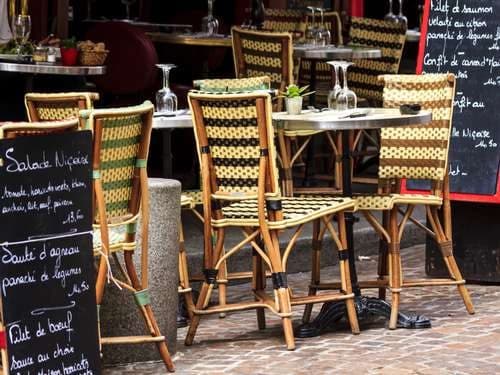
Street signs, storefronts, and menus show French and Basque (Euskara) side by side. Euskara is one of Europe's great language isolates — unrelated to French, Spanish, or any other Indo-European language. Ten minutes with a Tour Director on how to read a bilingual sign is one of the stickiest classroom moments of the week.
- The town is walkable — leave the coach parked
Biarritz's old center bans coaches from most streets. Drivers drop at designated stops near the casino or the lighthouse and the Tour Director walks the group in. Plan for 10,000+ steps a day and build a mid-afternoon sit-down into the schedule.
- Cash is fine but not required
Contactless is near-universal in France. Small cash helps at the Halles market stalls and at pintxos bars that run per-skewer tabs. ATMs are easy to find along Avenue Edouard VII and Place Clemenceau.