Destination

Paris, France

Paris student group travel for teachers: Louvre, Eiffel Tower, Versailles, and the curriculum behind teacher-led trips and educational tours.

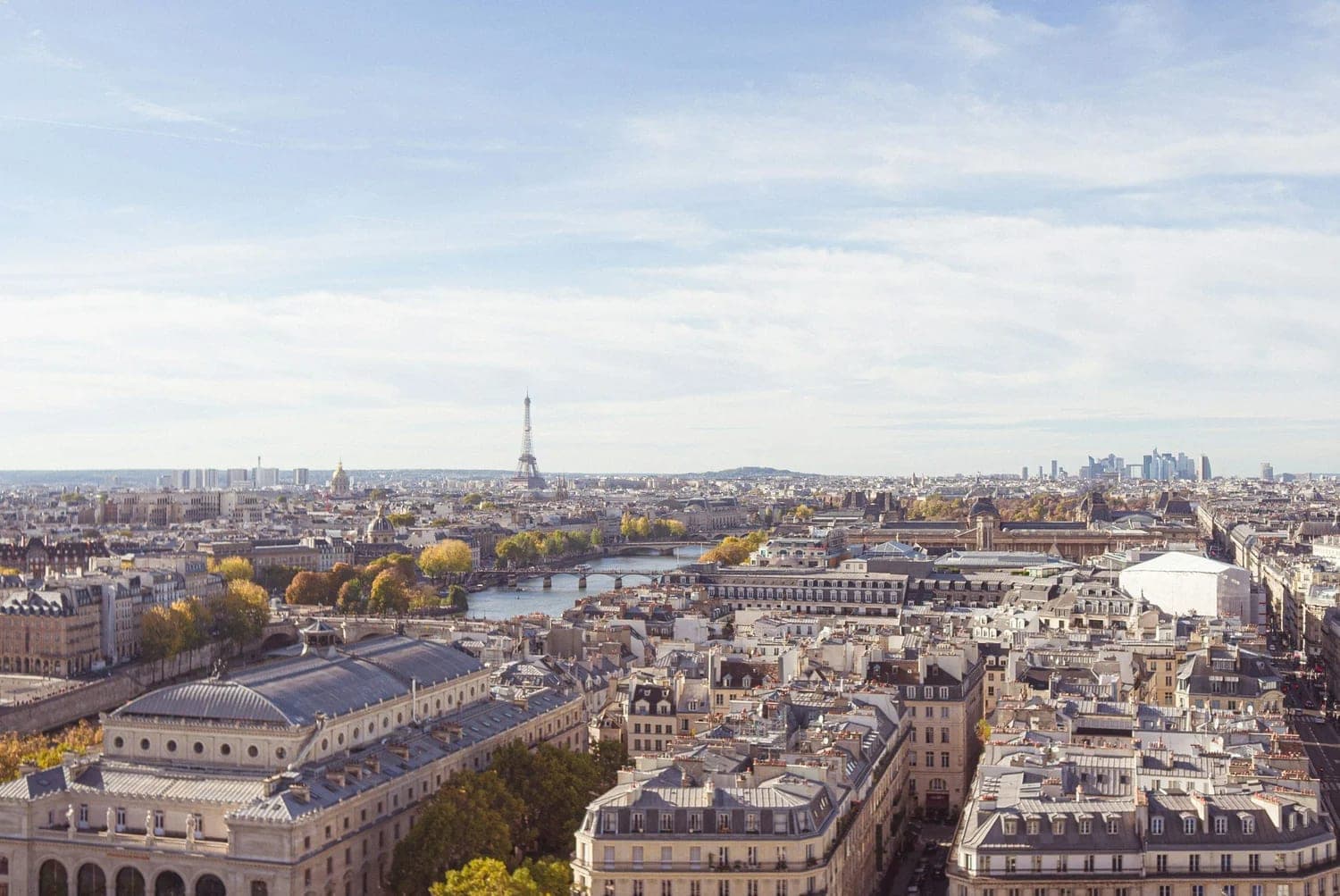
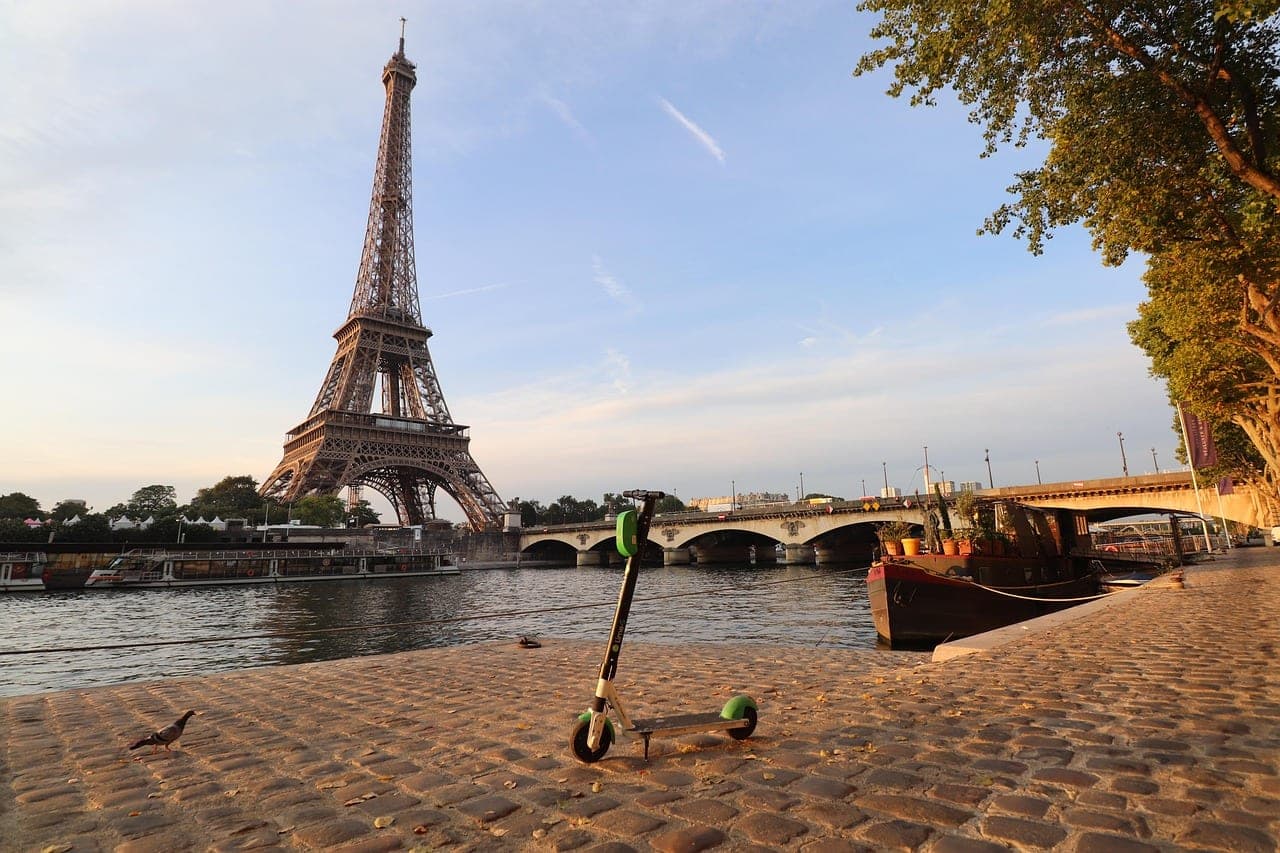
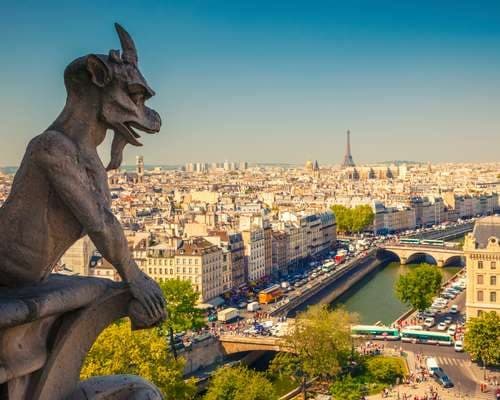
The Eiffel Tower above the Seine at golden hour, Paris's iconic skyline
On this page
  • Where Paris sits on the Seine and why two days is the minimum stop
  • Six sights worth planning around — Louvre, Eiffel Tower, Notre-Dame, Versailles, Musée d'Orsay, Sainte-Chapelle
  • What to eat: jambon-beurre, croissants, croque-monsieur, steak frites, macarons
  • When to go, what to pack, and whether Paris is safe for a high school group trip
  • Practical logistics for teachers — Métro etiquette, museum timing, and day-trip windows
← All city guidesCountry guide: France
Plan a trip

A quick introduction

Paris is France's capital and largest city — about 2.1 million in the commune, roughly 12 million across the Île-de-France metro, sitting on the Seine in the geographic middle of northern France. The Parisii Celts founded a settlement on the Île de la Cité around 250 BC; the Romans renamed it Lutetia; the Capetian kings made it the seat of the French crown in the 10th century. Today the city is divided into 20 arrondissements that spiral outward from the Île de la Cité like a snail shell, and almost everything a student group needs to see sits inside the first eight.

For a school group, Paris is the anchor of any French itinerary and the highest-payoff city in Europe per day on the ground. Two days is the minimum to do the basics; four is the sweet spot for a teacher-led trip that wants the Louvre, Versailles, the Impressionists, and a working understanding of the city. Paris also functions as the natural launch point for educational travel south to the Loire châteaux, Normandy, or Provence — most Passports French itineraries open here for jet-lag absorption and the orientation walk before the group goes anywhere else.

Day by day

Top things to see and do

The Louvre

The Louvre

The world's most-visited museum and the deepest single-building art-history lesson on the planet — 35,000 works on display, from the Code of Hammurabi to the Mona Lisa. Plan a focused 2.5-hour visit hitting Italian Renaissance, French painting, and the Egyptian wing; trying to "see it all" is the rookie mistake. Enter through the Carrousel mall or the Pyramid.

The Eiffel Tower

The Eiffel Tower

324 meters of riveted iron designed by Gustave Eiffel for the 1889 World's Fair, originally meant to come down after 20 years and now the most photographed monument on Earth. The view from the second platform is the right one for groups — same Paris, no queue for the top elevator. Sunset and the on-the-hour sparkle (every hour after dark) are the photo windows.

Notre-Dame Cathedral

Notre-Dame Cathedral

The 12th-century Gothic cathedral on the Île de la Cité, the symbolic heart of France and the zero point all French road distances are measured from. Reopened December 2024 after the 2019 fire and the five-year restoration; the cleaned interior stone reads brighter than any photo from the last fifty years shows. Free entry; the queue moves.

Palace of Versailles

Palace of Versailles

Louis XIV's monument to absolute monarchy — 2,300 rooms, the Hall of Mirrors, the gardens by Le Nôtre. A 35-minute RER C ride from central Paris and a half-day excursion that anchors any AP European History or French Revolution unit. The State Apartments and Hall of Mirrors are the must-see; the gardens are the lunch and exhale.

Musée d'Orsay

Musée d'Orsay

The world's deepest collection of Impressionist and Post-Impressionist painting, in a converted 1900 Beaux-Arts train station whose great clock face still anchors the central hall. Monet, Manet, Degas, Renoir, Van Gogh, Cézanne, Gauguin — the cluster on the fifth floor is the highlight. Lighter cognitive load than the Louvre and a strong second-day pairing.

Sainte-Chapelle

Sainte-Chapelle

The 13th-century royal chapel built by Louis IX to house the Crown of Thorns, hidden inside the Palais de Justice on the Île de la Cité. The upper chapel is fifteen 15-meter stained glass windows wrapping the room — 1,113 biblical scenes, two thirds of the original 13th-century glass still in place. A 30-minute visit and the most concentrated wow-per-square-foot stop in the city.

Weather by season

When to go

  • Apr - Jun — spring sweet spot

    Daytime highs 14-22°C, chestnut trees in bloom along the boulevards, longer days through the solstice. The classic window for educational travel to Paris and the highest-payoff season for a school group. Coach traffic builds through June but the city absorbs it.

  • Jul - Aug — peak heat, peak crowds

    Daytime highs 25-30°C, occasional 35°C heat waves, every queue at maximum length. Many small Parisian restaurants close in August when their owners take vacation; the city tilts toward tourists. Workable for a determined summer high school group trip if you start mornings early and plan indoor afternoons.

  • Sep - Oct — shoulder-season gold

    The other peak window for teacher-led tours. Daytime highs 15-22°C, golden plane-tree light along the Seine, crowds drop sharply after the French rentrée in early September. School group tours that travel mid-September through mid-October get the best version of the city.

  • Nov - Mar — quiet, cold winter

    Daytime highs 4-10°C, frequent rain, museums close to empty on weekday mornings. The Champs-Élysées Christmas market and the Galeries Lafayette tree are the December anchors, and a winter educational tour gets the Louvre with no Mona Lisa scrum. Pack for cold rain rather than cold dry.

What to order

Food and culture

Jambon-beurre

Jambon-beurre

The everyday Parisian sandwich — a half-baguette, sweet butter, Paris ham, sometimes a cornichon. Five euros at any boulangerie and the right call for a coach lunch when you're moving. Volume-eaten in Paris; perfect first French food.

Croissant

Croissant

Layered yeast-laminated pastry; Paris bakeries enter their croissants in citywide competitions and the top-five list is tracked in the press every year. Order au beurre (butter, straight) — the ordinaire version is made with margarine. Best between 8 and 10 AM, fresh from the oven.

Croque-monsieur

Croque-monsieur

Grilled ham-and-cheese on pain de mie, blanketed in béchamel and gruyère and run under the broiler. The Parisian café lunch that doesn't require a reservation or an opinion about the menu. Add a fried egg on top and it becomes a croque-madame.

Steak frites

Steak frites

The bistro standard — typically a thin entrecôte or onglet, cooked rare unless you push back, served with a heap of hand-cut frites and a green salad. Order à point if your definition of medium-rare is American medium; bien cuit gets you well-done and a small lecture.

Macarons

Macarons

Almond-meringue sandwich cookies in a dozen flavors per shop, perfected by Pierre Hermé and Ladurée and now made cleanly at a hundred Paris bakeries. Buy a six-pack and split — they travel two days at most. The right souvenir-snack on a coach transit day.

Packing essentials

What to pack

  • Documents

    Passport valid 6+ months past travel date, two printed copies (one for the student, one for the Tour Director's file), insurance card, and the Passports group packet. No visa required for US citizens on a stay under 90 days in the Schengen area; ETIAS authorization is phasing in, so check the status 60 days out.

  • Clothing

    Layers — Paris weather can swing 10°C in a day even in spring. One nicer outfit for a Seine dinner cruise or a group dinner. Modest shoulders + knees for cathedrals (Notre-Dame, Sainte-Chapelle, Sacré-Cœur). Most hotels have laundry service; pack for 5-6 days regardless of trip length.

  • Footwear

    Broken-in walking shoes — 8-12 km a day on cobblestone is the Paris baseline. Avoid brand-new sneakers; this is not the trip to break them in. One pair of dressier shoes for evening events, one pair of weather-resistant for the rain you'll probably get.

  • Rain layer

    A compact rain jacket or large travel umbrella. Paris rains an average of 12 days a month March through May and 10 days a month October through December — plan for it rather than against it.

  • Tech

    Type-E Schuko adapter (US plugs do not fit French outlets), portable battery, and the Passports app installed on every student phone before departure. Most central Paris has free Wi-Fi at cafés; an eSIM is overkill for a 7-10 day group trip.

  • Extras

    A reusable water bottle (Paris's Wallace fountains dispense free clean water across the city), basic OTC meds in their original boxes, and a small day-pack students can wear on the front in busy Métro stations.

The parent-meeting question

Is it safe?

Paris is safe for a high school group trip with normal urban awareness. The US State Department lists France at Travel Advisory Level 2 — "exercise increased caution," the same level as the UK, Spain, Italy, and Germany — driven by the standing European terrorism advisory rather than any acute current threat. Violent crime against tourists is rare; the actual risk is pickpocketing in crowded transit hubs (Châtelet, Gare du Nord, the queue for the Eiffel Tower) and at the major museums.

Passports school group tours run with a full-time Tour Director in the city with the group from arrival to departure, a private coach for transfers and day trips with a vetted driver, a 24/7 US-based emergency line, and a pre-trip Métro safety briefing that walks every student through pickpocket protocols and the buddy system. Teacher-led trips also get our local hospital and embassy contact list with the rooming list at check-in.

🛡️

Personal safety

Pickpocketing is the realistic risk — concentrated at Métro stations Châtelet, Gare du Nord, and Anvers, plus the queues for the Eiffel Tower and the Louvre. Day-pack on the front, phone in an inside pocket, no rear-pocket wallets. Avoid the "did you drop this ring?" scam near Notre-Dame.

⚕️

Health & medical

Tap water is safe and free. No travel vaccinations beyond the CDC routine list. The American Hospital of Paris in Neuilly is the English-speaking go-to for anything beyond a pharmacy visit; pharmacies (green cross sign) are everywhere and pharmacists handle minor issues directly.

🚐

Roads & transport

Private coach to and from Charles de Gaulle and to Versailles with a credentialed driver. The Métro is the in-city default with the Tour Director — quick, dense, safe, and 24/7 monitored. Seatbelts on coaches; never on Métro trains (none installed).

🌪️

Natural hazards & advisories

Negligible. Paris does not earthquake, flood (very rarely), hurricane, or wildfire. The one weather event to plan around is a summer heat wave (typically late July / early August); the city activates cooling centers and the Tour Director adjusts the day pace.

Practical tips

  • The Métro is the fastest thing in Paris

    14 lines, 300+ stations, a train every 2-4 minutes during the day. Every station has a free paper map; carrying one beats relying on phone signal underground. Validate your ticket at the turnstile and keep it until you exit — random checks do happen and the fine is on the spot.

  • Bonjour first, English second

    Every interaction in Paris opens with bonjour (or bonsoir after about 6 PM). Skipping the greeting is the single biggest reason American visitors find Parisians "rude." The script is bonjour, parlez-vous anglais? — and the answer, almost always, is yes.

  • Tap-to-pay everywhere — except markets and tips

    Contactless cards and Apple Pay work at almost every café, shop, and ticket gate. The exceptions are open-air markets (Bastille, Aligre), small bakeries in the outer arrondissements, and tipping. Carry €30-50 in small bills and the rest goes on the card.

  • Lunch is at noon, dinner is at 8

    Cafés serve lunch 12:00-2:30 and dinner 7:30-10:30 with a hard gap in between. Order l'eau du robinet (tap water, free) over bottled. The check (l'addition) doesn't arrive automatically — ask for it. Tipping is optional; round up or leave a euro or two for good service.

  • Stay in groups, especially after dark

    Paris is a safe major city, but it's still a major city. Groups of three or more students after dark, no headphones in transit stations, and the Tour Director's number programmed into every student phone. The Passports buddy-system protocol covers the whole stay.
Five facts

Good to know

🗺️

20 arrondissements

Paris is divided into 20 numbered districts that spiral outward from the Île de la Cité like a snail shell. Postal codes end with the arrondissement number — 75001 is the Louvre, 75008 is the Champs-Élysées, 75020 is Père Lachaise.

🏛️

2,000+ years old

The Parisii Celts founded a settlement on the Île de la Cité around 250 BC; the Romans took it in 52 BC and called it Lutetia. The current name dates from the 4th century — Civitas Parisiorum, "city of the Parisii."

🖼️

130+ museums

Paris has more museums per square kilometer than anywhere else on Earth — over 130 across the 20 arrondissements, from the Louvre's 73,000 m² to the one-room Musée Édith Piaf in a private apartment in the 11th.

🎬

Cinema was invented here

The Lumière brothers held the world's first commercial film screening in the basement of the Grand Café on Boulevard des Capucines on December 28, 1895. Ten short films, 33 paying attendants, and the start of an industry.

📏

The metric system started in Paris

The meter was defined in 1791 by the French Academy of Sciences as one ten-millionth of the distance from the equator to the North Pole, measured along a meridian running through Paris. The original platinum-iridium prototype is still kept at Sèvres, just outside the city.

Tours that go here

Tours that stop in Paris

See all tours →
Gargoyle on Notre Dame Cathedral
France

Côte à Côte

Paris · St. Malo · Loire Valley · Nice

Language-immersion
See itinerary
Paris Balcony
France

Discover Paris

Paris

Language-immersion
See itinerary
Gargoyle on Notre Dame Cathedral
France

France: North to South

Caen · St. Malo · Amboise · Paris · Nice

Custom & private
See itinerary
Gargoyle on Notre Dame Cathedral
France

La Belle France

Paris · St. Malo · Loire Valley

Language-immersion
See itinerary
Paris
United Kingdom/England · France

Le Beau Voyage

London · Caen · St. Malo · Loire Valley · Paris

Large-group
See itinerary
Trooping the Colour
United Kingdom/England · France

London and Paris

London · Paris

Small-group
See itinerary
Classroom material

Lesson plans about Paris

See all →
FranceHistoryGrade 11-12

Age of Enlightenment: France: Rousseau

Through an in-depth analysis of primary and secondary sources, specifically by reading and analyzing excerpts from two of Jean Jacques Rousseau's major works, The Social Contract (1763) and Discourse on the Origin and Basis of Inequality am…

View lesson
FranceHistoryGrade 11-12

Age of Enlightenment: France: Voltaire (Candide)

Students in this lesson will analyze and understand the basic story behind Voltaire's satire by reading Candide (1759). In doing such analysis, students will also gain an appreciation and understanding of how Voltaire challenged the French …

View lesson
FranceHistoryGrade 11-12

French Revolution (1789-1815): Bourgeois Phase, 1789-1792

Through an analysis of primary and secondary sources, students in this lesson will identify, understand and be able to explain the details, ideas and motivations behind the Bourgeois phase of the French Revolution, the basic structure and p…

View lesson
FranceHistoryGrade 11-12

French Revolution (1789-1815): Napoleon's Domestic Plan

Through an analysis of primary and secondary sources, students in this lesson will identify, understand and be able to explain the structure, details and purposes behind Napoleon's Domestic Plan through a comprehensive investigation of the …

View lesson
FranceHistoryGrade 11-12

French Revolution (1789-1815): Robespierre and the Terror

Through an analysis of primary and secondary sources, students in this lesson will identify, understand and be able to explain the details, ideas and motivations behind Robespierre's Jacobin Terror phase of the French Revolution, the basic …

View lesson
FranceHistoryGrade 11-12

French Second Empire (1852-1870): Haussmann and the Birth of Modern Paris

Through an analysis of primary and secondary sources, students in this lesson will identify, understand and be able to explain the details, ideas and motivations the Haussmannization of Paris, how he used wide boulevards and ring streets to…

View lesson
From the Tour Directors

Tour Director lectures about Paris

See all →
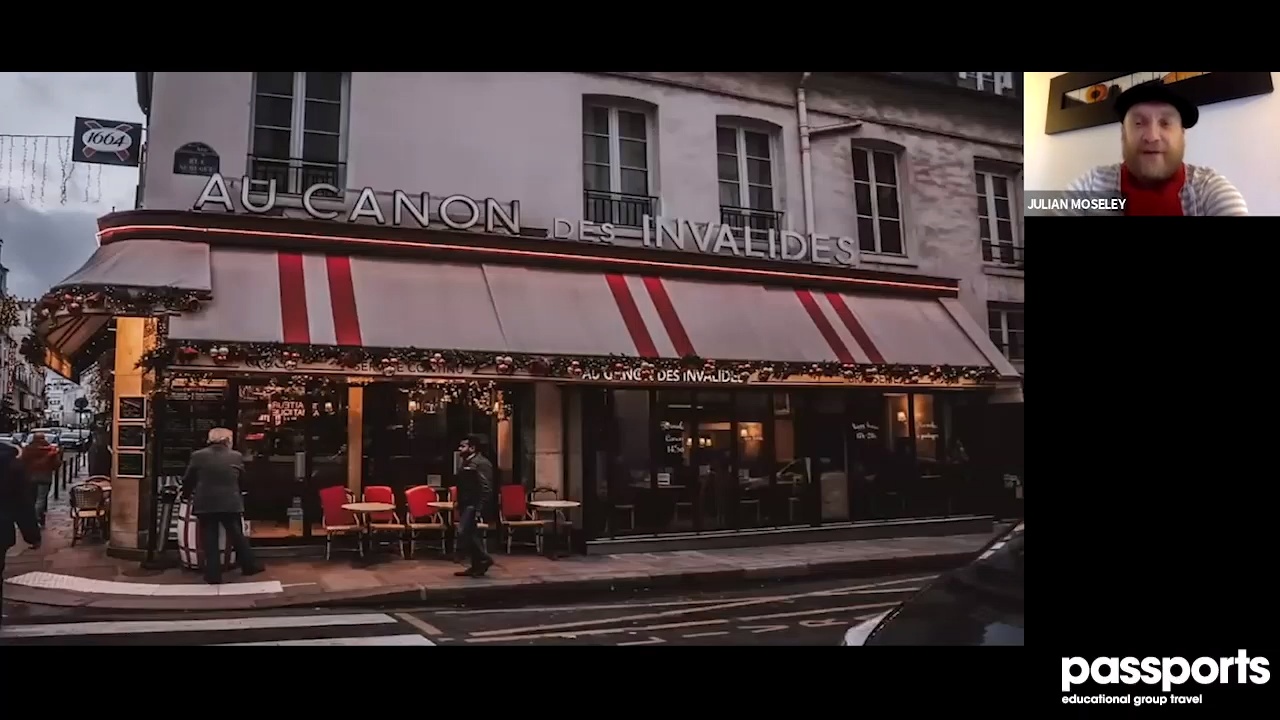
Parisian Street Furniture: Part Deux — Passports Tour Director lecture
Julian MoseleyFrance

Parisian Street Furniture: Part Deux

Parisian streets are teeming with interesting and often quite beautiful objects that today we would call “street furniture”, and yet many visitors know little about them, or may not even notice them. I can guarantee that this lecture will open your eyes to things you’ve either never noticed before, or had noticed but had no idea what they were. You’ll never see Paris in the same light again!

Watch lecture
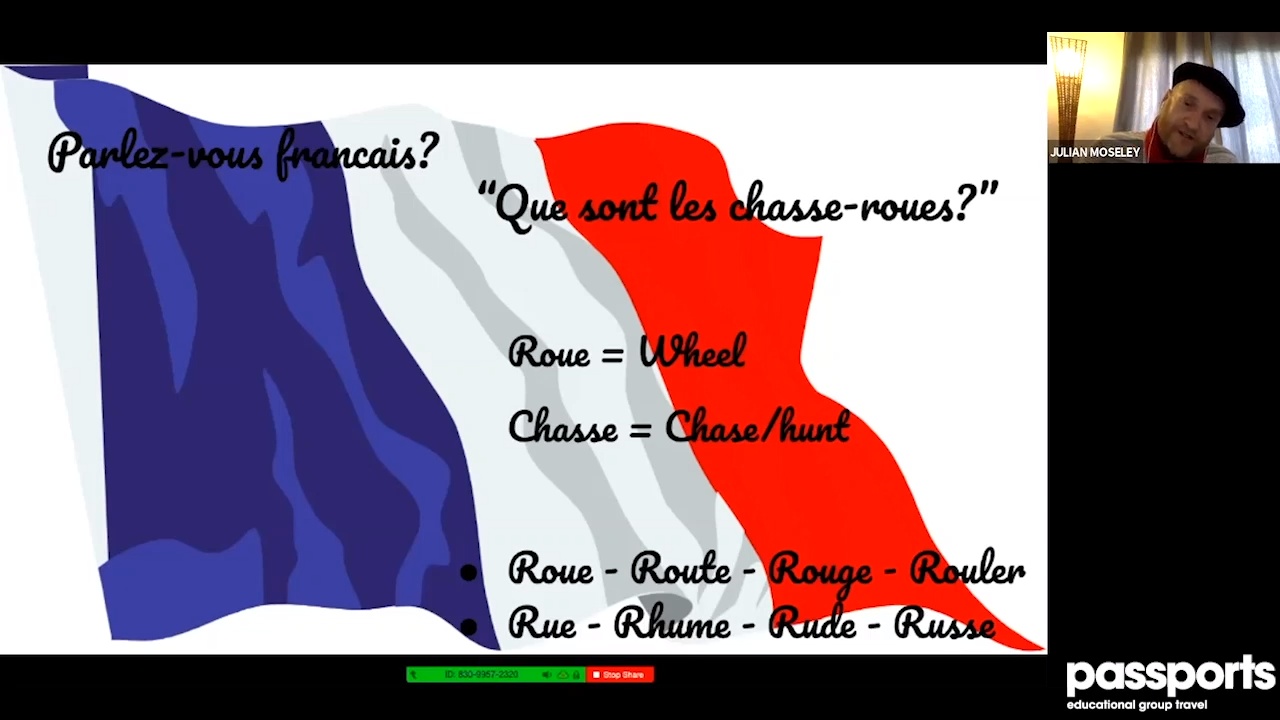
Parisian Street Furniture — Passports Tour Director lecture
Julian MoseleyFranceHistory

Parisian Street Furniture

Parisian streets are teeming with interesting and beautiful objects that today we would call “street furniture”, and yet many visitors know little about them, or may not even notice them. This lecture will open your eyes to things you’ve either never noticed before, or had noticed but had no idea what they were. You’ll never see Paris in the same light again!

Watch lecture
From our blog

Blog posts about Paris

See all →
The Tour Director’s Secret Handbook: Insider Tips Teachers Swear By
for group leaders

The Tour Director’s Secret Handbook: Insider Tips Teachers Swear By

Tour Directors share their best insider tips for teachers leading student groups abroad, from the two-minute departure rule to handling unexpected hiccups on the road

Read post
Culinary Classrooms Abroad: Teaching Culture Through Cooking
culture and food

Culinary Classrooms Abroad: Teaching Culture Through Cooking

Cooking classes abroad in Italy, Spain, and France give student travelers a hands-on way to learn culture, history, language, and collaboration — one recipe at a time

Read post
Hidden Educational Gems in Europe’s Most Visited Cities
destinations

Hidden Educational Gems in Europe’s Most Visited Cities

Hidden educational gems in Paris, Rome, London, and Barcelona give student travelers deeper, crowd-free experiences tied to history, science, art, and culture

Read post
Engaging Students with Hands-On Travel Activities: Fun Ideas for Educational Tours
educational impact

Engaging Students with Hands-On Travel Activities: Fun Ideas for Educational Tours

Hands-on travel activities like graffiti workshops, geo-treasure hunts, and historical reenactments help students engage deeply with destinations and retain what they learn

Read post
Europe’s Most Beautiful Libraries and Bookstores
destinations

Europe’s Most Beautiful Libraries and Bookstores

Europe's most stunning libraries and bookstores span Dublin's Long Room to Paris's Shakespeare and Company — each a landmark of architecture, history, and literary culture

Read post
Explore France from Coast to Coast: Côte à Côte Itinerary Video
destinations

Explore France from Coast to Coast: Côte à Côte Itinerary Video

The Côte à Côte itinerary takes student groups from Paris to the French Riviera, capturing the landscape shift from city to coast across France

Read post
On the ground

More places in France

Country guide: France →
Moss-draped thermal fountain on Cours Mirabeau in Aix-en-Provence

Aix-en-Provence, France

Aix-en-Provence student group travel for teachers: Cézanne's studio, Provencal markets, and educational tours for teacher-led French high school group trips.

Ajaccio harbor and Corsican mountains across the Mediterranean

Ajaccio, France

Ajaccio student group travel for teachers: Napoleon's Corsican birthplace, Mediterranean coast, and educational tours for teacher-led French high school trips.

Roman amphitheater in Arles lit at dusk amid Provencal rooftops

Arles, France

Arles student group travel for teachers: Roman ruins and Van Gogh's Provence on teacher-led educational tours and high school group trips in art and history.

Pont d'Avignon and the Papal Palace fortress walls above the Rhône River in Provence

Avignon, France

Avignon student group travel for teachers: the Papal Palace, Pont d'Avignon, and Provençal history on teacher-led school group tours through southern France.

Grande Plage beach and Atlantic surf below the Belle Époque hotels of Biarritz, France

Biarritz, France

Biarritz student group travel for teachers: Basque coast, Belle Époque seafront, and Pyrénées day trips on teacher-led educational tours in southern France.

Place de la Bourse and its water mirror reflection along the Garonne River in Bordeaux

Bordeaux, France

Bordeaux student group travel for teachers: UNESCO waterfront, wine country, and Atlantic France on teacher-led educational tours and high school group trips.

Bring your group to Paris, France.

Every Passports trip is built around a teacher and a group — from first itinerary sketch to the last day on the ground. Tell us what you have in mind and we’ll take it from there.

Plan a trip