- RegionProvence, France
- LanguageFrench
- CurrencyEuro (EUR)
- Best seasonApr - Jun, Sep - Oct
- TimezoneCentral European Time (UTC+1)
A quick introduction
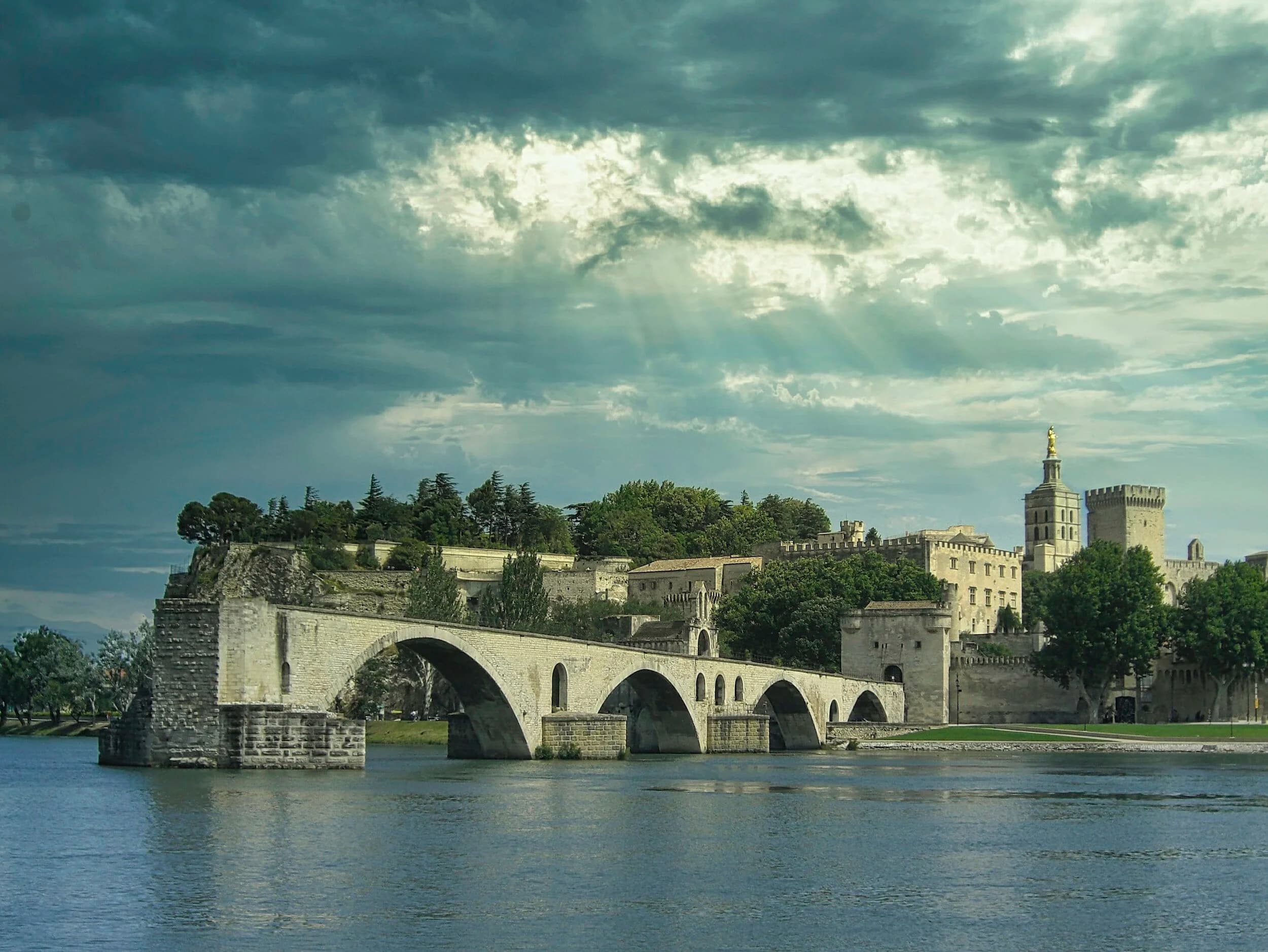
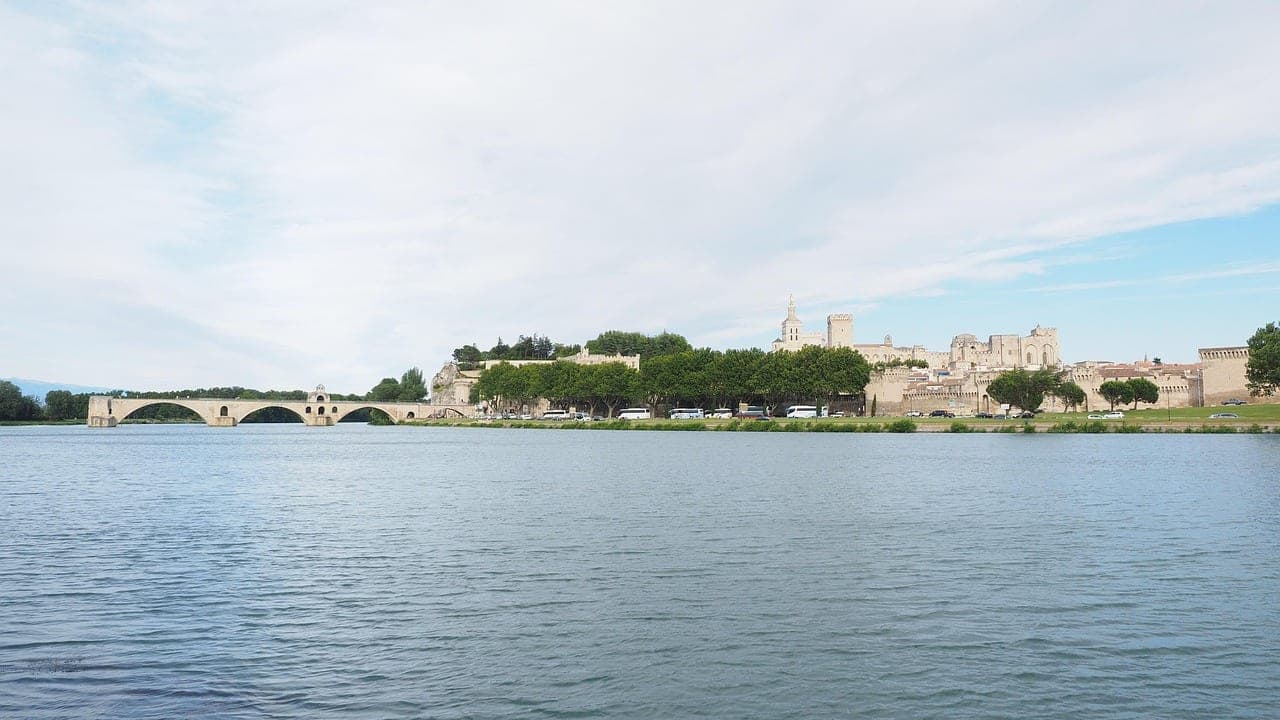
Avignon is the medieval capital of Provence and, for 68 strange years in the 14th century, the capital of Western Christianity. Seven popes ruled from the fortress-like Palais des Papes while Rome was in chaos, and the city is still ringed by the 4.3 km of crenellated stone walls they left behind. Population sits around 92,000 inside a commune that fits into roughly 65 km² on the left bank of the Rhône, directly across from Villeneuve-lès-Avignon.
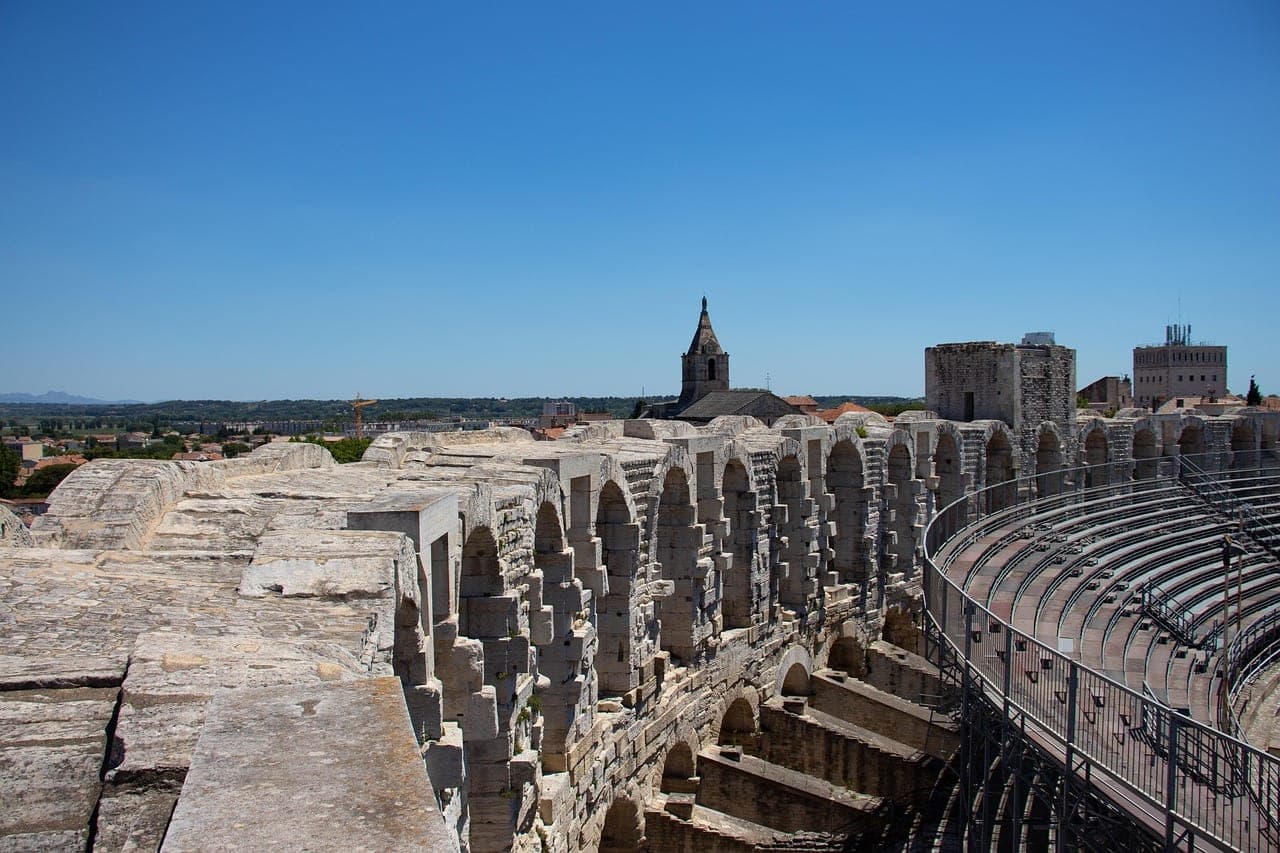
For a student group, Avignon is one of the cleanest half-day to full-day stops on any southern France itinerary. The entire historic center is walled, pedestrian-friendly, and flat — which means a teacher-led tour can move a group from the Palais to the Pont d'Avignon to a lunch square without a bus re-board. Educational travel here pairs naturally with Pont du Gard (25 min) and Arles (45 min); we build it into school group tours that cover Roman Provence, medieval Catholic history, and the Van Gogh trail in the same week.
Top things to see and do


When to go
- Apr - Jun — the school-group sweet spot
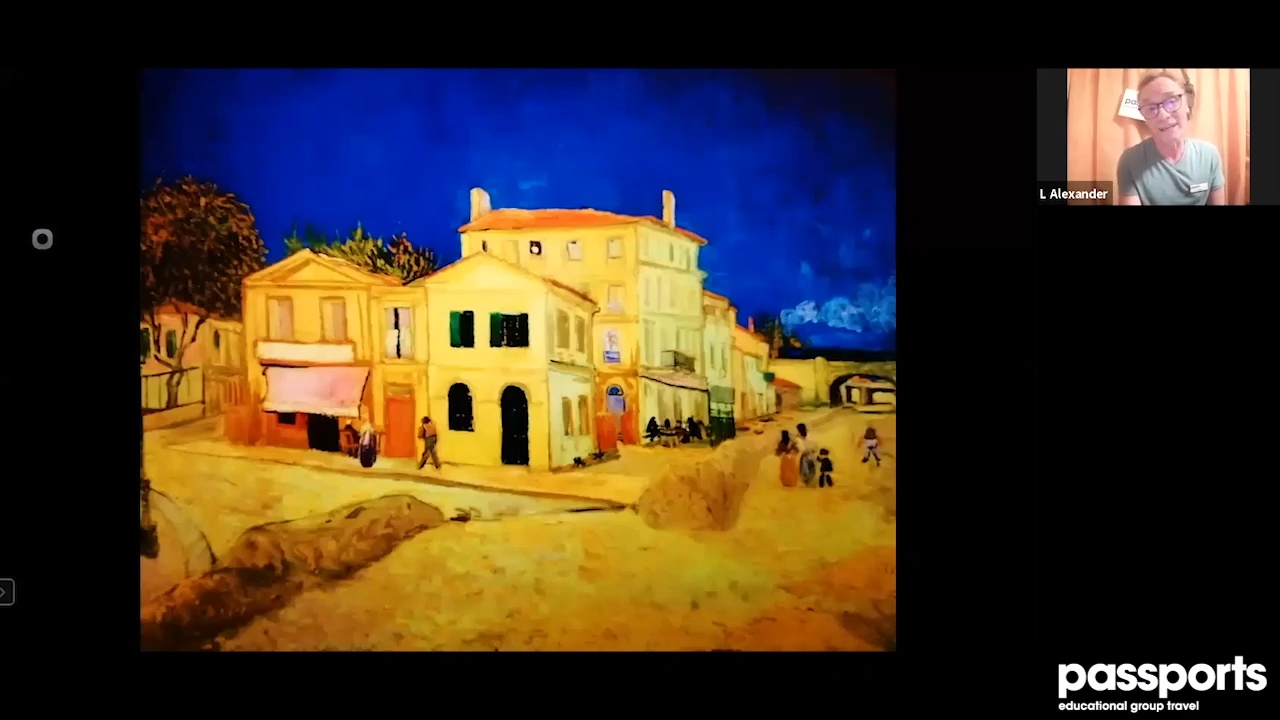
Daytime highs climb from 18°C in April to 28°C by late June, lavender starts blooming in mid-June on the nearby plateau, and the mistral wind tapers off through spring. This is the window most of our educational travel itineraries aim for — museum lines are still short, Provençal cafés have spilled back onto the squares, and the light Van Gogh chased is genuinely showing up by 9 AM.
- Jul - Aug — festival heat
Daytime highs 32-36°C, no shade in the Palais courtyard, and the Festival d'Avignon (one of Europe's biggest performing-arts festivals) taking over the city the first three weeks of July. A student group can work around it, but hotels triple in price and book out six months ahead. If the trip calendar is locked to July, plan every Palais visit at opening (9 AM).
- Sep - Oct — underrated shoulder
Temperatures settle back to 20-26°C, the grape harvest fills the Rhône valley to the north (Châteauneuf-du-Pape is 20 minutes away), and the tourist count drops sharply after the second week of September. A strong pick for a fall high school group trip if your academic calendar allows a September / October window.
- Nov - Mar — quiet and windy
Highs 10-14°C, short days, and the mistral blowing down the Rhône valley at 50-80 km/h for 2-4 days at a stretch. The Palais is essentially empty, which is a lesson in itself, but outdoor time on the ramparts gets real. Fine for interim-term trips if the group is layered up; harder for photo-heavy itineraries.
Food and culture

Daube provençale
Slow-braised beef in red wine, orange peel, and herbes de Provence. The Provençal cousin of boeuf bourguignon, usually served over pasta or potatoes. Classic cool-weather lunch.

Tapenade on fresh baguette
Black-olive, caper, and anchovy paste invented an hour east in Marseille. Every lunch bistro in the old town serves it as a starter; the good ones still pound it in a mortar.

Ratatouille
The summer-vegetable stew — eggplant, zucchini, peppers, tomato, onion, garlic, herbs. Eaten cold or warm, often with grilled fish. The real versions cook each vegetable separately before combining.

Calisson d'Aix
Diamond-shaped almond-and-candied-melon confection with a rice-paper base, made just down the road in Aix-en-Provence since the 15th century. Good group souvenir from Les Halles.

Lavender honey & nougat
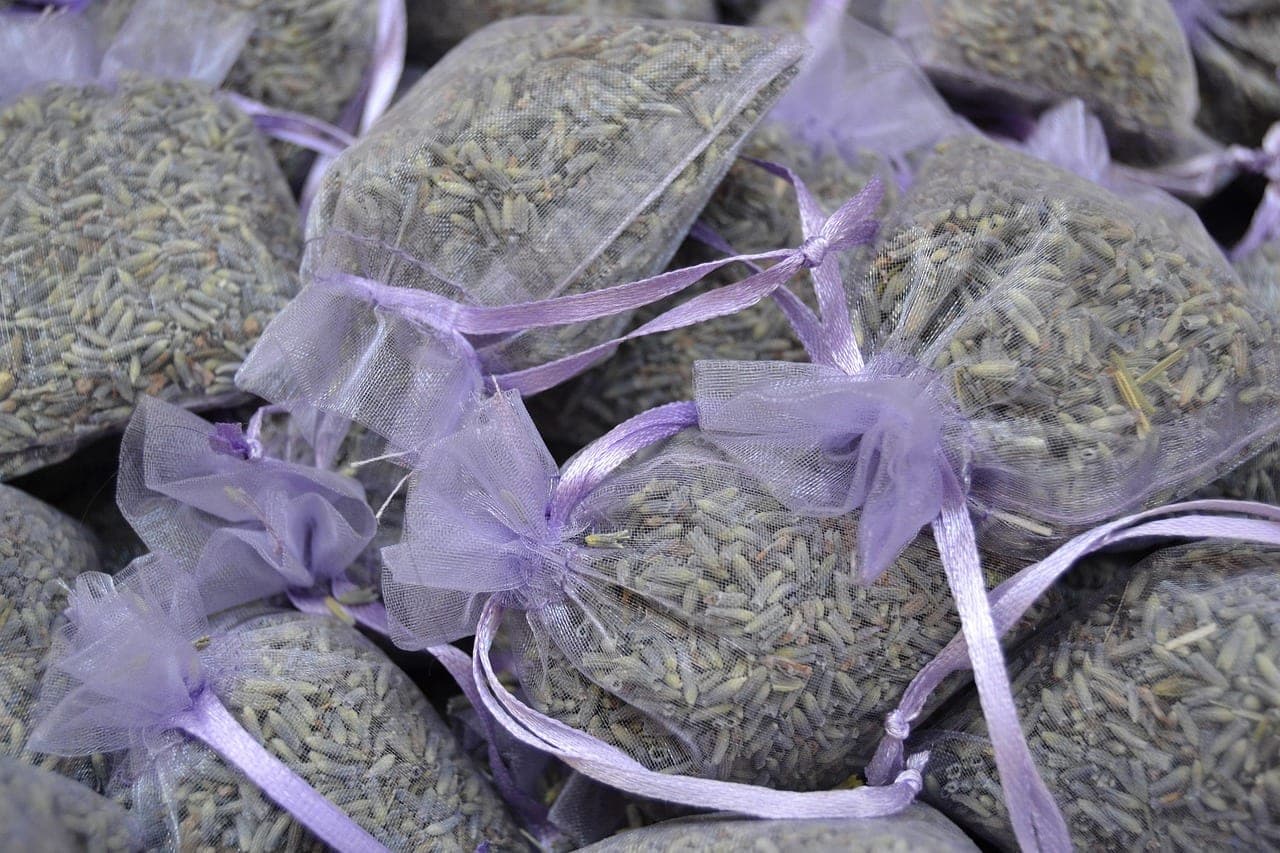
Provence is the honey capital of France; the lavender-honey nougat from nearby Montélimar is the benchmark. Sold by weight at Les Halles and worth the 10 euros for a classroom sampler plate.
What to pack
- Documents
Passport valid 6+ months past travel date, two printed copies (one for the student, one for the Tour Director's file), insurance card, and the Passports group packet. No visa required for US citizens on a stay under 90 days in the Schengen area; note that ETIAS authorization is rolling out and may apply by the time your group travels.
- Clothing
Layers for variable spring weather — mornings on the ramparts can be 10°C cooler than afternoons in the Palais courtyard. Shoulders and knees covered inside churches and the Palais chapel. A light windbreaker earns its place any time the mistral is forecast.
- Footwear
Serious, broken-in walking shoes. The old town is cobblestone end-to-end, the Rocher des Doms climb is on worn stone, and a student group will log 10,000+ steps a day. Do not buy new shoes for the trip. Ankle-support sneakers beat fashion sneakers by a wide margin.
- Tech
France uses Type C / E plugs (European two-prong, sometimes with a grounding pin) — bring a universal adapter. A portable battery earns its weight on full-day Provence itineraries. T-Mobile and Google Fi work out of the box; others should pick up an Orange or SFR eSIM before landing.
- Extras
Reusable water bottle (fountains throughout the old town pour safe cold water), a small daypack for the Palais audio-guide and snacks, SPF 30+ sunscreen from April through September, sunglasses for the glare off the Rhône, and a compact umbrella for the occasional Provençal thundershower.
- Mistral layer
The mistral — the cold, dry wind that funnels down the Rhône valley — kicks up fast and lasts 2-4 days. A packable windbreaker and a hat with a chin strap or snug fit are the difference between a pleasant rampart walk and a miserable one. Worth flagging to students at the pre-trip meeting.
Is it safe?
Yes. France's US State Department rating is Level 2 ("exercise increased caution") — identical to Italy, Germany, the UK, and most of Western Europe — and the elevated level reflects generic European terrorism-threat language, not anything specific to Avignon. Violent crime against travelers in Provence is rare; the realistic risk profile for a student group is pickpocketing around the Palais ticket line, the Pont d'Avignon entry, and the TGV station, plus the occasional aggressive scooter in pedestrian zones after dark.
On a Passports teacher-led trip, students are never on public transport alone, the Tour Director walks every transfer, and we run a Day 1 pickpocket-awareness briefing the first evening. Every hotel is pre-vetted for 24-hour reception and secure in-room storage. Passports operates a 24/7 emergency line out of Boston, keeps parents on a daily-update channel, and has English-speaking medical contacts in every city on our school group tours. For most teachers running their first student group travel to France, the logistics on the ground feel easier than a domestic field trip.
Practical tips
- The walled city is walkable — and car-free
The intramuros (inside the ramparts) is a pedestrian-priority zone with almost no traffic. Private coaches drop at Porte de la République or Porte Saint-Roch and the Tour Director leads the group in from there.
- TGV in, coach around Provence
Avignon TGV station is a 2h40 direct ride from Paris Gare de Lyon, which makes a Paris-plus-Provence high school group trip logistically cheap. Local day trips (Pont du Gard, Arles, Châteauneuf-du-Pape) are coach-only; no train line reaches them.
- Eat on the French lunch schedule
Most bistros serve lunch 12:00-14:00 and shut the kitchen hard at 2 PM. A group of 30 arriving at 1:45 will get turned away. Our Tour Directors reserve the day before and we push the group to a 12:15 seating to make the afternoon itinerary work.
- Cards work everywhere, small cash still helps
Contactless is universal in Avignon, including at Les Halles. A little cash (10-20 euros per student) covers market tastings, a carousel ride in Place de l'Horloge, and the occasional no-card artisan stand across the river in Villeneuve.