- RegionProvence, France
- LanguageFrench
- CurrencyEuro (EUR)
- Best seasonMay - Jun, Sep - Oct
- TimezoneCentral European Time (UTC+1)
A quick introduction
Aix-en-Provence — pronounced "Ex" — sits about 30 km north of Marseille in the heart of Provence, founded by the Romans in 122 BCE as Aquae Sextiae for the thermal springs that still bubble up under the old town. About 145,000 people live in the city, and the Université d'Aix-Marseille brings ~40,000 more students during the school year, giving the center a café-centric walkable energy that's young even by French standards. Mont Sainte-Victoire — the white limestone ridge Paul Cézanne painted more than eighty times — sits on the eastern horizon and is visible from nearly every rooftop in the old town.
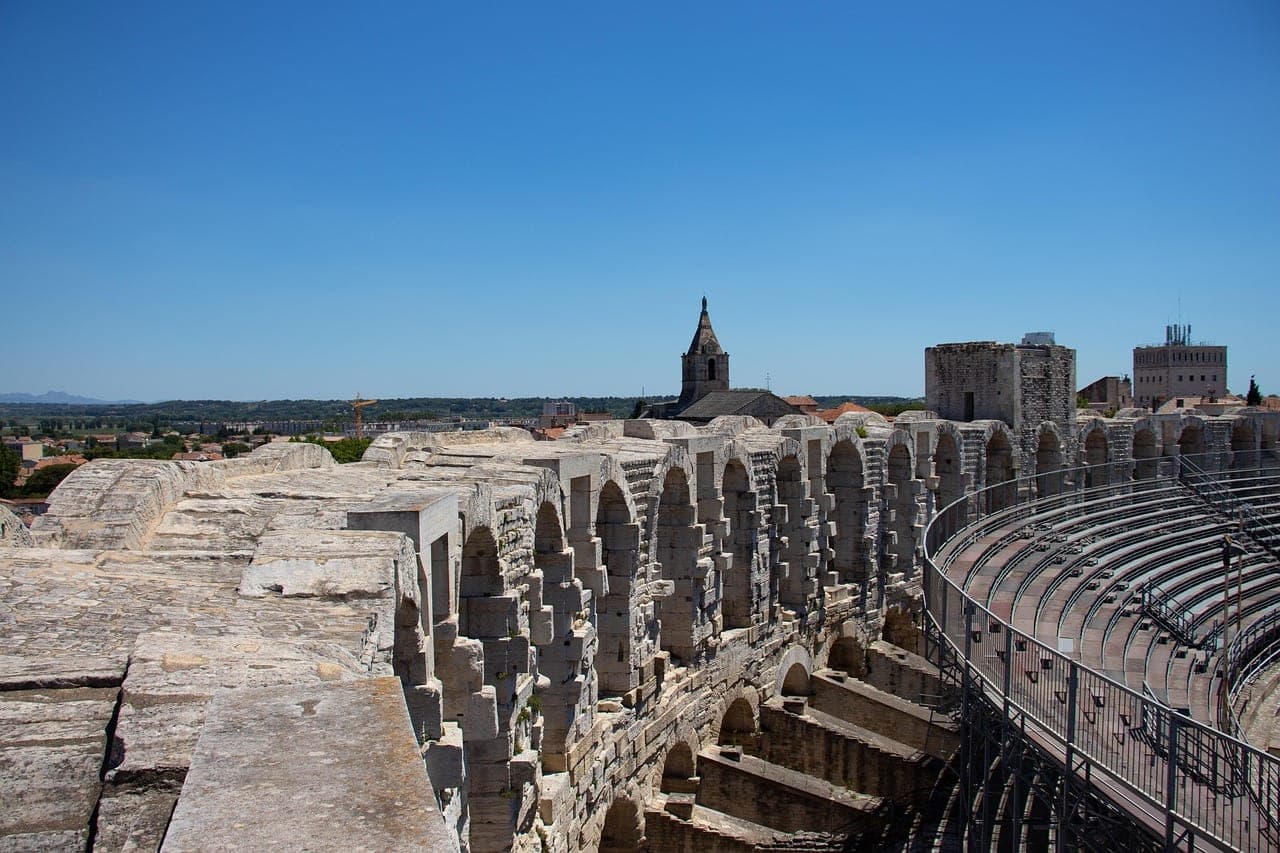
For a student group, Aix is the French-language-and-visual-arts anchor of a Provence itinerary. AP French classes get an everyday-life listening environment that Paris can't deliver — market vendors, café servers, and university students their own age, all speaking un-accented southern French — and AP Art History / IB Visual Arts groups get Cézanne's preserved atelier and the countryside he painted, often in the same afternoon. Aix pairs naturally with Arles, Avignon, and Marseille on a teacher-led tour, and the compact old town means a high school group trip can cover most of the sights on foot without ever boarding a coach.
Top things to see and do


When to go
- May - Jun — spring sweet spot
The classic window for educational travel to Provence. Daytime highs 18-26°C, chestnut trees in bloom along Cours Mirabeau, markets in full swing, and early wheat fields turning gold outside the city. Crowds build but stay manageable; this is the pick if the school calendar allows it.
- Jul - Aug — peak heat, lavender, festivals
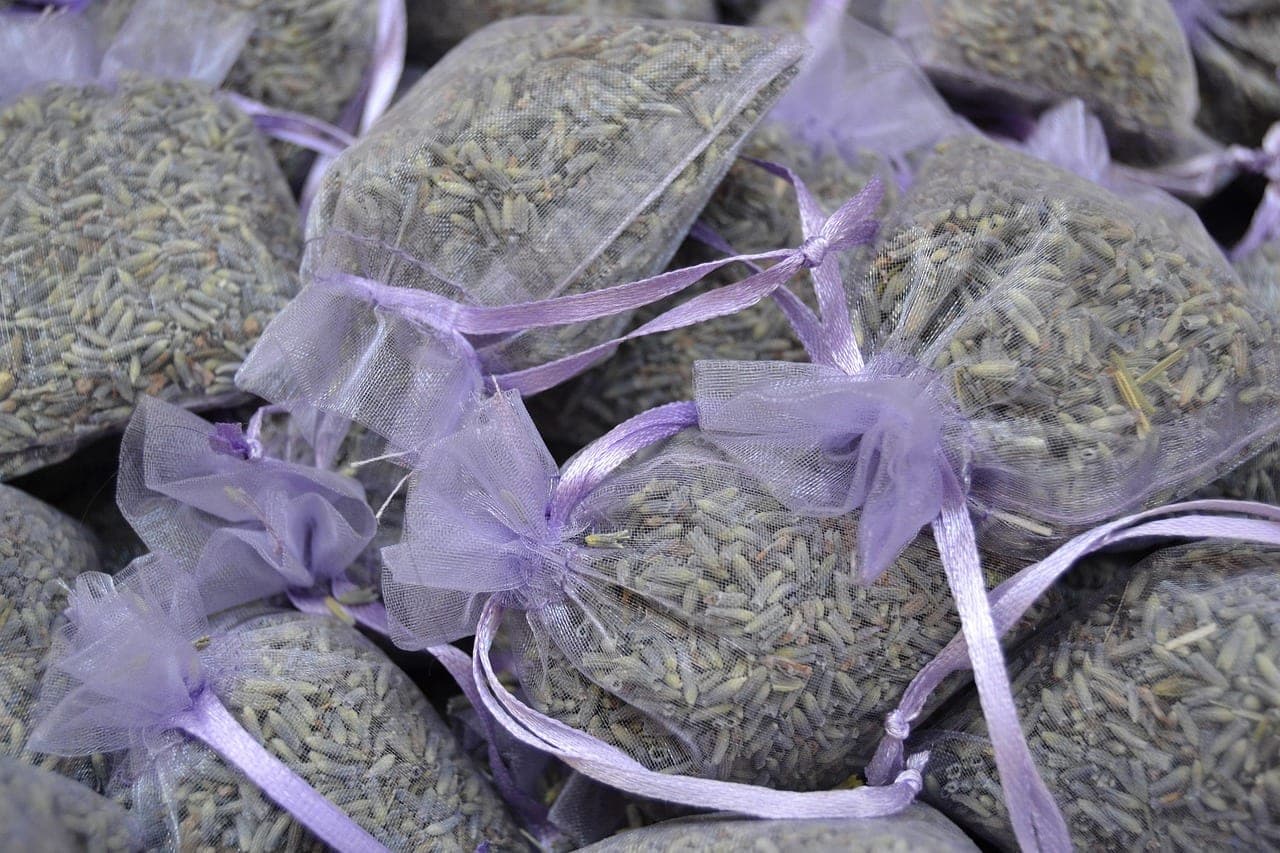
Daytime highs 28-35°C and dry. Lavender fields on the Plateau de Valensole peak in July (a coach day trip from Aix), the Festival international d'art lyrique fills the courtyards with opera, and the old town's narrow streets hold the heat late into the evening. Start museum days at opening and build shade into the afternoons.
- Sep - Oct — shoulder-season gold
The best-kept secret for a September or October student group trip. Temperatures drop to 18-24°C, the vineyards turn, the Atelier Cézanne light matches the canvases on the walls, and tourist volume falls sharply after the first week of September. Market produce is at its seasonal best.
- Nov - Mar — quiet winter + the mistral
Cool, 5-14°C, short daylight, and the mistral — the cold, dry northerly wind that funnels down the Rhône valley and can blow for three days at a stretch. Museums are empty and calissons taste better with a coat on; pack a proper windbreaker and plan a flexible outdoor schedule.
Food and culture

Calissons d'Aix
The city's signature sweet: almond-and-candied-melon paste on a thin wafer, iced white, cut in a little almond shape. Every confiserie in the center sells them; the Roy René shop runs the best factory tour.

Ratatouille
The Provençal summer vegetable stew — eggplant, zucchini, peppers, tomato, onion, herbs — served hot or cold as a side, or warm over rice as a main. Markets in July and August have every ingredient in one 50-meter walk.

Bouillabaisse
Saffron-and-fennel fish stew from the Marseille coast, served in two courses (the broth with rouille and croutons, then the fish). Best eaten on the Marseille day trip rather than inland; any group adding Marseille to the itinerary should plan a bouillabaisse lunch.

Tapenade
Olive-and-caper paste, black or green, served on crusty bread at the start of every Provençal meal. Markets sell it in tubs by weight — a jar makes an easy, cheap souvenir.

Pastis
Not for students, but culturally unmissable: the anise aperitif that every Aixois orders at 6 PM on a café terrace, served with a small jug of water to cloud it milky white. Worth naming for the group as part of the AP French cultural context.
What to pack
- Documents
Passport valid 6+ months past travel date, two printed copies (one for the student, one for the Tour Director's file), insurance card, and the Passports group packet. No visa required for US citizens on a stay under 90 days in the Schengen area.
- Clothing
Layers. Summer wants linen and cotton; spring and autumn want a light jacket; winter wants a proper windbreaker for the mistral. Modest dress (shoulders and knees covered) is enforced inside the Cathédrale Saint-Sauveur and the cloister; a light scarf that doubles as a shoulder cover solves it on the fly.
- Footwear
Broken-in walking shoes with real grip. The old town is cobblestone end to end, the Atelier Cézanne sits at the top of a short hill, and the Terrain des Peintres overlook is another gentle uphill beyond that. Ankle-support sneakers beat fashion sneakers by a wide margin.
- Mistral layer
The northerly mistral wind can drop the feels-like temperature ten degrees in an afternoon, especially November through March. A packable windbreaker or soft shell lives in the daypack from check-in to check-out; a knit hat in winter is a small luxury on walking days.
- Tech
France uses Type C / E plugs (European two-prong) — bring a universal adapter. A portable battery earns its weight on full walking days. T-Mobile and Google Fi work out of the box; everyone else should buy an Orange or SFR eSIM on arrival or at Marseille-Provence airport.
- Extras
A foldable market tote (students will buy more than they planned), a reusable water bottle (Aix's public fountains pour cold potable water), sunscreen May through September, and a small French phrase card for the AP and novice students alike.
Is it safe?
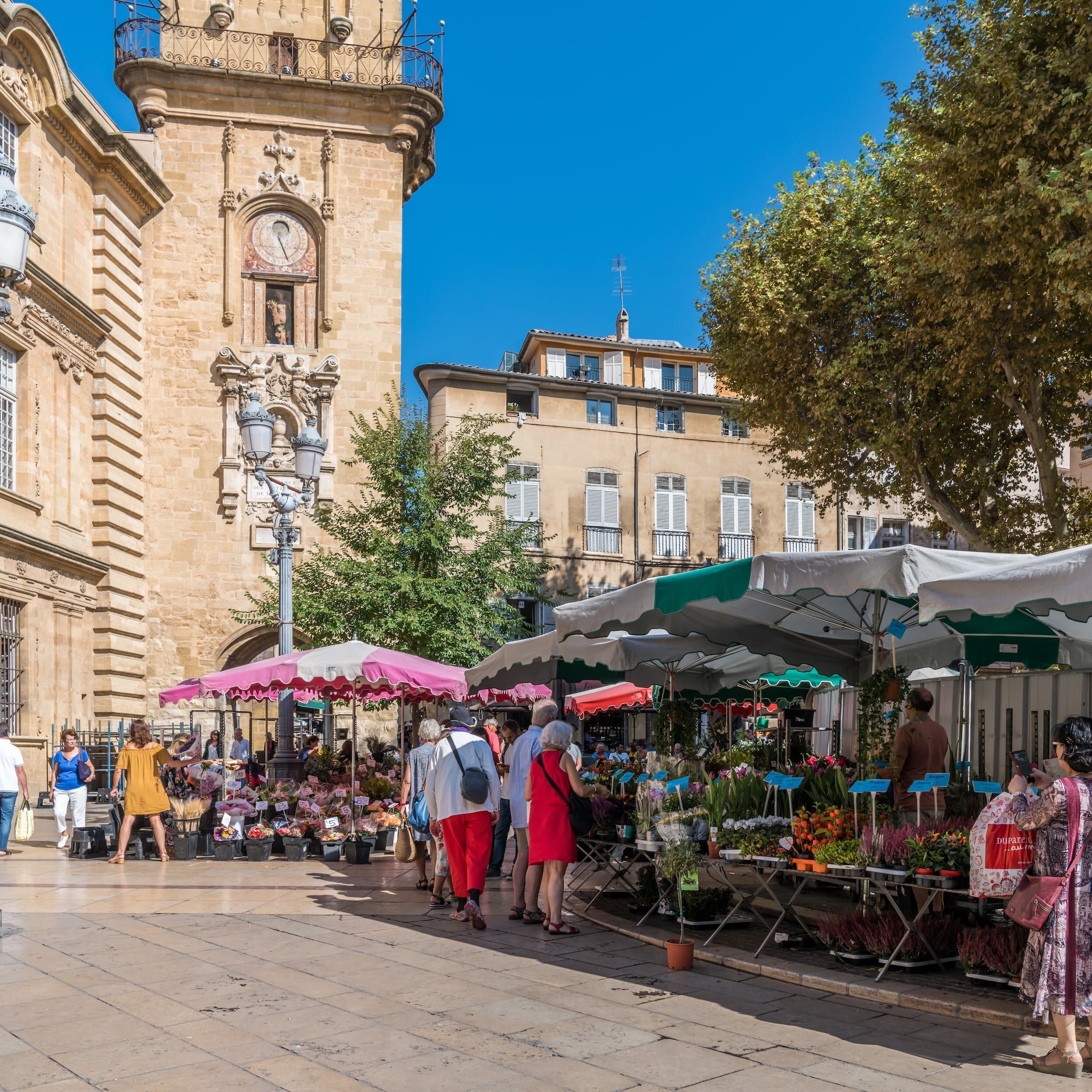
Yes. France's US State Department rating is Level 2 ("exercise increased caution") — the same as Italy, Germany, and most of Western Europe — and the elevated level reflects generic European terrorism risk, not anything specific to Aix. Aix itself is on the low-crime end of French cities: the historic core is heavily patrolled, the university population keeps the center awake and populated into the late evening, and violent crime against travelers is rare. The practical risk is pickpocketing at two or three predictable spots — the Cours Mirabeau cafés, the Saturday market crush on Place des Prêcheurs, and the Aix TGV station platforms.
On a Passports teacher-led trip, the group is never on public transport alone, the Tour Director runs a pickpocket-awareness briefing on the first evening, and every hotel is pre-vetted for 24-hour reception and secure room storage. We operate a 24/7 emergency line out of Boston, keep parents on a daily-update channel, and have English-speaking medical contacts in every city we visit. For most teachers running their first school group tours in France, the logistics in Aix feel easier than a domestic field trip.
Practical tips
- Build the day around the market schedule
The Provençal markets run Tuesday, Thursday, and Saturday mornings on Place des Prêcheurs and the surrounding streets, wrapping by 1 PM. Daily food market on Place Richelme. Align one morning with a market — it's the single best unscripted AP French conversation of the week.
- Everyone uses their French here
Aix service staff are generally patient with student French in a way Paris can feel less so. Brief the group that a "Bonjour" on the way in and a "Merci, bonne journée" on the way out are non-optional. AP French students get real practice; novices get a confidence boost.
- Contactless is universal, small cash is still handy
Every café, museum, and pharmacy takes contactless. The Saturday market stalls, the calissons stands, and smaller Oltrarno-style artisan shops run a mix; a small cash float avoids friction.
- Café terrace time is part of the curriculum
A twenty-minute café pause on Cours Mirabeau is a real educational tour moment — students order in French, watch the city move, and decompress between museums. Passports trip itineraries deliberately leave breathing room for it rather than cramming the day.