- RegionProvence, France
- LanguageFrench
- CurrencyEuro (EUR)
- Best seasonApr - Jun, Sep - Oct
- TimezoneCentral European Time (UTC+1)
A quick introduction
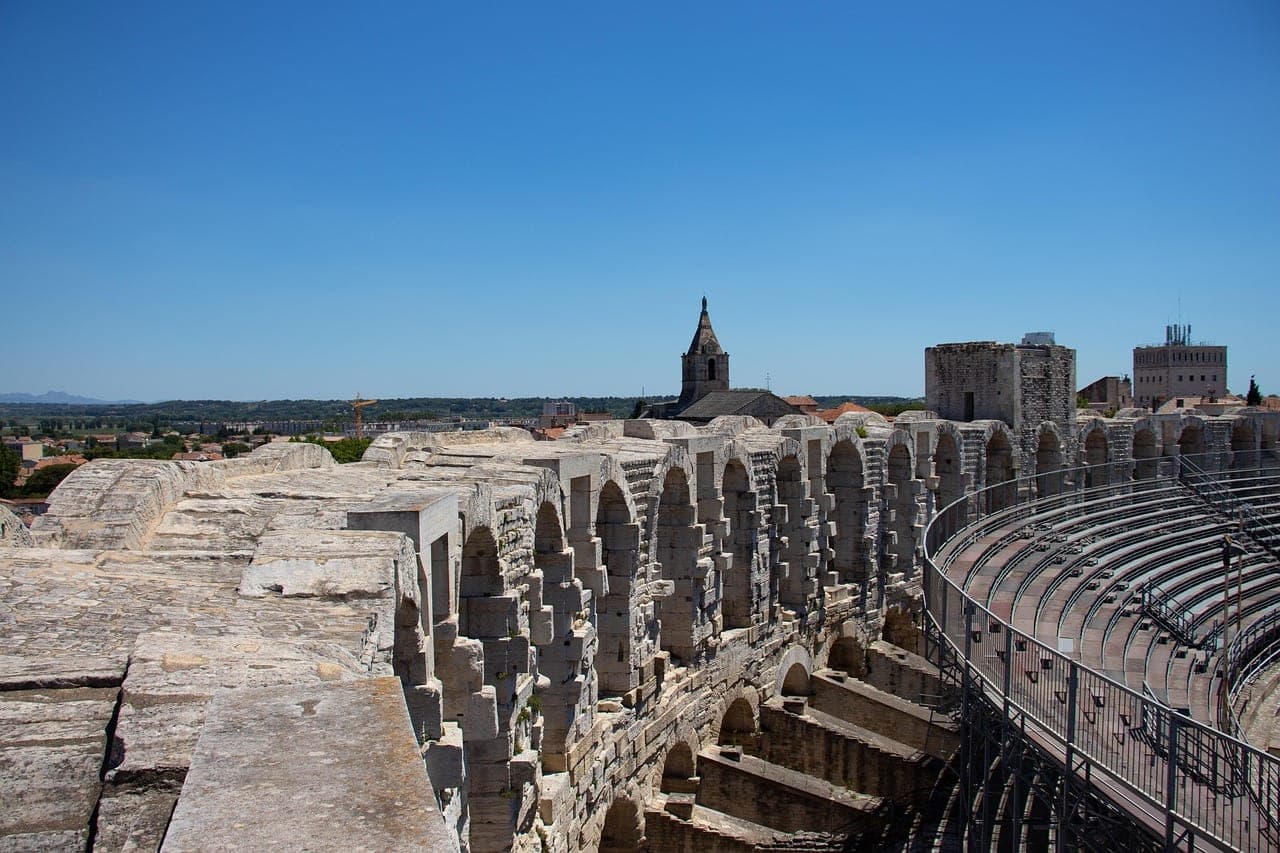
Arles is a small city in Provence — about 53,000 people on the east bank of the Rhône, an hour by train from Marseille — with an improbably dense Roman core. The amphitheater in the middle of town is still in use, the Roman theater's standing columns frame the old-town skyline, and the Alyscamps necropolis just outside the walls has been a pilgrimage site since the 4th century. UNESCO listed the whole Roman ensemble in 1981.
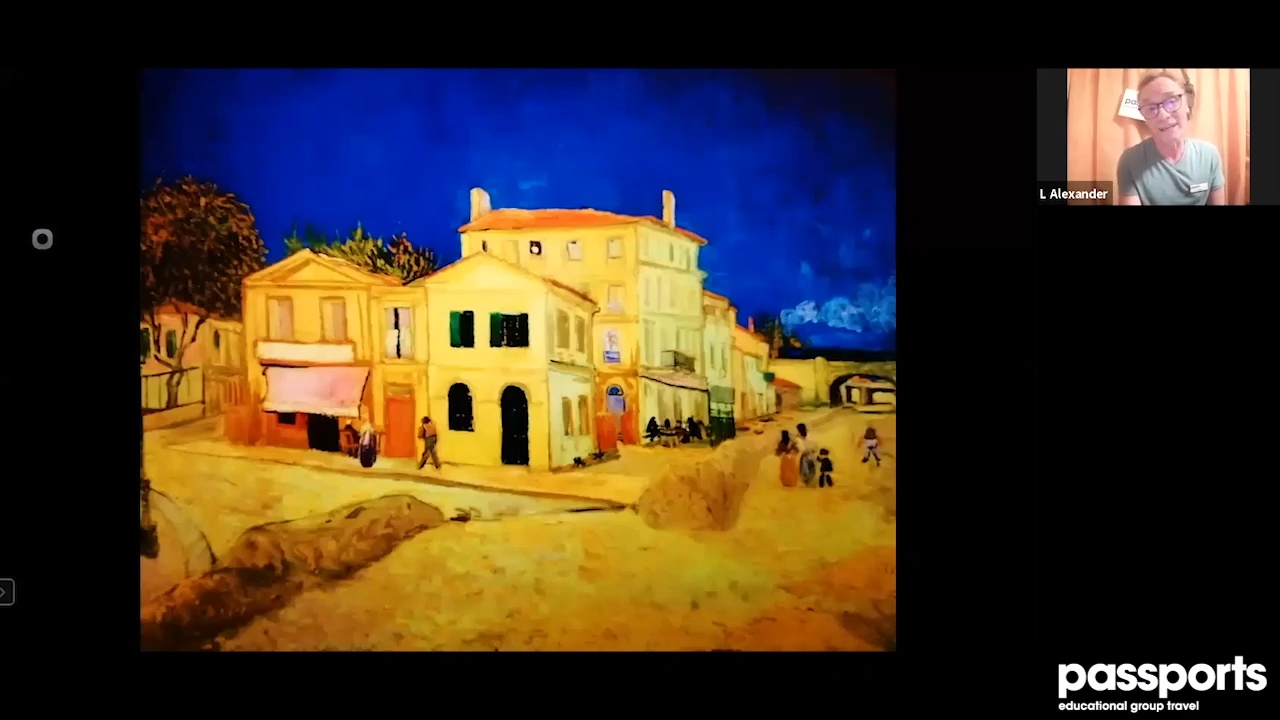
For a student group, Arles is a rare two-anchor city — Roman antiquity and Post-Impressionism in the same walkable center. Van Gogh painted more than 300 canvases during his fifteen months here in 1888-89, and the hospital courtyard where he recovered after the ear incident is still a walk-in visit. That combination makes Arles a natural fit for AP Latin, AP European History, and AP Art History on one teacher-led high school group trip, usually paired with Avignon, Aix-en-Provence, or Nîmes on a broader Provence educational travel itinerary.
Top things to see and do


When to go
- Apr - Jun — spring sweet spot
Highs of 18-27°C, long evenings, lavender starting late in the window, and Roman monuments genuinely uncrowded. The Feria de Pâques bull festival at Easter packs the arena; if you want a quieter student group travel week, aim mid-May.
- Jul - Aug — peak heat, peak festival
Highs of 32-36°C and the Rencontres d'Arles photography festival running July through September — a genuine draw for photography or AP Art History groups, but hotel prices double and shaded seating at the Roman Theater is first-come. Start museum days at 9 AM and build long siestas in.
- Sep - Oct — shoulder-season gold
The best-kept window for teacher-led tours. Temperatures drop to 18-26°C, the festival winds down but exhibitions are still up, and the Camargue rice harvest turns the wetlands gold. Tuesday and Saturday markets along Boulevard des Lices are at peak.
- Nov - Mar — quiet winter, mind the mistral
Mild by US standards (highs 10-15°C) but the mistral — a cold, dry, relentless north wind — can blow 60-100 km/h for two or three days at a time between November and March. Museums are empty, the arena is closed to events, and outdoor walking tours become real work. Pack windproof layers if a winter slot is what the school calendar allows.
Food and culture

Gardiane de taureau
Slow-braised Camargue bull in red wine, black olives, and orange peel — Provence's answer to beef bourguignon. Bistros around Place du Forum serve it with riz rouge on the side.

Riz rouge de Camargue
A short-grain red rice grown in the Camargue paddies 20 minutes south of town. Nutty, chewy, and the default starch with any gardiane.

Tapenade
Provençal olive paste — black olives, capers, anchovy, olive oil — invented in nearby Marseille in the 1880s. Served as an apéritif with bread on every café table in town.

Calissons d'Aix
Diamond-shaped almond-and-melon confections from Aix-en-Provence, 45 minutes east. Gift-shop friendly and shelf-stable — the classic student-group souvenir home.

Fougasse & olive oil
The leaf-shaped Provençal flatbread, often studded with olives or anchovies, dipped in local AOP olive oil. Every bakery on Rue du Dr. Fanton has a version.
What to pack
- Documents
Passport valid 6+ months past travel date, two printed copies (one for the student, one for the Tour Director's file), insurance card, and the Passports group packet. No visa required for US citizens on a Schengen stay under 90 days; ETIAS authorization is being phased in and our pre-departure packet covers the current status.
- Clothing
Layers for Provence's wide daily swing — T-shirts at noon, sweaters at 7 PM year-round. A windproof shell earns its weight November through March when the mistral runs. Shoulders and knees covered for Saint-Trophime and the other historic churches.
- Footwear
Broken-in walking shoes, full stop. Arles's Roman-era cobblestones are uneven and a high school student travel day will log 12,000-15,000 steps between the arena, the theater, and the Alyscamps. Fashion sneakers are a mistake.
- Tech
France uses Type C / E plugs (European two-prong) — bring a universal adapter. A portable battery earns its keep on museum-plus-day-trip schedules. T-Mobile and Google Fi work on arrival; other carriers should pick up an Orange or SFR eSIM at MRS airport.
- Extras
Sunscreen and a brimmed hat (Provence sun is brutal April through October), a reusable water bottle for the public fountains, a compact umbrella for winter showers, and lip balm — the mistral dries everything out fast.
Is it safe?
Yes. France's US State Department rating is Level 2 ("exercise increased caution") — the same as Italy, Germany, and the UK — and the elevated level reflects generic European terrorism and civil-unrest risk concentrated in Paris and a handful of other big cities, not anything specific to Arles. Arles itself is a quiet Provençal town of 53,000 with very low violent crime and only the usual low-grade pickpocketing around the arena entry and the Saturday market on Boulevard des Lices.
On a Passports teacher-led trip, the group travels by private coach between Arles, Avignon, and day-trip sites like Pont du Gard, the Tour Director runs a pickpocket-awareness briefing on the first evening, and every hotel is pre-vetted for 24-hour reception and secure room storage. We run a 24/7 emergency line out of Boston, keep parents on a daily-update channel, and maintain English-speaking medical contacts in every town on our Provence educational tours. For most teachers leading their first high school group trip to France, the logistics feel easier than a domestic field trip.
Practical tips
- Buy the Liberté pass on day one
The Pass Liberté Avantage covers six Roman and Van Gogh sites for about €15 per student — arena, theater, Alyscamps, Cryptoportique, Thermes de Constantin, and the Musée Arles Antique. It pays for itself by the second stop and our Tour Director pre-orders it for school group tours so the group skips the ticket queue on arrival.
- The old town is tight — plan on walking
Coaches can't enter the historic center. Our driver drops at Boulevard des Lices or the Rhône quay and the group walks 5-10 minutes in. Every major Roman site sits within a 20-minute walking loop of Place de la République.
- Lunch is sacred, plan around it
Kitchens close from about 2 PM to 7 PM in Provence. Book a 12:30 PM group lunch or commit to a café formule — the 4 PM museum siesta is real and trying to power through it leaves hungry students with no options.
- Check the mistral forecast the night before
When the mistral is forecast over 70 km/h, we reshuffle outdoor sites to indoor ones — the Musée Arles Antique and the Van Gogh Foundation are both excellent wind alternatives. Local weather service Météo-France publishes a reliable 48-hour mistral outlook.
- Cash is fine but not required
Contactless is universal in Arles, including at the market stalls. A small €20 cash reserve helps at a few older bistros and at the public bathrooms near the arena.