Country guide

Switzerland

Switzerland student group travel for teachers: Lucerne, the Alps, Geneva, and the geography-and-civics curriculum behind our top teacher-led school trips.

All countries
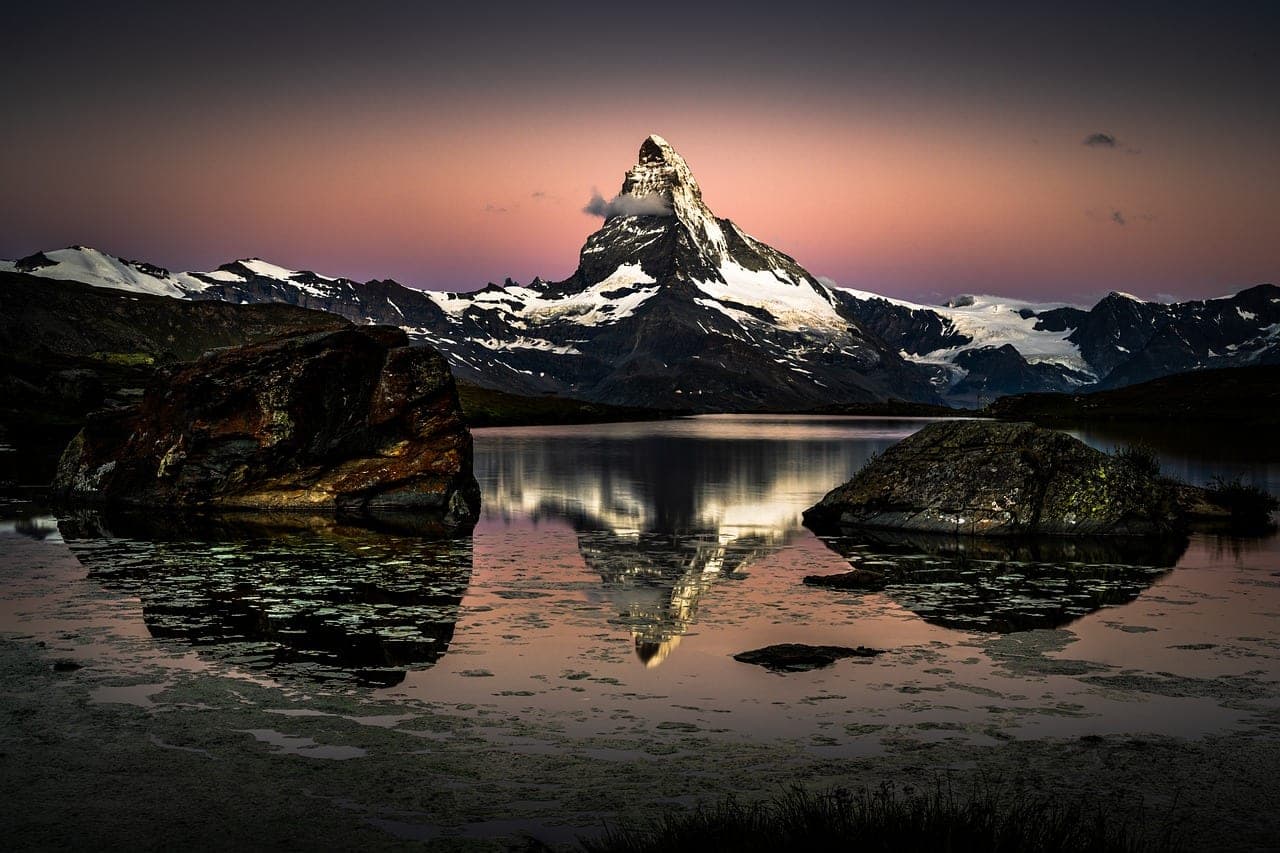
The Matterhorn mirrored in an alpine lake above a wildflower meadow in Switzerland
On this page
  • Where Switzerland sits, and why it punches way above its size for a central-Europe high school group
  • Six regions worth a day each — Lucerne, Zermatt, Jungfrau, Geneva, Zürich, Bern
  • What's on the menu: fondue, raclette, rösti, Swiss chocolate, and Bircher muesli for breakfast
  • Practical logistics for teachers: the Swiss rail network, four languages, Type J plugs, alpine weather
  • Five facts that land after you've crossed a glacier and watched a country run on direct democracy

A quick introduction

Switzerland is small — 41,285 km², about the size of the Netherlands and roughly twice New Jersey — with a population of about 8.8 million and a federal capital, Bern, that sits at a mellow 540 m in the Aare River valley. What makes the country outsized for a school group is the geography packed into that footprint: 48 Alpine peaks above 4,000 m, the densest passenger rail network on the planet, and four official languages inside a political border you can cross by train in under four hours.

Switzerland is one of our anchor central-Europe destinations for student group travel, and for teachers building a multi-country itinerary it plays unusually well with Germany, Austria, France, and Italy. Infrastructure is first-world in a way that removes almost every logistical headache from a high school group trip: trains run to the minute, English is widely spoken in tourism and hospitality, tap water is safe everywhere, and the curricular reach is wide — civics and direct democracy, geography and glaciology, multilingualism, European history, and a STEM anchor at CERN that almost no other educational travel destination can match.

Quick facts

Switzerland by the numbers

📐

41,285 km²

About the size of the Netherlands and roughly twice New Jersey. Stops are close — the longest transfer on a typical itinerary is under four hours, and most are well under two.

👥

~8.8 million

Population of the whole country. About a fifth live in the greater Zürich metro; the rest spread thin across the Alps, the Swiss Plateau, and the French- and Italian-speaking valleys.

🗣️

4 official languages

German, French, Italian, and Romansh. Street signs, train announcements, and banknotes rotate through at least three, and the language border flips region by region on a single day's coach ride.

🏔️

48 peaks over 4,000 m

The Matterhorn (4,478 m) is the icon; Dufourspitze (4,634 m) is the tallest. Rack railways and cable cars put a student group on the ridgelines with no technical climbing required.

Inside the trip

A week with a Passports group

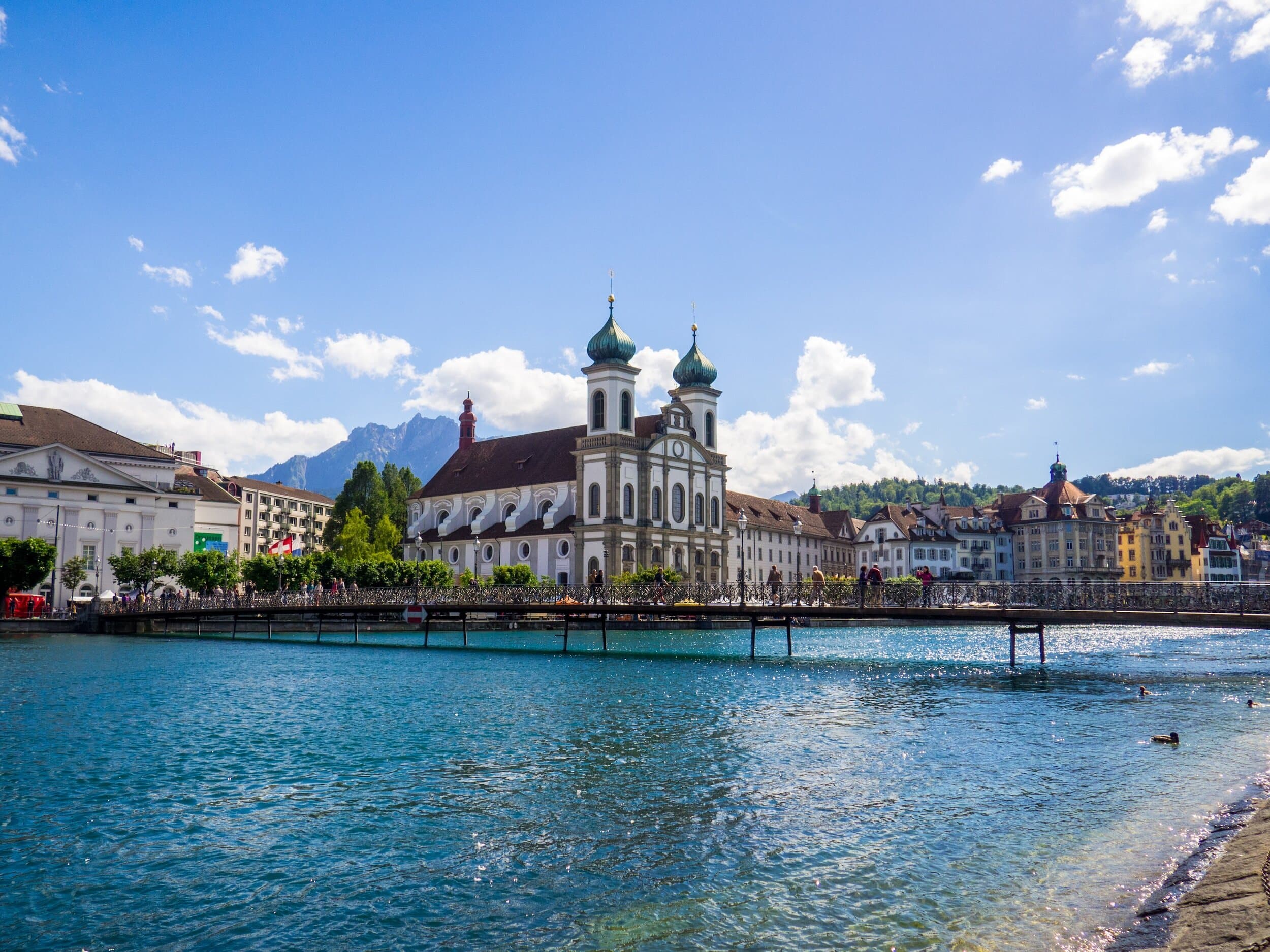
A typical Passports high school group trip to Switzerland runs seven to nine days and lines up cleanly for spring break, June, or early July — the three windows most school calendars open. Day one is usually Zürich: arrival at the country's main international airport, a private coach transfer south to Lucerne, and an easy afternoon on foot around the Chapel Bridge, the Lion Monument, and the Lake Lucerne promenade with the Tour Director who stays with the group for the full week.

The middle of the week is the heart of the itinerary. A cogwheel railway up Mount Pilatus or Rigi for the first real alpine view, a transfer into the Bernese Oberland for Interlaken and the Jungfraujoch "Top of Europe" station at 3,454 m, and a side run to Zermatt to see the Matterhorn from the Gornergrat ridge. From there the trip swings west into French-speaking Switzerland — Geneva, Lake Léman, the UN European HQ, the International Red Cross & Red Crescent Museum, or a half-day at CERN for STEM-heavy groups — and loops back through Bern for a look at the Bundeshaus before flying out.

We've run educational travel to Switzerland long enough that the parts that can go sideways have standard responses: a cable-car wind-closure at Jungfraujoch, a weather-scrubbed Matterhorn sunrise, a student group spread across four train cars at Zürich HB. Most itineraries include a service-learning touchpoint or a homestay night on longer programs, and the teacher-led trips that lean hardest into the civics angle — a scheduled visit to a referendum polling station, a Red Cross museum debrief — are consistently the ones students talk about months later.

Region by region

Top things to see and do

Lucerne & Central Switzerland

Lucerne & Central Switzerland

The postcard opener — Chapel Bridge over the Reuss, the Lion Monument, and a cogwheel railway up Mount Pilatus or Rigi for a first alpine view. Compact, walkable, and an easy first night for a group still adjusting to the time change.

Zermatt & the Matterhorn

Zermatt & the Matterhorn

The Matterhorn at 4,478 m is the country's most photographed image, and the village below is car-free by design. Take the Gornergrat cogwheel railway up for a dead-on view of the ridge, then back down for raclette in town.

Jungfrau & the Bernese Oberland

Jungfrau & the Bernese Oberland

Interlaken as the base, with rack-railway day trips up to Jungfraujoch (3,454 m, the "Top of Europe" station), the Schilthorn, or Grindelwald. Glaciers, crevasses, and the kind of high-alpine access almost no other destination hands a student group on a platter.

Geneva & Lake Léman

Geneva & Lake Léman

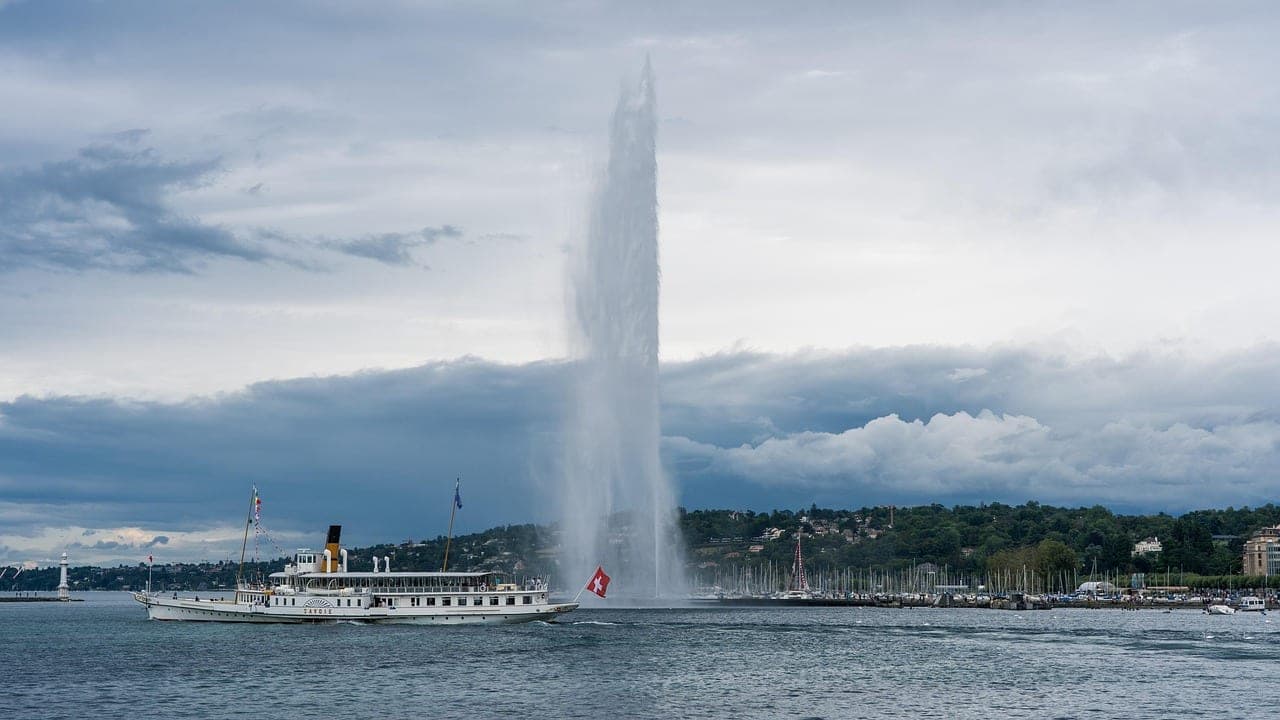
French-speaking Switzerland and our international-institutions stop: the UN European HQ, the International Red Cross & Red Crescent Museum, and CERN on the outskirts. The Jet d'Eau on the lakefront is the obligatory group photo.

Zürich

Zürich

The country's largest city, the financial capital, and the main international arrival hub. Old-town walking tour along the Limmat, Grossmünster and Fraumünster churches, ETH Zürich and the Bahnhofstrasse for a read on modern Switzerland before the group heads into the Alps.

Bern

Bern

The federal capital, UNESCO-listed medieval old town wrapped in a bend of the Aare River, and the Bundeshaus (federal parliament) open to the public when not in session. The civics anchor of the trip.

Weather by season

When to go

  • Jun - Aug — alpine summer, peak window

    The main summer-break window for educational travel. Valleys run a comfortable 20-26°C; up top at the Jungfraujoch or the Gornergrat it's 5-15°C even in July. Every rack railway, cable car, and hiking trail is open. Afternoon thunderstorms are real in the mountains — we front-load peak trips to the morning.

  • Apr - May / Sep - Oct — shoulder seasons

    Our two favorite windows for teacher-led trips that want thinner crowds. April still has fresh snow on the high peaks, May brings wildflowers into the meadows, and September / early October get the best visibility of the year plus autumn color in the Jura and Ticino. Spring break fits cleanly.

  • Nov — between-season lull, skip for groups

    The mountains are closing down for maintenance, the ski lifts aren't open yet, and the valleys are grey and wet. Almost every alpine activity has a limited-operations note somewhere on the schedule. We don't typically run school group travel during this window.

  • Dec - Mar — ski season

    Alpine towns like Zermatt, Grindelwald, and St. Moritz are in full swing, and the trains run beautifully in the snow. The winter trips we do operate here are ski-specific programs, not our general-interest educational travel product. For most US school calendars, summer and the shoulders fit better.

What to order

Food and culture

Fondue

Fondue

A communal pot of melted Gruyère and Emmental over a burner, cubes of bread on long forks, and a house rule for what happens if you drop your bread in. The classic Swiss group dinner and usually the first meal students ask when they can have again.

Raclette

Raclette

Half a wheel of cheese melted under a grill, scraped onto boiled potatoes, cornichons, and cured meat. Winter food that still shows up on menus year-round in Zermatt and the Valais valley.

Rösti

Rösti

Shredded potatoes pan-fried into a golden cake, often served with eggs, bacon, or a cream-and-mushroom sauce. The national carb, and the dish most likely to show up on a student-group lunch menu.

Swiss chocolate

Swiss chocolate

Lindt, Toblerone, Nestlé, Läderach — Switzerland's milk chocolate is invented-here and still made here. A chocolate-factory visit in Broc or at Lindt's Home of Chocolate in Zürich is an easy half-day add-on that the group will vote for every time.

Bircher muesli

Bircher muesli

Oats soaked in milk or yogurt with grated apple, lemon, and nuts — invented by a Zürich doctor around 1900 and now the default hotel breakfast across the country. A teacher-friendly alternative to the sugar-bomb continental spread.

Curriculum tie-ins

Classroom connections

🏛️

Civics & Comparative Government

Switzerland's direct democracy is a live case study — citizens vote on national referenda up to four times a year. Pair a Bundeshaus visit in Bern with a discussion of neutrality since the 1815 Congress of Vienna for the strongest comparative- government content we run on any educational tour.

🏔️

Geography & Glaciology

The Alps cover 60% of the country. An observation-deck session at the Jungfraujoch with a naturalist-led talk on the Aletsch glacier — the longest in the Alps, and visibly receding — is the clearest climate-change field lesson we can put in front of a high school group.

🗣️

Multilingualism & Language Arts

Four official languages inside one federation is a live text for language classes. French students get immersion in Geneva and Lausanne; German students in Zürich, Lucerne, and Bern; Italian in Ticino; Romansh in the Grisons. A single coach ride crosses two language borders.

💰

Economics & Banking

Swiss banking and the franc are a century-deep case in stability, neutrality, and monetary policy. Pair a walking tour of Zürich's Bahnhofstrasse with a discussion of the 2015 franc float and Swiss precision manufacturing for AP Economics groups.

📜

European History

Geneva is Calvin's Reformation city (the International Monument to the Reformation sits on the old university wall); Zürich is Zwingli's. The Red Cross was founded in Geneva in 1863, the League of Nations was headquartered there, and the UN European HQ is still there today.

🔬

STEM & Engineering

CERN, the Large Hadron Collider, ETH Zürich, and the Gotthard Base Tunnel — the longest and deepest rail tunnel in the world — all on the same country map. CERN runs guided tours for student groups, and the physics-classroom tie-in is as strong as any educational travel destination we operate.

Packing essentials

What to pack

  • Documents

    Passport valid at least 3 months past the planned exit from the Schengen area, two printed copies (one for the student, one for the Tour Director's file), insurance card, and the Passports group packet. No visa required for US citizens staying under 90 days. Switzerland is Schengen, so a multi-country itinerary only needs one entry stamp.

  • Clothing

    Layers are non-negotiable. A 22°C morning in Interlaken can be 3°C an hour later at the top of the cable car. A base layer, a fleece, and a light insulated jacket cover almost every day; add a swimsuit for hotel pools and lake days in summer. Smart-casual for a sit-down dinner in Geneva or Zürich.

  • Footwear

    Broken-in trail runners or light hiking shoes for alpine viewpoints and cobbled old-towns; a second pair of comfortable walkers for city days; nothing that can't shrug off a sudden drizzle. Two pairs, both worn in before departure.

  • Rain & sun gear

    A compact, packable rain shell — mountain weather turns fast in any season. At altitude the UV is harsh even on a cool day, so a real SPF and wraparound sunglasses matter more than in a typical European itinerary. A dry-bag or zip-loc for phone and camera on rack-railway days.

  • Tech

    Switzerland uses the Type J plug — unique to Switzerland and Liechtenstein. Pack a dedicated adapter; many US universal adapters don't include the recessed round-pin pattern. Type C (two-pin Europlug) works in most but not all outlets. T-Mobile international works out of the box; other carriers should plan on an eSIM or a Swisscom prepaid card. Free Wi-Fi is standard on SBB trains.

  • Extras

    A reusable water bottle — every Swiss village has a free, drinkable public fountain, and bottled water is expensive for no reason. Motion-sickness tablets for rack railways and alpine switchbacks, a small day-pack for mountain days, and lip balm for dry cable-car air.

The parent-meeting question

Is it safe?

Yes. Switzerland is consistently ranked among the very safest countries in the world — the US State Department rates it Level 1 ("exercise normal precautions"), the same rating as Japan, Norway, and Costa Rica. Violent crime is vanishingly rare and almost never touches visiting student groups. The real-world risk profile is pickpocketing in the two busiest transit hubs — Zürich Hauptbahnhof and Geneva Cornavin — plus alpine-specific factors (fast-changing weather, altitude, UV exposure) on mountain days.

On a Passports teacher-led trip, the group is on a private coach for inter-city transfers or in pre-booked SBB rail cars, never split up without a defined meetup point, and never out of reach of a Tour Director who stays with the group 24/7 for the full week. We run a 24/7 emergency line out of Boston HQ, keep parents on a daily-update channel, and maintain pre-vetted English- speaking medical contacts in every canton we visit. For most teachers leading school group tours to Switzerland, the logistics feel less stressful than running a field trip at home.

🛡️

Personal safety

Violent crime is vanishingly low, including at night. The pickpocket hotspots are Zürich HB, Geneva Cornavin, and busy summer tram routes in both cities. Cross-body bags in front, phones off café tables, and a first-night group briefing cover 99% of the real risk profile.

⚕️

Health & medical

Tap water is potable everywhere — the free public fountains in Swiss villages are an institution. No required vaccinations and no malaria concern. University hospitals in Zürich, Bern, Lausanne, and Geneva are world-class. Altitude at the Jungfraujoch (3,454 m) is the one variable we actively plan around for students with asthma or heart conditions.

🚐

Roads & transport

Between cities we move the group on a private coach with a professional, vetted driver, or in pre-booked SBB rail cars. Swiss trains are famously punctual and the safest mode on the continent. We never put a student group on a public bus or a cross-country service train without a Tour Director in the car.

🌪️

Natural hazards & advisories

No hurricanes, no meaningful earthquake risk. Alpine weather is the one live variable: afternoon thunderstorms in summer, fast temperature drops at altitude, and seasonal rockfall or avalanche closures on specific trails. Cable-car and cogwheel operators post morning go/no-go bulletins that we check before committing the day.

Practical tips

  • The rail network is the nervous system

    SBB trains are punctual to the minute, go nearly everywhere, and are the single best way to move a student group around the country. Every Passports Switzerland itinerary uses rail for long transfers and private coach for the last-mile into alpine towns. A group Swiss Travel Pass is usually the cleanest ticketing option — ask your trip planner.

  • Swiss francs, not euros

    Switzerland is not in the EU and not in the eurozone. The franc (CHF) is the only local currency; euros are sometimes accepted at tourist cash registers but you'll get a poor rate and change back in francs. Cards are universal, contactless is the default, and tipping is included in the bill.

  • Four languages, but English is everywhere

    German in the north and east, French in the west, Italian in Ticino, and Romansh in Grisons — the language border flips region by region. In tourism, hotels, trains, and museums, English is the safe fallback. A "grüezi" in Zürich and a "bonjour" in Geneva go a long way.

  • Altitude hits faster than students expect

    Many of our alpine day trips climb from a 500 m valley floor to 3,000+ m at the top of a cable car in under an hour. For most students it's a sore-ears-and-light-headache kind of day; anyone with asthma or a heart condition should flag it before the trip. We build a 20-minute acclimatization buffer into every top-station stop.

  • Punctuality is cultural

    Swiss trains, buses, meetings, and meals start on time — to the minute, not to the five-minute mark. "Two minutes early" is "on time" for a departure, and nobody is waiting if a student misses the doors. We run headcounts at every boarding and build a buffer stop into every day's schedule.
Five facts

Good to know

🇨🇭

Not in the EU, not in the eurozone

Switzerland is Schengen-in for border purposes but keeps the franc, its own trade agreements, and a famously independent foreign policy. A useful talking point for AP Comparative Government and AP European History groups.

🗳️

Direct democracy, four times a year

Swiss citizens vote on federal referenda up to four times per year, and any proposed constitutional change requires a nationwide vote. A single "Yes/No" ballot can rewrite a line of the constitution.

🗣️

Four official languages

German (~62%), French (~23%), Italian (~8%), and Romansh (~0.5%). Banknotes, passports, and federal documents carry all four. English is the lingua franca only for tourism.

🍫

Swiss chocolate is a national habit

Swiss per-capita chocolate consumption is around 11 kg per year — among the highest in the world. Milk chocolate as we know it was invented here in the 1870s; Lindt, Toblerone, and Nestlé are all Swiss originals.

🪖

Universal militia service

Military service is compulsory for Swiss men, handled as a part-time militia with civilian life in between. Neutrality since 1815 is paired with one of the most prepared reserve armies on the continent — a uniquely Swiss balance.

Tours that go here

Tours that visit Switzerland

See all tours →
Bilbao
Spain · Switzerland · Austria · …

Barcelona to Bavaria

Barcelona · Lucerne · Innsbruck · Munich

Large-group
See itinerary
Bavaria Cover
Germany · Austria · Switzerland

Bavaria!

Rothenburg ob der Tauber · Munich · Innsbruck · Lucerne · Heidelberg

Large-groupLanguage-immersion
See itinerary
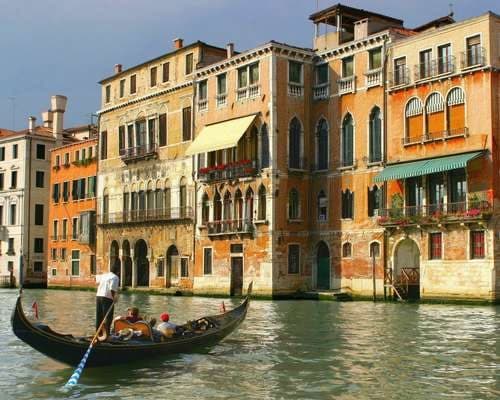
Gondolier
Italy · Switzerland

Bel Viaggio

Rome · Florence · Venice · Milan · Lucerne

Large-groupLanguage-immersion
See itinerary
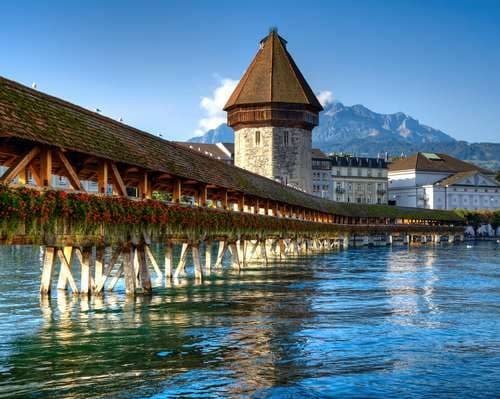
Wooden Bridge in Lucerne
Italy · Austria · Germany · …

Chocolates and Cappuccino

Venice · Salzburg · Garmisch-Partenkirchen · Lucerne · Lake Maggiore

See itinerary
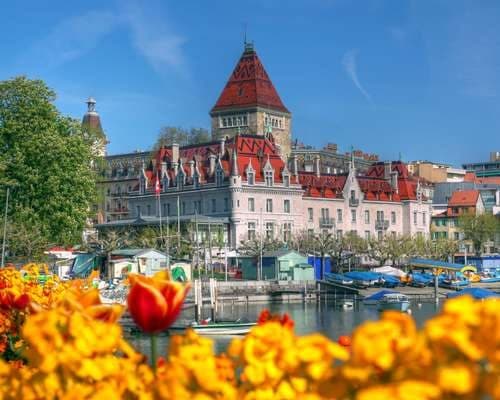
Chateau d'Ouchy, Lausanne
France · Switzerland · Germany

Paris and the Alps

Paris · Lucerne · Lake Constance area · Munich

See itinerary
Nice
France · Switzerland

Paris, Switzerland and the Riviera

Paris · Lausanne · Dauphine Region · Nice

See itinerary
Classroom material

Lesson plans about Switzerland

See all →
FrancehistoryGrade 11-12

Great War (1914-1918): Wilson's 14 Points: American Idealism and the Treaty of Versailles 1919

Through an analysis of primary and secondary sources, students here will identify, understand and be able to explain the basic facts behind Wilson's "Fourteen Points", how they spelled out the ideas of self-determination and equality among …

View lesson
SwitzerlandArtGrade 11-12

Interwar Europe (1919-1939): Dadaism: Rejecting Modernity through Chaos

Through an examination of both primary and secondary sources on the subject, including various types of visual media in addition to electronic and written sources, Students in this lesson will identify, understand and be able to explain the…

View lesson
SwitzerlandHistoryGrade 11-12

Protestant Reformation: John Calvin and Predestination

Through the use of various primary and secondary sources, including excerpts from John Calvin's famous book, Institutes of the Christian Religion (1536), students in this lesson will identify, understand and be able to explain Calvin's basi…

View lesson
From the Tour Directors

Tour Director lectures about Switzerland

See all →
Amazing Switzerland — Passports Tour Director lecture
Sara Cereda-KortOther

Amazing Switzerland

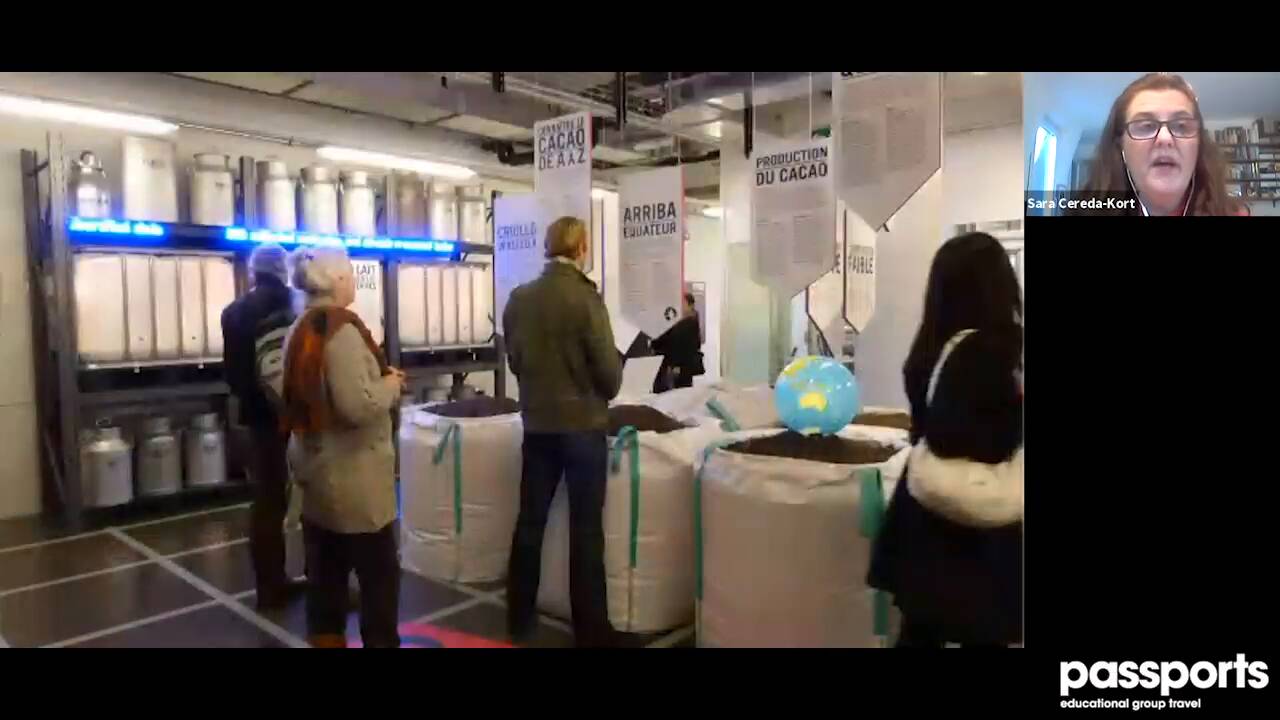
We will go on a virtual tour to one of the most beautiful countries in Europe and learn about Swiss chocolate, Swiss cheese, the languages, how to play an alpine horn and how to yodel!

Watch lecture
From our blog

Blog posts about Switzerland

See all →
Science on the Go: Turning the World into a STEM Classroom
educational impact

Science on the Go: Turning the World into a STEM Classroom

Iceland, Costa Rica, and Switzerland offer student travelers hands-on STEM discovery — from tectonic plates and biodiversity to alpine engineering and renewable energy

Read post
Top 10 Literary Destinations in Europe
destinations

Top 10 Literary Destinations in Europe

Europe's top literary destinations span ten cities, from Shakespeare's Stratford-upon-Avon to Joyce's Zurich, each offering author museums, landmarks, and cultural history

Read post
Discovering Science Through Travel: Top Destinations for Student Scientists
destinations

Discovering Science Through Travel: Top Destinations for Student Scientists

Top science travel destinations for student groups span CERN in Switzerland, the Galapagos Islands, Kennedy Space Center, Great Barrier Reef, and Iceland's volcanic landscapes

Read post
Discover Lucerne: A Comprehensive Walking Tour Guide
destinations

Discover Lucerne: A Comprehensive Walking Tour Guide

This guide walks you through Lucerne's top landmarks, from the Chapel Bridge and Jesuit Church to the Rosengart Collection and Lake Lucerne promenade — perfect for student group visits

Read post
Embrace the Flavors: Encourage Culinary Adventures
culture and food

Embrace the Flavors: Encourage Culinary Adventures

Passports Educational Travel shares how to prepare students for culinary adventures abroad, with authentic dishes from Europe and details on how Passports selects quality local restaurants

Read post
Eiffel Tower
travel inspiration

2014 Contest Winners!

TRAVELER PHOTO CONTEST FIRST PLACE All dressed up at the Eiffel Tower! Submitted by Bailey SECOND PLACE Paris at Night Submitted by Jenna THIRD PLACE On a Gondola in Venice, Italy Submitted by Robin MY PASSPORTS DRAWSTRI

Read post
On the ground

Places we go

Browse all destinations →
Jet d'Eau fountain rising from Lake Geneva with the Alps in the distance

Geneva, Switzerland

Geneva student group travel guide for teachers: Lake Geneva, the Palais des Nations, and CERN — a UN-focused educational tour for high school groups.

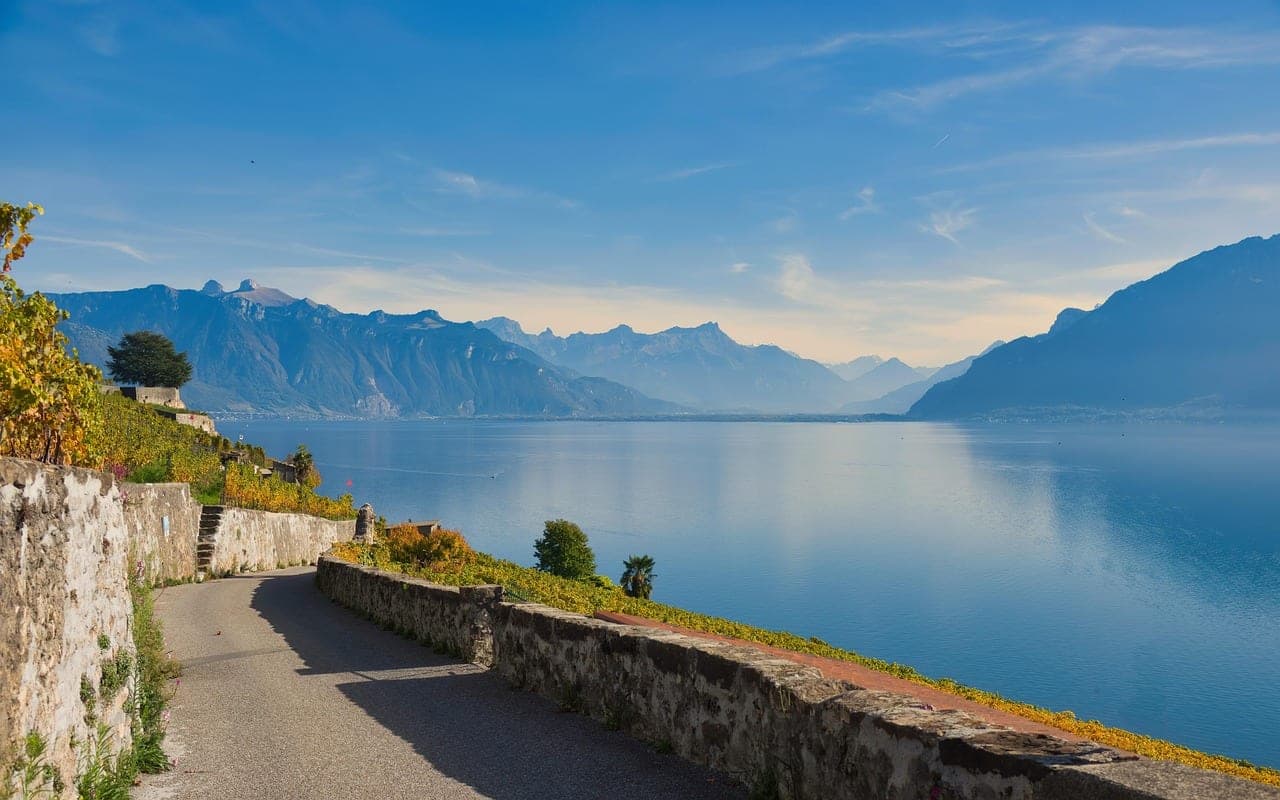
Lavaux vineyard terraces tumbling toward Lake Geneva — the landscape east of Lausanne

Lausanne, Switzerland

Lausanne student group travel guide for teachers: the Olympic Museum, gothic cathedral, and Lake Geneva — an educational tour for high school groups.

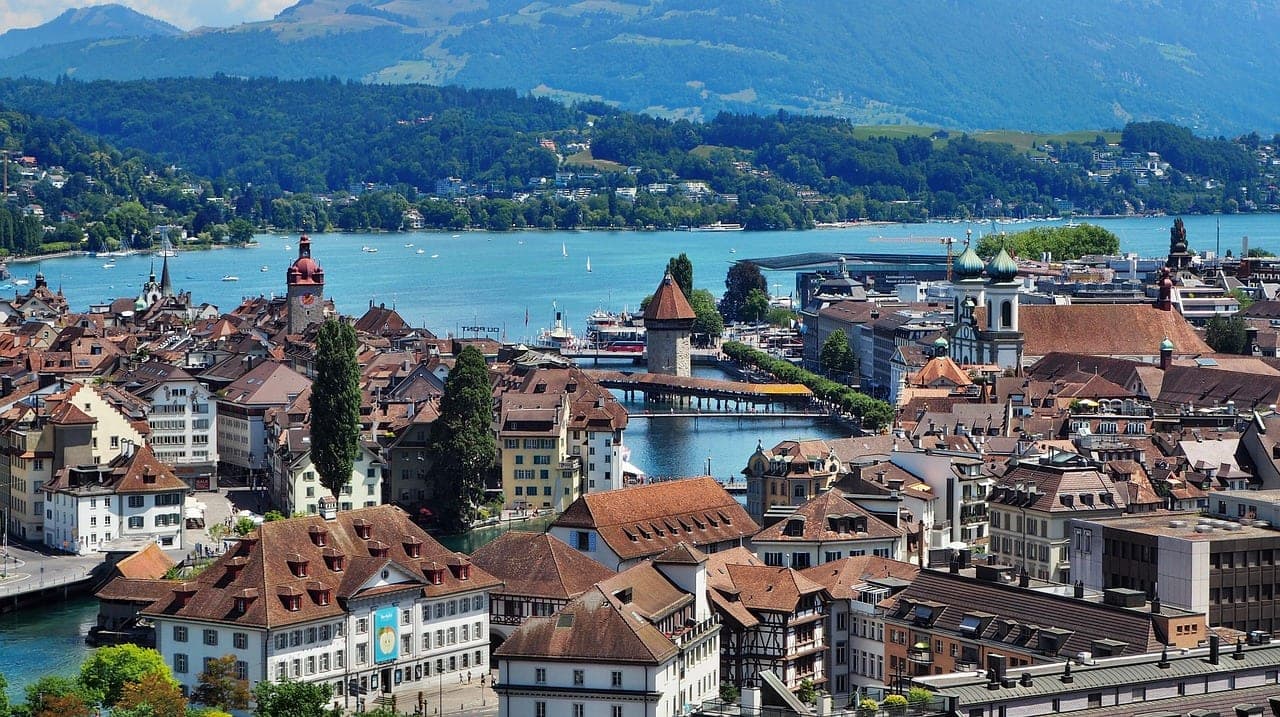
Chapel Bridge and the water tower over the Reuss River in Lucerne, Switzerland

Lucerne, Switzerland

Lucerne student group travel guide for teachers: Chapel Bridge, Lake Lucerne, and Mt Pilatus — an educational tour for high school groups in central Switzerland.

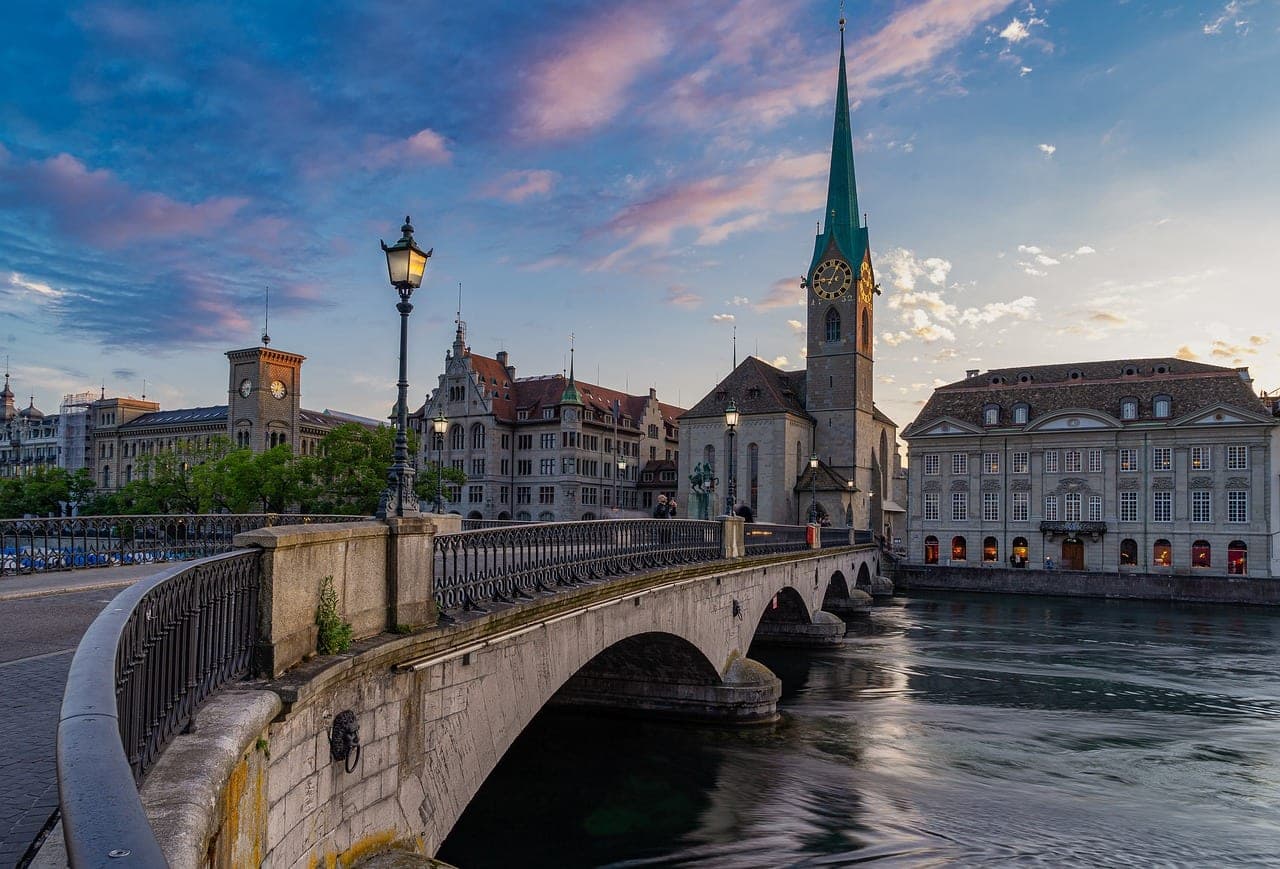
Grossmünster towers above the Limmat River in Zurich's old town with Lake Zurich beyond

Zurich, Switzerland

Zurich student group travel guide for teachers: the Old Town, Grossmünster, and Lake Zurich — an educational tour for high school groups in Switzerland.

Take your students to Switzerland.

Every Passports trip is built around a teacher and a group — from first itinerary sketch to the last day on the ground. Tell us what you have in mind and we’ll take it from there.

Plan a trip