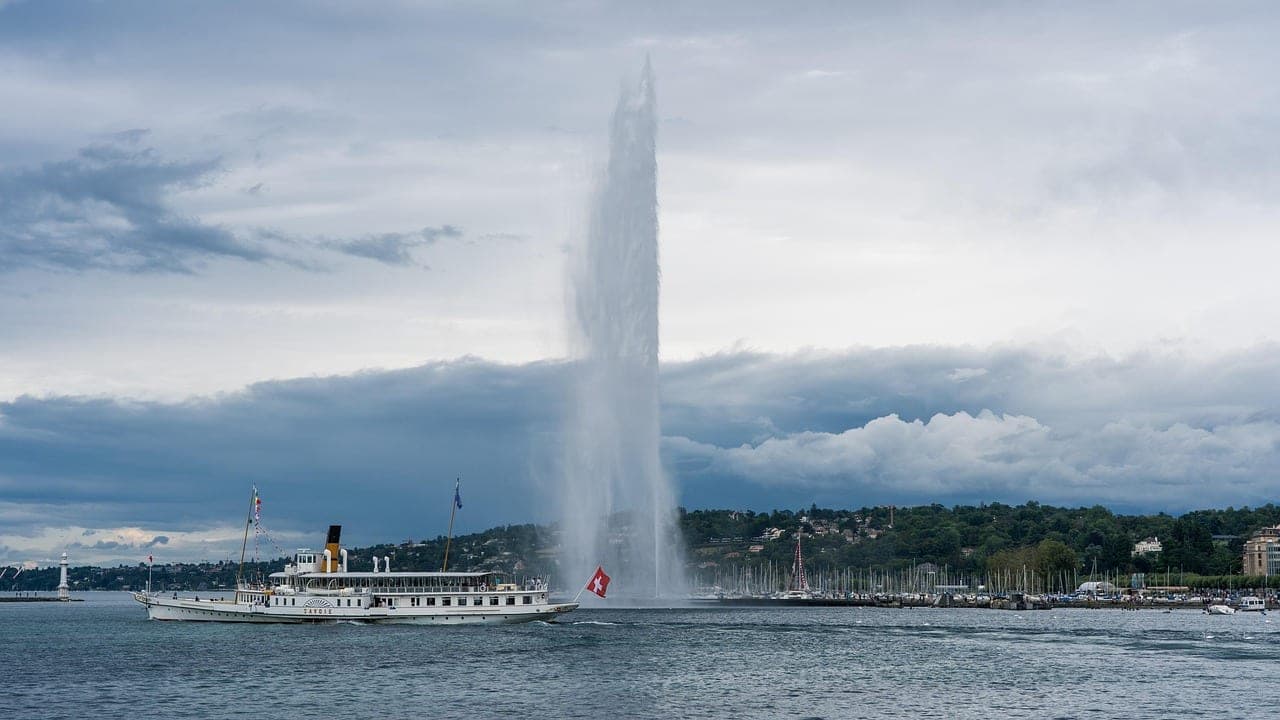
- RegionLake Geneva, Switzerland
- LanguageFrench
- CurrencySwiss Franc (CHF) — not Euro
- Best seasonMay - Sep
- TimezoneCentral European Time (UTC+1)
A quick introduction
Geneva is the Francophone city at the western tip of Switzerland, wrapped around the southern end of Lac Léman (Lake Geneva) where the Rhône River spills out toward France. The population inside the city is a compact 200,000, but the international footprint is enormous: the United Nations' European headquarters, the Red Cross, the WTO, and roughly 40 other international organizations operate out of a few square kilometers on the right bank. CERN — the lab that discovered the Higgs boson and invented the World Wide Web — straddles the French border just outside town.
For a student group, Geneva is the rare educational travel destination where diplomacy, physics, and human rights all fit into the same walkable itinerary. A teacher-led trip can tour the Palais des Nations in the morning, visit CERN's Globe of Science and Innovation after lunch, and finish at the Reformation Wall in Parc des Bastions — three different curriculum threads in one day. It's one of our most subject-specific high school group trip offerings, and it pairs cleanly with Chamonix, Lausanne, or Bern for a longer student tours route through Switzerland.
Top things to see and do


When to go
- May - Jun — lakefront spring
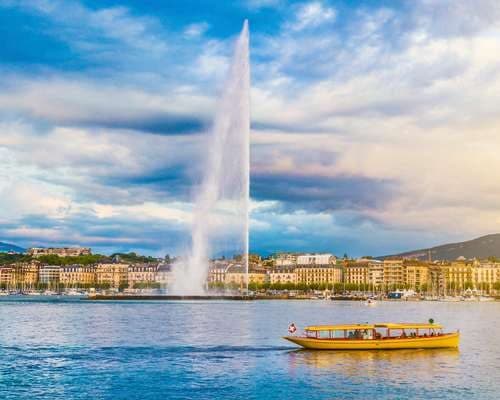
Daytime highs 18-24°C, the Jet d'Eau fires daily (it's turned off in hard winter), and the parks along the quais are full of flowering chestnuts. The sweet spot for educational tours — comfortable walking weather and UN tours aren't yet booked solid.
- Jul - Aug — peak summer & Fêtes de Genève
Daytime highs 25-30°C, lake swimming at Bains des Pâquis, and the Fêtes de Genève lakefront festival in early August. UN plenary sessions pause, which makes the Palais des Nations quieter. Book CERN tours 2-3 months out for summer student group travel.
- Sep - Oct — golden shoulder
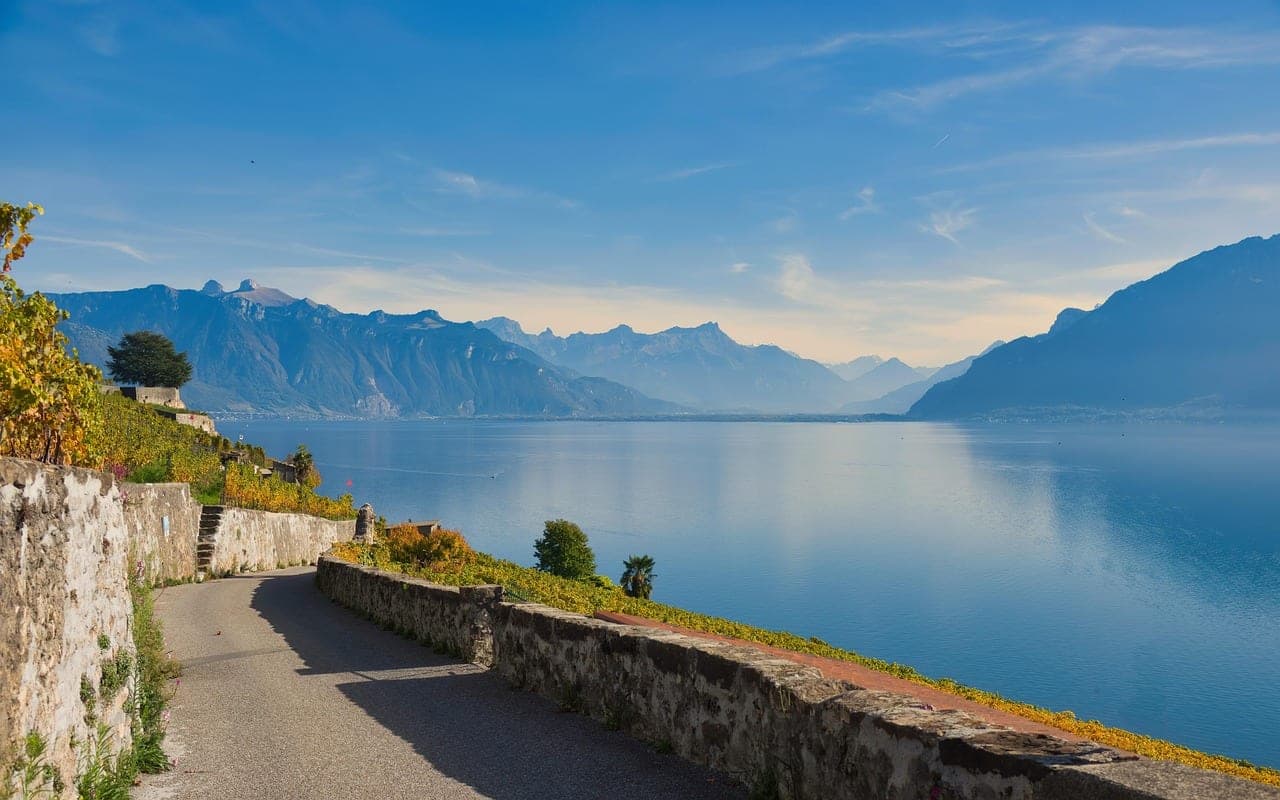
The best-kept secret for teacher-led trips. Temperatures slip to 14-22°C, Lavaux vineyards across the lake turn copper, and the diplomatic calendar wakes back up (UN General Assembly energy carries across the Atlantic). Fewer crowds at every major site.
- Nov - Mar — cold, foggy, ski-adjacent
The bise wind off the lake makes January feel colder than the thermometer says, and a thick fog (the brouillard) can park over the city for days. Short daylight. Upside: it's a 30-minute train from Geneva to Chamonix, so a winter high school group trip can pair UN visits with a day on the slopes.
Food and culture

Fondue moitié-moitié
The classic half-Gruyère, half-Vacherin Fribourgeois melt, served with bread cubes on long forks. Lose the bread in the pot, buy the table a round of white wine — that's the rule.

Raclette
A half-wheel of raclette cheese melted table-side and scraped over boiled potatoes, gherkins, and pickled onions. Winter staple; cozy, messy, memorable for a student group dinner.

Rösti
A golden pan-fried potato cake eaten at any meal, often topped with a fried egg or melted cheese. Originally farmer's breakfast; now the house carb of the French-German rösti divide.

Papet vaudois
The signature dish of the Lake Geneva region: leeks and potatoes stewed low-and-slow under a plump saucisse aux choux. Cold-weather comfort food.

Tomme vaudoise & local chocolate
Small round soft cheese from the Vaud canton, often breaded and pan-fried. Finish the meal with a Favarger or Stettler square — Geneva's two hometown chocolatiers.
What to pack
- Documents
Passport valid 6+ months past travel date, two printed copies (one for the student, one for the Tour Director's file), insurance card, and the Passports group packet. No visa for US citizens on a stay under 90 days — Switzerland is in Schengen. Bring passports to the UN tour; security checks IDs at the gate.
- Clothing
Layers in every season — lakeside wind off Lac Léman drops the felt temperature fast. A rain shell for spring and autumn, a real winter coat for January. Modest dress for St. Pierre Cathedral (shoulders covered is enough). Business-casual tops for the UN visit — students are ambassadors in the building.
- Footwear
Broken-in walking shoes. Old Town is cobblestone end-to-end and a group will log 9,000-11,000 steps on a UN-plus-Old-Town day. Ankle-support sneakers beat fashion sneakers; if a Mont Salève hike is on the itinerary, light trail shoes earn their weight.
- Tech
Switzerland uses Type J plugs — the three-round-pin Swiss standard. Most European Type C two-prongs fit, but a Swiss or universal adapter is safer. Portable battery for CERN and UN days. T-Mobile and Google Fi work; Switzerland is NOT in the EU, so budget carriers with "Europe roaming" plans often bill Swiss data separately — check before you fly.
- Extras
A small daypack (UN security won't accept anything larger than a school backpack), a reusable water bottle (Geneva tap water is alpine-grade and the city fountains are drinkable), sunscreen at altitude, and a compact umbrella. A few CHF coins in a pocket make tram and bakery stops frictionless.
Is it safe?
Yes — Switzerland is one of the safest countries in the world for student group travel. The US State Department rating is Level 1 ("exercise normal precautions"), the lowest tier, and Swiss violent-crime statistics are well below the US average. The genuine risks in Geneva are pickpocketing at the Cornavin train station and the Plainpalais flea market, the occasional bike-lane near-miss when crossing the Pont du Mont-Blanc, and a small uptick in scooter theft near the lakefront in summer.
On a Passports teacher-led trip, the group is never on public transport alone, the Tour Director runs a Day-1 briefing on tram safety and currency (CHF, not euros — more on that below), and every hotel is pre-vetted for 24-hour reception and secure room storage. We operate a 24/7 emergency line out of Boston, keep parents on a daily-update channel, and have English-speaking medical contacts in every city on our school group tours roster. For most teachers running their first educational travel program, Geneva logistics feel easier than a domestic field trip.
Practical tips
- Switzerland uses francs, not euros
CHF is pegged close to the US dollar (roughly 1:1). Many tourist-facing spots will accept euros, but at a punishing rate and with CHF change. Pull a modest amount of francs from an ATM on Day 1; contactless cards handle the rest.
- Get the TPG day pass — or the Geneva Transport Card
Every hotel in Geneva hands out a free Geneva Transport Card at check-in that covers trams, buses, and the yellow lake-shuttle boats (Mouettes) for the length of your stay. Use it.
- French is the working language
Geneva is Romandy (French-speaking Switzerland). Virtually everyone in tourism and the UN complex speaks strong English, but a bonjour on entering a shop is expected and a thin merci at exit is basic courtesy.
- Day trips are the hidden value
Chamonix and Mont Blanc are a 90-minute coach ride south. Lausanne and the Olympic Museum are 45 minutes by train along the lake. Montreux and the Château de Chillon are an hour. Pad the itinerary — the student tours payoff is high.