- RegionZurich, Switzerland
- LanguageGerman (Swiss German)
- CurrencySwiss Franc (CHF) — not Euro
- Best seasonMay - Sep
- TimezoneCentral European Time (UTC+1)
A quick introduction
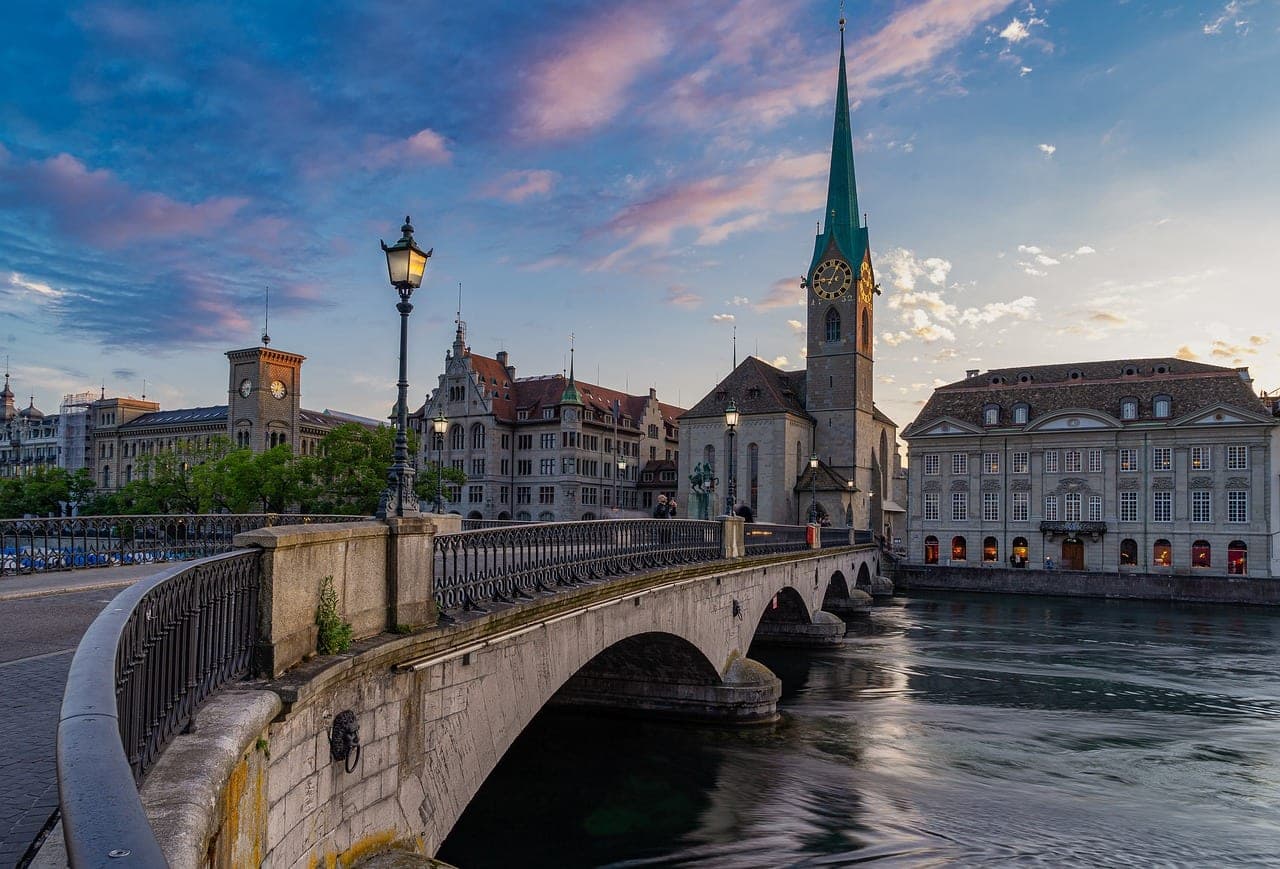
Zurich is Switzerland's largest city — 440,000 in the municipality, 1.4 million across the metro area — set at the north end of Lake Zurich where the Limmat River runs out toward the Aare. It's not the political capital (that's Bern), but it has been the country's commercial and intellectual center since the Middle Ages: Switzerland's biggest banks, ETH Zurich (Einstein's alma mater and the highest-ranked engineering university in continental Europe), and the Kunsthaus museum complex all sit within a 20-minute walk of each other. The Limmat splits the medieval Old Town into a left bank (the Lindenhof and St. Peter's church) and a right bank (the Grossmünster and the guild houses).
For a student group, Zurich is the most intellectually dense educational travel stop in Switzerland — Reformation history at the Grossmünster, modernist art at the Kunsthaus (Giacometti, Picasso, Munch), Dada origins at Cabaret Voltaire, and the Federal Institute of Technology that produced 21 Nobel laureates. A teacher-led trip can pair the Old Town walking loop with the ETH Polyterrasse view in the morning, then take a Zürichsee Schiff ferry down the lake to Rapperswil for the afternoon. It's a clean bookend on a Switzerland student tours route in or out of ZRH airport.
Top things to see and do


When to go
- May - Jun — lakefront spring
Daytime highs 17-23°C, the lakefront promenade busy with locals on lunch breaks, and the Sechseläuten spring festival burning its snowman effigy in mid-April. The sweet spot for educational travel — comfortable walking weather and the museums aren't yet at summer crowd levels.
- Jul - Aug — peak summer & Street Parade
Daytime highs 24-29°C, lake swimming at Seebad Enge and the Frauenbad, and the Street Parade in early August (a million people on the lakefront — schedule around it). The Zürcher Theater Spektakel runs late August. Book hotels 4 months out for summer student group travel.
- Sep - Oct — golden shoulder
The best-kept secret among teacher-led tours. Temperatures slip to 13-20°C, the lake light turns copper, and the Knabenschiessen (a centuries-old shooting festival and city-wide fair) takes over the Albisgüetli the second weekend in September. Crowds thin sharply at the Kunsthaus and Grossmünster.
- Nov - Mar — quiet, ski-adjacent winter
Daytime highs 1-6°C, frequent low cloud, and short daylight. No museum lines anywhere. The big upside: the Flumserberg ski area is 50 minutes by train, and the Bahnhofstrasse Christmas lights (the "Lucy") are postcard material. A winter high school group trip can pair Kunsthaus mornings with afternoon slopes.
Food and culture

Zürcher Geschnetzeltes
The signature Zurich dish — sliced veal in a white-wine-and- cream mushroom sauce, served over rösti. Heavy, regional, and on every traditional restaurant menu in the Niederdorf.

Rösti
Golden pan-fried grated potato cake — the standard rösti-Zürcher- Geschnetzeltes pairing. Eaten at any meal and often topped solo with a fried egg, melted cheese, or sausage.

Fondue moitié-moitié
The classic half-Gruyère, half-Vacherin Fribourgeois melt with bread cubes on long forks. Lose the bread in the pot, buy the table a round of white wine — student groups warm to the ritual fast.

Luxemburgerli
Sprüngli's bite-sized macarons — half the diameter of a Parisian macaron, twice the chew. The flagship at Paradeplatz sells them by the box; a clean, cheap student-group souvenir.

Bircher müesli
Invented in Zurich in 1900 by Dr. Bircher-Benner for sanatorium patients — oats, apple, lemon, and yogurt. Standard hotel breakfast across Switzerland and a calm group-friendly first meal of the day.
What to pack
- Documents
Passport valid 6+ months past travel date, two printed copies (one for the student, one for the Tour Director's file), insurance card, and the Passports group packet. No visa for US citizens on a stay under 90 days — Switzerland is in Schengen, not the EU.
- Clothing
Layers in every season — the Föhn wind off the Alps drops the felt temperature fast even in summer. A rain shell for spring and autumn, a real winter coat from November through March. Modest dress (shoulders covered) for the Grossmünster and Fraumünster. Business-casual works for a Kunsthaus evening.
- Footwear
Broken-in walking shoes — the Old Town is cobblestone end-to-end and a full Zurich day will log 11,000-13,000 steps with occasional Lindenhof-Polyterrasse climbs. Ankle-support sneakers beat fashion sneakers; light trail shoes if a Uetliberg ridge walk is on the itinerary.
- Tech
Switzerland uses Type J plugs — the three-round-pin Swiss standard. Most European Type C two-prongs fit, but a Swiss or universal adapter is safer. T-Mobile and Google Fi work out of the box; Switzerland is NOT in the EU, so budget carriers with "Europe roaming" plans often bill Swiss data separately — check before you fly.
- Extras
A small daypack for museum days, a reusable water bottle (Zurich tap water is alpine-grade and the 1,200 city fountains pour drinkable cold water — locals drink straight from them), sunscreen for lakeside afternoons, and a compact umbrella. A few CHF coins make tram and bakery stops frictionless.
Is it safe?
Yes — Switzerland is one of the safest countries in the world for student group travel. The US State Department rating is Level 1 ("exercise normal precautions"), the lowest tier, and Swiss violent-crime statistics sit well below the US average. The realistic risks in Zurich are pickpocketing at the Hauptbahnhof (the main train station — the busiest in Europe by passenger count), the Langstrasse nightlife district after dark, and the occasional bike-and-tram near-miss in the dense Old Town crossings.
On a Passports teacher-led trip, the group is never on public transport alone, the Tour Director runs a Day-1 briefing on tram safety and currency (CHF, not euros), and every hotel is pre- vetted for 24-hour reception and secure room storage. We operate a 24/7 emergency line out of Boston, keep parents on a daily- update channel, and have English-speaking medical contacts in every city on our school group tours roster. For most teachers running their first educational tours program in Europe, Zurich logistics feel easier than a domestic field trip.
Practical tips
- Switzerland uses francs, not euros
CHF is pegged close to the US dollar (roughly 1:1). Many tourist-facing spots will accept euros, but at a punishing rate and with CHF change. Pull a modest amount of francs from an ATM on Day 1; contactless cards handle the rest. Zurich is the most expensive city in Europe — budget accordingly for incidentals.
- The ZVV is the cleanest transit in Europe
Trams, buses, S-Bahn, and the lake-shuttle boats all run on a single zone-based ticket. Most Zurich hotels issue a free ZVV Visitor Card at check-in. The Polybahn funicular up to ETH and the Uetlibergbahn out to the city's mountain are both included.
- The lake boats are part of the city
Zürichsee Schifffahrtsgesellschaft ferries leave Bürkliplatz on the hour for Erlenbach, Thalwil, Rapperswil, and the south end of the lake. A round-trip to Rapperswil (the "rose city") is the highest-yield half-day add-on on a Zurich itinerary.
- Swiss German is the everyday language
Zurich is in German-speaking Switzerland, but locals speak Swiss German (Schwyzerdütsch) — a dialect that even Germans struggle with. Standard High German works in shops and restaurants, English is universal in tourism and at ETH, and a grüezi on entering a shop is the expected hello.
- Day trips are the hidden value
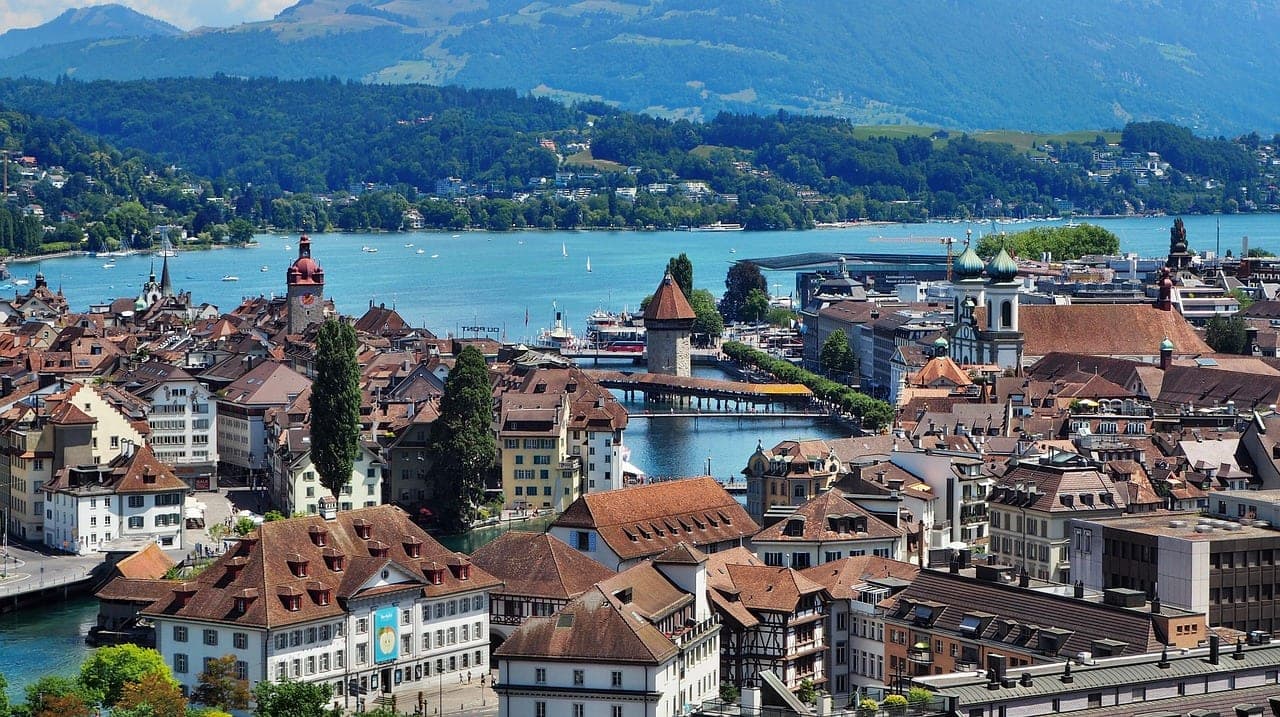
Lucerne is 45 minutes by direct IC train. Mt Rigi is 90 minutes. The Rhine Falls (Europe's biggest waterfall) is 50 minutes north. Lichtenstein is 75 minutes east. Pad the itinerary — the educational tours payoff is high, and the SBB intercity trains are a teaching moment in themselves.