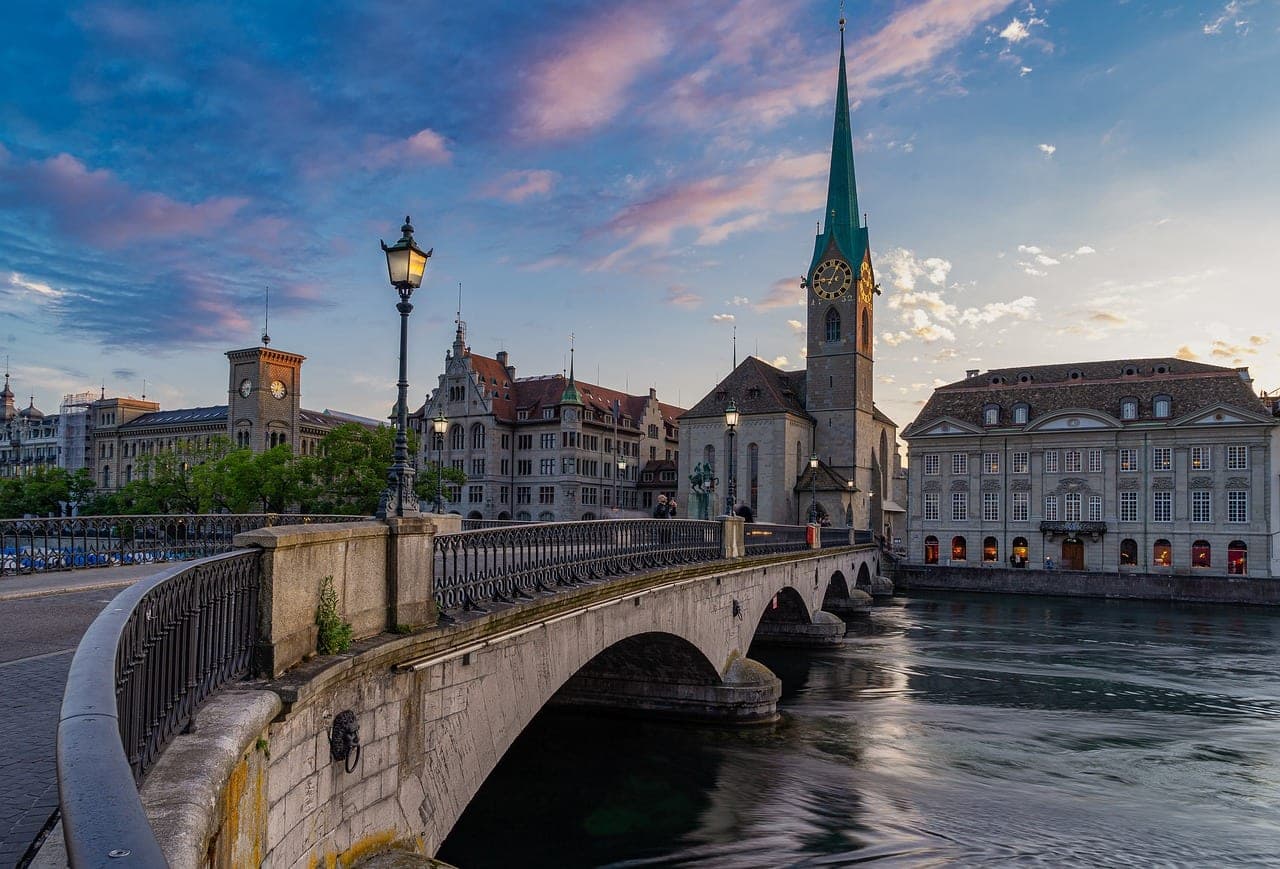
- RegionVaud, Switzerland
- LanguageFrench
- CurrencySwiss Franc (CHF) — not Euro
- Best seasonMay - Sep
- TimezoneCentral European Time (UTC+1)
A quick introduction
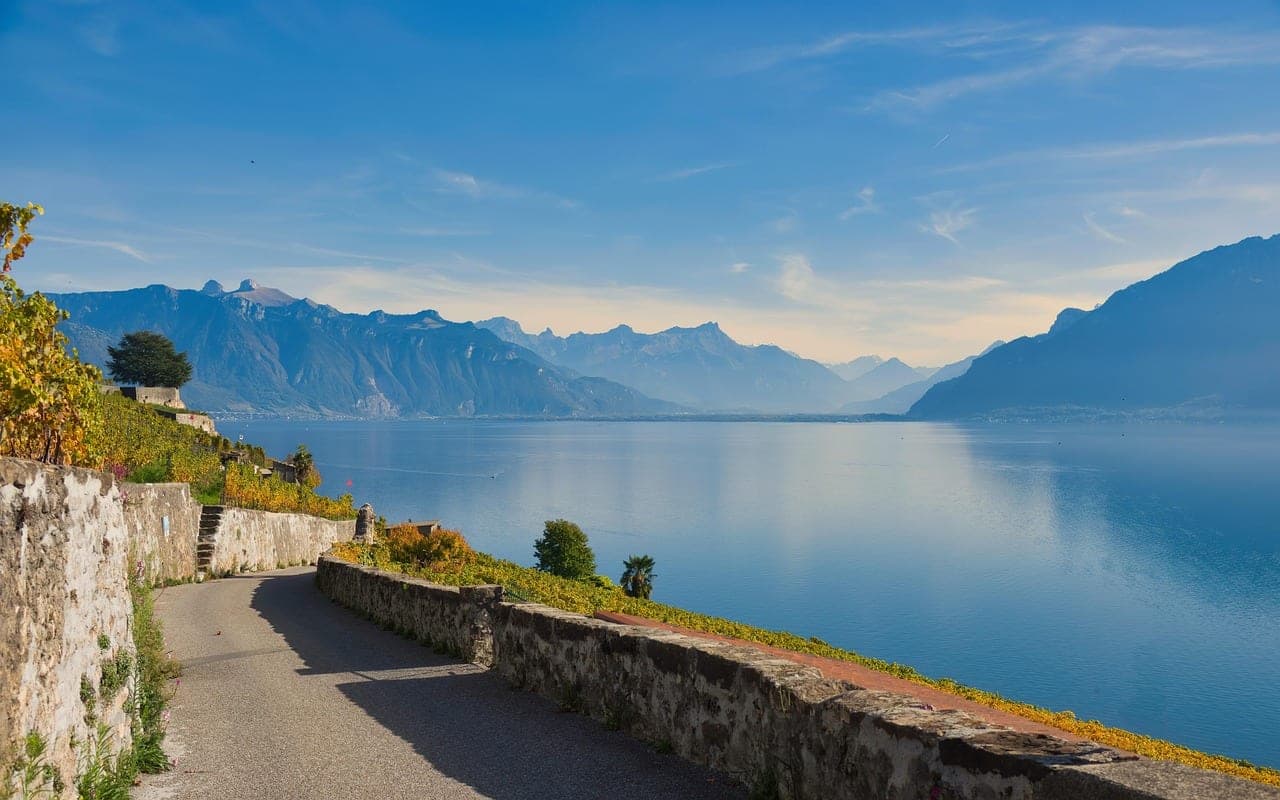
Lausanne is the Francophone city on the steep north shore of Lac Léman (Lake Geneva), 60 kilometers up the lake from Geneva and looking south across the water at the French Alps. The municipal population is around 140,000 — small for a European capital city — but Lausanne punches well above its weight as the headquarters of the International Olympic Committee, the home of EPFL and UNIL (two of Europe's top research universities), and the seat of the Swiss Federal Tribunal. The city climbs three hills above the lake, which means the historic center sits 200 meters higher than the Ouchy waterfront and the m2 metro is the steepest fully automatic subway line in the world.
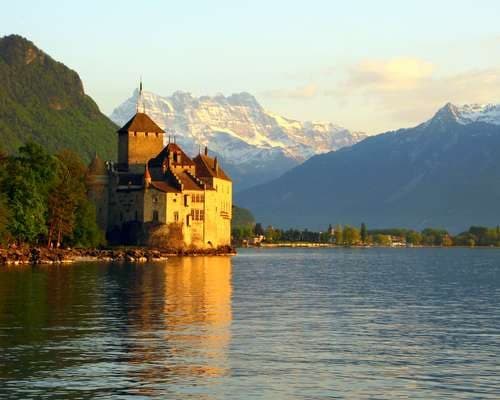
For a student group, Lausanne is one of the most concentrated educational travel stops in Switzerland — Olympic history, gothic architecture, and Reformation theology in a half-day walking radius, with vineyards and the Alps as the backdrop. A teacher-led trip can pair the Olympic Museum with the Cathedral and the Palais de Rumine in a single morning, then take a CGN paddle steamer across the lake to the Château de Chillon for the afternoon. It's a strong shoulder-stop on a Switzerland student tours route from Geneva to Bern or Lucerne.
Top things to see and do


When to go
- May - Jun — lakefront spring
Daytime highs 17-23°C, the Lavaux vines leafing out, and the Ouchy promenade packed with locals on lunch breaks. The sweet spot for educational travel — comfortable walking weather and Olympic Museum crowds haven't yet hit summer pitch.
- Jul - Aug — peak summer & Cité festival
Daytime highs 24-29°C, lake swimming at Bellerive, and the free Festival de la Cité turning the Old Town into an open-air stage in early July. The Béjart Ballet's summer season runs at the Théâtre de Beaulieu. Book hotels 3-4 months out for summer student group travel.
- Sep - Oct — golden vendange shoulder
The best-kept secret among teacher-led tours. Temperatures slip to 13-21°C, the Lavaux vendange (grape harvest) kicks off in late September, and the lakefront light turns copper. Crowds thin sharply at the Olympic Museum and the cathedral.
- Nov - Mar — quiet, ski-adjacent winter
Daytime highs 4-9°C, occasional lake fog, and short daylight. No museum lines anywhere. The big upside: Les Diablerets and Villars are an hour by train, so a winter high school group trip can pair Olympic Museum mornings with an afternoon on the slopes.
Food and culture

Papet vaudois
The signature dish of the Vaud canton: leeks and potatoes stewed low-and-slow under a plump saucisse aux choux (cabbage sausage). Cold-weather comfort food and a permanent fixture on Lausanne brasserie menus.

Filets de perche
Pan-fried lake perch fillets with lemon and parsley, the standard catch from Lac Léman. The lakeside bistros in Ouchy build entire menus around it from May through September.

Malakoffs
Vaudois cheese fritters — Gruyère batter deep-fried into golden balls, eaten with mustard and a glass of Chasselas. A Napoleonic- era invention from the village of Vinzel up the lake.

Fondue moitié-moitié
The classic half-Gruyère, half-Vacherin Fribourgeois melt with bread cubes on long forks. Ordered as the late, communal dinner after a long museum day — student groups warm to it fast.

Chasselas & Lavaux whites
The dry, mineral white grape that defines the Lavaux terraces across the lake. Non-drinking groups should still tour a winery cellar — the geology lesson alone is worth the stop.
What to pack
- Documents
Passport valid 6+ months past travel date, two printed copies (one for the student, one for the Tour Director's file), insurance card, and the Passports group packet. No visa for US citizens on a stay under 90 days — Switzerland is in Schengen, not the EU.
- Clothing
Layers in every season — the lake wind off Lac Léman drops the felt temperature fast, even in July. A rain shell for spring and autumn, a real winter coat for January. Modest dress (shoulders covered) for the cathedral. Business-casual works for the Olympic Museum's auditorium events.
- Footwear
Broken-in walking shoes — Lausanne is the steepest city in Switzerland and a UNESCO Old Town day will log 11,000-13,000 steps with 200 meters of vertical. Ankle-support sneakers beat fashion sneakers; light trail shoes if a Lavaux vineyard walk is on the itinerary.
- Tech
Switzerland uses Type J plugs — the three-round-pin Swiss standard. Most European Type C two-prongs fit, but a Swiss or universal adapter is safer. T-Mobile and Google Fi work out of the box; Switzerland is NOT in the EU, so budget carriers with "Europe roaming" plans often bill Swiss data separately — check before you fly.
- Extras
A small daypack for museum days, a reusable water bottle (the city fountains pour drinkable alpine water), sunscreen for lakeside afternoons even in shoulder season, and a compact umbrella. A few CHF coins make m2 metro and bakery stops frictionless.
Is it safe?
Yes — Switzerland is one of the safest countries in the world for student group travel. The US State Department rating is Level 1 ("exercise normal precautions"), the lowest tier, and Swiss violent-crime statistics sit well below the US average. The realistic risks in Lausanne are pickpocketing at the Gare CFF (the main train station) and along the Flon nightlife district after dark, the occasional bike-and-scooter near-miss in the pedestrian zones, and the steep, sometimes-icy stairs of the Old Town in winter.
On a Passports teacher-led trip, the group is never on public transport alone, the Tour Director runs a Day-1 briefing on m2 metro etiquette and currency (CHF, not euros), and every hotel is pre-vetted for 24-hour reception and secure room storage. We operate a 24/7 emergency line out of Boston, keep parents on a daily-update channel, and have English-speaking medical contacts in every city on our school group tours roster. For most teachers running their first educational tours program in Europe, Lausanne logistics feel easier than a domestic field trip.
Practical tips
- Switzerland uses francs, not euros
CHF is pegged close to the US dollar (roughly 1:1). Many tourist-facing spots will accept euros, but at a punishing rate and with CHF change. Pull a modest amount of francs from an ATM on Day 1; contactless cards handle the rest.
- The m2 metro is the city's spine
The m2 line runs straight up the hill from Ouchy on the lake to the Flon, the cathedral district, and the CHUV hospital — fully automatic, every 3 minutes, and steeper than any subway you've ridden in the US. Most hotels hand out a free Lausanne Transport Card at check-in that covers it.
- The lake boats are part of the city
The CGN paddle steamers and modern ferries leave Ouchy hourly for Évian (35 min, France — bring passports), Vevey, Montreux, and Chillon. A half-day Chillon round-trip is the highest-yield add-on on a Lausanne itinerary.
- French is the working language
Lausanne is Romandy (French-speaking Switzerland). Virtually everyone in tourism speaks strong English, but a bonjour on entering a shop is expected and a thin merci at exit is basic courtesy. The Olympic Museum runs every exhibit in English and French.
- Day trips are the hidden value
Geneva and the UN are 35 minutes by train along the lake. Chillon Castle is 25 minutes east. Gruyères (the cheese town and HR Giger Museum) is an hour. Pad the itinerary — the educational tours payoff is high, and the SBB intercity trains are a teaching moment in themselves.