Destination

Dublin, Ireland

Dublin student group travel for teachers: Trinity College, the Book of Kells, and Georgian squares on teacher-led high school group trips and educational tours.

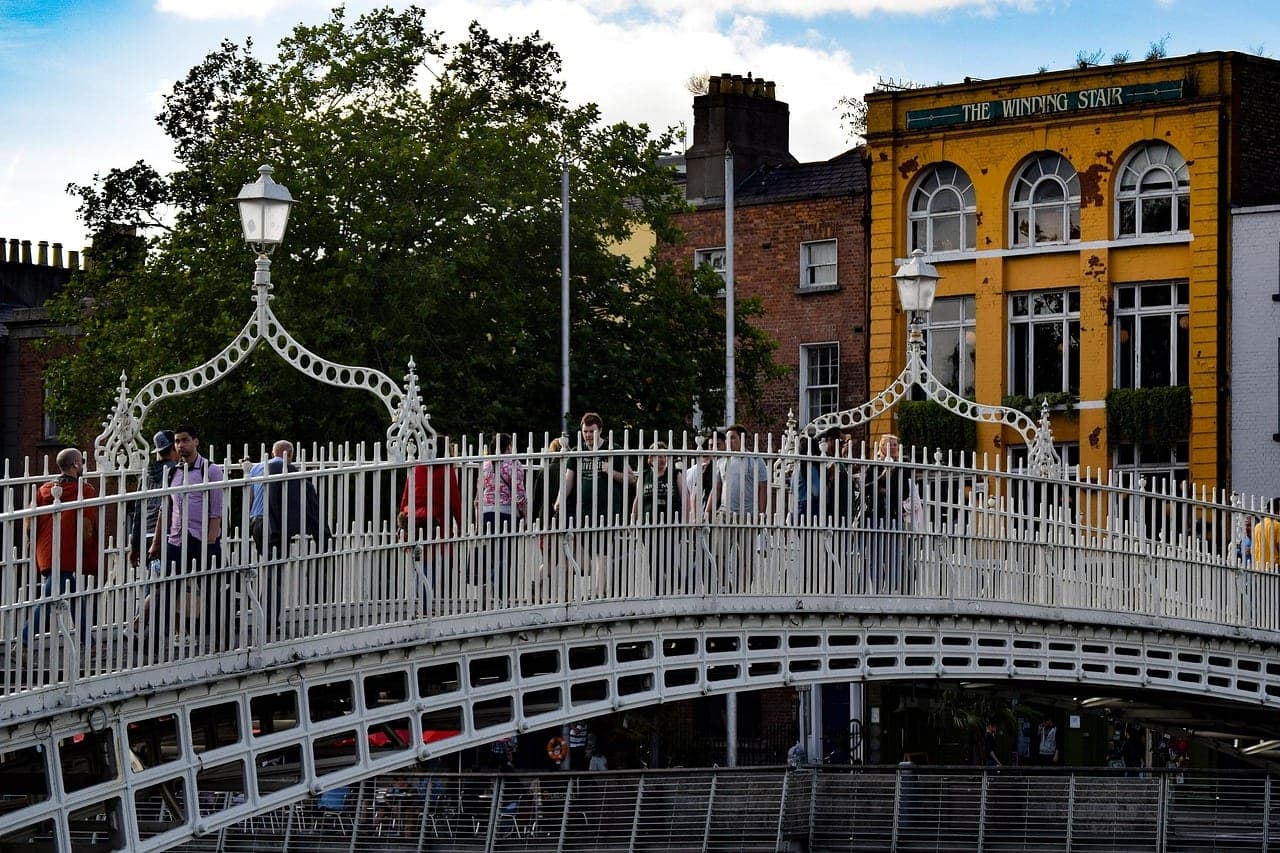
Georgian doors and the Ha'penny Bridge along the River Liffey in central Dublin
On this page
  • Where Dublin sits — the Republic of Ireland's capital on the River Liffey
  • Six sights worth a morning: Trinity College, Book of Kells, Kilmainham Gaol, EPIC, the Guinness Storehouse
  • What to eat: Irish stew, boxty, coddle, and a proper Irish breakfast
  • When to go, what to pack for Atlantic weather, and whether Dublin is safe for students
  • Practical logistics for teachers: euros, the Luas tram, and Ireland vs. Northern Ireland
← All city guidesCountry guide: Ireland
Plan a trip

A quick introduction

Dublin is the capital of the Republic of Ireland, a city of roughly 590,000 people (about 1.5 million in the greater metro area) built around the River Liffey where it empties into Dublin Bay. Founded as a Viking longphort around 841 and chartered under Norman rule in 1172, Dublin has layered a medieval core, a Georgian grid, and a 21st-century tech quarter (the "Silicon Docks" around Grand Canal) into a single walkable center. The euro is the currency, the postboxes are green, and the Irish language shares official status with English on every street sign.

For a student group, Dublin is one of the most literary cities on our catalog and one of the most accessible. Four Nobel laureates in literature — Yeats, Shaw, Beckett, and Heaney — all walked these streets, Joyce's Ulysses maps directly onto the map students carry, and Trinity College's Long Room still houses the 9th-century Book of Kells. A teacher-led trip here pairs literature (Dublin Writers Museum, the Abbey Theatre, the Dead Poets Pub Crawl) with hard political history (Kilmainham Gaol, the GPO, the Easter Rising walking tour) in a way that makes a high school group trip feel consequential from day one. The historic core is compact enough to cover on foot, the people genuinely welcome school groups, and English-language access lowers the barrier to educational travel for first-time teacher chaperones.

Day by day

Top things to see and do

Trinity College & the Book of Kells

Trinity College & the Book of Kells

Ireland's oldest university (1592) and home to the Long Room library and the 9th-century illuminated Book of Kells. Allow 90 minutes including the new digital exhibit. The single most photographed interior in the country.

Kilmainham Gaol

Kilmainham Gaol

The Victorian prison where leaders of the 1916 Easter Rising were held and executed. Guided tours only — Passports books the slot when the group count locks. The emotional anchor of any history-track itinerary in Dublin.

EPIC The Irish Emigration Museum

EPIC The Irish Emigration Museum

Interactive galleries on 1,500 years of Irish emigration — famine, diaspora, global influence. Voted Europe's leading tourist attraction three years running. Strong fit for US students tracing their own family lines; allow 90 minutes in the CHQ building on Custom House Quay.

Guinness Storehouse

Guinness Storehouse

Seven-story brewery-turned-museum in the 1904 St James's Gate fermentation plant. Non-alcoholic tastings for under-18 students are offered; the Gravity Bar at the top gives a full 360° of the city.

Dublin Castle & Christ Church

Dublin Castle & Christ Church

The seat of British rule in Ireland until 1922, now the state ceremonial venue, paired logically with 12th-century Christ Church Cathedral two blocks away. A one-morning medieval and colonial history block.

Howth cliff walk day trip

Howth cliff walk day trip

A 30-minute DART commuter train to the Howth peninsula and a four-mile loop cliff walk with Dublin Bay on one side and the Irish Sea on the other. The reset-the-legs day after two museum days; pack rain gear.

Weather by season

When to go

  • May - Jun — long days, mild weather

    The sweet spot for Dublin educational travel. Daytime highs 14-19°C, daylight until nearly 10 PM in June, and statistically the driest months in a wet year-round city. Book Kilmainham Gaol and Trinity Long Room entries 3-4 weeks out; school groups overlap with the UK and Irish exam-week ripple.

  • Jul - Aug — peak season, Bloomsday energy

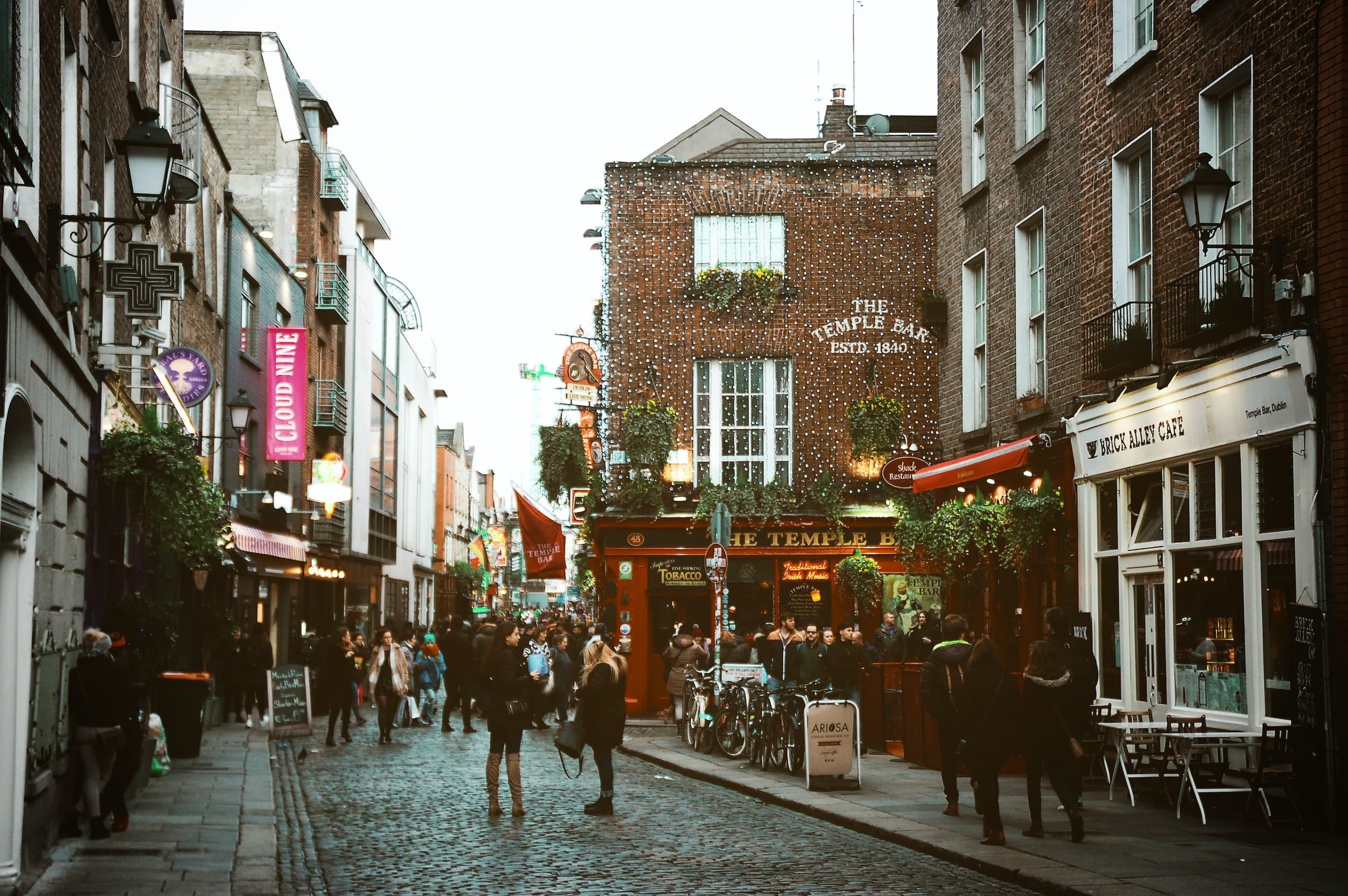
    Warmest window (17-21°C) and longest evenings, and the tail end of Bloomsday (16 June) still carries literary festival energy into early July. Museums are busy, pub sessions run late, and the Temple Bar area is at peak density. Worth it for teacher-led tours that can absorb the crowds.

  • Sep - Oct — shoulder-season value

    A great window for a high school group trip. Temperatures drop to 11-16°C, museum queues evaporate, and the Dublin Theatre Festival in late September/early October puts real work on the Abbey stage. Pack a waterproof; Atlantic fronts come through every few days.

  • Nov - Mar — grey, wet, and festive

    Sunset by 4:15 PM in December, persistent drizzle, and temperatures 4-9°C. Christmas markets at Dublin Castle and the RDS add real atmosphere, and St. Patrick's weekend (17 March) turns the whole city into a festival — book every bed 6+ months out if that's the target. Works well for a focused MLK-week literature trip.

What to order

Food and culture

Irish stew

Irish stew

Slow-cooked lamb (or mutton), potato, onion, and carrot in a thin broth — the national dish, and a standard on every gastropub menu. Best eaten at a pub that bakes its own brown bread to soak up the gravy.

Boxty

Boxty

The Leitrim potato pancake — grated raw and mashed cooked potato bound with flour and fried on a griddle. Served savory with smoked salmon or stew, or sweet with jam. The Gallery of Photography area has the best one in town.

Full Irish breakfast

Full Irish breakfast

Rashers, sausage, eggs, black and white pudding, grilled tomato, beans, and toast — powers a group through a full morning of Kilmainham and Trinity. The black pudding is the part students either love or trade away.

Dublin coddle

Dublin coddle

A Dublin-specific slow-cooker of pork sausages, bacon rashers, onion, and potato in a thin broth. Traditional Saturday night supper; a few older pubs still do it properly and it's worth seeking out.

Soda bread

Soda bread

The baking-soda-leavened brown bread that shows up with every soup, stew, and breakfast in the country. No yeast, no kneading, dense and crumbly — students will either pocket extra slices or pass them to the teacher.

Packing essentials

What to pack

  • Documents

    Passport valid 6+ months past the trip, two printed copies (one for the student, one for the Tour Director's file), insurance card, and the Passports group packet. No visa required for US citizens entering Ireland for tourism under 90 days. The Republic of Ireland is not in Schengen — if the itinerary continues to mainland Europe, that's a separate entry stamp.

  • Clothing

    Layers, always. Dublin can deliver four seasons in one afternoon. Pack a warm mid-layer (fleece or light sweater) even in July, plus a waterproof outer shell. No strict church dress codes, but shoulders-and-knees covered is still the polite default for St. Patrick's Cathedral and Christ Church.

  • Footwear

    Broken-in walking shoes with real tread. Dublin cobblestones get slick in the rain, the Howth cliff loop is uneven, and a student group will log 10,000-14,000 steps a day across the Georgian grid. Do not buy new shoes for the trip. A second dry pair in the hotel room is a small luxury worth the backpack space.

  • Rain gear

    A proper hooded waterproof (not an umbrella — Dublin wind kills umbrellas). Quick-dry pants beat denim on the Howth day and the Kilmainham line, both of which run partly outdoors. A packable rain shell that lives in the daypack all week is the single most-used item on any Irish itinerary.

  • Tech

    Ireland uses Type G plugs (three rectangular pins, same as the UK) — bring a universal adapter. T-Mobile and Google Fi include Ireland data at no extra cost; AT&T and Verizon users should buy a Three or Vodafone eSIM before departure. A portable battery pays off on museum days when the phone is also the guidebook.

  • Extras

    A small daypack, reusable water bottle (Dublin tap water is soft and excellent), a notebook for the literary walks (students actually want to write Joyce quotes down), and €20-30 in cash for market stalls and the occasional busker tip on Grafton Street. Contactless cards work almost everywhere else.

The parent-meeting question

Is it safe?

Yes. Ireland's US State Department rating is Level 1 ("exercise normal precautions") — the lowest advisory tier, shared with very few European destinations — and Dublin in particular runs crime rates below most comparable US cities. Violent crime against travelers is genuinely rare. The actual risk in Dublin is pickpocketing on a few predictable routes: Grafton Street on Saturday afternoons, O'Connell Street after dark, the Luas Red Line around Connolly Station, and the packed Temple Bar blocks late at night. A buddy-system briefing and bags-in-front handles most of it.

On a Passports teacher-led trip to Dublin, the group is on a private coach between venues, the Tour Director runs a Day 1 briefing, and every hotel is pre-vetted for 24-hour reception and secure room storage. We operate a 24/7 emergency line out of Boston, keep parents on a daily update channel, and maintain English-speaking medical contacts in every city on the route. For most teachers running their first high school student travel to Europe, the Dublin logistics feel notably easier than a domestic field trip — English signage, a first-rate public hospital system, and a city that has hosted school group tours for generations.

🛡️

Personal safety

Violent crime against travelers is rare. Pickpocketing is the real concern, mostly on Grafton and O'Connell Streets and around Temple Bar after dark. Cross-body bags in front, phones off café tables, buddy system after 9 PM. Hotels are vetted for 24-hour reception and in-room safes.

⚕️

Health & medical

Tap water is excellent. No special vaccines required beyond CDC routine. St. James's Hospital and the Mater Misericordiae both run 24-hour emergency departments to international standards, and Ireland's HSE treats tourists on the spot (billing clears through travel insurance after). Pharmacies are everywhere.

🚐

Roads & transport

Private coach with an Irish-licensed driver between every venue. Traffic drives on the left, which is the driver's problem, not the student's. No students on scooters or in rental cars at any point. Dublin Airport (DUB) transfers are by private coach; the M50 ring road keeps airport runs predictable.

🌪️

Natural hazards & advisories

Ireland sits in a very low-seismic zone with no volcanic or hurricane exposure. The realistic hazard is weather — Atlantic fronts and the occasional named storm November through February. The Howth cliff walk can get rerouted if wind closes the upper path; the Tour Director carries a wet-weather alternate.

Practical tips

  • Euros, not pounds

    The Republic of Ireland uses the euro. If the itinerary also includes Belfast or the Giant's Causeway, that's a separate jurisdiction on pound sterling — currency, phone roaming, and legal regime all change at the border. A 30-second Tour Director brief saves confusion on a cross-island student group trip.

  • The Luas and DART handle most of the city

    The Luas (tram) runs two lines through the center and the DART (commuter rail) handles the coast including Howth and Dún Laoghaire. A Leap Card visitor pass covers both and every Dublin bus; Tour Directors pre-load them for the group so there's no ticket scramble at the station.

  • A coffee shop, a tearoom, a gastropub

    Dublin coffee culture is genuine (3fe, Kaph, Clement & Pekoe) and tea rooms still serve a proper afternoon pot. Gastropubs do family-friendly food until 9 PM, after which most become 21-and-over for the evening — Tour Directors schedule student dinners before the pivot.

  • Ireland vs. Northern Ireland

    "Ireland" without qualifier means the Republic — a sovereign EU country with Dublin as its capital. "Northern Ireland" is the separate UK jurisdiction up north with Belfast as its capital. The two share an invisible land border with no checks but different currency and phone regimes. A classroom-travel briefing before departure sorts the vocabulary.
Five facts

Good to know

📚

Four Nobels in literature

Yeats (1923), Shaw (1925), Beckett (1969), and Heaney (1995) all lived and wrote in Dublin. The Dublin Writers Museum on Parnell Square curates the full lineage.

📜

The Book of Kells is 1,200 years old

The illuminated gospel manuscript was created around 800 AD, probably at the Iona monastery, and has lived in Trinity's Old Library since 1661. Two pages are turned each day.

🍺

Guinness has a 9,000-year lease

Arthur Guinness signed a 9,000-year lease on the St James's Gate brewery in 1759 at £45 a year. The brewery still occupies the same four acres — and the lease still has 8,735 years to run.

🕯️

Easter Rising changed everything

The 1916 armed rebellion began at the General Post Office on O'Connell Street on 24 April. The bullet holes in the GPO columns are still visible; the Proclamation is read every Easter Sunday.

🎩

Bloomsday reenacts Ulysses

Every 16 June, Dubliners retrace Leopold Bloom's 1904 route from Joyce's Ulysses in period dress, eating gorgonzola sandwiches and reading aloud in pubs. A genuine city-wide literary festival worth planning a June trip around.

Tours that go here

Tours that stop in Dublin

See all tours →
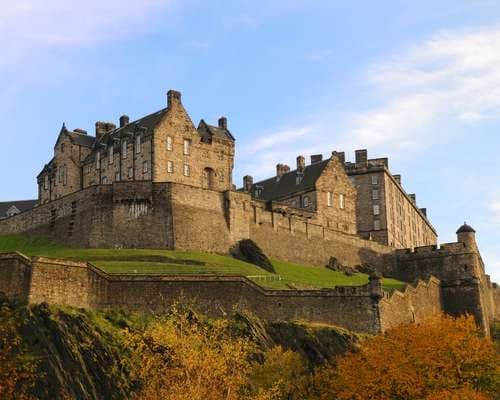
Edinburgh Castle
Ireland · United Kingdom/Scotland

Dublin and Edinburgh

Dublin · Edinburgh

Adult-recommendedSmall-group
See itinerary
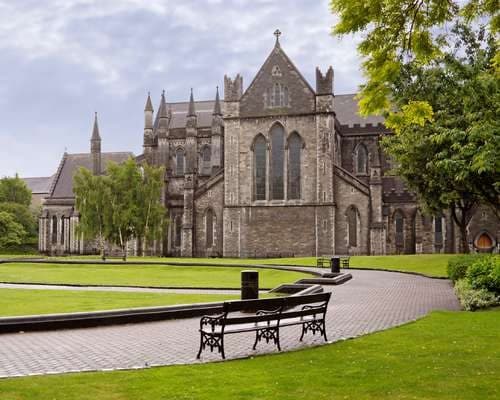
St. Patrick Cathedral in Dublin, Ireland
Ireland · United Kingdom/England

Ireland and Britain

Dublin · Killarney · London

Adult-recommended
See itinerary
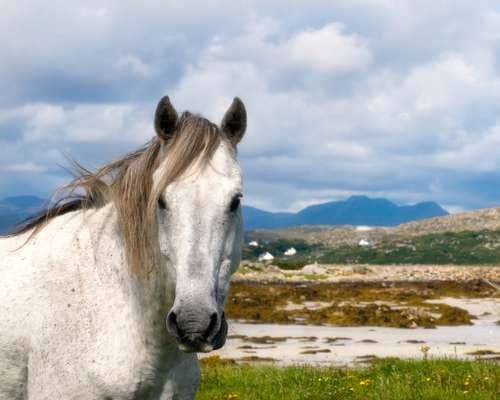
Connemara pony
Ireland · United Kingdom/Northern Ireland

Shades of Green

Dublin · Bangor · Portrush · Sligo · Galway

See itinerary
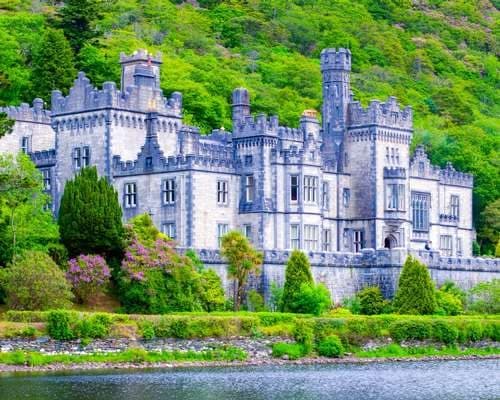
Kylemore Abbey
Ireland

The Emerald Isle

Dublin · Killarney · Limerick · Galway

See itinerary
Classroom material

Lesson plans about Dublin

See all →
IrelandHistoryGrade 11-12

Early Christian Ireland: St. Patrick

Through the investigation of primary and secondary sources, students in this lesson will identify, understand and be able to explain the story of St. Patrick, the legends surrounding the patron saint of Ireland and what place he plays in th…

View lesson
IrelandHistoryGrade 11-12

Ireland and the Easter Rising of 1916

Through the investigation of primary and secondary sources, students here will identify, understand and be able to explain the Eastern Rising of 1916, including the reasons behind the Rising, what happened during the six day rebellion, and …

View lesson
IrelandHistoryGrade 11-12

Ireland and the Great Potato Famine (1840s)

Through the investigation of primary and secondary sources, students in this lesson will identify, understand and be able to explain the details of Ireland's Great Famine of the 1840s, what caused it, the government's response to the traged…

View lesson
IrelandHistoryGrade 11-12

Ireland in the Age of Revolutions: The Rebellion of 1798

Through the investigation of primary and secondary sources, students in this lesson will identify, understand and be able to explain the Irish Rebellion of 1798, the role played by leading figures in the rebellion, including Wolfe Tome and …

View lesson
From our blog

Blog posts about Dublin

See all →
Europe’s Most Beautiful Libraries and Bookstores
destinations

Europe’s Most Beautiful Libraries and Bookstores

Europe's most stunning libraries and bookstores span Dublin's Long Room to Paris's Shakespeare and Company — each a landmark of architecture, history, and literary culture

Read post
Top 10 Literary Destinations in Europe
destinations

Top 10 Literary Destinations in Europe

Europe's top literary destinations span ten cities, from Shakespeare's Stratford-upon-Avon to Joyce's Zurich, each offering author museums, landmarks, and cultural history

Read post
Must See Cities in Europe
destinations

Must See Cities in Europe

Ten must-see Western European cities are covered here, from Paris and Rome to Lisbon and Vienna, with highlights on culture, food, history, and local atmosphere for each destination

Read post
Free day in Dublin?
destinations

Free day in Dublin?

A full one-day Dublin itinerary covers traditional Irish breakfast, Trinity College, Temple Bar, the Guinness Storehouse, and live pub music for student travelers with free time

Read post
Eiffel tower
for teachers

Real Travel Talk with Dave - April 2022

After two months of leading groups in Europe, we've learned a lot about what travel will be like this year. Let's talk about it! 

Read post
Paris
travel inspiration

How to Choose the Right Destination for Your Student Tour

Whether your educational goals are historical, linguistic, cultural, charitable or a combination, Passports has the right tour for you and your students.

Read post
On the ground

More places in Ireland

Country guide: Ireland →
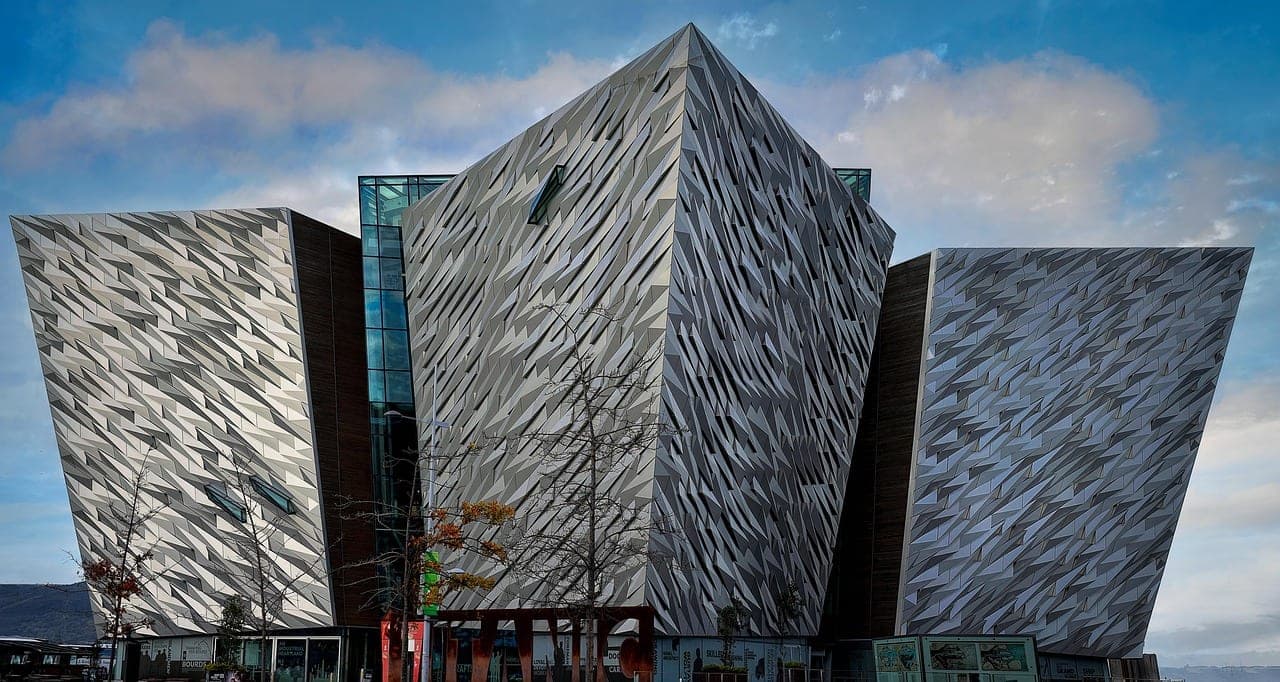
Titanic Belfast building and shipyard cranes along the River Lagan in Belfast, Northern Ireland

Belfast, Ireland

Belfast student group travel for teachers: the Titanic Quarter, the Troubles, and Northern Irish history on teacher-led high school group trips and tours.

Colorful shopfronts of Galway's Latin Quarter on Ireland's Wild Atlantic Way

Galway, Ireland

Galway student group travel guide for teachers: Wild Atlantic Way gateway, Aran Islands, and the Latin Quarter on teacher-led high school trips to Ireland.

Lakes of Killarney with the MacGillycuddy's Reeks rising above ancient oak woodland in County Kerry

Killarney, Ireland

Killarney student group travel for teachers: National Park, Ring of Kerry, and Muckross House on teacher-led high school trips and educational tours of Ireland.

King John's Castle above the River Shannon in the medieval heart of Limerick city

Limerick, Ireland

Limerick student group travel for teachers: King John's Castle, Hunt Museum, and the Shannon on teacher-led high school trips and educational tours of Ireland.

Bring your group to Dublin, Ireland.

Every Passports trip is built around a teacher and a group — from first itinerary sketch to the last day on the ground. Tell us what you have in mind and we’ll take it from there.

Plan a trip