Country guide

Ireland

Ireland student group travel for teachers: Dublin, Galway, and the literature, Celtic history, and culture curriculum behind our top teacher-led school trips.

All countries
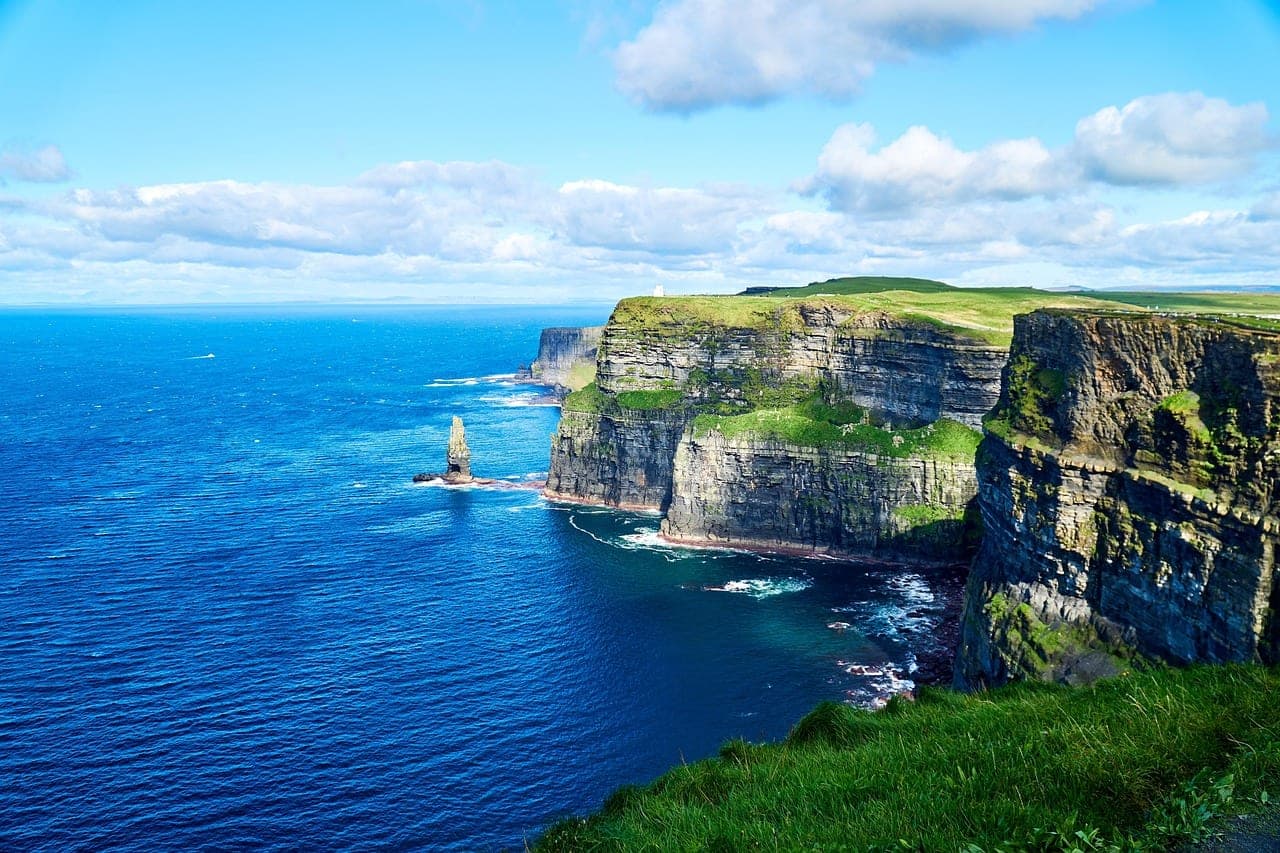
Cliffs of Moher rising above the Atlantic on Ireland's wild western coast
On this page
  • Where the Republic of Ireland sits in the British Isles, and why a literature-and-history week lands harder here than almost anywhere
  • Six regions worth a day each — Dublin, the Ring of Kerry, Galway & Connemara, the Cliffs of Moher & the Burren, the Wild Atlantic Way, plus an optional cross-border day to Belfast and the Giant's Causeway
  • What's on the menu: Irish stew, a full Irish breakfast, Atlantic seafood chowder with brown bread, potato comfort food, and scones warm from the oven
  • Practical logistics for teachers: no visa, Type G plugs, Euros in the Republic and GBP if the coach crosses into Northern Ireland, and the rain that's always part of the plan
  • Five facts that land after a week of Book-of-Kells Latin, Cliffs-of-Moher wind, and a Temple Bar trad session

A quick introduction

The Republic of Ireland is 70,273 km² — a little smaller than West Virginia — with a population of roughly 5.3 million and a capital, Dublin, that's been continuously settled since the Vikings founded their trading port at the mouth of the Liffey in the 9th century. The full island, including Northern Ireland, covers 84,421 km² (about the size of Indiana) and sits off the west coast of Great Britain at the outer edge of the European Union. This country page covers the Republic; most of our itineraries stay south of the border, but a cross-border day to Belfast and the Giant's Causeway is a common and easy add-on for groups that want to pair the Peace Process with the rest of the Irish story.

Ireland is one of our most-requested educational travel destinations and, for a lot of teachers, the English-speaking alternative to an England-or-Scotland high school group trip. The curricular payoff is unusually deep for such a small country: four Nobel laureates in literature (Yeats, Shaw, Beckett, Heaney) whose houses, pubs, and walking maps are still on the ground, 5,000 years of recorded and prehistoric history from Newgrange to the Troubles, and a living traditional-music culture a student group can walk into any night of the week. If you teach AP English Literature, AP European History, or a civics unit on post-conflict democracy, a teacher-led trip to Ireland is a direct syllabus match.

Quick facts

Ireland by the numbers

📐

84,421 km²

Full island — roughly the size of Indiana. The Republic alone is 70,273 km², about West Virginia. Stops are close: the longest transfer on a standard itinerary sits under four hours of coach time, which keeps a student group fresh for the next stop.

👥

~5.3 million

Population of the Republic of Ireland. Around a third live in the Greater Dublin area; the rest are spread thin across the midlands, the Atlantic west, and the south-west peninsulas. Northern Ireland adds another 1.9 million.

📚

4 Nobel Laureates in Literature

Yeats, Shaw, Beckett, and Heaney — the highest per-capita count in the world. Add Joyce, Wilde, and Swift (who predate the prize) and a one-week walking tour of Dublin becomes an AP English Literature reading list on foot.

🍀

40+ shades of green

The tourism-board line, and also, annoyingly, accurate. Constant Atlantic rain, mild temperatures, and the long summer daylight hours combine to produce the specific saturated green a student group will not stop photographing once the coach leaves Dublin.

Inside the trip

A week with a Passports group

A typical Passports high school group trip to Ireland runs seven to nine days and lines up cleanly against April spring break, the June window after AP exams, or late July. Day one is Dublin: arrival at Dublin Airport, a welcome walk past Trinity College and along the Liffey, and dinner with the Tour Director who stays with the group for the full week. Day two goes deeper — the Book of Kells and the Long Room of Trinity's Old Library in the morning, Kilmainham Gaol or the EPIC Irish Emigration Museum after lunch, and a Temple Bar traditional-music session in the evening that students consistently rank as the week's best surprise.

The middle of the week moves west. The group boards a private coach along the Wild Atlantic Way, stopping at the Cliffs of Moher and the karst-limestone Burren landscape before reaching Galway — a compact, bookish port city that's the perfect evening walk-around stop. Options from there depend on the group's shape: a Ring of Kerry and Killarney National Park day for a landscape-heavy itinerary, a run out to the Dingle Peninsula for a Gaeltacht (Irish-speaking region) immersion, or the cross-border day north to Belfast — Titanic Belfast, the peace-wall tour, the Giant's Causeway basalt columns — that turns the week into a Republic-plus-Northern-Ireland story.

We've run student group travel to Ireland for years and every moving part has a backup plan. An Atlantic gale that closes the Cliffs walkway, a misplaced passport in Galway, a group that wants to add a Gaelic football match on a free evening: there's a runbook. Most itineraries include a service-learning option or a homestay night on longer programs, and the educational travel piece is built into the day — literature readings at the Yeats grave in Sligo, a peace-walls debrief in Belfast, journaling time after the Famine exhibits at EPIC. But the part teachers remember is that the logistics simply work.

Region by region

Top things to see and do

Dublin & the East

Dublin & the East

Trinity College and the Book of Kells, Kilmainham Gaol, the EPIC Irish Emigration Museum, Dublin Castle, and the literary walking map that runs from Joyce's Martello tower at Sandycove to Yeats on Merrion Square. Cap a day with a trad session in Temple Bar — family-friendly until about 9pm.

The Ring of Kerry & Killarney

The Ring of Kerry & Killarney

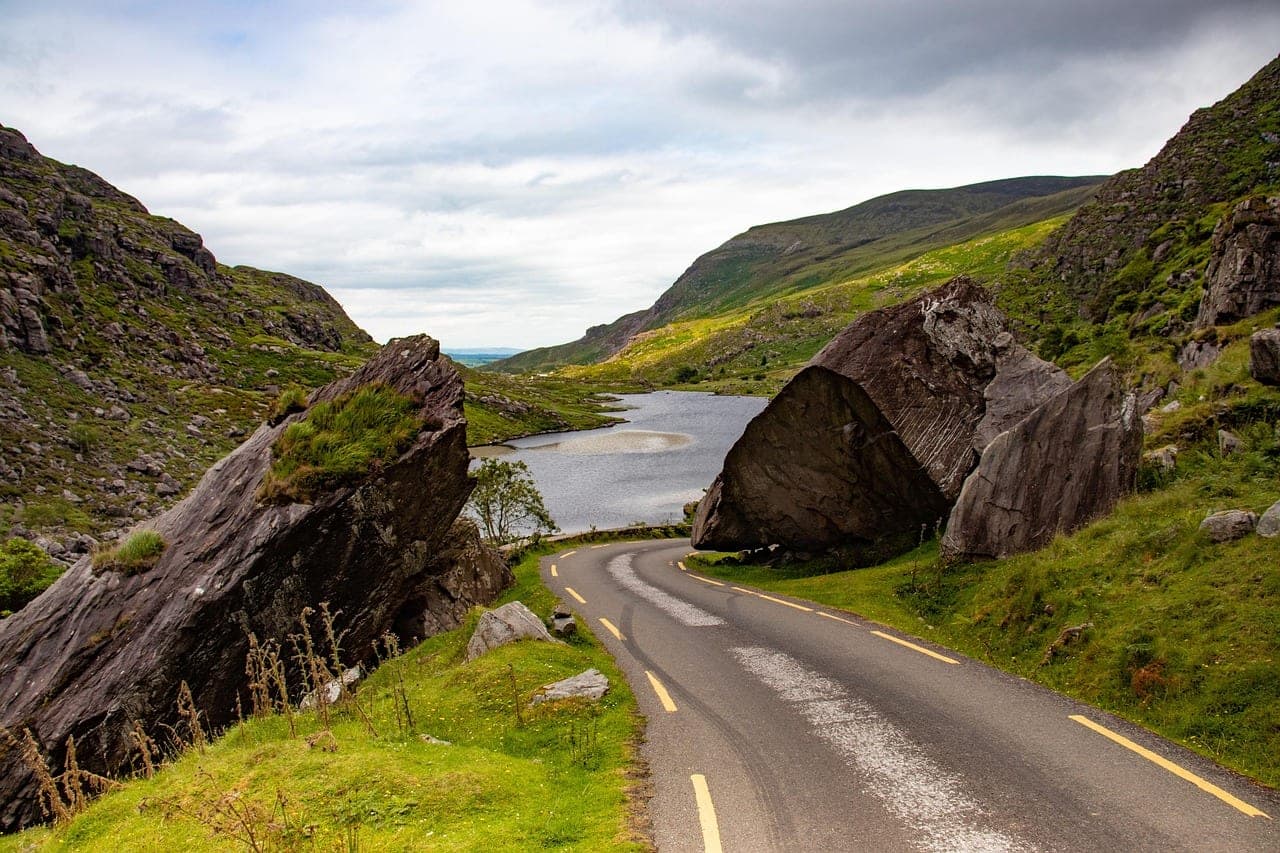
The most scenic coastal drive in the country — a 179 km loop around the Iveragh Peninsula with ring forts, Atlantic viewpoints, and the Skellig Islands offshore. Killarney National Park, the oak woods, and Muckross House anchor the loop on the inland side.

Galway & Connemara

Galway & Connemara

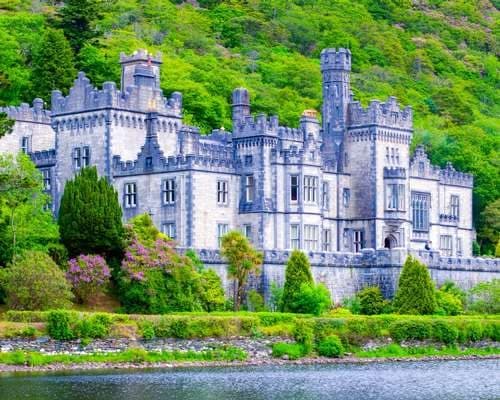
A compact, walkable port city with the best live-music scene outside Dublin and a festival on the calendar nearly every week of the summer. An afternoon run out into Connemara lands at Kylemore Abbey, peat-cut bog landscapes, and the Twelve Bens mountain range.

The Cliffs of Moher & the Burren

The Cliffs of Moher & the Burren

214 metres of sheer Atlantic cliff face on a good day, plus the Burren's lunar karst-limestone plateau a short coach ride north — a single Earth Science field day covering two of the most photographed landscapes in Europe. Stay behind the barriers; the wind is real.

The Wild Atlantic Way — Dingle & Donegal

The Wild Atlantic Way — Dingle & Donegal

2,500 km of signposted coastal route from Cork to Donegal. Standout stops for high school student travel include the Dingle Peninsula (Gaeltacht villages, beehive huts, Slea Head) and Donegal's rugged north-west — less touristed, more dramatic, and the closest an itinerary gets to the feel of the old Ireland.

Northern Ireland — Belfast & the Giant's Causeway

Northern Ireland — Belfast & the Giant's Causeway

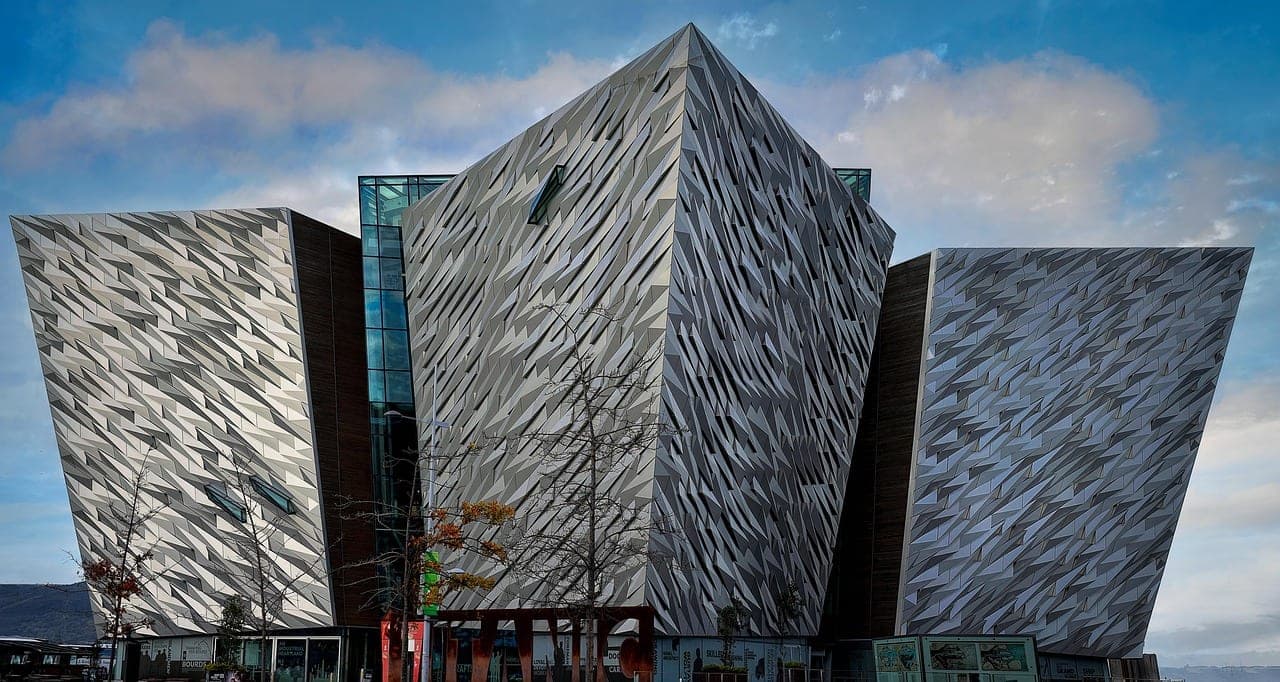
An optional cross-border day. Titanic Belfast is one of the best museums in either Ireland; a black-cab peace-walls tour turns the Troubles and the 1998 Good Friday Agreement into a living civics lesson; and the Giant's Causeway's 40,000 basalt columns on the Antrim Coast are a hard-to-beat geology stop.

Weather by season

When to go

  • Jul - Aug — high summer, long daylight, peak crowds

    Mild highs of 18–22°C, sunset after 10pm in the west, and the lowest odds of a wash-out week (though it will still rain — it always rains). The trade-off is peak tourism: timed tickets for the Cliffs of Moher, Kilmainham Gaol, and the Book of Kells sell out weeks ahead. Book the marquee stops before final numbers lock.

  • May - Jun — late-spring sweet spot for school groups

    Our favorite window for a teacher-led trip. Daylight already running to 9pm-plus, rhododendrons blooming in Killarney, hedgerows in flower across the west, and the main wave of summer tourism still two weeks off. A strong fit for the post-AP June calendar window before US summer break begins.

  • Sep - Oct — autumn shoulder, great value

    Daylight shortens but afternoons still run to 7–8pm, Connemara and Killarney turn russet and gold, and pricing softens meaningfully after Labor Day. 10–16°C most days, rain frequent but manageable. A good fit for shorter fall-break itineraries or gap-week educational travel programs.

  • Nov - Mar — winter, short days, St. Patrick's week

    Daylight 8–9 hours, temperatures 4–10°C, Atlantic storm systems regular on the west coast. Less common for a full high school group trip, but January-interim and St. Patrick's Day weeks (mid-March) work — the Dublin parade is a week-long festival, and the early-spring light is extraordinary when the sky clears.

What to order

Food and culture

Irish stew

Irish stew

Slow-cooked lamb (or mutton), potatoes, carrots, and onion in a simple broth, usually with soda bread on the side. The national comfort dish and on the menu in every pub in the country. Ask for a lamb version rather than beef — beef stew is a different dish.

Full Irish breakfast

Full Irish breakfast

Eggs, rashers (back bacon), Irish sausage, grilled tomato, mushrooms, baked beans, white and black pudding, and a rack of toast with butter and marmalade. Hotels include it. A single full Irish powers a student group through a three-hour museum morning with no mid-morning complaints.

Atlantic seafood chowder

Atlantic seafood chowder

The Wild Atlantic Way's signature lunch: cream-based chowder with smoked haddock, salmon, mussels, and prawns, served with a thick slice of dark, molasses-sweet brown soda bread. Best eaten in a harbor pub in Dingle, Galway, or Doolin.

Shepherd's pie, colcannon & boxty

Shepherd's pie, colcannon & boxty

The Irish-potato category. Shepherd's pie — minced lamb under mashed potato — is the pub classic. Colcannon folds kale or cabbage into buttery mash; boxty is a grated-potato pancake (the rhyme: "boxty on the griddle, boxty on the pan"). One of these is on every traditional menu.

Scones, tea & Guinness bread pudding

Scones, tea & Guinness bread pudding

The afternoon-tea slot. Fresh-baked scones with clotted cream and jam, a proper pot of strong Barry's or Lyons tea, and — if the pub has a dessert menu worth reading — a warm Guinness bread pudding with whiskey caramel. A fixed Passports group favorite.

Curriculum tie-ins

Classroom connections

📚

AP English Literature

Four Nobel laureates (Yeats, Shaw, Beckett, Heaney), plus Joyce, Wilde, Swift, and Stoker — the Irish literary map is on foot. Walking tours of Dublin's Joyce sites, a stop at Yeats' grave at Drumcliffe under Ben Bulben, and Heaney country in Derry and south-west Donegal. English teachers tell us an educational tour of Ireland does more for student engagement than a semester of classroom reading.

📜

AP European & World History

5,000 years in one week. Newgrange predates the pyramids; Viking Dublin; the Norman arrival of 1169; the Plantation of Ulster; the Great Famine at EPIC and Strokestown; 1916, partition, and independence at Kilmainham Gaol and the GPO. Every hinge of the Irish syllabus is a place your group can walk into.

🕊️

Civics & the Peace Process

Pairs with the optional Northern Ireland day. Belfast's peace walls and the murals of the Falls and Shankill, the 1998 Good Friday Agreement, and the cross-border cooperation that followed — a live case study for comparative-politics and peace-and-conflict electives. The best classroom-travel civics unit we run in English.

🎼

Music & the Arts

A living traditional-music culture any student group can walk into — Temple Bar, Doolin, Dingle, Galway's Quays — plus the Irish language revival, Irish dance, and modern Irish theatre at the Abbey. Music teachers can build a credible field-study day around a single evening trad session.

🏔️

Geography & Earth Science

Karst limestone in the Burren, 214 m sea cliffs at Moher, Carboniferous basalt columns at the Giant's Causeway, and Atlantic storm systems that shape the entire west coast climate. A single field day on the Wild Atlantic Way delivers three distinct geology units and a climate-and-weather case study.

🛳️

Irish-American Heritage & Diaspora Studies

EPIC — the Irish Emigration Museum in Dublin — is one of the best museums in Europe for US high school student travel. More than 30 million Americans claim Irish ancestry, and the Famine-to-Ellis Island arc the museum tells is often the moment on the trip when students connect their own family history to the ground under their feet.

Packing essentials

What to pack

  • Documents

    Passport valid 6+ months past travel date, two printed copies, and insurance card. No visa required for US citizens for stays under 90 days in the Republic of Ireland. Northern Ireland travel is covered under the same UK rules as England; no separate paperwork for a same-day coach crossing.

  • Clothing — layers, always

    A light waterproof shell, a fleece or wool sweater, two pairs of trousers, and shirts that stack. Ireland's weather is notorious and also fine if you've packed for it — it's 14°C and overcast more days than not, with sunshine and rain often in the same afternoon. Pack as if for a cool American April.

  • Footwear — waterproof walking shoes

    Broken-in waterproof walking shoes are non-negotiable. The trails at the Cliffs of Moher, the Burren, the Giant's Causeway, and anywhere on the Wild Atlantic Way are wet more often than dry. One comfortable evening shoe for theater nights or trad-session pubs. Skip brand-new white sneakers.

  • Rain gear — pack like you mean it

    Non-negotiable on a teacher-led trip to Ireland. A lightweight, packable waterproof jacket (not a poncho — Atlantic wind tears them), a waterproof cover for day bags, and a small travel umbrella for city days. Plan every day as if it will rain; half of them actually will.

  • Tech — Type G plug, 230V

    Ireland is in the EU but uses the same Type G three-prong plug as the UK (not the two-pin European C/F plug). 230V. US phone and laptop chargers are dual-voltage — just bring a Type G adapter. T-Mobile and Google Fi work on roaming; other carriers should pick up an Irish or EU eSIM before departure.

  • Extras

    A reusable water bottle (tap water is excellent across the country), small-denomination Euros for pub tips and market stalls, a warm knit hat even in summer (the Atlantic wind bites), and a notebook for literature-group journaling. A light pair of gloves for cool mornings at the coast.

The parent-meeting question

Is it safe?

Yes. The Republic of Ireland is on US State Department Level 1 — "exercise normal precautions" — the same rating as Switzerland, Norway, or Japan. Northern Ireland is generally rated Level 2 ("exercise increased caution") under the broader UK advisory, driven by occasional localized sectarian tensions in parts of Belfast and Derry rather than by any measurable risk to visitors; actual incidents affecting tourists or student groups are rare. Petty pickpocketing in Temple Bar and on O'Connell Street in Dublin is the main thing to plan around, and the countermeasures are the same as anywhere a school group travels — phones off café tables, cross-body bags in front, and a group briefing on arrival.

On a Passports teacher-led trip, the group is never without the Tour Director, never splits up without a named meetup time, and never out of reach of a staff member who stays with the group 24/7 for the full week. We operate a 24/7 emergency line out of our Boston HQ, keep parents on a daily-update channel, and have pre-vetted medical contacts in Dublin, Galway, Killarney, and Belfast. For most teachers leading school group tours to Ireland, the operation feels closer to a long field trip than a foreign-country program.

🛡️

Personal safety

Violent crime is low. Pickpocketing clusters around Temple Bar, O'Connell Street, and Grafton Street in Dublin — the standard capital-city hotspots. The Tour Director briefs the group on arrival, runs a buddy system in crowded evening settings, and routes the day away from the worst hotspots.

⚕️

Health & medical

Tap water is potable everywhere on a standard itinerary. No vaccinations required. Ireland's public health system (HSE) provides emergency care; we carry supplemental insurance for non-emergency needs and have a vetted private-clinic contact in every overnight stop.

🚐

Roads & transport

Ireland drives on the left, and rural roads are narrow — often single-lane with hedgerows crowding both sides. Group transport is always a private coach with a professional, licensed Irish driver, never a public bus or rental van. Seatbelts on every seat. A reminder each morning that traffic comes from the right before every street crossing.

🌪️

Natural hazards

No earthquakes, no volcanoes, no hurricanes in any useful sense. The real hazards are Atlantic weather — storm systems that can close the Cliffs of Moher walkway or shift an outdoor activity indoors — and cliff edges at Moher and the Causeway, where staying behind posted barriers is not optional. We monitor Met Éireann warnings daily and re-sequence the schedule if needed.

Practical tips

  • Euros in the Republic, GBP in Northern Ireland

    The Republic of Ireland is in the Eurozone; Northern Ireland uses pound sterling (GBP). If your itinerary crosses the border, the Tour Director flags the currency change the morning of — cards work everywhere in both jurisdictions, but a small envelope of each for tips and bathroom coins is smart. Contactless tap-and-go is universal.

  • They drive on the left — narrow rural roads

    The one genuine safety habit for day one. Traffic comes from the right, and country roads in Kerry, Connemara, and Donegal are narrow single lanes with limited sightlines — exactly why every Passports teacher-led trip uses a private coach with a professional Irish driver, never a rental van. Tour Directors count heads at every crossing until the reflex flips.

  • Trad sessions are a feature, not a nightlife

    Irish pubs are family-friendly until around 9pm, and a traditional music session (fiddle, tin whistle, bodhrán, box) is one of the best cultural evenings a high school group will have all year. Temple Bar gets the crowds, but Doolin, Galway's Quays, and Dingle's Dick Mack's are the real thing. Dinner first, session at 8, coach back to the hotel by 10.

  • The rain is a feature, not a bug

    Ireland is green because it rains. Planning around rain — not against it — is the mental shift that makes the week work. Museum options live in every day's plan, a good waterproof handles most of what the sky delivers, and the country's best light often breaks through ten minutes after the heaviest shower. Lean in.

  • A Passports brand note — the operation behind the trip

    Every teacher-led trip to Ireland runs with a named Tour Director on the coach for the full week, a private motorcoach with a licensed Irish driver, a 24/7 emergency line answered out of our Boston HQ, and a daily-update channel for parents back home. The educational travel program is real and measurable; the logistics under it are the reason teachers book a second Passports trip.
Five facts

Good to know

📖

Highest Nobel-Literature-per-capita in the world

Four laureates (Yeats 1923, Shaw 1925, Beckett 1969, Heaney 1995) for a country of 5.3 million people. Add Joyce, Wilde, Swift, and Stoker and Dublin is, measurably, the most literary city on Earth per head.

🍀

St. Patrick wasn't Irish

The patron saint was a Roman-British teenager, born somewhere in what's now Wales or north-west England and taken to Ireland as a slave in the 5th century. He escaped, returned as a missionary, and the modern St. Patrick's Day story took root about 1,000 years later.

🐍

There are no snakes — for real, scientific reasons

Ireland never had snakes to banish. The island was still under glacial ice during the last Ice Age; by the time the ice retreated, rising sea levels had cut Ireland off from Great Britain before snakes could recolonize. Legend is nicer. Geology is correct.

🗣️

Irish Gaelic is constitutionally required

Gaelic is the Republic's first official language (English is second), taught in every school, and the only language of everyday life in the Gaeltacht regions — pockets of Donegal, Connemara, the Dingle Peninsula, and a few offshore islands. Road signs are bilingual country-wide.

📜

The Book of Kells is ~1,200 years old

An illuminated Latin manuscript of the four Gospels, hand-painted by Columban monks around AD 800, on permanent display in the Long Room of Trinity College's Old Library. One of the oldest and most elaborately decorated books on Earth, and the first stop on every Dublin walking tour we run.

Tours that go here

Tours that visit Ireland

See all tours →
Edinburgh Castle
Ireland · United Kingdom/Scotland

Dublin and Edinburgh

Dublin · Edinburgh

Adult-recommendedSmall-group
See itinerary
St. Patrick Cathedral in Dublin, Ireland
Ireland · United Kingdom/England

Ireland and Britain

Dublin · Killarney · London

Adult-recommended
See itinerary
Connemara pony
Ireland · United Kingdom/Northern Ireland

Shades of Green

Dublin · Bangor · Portrush · Sligo · Galway

See itinerary
Kylemore Abbey
Ireland

The Emerald Isle

Dublin · Killarney · Limerick · Galway

See itinerary
Classroom material

Lesson plans about Ireland

See all →
IrelandHistoryGrade 11-12

Early Christian Ireland: St. Patrick

Through the investigation of primary and secondary sources, students in this lesson will identify, understand and be able to explain the story of St. Patrick, the legends surrounding the patron saint of Ireland and what place he plays in th…

View lesson
IrelandHistoryGrade 11-12

Ireland and the Easter Rising of 1916

Through the investigation of primary and secondary sources, students here will identify, understand and be able to explain the Eastern Rising of 1916, including the reasons behind the Rising, what happened during the six day rebellion, and …

View lesson
IrelandHistoryGrade 11-12

Ireland and the Good Friday Agreement of 1998

Through the investigation of primary and secondary sources, students in this lesson will identify, understand and be able to explain the details of how the Good Friday Agreement of 1998 tried to solve the Irish "Troubles", what progress has…

View lesson
IrelandHistoryGrade 11-12

Ireland and the Great Potato Famine (1840s)

Through the investigation of primary and secondary sources, students in this lesson will identify, understand and be able to explain the details of Ireland's Great Famine of the 1840s, what caused it, the government's response to the traged…

View lesson
IrelandHistoryGrade 11-12

Ireland in the Age of Revolutions: The Rebellion of 1798

Through the investigation of primary and secondary sources, students in this lesson will identify, understand and be able to explain the Irish Rebellion of 1798, the role played by leading figures in the rebellion, including Wolfe Tome and …

View lesson
IrelandhistoryGrade 11-12

Medieval Ireland: St. Brendan's Voyage

Through the investigation of primary and secondary sources, students in this lesson will identify, understand and be able to explain the story of St. Brendan and the legends surrounding the Irish saint. Students will then take a position as…

View lesson
From our blog

Blog posts about Ireland

See all →
Valletta
travel inspiration

June 2- June 6 Lesson Plan Roundup

Summer Project Continued: Like many of our classroom teachers, the passports Curriculum Department has taken on a summer project. Over the next few weeks, we’ll be reviewing each of our current lesson plans, revising the

Read post
Prague Old Town Square
travel inspiration

Living Abroad in Childhood Inspired Travel Professional's Career

Living Abroad in Childhood Inspired Travel Professional's Career - a first hand perspective from one of our own!

Read post
Heidelberg
travel inspiration

The Old Country

I’ve been a genealogy buff for a while now, having traced both sides of my family back eight generations.  The data is fascinating and steeped in history, and reminds me of the older people in my family who were sti

Read post
Powerscourt Gardens
travel inspiration

The History of Halloween Will Surprise You

The pagan rituals of Samhain sparked many of the Halloween traditions that we still carry on in the US today.

Read post
Paris
travel inspiration

How to Choose the Right Destination for Your Student Tour

Whether your educational goals are historical, linguistic, cultural, charitable or a combination, Passports has the right tour for you and your students.

Read post
Golden Temple of Kyoto
travel inspiration

Blog Spotlight: Lillie Marshall

Lillie Marshall is a Boston public school teacher with a passion for teaching and traveling.

Read post
On the ground

Places we go

Browse all destinations →
Titanic Belfast building and shipyard cranes along the River Lagan in Belfast, Northern Ireland

Belfast, Ireland

Belfast student group travel for teachers: the Titanic Quarter, the Troubles, and Northern Irish history on teacher-led high school group trips and tours.

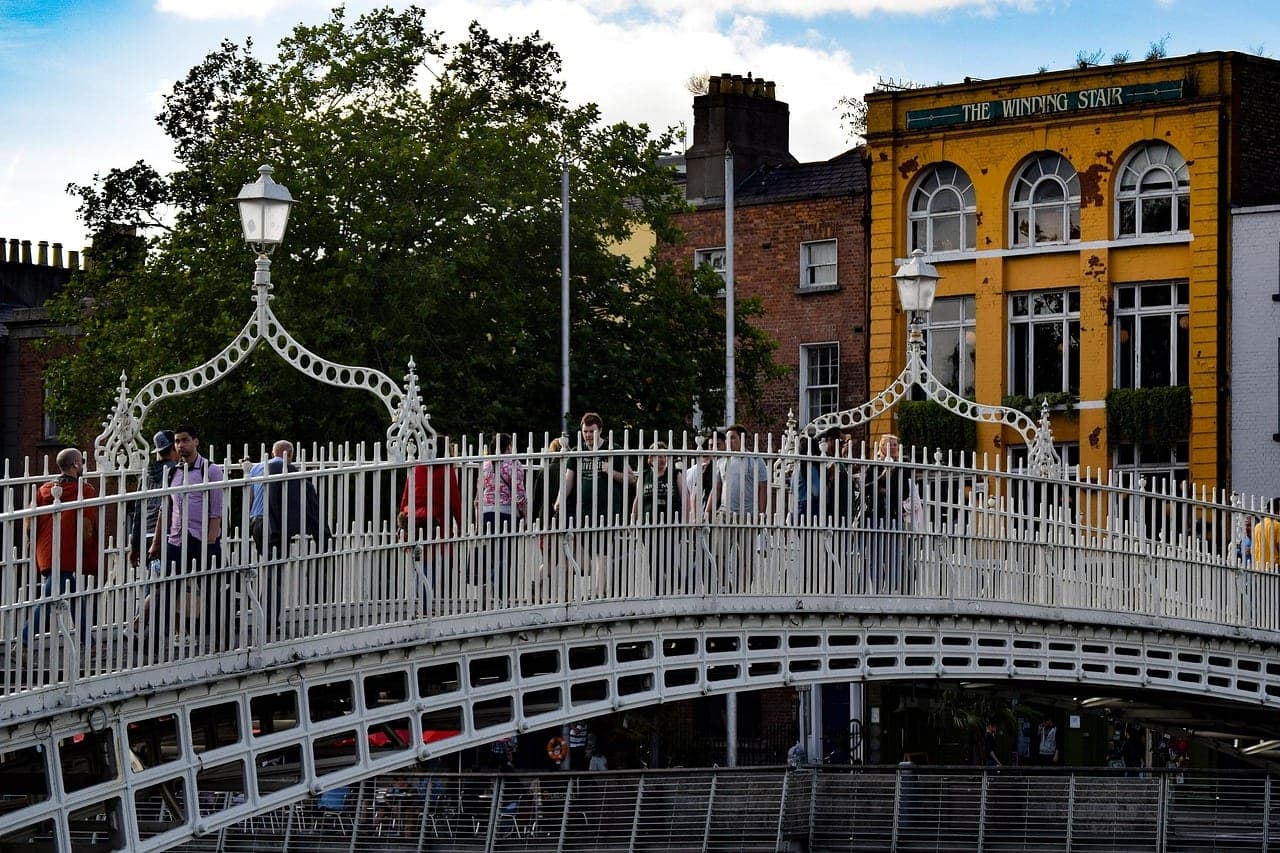
Georgian doors and the Ha'penny Bridge along the River Liffey in central Dublin

Dublin, Ireland

Dublin student group travel for teachers: Trinity College, the Book of Kells, and Georgian squares on teacher-led high school group trips and educational tours.

Colorful shopfronts of Galway's Latin Quarter on Ireland's Wild Atlantic Way

Galway, Ireland

Galway student group travel guide for teachers: Wild Atlantic Way gateway, Aran Islands, and the Latin Quarter on teacher-led high school trips to Ireland.

Lakes of Killarney with the MacGillycuddy's Reeks rising above ancient oak woodland in County Kerry

Killarney, Ireland

Killarney student group travel for teachers: National Park, Ring of Kerry, and Muckross House on teacher-led high school trips and educational tours of Ireland.

King John's Castle above the River Shannon in the medieval heart of Limerick city

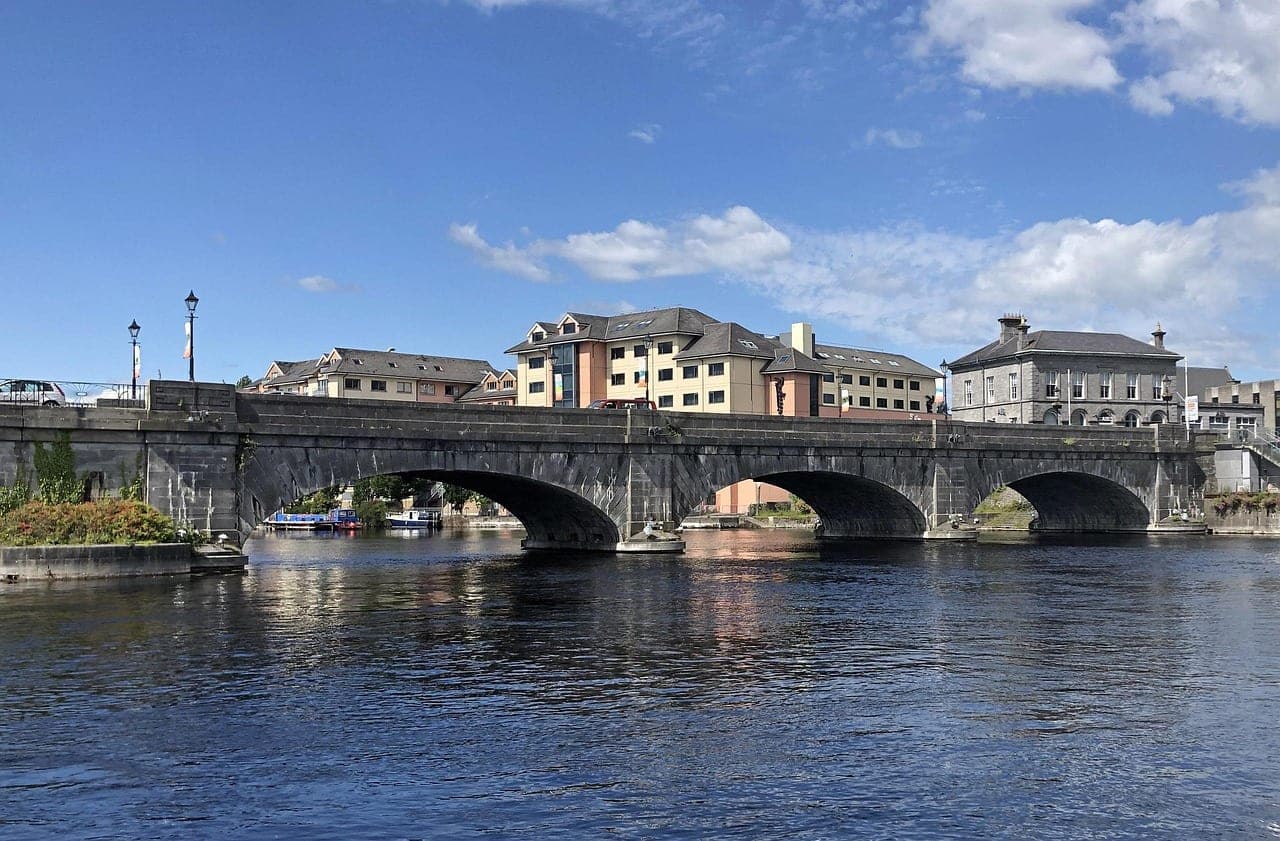
Limerick, Ireland

Limerick student group travel for teachers: King John's Castle, Hunt Museum, and the Shannon on teacher-led high school trips and educational tours of Ireland.

Take your students to Ireland.

Every Passports trip is built around a teacher and a group — from first itinerary sketch to the last day on the ground. Tell us what you have in mind and we’ll take it from there.

Plan a trip