- RegionCounty Kerry, Ireland
- LanguageEnglish and Irish (Gaeilge)
- CurrencyEuro (EUR)
- Best seasonMay - Sep
- TimezoneGreenwich Mean Time (UTC+0) / IST in summer
A quick introduction
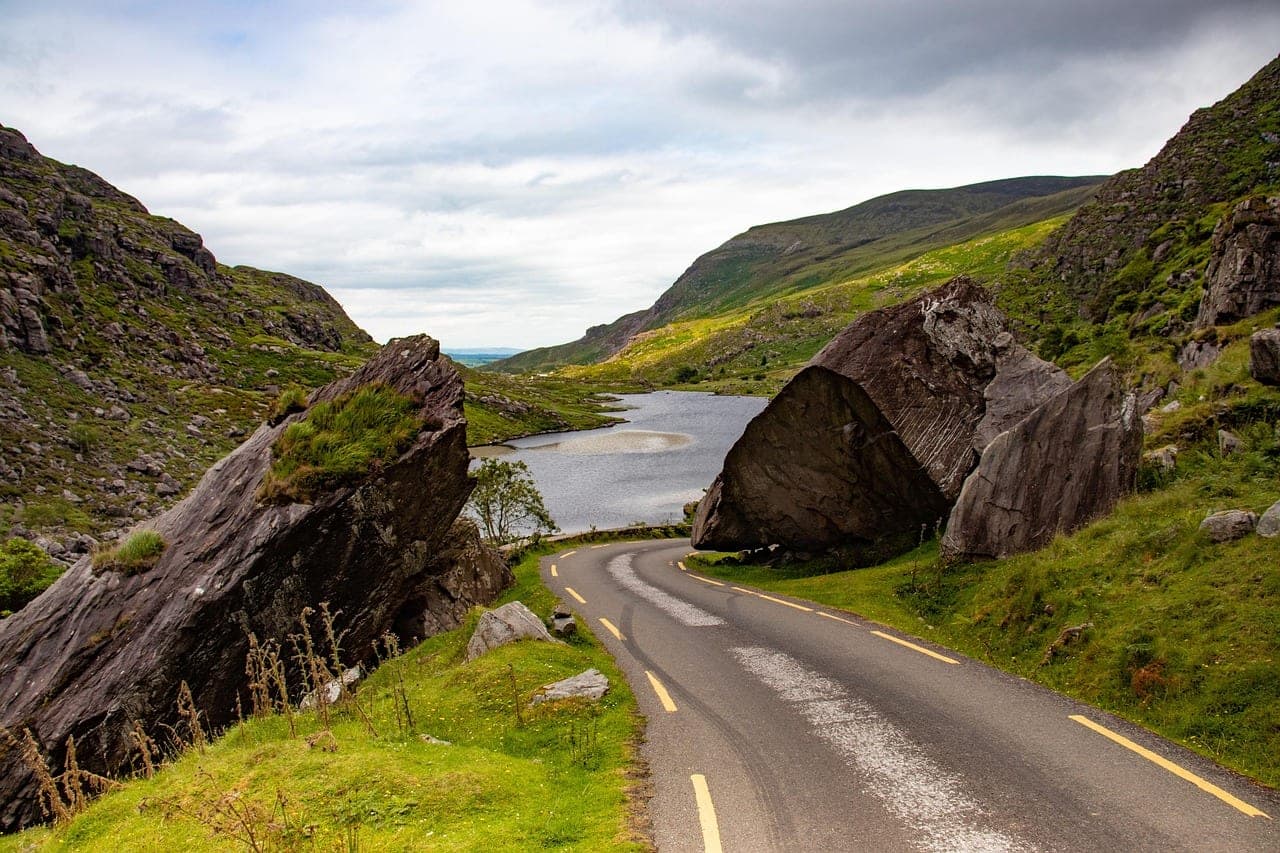
Killarney is a market town of about 14,500 people in County Kerry, tucked against the eastern edge of Killarney National Park — Ireland's first national park, established in 1932 around the 25,000-acre Muckross Estate gift to the state. The town sits at the foot of the MacGillycuddy's Reeks, the highest mountain range in Ireland, and the three Lakes of Killarney (Lough Leane, Muckross Lake, and the Upper Lake) drain through the Long Range river to Dingle Bay. The town itself is small and walkable end-to-end in fifteen minutes; the National Park, which begins one block from the high street, is what brings the world here.
For a student group, Killarney is the natural southwestern base for teacher-led tours of Ireland. The Ring of Kerry — a 179-km coastal loop around the Iveragh Peninsula — starts and ends here; the Dingle Peninsula sits 90 minutes northwest; and the National Park puts ancient yew and oak woodland, a Tudor-style mansion, a Franciscan friary, and three lakes inside one walkable preserve. A high school group trip that pairs Dublin's literary and political history with three nights in Killarney gets the rural Ireland half of the country without losing a day to logistics. Educational travel here leans on geography, ecology, and Famine-era history; the jaunting-car drivers do half the storytelling on their own.
Top things to see and do


When to go
- May - Jun — long days, rhododendron bloom
The sweet spot for educational travel to Killarney. Daytime highs 14-18°C, daylight until almost 10 PM in June, and the rhododendron that has invaded the National Park is in full purple bloom in late May. Statistically the driest months in the wettest county in Ireland — pack the rain shell anyway. Book Muckross House and the Gap of Dunloe boat-and-jaunting combos 3-4 weeks ahead.
- Jul - Aug — peak season, full Ring of Kerry traffic
Warmest window (16-20°C) and longest evenings, but the Ring of Kerry coach traffic peaks in July and August and the National Park carparks fill by 10 AM. Worth it for a high school student travel itinerary that can leave the hotel by 8:30 and reverse the Ring clockwise to dodge the tour bus convoys. Passports books the jaunting-car slots.
- Sep - Oct — shoulder-season gold
The best-kept secret on the southwestern student group calendar. Temperatures drop to 11-15°C, the National Park oak woodland turns rust and copper, and the red deer rut on the Killarney hills is in full roar through late September. Coach traffic on the Ring drops by half after the first week of September.
- Nov - Mar — quiet, wet, atmospheric
Sunset by 4:30 PM in December, persistent Atlantic drizzle, and temperatures 4-9°C. Some Ring of Kerry concession stops close for the season. The town itself stays open and the National Park is at its wildest — a focused MLK-week or interim-term teacher-led trip can have Muckross House and the Gap of Dunloe essentially to itself.
Food and culture

Kerry lamb
Mountain lamb raised on the Iveragh and Dingle peninsulas — leaner than lowland lamb and tagged with EU Protected Geographical Indication. Roast or slow-braised on every gastropub menu in town, usually with colcannon and a red-wine jus.

Seafood chowder
The Atlantic-coast standard: smoked haddock, mussels, salmon, and potato in a cream-and-leek base, served with brown soda bread. The Kerry version leans heavier on smoked fish than the Cork version. Fills a teenager from a damp morning hike in one bowl.

Soda bread
The baking-soda-leavened brown bread that shows up with every soup, stew, and breakfast in Ireland. No yeast, no kneading — dense, crumbly, faintly sweet from the buttermilk. Students either pocket extra slices or pass them to the chaperone.

Full Irish breakfast
Rashers, sausage, eggs, black and white pudding, grilled tomato, beans, and toast — powers a group through six hours in the National Park. The black pudding is the part students either love or quietly leave on the plate.

Apple tart with cream
The Kerry farmhouse pudding standard — short pastry, Bramley apple, a dusting of caster sugar, and a jug of fresh cream on the side. On the menu of every traditional pub in Killarney and a fixture of the Sunday lunch carvery.
What to pack
- Documents
Passport valid 6+ months past the trip, two printed copies (one for the student, one for the Tour Director's file), insurance card, and the Passports group packet. No visa required for US citizens entering Ireland for tourism under 90 days. The Republic of Ireland is not in Schengen — separate entry stamp from any mainland Europe leg of the itinerary.
- Clothing
Layers, always. Kerry is the wettest county in Ireland and delivers four seasons in one afternoon. Pack a warm mid-layer (fleece or light sweater) even in July, plus a waterproof outer shell. No church dress code is enforced, but shoulders-and-knees covered is still the polite default for Muckross Abbey and the cathedral.
- Footwear
Broken-in walking shoes with real tread. Killarney National Park trails get muddy after any rainfall, the Gap of Dunloe walk is uneven, and Torc Waterfall steps are slick. Do not buy new shoes for the trip. A second dry pair for the hotel evenings is a small luxury worth the backpack space on a Kerry itinerary.
- Rain gear
A proper hooded waterproof (not an umbrella — Atlantic wind kills umbrellas). Quick-dry pants beat denim on every National Park day and on the Ring of Kerry photo stops. A packable rain shell that lives in the daypack all week is the single most-used item on any southwestern Irish itinerary.
- Tech
Ireland uses Type G plugs (three rectangular pins, same as the UK) — bring a universal adapter. T-Mobile and Google Fi include Ireland data at no extra cost; AT&T and Verizon users should buy a Three or Vodafone eSIM before departure. Mobile signal drops in the Black Valley west of the Gap of Dunloe — the Tour Director carries the offline maps for that leg.
- Extras
A small daypack, reusable water bottle (Killarney tap water is soft and excellent), midge repellent for May-September evenings near the lakes, and €15-20 in cash for the jaunting-car driver tip and the National Park concession stops. Contactless cards work almost everywhere else.
Is it safe?
Yes. Ireland's US State Department rating is Level 1 ("exercise normal precautions") — the lowest advisory tier, shared with very few European destinations — and County Kerry runs crime rates among the lowest in the country. Violent crime against travelers is genuinely rare, and Killarney itself is a small market town where the Tour Director can let a student group walk back to the hotel from dinner without escort. The actual on-the-ground risk in Killarney is environmental, not criminal: fast-moving Atlantic weather on the Ring of Kerry, slick rocks at Torc Waterfall, and midges around the lakes from May to September.
On a Passports teacher-led trip to Killarney, the group is on a private Irish-licensed coach for every Ring of Kerry and Dingle leg, the National Park excursions are run with vetted local operators (jaunting-car company, boat fleet, mountain guides), and every hotel is pre-vetted for 24-hour reception and secure room storage. We operate a 24/7 emergency line out of Boston, keep parents on a daily-update channel, and maintain English-speaking medical contacts for the southwest including University Hospital Kerry in Tralee. For most teachers running their first high school group trip to rural Europe, the Killarney logistics feel notably easier than a domestic field trip.
Practical tips
- Euros, not pounds
The Republic of Ireland uses the euro. If the itinerary also includes Belfast or the Giant's Causeway, that's a separate jurisdiction on pound sterling — currency, phone roaming, and legal regime all change at the border. Contactless cards work almost everywhere; small euro cash helps for jaunting-car tips and rural concession stops.
- Reverse the Ring of Kerry clockwise
Coach convoys on the Ring traditionally run anti-clockwise from Killarney through Killorglin and Cahersiveen. A clockwise itinerary — Kenmare first, Sneem second — keeps the group ahead of the bus traffic and puts the best Skellig viewpoints in the morning light. Tour Directors plan the route this way by default.
- No private cars in the National Park core
Cars are banned beyond the Muckross House gates; access inside is on foot, by bicycle, by jaunting-car, or by the National Park boat fleet. The Tour Director coordinates the day's mix so a school group hits Muckross, Torc, and the Meeting of the Waters without backtracking.
- Traditional music sessions are nightly
Killarney pubs run "trad" sessions most evenings — Courtney's, The Laurels, and O'Connor's are the reliable rooms. Sessions are family-friendly until 9 PM, after which most rooms tip to 21-and-over. Tour Directors schedule a family-block trad night early in the visit so every student catches a real session.
- Ireland vs. Northern Ireland
"Ireland" without qualifier means the Republic — a sovereign EU country with Killarney in its southwest. "Northern Ireland" is the separate UK jurisdiction up north. The two share an invisible land border with no checks but different currency and phone regimes. A short classroom-travel briefing before departure sorts the vocabulary for the whole group.