- RegionNorthern Ireland, UK
- LanguageEnglish (Irish and Ulster Scots recognized)
- CurrencyPound sterling (GBP)
- Best seasonMay - Sep
- TimezoneGreenwich Mean Time (UTC+0) / BST in summer
A quick introduction
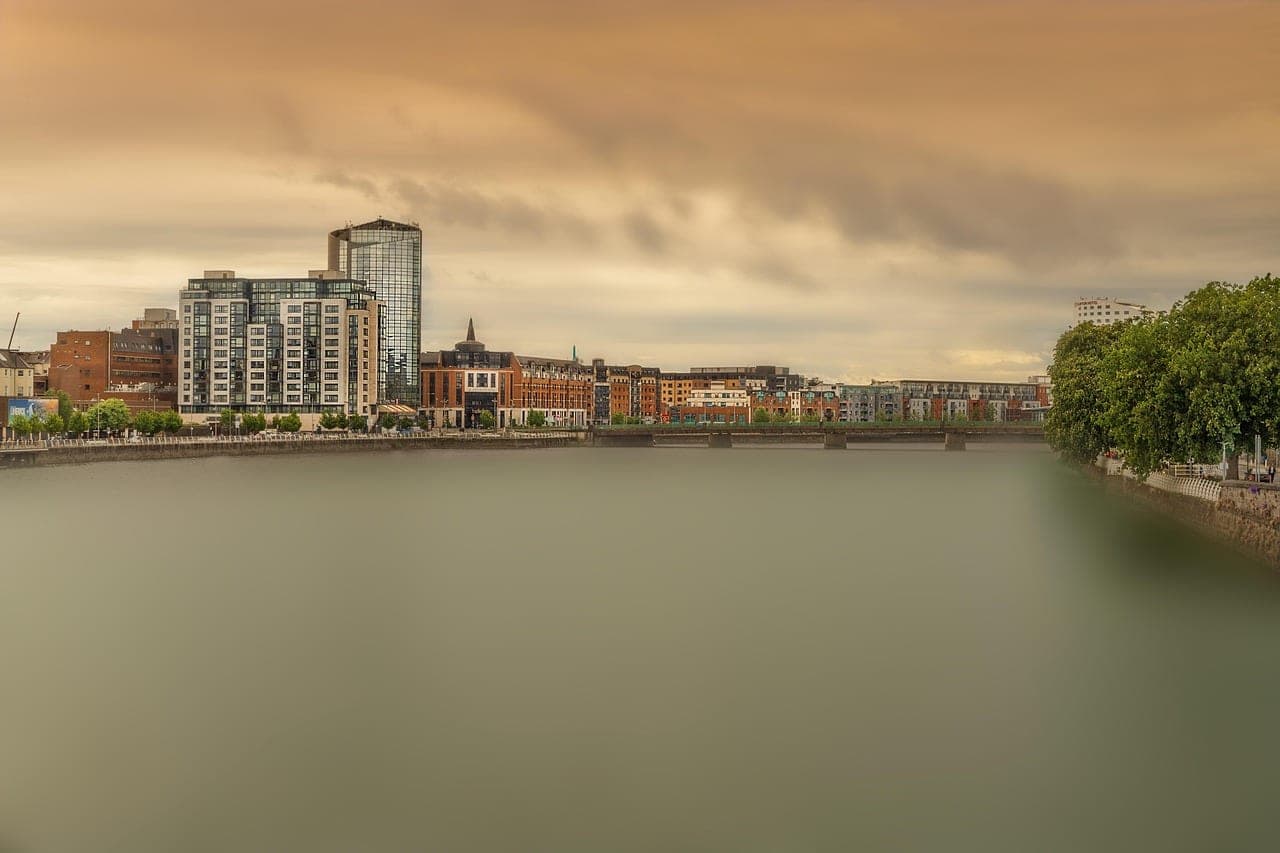
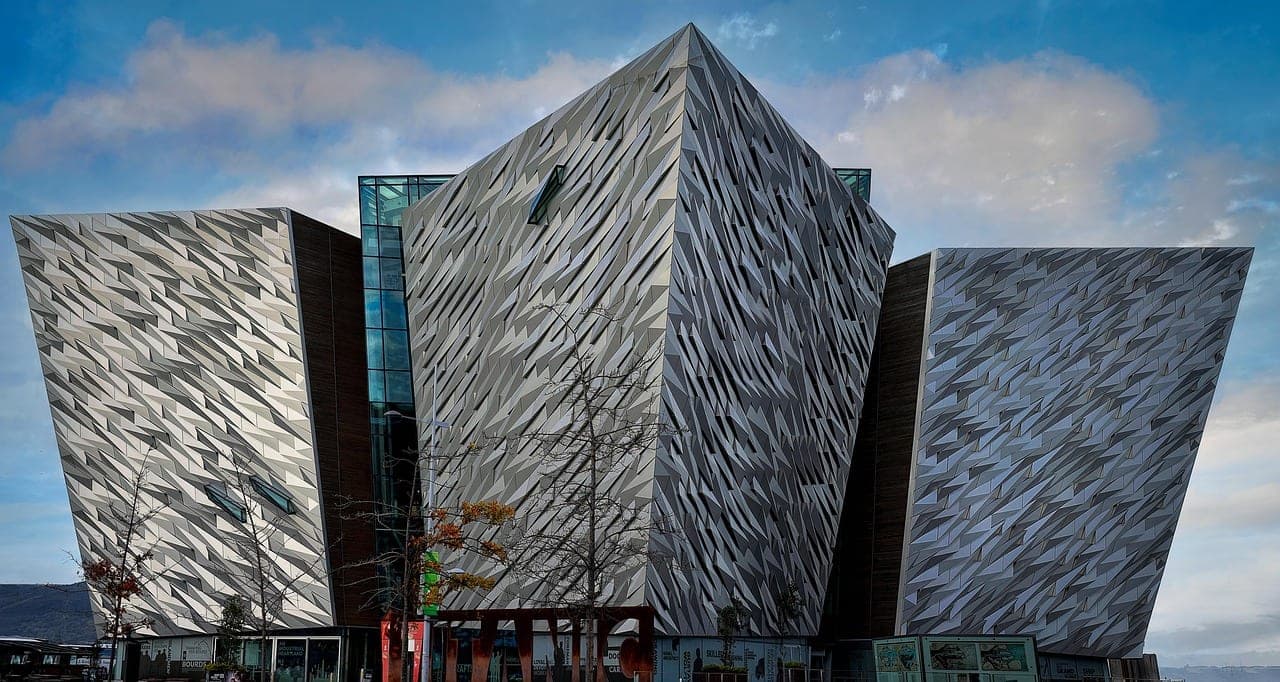
Belfast is the capital of Northern Ireland, a city of roughly 345,000 people (about 670,000 in the metro area) built around the mouth of the River Lagan where it meets Belfast Lough. It's a UK city, not part of the Republic of Ireland — the currency is the pound sterling, the postboxes are red, and the border with the Republic runs about 70 miles south. Belfast grew rich on linen and shipbuilding in the 19th century; the RMS Titanic was designed, built, and launched from the Harland & Wolff yard here in 1912, and the twin yellow cranes (Samson and Goliath) still mark the skyline.
For a student group, Belfast is one of the most honest history classrooms in Europe. The Troubles ran from the late 1960s to the 1998 Good Friday Agreement, and the city still carries the evidence — peace walls, political murals, interface gates that close at night. A teacher-led trip here pairs industrial history (Titanic Quarter) with conflict history (Falls Road, Shankill, Crumlin Road Gaol) in a way that makes a high school group trip feel immediately consequential. Belfast is compact, safe, and unusually welcoming to school groups: black-cab drivers who lived through the Troubles guide the mural tour themselves, and the stories land harder than any textbook.
Top things to see and do


When to go
- May - Jun — long days, mild weather
The sweet spot for Belfast educational travel. Daytime highs 13-18°C, daylight until nearly 10 PM in June, and the Causeway Coast at its driest. Book museum entries 2-3 weeks out; school groups overlap with the UK half-term holidays in late May.
- Jul - Aug — peak season, watch the Twelfth
Warmest window (16-20°C) and longest evenings, but also the most rain and the most tourists. The Twelfth of July (Orange Order parades, bonfires on the 11th night) is a high-energy cultural event and a logistics consideration — some interface areas see tension, and a teacher-led tour is best routed around the immediate parade days.
- Sep - Oct — shoulder-season quiet
Great value window for a school group tour. Temperatures drop to 10-15°C, museum queues evaporate, and the Causeway Coast light turns cinematic. Pack a waterproof; autumn Atlantic fronts come through every few days.
- Nov - Mar — grey, wet, and quiet
Sunset by 4:15 PM in December, persistent drizzle, and temperatures 4-9°C. No lines anywhere and hotel rates are at their lowest. Works for a focused history-track MLK-week trip; harder for the Causeway Coast day, which can fog out entirely.
Food and culture

Ulster fry
The Northern Irish cooked breakfast: bacon, sausage, eggs, black and white pudding, soda farl, potato bread, and a grilled tomato. A single plate powers a group through a full morning of museums.

Soda bread and wheaten
Soda farls (quartered flatbread cooked on a griddle) and wheaten (a denser brown soda loaf) show up with every meal. The baking-soda leavening is the whole point; no yeast, no kneading.

Champ
Mashed potato folded with scallions and a well of melted butter in the middle. Ulster's everyday starch, served alongside sausages or a stew.

Fish and chips
Atlantic cod or haddock, battered and fried, with thick chips and malt vinegar. The chippy next to the hotel is usually the right answer for a group dinner under budget.

St George's Market finds
The covered Victorian market runs Friday-Sunday: fresh oysters, Comber potatoes, Dromona cheddar, and a dozen street-food stalls. Great low-stakes lunch stop and a painless way for students to try local produce.
What to pack
- Documents
Passport valid 6+ months past the trip, two printed copies (one for the student, one for the Tour Director's file), insurance card, and the Passports group packet. No visa required for US citizens entering the UK for tourism under 6 months. If the itinerary crosses into the Republic of Ireland, that's a separate (also visa-free) jurisdiction — keep the passport on you, not in checked luggage.
- Clothing
Layers, always. Belfast swings from sun to sideways rain in the same afternoon. Pack a warm mid-layer (fleece or light sweater) even in July, plus a waterproof outer shell. No strict church dress codes, but shoulders-and-knees covered is still the polite default for St. Anne's Cathedral and Clonard Monastery.
- Footwear
Broken-in walking shoes with real tread — the Giant's Causeway basalt is uneven and often wet, and the Belfast center is walkable but hilly toward Cave Hill. Do not buy new shoes for the trip. A second dry pair in the hotel room is a small luxury worth the backpack space.
- Rain gear
A proper hooded waterproof (not an umbrella — the coastal wind destroys umbrellas at the Causeway). Quick-dry pants beat denim on the day trip. A packable rain shell that lives in the daypack all week is the single most-used item on any Northern Ireland itinerary.
- Tech
The UK uses Type G plugs (three rectangular pins) — bring a universal adapter. T-Mobile and Google Fi include UK data at no extra cost; AT&T and Verizon users should buy an EE or Vodafone eSIM before departure. A portable battery pays off on the Causeway Coast day when the coach is out for 10+ hours.
- Extras
A small daypack, reusable water bottle (Belfast tap water is soft and excellent), a notebook for the mural tour (students want to write things down), and £20-30 in cash for market stalls and the occasional black-cab gratuity. Contactless cards work almost everywhere else.
Is it safe?
Yes. The UK's US State Department rating is Level 2 ("exercise increased caution") — the same blanket Western-Europe rating given to France and Germany — and the elevated level reflects generic European terrorism risk, not conditions in Belfast specifically. Belfast today is a post-conflict city, not an active one. The Good Friday Agreement turns 28 in 2026, a full generation of students have grown up inside the peace, and the crime rate is below that of most comparable US cities. The remaining flashpoints are narrow and predictable: interface areas around the Twelfth of July, and petty pickpocketing around the Cathedral Quarter on weekend evenings.
On a Passports teacher-led trip to Belfast, the group is on a private coach between venues, the Tour Director runs a briefing on Day 1, and every hotel is pre-vetted for 24-hour reception and secure room storage. We operate a 24/7 emergency line out of Boston, keep parents on a daily update channel, and maintain English-speaking (obviously) medical contacts in every city on the route. For most teachers running their first high school group trip to the UK, the logistics feel notably easier than a domestic field trip — English signage, NHS emergency care, and a city built around welcoming school groups.
Practical tips
- Pounds sterling, not euros
Northern Ireland uses GBP. Local Ulster Bank and Bank of Ireland notes circulate alongside Bank of England notes and are legal tender — they look different and surprise students the first time. Some shops in Great Britain don't accept the Northern Irish notes, so spend them before flying home.
- Accent and vocabulary
The Belfast accent is fast and distinctive. Students will hear "aye" for yes, "wee" attached to almost any noun, and "craic" (pronounced "crack") meaning fun or good times. The Tour Director glosses as needed; the black-cab drivers will slow down if asked.
- Mind the terminology
"Northern Ireland" is the country; "Ulster" is the historic province (mostly overlapping); "Ireland" without qualifier usually means the Republic to the south. Calling Belfast "part of Ireland" in the broad geographic sense is fine; calling it "part of the Republic of Ireland" is a political statement. A 30-second Day 1 briefing from the Tour Director saves awkward moments.
- Contactless everywhere
Tap-to-pay works on every bus, train, taxi, museum, and cafe. US contactless cards and phones work out of the box. Keep a small amount of cash for market stalls and for the black-cab tip at the end of the mural tour.
- The border is invisible but real
Post-Brexit, there are no passport checks on the road to Dublin — the coach just crosses — but currency, phone roaming, and legal jurisdiction all change. If the itinerary includes a Republic of Ireland day, the Passports Tour Director briefs students on the switch before departure.