- RegionCounty Limerick, Ireland
- LanguageEnglish and Irish (Gaeilge)
- CurrencyEuro (EUR)
- Best seasonMay - Sep
- TimezoneGreenwich Mean Time (UTC+0) / IST in summer
A quick introduction
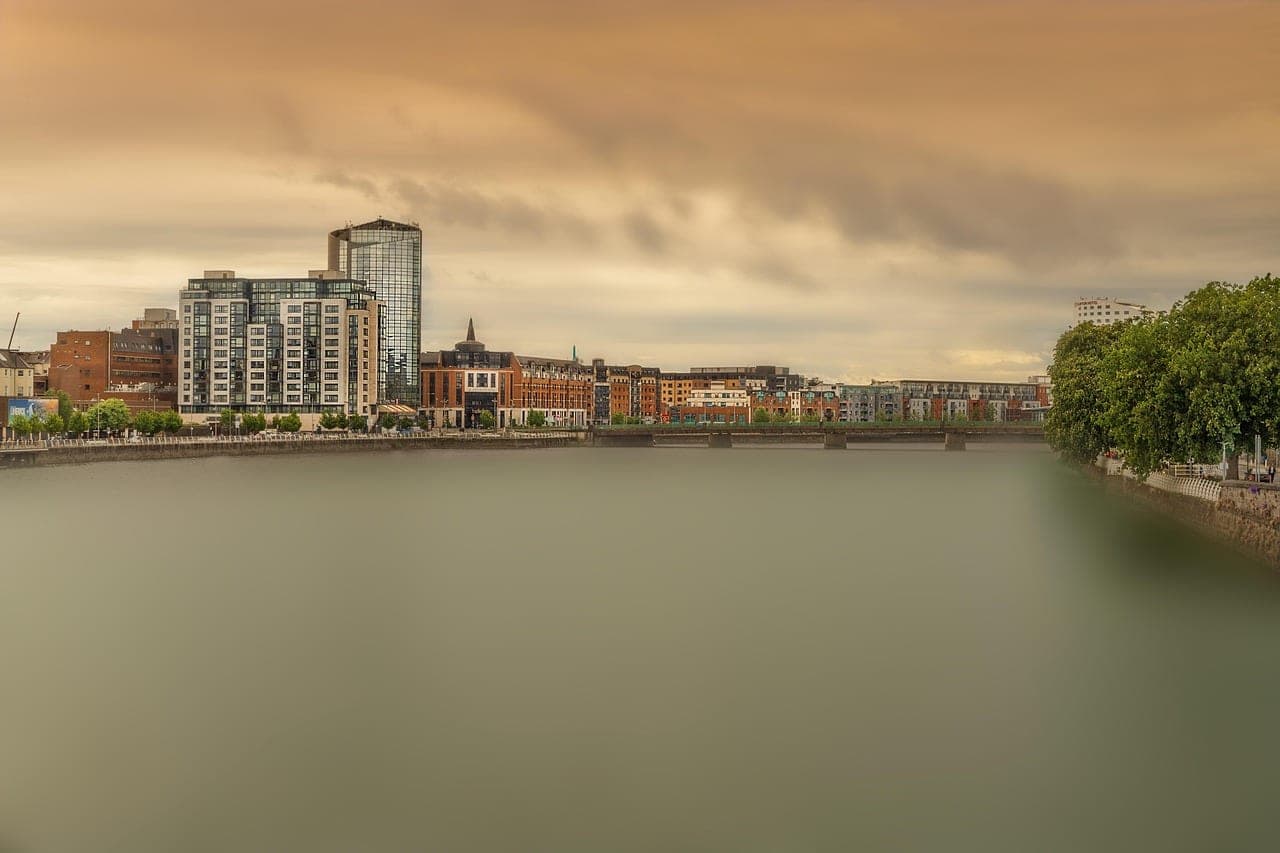
Limerick is Ireland's third city, a Mid-West river port of about 94,000 people (around 210,000 in the wider metro) where the River Shannon — Ireland's longest river at 360 km — finally widens into its estuary and runs to the Atlantic. Founded as a Viking longphort in 922 AD and chartered under Norman rule in 1197, the city built its medieval core on King's Island in the river: King John's Castle (commissioned around 1200), St Mary's Cathedral (1168), and a Treaty Stone on the west bank that ended the 1691 Williamite siege. The historic core sits inside a 20-minute walking loop and the Hunt Museum, on Rutland Street, holds the most concentrated art and antiquities collection outside Dublin.
For a student group, Limerick is the natural Mid-West base for educational travel that pairs medieval and Norman history with the Cliffs of Moher and the Burren day-trip radius. King John's Castle is the most legible Anglo-Norman fortification on the island; the Hunt Museum holds a Leonardo bronze and a Renoir sketch in a former 18th-century Custom House; and Frank McCourt's Angela's Ashes memoir is set in the lanes around Roden Street, inside walking distance of any city-center hotel. A teacher-led high school group trip that opens in Dublin and runs west through Limerick to Galway gets every layer of Irish history — Viking, Norman, Cromwellian, Famine, modern republic — in a single coherent week. Shannon Airport (SNN), 25 minutes north, makes Limerick a workable arrival or departure city for school group tours that don't want to cross the country twice.
Top things to see and do


When to go
- May - Jun — long days, mild weather
The sweet spot for educational travel to Limerick. Daytime highs 14-19°C, daylight until almost 10 PM in June, and statistically the driest months in a wet year-round city. Book King John's Castle and Hunt Museum slots 3-4 weeks ahead; Cliffs of Moher day trips run reliably.
- Jul - Aug — peak season, festival energy
Warmest window (16-21°C), longest evenings, and the Riverfest weekend in early May rolls into a full summer of Shannon-side music. Cliffs of Moher coach traffic peaks; Tour Directors schedule the Cliffs day before 9 AM to land in good light and ahead of the bus convoys. A solid window for a high school student travel itinerary that can absorb the crowds.
- Sep - Oct — shoulder-season value
A great window for a teacher-led trip. Temperatures drop to 11-16°C, museum queues evaporate, and the academic calendar at the University of Limerick puts real student energy back on the streets. Pack a waterproof; Atlantic fronts come through every few days.
- Nov - Mar — quiet, wet, atmospheric
Sunset by 4:30 PM in December, persistent drizzle, and temperatures 4-9°C. The Christmas market on Bedford Row and a lit-up King John's Castle add real winter atmosphere; Cliffs of Moher cliff-edge railings are exposed and conditions can close the visitor centre on storm days. Works well for a focused MLK-week or interim-term literature trip.
Food and culture

Limerick ham
The city's signature export — a juniper-and-oak smoked back ham that has carried the Limerick name since the 18th century. Sliced thick on a Milk Market sandwich or carved at a Sunday lunch carvery; still cured by a handful of family butchers in the city centre.

Seafood chowder
The Atlantic-coast standard: smoked haddock, mussels, salmon, and potato in a cream-and-leek base, served with brown soda bread. Limerick gastropubs do a heavier, smokier version than Dublin kitchens. Fills a teenager from a damp morning at the Cliffs in one bowl.

Soda bread
The baking-soda-leavened brown bread that shows up with every soup, stew, and breakfast in Ireland. No yeast, no kneading — dense, crumbly, faintly sweet from the buttermilk. The Milk Market bakers do the best loaves in town.

Full Irish breakfast
Rashers, sausage, eggs, black and white pudding, grilled tomato, beans, and toast — powers a group through a full morning at the castle and the Hunt. The black pudding is the part students either love or quietly leave on the plate.

Apple tart with cream
The Munster farmhouse pudding standard — short pastry, Bramley apple, a dusting of caster sugar, and a jug of fresh cream on the side. On the menu of every traditional pub in Limerick and a fixture of the Sunday lunch carvery.
What to pack
- Documents
Passport valid 6+ months past the trip, two printed copies (one for the student, one for the Tour Director's file), insurance card, and the Passports group packet. No visa required for US citizens entering Ireland for tourism under 90 days. The Republic of Ireland is not in Schengen — separate entry stamp from any mainland Europe leg of the itinerary.
- Clothing
Layers, always. Limerick can deliver four seasons in one afternoon. Pack a warm mid-layer (fleece or light sweater) even in July, plus a waterproof outer shell. No strict church dress code, but shoulders-and-knees covered is still the polite default for St Mary's Cathedral.
- Footwear
Broken-in walking shoes with real tread. Limerick cobblestones around the castle and St Mary's get slick in the rain, the Cliffs of Moher coastal path is uneven, and a student group will log 10,000-12,000 steps a day across the medieval and Georgian quarters. Do not buy new shoes for the trip.
- Rain gear
A proper hooded waterproof (not an umbrella — Atlantic wind kills umbrellas). Quick-dry pants beat denim on the Cliffs day and the Bunratty Folk Park visit. A packable rain shell that lives in the daypack all week is the single most-used item on any Mid-West Irish itinerary.
- Tech
Ireland uses Type G plugs (three rectangular pins, same as the UK) — bring a universal adapter. T-Mobile and Google Fi include Ireland data at no extra cost; AT&T and Verizon users should buy a Three or Vodafone eSIM before departure. A portable battery pays off on Cliffs of Moher days when the phone is also the camera and the guidebook.
- Extras
A small daypack, reusable water bottle (Limerick tap water is soft and excellent), a notebook for the Angela's Ashes walking tour (students who read the memoir actually want to copy quotes off the doorways), and €15-20 in cash for the Milk Market and the occasional busker tip on O'Connell Street. Contactless cards work almost everywhere else.
Is it safe?
Yes. Ireland's US State Department rating is Level 1 ("exercise normal precautions") — the lowest advisory tier, shared with very few European destinations — and Limerick today runs crime rates comparable to other Irish cities its size. The city's "Stab City" nickname dates from 1990s gang feuds that have been resolved for over a decade; the modern visitor experience is a regional Irish capital with a well-restored medieval core and an active university quarter. The actual on-the-ground risk in Limerick is pickpocketing on a few predictable routes: O'Connell Street on weekend nights, the Crescent shopping area on Saturdays, and the Bedford Row pub blocks late.
On a Passports teacher-led trip to Limerick, the group is on a private Irish-licensed coach between every venue, the Tour Director runs a Day 1 briefing, and every hotel is pre-vetted for 24-hour reception and secure room storage. We operate a 24/7 emergency line out of Boston, keep parents on a daily-update channel, and maintain English-speaking medical contacts for the Mid-West including University Hospital Limerick. For most teachers running their first high school group trip to Europe, the Limerick logistics feel notably easier than a domestic field trip — English signage, a first-rate public hospital system, and a city that has hosted school group tours for decades.
Practical tips
- Euros, not pounds
The Republic of Ireland uses the euro. If the itinerary also includes Belfast or the Giant's Causeway, that's a separate jurisdiction on pound sterling — currency, phone roaming, and legal regime all change at the border. Contactless cards work almost everywhere; small euro cash helps at the Milk Market stalls and for traditional-music pub tips.
- Cross the Shannon on foot
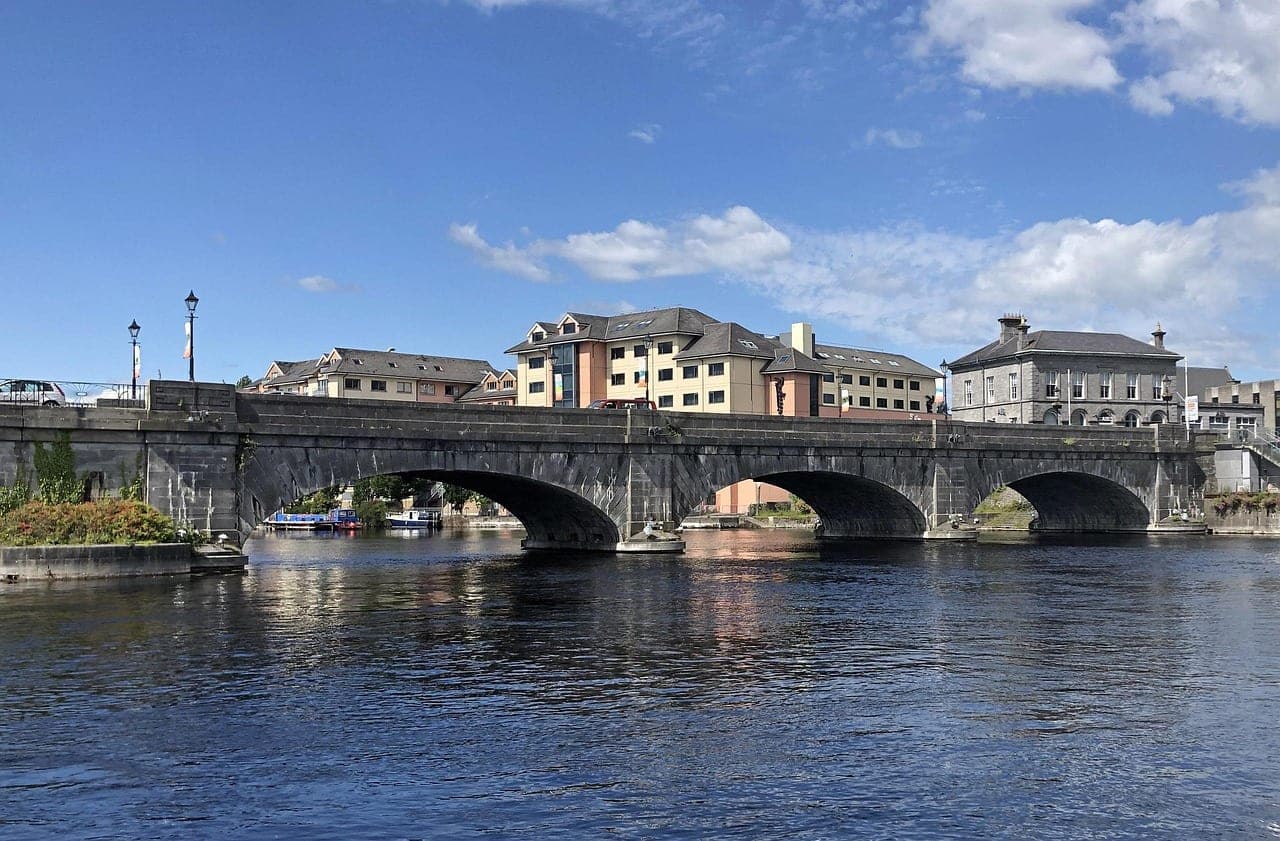
Three central footbridges — Sarsfield, Shannon, and Thomond — put the medieval core, the Georgian centre, and the Treaty Stone west bank inside one walking loop. The Tour Director builds the city orientation as a single 2.5-km Shannon-side loop on Day 1.
- Read Angela's Ashes before departure
Frank McCourt's 1996 memoir is set in the lanes off Roden Street between 1934 and 1949 and remains the most-cited text in any English-track classroom travel itinerary to Limerick. The Frank McCourt Museum and the related walking route turn the text into a navigable city map; pre-departure reading pays off in a real way here.
- Traditional music sessions are real
Dolan's on the Dock Road is the city's reliable trad room and a regular stop on the school group tour calendar; Mickey Martin's and Nancy Blake's also run sessions most weeknights. Family-friendly until 9 PM, after which most rooms tip to 21-and-over — Tour Directors schedule student trad nights early.
- Ireland vs. Northern Ireland
"Ireland" without qualifier means the Republic — a sovereign EU country with Limerick on the Mid-West coast. "Northern Ireland" is the separate UK jurisdiction up north. The two share an invisible land border with no checks but different currency and phone regimes. A short classroom-travel briefing before departure sorts the vocabulary.