- RegionCentral Europe
- LanguageGerman
- CurrencyEuro (EUR)
- Best seasonMay - Sep (alpine warm season)
- TimezoneCentral European Time (UTC+1)
A quick introduction
Austria is small — 83,879 km², roughly the size of Maine — with a population of about 9.1 million and a capital, Vienna, that holds nearly a third of the country in its metro area. The Alps cover about 62% of the land, which shapes the weather, the food, and the way every itinerary draws itself. For a country you can cross by train in under five hours, Austria punches improbably above its weight: the birthplace of Mozart, Schubert, and the Strauss family, home to three imperial dynasties' worth of monuments, and holder of twelve UNESCO World Heritage sites stacked across walkable distances.
For a school group, Austria is the most curriculum-dense single country in Central Europe. A well-built week hits European history, music theory, art history, WWII and Holocaust studies, and alpine geography without a single painful transit day. It's one of the most reliable destinations in our educational travel catalog — trains run on time, English is widely spoken in tourism, and student group travel to Austria is pleasantly low-drama for first-time teacher-led tours to Europe. If your AP European History, World History, or high school music program is looking for a trip that earns its academic hours, Austria belongs on the short list.
Austria by the numbers
A week with a Passports group
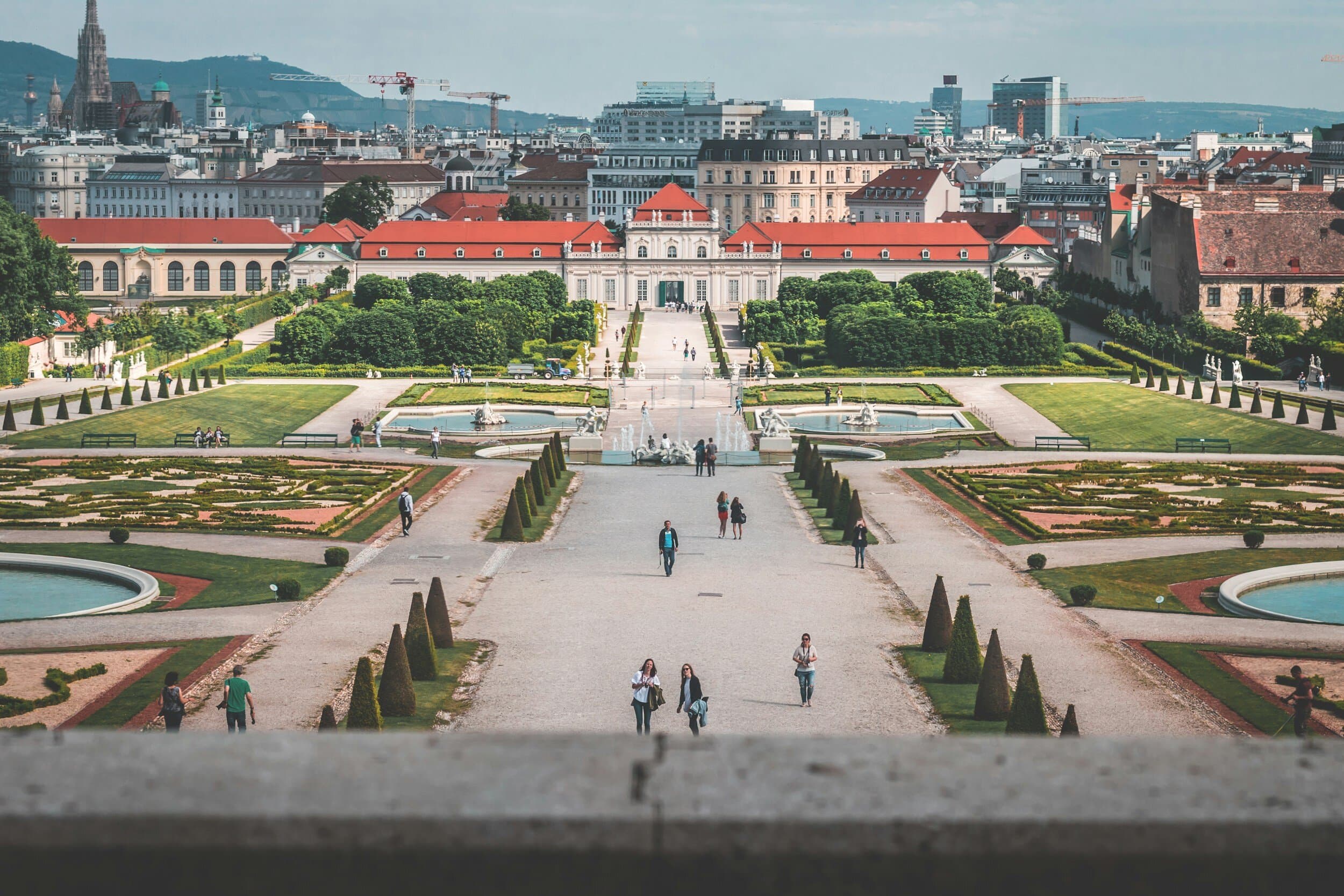
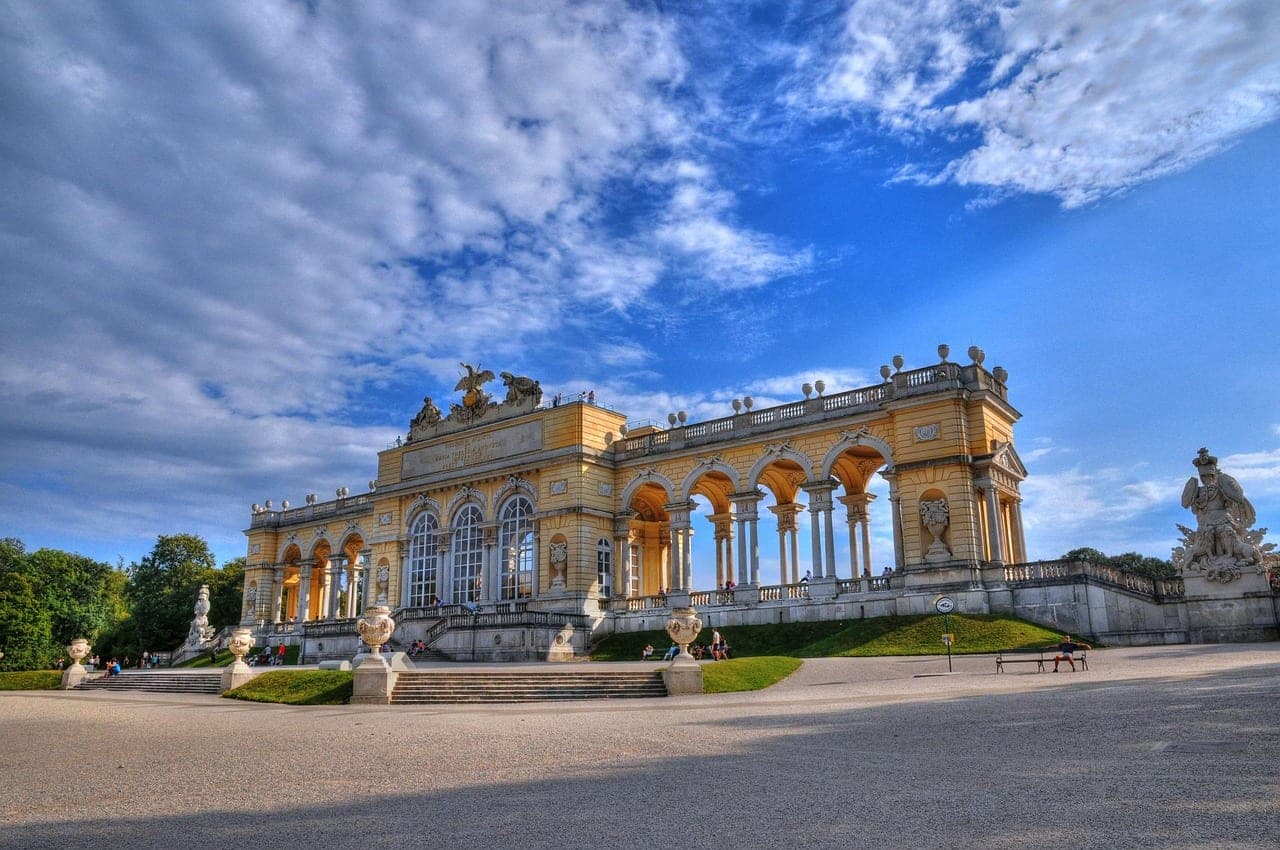
A typical Passports high school group trip to Austria runs seven to ten days and lines up cleanly for spring break, early summer, or the first half of July. Day one is Vienna: arrival, an afternoon Ringstrasse orientation walk, and dinner with the Tour Director who stays with the group for the full week. Day two is an early start at Schönbrunn Palace and the Hofburg, and — if the calendar cooperates — a short Mozart-and-Strauss concert in a baroque hall built for that exact music.
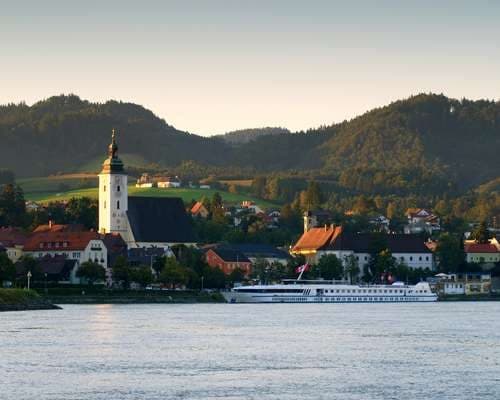
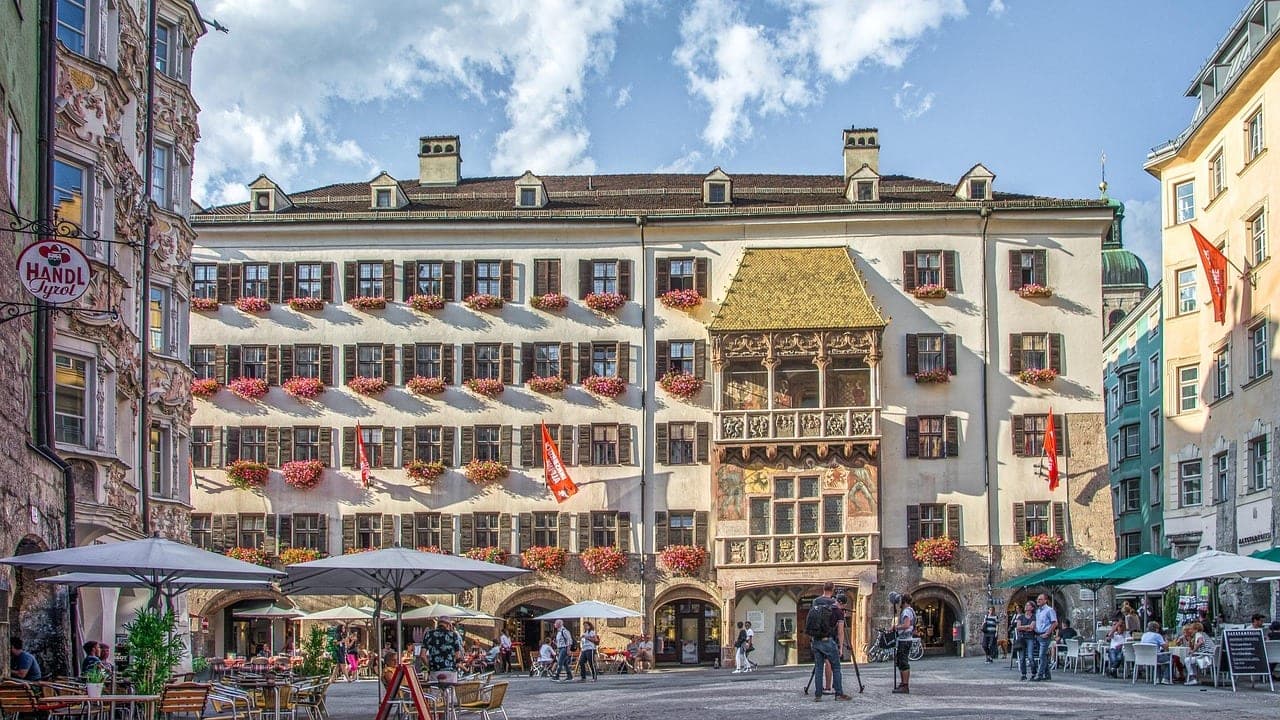
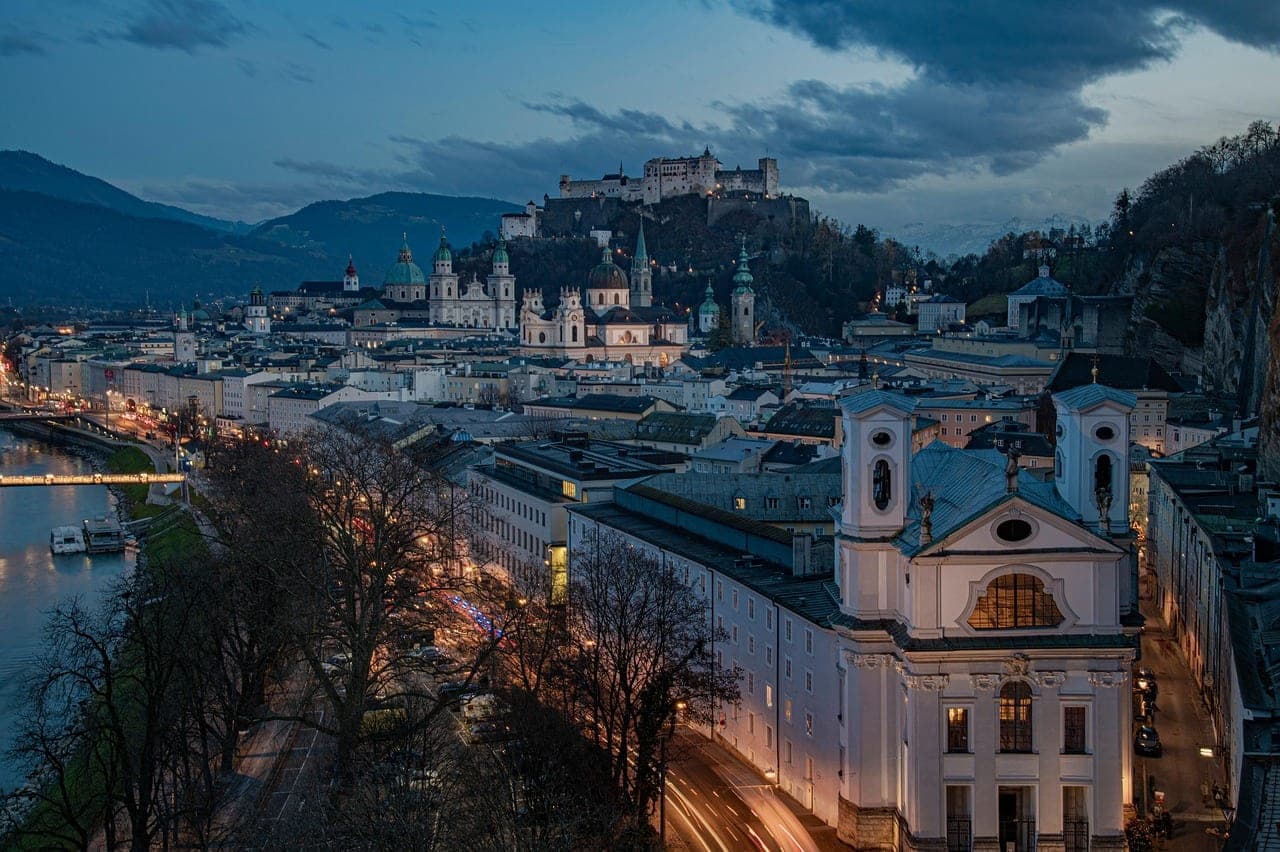
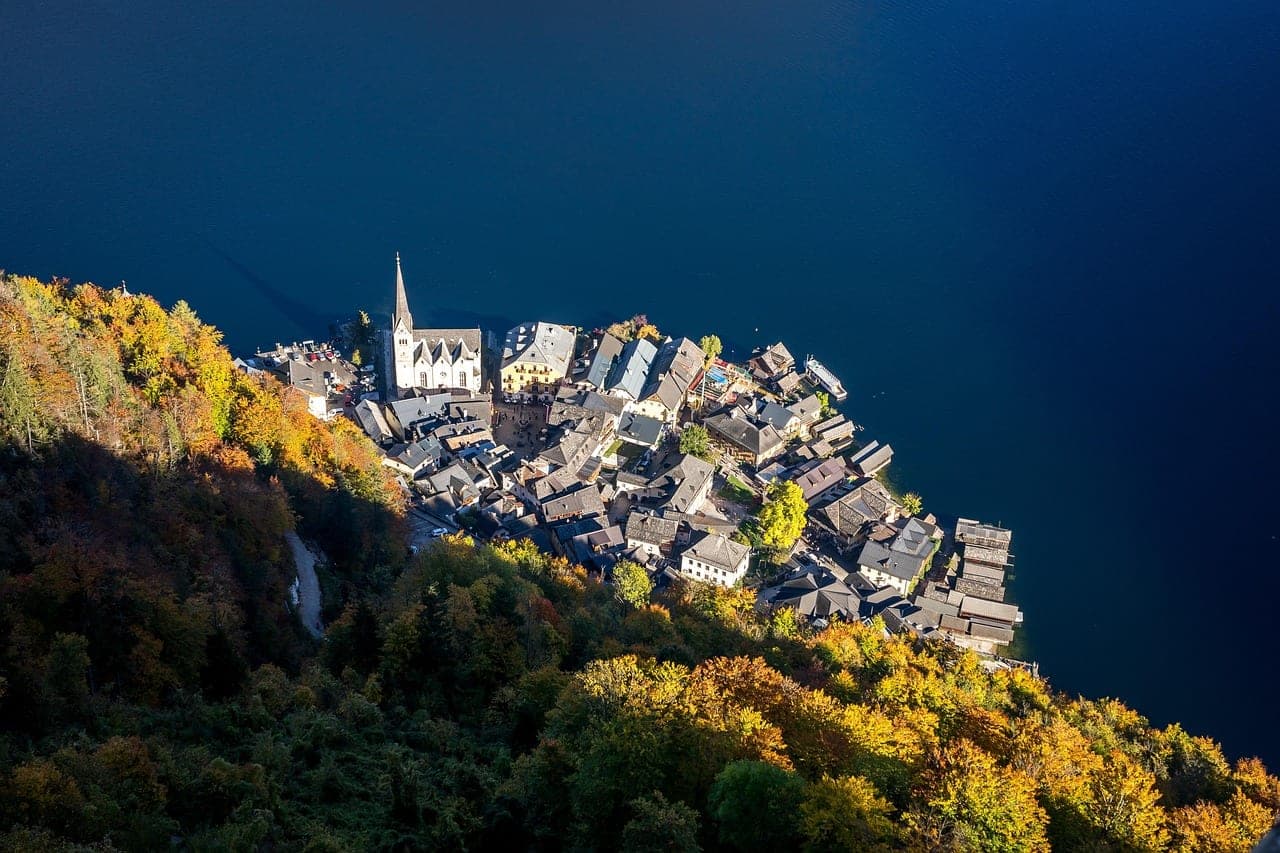
The middle of the week pivots west. A private coach carries the group through the Danube valley past Melk Abbey to Hallstatt for the lake-and-salt-mine day that students consistently rank as the trip's best surprise, then on to Salzburg — a two-night base with Mozart's birthplace, the fortress above the old town, and the Sound of Music locations that every US high schooler recognizes whether or not they admit it. If the itinerary extends another two or three days, Innsbruck and the Tyrolean Alps anchor the final stretch with a cable-car day that double-dips as a geography lesson.
We've run student group travel to Austria for enough years that every moving part has a backup plan: a train strike, a roadwork detour on the A1, a student whose dietary restrictions nobody mentioned before the first dumpling lunch. The educational travel piece is real — most itineraries include a guided visit to the Mauthausen memorial for the WWII and Holocaust studies block, a service-learning option in Vienna, and reflection time built into the schedule — but what teachers remember is that the logistics simply work. Trains run on time, hotels are where they're supposed to be, and the Tour Director handles the two hundred small moves an American group doesn't see.
Top things to see and do


When to go
- Apr - Jun — classic spring-group window
Snow retreats from the high passes, alpine meadows green up, and the urban music calendar is in full swing. Daytime highs in Vienna 15 - 22°C, cooler in Salzburg and the Tyrol. This is our most popular window for AP European History and high-school music-program school groups.
- Jul - Aug — summer peak, quick afternoon storms
Highs of 25 - 30°C in the cities, with dramatic afternoon thunderstorms that roll through and clear inside an hour. The alpine meadows are at their most cinematic. Peak tourism — book early — and the main summer-break window for educational travel to Central Europe.
- Sep - Oct — crisp golden weeks
Ranked by our Tour Directors as the best-value window. Summer crowds gone, wine harvest under way in the Wachau, foliage turning in the Vienna Woods, and daytime highs still 15 - 22°C. Good fit for teachers whose school calendars open a fall travel week.
- Nov - Mar — Christmas markets and alpine white
The famous Vienna and Salzburg Christkindlmärkte run from mid-November through Christmas Eve — a specialty window we run a handful of groups in each year. January and February are ski-country weather, with snow on every alpine pass. Pack for -5 to 5°C in the cities, colder in the mountains.
Food and culture

Wiener Schnitzel
The national dish: a thin, breaded veal cutlet pounded flat and pan-fried to golden, served with lingonberry jam and a wedge of lemon. The cheaper everyday version with pork is labeled Schnitzel vom Schwein. Every Gasthaus does one.

Sachertorte
Vienna's famous chocolate cake with a thin layer of apricot jam under a dark chocolate glaze. The Hotel Sacher original and Demel's rival version have been arguing about the recipe since 1832 — our groups sample both and vote.

Tafelspitz
Boiled beef in broth, served with horseradish, apple sauce, and a crisp rösti. A Habsburg-era staple — supposedly Emperor Franz Joseph's weekday dinner — and still the signature of Vienna's old-school dining rooms.

Apfelstrudel
Hand-stretched dough so thin you can read a newspaper through it, rolled around spiced apples, raisins, and cinnamon, served warm with a pitcher of vanilla sauce. The Schönbrunn kitchen tour demos a baker stretching the dough live.

Kaiserschmarrn
"Emperor's mess" — a fluffy shredded pancake studded with raisins, dusted with powdered sugar, and served with plum or apple compote. Nominally dessert, but a solid alpine lunch after a half-day hike.
Classroom connections
What to pack
- Documents
Passport valid 6+ months past the return date (Schengen rule), two printed copies — one for the student, one for the Tour Director's file — insurance card, and the Passports group packet. US citizens don't need a visa for stays under 90 days; the Passports office files the ETIAS electronic authorization on the group's behalf before departure.
- Clothing
Layers: a light rain shell, a fleece or light down jacket even in summer (alpine evenings drop fast), and breathable midlayers. For the Salzburg concert or a Vienna opera night, one "smart-casual" outfit beats jeans. Shoulders covered at Melk Abbey and a handful of smaller churches; no other modesty concerns.
- Footwear
Broken-in walking shoes or light trail runners for the cobblestones, one pair of waterproof shoes for the Hallstatt salt-mine tour (it's muddy near the entrance), and a dressier second pair for concert nights. Cobblestone streets eat heels.
- Rain gear
A compact rain jacket lives in the day pack year-round. Alpine afternoon storms are a summer constant; shoulder-season drizzle is routine in the cities. Skip the umbrella — the wind funneling between Vienna's ring boulevards destroys them.
- Tech
Austria uses Type C/F two-round-pin plugs at 230V. A simple Type C adapter (or a global multi-adapter) is essential. T-Mobile's Magenta Max and Google Fi work out of the box; other carriers can pick up a prepaid A1 or Magenta SIM on arrival. A portable battery earns its weight on museum days.
- Extras
A reusable water bottle (Vienna's tap is Alpine springwater piped straight from the mountains and arguably the best urban water in Europe), a small notebook for reflection journaling, sunglasses for bright alpine glare off snow and lakes, and a light scarf for occasionally smoky coffee-house side rooms.
Is it safe?
Yes. Austria is consistently ranked among the ten safest countries in the world, and the US State Department rates it Level 1 ("exercise normal precautions") — the same rating as Japan or Switzerland. Violent crime is rare, the tap water is alpine, and the medical system is excellent. The realistic risk profile on a school group tour is pickpocketing on the Vienna U-Bahn and around the Stephansplatz tourist swirl, and the countermeasures are the same as anywhere in Europe: cross-body bag, a zipped inner pocket for the phone, and a first-night Tour Director briefing.
On a Passports teacher-led trip, the group is never on public transport unsupervised, never splits up without a defined meetup time, and never out of reach of a named Tour Director who stays with the group 24/7 for the full week. We operate a 24/7 emergency line out of our Boston HQ, keep parents on a daily-update channel, and have pre-vetted English-speaking medical contacts in Vienna, Salzburg, and Innsbruck. For most teachers leading school group tours to Austria, the logistics feel safer than a domestic field trip.
Practical tips
- Austrians run on time
Trains leave on the minute, restaurant reservations are taken seriously, and tour starts happen without you if the group isn't there. Our itineraries build a ten-minute cushion before every moving departure, and the Tour Director calls the day's schedule at breakfast so students know exactly what "we leave at 8:15" actually means.
- Cards work, but carry some cash
Most tourist-facing businesses take Visa and Mastercard, but small cafés, bakeries, Naschmarkt stalls, and some bathrooms are cash-only. About €50 - €100 per day in €5 and €10 notes covers snacks, tips, and the occasional pastry no one will admit they already ate.
- Trains are great, but we coach anyway
The ÖBB rail network is one of Europe's best, and teachers sometimes ask about dropping the coach. The short answer: a private coach keeps 25 high schoolers plus luggage together, on schedule, and with the Tour Director free to teach rather than wrangle tickets. Every Passports teacher-led trip to Austria uses a private coach for intercity transfers.
- Tipping is small and expected
Round up 5 - 10% at restaurants; hand the total to the server ("Fünfunddreißig, bitte") rather than leaving coins on the table. Hotel housekeeping gets a few euros per room at checkout. Taxi drivers get the rounded-up fare — Austrians don't expect big American-style tips.
- Weather flips faster in the Alps
A 25°C valley morning can be 5°C and raining at the top of the Hallstätter Skywalk or the Nordkette cable car. The Tour Director calls the day's pack list at breakfast, and we always keep a "one-bus-stop-back" option if the weather turns mid-afternoon.