Destination

Vienna, Austria

Vienna student group travel for teachers: Hapsburg palaces, classical music, and imperial history on teacher-led educational tours and high school group trips.

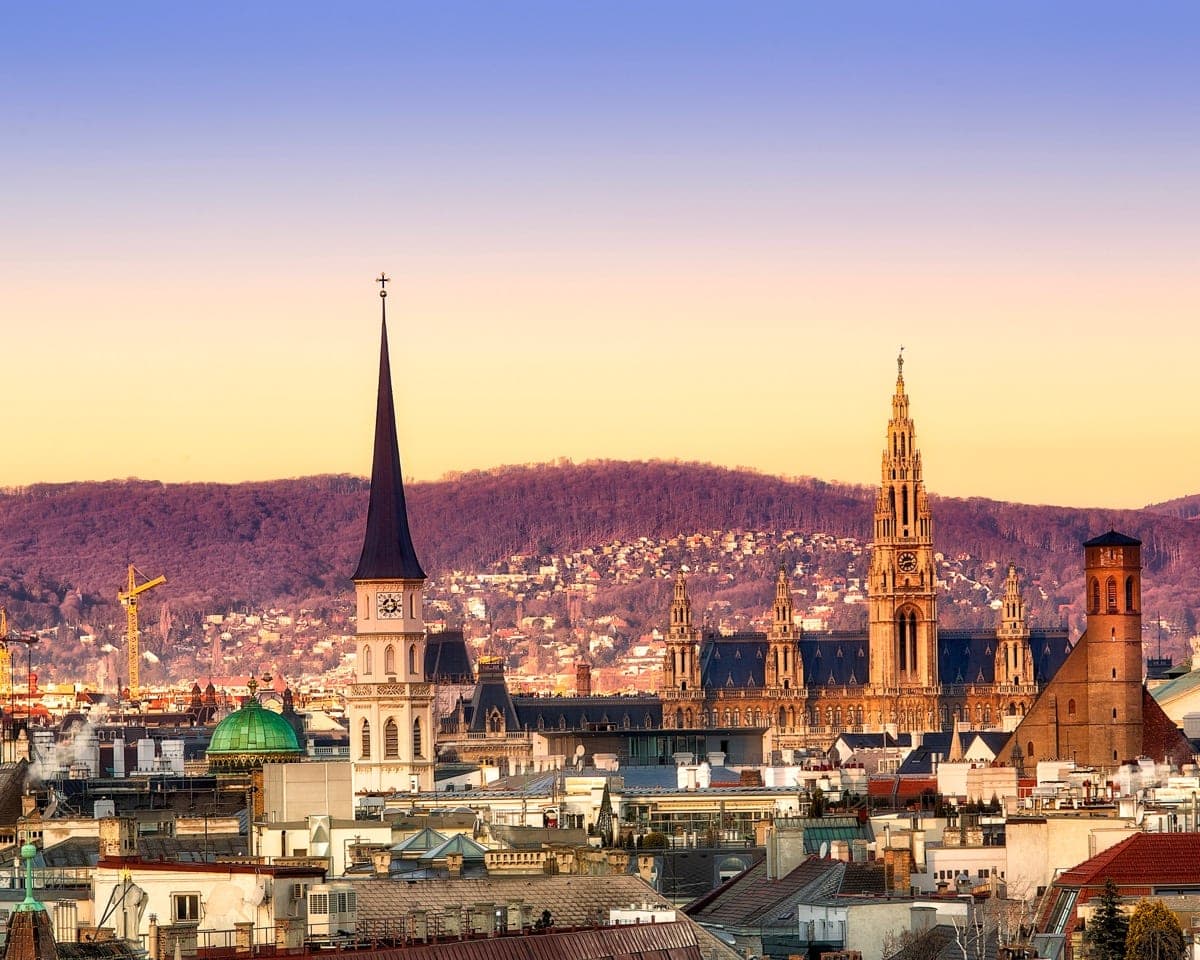
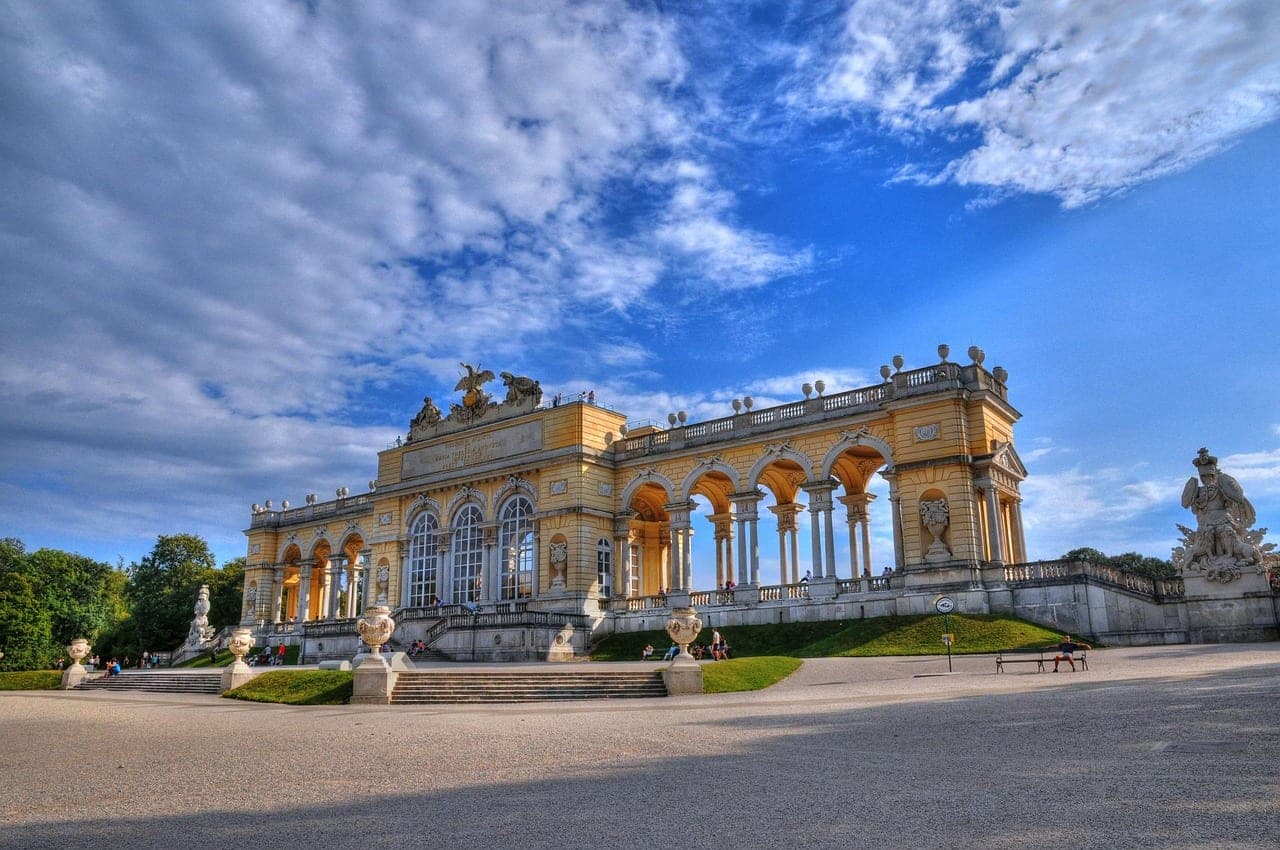
Schönbrunn Palace and formal gardens with the Gloriette on the hill in Vienna Austria
On this page
  • Where Vienna sits on the Danube and how the Ringstrasse organizes the historic core
  • Six sights worth the stop — Schönbrunn, Hofburg, St. Stephen's, the Belvedere
  • What to eat: Wiener Schnitzel, Sachertorte, Tafelspitz, and apple strudel
  • When to go, what to pack, and whether Vienna is safe for a school group
  • Practical logistics for teachers: U-Bahn, coach drops, opera dress codes
← All city guidesCountry guide: Austria
Plan a trip

A quick introduction

Vienna is a capital of two million on the Danube, capital of the Hapsburg Empire for almost 650 years and the political and cultural pivot of central Europe ever since. The historic center sits inside the Ringstrasse — the boulevard built on the line of the old city walls in the 1860s — and is small enough for a student group to cover most of it on foot. Beyond the Ring, Schönbrunn, the Belvedere, and the museum quarter spread out across districts that are a 15-minute U-Bahn ride apart.

For an educational travel itinerary, Vienna is one of the densest history-and-music stops in Europe: Mozart, Beethoven, Schubert, Brahms, and Mahler all worked in walking distance of one another; Klimt and Schiele hang in the Belvedere; Freud's apartment is preserved in district nine; and the Hapsburg story walks visitors from Maria Theresa to the abdication of Charles I in 1918. It's a natural anchor for teacher-led high school group trips through central Europe and a strong fit for AP European History, AP Music Theory, and architecture electives.

Day by day

Top things to see and do

Schönbrunn Palace

Schönbrunn Palace

The Hapsburg summer palace, 1,441 rooms of which 40 are open as a guided tour. Maria Theresa rebuilt it in the 1740s; Mozart played for her here at age six. The formal gardens climb to the Gloriette, which gives the iconic skyline shot back over the palace.

Hofburg Imperial Palace

Hofburg Imperial Palace

The Hapsburgs' winter residence and now home to three connected museums — the Imperial Apartments, the Sisi Museum, and the Silver Collection. Empress Elisabeth's life and assassination consistently land hardest with student groups.

St. Stephen's Cathedral

St. Stephen's Cathedral

The Gothic cathedral at the literal center of the city, with its tiled chevron roof and a 137-meter south tower. The catacombs underneath hold the Hapsburgs' organs (the bodies are at the Capuchin Crypt and the hearts at the Augustinerkirche — a fact that genuinely fascinates a high school group).

Belvedere Palace

Belvedere Palace

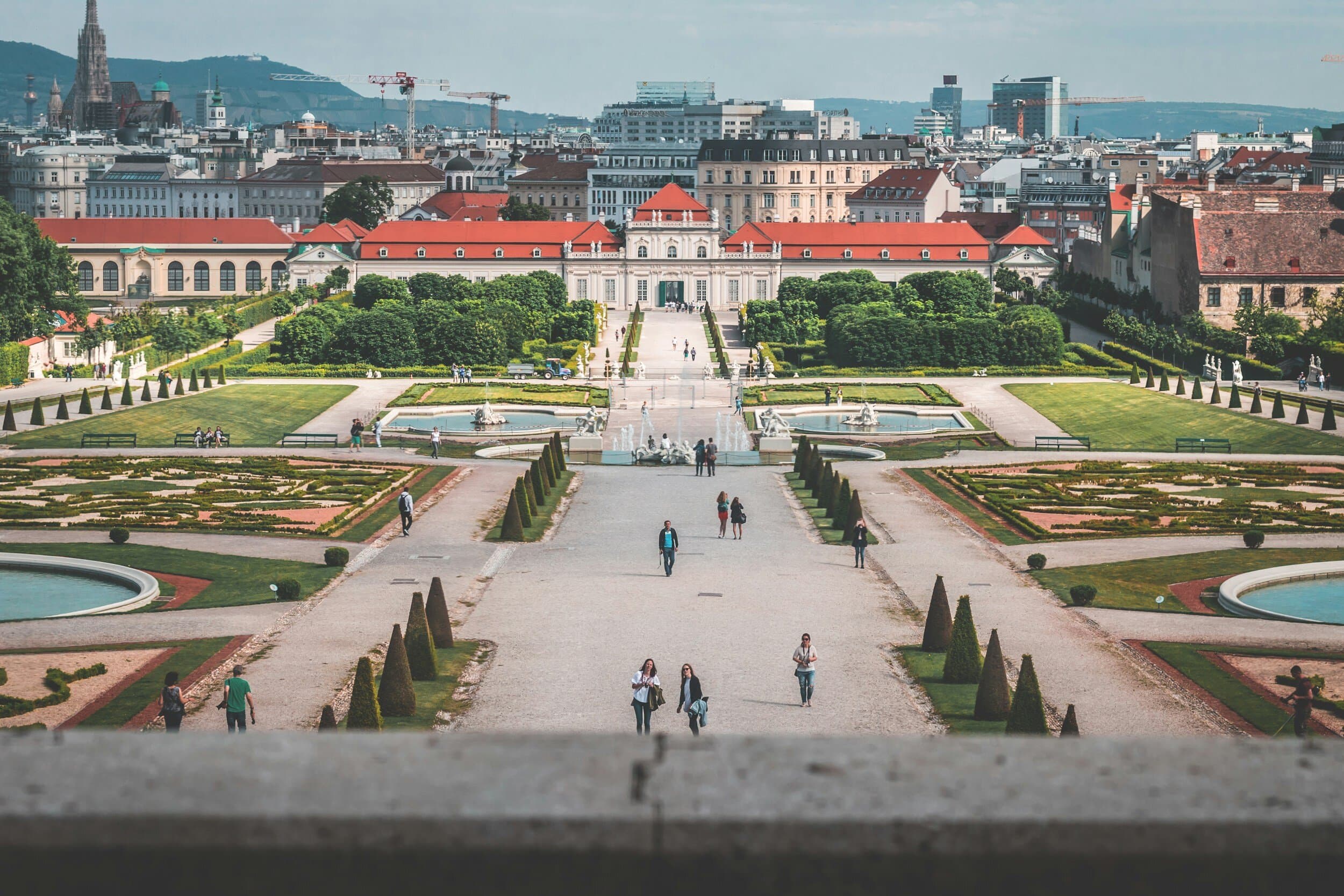
Prince Eugene's summer palace, now home to the world's largest Klimt collection — The Kiss hangs in a single room and draws a crowd. The garden axis between the Upper and Lower Belvedere is the cleanest baroque sightline in the city.

Vienna State Opera

Vienna State Opera

The Staatsoper on the Ringstrasse, opened in 1869 and rebuilt after the 1945 bombing. Backstage tours run most weekday mornings and standing-room tickets release 80 minutes before curtain for €13-18 — the most cost-effective educational opera experience in Europe.

MuseumsQuartier

MuseumsQuartier

The 60,000-square-meter complex behind the Hofburg — Leopold Museum (the largest Schiele and Klimt holdings outside the Belvedere), MUMOK contemporary art, and the courtyards full of students sprawled on the colorful enzi benches. A flexible half-day stop with multiple entry points.

Weather by season

When to go

  • Apr - Jun — spring sweet spot

    Daytime highs 16-25°C, the Schönbrunn gardens fully bloomed, manageable museum crowds, and long daylight for evening walks along the Ring. The strongest window for educational travel itineraries that want photographs without the August heat or Christmas-market density.

  • Jul - Aug — peak summer

    Highs 25-32°C, occasional 35°C heat waves, and the Vienna Philharmonic on summer break. Museums stay open and air- conditioned, and the Donauinsel summer beach scene is a standout free afternoon. A workable window for a high school group trip if you book hotels with AC.

  • Sep - Oct — autumn gold

    Highs 15-22°C, the Vienna Woods turning yellow on the city's western edge, and the opera season restarting in early September. Crowds drop, hotels ease, and the late afternoon light makes the Ringstrasse facades photograph at their best. The best teacher-led window if your school calendar isn't summer-locked.

  • Nov - Mar — Christkindlmarkt & ball season

    Daytime highs -1 to 6°C, occasional snow December-February, and the Christkindlmärkte on Rathausplatz and Schönbrunn from late November through Christmas Eve. January-February is Vienna's ball season — a one-of-a-kind cultural moment for the right classroom travel itinerary.

What to order

Food and culture

Wiener Schnitzel

Wiener Schnitzel

The Vienna original — pounded veal cutlet, breaded and pan- fried in clarified butter until the crust separates from the meat. Served with potato salad or parsley potatoes. Figlmüller is the famous tourist stop; smaller Beisl across the city do it just as well for half the price.

Tafelspitz

Tafelspitz

Boiled beef in beef broth with root vegetables, served with apple-horseradish, chive sauce, and crispy roesti potatoes — the dish Emperor Franz Joseph ordered nearly every day for decades. A hearty introduction to Viennese Hausmannskost cooking.

Sachertorte

Sachertorte

The dense chocolate cake with apricot-jam middle and dark chocolate glaze, invented at Hotel Sacher in 1832 and still served there with whipped cream on the side. Original wars with Café Demel for which version is "real" — both are excellent.

Apfelstrudel

Apfelstrudel

Thin pastry rolled around spiced apples, raisins, and breadcrumbs, served warm with vanilla sauce. The Café Central and Café Sperl versions are the postcard moment but every decent café in town does it well.

Käsekrainer

Käsekrainer

The cheese-filled smoked sausage from a Würstelstand — nicknamed Eitrige in Viennese slang. Served with mustard, pickle, and a crusty roll for under €5. The classic late-evening student-group street-food stop.

Packing essentials

What to pack

  • Documents

    Passport valid 6+ months past travel date, two printed copies (one for the student, one for the Tour Director's file), insurance card, and the Passports group packet. No visa required for US citizens on a Schengen-area stay under 90 days.

  • Clothing — layers + one nicer outfit

    Layers for the spread of Viennese weather; modest cover for shoulders and knees inside St. Stephen's and the Capuchin Crypt. One nicer outfit is worth the suitcase space if an opera or classical concert is on the itinerary — most venues are smart- casual minimum.

  • Footwear

    Broken-in walking shoes — Vienna is a 12,000-step day even with the U-Bahn. Cobblestones in the Innere Stadt and the long marble corridors of Schönbrunn punish flimsy soles. No heels, no brand-new shoes.

  • Weatherproofing

    A compact umbrella and a packable rain jacket cover the occasional summer thunderstorm and the wet snow of November- March. Sunscreen and a brimmed hat for summer palace-garden afternoons.

  • Tech

    Austria uses Type C / F plugs (European two-prong) — universal adapter required. A portable battery is worth the weight on museum and palace days. T-Mobile and Google Fi work out of the box; others can grab a Magenta or Drei eSIM at VIE airport.

  • Extras

    Refillable water bottle (Vienna's tap water is piped from Alpine springs and is genuinely better than most bottled water in the city), a small daypack for museum days, a notebook for the teachers who lecture from the Belvedere balcony, and earplugs if your hotel is on a Ringstrasse-tram corner.

The parent-meeting question

Is it safe?

Yes. Austria's US State Department rating is Level 1 ("exercise normal precautions") — the lowest tier the State Department issues — and Vienna is consistently ranked one of the world's safest capital cities (Mercer's annual Quality of Living index has put Vienna in the top three for over a decade). Violent crime against travelers is genuinely rare. The realistic risks are low-grade pickpocketing on the busiest U-Bahn lines (U1, U3) and around Stephansplatz, and the standard big-city caution about staying in a group after dark.

On a Passports school group tour, the group rides on a private coach with a vetted driver between sites and uses the U-Bahn only in supervised groups, the Tour Director runs a Day-1 pickpocket and meeting-point briefing, and every hotel is pre-checked for 24-hour reception and secure room storage. We operate a 24/7 emergency line out of Boston, keep parents on a daily-update channel, and have English-speaking medical contacts in every city we visit. For most teachers running their first teacher-led trip to Austria, Vienna feels lower-stress than a major US city field trip.

🛡️

Personal safety

Pickpocketing on U1/U3 and around Stephansplatz is the only real risk — cross-body bags in front, phones off café tables, buddy system after dark. Praterstern station deserves the same caution as any large European interchange. Hotels are vetted for 24- hour reception, in-room safes, and English-speaking front desks.

⚕️

Health & medical

Vienna's tap water is Alpine spring water, piped in by the Hochquellenleitung since 1873 — drinkable everywhere. No special vaccines beyond CDC routine. AKH Vienna (Allgemeines Krankenhaus) is one of Europe's largest teaching hospitals, with a 24-hour ER that takes US travel insurance.

🚐

Roads & transport

Private coach with seatbelts and a credentialed driver for every city transfer and day trip. The U-Bahn, tram, and bus network is exceptional but used only with the Tour Director. Vienna drivers respect crosswalks more reliably than most European capitals.

🌪️

Natural hazards

Vienna sits in a low-seismic zone with no real flood, fire, or storm exposure on the Danube floodplain (the city has run large-scale flood control since the 1970s). Summer heat and winter ice are the only seasonal concerns — both manageable on a guided itinerary.

Practical tips

  • The U-Bahn is your friend

    Five color-coded lines run on three-to-five-minute frequency from 5 AM to about 12:30 AM (24/7 on Friday and Saturday nights). The Vienna PASS or 72-hour transit ticket — included on most Passports educational tour itineraries — covers everything inside the Ringstrasse and out to Schönbrunn.

  • Cards everywhere, small cash for Würstelstands

    Contactless is universal in shops, restaurants, and the U-Bahn. Small euro bills help at the Würstelstand sausage windows and the smaller cafés — €30-50 in a daypack covers a full day.

  • Café-house culture is a thing

    The grand Viennese coffeehouses (Central, Sperl, Hawelka, Landtmann) are UNESCO-recognized cultural institutions. One coffee buys you a table for as long as you want, plus the week's newspapers. Ordering an einspänner or a melange gets you a hot drink and a small thaw on a December afternoon.

  • Standing-room opera tickets

    The Staatsoper releases 567 standing-room tickets 80 minutes before each performance for €13-18. A teacher-led group can genuinely see Don Giovanni or Der Rosenkavalier for the cost of a sandwich. Smart-casual dress code, no shorts.

  • Sundays are quiet, museums are open

    Most Austrian shops close all day Sunday; museums, palaces, cafés, and U-Bahn all run as normal. Plan Sunday around the Belvedere or Schönbrunn rather than around shopping. Many museums offer free or reduced admission for under-19s — the Tour Director sequences the day to take advantage.
Five facts

Good to know

🏛️

UNESCO twice over

Both the Innere Stadt (1996) and the entire Schönbrunn complex (1996) are separately UNESCO-listed. Few cities in Europe carry two World Heritage designations inside their own boundary.

🎼

Capital of music

Mozart, Beethoven, Schubert, Brahms, Bruckner, Mahler, Schoenberg, and Strauss all worked here. The Central Cemetery's Group 32A holds most of them — a short S-Bahn ride from the center and a worthwhile pilgrimage for music students.

👑

The hearts and the bodies

Hapsburg burial protocol divided the body across three locations: the heart at the Augustinerkirche, the organs at St. Stephen's catacombs, and the rest at the Capuchin Crypt. All three are walkable inside the Ringstrasse.

Coffee from the siege

The story goes that retreating Ottoman troops left sacks of coffee at the 1683 siege; a Pole named Kulczycki opened Vienna's first coffeehouse soon after. The history is debated; the coffee culture that grew out of it is unambiguous.

🦒

The world's oldest zoo

Tiergarten Schönbrunn opened in 1752 as Maria Theresa's imperial menagerie and is the oldest continuously operating zoo on Earth. A flexible add-on if your itinerary has a free Schönbrunn afternoon and a younger middle school group.

Tours that go here

Tours that stop in Vienna

See all tours →
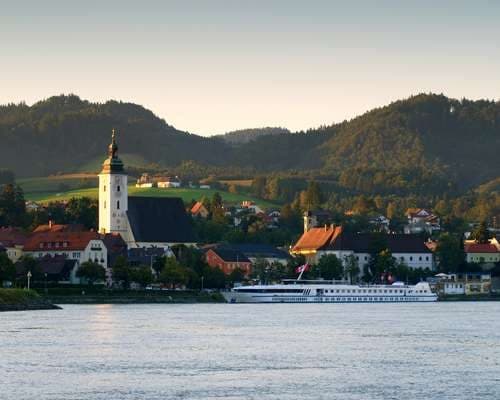
Danube River Cruise
Austria · Hungary · Czech Republic · …

Along the Danube

Salzburg · Vienna · Budapest · Prague · Munich

Adult-recommendedLarge-group
See itinerary
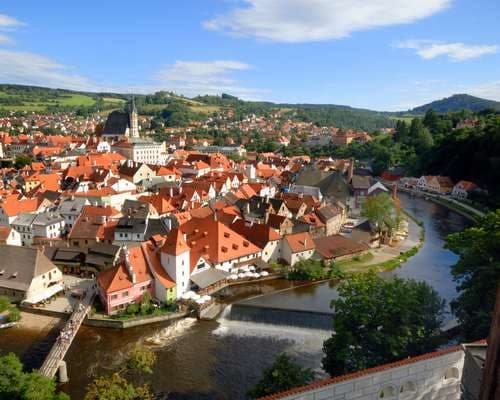
Cesky Krumlov
Poland · Hungary · Austria · …

Bohemian Rhapsody

Cracow · Zakopane · Budapest · Vienna · Cesky Krumlov · Prague · Berlin

Adult-recommendedLarge-groupCustom & private
See itinerary
Vienna
Austria · Italy

For The Love of Art and Music

Vienna · Rome

Custom & private
See itinerary
Vienna
Germany · Austria

The Sound of Music

Munich · Innsbruck · Salzburg · Vienna

See itinerary
Classroom material

Lesson plans about Vienna

See all →
AustriaEuropean HistoryGrade 11-12

Age of Enlightenment: Austria: Reforms under Joseph II

Through an in-depth analysis of various primary and secondary sources, students in this lesson will identify, understand and be able to explain Enlightened Despotism in the Hapsburg Lands under the reign of Joseph II, in particular the deci…

View lesson
GermanyHistoryGrade 11-12

German Unification: A Lost Opportunity: The Frankfurt Parliament of 1848-49

Through an in-depth analysis of various primary and secondary sources, students in this lesson will identify, understand and be able to explain the basis for the 1848 revolutions in the Germanic lands, the debates on German unification that…

View lesson
GermanyHistoryGrade 11-12

Imperial Germany (1871-1918): Otto von Bismarck's Realpolitik: Forcing German Unification

Through an in-depth analysis of various primary and secondary sources, students in this lesson will identify, understand and be able to explain Otto von Bismarck's ideas behind "Realpolitik" as they related to unifying the German lands and …

View lesson
AustriahistoryGrade 11-12

Interwar Europe (1919-1939) - Austro-German Anschluss of 1938

Through an analysis of primary and secondary sources, students in this lesson will identify, understand and be able to explain the Austro-German Anschluss of 1938, how Hitler's NAZI party orchestrated the union, and why the Austrians came o…

View lesson
From the Tour Directors

Tour Director lectures about Vienna

See all →
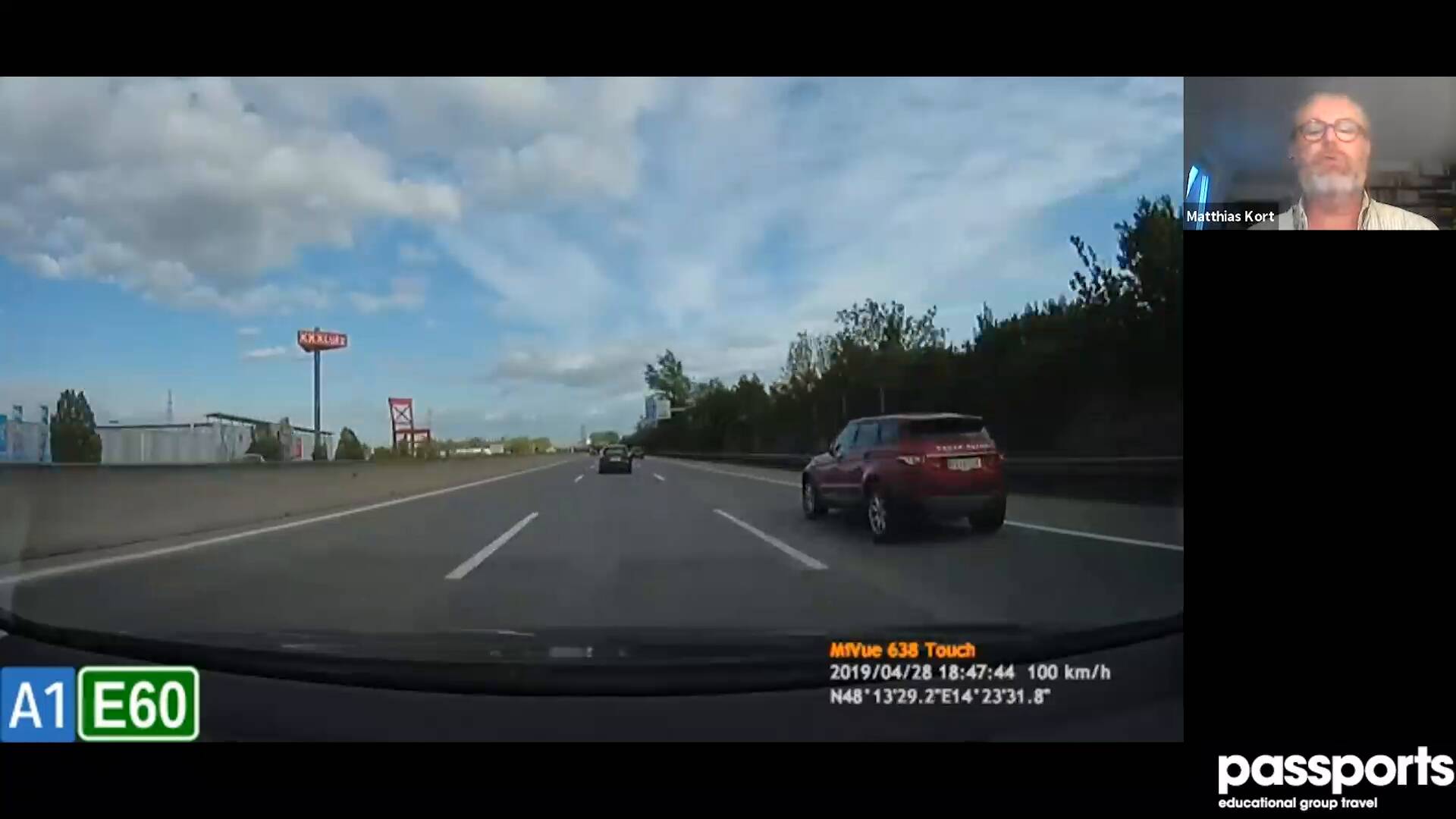
Along the Danube: Salzburg and Vienna — Passports Tour Director lecture
Matthias KortGermany

Along the Danube: Salzburg and Vienna

Watch lecture
From our blog

Blog posts about Vienna

See all →
Highlights from the Passports Vienna 2024 Teacher Conference
company news

Highlights from the Passports Vienna 2024 Teacher Conference

Passports hosted its 2024 Group Leader Conference in Vienna, bringing together educators nationwide for networking, landmark exploration, and cultural experiences

Read post
The Best European Cities for Art Lovers
destinations

The Best European Cities for Art Lovers

Europe's best cities for art lovers span from Paris's Louvre to Prague's National Gallery, covering must-visit museums, galleries, and street art scenes across 10 destinations

Read post
Announcing our next Passports Teacher Training Conference in Vienna, Austria!
company news

Announcing our next Passports Teacher Training Conference in Vienna, Austria!

Passports is hosting its next teacher training conference in Vienna, Austria in November 2024. Click through to see the full itinerary and plan your attendance

Read post
Top 10 European Walking Tours for Students: A Journey Through History
destinations

Top 10 European Walking Tours for Students: A Journey Through History

Ten European walking tours ideal for student groups span Rome's ancient ruins to Hamburg's Hanseatic port, blending history, culture, and hands-on learning across the continent

Read post
Must See Cities in Europe
destinations

Must See Cities in Europe

Ten must-see Western European cities are covered here, from Paris and Rome to Lisbon and Vienna, with highlights on culture, food, history, and local atmosphere for each destination

Read post
Top 5 Best Destinations for Theatre Groups
destinations

Top 5 Best Destinations for Theatre Groups

Five European cities stand out as top destinations for high school performing arts tours, offering world-class venues, masterclasses, and performance opportunities for student groups

Read post
On the ground

More places in Austria

Country guide: Austria →
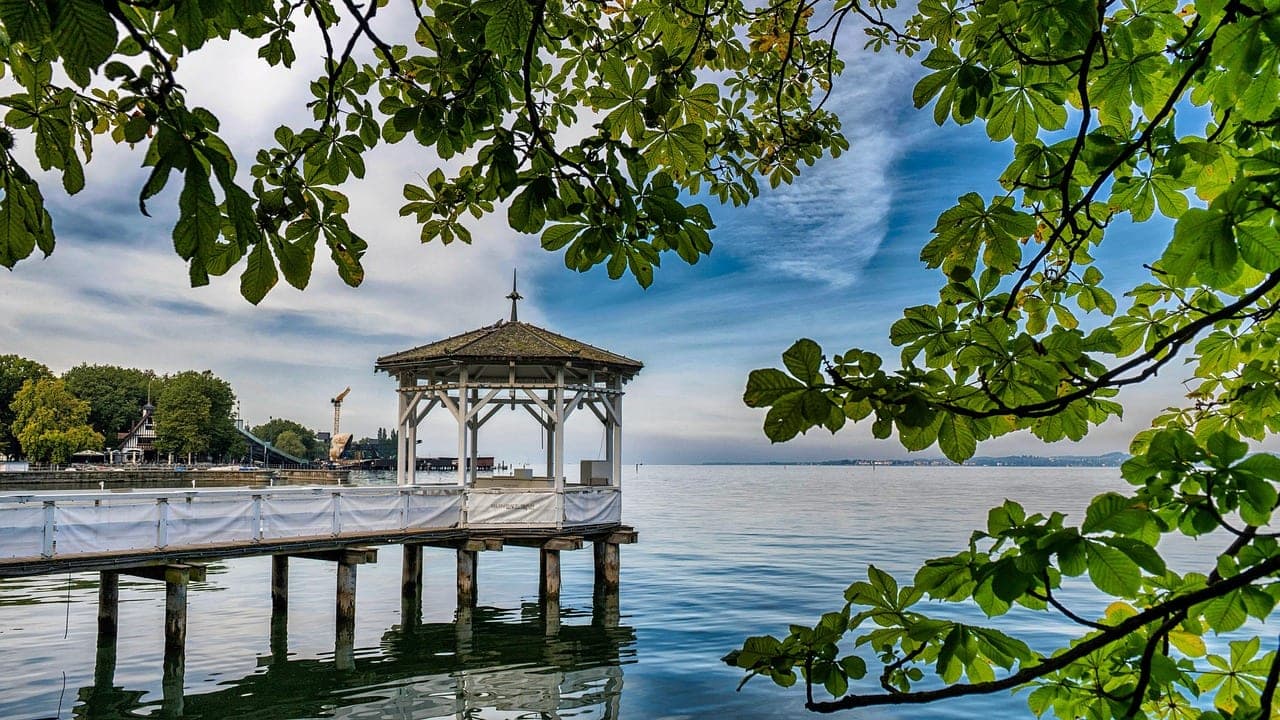
Floating opera stage on Lake Constance with Alpine peaks rising above Bregenz, Austria

Bregenz, Austria

Bregenz student group travel for teachers: Lake Constance, floating opera stage, and Alpine Austria on teacher-led high school group trips and school tours.

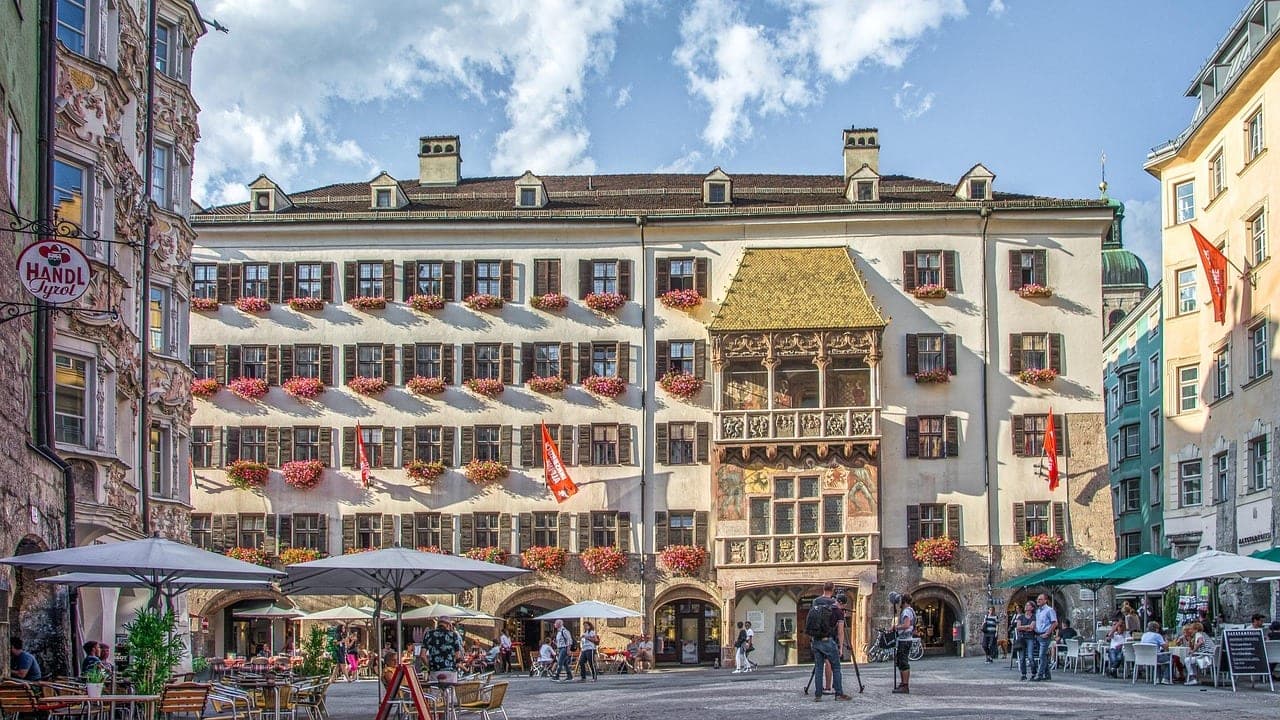
Pastel Old Town buildings of Innsbruck framed by snow-capped Nordkette Alps in Tyrol Austria

Innsbruck, Austria

Innsbruck student group travel for teachers: Hapsburg history, baroque streets, and Tyrolean Alps anchor educational tours and high school group trips.

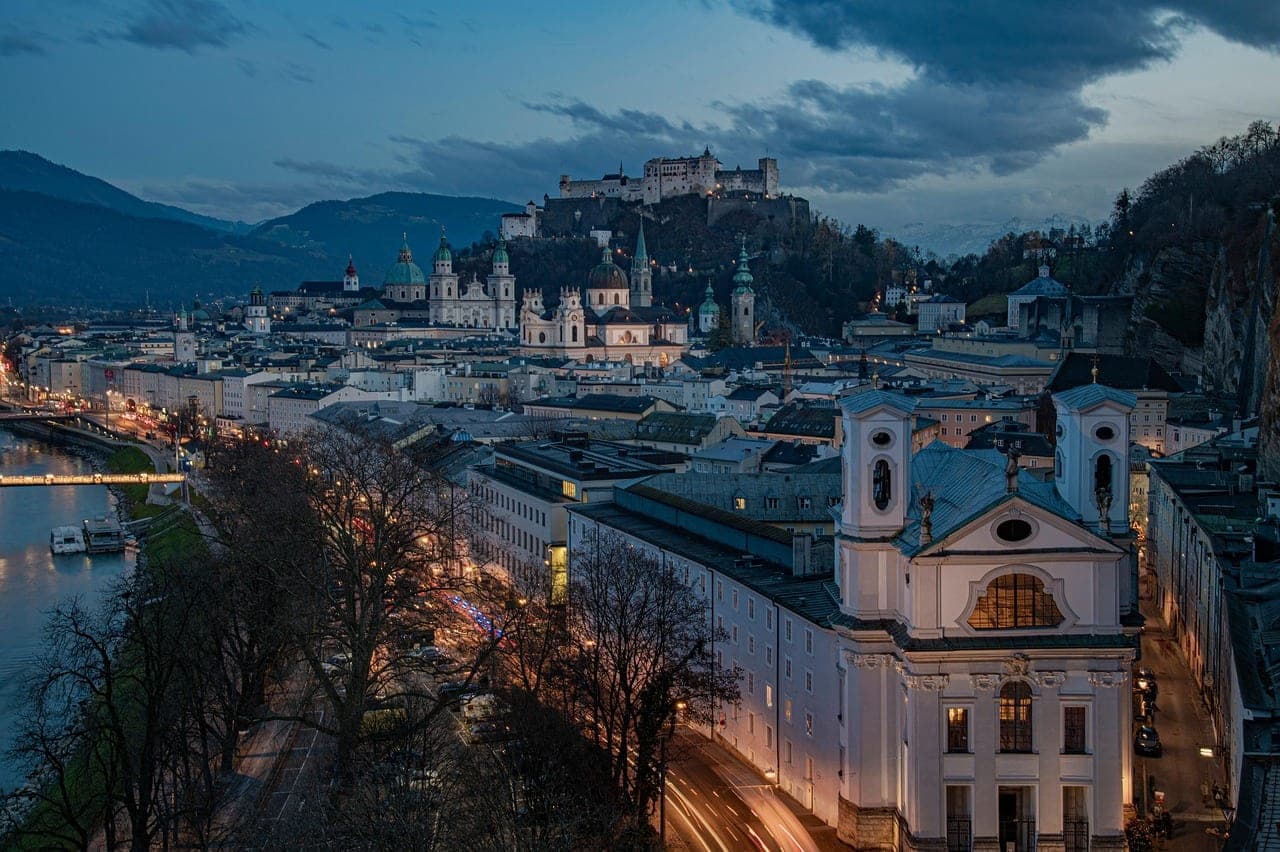
Hohensalzburg fortress on a hill above the baroque domes and rooftops of Salzburg Old Town Austria

Salzburg, Austria

Salzburg student group travel for teachers: Mozart, baroque squares, and Hohensalzburg fortress on teacher-led educational tours and high school group trips.

Bring your group to Vienna, Austria.

Every Passports trip is built around a teacher and a group — from first itinerary sketch to the last day on the ground. Tell us what you have in mind and we’ll take it from there.

Plan a trip