- RegionTyrol, Austria
- LanguageGerman (Austrian / Tyrolean dialect)
- CurrencyEuro (EUR)
- Best seasonMay - Sep
- TimezoneCentral European Time (UTC+1)
A quick introduction
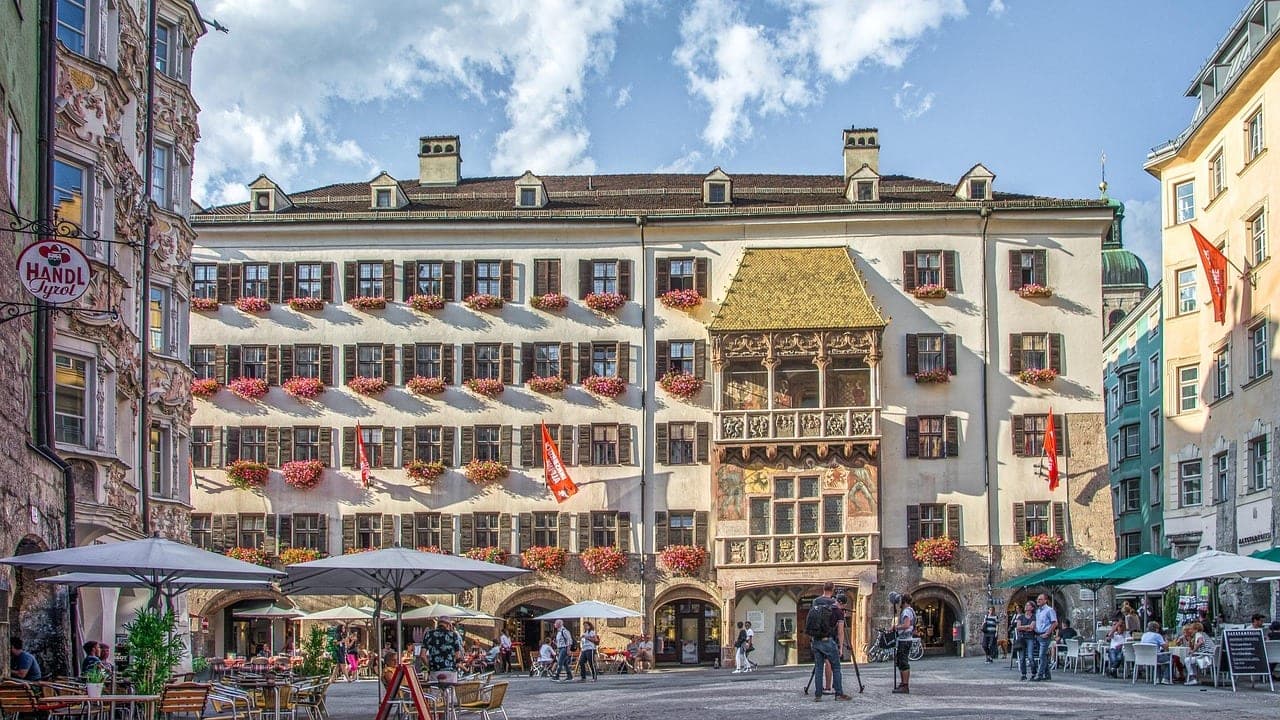
Innsbruck is the capital of Tyrol, tucked into the Inn River valley at 574 meters with the limestone wall of the Nordkette rising almost 2,000 meters straight off the rooftops. It's a compact city of about 132,000 people, two-time Winter Olympic host (1964, 1976), and the historic seat of the Tyrolean branch of the Hapsburgs — Maximilian I, Maria Theresa, and Andreas Hofer all left fingerprints on the Old Town. The center is small enough to walk end-to-end in twenty minutes; the mountains are accessible from the same downtown by a Zaha Hadid-designed funicular.
For a student group, Innsbruck is the rare destination where European art history and Alpine geography sit on top of each other. A morning at the Hofkirche standing under Maximilian's bronze "Black Men" tomb statues, an afternoon riding the Nordkette cable car to a 2,256-meter ridge — same day, same coach, no airport in between. It's a strong fit for educational travel itineraries that want to combine Hapsburg history, World War II resistance, and earth-science fieldwork on a teacher-led trip.
Top things to see and do


When to go
- May - Jun — alpine spring
Daytime highs 18-24°C in the valley, snow lingering above 2,000 meters into June, wildflowers across the lower slopes. Long daylight, manageable crowds, and the lifts are fully open. The sweet spot for educational travel itineraries that combine the Old Town with a day on the Nordkette.
- Jul - Aug — peak summer
Highs 24-28°C in the valley, cooler and cleaner air on the ridge, and the Old Town busy with European hikers. Afternoon thunderstorms roll through the side valleys most days — plan cable-car rides for morning. Strong window for high school group trips that want guaranteed lift access.
- Sep - Oct — golden shoulder
Larch forests turn yellow on the Nordkette in early October, crowds thin out after the first week of September, and valley highs settle at 14-20°C. Crisp, photogenic, and the best teacher-led window for groups whose calendar isn't locked to summer.
- Nov - Apr — ski season
Snow holds on the Nordkette and surrounding resorts (Stubai, Axamer Lizum) from December through April; valley temperatures sit at -3 to 4°C. The Christmas markets in the Old Town squares are a standout late-November and December experience for a classroom travel group, but the trade-off is short daylight and ice underfoot.
Food and culture

Tiroler Gröstl
The Tyrolean comfort plate — pan-fried potatoes, onions, and cured pork, topped with a fried egg and served straight in the cast-iron pan. A standard student-group lunch in the Old Town.

Kasspatzln
Hand-cut egg noodles tossed with mountain cheese and crowned with crispy fried onions. Tyrol's answer to mac and cheese, and the one dish picky eaters in the group will reliably finish.

Wiener Schnitzel
The Austrian standard travels well to Tyrolean menus — pounded veal (or pork) cutlet, breaded and pan-fried, with potato salad or parsley potatoes. Easy to introduce to a group's first Austrian dinner.

Kaiserschmarrn
"Emperor's mess" — a thick pancake torn into pieces, dusted with powdered sugar, and served with stewed plum or apple sauce. Originally a Hapsburg dessert, now the runaway favorite on every student group trip we run through Tyrol.

Apfelstrudel
Thin pastry rolled around spiced apples, raisins, and breadcrumbs, served warm with vanilla sauce. The mountain hut version after a cable-car ride is the one to remember.
What to pack
- Documents
Passport valid 6+ months past travel date, two printed copies (one for the student, one for the Tour Director's file), insurance card, and the Passports group packet. No visa required for US citizens on a Schengen-area stay under 90 days.
- Clothing — layers, always
The valley can be 22°C while the Hafelekar ridge sits at 5°C the same afternoon. A warm fleece or light puffer plus a packable shell goes in the daypack any day a cable car is on the itinerary, even in July. Modest cover for shoulders and knees inside the Hofkirche and the cathedral.
- Footwear
Broken-in sneakers or light hikers — Old Town cobbles and the gravel paths above the Nordkette upper station both punish flimsy soles. No heels, no brand-new shoes. Grip matters in the shoulder seasons; the upper paths can be muddy.
- Weatherproofing
A compact rain jacket and a small umbrella cover the afternoon thunderstorms in summer and the wet snow of November-March. SPF 50 sunscreen and sunglasses for cable-car days year-round — altitude UV is no joke even when the valley is overcast.
- Tech
Austria uses Type C / F plugs (European two-prong) — bring a universal adapter. A portable battery is worth the weight on cable-car days. T-Mobile and Google Fi work out of the box; others can buy a Magenta or Drei eSIM at INN airport.
- Extras
Refillable water bottle (Tyrolean tap water is cold, mineral, and excellent), a small daypack for cable-car days, and a cap or brimmed hat for the ridge — there's no shade above tree line.
Is it safe?
Yes. Austria's US State Department rating is Level 1 ("exercise normal precautions") — the lowest tier the State Department issues — and Innsbruck specifically is one of the calmest mid-sized cities in Europe. Violent crime against travelers is genuinely rare. The realistic risks are low-grade pickpocketing around the train station and the Christmas markets, slips on cobblestones in winter, and altitude weather changes on the Nordkette.
On a Passports teacher-led trip, the group rides on a private coach with a vetted driver, the Tour Director runs an altitude and weather briefing before any cable-car day, and every hotel is pre-checked for 24-hour reception and secure room storage. We operate a 24/7 emergency line out of Boston, keep parents on a daily-update channel, and have English-speaking medical contacts in every city we visit. For most teachers running their first school group tour to Austria, Innsbruck feels markedly easier than a domestic field trip.
Practical tips
- Plan altitude into the day
The Hafelekar top station sits at 2,256 meters. Most students feel nothing more than a faint headache, but a slow first hour, water in hand, and no sprinting up the ridge trail keeps everyone comfortable. Save the cable-car day for after a full night's sleep on Tyrolean soil.
- Cards everywhere, small cash for huts
Contactless is universal in Innsbruck shops, restaurants, and cable cars. Carry €30-50 in small bills for mountain huts and the occasional Old Town bakery — some still run cash-only.
- German first, English easy
A Grüß Gott on entry and Danke on the way out covers the etiquette baseline; English is fluent at every hotel desk, cable-car kiosk, and tourist-facing restaurant. Tyrolean dialect is its own thing — even native German speakers smile and switch to high German for visitors.
- Coaches drop, the group walks
The Old Town is largely pedestrian. Coaches drop at designated stops on the ring road or near the Hofgarten; the Tour Director walks the group in. The Innsbruck Card (often included on a Passports student group itinerary) covers all city transit and most museums.
- Sundays go quiet
Most shops close all day Sunday and many small bakeries close by noon — a long-standing Austrian rhythm. Museums, cable cars, and the cathedral stay open. Plan Sunday around an outdoor itinerary rather than retail.