- RegionVorarlberg, Austria
- LanguageGerman (Alemannic dialect)
- CurrencyEuro (EUR)
- Best seasonJun - Sep
- TimezoneCentral European Time (UTC+1)
A quick introduction
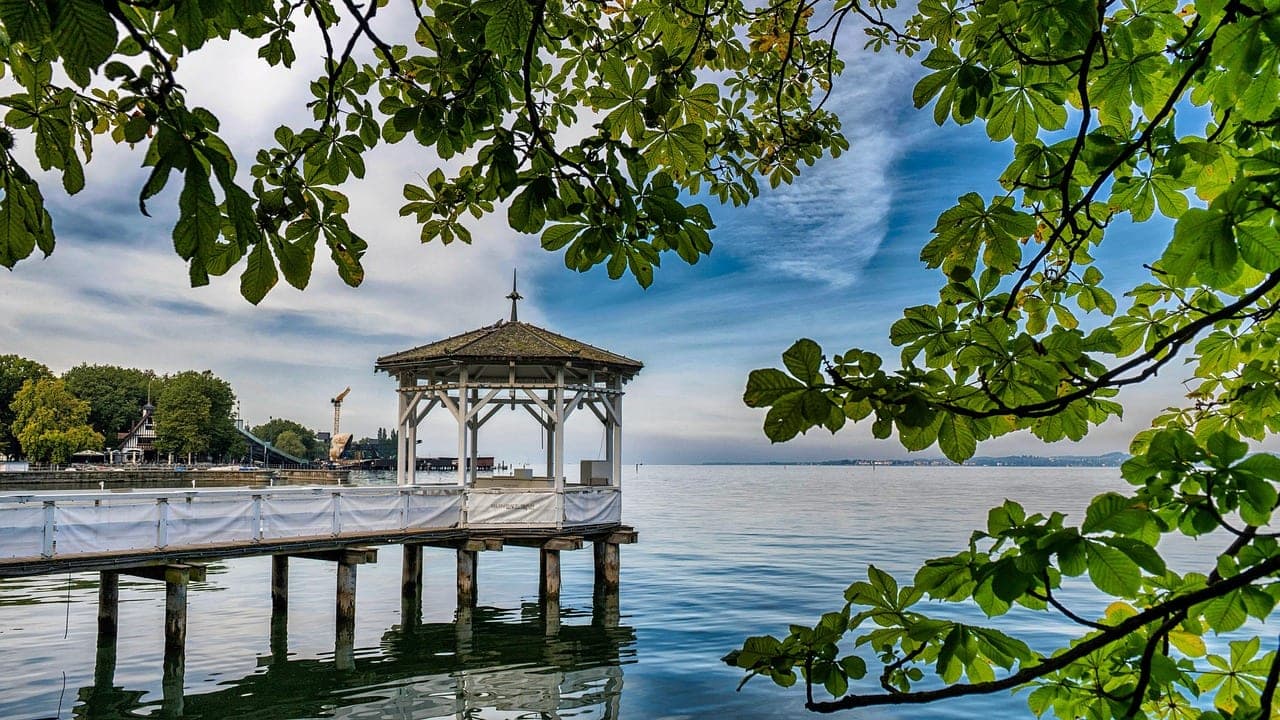
Bregenz is the capital of Vorarlberg, Austria's westernmost state, tucked into the eastern corner of Lake Constance (the Bodensee) where Austria, Germany, and Switzerland almost touch. The city is compact — roughly 30,000 residents — and sits at 400 meters of elevation, with the Pfänder mountain rising 1,064 meters straight out of the lakeshore behind it. The historic Upper Town (Oberstadt) dates to the 13th century; the lakefront promenade is modern, pedestrian, and the place every school group gravitates to on the first evening.
For teachers, Bregenz works as a highly civilized pause between bigger Austrian cities and the Swiss or German Alps. It's the most natural overnight on student group trips that thread Munich, Innsbruck, Liechtenstein, and Zurich into one itinerary. The Bregenzer Festspiele — the floating opera stage on the lake — is the headline, but the real value for educational travel is three countries reachable by public ferry or a 30-minute coach ride, which makes geography, cross-border economics, and EU-era integration tangible for a high school group trip.
Top things to see and do


When to go
- Jun - early Jul — Alpine spring sweet spot
The classic window for teacher-led tours through western Austria. Daytime highs 20-26°C, the Pfänder clear most afternoons, the lake warm enough to swim by late June. Wildflowers are still out on the upper slopes and crowds haven't peaked.
- Late Jul - Aug — festival season, peak crowds
Bregenzer Festspiele runs roughly July 20 through August 20 and the city is fully booked — hotels, restaurants, and the lakeshore all carry festival pricing. Student groups who secure tickets get the headline experience; groups who don't should plan Bregenz as a daytime stop rather than an overnight.
- Sep - Oct — shoulder season with golden light
Temperatures drop to 12-20°C, the Pfänder gets its first dustings of snow on the highest peaks by mid-October, and Vorarlberg's apple and wine harvests kick off. The best shoulder-season pick for a September high school group trip with room in the hotels.
- Nov - Mar — quiet lakeside winter
Short daylight, frequent fog over the lake, and most festival infrastructure packed away. Cable car runs year-round for ski access on the Pfänder's back side. Bregenz's Christkindlmarkt in the Upper Town is charming but small; larger markets are a ferry ride away in Lindau or Konstanz.
Food and culture

Käsknöpfle
Vorarlberg's signature dish — hand-cut egg noodles layered with mountain cheese and topped with caramelized onions and apple sauce on the side. Hearty, affordable, and the whole group will clean the plate.

Bodensee Felchen
Lake whitefish, usually pan-fried with butter and parsley and served with boiled potatoes. The local fishing co-op still pulls it from the Bodensee most mornings. Peak season is summer.

Riebel
A crumbled cornmeal-and-semolina pan dish that swings sweet or savory — with apple sauce for breakfast, with cheese and salad for dinner. Classic Alpine farm food.

Kaiserschmarrn
The emperor's shredded pancake — torn, caramelized, dusted with powdered sugar and served with plum or apple compote. A guaranteed student-favorite dessert across every Austrian city.

Vorarlberger Bergkäse
Protected-origin Alpine cheese aged in the Bregenzerwald valleys just behind town. The cheese farm tours in the Bregenzerwald are a natural half-day add-on for groups with a food-and-culture focus.
What to pack
- Documents
Passport valid 6+ months past travel date, two printed copies (one for the student, one for the Tour Director's file), insurance card, and the Passports group packet. No visa required for US citizens on a stay under 90 days in the Schengen area — and Germany, Switzerland, and Liechtenstein are all a ferry or short coach ride away, so students should carry their passport on day trips.
- Clothing
Layers. Lake-level mornings can be 10°C cooler than afternoons, and the Pfänder summit runs 8°C below town even in July. A light rain shell handles the sudden Alpine showers. Modest dress (shoulders and knees covered) for the Upper Town churches is enough; no stricter code anywhere in Vorarlberg.
- Footwear
Broken-in walking shoes. The Oberstadt climb is cobbled, the lakefront is flat paving, and the Pfänder has optional gravel trails at the summit. A student group will log 8,000-10,000 steps on a full Bregenz day. Do not buy new shoes for the trip.
- Tech
Austria uses Type C / F plugs (European two-prong) — bring a universal adapter. T-Mobile and Google Fi work out of the box; others should pick up an A1 or Magenta eSIM on arrival. Data roams seamlessly into Germany and Liechtenstein on ferry days, but Switzerland is not in the EU roaming zone — check plans before crossing into Kreuzlingen or St. Gallen.
- Extras
A reusable water bottle (Austrian tap water is excellent), sun protection for the Pfänder (altitude plus lake reflection is strong even on cloudy days), a compact umbrella year-round, and a small daypack for the cable-car and ferry days. A few euros in coins for the €0.50 restroom fee in train stations.
Is it safe?
Yes, straightforwardly. Austria's US State Department rating is Level 1 ("exercise normal precautions") — the lowest tier the department issues — and Bregenz in particular has some of the lowest crime statistics of any city in our educational travel catalog. Violent crime against travelers is essentially unheard of, and the actual risk profile in Bregenz is mostly weather-related: sudden Alpine rain, fog on the Pfänder, and cold water in the Bodensee for anyone tempted to swim in the shoulder season.
On a Passports teacher-led trip the group is never on public transport alone, the Tour Director runs an orientation briefing the first evening, and every hotel is pre-vetted for 24-hour reception. We operate a 24/7 emergency line out of Boston, keep parents on a daily-update channel, and have English-speaking medical contacts in every city we visit. For teachers running their first high school group trip to central Europe, Bregenz is an unusually easy introduction — the logistics feel closer to a domestic field trip than to international school group tours.
Practical tips
- The train station is a European crossroads
Bregenz Hauptbahnhof runs direct services to Zurich (90 min), Munich (2:30), Innsbruck (2:45), and Vienna (6 hr). For a teacher-led tour threading a multi-country itinerary this is often the single most useful transit hub on the trip.
- Ferry schedules tighten after September
The Austrian-German-Swiss lake ferries run a full cross-border schedule in summer and a reduced winter timetable from late October. Check the BSB timetable before building a day-trip to Lindau or Meersburg into a fall or spring itinerary.
- Contactless is universal; keep small cash for coins
Contactless cards and Apple/Google Pay work everywhere, including the cable car and the ferries. Keep a few euros in change for train-station restrooms and for the tip jars at the Upper Town cafes — service is included but a small round-up is expected.
- German is the language; English is near-universal
Vorarlbergers speak an Alemannic dialect at home that's closer to Swiss German than to Viennese; standard High German is the school and business language. Under-40 service staff speak fluent English, older shopkeepers less so. A student who opens with "Grüß Gott" earns immediate goodwill.