Destination

Salzburg, Austria

Salzburg student group travel for teachers: Mozart, baroque squares, and Hohensalzburg fortress on teacher-led educational tours and high school group trips.

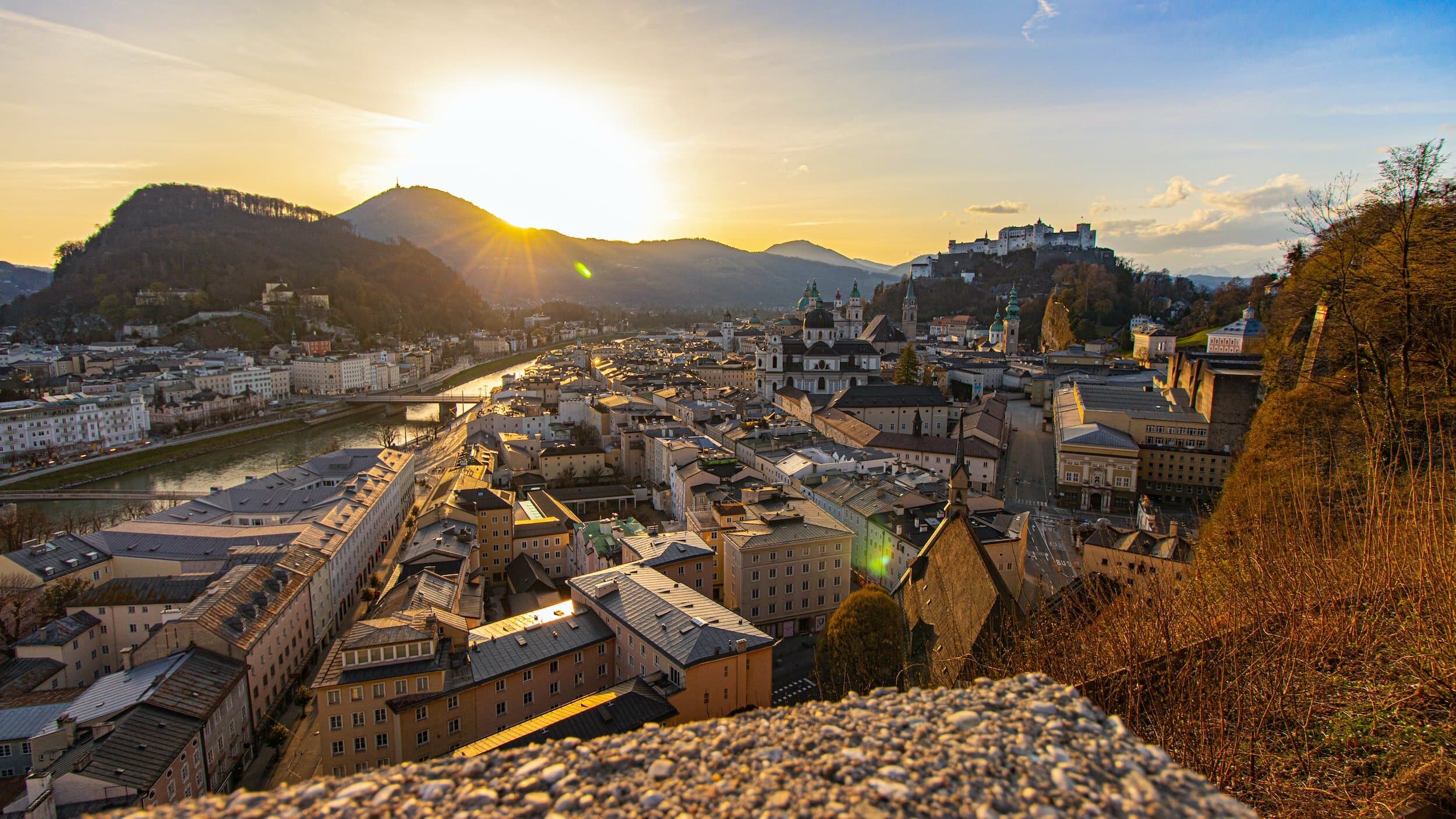
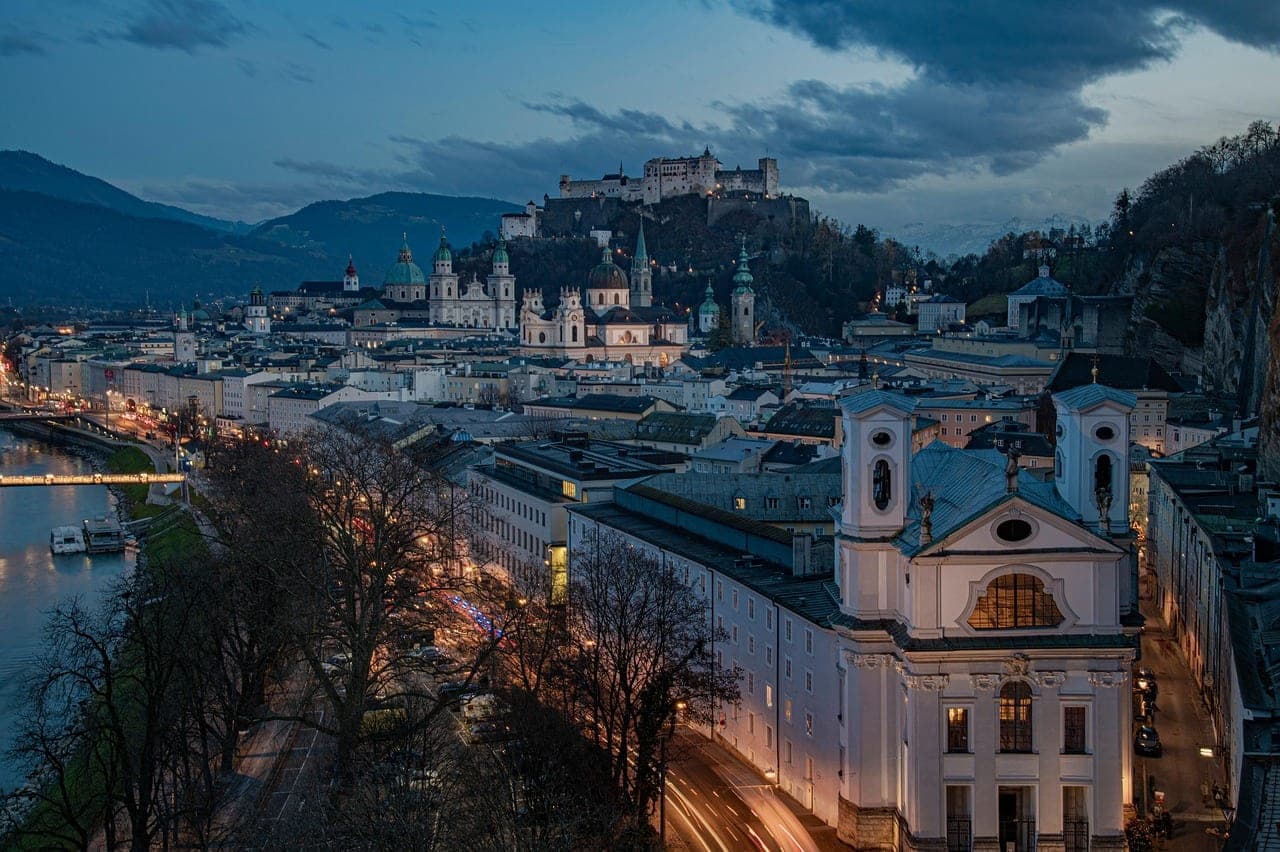
Hohensalzburg fortress on a hill above the baroque domes and rooftops of Salzburg Old Town Austria
On this page
  • Where Salzburg sits between the Bavarian Alps and the Salzach River
  • Six sights worth the stop — Hohensalzburg, Mozart's birthplace, Mirabell, the salt mines
  • What to eat: Salzburger Nockerl, Wiener Schnitzel, Mozartkugel, and Käsespätzle
  • When to go, what to pack, and whether Salzburg is safe for a school group
  • Practical logistics for teachers: coach drop points, festival season, Sound of Music tour
← All city guidesCountry guide: Austria
Plan a trip

A quick introduction

Salzburg is a baroque city of 156,000 sitting on the Salzach River where the limestone foothills of the Northern Alps meet the Bavarian plain. The fortunes of the city were built on salt — the name literally means "salt castle" — and the prince-archbishops who ran it for almost a thousand years funneled salt revenue into the cathedrals, palaces, and squares that fill the UNESCO-listed Old Town today. It's also Mozart's hometown; he was born here in 1756 and spent his first 24 years a five-minute walk from where the summer Festspiele still runs every August.

For a student group, Salzburg punches well above its size. The Old Town fits inside a 20-minute walk, the fortress overlooks everything, and the music, history, and earth-science angles overlap on the same itinerary — a morning at Mozart's birthplace, an afternoon 200 meters underground in the Hallein salt mine. It's a natural anchor for educational travel itineraries through central Europe and one of the easiest first European destinations we run for teacher-led high school group trips.

Day by day

Top things to see and do

Hohensalzburg Fortress

Hohensalzburg Fortress

One of the largest fully preserved medieval fortresses in Europe — built in 1077, never taken in battle. The funicular from the Old Town runs every ten minutes; the ramparts give a clean panorama of the baroque rooftops and the Alps beyond.

Mozart's Birthplace

Mozart's Birthplace

Number 9 Getreidegasse, the bright-yellow townhouse where Wolfgang was born in 1756. Three floors of the family's apartments now display his childhood violin, original scores, and letters. A 45-minute, high-payoff visit on any music curriculum.

Mirabell Palace & Gardens

Mirabell Palace & Gardens

The palace built by Prince-Archbishop Wolf Dietrich in 1606 for his mistress and their fifteen children. The geometric gardens starred in The Sound of Music "Do-Re-Mi" sequence — students who don't know the film recognize the staircase anyway.

Salzburg Cathedral

Salzburg Cathedral

The early-baroque cathedral on Domplatz, rebuilt 1614-1628 after the medieval church burned. Mozart was baptized at the bronze font that still stands inside, and he later played the cathedral organs as court musician. A cool, quiet 20-minute stop.

Hallein salt mine

Hallein salt mine

The thousand-year-old mine that built Salzburg, 20 minutes south of the city. Students change into miner's coveralls, ride a narrow-gauge train into the mountain, slide down two long wooden chutes, and cross an underground salt lake. The single best half-day add-on we run in Salzburg.

St. Peter's Abbey & cemetery

St. Peter's Abbey & cemetery

Founded in 696, the oldest continuously operating monastery in the German-speaking world, with a fairytale cliff-side cemetery tucked under the Mönchsberg. The catacombs cut into the rock walls above the graves are a striking final stop on the Old Town walk.

Weather by season

When to go

  • May - Jun — baroque spring

    Highs 18-24°C, gardens at Mirabell and Hellbrunn fully bloomed, manageable crowds in the Old Town, and long daylight for evening walks along the Salzach. The strongest window for educational travel itineraries that want photographs without the August festival crush.

  • Jul - Aug — Festspiele season

    Highs 22-28°C, the Salzburg Festival packing every venue and pushing hotel rates higher than any other moment in the year. A sweet spot for music-focused student groups whose calendar lands in summer; a logistical challenge for everyone else. Book far enough out that your Tour Director can lock rooms inside the Altstadt.

  • Sep - Oct — autumn shoulder

    Highs 14-20°C, hills around the city turning gold, and the post- Festspiele drop in tourist volume. Crisp clear days are common, and the Christmas-market build begins on the squares in late November — one of the best teacher-led windows for groups whose school calendar isn't summer-locked.

  • Nov - Mar — Christkindlmarkt & ski season

    Daytime highs -2 to 6°C, snow likely from December through February, and the Christkindlmarkt on Domplatz running from late November through Christmas Eve. A standout interim-term window for a high school group trip — quiet museums, glühwein stalls, and a fortress dusted in snow above the Old Town.

What to order

Food and culture

Salzburger Nockerl

Salzburger Nockerl

The signature dessert — a sweet baked soufflé in three peaks, meant to mimic the mountains around the city, dusted with powdered sugar and served straight from the oven. Order one to share between three; portion sizes are unapologetic.

Wiener Schnitzel

Wiener Schnitzel

Pounded veal cutlet, breaded and pan-fried, served with potato salad or parsley potatoes. Standard on every Salzburg menu and an easy first dinner for a student group's introduction to Austrian food.

Käsespätzle

Käsespätzle

Alpine egg noodles tossed with mountain cheese and topped with crispy fried onions. The Austrian comfort dish that picky eaters in the group will reliably finish.

Mozartkugel

Mozartkugel

The marzipan-pistachio-nougat chocolate ball invented in Salzburg in 1890 and still hand-made at Café Fürst on Brodgasse. The original is silver-and-blue wrapping; the copies are red. The classroom-friendly souvenir.

Apfelstrudel

Apfelstrudel

Thin pastry rolled around spiced apples, raisins, and breadcrumbs, served warm with vanilla sauce. The café-house version with afternoon coffee is a Salzburg ritual and worth slotting into a free hour.

Packing essentials

What to pack

  • Documents

    Passport valid 6+ months past travel date, two printed copies (one for the student, one for the Tour Director's file), insurance card, and the Passports group packet. No visa required for US citizens on a Schengen-area stay under 90 days.

  • Clothing — layers always

    Salzburg weather changes hourly. A warm fleece, a light shell, and a base layer cover the spread from a cool fortress morning to a warm Mirabell afternoon, even in summer. Modest cover for shoulders and knees inside the cathedral and St. Peter's.

  • Footwear

    Broken-in walking shoes — the Old Town is cobbled, the funicular to the fortress only handles part of the climb, and the salt mine has long underground walks. No heels, no brand-new shoes; ankle support beats fashion sneakers.

  • Weatherproofing

    Salzburg is one of the rainiest cities in Austria — a compact umbrella and a packable rain jacket are non-optional even in July. The salt mine issues coveralls so jeans stay clean underneath.

  • Tech

    Austria uses Type C / F plugs (European two-prong) — universal adapter required. A portable battery is worth the weight on photo-heavy fortress days. T-Mobile and Google Fi work out of the box; others can grab a Magenta or Drei eSIM at SZG airport.

  • Extras

    Refillable water bottle, a small daypack for fortress and salt- mine days, sunscreen for summer cathedral-square afternoons, and a warm hat for late-autumn and winter Christmas-market evenings.

The parent-meeting question

Is it safe?

Yes. Austria's US State Department rating is Level 1 ("exercise normal precautions") — the lowest tier the State Department issues — and Salzburg is one of the safest mid-sized cities in the European Union. Violent crime against travelers is extremely rare. The realistic risks are low-grade pickpocketing in the busiest Getreidegasse hours, slips on wet cobbles, and the inevitable summer crowd density during Festspiele.

On a Passports school group tour, the group rides on a private coach with a vetted driver, the Tour Director runs a Day-1 pickpocket and meeting-point briefing, and every hotel is pre-checked for 24-hour reception and secure room storage. We operate a 24/7 emergency line out of Boston, keep parents on a daily-update channel, and have English-speaking medical contacts in every city we visit. For most teachers running their first teacher-led trip to Austria, Salzburg feels gentler than a domestic field trip.

🛡️

Personal safety

Pickpocketing on Getreidegasse and around the Hauptbahnhof is the only real risk — cross-body bags in front, phones off café tables, buddy system after dark. Hotels are vetted for 24-hour reception, in-room safes, and English-speaking front desks.

⚕️

Health & medical

Tap water is excellent and Alpine-sourced. No special vaccines beyond CDC routine. Salzburg University Hospital (LKH) runs a 24-hour ER to international standards and accepts US travel insurance.

🚐

Roads & transport

Private coach with seatbelts and a credentialed driver for every city transfer and day trip. The Old Town is largely pedestrian; the Tour Director walks the group from the designated coach drop and keeps a head count at every site.

🌪️

Natural hazards

Salzburg sits in a low-seismic zone. The realistic seasonal risk is heavy rain — the Salzach has flooded the Old Town historically (most recently 2013), and modern flood defenses now keep the river in its banks. Winter ice on cobbles is the more common day-to-day caution.

Practical tips

  • Mozart is everywhere — pace it

    The Birthplace, the Wohnhaus, the cathedral organ, the Mozarteum, and the marionette theater could fill three days. On a typical teacher-led student group itinerary, the Birthplace + a single evening concert hits the curriculum without saturating. Your Tour Director sequences these so the group doesn't burn out on one composer.

  • Cards work, small cash for cafés

    Contactless is universal in restaurants, museums, and the funicular. Small euro bills help at the older traditional cafés and the occasional Christkindlmarkt stall — €30-50 in a daypack covers a full day comfortably.

  • German first, English easy

    A Grüß Gott on entry and Danke on the way out covers the etiquette baseline; English is fluent at every hotel desk, museum kiosk, and tourist-facing restaurant. Salzburger dialect is its own thing — locals smile and switch to high German without prompting.

  • Coach drops, the group walks

    The Old Town is largely pedestrian and coaches drop at designated stops on the ring road or near Mirabell. The Tour Director walks the group in. The Salzburg Card (often included on a Passports educational tour itinerary) covers the funicular, city transit, and most museums.

  • Sundays go quiet

    Most shops close all day Sunday in Austria — a long-standing rhythm worth planning around. Museums, the fortress funicular, and the cathedral all stay open. Plan Sunday for sightseeing, not retail.
Five facts

Good to know

🏛️

UNESCO World Heritage

The entire historic center has been UNESCO-listed since 1996 — one of the most intact baroque cityscapes north of the Alps, barely scratched in WWII despite Salzburg's strategic position.

🧂

Salt built it all

The prince-archbishops controlled the Hallein and Hallstatt salt trade, and the revenue paid for the cathedral, the fortress, and virtually every baroque palace standing today. Salzburg = "salt castle."

🎼

Mozart's address

Wolfgang Amadeus was born at Getreidegasse 9 on January 27, 1756. The family moved to a larger flat across the river in 1773 — both buildings are now museums, both are walkable in a single afternoon.

🎬

The Sound of Music

Filmed on location across the city in 1964 — Mirabell Gardens, Nonnberg Abbey, the Mozart footbridge, the Felsenreitschule (the rock-cut riding school). The official tour is a tourist staple but a high-payoff cultural-context add-on for the right group.

🎻

Festspiele since 1920

The Salzburg Festival has run almost every August since 1920 — one of the world's most important opera and classical-music events. Seats sell out a year in advance, but standing-room tickets release the morning of for under €20.

Tours that go here

Tours that stop in Salzburg

See all tours →
Danube River Cruise
Austria · Hungary · Czech Republic · …

Along the Danube

Salzburg · Vienna · Budapest · Prague · Munich

Adult-recommendedLarge-group
See itinerary
Rothenburg
Germany · Austria

Castles in Waltz Time

Heidelberg · Munich · Garmisch-Partenkirchen · Salzburg

Adult-recommended
See itinerary
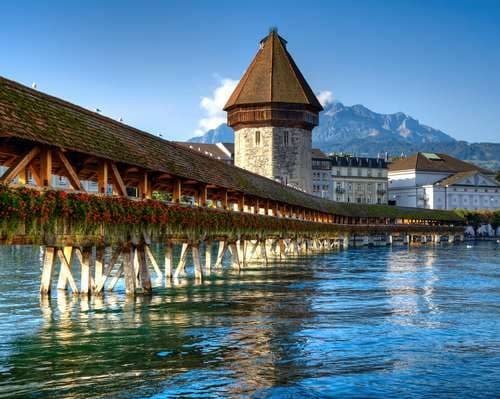
Wooden Bridge in Lucerne
Italy · Austria · Germany · …

Chocolates and Cappuccino

Venice · Salzburg · Garmisch-Partenkirchen · Lucerne · Lake Maggiore

See itinerary
Vienna
Germany · Austria

The Sound of Music

Munich · Innsbruck · Salzburg · Vienna

See itinerary
From the Tour Directors

Tour Director lectures about Salzburg

See all →
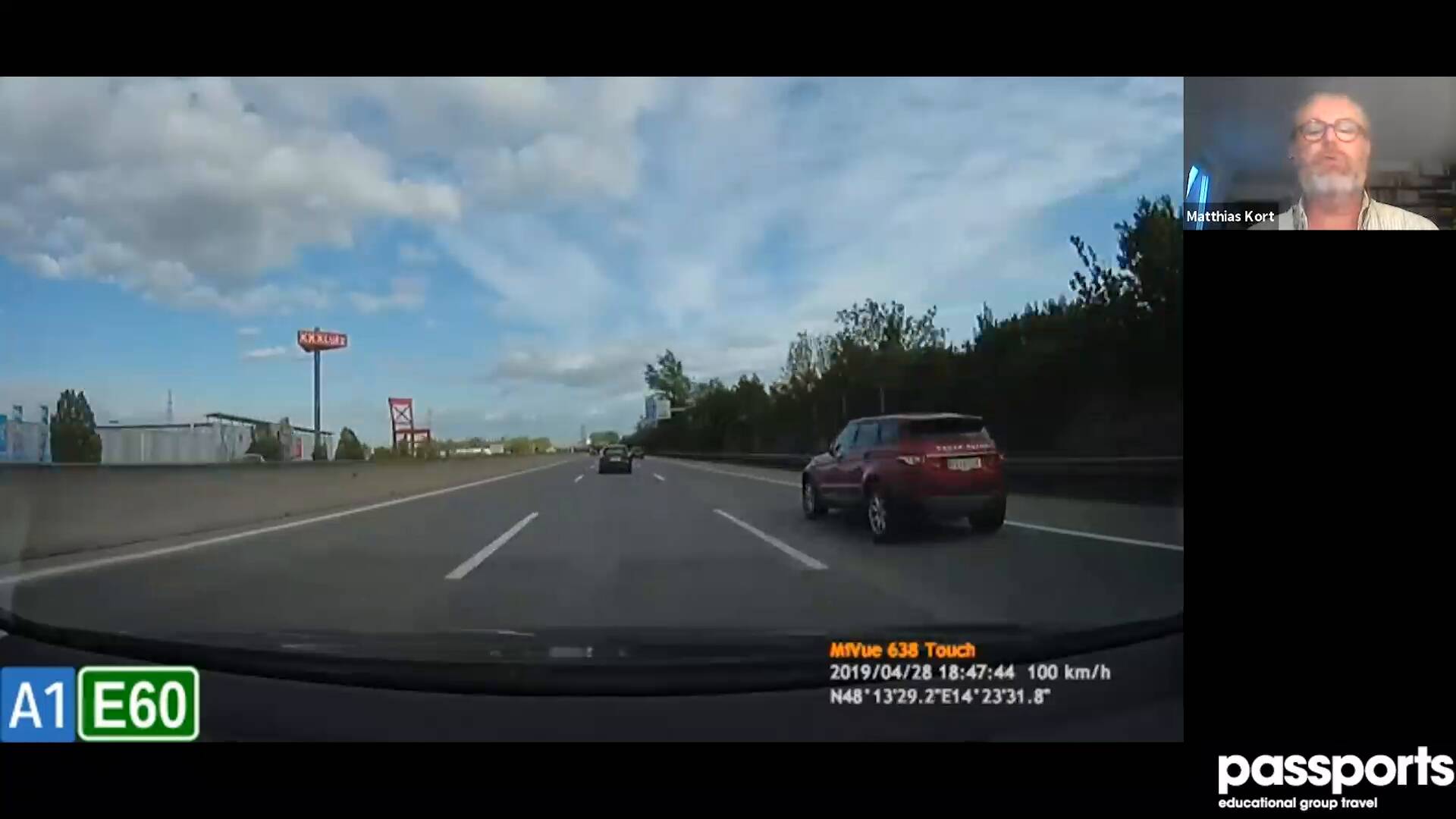
Along the Danube: Salzburg and Vienna — Passports Tour Director lecture
Matthias KortGermany

Along the Danube: Salzburg and Vienna

Watch lecture
From our blog

Blog posts about Salzburg

See all →
Walking Tour of Salzburg | A Melodious Adventure
destinations

Walking Tour of Salzburg | A Melodious Adventure

Salzburg's top landmarks come alive on a Passports walking tour — from Mozart's birthplace on Getreidegasse to Hohensalzburg Fortress and the first Baroque cathedral north of the Alps

Read post
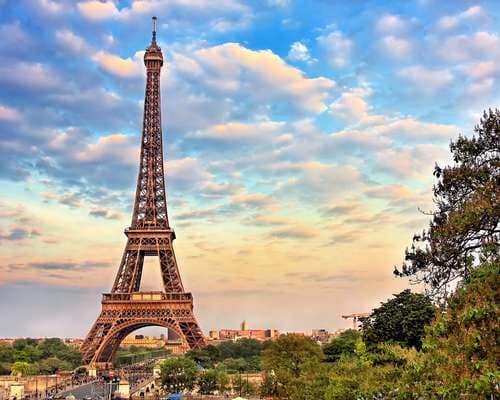
Paris
travel inspiration

How to Choose the Right Destination for Your Student Tour

Whether your educational goals are historical, linguistic, cultural, charitable or a combination, Passports has the right tour for you and your students.

Read post
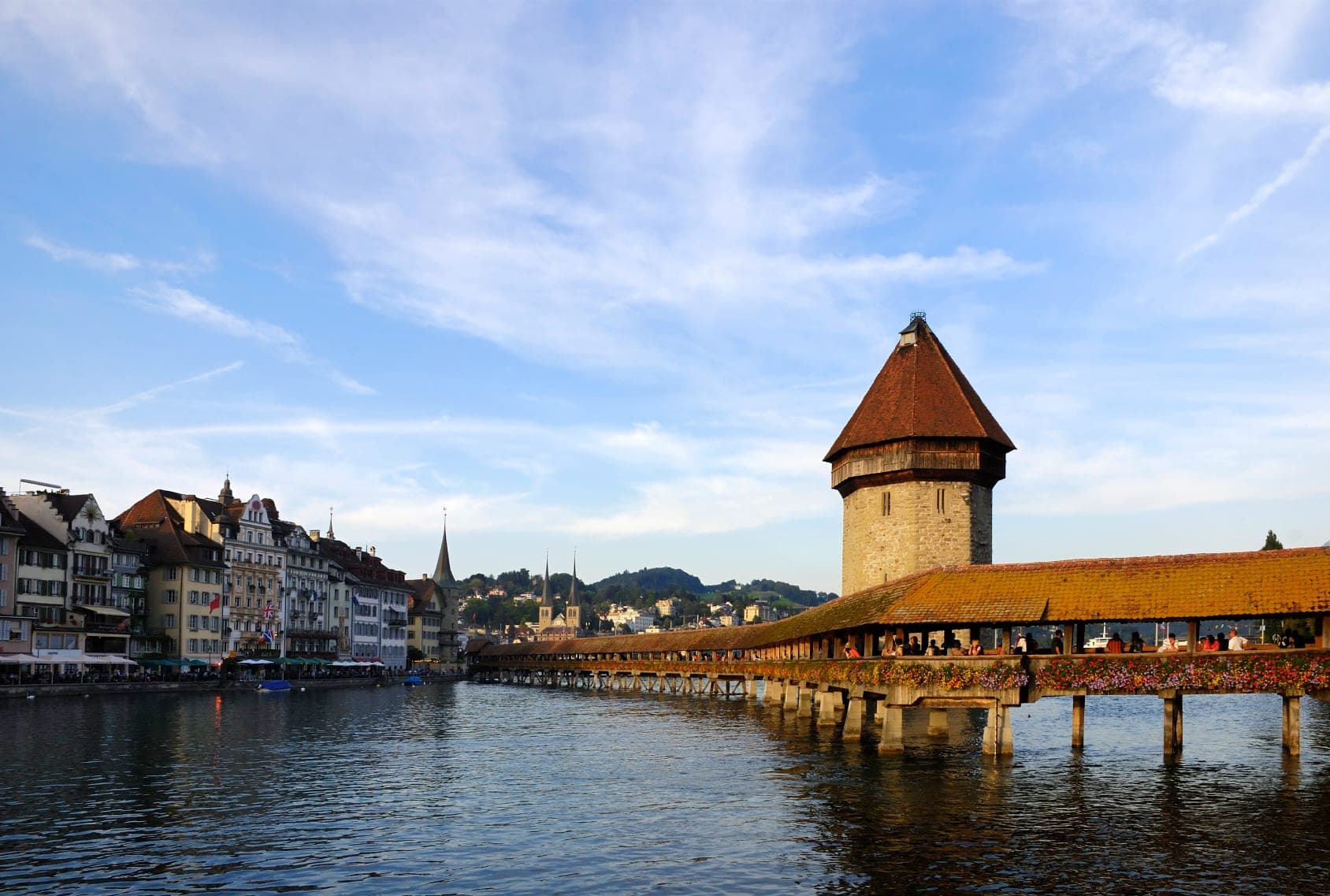
Chapel Bridge, Lucerne
travel inspiration

Tour Spotlight: Chocolates and Cappuccino

Visit Juliet's balcony and Mozart's birthplace. Slide down a chute into a mine to explore its dark underground chambers. Enjoy a morning excursion to the top of the world, with an ascent to the summit of Mt. Pilatus 7,00

Read post
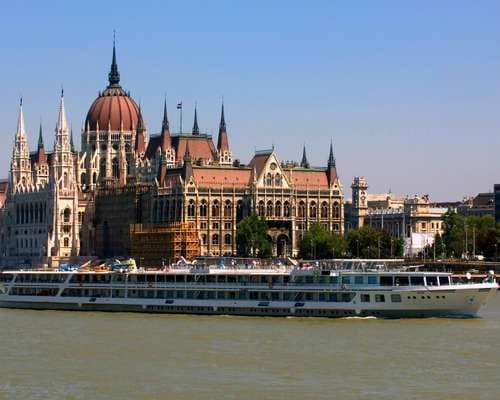
Budapest Parliament
travel inspiration

Hidden Gems Along the Danube

Matthias is one of the very most popular tour leaders our company has ever worked with. Join him <i>Along the Danube</i>.

Read post
On the ground

More places in Austria

Country guide: Austria →
Floating opera stage on Lake Constance with Alpine peaks rising above Bregenz, Austria

Bregenz, Austria

Bregenz student group travel for teachers: Lake Constance, floating opera stage, and Alpine Austria on teacher-led high school group trips and school tours.

Pastel Old Town buildings of Innsbruck framed by snow-capped Nordkette Alps in Tyrol Austria

Innsbruck, Austria

Innsbruck student group travel for teachers: Hapsburg history, baroque streets, and Tyrolean Alps anchor educational tours and high school group trips.

Schönbrunn Palace and formal gardens with the Gloriette on the hill in Vienna Austria

Vienna, Austria

Vienna student group travel for teachers: Hapsburg palaces, classical music, and imperial history on teacher-led educational tours and high school group trips.

Bring your group to Salzburg, Austria.

Every Passports trip is built around a teacher and a group — from first itinerary sketch to the last day on the ground. Tell us what you have in mind and we’ll take it from there.

Plan a trip