- RegionEure (Normandy), France
- LanguageFrench
- CurrencyEuro (EUR)
- Best seasonMay - Jun, Sep - Oct
- TimezoneCentral European Time (UTC+1)
A quick introduction
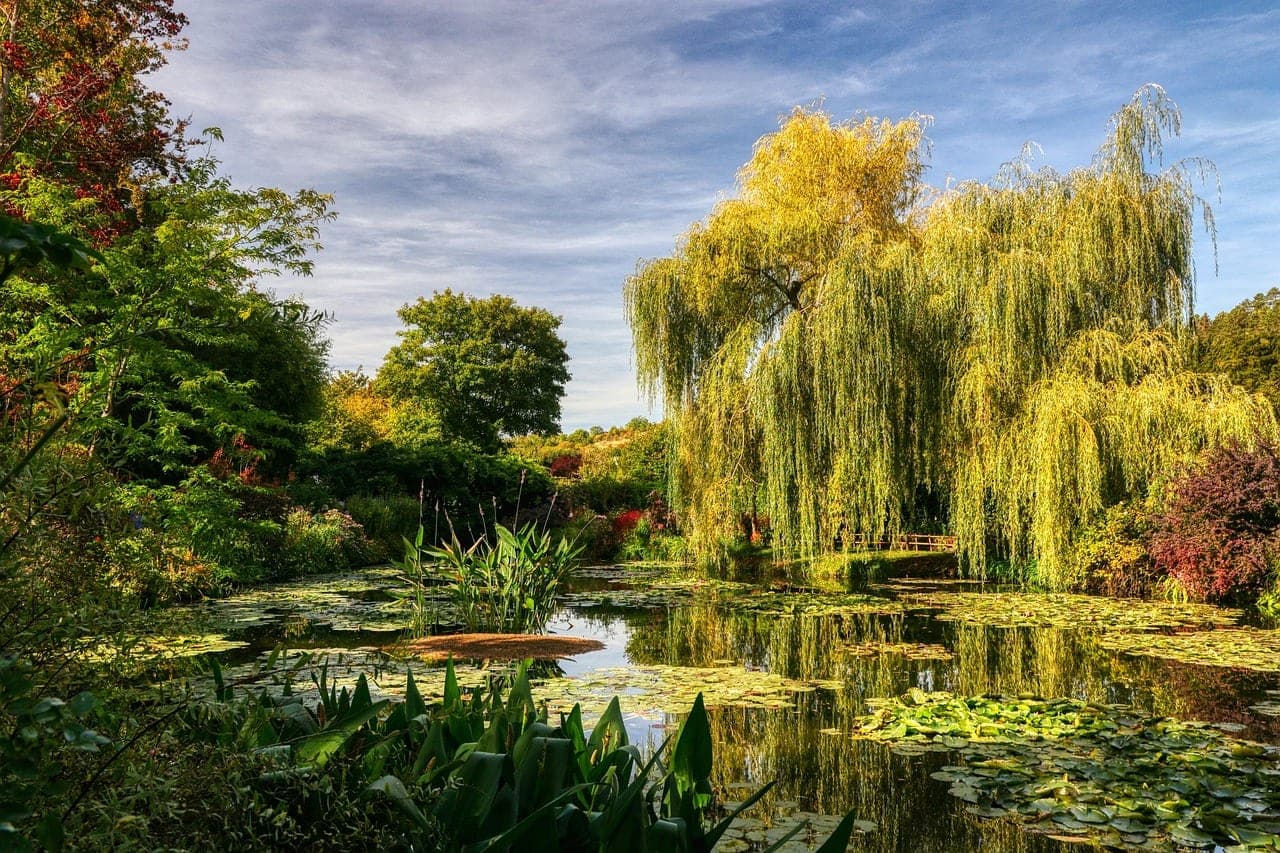
Vernon is a 25,000-person Norman town on the Seine, 80 km northwest of Paris by rail. The town itself is a quiet half-timbered Norman bourg — a 12th-century collegiate church, a working medieval water mill on the Seine bridge pylons, a small old town — but the reason any school group comes to Vernon is the village four kilometers up the road on the other bank: Giverny, where Claude Monet bought a house in 1883, dug the water-lily pond, painted his last 30 years of canvases, and turned the gardens into a working studio.
For a student group, Vernon-Giverny is the cleanest single Impressionism stop in France. Monet's house and gardens are a walking lesson in the paintings on the Musée d'Orsay walls; the Musée des Impressionnismes 200 meters away covers the broader Giverny artist colony (an American expat community at its peak around 1900); and the whole site sits 45 minutes from Paris by direct train. A Vernon stop pairs cleanly with a Paris leg of educational travel, and Monet at Giverny is the rare art-history visit where the original site — not the paintings — is the experience.
Top things to see and do


When to go
- Apr - Jun — peak garden window
Daytime highs 14-22°C, the Giverny gardens at full bloom from late April (tulips) through June (irises, roses, water lilies starting). The classic — and busiest — window for educational travel to Giverny.
- Jul - Aug — peak heat, peak crowds
Daytime highs 21-26°C and Giverny full of European day-trippers from Paris by 11 AM. Workable for a summer student group trip.
- Sep - early Oct — second sweet spot
Late-blooming dahlias and asters take over the Clos Normand, light goes amber, temperatures back to 13-19°C, and the crowds drop sharply after the French rentrée. School group tours that travel mid-September get the gardens at their quietest after the spring rush.
- Nov - Mar — Giverny closed
Monet's house and gardens close from November 1 to March 31 every year. Vernon itself stays open year-round and the Norman countryside is striking in winter, but the reason to come (Giverny) is shut. Plan around it.
Food and culture

Camembert de Normandie
Real Camembert (the AOP version) is made from raw milk in Norman villages two hours west. The supermarket version is fine; a hand-ladled wheel from a fromagerie on Rue d'Albuféra is a different food entirely.

Galette de pommes
The standard Norman apple tart — thin-sliced apples on a shortcrust shell, glazed. Sold by the slice at every bakery in Vernon and Giverny; the easy student-group dessert.

Cidre brut
Normandy is apple country. A traditional Norman lunch comes with cidre brut (dry cider) for the over-21 chaperones and a sweet cidre doux without alcohol for the rest of the group. Sold at every restaurant in Giverny.

Tarte Normande
The richer Norman cousin to galette de pommes — apples baked into a custard-and-almond cream filling. A standard end-of-meal at the Giverny lunch spots.

Pont-l'Évêque
The other great Norman cow cheese — square, soft, washed-rind, pungent. Older than Camembert (12th century vs. 18th); served with a slice of nut bread as a cheese course.
What to pack
- Documents
Passport valid 6+ months past travel date, two printed copies (one for the student, one for the Tour Director's file), insurance card, and the Passports group packet. No visa required for US citizens on a stay under 90 days in the Schengen area.
- Clothing
Layers — Norman weather flips fast off the Seine and the Giverny gardens are exposed. A light scarf or shoulder cover for the collegiate church visit. A warm sweater for the morning Seine quays even in July.
- Footwear
Broken-in walking shoes with real soles. The Giverny garden paths are gravel, the Vernon old-town streets are cobbled, and a student group will log 8,000-10,000 steps a day. Do not buy new shoes for the trip.
- Rain layer
Normandy averages rain 12-15 days a month outside summer. A packable rain shell or compact umbrella in the daypack from October through May, and the Giverny gardens stay open in light rain (one of the prettier moments to see them).
- Tech
France uses Type C / E plugs (European two-prong) — bring a universal adapter. A portable battery earns its weight on Giverny days when the group is off-coach for hours. T-Mobile and Google Fi work out of the box.
- Extras
A small daypack for the Giverny visit, a reusable water bottle (Vernon tap water is excellent), sunscreen May through September, and a fabric tote for the Saturday Place de Gaulle market.
Is it safe?
Yes. France's US State Department rating is Level 2 ("exercise increased caution") — the same band as Italy, the UK, and Germany — and the elevated level reflects generic European terrorism risk, not anything specific to Vernon or Normandy. Vernon is a quiet Norman town in one of the safest départements in France (Eure); violent crime against travelers is essentially non-existent. The realistic risk is opportunistic pickpocketing inside the Giverny visitor crowds on summer weekends and at Vernon-Giverny train station on Paris-arrival mornings.
On a Passports teacher-led trip the group is never on public transport alone, the Tour Director runs a pickpocket-awareness briefing on the first evening, and every hotel is pre-vetted for 24-hour reception and secure room storage. We operate a 24/7 emergency line out of Boston, keep parents on a daily-update channel, and have English-speaking medical contacts in every city we visit. For most teachers running their first school group tours to France, Vernon-Giverny is the easiest possible introduction to French educational travel.
Practical tips
- Giverny is closed November through March
Monet's house and gardens shut entirely from November 1 to March 31. Plan the Vernon stop inside that window only if the group has another reason to be there; otherwise build the trip around the April-October open season.
- Vernon is a 45-minute train ride from Paris
Direct trains from Paris Saint-Lazare to Vernon-Giverny run hourly and take 45-50 minutes. Most school groups day-trip from Paris; an overnight in Vernon is rarely necessary.
- Get to Giverny at opening
The gardens open at 9:30 AM. The first 90 minutes are essentially uncrowded; by 11 the bus tours from Paris start arriving and the Japanese-bridge photo line stretches 20 minutes. The Tour Director schedules the first shuttle.
- French is the working language
Service-industry English is widely available at the Giverny visitor center and shop; the gallery and museum signage is bilingual. A bonjour on the way into a shop and a merci on the way out go a long way — a useful classroom moment for French students on a school group tour.
- Cards work, small cash helps in Vernon
Contactless is near-universal at Giverny. Carry a bit of cash for the Saturday Place de Gaulle market in Vernon, the smaller bakeries, and the church donation boxes.