Destination

Tours, France

Tours student group travel for teachers: the Loire Valley capital, Saint-Gatien cathedral, and Place Plumereau on teacher-led tours of central France.

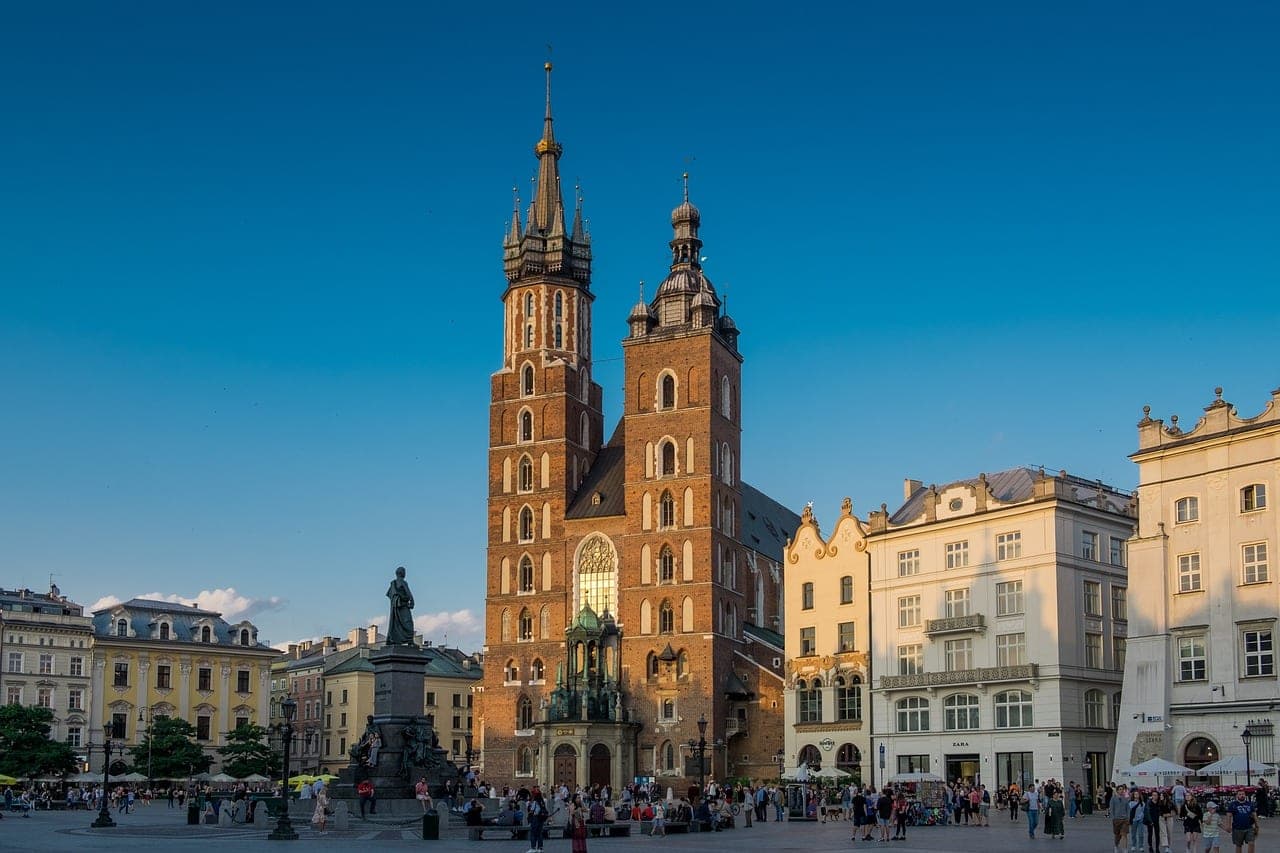
Twin towers and Flamboyant Gothic facade of the Cathédrale Saint-Gatien de Tours, Loire Valley
On this page
  • Where Tours sits on the Loire and why it is the natural base for a Loire Valley itinerary
  • Six sights worth planning around — Saint-Gatien, Place Plumereau, the old town, the Loire quays
  • What to eat: rillettes de Tours, sandre, fromage Sainte-Maure, nougat de Tours, Vouvray
  • When to go, what to pack, and whether Tours is safe for a high school group trip
  • Practical logistics for teachers — coach drops, the TGV from Paris, and the château day-trip loop
← All city guidesCountry guide: France
Plan a trip

A quick introduction

Tours is the historic capital of the Touraine, a 135,000-person city sitting between the Loire and the Cher, an hour southwest of Paris by TGV. It was the seat of Saint Martin (the 4th- century soldier-bishop who founded one of the first monasteries in Western Europe), the residence of French kings under Louis XI in the 15th century, and home to the most-spoken "standard" French in the country — parler de Tours is the dialect French schoolchildren are taught is the cleanest. The city center is walkable end-to-end in 25 minutes.

For a student group, Tours is the cleanest single Loire Valley base. The TGV link to Paris is fast (1h15), the Saint-Gatien cathedral and the Renaissance old town fill a day, and Chambord, Chenonceau, Amboise, and Villandry all sit inside an hour by coach. A two- or three-night Tours stop lets a teacher-led trip cover the central Loire châteaux without changing hotels and pairs cleanly with Paris on a longer educational tour.

Day by day

Top things to see and do

Cathédrale Saint-Gatien

Cathédrale Saint-Gatien

The Flamboyant Gothic cathedral that took 350 years to build (1170-1547) — Romanesque foundations, Gothic nave, Renaissance towers. The 13th-century stained glass in the choir survived both 1789 and 1944. Free entry; allow a slow 45 minutes.

Place Plumereau & Vieux Tours

Place Plumereau & Vieux Tours

The half-timbered medieval square at the heart of the restored old town — bars and cafés on every side, students filling it after dark. Walk the lanes around it (Rue du Grand Marché, Rue de la Rôtisserie) for the Renaissance house facades.

Basilique Saint-Martin

Basilique Saint-Martin

The 19th-century basilica built over the tomb of Saint Martin — patron saint of France and one of the most-visited pilgrimage sites in medieval Christendom. The original 11th-century basilica was destroyed in the Revolution; the two surviving towers (Tour Charlemagne, Tour de l'Horloge) stand in the streets two blocks away.

Château de Tours & city walls

Château de Tours & city walls

The 11th-century royal château on the Loire quay — modest compared with the Loire Valley châteaux up the river, but the single tour through Plantagenet-period rooms is a clean 30-minute add-on and the rampart walks here are free.

Loire River quays & Pont Wilson

Loire River quays & Pont Wilson

The 18th-century stone bridge across the Loire and the long paved quays on both banks. The classic late-afternoon walk; pairs with a guinguette (riverside café) drink for the chaperones at the Île Aucard sandbar in summer.

Château day-trip loop — Chenonceau, Amboise, Villandry

Château day-trip loop — Chenonceau, Amboise, Villandry

Tours is the natural base for a Loire châteaux loop. The Chenonceau-Amboise morning-and-afternoon split is the standard student-group sequence; Villandry's gardens and Chambord are alternatives if the group has already done Chenonceau elsewhere.

Weather by season

When to go

  • May - Jun — spring sweet spot

    Daytime highs 17-25°C, the Loire quays in full leaf, gardens at peak bloom (Villandry's vegetable plots are most photogenic in mid-June). The classic window for educational travel to the Loire.

  • Jul - Aug — peak heat, peak crowds

    Daytime highs 25-30°C and Chambord's parking lots full by 10:30 AM. Workable for a summer student group trip — Passports books the timed château slots when the group count locks; start at the gate when it opens.

  • Sep - Oct — shoulder-season gold

    The best window for teacher-led tours to the Loire. Vendanges across Vouvray and Chinon, light turning amber, temperatures back to 16-22°C, and the day-trip crowds dropping sharply after the first week of September.

  • Nov - Mar — quiet, atmospheric

    Daytime highs 7-12°C, occasional rain, and the châteaux genuinely empty. The cathedral runs floodlit projection shows on summer Saturday evenings. A workable interim-term or MLK-week student tours destination if the focus is interiors.

What to order

Food and culture

Rillettes de Tours

Rillettes de Tours

Slow-cooked pork shredded into its own fat, sealed in a crock, eaten cold with baguette. The Touraine charcuterie standard — coarser than the Le Mans version, browner from longer cooking. Sold by weight at every market in town.

Sandre au beurre blanc

Sandre au beurre blanc

Pike-perch from the Loire served with the beurre blanc sauce — butter, shallots, and Muscadet wine — that was invented down the river in Nantes. The defining freshwater- fish course of the valley.

Sainte-Maure de Touraine

Sainte-Maure de Touraine

The local AOP goat cheese — a long log with a straw running through the middle (to bind it as it ages), rolled in vegetable ash. Served warm on a salad or eaten cold with a slice of Vouvray; the standard cheese course at a Touraine bistro.

Nougat de Tours

Nougat de Tours

A 17th-century shortcrust tart filled with apricot jam and candied fruit, topped with a meringue-and-almond layer baked crisp. Has nothing to do with Provençal nougat candy. Sold by the slice at the better Tours pâtisseries.

Vouvray

Vouvray

The great Touraine white — Chenin Blanc grown on the chalk slopes of Vouvray ten kilometers east of town, made dry, semi-dry, sweet, or sparkling. For the over-21 chaperones; sparkling Vouvray-grape juice exists for the rest of the group at any tasting cellar.

Packing essentials

What to pack

  • Documents

    Passport valid 6+ months past travel date, two printed copies (one for the student, one for the Tour Director's file), insurance card, and the Passports group packet. No visa required for US citizens on a stay under 90 days in the Schengen area.

  • Clothing

    Layers — château interiors are cool stone year-round and the Loire quays cool off after dark even in July. Modest dress (shoulders and knees covered) for the cathedral and basilica visits. A light rain shell for spring and autumn.

  • Footwear

    Broken-in walking shoes with real soles. Chambord alone is a kilometer-long perimeter walk before you reach the door, and a student group on a two-château day will log 11,000-13,000 steps. Do not buy new shoes for the trip.

  • Rain layer

    The Loire catches Atlantic weather; April, May, October, and November all see frequent short showers. A packable rain shell or compact umbrella in the daypack from October through May.

  • Tech

    France uses Type C / E plugs (European two-prong) — bring a universal adapter. A portable battery earns its weight on two-château coach days. T-Mobile and Google Fi work out of the box; others should pick up an Orange or SFR eSIM at CDG or on arrival in Tours.

  • Extras

    A small daypack for château visits (most châteaux ask large bags to be checked), a reusable water bottle, sunscreen May through September, and a fabric tote for the Saturday Halles de Tours covered market.

The parent-meeting question

Is it safe?

Yes. France's US State Department rating is Level 2 ("exercise increased caution") — the same band as Italy, the UK, and Germany — and the elevated level reflects generic European terrorism risk, not anything specific to Tours or the Loire. Tours is a working university town and a safe European mid-sized city; violent crime against travelers is rare and the historic core sits at or below the French national average on the safety side. The realistic risk is opportunistic pickpocketing at Tours train station on TGV-arrival mornings and on the Place Jean-Jaurès bus interchange at rush hour.

On a Passports teacher-led trip the group is never on public transport alone, the Tour Director runs a pickpocket-awareness briefing on the first evening, and every hotel is pre-vetted for 24-hour reception and secure room storage. We operate a 24/7 emergency line out of Boston, keep parents on a daily-update channel, and have English-speaking medical contacts in the valley. For most teachers running their first school group tours to France, Tours feels easier than a domestic field trip — most days run between a single coach and a single château.

🛡️

Personal safety

Pickpocketing concentrates at Tours station and the Place Jean-Jaurès interchange. Cross-body bags in front, phones off café tables, Day 1 briefing. Hotels are vetted for 24-hour reception and in-room safes.

⚕️

Health & medical

Tap water is excellent across the Touraine. No special vaccines required beyond CDC routine. The CHRU de Tours (Trousseau and Bretonneau sites) runs 24-hour ERs to international standards, accepts US travel insurance, and is the regional referral hospital for serious cases across Centre-Val de Loire.

🚐

Roads & transport

Coach drops at the Boulevard Heurteloup or the Place Anatole-France stops; the cathedral and Vieux Tours are 5-10 minutes from either. Inter-château movement is on private coach with seatbelt-equipped vehicles. No students on Vélociti rental bikes or e-scooters at any point.

🌪️

Natural hazards

The valley sits in a low-seismic, low-storm zone. Practical concerns are summer heat (château mornings, garden afternoons), occasional Atlantic rain, and the Loire's flood-protection levees, which the Tour Director monitors during rare high-water events in late winter.

Practical tips

  • TGV from Paris is fast and frequent

    Paris-Montparnasse to Tours in 1h15 — 12-15 trains a day. Many groups use Tours as a one- or two-night Loire base after a Paris leg; the TGV link is the cleanest way to switch between the two cities for a teacher-led trip.

  • Two châteaux a day is the maximum

    A Chenonceau-and-Amboise morning-and-afternoon split is the standard. Three is too many for a high school group trip — the details start to blur and the coach time eats the day.

  • The Halles de Tours covered market is the food anchor

    Open daily except Monday morning — fish, charcuterie, cheese, pastry under one roof, two blocks from the cathedral. The right place for a student group's free hour before lunch and the sensory anchor of the city.

  • French is the working language, the Touraine French is the cleanest

    Tours has an unusual reputation in France for speaking the most "standard" French — parler de Tours is what schoolchildren elsewhere are taught is the cleanest French. A useful classroom moment for French students on a school group tour. Bonjour and merci go a long way.

  • Cards work, small cash helps at the markets

    Contactless is near-universal. Carry a bit of cash for the Saturday Halles de Tours, the rillettes-and-Sainte-Maure stalls, and the small farm stands along the country roads out to the châteaux.
Five facts

Good to know

Saint Martin invented the Western monastery

The 4th-century Roman soldier turned bishop founded Marmoutier on the Loire in 372 — one of the first Christian monasteries in Western Europe. His tomb in Tours was the most-visited pilgrimage site in medieval France until the Revolution destroyed the original basilica.

⚔️

Charles Martel stopped the Moors here

The Battle of Tours (October 732) — Frankish forces under Charles Martel halted the Umayyad advance into western Europe somewhere between Tours and Poitiers. Often cited as the battle that defined the religious shape of Europe.

🪟

The cathedral has 13th-century glass

The 13th-century stained-glass cycle in the choir survived both the Revolution (1789-1799) and the WWII bombing (June 1940). One of the most complete 13th-century glass programs left in any French cathedral.

👑

Louis XI made Tours the capital

Louis XI moved the royal court to nearby Plessis-lez-Tours in the 1460s and Tours became, briefly, the political center of France. The French silk industry was founded here under his reign and ran as the city's main industry until the 19th century.

✒️

Honoré de Balzac was born here

The novelist Balzac was born at 39 Rue Nationale in 1799. The street is now the city's main shopping spine and the house is open as a small literary museum.

Classroom material

Lesson plans about Tours

See all →
FranceHistoryGrade 11-12

Frankish Gaul (486-987): The Battle of Tours 732 CE

Through an in-depth analysis of various primary and secondary sources including excerpts from contemporary accounts on both sides of the conflict, students in this lesson will identify, understand and be able to explain the importance of th…

View lesson
Holy LandhistoryGrade 11-12

Islam: Story of Muhammad

Through the investigation of selected writings and various electronic resources, including primary and secondary sources from across the Islamic world, students in this lesson will identify, understand and be able to explain in detail the s…

View lesson
Holy LandhistoryGrade 9-12

Islam: The Five Pillars

Through the investigation of selected writings and various electronic resources, including primary and secondary sources from across the Islamic world, students in this lesson will identify, understand and be able to explain in detail the F…

View lesson
On the ground

More places in France

Country guide: France →
Moss-draped thermal fountain on Cours Mirabeau in Aix-en-Provence

Aix-en-Provence, France

Aix-en-Provence student group travel for teachers: Cézanne's studio, Provencal markets, and educational tours for teacher-led French high school group trips.

Ajaccio harbor and Corsican mountains across the Mediterranean

Ajaccio, France

Ajaccio student group travel for teachers: Napoleon's Corsican birthplace, Mediterranean coast, and educational tours for teacher-led French high school trips.

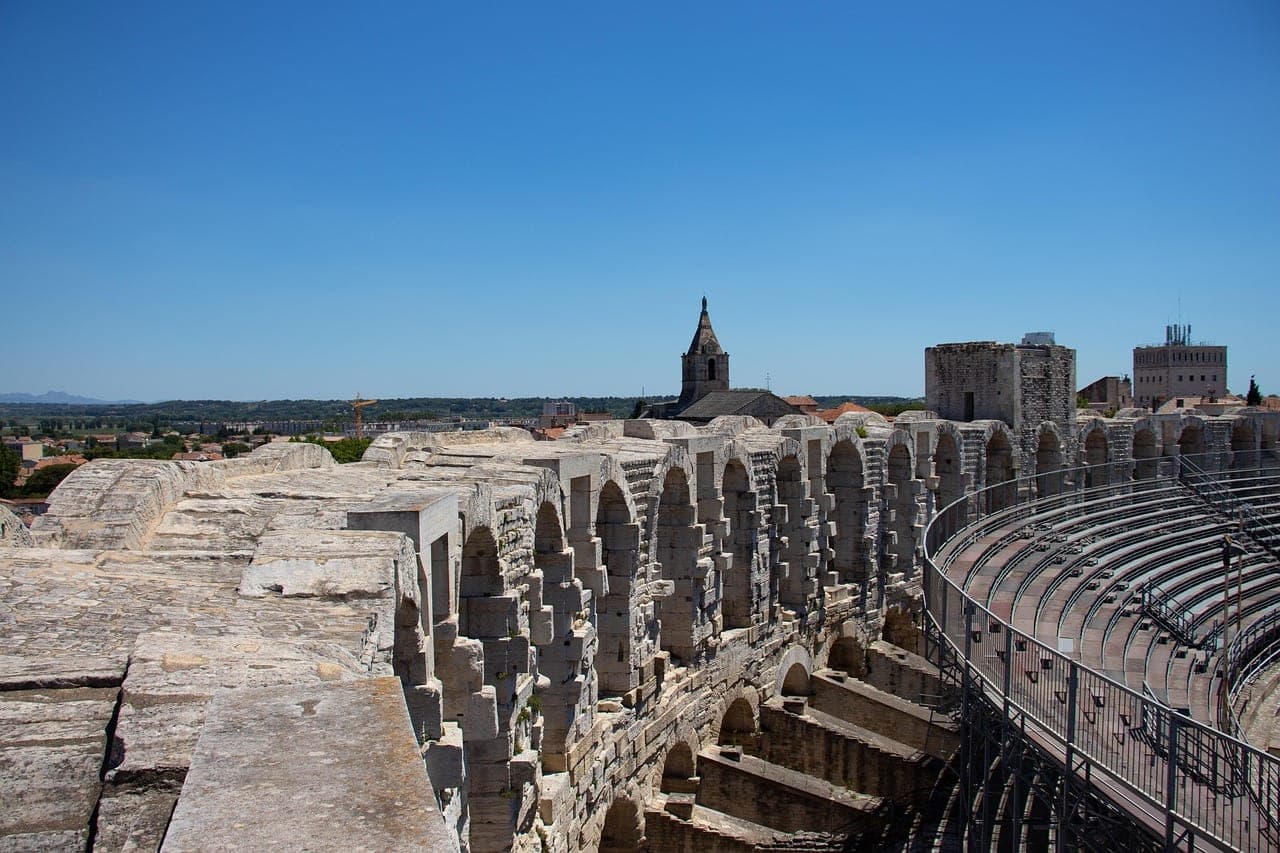
Roman amphitheater in Arles lit at dusk amid Provencal rooftops

Arles, France

Arles student group travel for teachers: Roman ruins and Van Gogh's Provence on teacher-led educational tours and high school group trips in art and history.

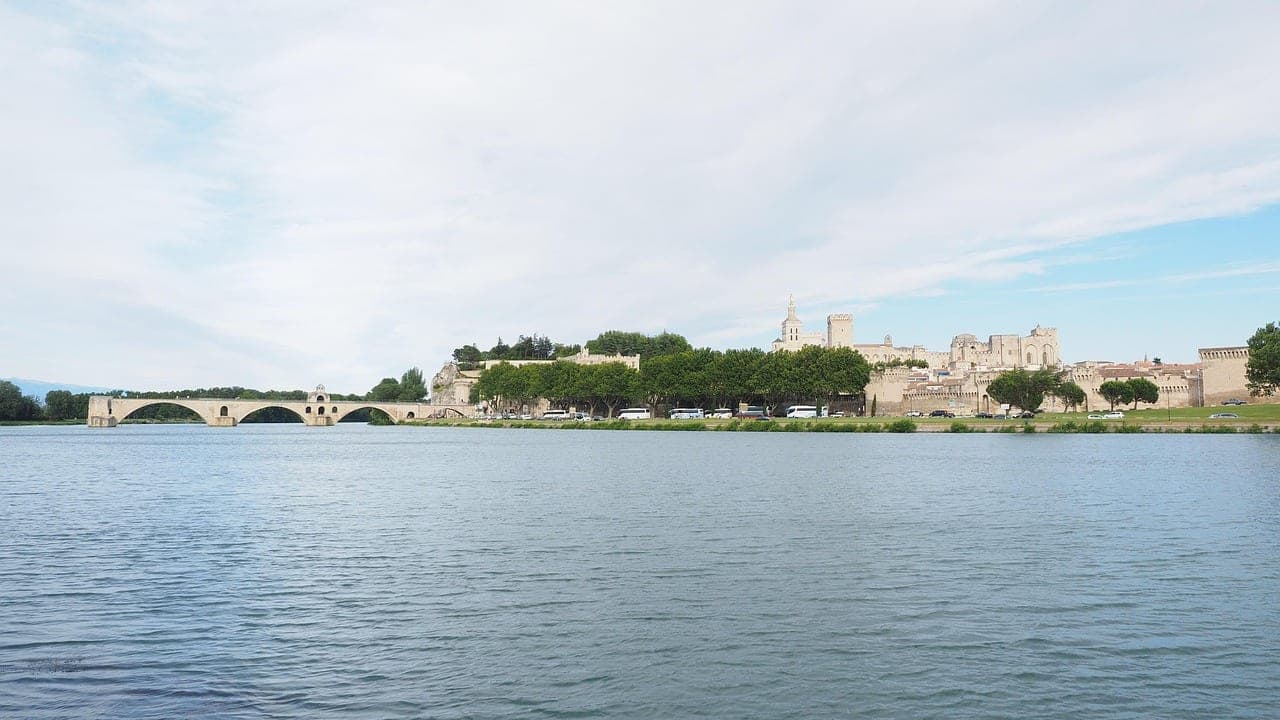
Pont d'Avignon and the Papal Palace fortress walls above the Rhône River in Provence

Avignon, France

Avignon student group travel for teachers: the Papal Palace, Pont d'Avignon, and Provençal history on teacher-led school group tours through southern France.

Grande Plage beach and Atlantic surf below the Belle Époque hotels of Biarritz, France

Biarritz, France

Biarritz student group travel for teachers: Basque coast, Belle Époque seafront, and Pyrénées day trips on teacher-led educational tours in southern France.

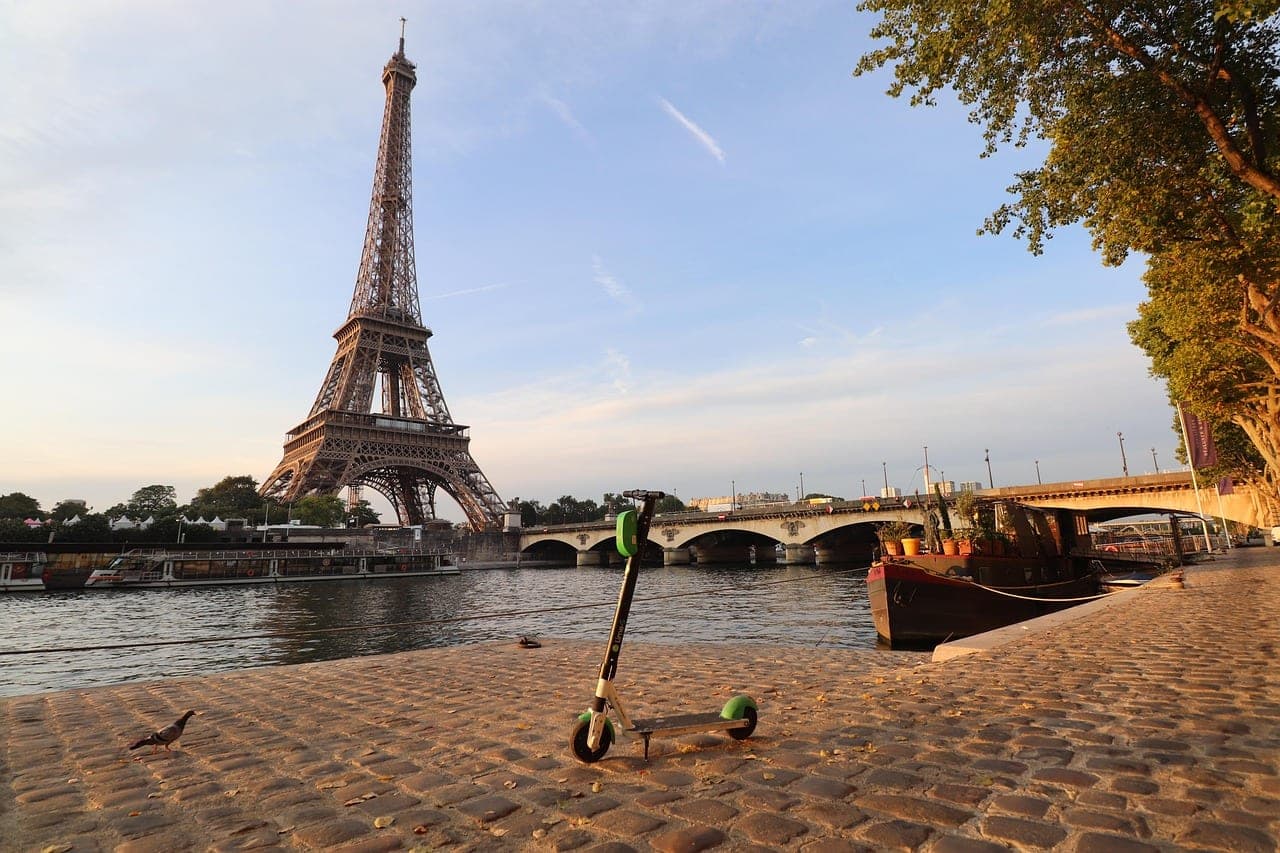
The Eiffel Tower above the Seine at golden hour, Paris's iconic skyline

Paris, France

Paris student group travel for teachers: Louvre, Eiffel Tower, Versailles, and the curriculum behind teacher-led trips and educational tours.

Free · No commitment

Get a free, no-hassle quote.

Just your name and email. A Tour Advisor follows up with pricing and options for your group — no obligation, no deposit.

No commitment. A Tour Advisor follows up with pricing and options — we never share your info.

Bring your group to Tours, France.

Every Passports trip is built around a teacher and a group — from first itinerary sketch to the last day on the ground. Tell us what you have in mind and we’ll take it from there.

Plan a trip