Destination

Sarlat-la-Canéda, France

Sarlat-la-Canéda student group travel for teachers: a medieval Dordogne town of foie gras, truffles, and walnut groves on teacher-led educational tours.

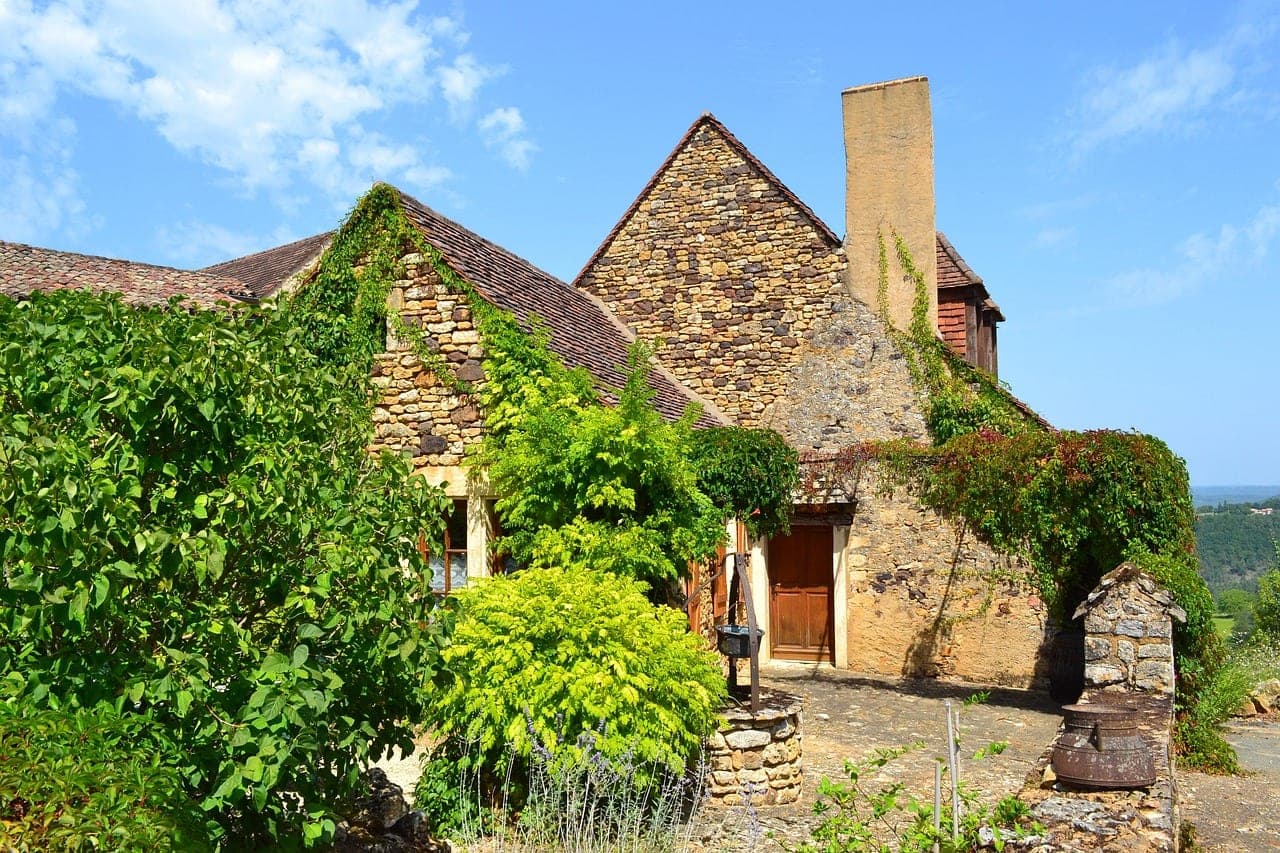
Honey-colored medieval stone facades of Sarlat-la-Canéda in the Dordogne, southwestern France
On this page
  • Where Sarlat sits in the Dordogne and why it is the best-preserved medieval town in France
  • Six sights worth planning around — the old town, the cathedral, the market, Beynac, Lascaux IV
  • What to eat: foie gras, magret de canard, walnut tart, truffles, and the Saturday market lunch
  • When to go, what to pack, and whether Sarlat is safe for a high school group trip
  • Practical logistics for teachers — coach drops, the Vézère caves day trip, and the Saturday market
← All city guidesCountry guide: France
Plan a trip

A quick introduction

Sarlat-la-Canéda is a 9,000-person medieval town in the Périgord Noir, the wooded southeastern corner of the Dordogne département, halfway between Bordeaux and Cahors. It is the best-preserved medieval-and-Renaissance town in France — the 1962 Malraux Law (which created the secteur sauvegardé historic-zone protection) was written largely to save Sarlat. The honey-colored Périgord limestone of every facade in the old town is the same stone that the prehistoric painters of the Vézère caves carved 30 km north.

For a student group, Sarlat is the working capital of one of the most teachable corners of France. The medieval town walks in a morning, the Saturday market is a sensory anchor for the food curriculum (foie gras, walnut tart, truffles, duck confit), and the Vézère valley caves — including Lascaux IV, the most ambitious replica of the original Lascaux paintings — are 30 minutes north. Pair Sarlat with Bordeaux on a southwestern France leg of an educational tour for a clean two-region split.

Day by day

Top things to see and do

Sarlat old town walk

Sarlat old town walk

Two hours, end to end. Start at Place de la Liberté, walk Rue des Consuls past the Hôtel de Maleville, climb to the Lanterne des Morts behind the cathedral, drop down through Rue Jean- Jacques Rousseau. Every facade is 13th-16th century.

Cathédrale Saint-Sacerdos

Cathédrale Saint-Sacerdos

The town cathedral — Romanesque foundations, Gothic upper church, baroque organ. Free to enter, 20 minutes inside. The Lanterne des Morts in the garden behind is a 12th-century conical funeral tower unique to southwestern France.

Saturday market on Place de la Liberté

Saturday market on Place de la Liberté

The defining Sarlat experience — Saturday morning the entire old town becomes a market. Foie gras, truffles in season (December-February), walnuts, walnut oil, farmhouse cheese, duck confit by the kilo. Tour Director plans a free hour around it.

Château de Beynac

Château de Beynac

Twenty minutes south by coach. The 12th-century cliff-top castle on the Dordogne — once held by Richard the Lionheart, the model for the medieval-village backdrop of countless films. The walk up from the village below is steep but short; the river view from the keep is the photo of the day.

Lascaux IV — the cave painting replica

Lascaux IV — the cave painting replica

Forty-five minutes north. The original Lascaux cave (closed to visitors since 1963) is reproduced full-scale at Lascaux IV — a €57M facsimile that opened in 2016. A clean two-hour visit and the deepest single Paleolithic art experience available to a student group anywhere in Europe.

La Roque-Gageac & Dordogne river

La Roque-Gageac & Dordogne river

Twenty minutes south. The honey-stone village built into the base of a cliff on the Dordogne — one of the Plus Beaux Villages de France. A traditional flat-bottomed gabarre boat ride downstream from here past Beynac and Castelnaud castles is the classic Dordogne-river hour.

Weather by season

When to go

  • May - Jun — spring sweet spot

    Daytime highs 18-25°C, the Périgord countryside green and flowering, long daylight. The classic window for educational travel to the Dordogne. Coach traffic builds steadily through June but never reaches the Provence-coast levels.

  • Jul - Aug — peak heat, peak crowds

    Daytime highs 27-32°C and the old town full of European road- trippers from mid-morning. Workable for a summer student group trip —start the medieval town walk at 8:30 — but the shoulder seasons read better.

  • Sep - Oct — shoulder-season gold

    The best window for teacher-led tours to Sarlat. Vendanges in the Bergerac vineyards, the walnut harvest in mid-October, light turning amber over the Dordogne, and temperatures back to 16-22°C. School group tours that travel late September get the best version of the region.

  • Nov - Mar — quiet, truffle season

    Daytime highs 8-12°C, occasional rain, and the December- February black-truffle market on Saturday mornings — one of the highest-payoff food experiences in France. Some boat operators close November-March. A workable interim-term student tours destination.

What to order

Food and culture

Foie gras

Foie gras

The defining Périgord product — duck or goose liver, served cold in a slab on toast as a starter, or warm in a pan-seared escalope. The half of the group that orders it will remember it; expect a small ethical conversation back at the dinner table.

Magret de canard

Magret de canard

The duck-breast main course — pan-seared, sliced, served pink with a fruit reduction or a peppercorn sauce. Served at every restaurant in town and the cleanest entry point into Périgord cooking for a hesitant student.

Truffes du Périgord

Truffes du Périgord

The black truffle that runs December through February. Sold at the Saturday morning truffle market on Place Boissarie, in season; a few grams shaved over scrambled eggs is the standard teaching demonstration.

Walnut tart & walnut oil

Walnut tart & walnut oil

Périgord black walnuts go into a thick caramel-and-walnut tart that ends every traditional Sarlat meal. The local cold-pressed walnut oil — drizzled on a green salad — is a souvenir buy that travels well.

Pommes sarladaises

Pommes sarladaises

Thinly sliced potatoes pan-fried slowly in duck fat with garlic and parsley — the Sarlat side dish that goes with every magret. Often the best thing on the plate.

Packing essentials

What to pack

  • Documents

    Passport valid 6+ months past travel date, two printed copies (one for the student, one for the Tour Director's file), insurance card, and the Passports group packet. No visa required for US citizens on a stay under 90 days in the Schengen area.

  • Clothing

    Layers — even in summer the cave temperatures inside Lascaux IV run 13°C year-round. Modest dress (shoulders and knees covered) for the cathedral and chapel visits. A light scarf for the cooler-season evenings.

  • Footwear

    Broken-in walking shoes with real soles. The old town is cobbled, the climb to Beynac castle is steep, and a student group will log 9,000-11,000 steps a day even on a single- city itinerary. Do not buy new shoes for the trip.

  • Rain layer

    The Dordogne catches Atlantic weather; spring and autumn see sudden short showers. A packable rain shell or compact umbrella in the daypack from October through May.

  • Tech

    France uses Type C / E plugs (European two-prong) — bring a universal adapter. A portable battery earns its weight on Lascaux days when the group is away from coach charging for hours. T-Mobile and Google Fi work out of the box.

  • Extras

    A small daypack for cave-and-castle days, a reusable water bottle, sunscreen May through September, and a fabric tote for the Saturday market and the Wednesday smaller market.

The parent-meeting question

Is it safe?

Yes. France's US State Department rating is Level 2 ("exercise increased caution") — the same band as Italy, the UK, and Germany — and the elevated level reflects generic European terrorism risk, not anything specific to Sarlat or the Dordogne. The Périgord is rural and small-town France; violent crime against travelers is essentially non-existent and the regional crime profile sits well below the French national average. The realistic risk is opportunistic pickpocketing in the Saturday market crowds and at the Sarlat train station on weekend mornings.

On a Passports teacher-led trip the group is never on public transport alone, the Tour Director runs a pickpocket-awareness briefing on the first evening, and every hotel is pre-vetted for 24-hour reception and secure room storage. We operate a 24/7 emergency line out of Boston, keep parents on a daily-update channel, and have English-speaking medical contacts in the Périgord. For most teachers running their first school group tours to France, Sarlat feels easier than a domestic field trip.

🛡️

Personal safety

Pickpocketing concentrates in the Saturday market crowds. Cross-body bags in front, phones off café tables, Day 1 briefing. Hotels are vetted for 24-hour reception and in-room safes.

⚕️

Health & medical

Tap water is excellent across the Dordogne. No special vaccines required beyond CDC routine. The Centre Hospitalier de Sarlat runs a 24-hour ER to international standards and accepts US travel insurance; serious cases route 75 km west to the Périgueux regional hospital.

🚐

Roads & transport

Coach drops at the Place du 14 Juillet just outside the old town walls. Beynac, La Roque-Gageac, and Lascaux IV all reach by private coach with seatbelt-equipped vehicles. No students on rental bicycles or e-scooters at any point.

🌪️

Natural hazards

The Périgord sits in a low-seismic, low-storm zone. Practical concerns are summer heat (cave-and-castle mornings, shade afternoons) and occasional Atlantic rain — neither disrupts a well-planned student group itinerary.

Practical tips

  • Sarlat is a food trip first, history second

    The Saturday market is the single highest-payoff cultural experience in town. Plan a Saturday-morning arrival, a free hour at the market, and a menu du marché lunch at one of the bistros on Place de la Liberté.

  • Lascaux IV needs a half-day, not 90 minutes

    Allow three hours: the timed-entry replica cave, the interpretation gallery, the cinema. Cutting it short shortchanges the second half, which is where the curricular payoff lives for a teacher-led trip.

  • Beynac and La Roque-Gageac are a half-day loop

    Twenty minutes south by coach, both walkable. The classic sequence is the Beynac castle climb, lunch in the village, then the gabarre boat ride from La Roque-Gageac downstream past Castelnaud.

  • French is the working language

    Many Périgord locals over 60 still speak Occitan at home; under 60 it's French. Service-industry English is widely available in tourist-zone restaurants. A bonjour on the way into a shop and a merci on the way out go a long way — a useful classroom moment for French students on a school group tour.

  • Cards work, small cash helps at the market

    Contactless is near-universal at restaurants and hotels. Carry €40-50 in small bills for the Saturday market — the foie gras, walnut, and farmhouse-cheese stalls are mostly cash.
Five facts

Good to know

🛡️

Sarlat is why France protects its old towns

The 1962 Malraux Law — the legal instrument that protects secteurs sauvegardés across France — was written directly in response to Sarlat's near-demolition in the 1950s. The restored old town is the original test case.

🦬

Lascaux's original cave is closed forever

The original Paleolithic paintings were closed to visitors in 1963 because human breath and body heat were destroying them. Lascaux IV is the fourth full replica generation; lit, scaled, and angled to match the originals exactly.

🦆

Foie gras is a Périgord legal protection

Foie gras has been a Périgord product since the Roman period; the IGP (Indication Géographique Protégée) labeling protects both the region and the production method. Modern controversy lives in the same conversation as the legal protection.

✒️

Étienne de La Boétie was born here

The 16th-century philosopher and Montaigne's closest friend. His birthplace on Rue de la République (Hôtel de La Boétie) is one of the showpiece Renaissance facades in the old town.

🌰

The walnut grove is older than Roman

Périgord walnuts (AOP since 2002) have been cultivated here since the Iron Age. About 50% of French commercial walnut production still comes from this corner of the Dordogne.

On the ground

More places in France

Country guide: France →
Moss-draped thermal fountain on Cours Mirabeau in Aix-en-Provence

Aix-en-Provence, France

Aix-en-Provence student group travel for teachers: Cézanne's studio, Provencal markets, and educational tours for teacher-led French high school group trips.

Ajaccio harbor and Corsican mountains across the Mediterranean

Ajaccio, France

Ajaccio student group travel for teachers: Napoleon's Corsican birthplace, Mediterranean coast, and educational tours for teacher-led French high school trips.

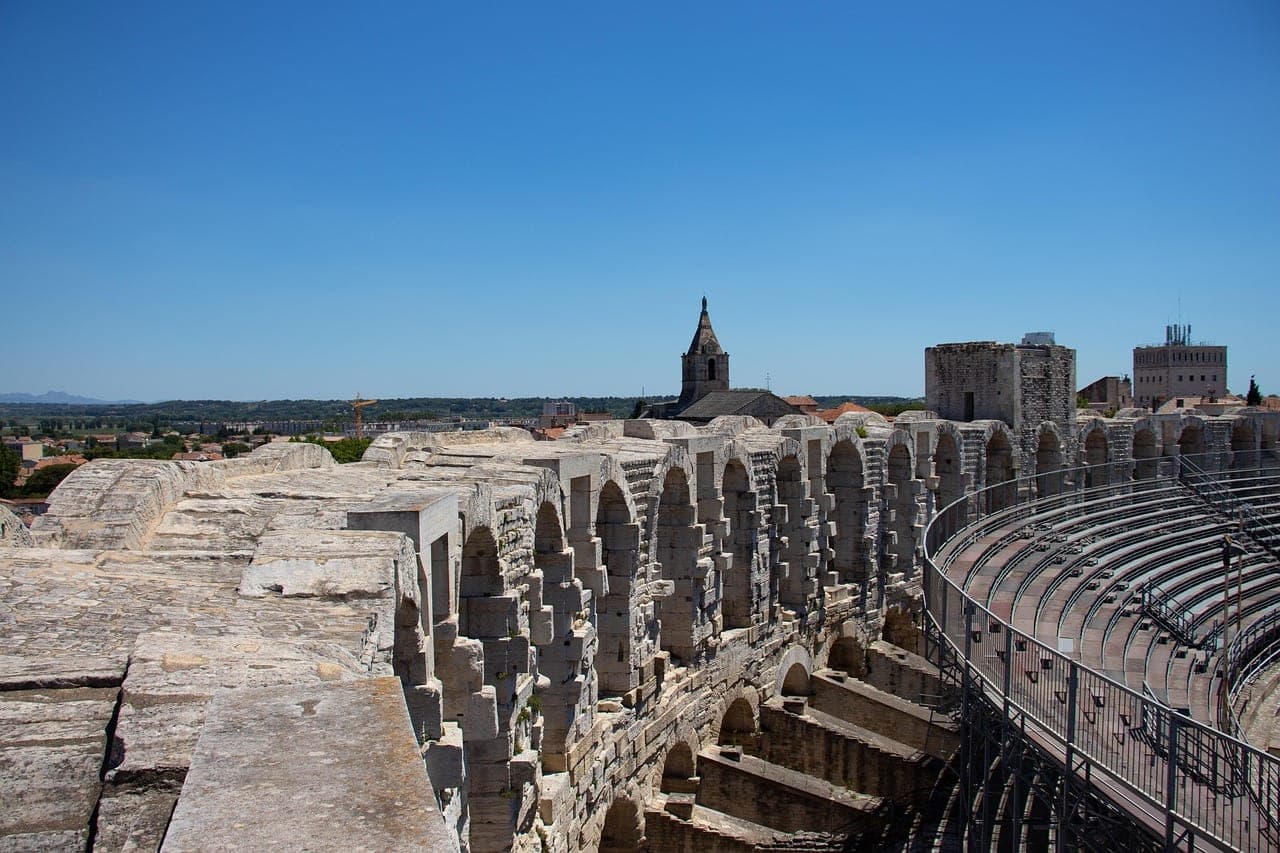
Roman amphitheater in Arles lit at dusk amid Provencal rooftops

Arles, France

Arles student group travel for teachers: Roman ruins and Van Gogh's Provence on teacher-led educational tours and high school group trips in art and history.

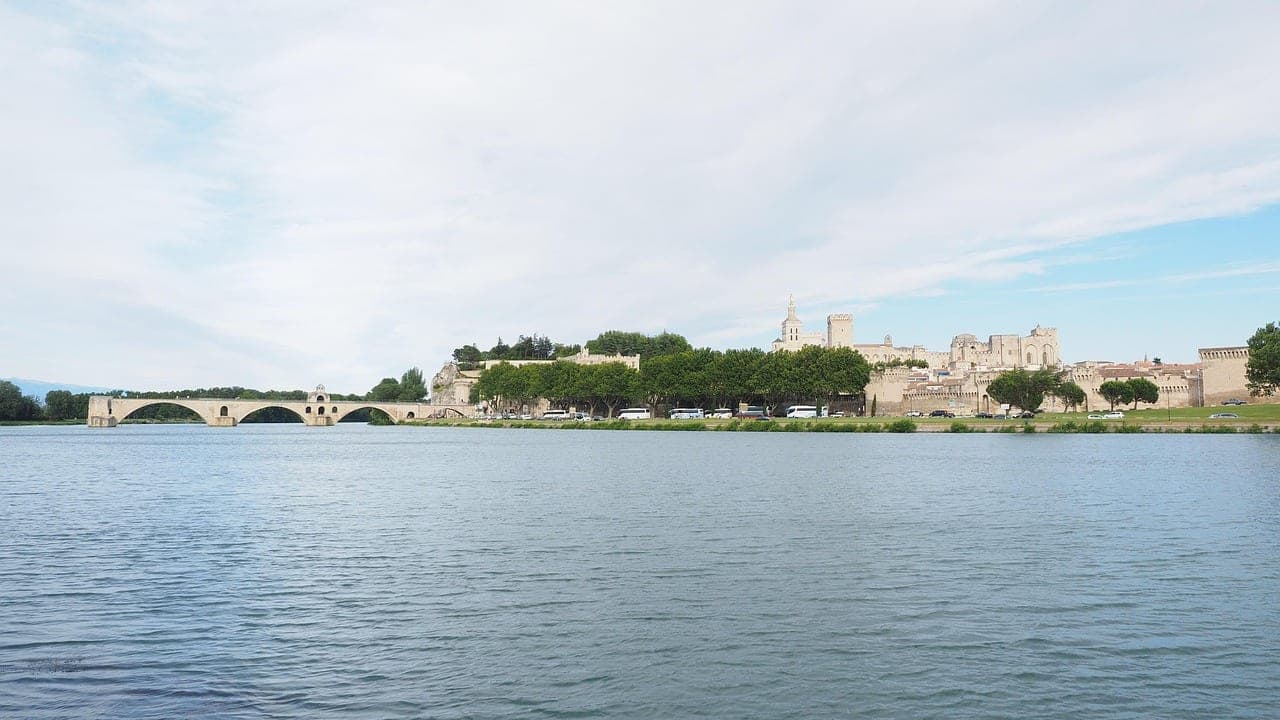
Pont d'Avignon and the Papal Palace fortress walls above the Rhône River in Provence

Avignon, France

Avignon student group travel for teachers: the Papal Palace, Pont d'Avignon, and Provençal history on teacher-led school group tours through southern France.

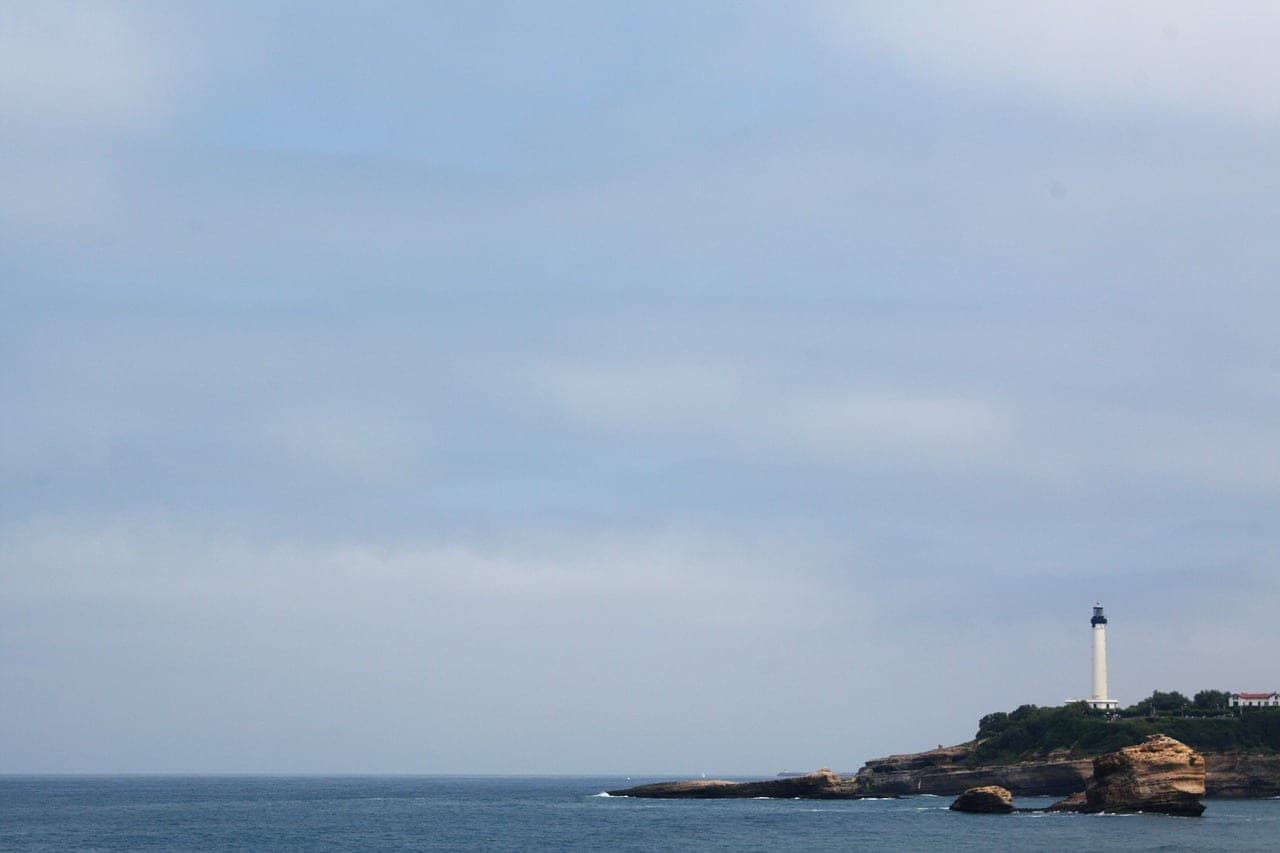
Grande Plage beach and Atlantic surf below the Belle Époque hotels of Biarritz, France

Biarritz, France

Biarritz student group travel for teachers: Basque coast, Belle Époque seafront, and Pyrénées day trips on teacher-led educational tours in southern France.

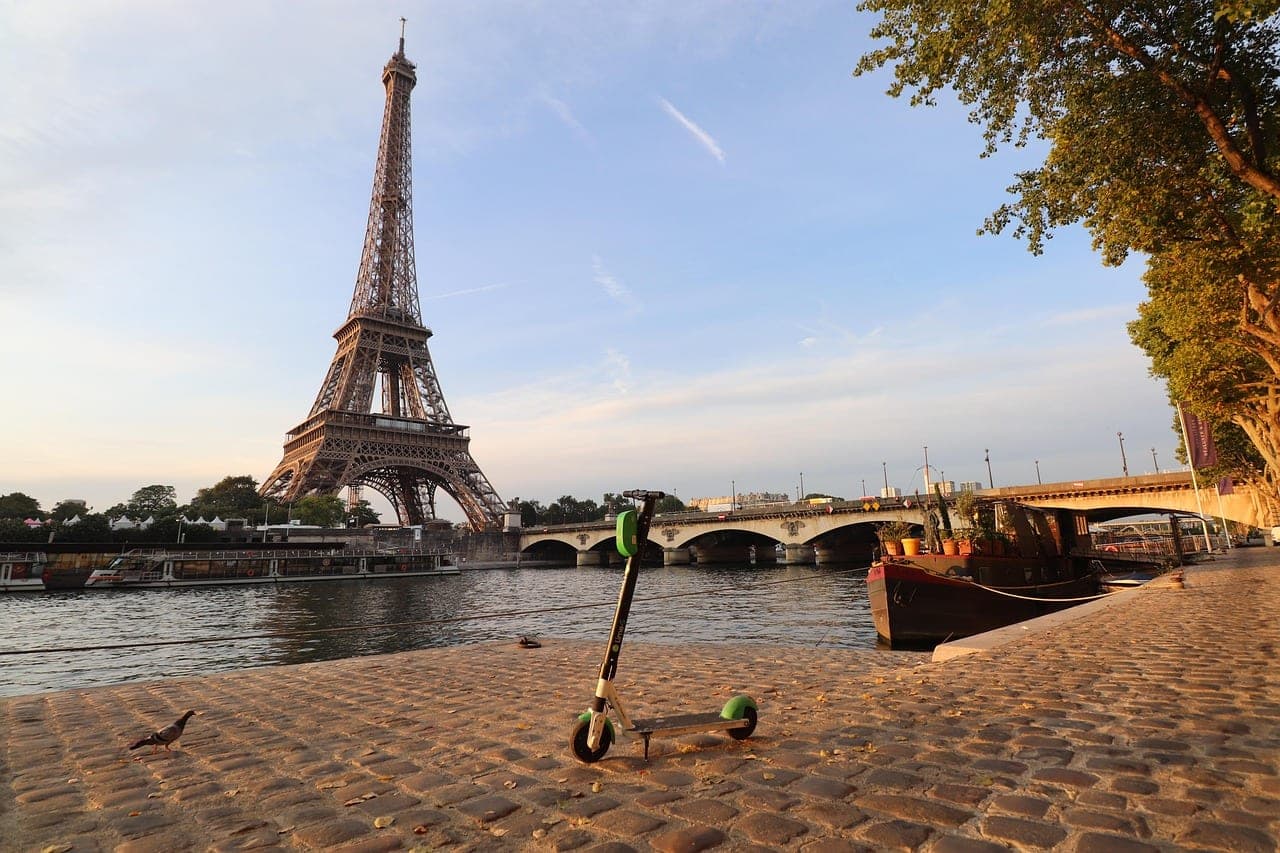
The Eiffel Tower above the Seine at golden hour, Paris's iconic skyline

Paris, France

Paris student group travel for teachers: Louvre, Eiffel Tower, Versailles, and the curriculum behind teacher-led trips and educational tours.

Free · No commitment

Get a free, no-hassle quote.

Just your name and email. A Tour Advisor follows up with pricing and options for your group — no obligation, no deposit.

No commitment. A Tour Advisor follows up with pricing and options — we never share your info.

Bring your group to Sarlat-la-Canéda, France.

Every Passports trip is built around a teacher and a group — from first itinerary sketch to the last day on the ground. Tell us what you have in mind and we’ll take it from there.

Plan a trip