Destination

Nice, France

Nice student group travel for teachers: the Promenade des Anglais, Vieux Nice, and Castle Hill — a French Riviera stop on teacher-led educational tours.

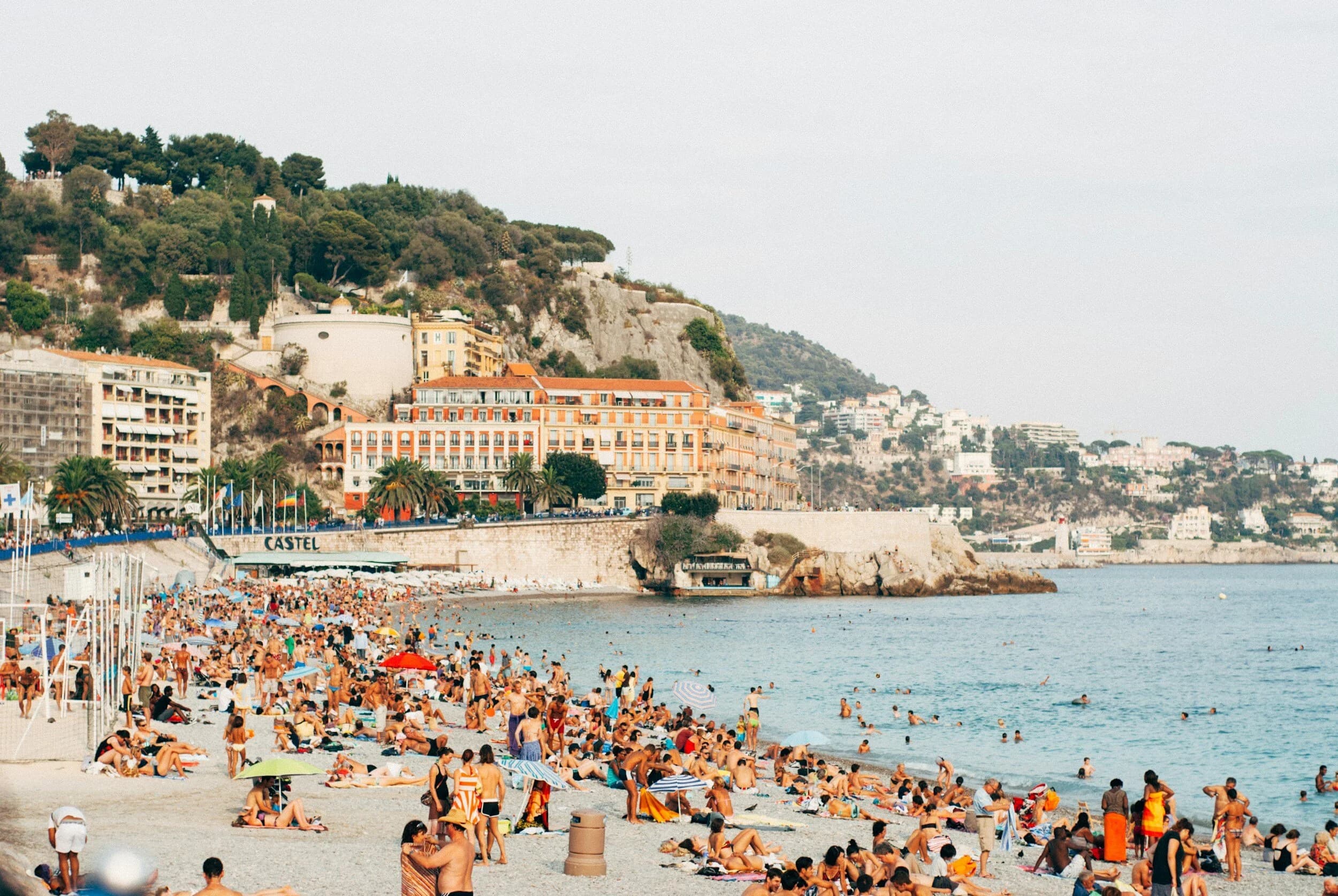
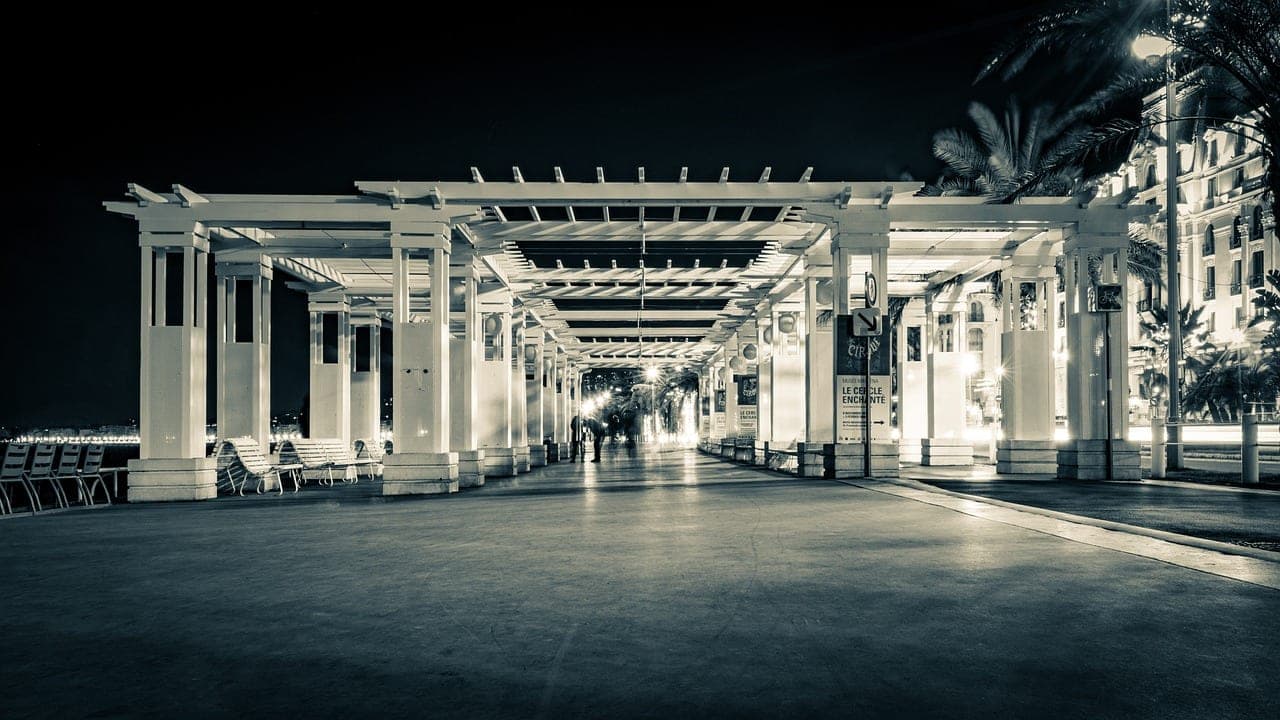
Promenade des Anglais curving along the Baie des Anges with palm trees and the Mediterranean, French Riviera
On this page
  • Where Nice sits on the Côte d'Azur and why it is the natural Riviera base
  • Six sights worth planning around — Promenade des Anglais, Vieux Nice, Castle Hill, Matisse Museum
  • What to eat: socca, pissaladière, salade niçoise, pan bagnat, tourte de blettes
  • When to go, what to pack, and whether Nice is safe for a high school group trip
  • Practical logistics for teachers — coach drops, the tram, and Monaco / Eze day-trip timing
← All city guidesCountry guide: France
Plan a trip

A quick introduction

Nice is the largest city on the French Riviera — about 350,000 people in the commune, sitting on the Baie des Anges between the Maritime Alps and the Mediterranean. The city was Italian for most of its history (it joined France only in 1860), and the Italianate stucco facades, the bouillon-cube terracotta-tiled roofs, and the Niçois language are all closer to Genoa than to Paris. The seven-kilometer Promenade des Anglais was named for the British aristocrats who paid for it in the 1820s and is still the city's defining piece of urban infrastructure.

For a student group, Nice is the natural base for a French Riviera leg of educational travel. The city has its own depth — Vieux Nice is the largest old quarter on the coast, the Matisse and Chagall museums are both strong, and Castle Hill gives the orientation view in 20 minutes — and it is also a clean coach or train base for Monaco (20 minutes east), Èze (15 minutes), and Antibes (25 minutes). A two- or three-night Nice stop on a teacher-led trip can cover the whole Côte d'Azur curriculum without changing hotels.

Day by day

Top things to see and do

Promenade des Anglais

Promenade des Anglais

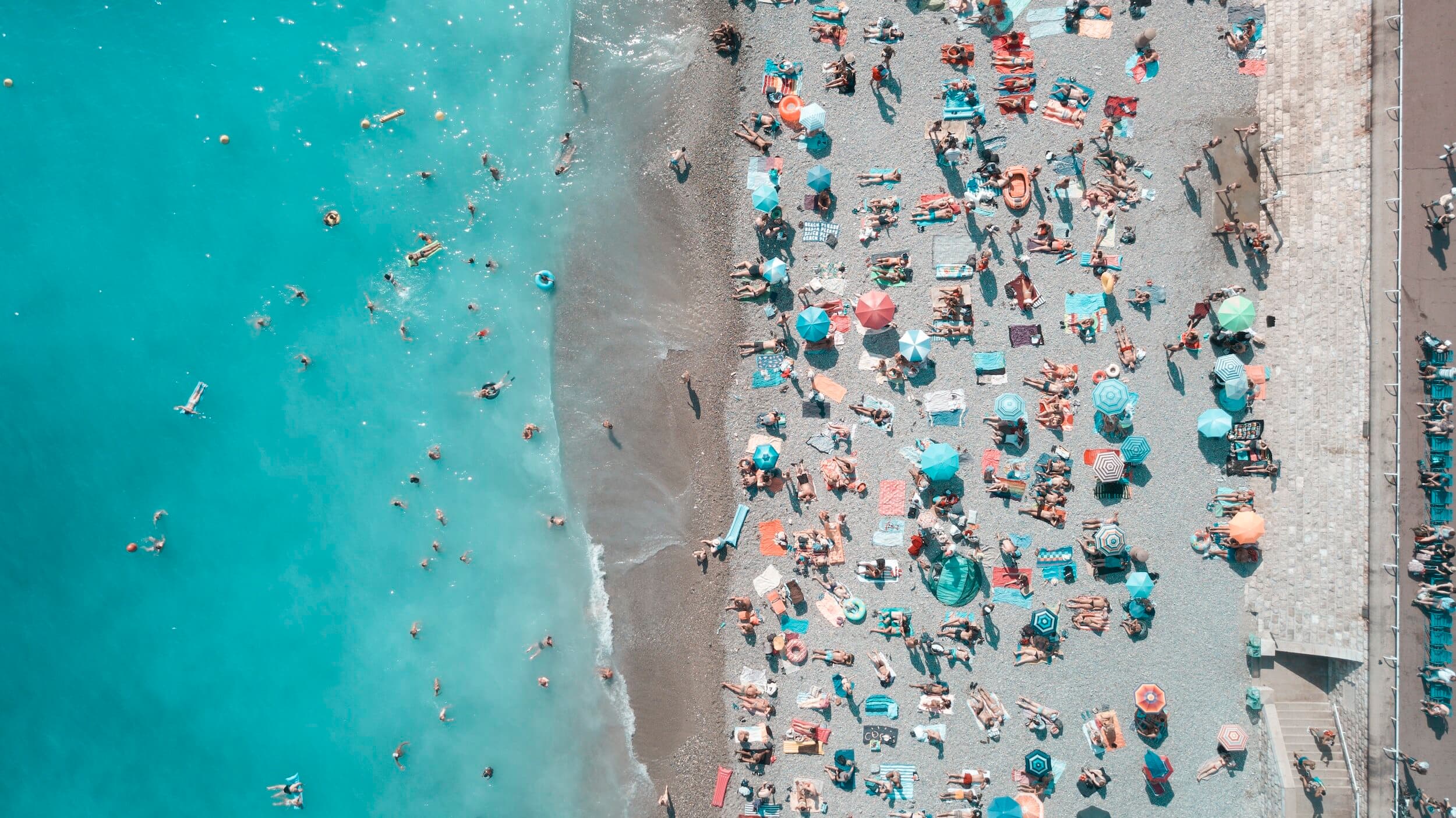
The seven-kilometer palm-lined seafront promenade. The classic morning walk and the orientation spine for the rest of the day. The pebble beach below the Promenade is public; the umbrella clubs along the eastern half are private.

Vieux Nice — the old town

Vieux Nice — the old town

The dense ochre-and-rose grid of 17th- and 18th-century Italianate Nice. Cours Saleya market in the morning (flower market Tuesday-Saturday, antiques on Monday), then a slow walk up Rue Pairolière for socca and the Cathédrale Sainte-Réparate.

Castle Hill (Colline du Château)

Castle Hill (Colline du Château)

The 92-meter park above Vieux Nice — site of the original Greek and medieval citadel, demolished by Louis XIV in 1706. Climb the stairs from Rue de la Préfecture or take the free elevator on Quai des États-Unis. The orientation view of the city.

Cours Saleya market

Cours Saleya market

The mid-morning Vieux Nice market — flowers, cheeses, olives, socca cooked to order. The right place for a student group's free hour before lunch and the sensory anchor of the city.

Musée Matisse

Musée Matisse

Henri Matisse spent the last 37 years of his life in Nice; the museum in the Cimiez district holds the largest collection of his work in France. The cut-out gouaches and the late sketchbooks are the highlights for a high school group trip.

Musée National Marc Chagall

Musée National Marc Chagall

Built around the Message Biblique — 17 large canvases Chagall painted between 1954 and 1967, donated by him to the French state. A clean two-room visit and the deepest single-artist museum in Nice.

Weather by season

When to go

  • May - Jun — spring sweet spot

    Daytime highs 20-26°C, sea warming up, jacaranda blooming along the Promenade. The classic window for educational travel to the Riviera. Coach traffic builds through June but the city is large enough that crowds never feel overwhelming.

  • Jul - Aug — peak heat, peak crowds

    Daytime highs 28-32°C, every beach club at capacity, and the Promenade an unbroken wall of pedestrians on summer evenings. Workable for a determined summer student group trip (Passports books these timed slots when the group count locks; aim for start mornings at 8:30).

  • Sep - Oct — shoulder-season gold

    The best window for teacher-led tours to the Côte d'Azur. Sea stays warm through September, light turns amber, and the crowds drop sharply after the French rentrée in early September. School group tours that travel mid-September get the best version of the city.

  • Nov - Mar — quiet, mild winter

    Daytime highs 12-15°C, occasional rain, very few visitors. Carnaval de Nice runs two weeks in February — one of the largest Mardi Gras carnivals in Europe — and is a high-payoff window for a winter educational tour. Otherwise a quiet, cheap stop that pairs cleanly with Paris.

What to order

Food and culture

Socca

Socca

A wide chickpea-flour pancake baked in a wood-fired oven, scraped onto wax paper, eaten hot with cracked black pepper. The defining Niçois street food — two euros at Cours Saleya.

Salade niçoise

Salade niçoise

Tomatoes, hard-boiled egg, raw tuna or anchovy (never both), olives, raw onion, basil, no potatoes and no cooked vegetables. The orthodox version is a specific assembly the city is opinionated about.

Pan bagnat

Pan bagnat

The picnic version of salade niçoise, packed inside a round pain and weighted under a stone for an hour so the bread soaks up the dressing. The classic beach lunch.

Tourte de blettes

Tourte de blettes

A sweet-savory Swiss-chard pie with raisins, pine nuts, and sometimes apple — a Niçois specialty that does not exist anywhere else in France. Sold by the slice at the Vieux Nice bakeries.

Pissaladière

Pissaladière

The Niçois flatbread cousin to pizza — a thick crust topped with slow-cooked onions, anchovies, and black olives. Sold by the slice at every bakery in the old town.

Packing essentials

What to pack

  • Documents

    Passport valid 6+ months past travel date, two printed copies (one for the student, one for the Tour Director's file), insurance card, and the Passports group packet. No visa required for US citizens on a stay under 90 days in the Schengen area.

  • Clothing

    Lightweight layers, a swimsuit and a quick-dry towel for the Promenade beaches, and a light scarf or shoulder cover for the cathedral and the Cimiez monastery. The Riviera trends informal but covered shoulders are the rule inside sacred spaces.

  • Footwear

    Broken-in walking shoes for Vieux Nice and the Castle Hill climb, plus beach shoes for the pebble beaches — the Nice shoreline is round river stones, not sand, and the stones heat up. Do not buy new shoes for the trip.

  • Sun protection

    Riviera sun is unforgiving from May through September. High-SPF sunscreen, a brimmed hat, and UV sunglasses for every student. The Promenade has very little natural shade until the umbrella clubs open at 10 AM.

  • Tech

    France uses Type C / E plugs (European two-prong) — bring a universal adapter. A portable battery earns its weight on Riviera coach days. T-Mobile and Google Fi work out of the box; others should pick up an Orange or SFR eSIM at NCE airport.

  • Extras

    A small daypack for museum days, a reusable water bottle (the Wallace fountains across the city pour drinkable water), a compact umbrella for spring and autumn, and a fabric tote for the Cours Saleya market.

The parent-meeting question

Is it safe?

Yes. France's US State Department rating is Level 2 ("exercise increased caution") — the same band as Italy, the UK, and Germany — and the elevated level reflects generic European terrorism risk, not anything specific to Nice or the Côte d'Azur. Violent crime against travelers is rare; the city's visible safety profile is comparable to any French city its size, and the Promenade and tourist core are continuously monitored. The realistic risk is opportunistic pickpocketing on the Promenade in summer, in the Cours Saleya market, and at Nice-Ville train station on TGV-arrival mornings.

On a Passports teacher-led trip the group is never on public transport alone, the Tour Director runs a pickpocket-awareness briefing on the first evening, and every hotel is pre-vetted for 24-hour reception and secure room storage. We operate a 24/7 emergency line out of Boston, keep parents on a daily-update channel, and have English-speaking medical contacts in every city we visit. For most teachers running their first school group tours to the Riviera, Nice feels easier than a domestic field trip once the first morning is underway.

🛡️

Personal safety

Pickpocketing concentrates on the Promenade, in the market, and at the train station. Cross-body bags in front, phones off café tables, and a Day 1 briefing cover almost all of it. Hotels are vetted for 24-hour reception and in-room safes.

⚕️

Health & medical

Tap water is excellent. No special vaccines required beyond CDC routine. The CHU de Nice (Pasteur 2 site) is the university hospital for the Côte d'Azur — runs a 24-hour ER to international standards and accepts US travel insurance.

🚐

Roads & transport

Coach drops at the Place Masséna or the Promenade des Arts stops; the tram covers the city center on a single line. The Riviera train links to Monaco, Èze, and Antibes — all on the Tour Director's lead. No students on rental e-scooters at any point.

🌪️

Natural hazards

The Côte d'Azur sits in a low-seismic zone. Practical concerns are summer heat (museum mornings, beach late afternoons), the occasional autumn épisode méditerranéen (sudden heavy rain, planned around), and Mediterranean sun for which sunscreen and hats are non-negotiable.

Practical tips

  • Riviera trains link the whole coast

    The TER line runs Cannes-Nice-Monaco-Menton with sea views most of the way. Nice to Monaco is 20 minutes; to Èze 15; to Antibes 25. Cheaper and faster than driving for day trips.

  • Beach shoes for the pebbles

    The Nice shoreline is round river stones — not sand — and the stones heat up in summer. Cheap rubber-soled water shoes are the standard buy at any tabac on the Promenade.

  • Eat in the old town, not on the Promenade

    The Promenade restaurants are tourist traps. The honest food is two blocks inland in Vieux Nice — Rue Pairolière, Place Saint-François, the Cours Saleya end. The Tour Director will walk the group in.

  • French is the working language, Niçois lives in the names

    Service-industry English is widely available. A bonjour on the way into a shop and a merci on the way out go a long way — a useful classroom moment for French students on a school group tour. Street signs in Vieux Nice are bilingual French-Niçois.

  • Cards work, small cash helps at the market

    Contactless is near-universal. Carry a bit of cash for the Cours Saleya stalls, the socca vendors, and the small church donation boxes in Vieux Nice.
Five facts

Good to know

🇮🇹

Nice was Italian until 1860

The County of Nice was part of the Duchy of Savoy and then the Kingdom of Sardinia for most of its history. France annexed it in 1860 in exchange for backing Sardinia against Austria. The Italianate facades and the Niçois language are the residue.

🇬🇧

The Promenade is named for the British

English aristocrats wintering in Nice paid for the original walking path along the bay in the 1820s; the locals called it the Camin dei Inglés (Path of the English). The current 7 km promenade dates from the 1930s.

⚔️

Garibaldi was born here

Giuseppe Garibaldi — the architect of Italian unification — was born on what is now Quai Papacino in 1807, two blocks from the harbor. The square named after him at the eastern edge of Vieux Nice is the city's biggest piazza.

🎨

Matisse and Chagall both chose to die here

Henri Matisse moved to Nice in 1917 and lived in Cimiez until his death in 1954; Marc Chagall spent the last 35 years of his life in Saint-Paul-de-Vence above the city. Both are buried locally.

🎭

Carnaval is one of Europe's three biggest

The Carnaval de Nice (alongside Venice and Cologne) runs two weeks in February with float parades, flower battles on the Promenade, and the burning of the King of Carnival on the final night. A high-payoff window for a winter trip.

Tours that go here

Tours that stop in Nice

See all tours →
Gargoyle on Notre Dame Cathedral
France

Côte à Côte

Paris · St. Malo · Loire Valley · Nice

Language-immersion
See itinerary
Gargoyle on Notre Dame Cathedral
France

France: North to South

Caen · St. Malo · Amboise · Paris · Nice

Custom & private
See itinerary
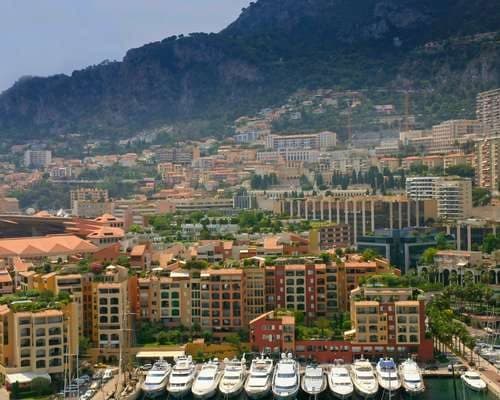
Aerial View on Port of Nice and Luxury Yachts
Spain · France · Italy

On Mediterranean Shores

Barcelona · Avignon area · Nice · Florence · Rome

Adult-recommended
See itinerary
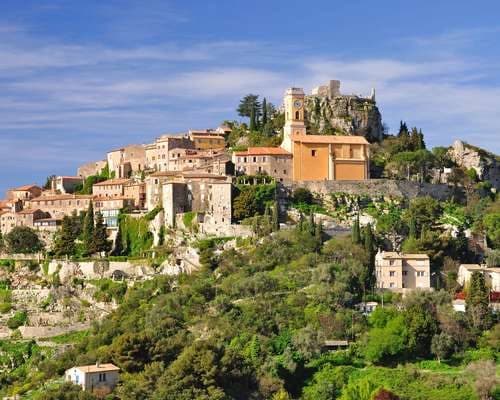
Eze, French Riviera
France

Paris to the French Riviera

Paris · Avignon · Nice

Adult-recommendedLanguage-immersion
See itinerary
Nice
France · Switzerland

Paris, Switzerland and the Riviera

Paris · Lausanne · Dauphine Region · Nice

See itinerary
Panorama of Monaco
France · Italy

Paris, the Riviera and Rome

Paris · Nice · Florence · Rome

See itinerary
From our blog

Blog posts about Nice

See all →
Announcing our next Passports Teacher Training Conference in Nice, France!
company news

Announcing our next Passports Teacher Training Conference in Nice, France!

Passports is hosting a teacher training conference in Nice, France in January 2025. Find out what the full itinerary includes for group leaders attending this event

Read post
Exploring Nice: A Cultural and Educational Journey on the French Riviera
destinations

Exploring Nice: A Cultural and Educational Journey on the French Riviera

Nice on the French Riviera offers student groups historic landmarks, world-class art museums, day trips to Monaco and Eze, and rich Niçoise culinary traditions

Read post
London travel scene — hero image for "Part 3: Rome, 20 Years on".
travel inspiration

Part 3: Rome, 20 Years on

By Julian Moseley Buongiorno, Fiumicino! The day a tour group arrives overseas can be so many things at once; tiring, stressful, nerve-wracking on the one side; fun, exciting and joyous even, on the other. It’s essential

Read post
Rome
travel inspiration

Part 4: Rome, 20 Years on

By Julian Moseley Don’t you just love the way the Italian language sounds? Pure poetry! And what a shame the Italians (not the Romans of course) were so much worse at building empires than they were at building incredibl

Read post
Eiffel tower
for teachers

Real Travel Talk with Dave - April 2022

After two months of leading groups in Europe, we've learned a lot about what travel will be like this year. Let's talk about it! 

Read post
Aerial View on Port of Nice and Luxury Yachts
travel inspiration

Educational Travel Services: How Necessary Are They?

Educational travel services are essential for teachers who wish to travel with their students overseas.

Read post
On the ground

More places in France

Country guide: France →
Moss-draped thermal fountain on Cours Mirabeau in Aix-en-Provence

Aix-en-Provence, France

Aix-en-Provence student group travel for teachers: Cézanne's studio, Provencal markets, and educational tours for teacher-led French high school group trips.

Ajaccio harbor and Corsican mountains across the Mediterranean

Ajaccio, France

Ajaccio student group travel for teachers: Napoleon's Corsican birthplace, Mediterranean coast, and educational tours for teacher-led French high school trips.

Roman amphitheater in Arles lit at dusk amid Provencal rooftops

Arles, France

Arles student group travel for teachers: Roman ruins and Van Gogh's Provence on teacher-led educational tours and high school group trips in art and history.

Pont d'Avignon and the Papal Palace fortress walls above the Rhône River in Provence

Avignon, France

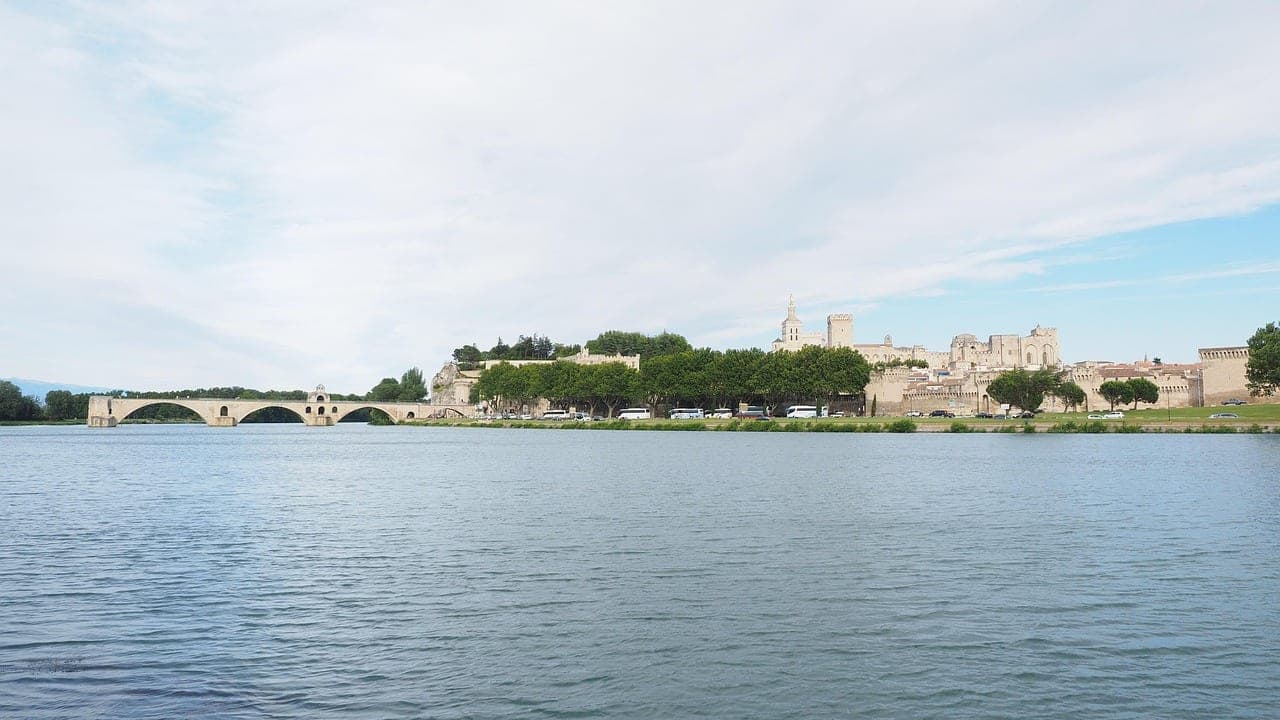
Avignon student group travel for teachers: the Papal Palace, Pont d'Avignon, and Provençal history on teacher-led school group tours through southern France.

Grande Plage beach and Atlantic surf below the Belle Époque hotels of Biarritz, France

Biarritz, France

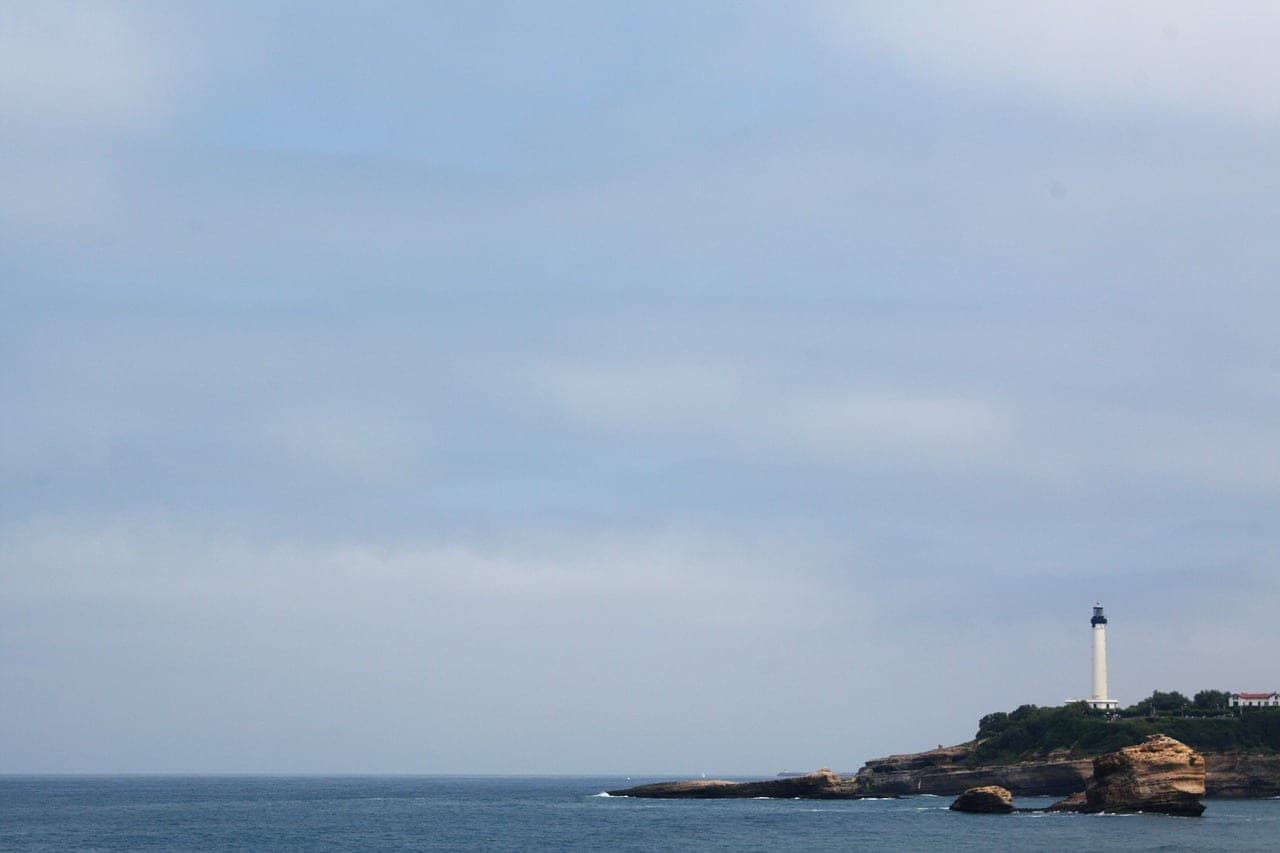
Biarritz student group travel for teachers: Basque coast, Belle Époque seafront, and Pyrénées day trips on teacher-led educational tours in southern France.

The Eiffel Tower above the Seine at golden hour, Paris's iconic skyline

Paris, France

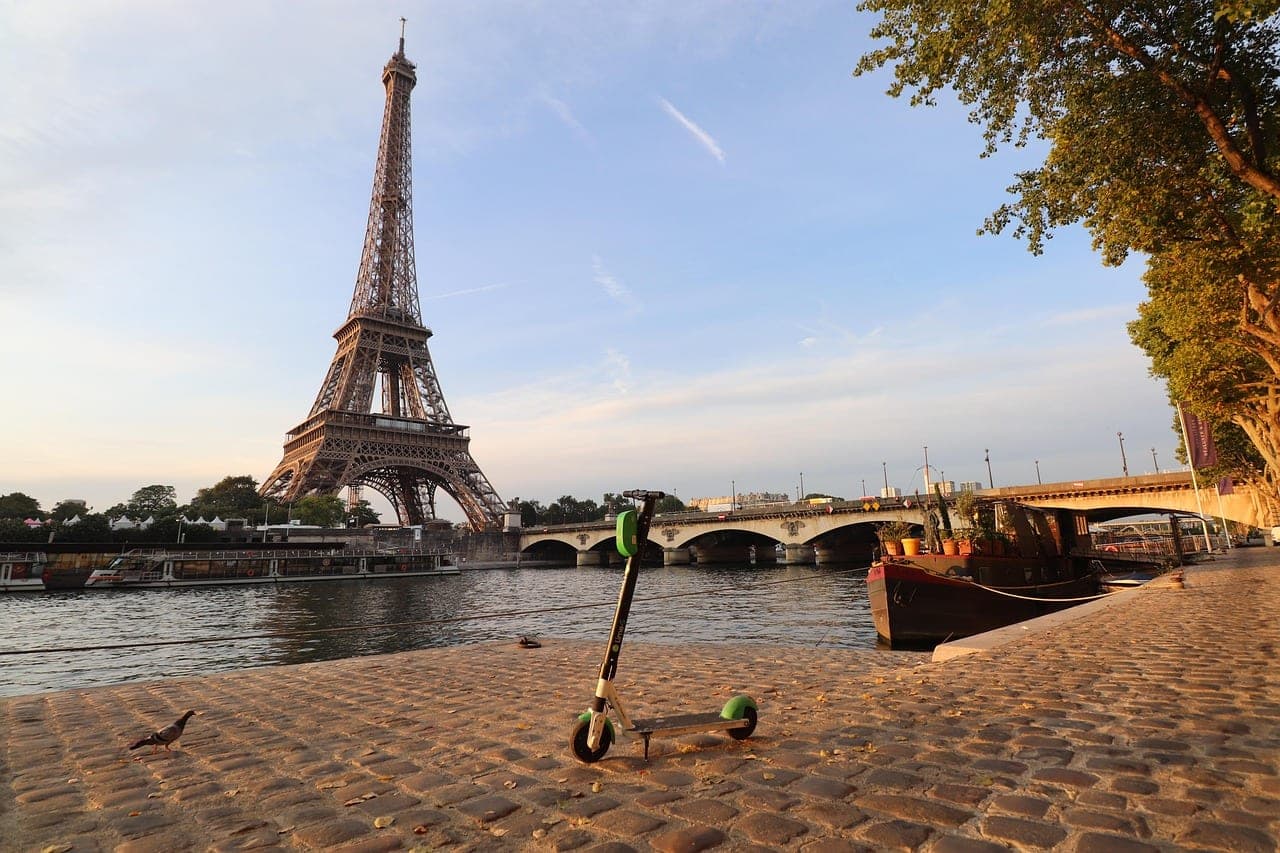
Paris student group travel for teachers: Louvre, Eiffel Tower, Versailles, and the curriculum behind teacher-led trips and educational tours.

Bring your group to Nice, France.

Every Passports trip is built around a teacher and a group — from first itinerary sketch to the last day on the ground. Tell us what you have in mind and we’ll take it from there.

Plan a trip