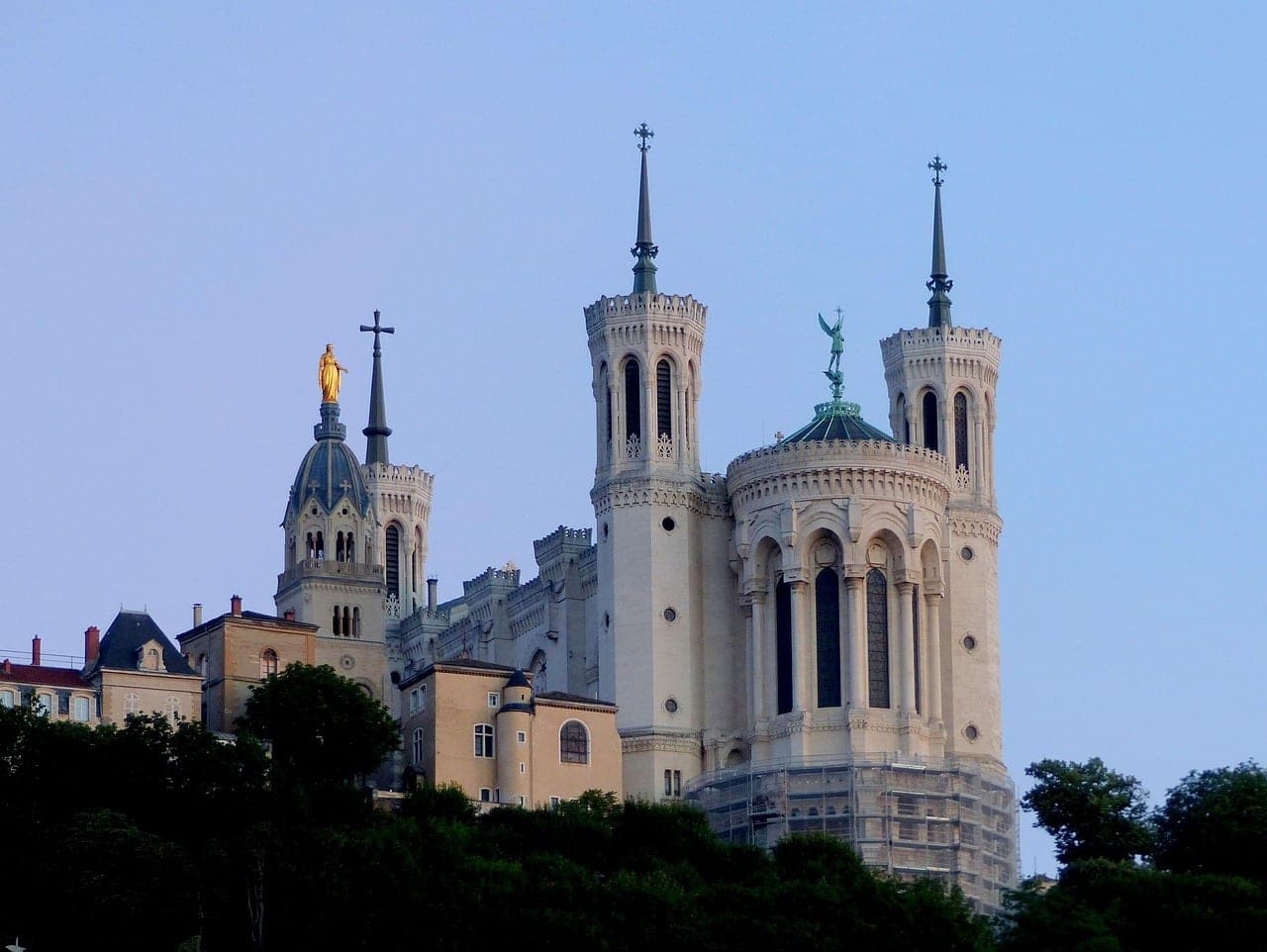
- RegionAuvergne-Rhône-Alpes, France
- LanguageFrench
- CurrencyEuro (EUR)
- Best seasonMay - Jun, Sep - Oct, early Dec
- TimezoneCentral European Time (UTC+1)
A quick introduction
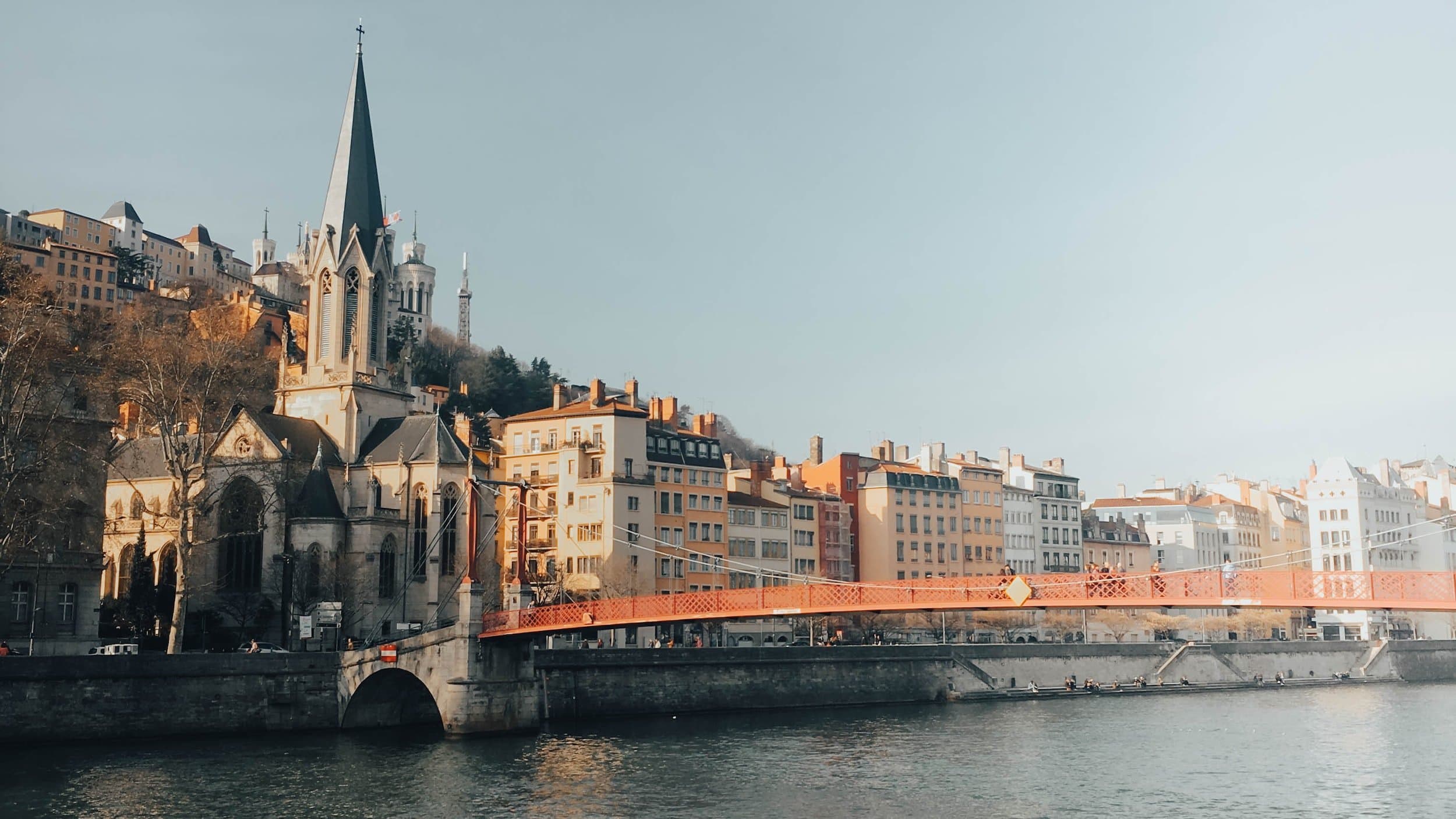
Lyon is France's third-largest city — about 520,000 people in the commune, 2.3 million in the metro — sitting at the confluence of the Rhône and the Saône, two hours southeast of Paris by TGV. Founded as Roman Lugdunum in 43 BC, it was the capital of the Three Gauls and is one of the few French cities where the Roman, medieval, Renaissance, and 19th-century layers all sit visibly on top of one another inside a 30-minute walk.
For a student group, Lyon is the gastronomic and silk-trade counterweight to Paris on a French educational tour. The city is a UNESCO World Heritage site for its full historical sweep, the Vieux Lyon district below Fourvière is the largest Renaissance quarter in Europe outside Florence, and the bouchon tradition — small worker-class restaurants serving pork-and-offal-heavy Lyonnais cooking — is a teachable moment about regional French food culture in a way Paris simply isn't. A two-night Lyon stop on a teacher-led trip pairs cleanly with Avignon or Annecy on the way south.
Top things to see and do


When to go
- May - Jun — spring sweet spot
Daytime highs 19-26°C, parks in full leaf, the Rhône and Saône banks lined with locals at lunch. The classic window for educational travel to Lyon. Coach traffic builds steadily through June but the city is large enough that crowds never feel overwhelming.
- Jul - Aug — peak heat, half the city away
Daytime highs 28-32°C and many bouchons and bakeries closed for the August vacances. Workable for a summer student group trip but the food experience thins out — Passports books the bouchons that stay open; start the museum days early.
- Sep - Oct — shoulder-season gold
The best window for teacher-led tours to Lyon. Beaujolais vintage is approaching, light turns amber, temperatures back to 16-22°C, and every restaurant in town is open and uncrowded. School group tours that can travel mid-September to mid-October get the best version of the city.
- Early Dec — Festival of Lights
Daytime highs 4-8°C and the Fête des Lumières on the Tuesday around December 8 — four nights of light installations across every facade in the city center, the largest light festival in Europe. Worth planning a winter high school group trip around; hotels triple, so book a year ahead.
Food and culture

Quenelles de brochet
Pike-fish dumplings poached in cream sauce with crayfish — the defining Lyonnais entrée and the dish to order at a proper bouchon. Lighter than it looks; do not skip it on the assumption it sounds heavy.

Salade lyonnaise
Frisée lettuce, lardons, a soft-poached egg, and a warm mustard vinaigrette. The cleanest Lyonnais lunch — every bouchon does it, and it is the test dish for whether a restaurant is honest.

Tablier de sapeur
"Fireman's apron" — a piece of beef tripe marinated in white wine, breaded, and pan-fried until crisp. Cousin to the Milanese cotoletta, served with sauce gribiche. The bouchon classic the brave half of the group orders.

Saucisson brioché
Lyonnais cooking sausage baked into a brioche loaf, sliced and served warm as a starter. Easy entry point to Lyonnais food for a hesitant student.

Praline rose
Bright-pink sugar-coated almonds, baked into brioches, tarts, and cookies across Lyon. Color comes from cochineal; flavor is vanilla-almond-sugar. The brioche aux pralines from a Pignol bakery is the souvenir buy.
What to pack
- Documents
Passport valid 6+ months past travel date, two printed copies (one for the student, one for the Tour Director's file), insurance card, and the Passports group packet. No visa required for US citizens on a stay under 90 days in the Schengen area.
- Clothing
Layers in every season — Lyon's two rivers push humidity year- round and the Vieux Lyon stone streets stay cool even on hot summer days. Modest dress (shoulders and knees covered) for the cathedral and Fourvière. A warm coat and gloves for a December Festival of Lights trip.
- Footwear
Broken-in walking shoes with real soles. Vieux Lyon is cobbled, the climb to Fourvière (if not taking the funicular) is steep, and a student group will log 11,000-13,000 steps a day. Do not buy new shoes for the trip.
- Rain layer
Lyon catches Rhône-valley weather and gets steady drizzle from October through April. A packable rain shell or compact umbrella lives in the daypack outside summer.
- Tech
France uses Type C / E plugs (European two-prong) — bring a universal adapter. A portable battery earns its weight on Vieux Lyon traboule days. T-Mobile and Google Fi work out of the box; others should pick up an Orange or SFR eSIM at Lyon Saint-Exupéry airport.
- Extras
A small daypack for museum days, a reusable water bottle (Lyon tap water is excellent), sunscreen May through September, and a fabric tote for the Saturday Marché de la Croix-Rousse if the group has a free hour.
Is it safe?
Yes. France's US State Department rating is Level 2 ("exercise increased caution") — the same band as Italy, the UK, and Germany — and the elevated level reflects generic European terrorism risk, not anything specific to Lyon. Lyon is a working European metropolis with the crime profile of any French city its size: violent crime against travelers is rare, and the city center feels visibly safer than equivalent neighborhoods in Marseille or even some districts of Paris. The realistic risk is opportunistic pickpocketing on the metro, in Place Bellecour, and around Lyon Part-Dieu station at rush hour.
On a Passports teacher-led trip the group is never on public transport alone, the Tour Director runs a pickpocket-awareness briefing on the first evening, and every hotel is pre-vetted for 24-hour reception and secure room storage. We operate a 24/7 emergency line out of Boston, keep parents on a daily-update channel, and have English-speaking medical contacts in every city we visit. For most teachers running their first school group tours to France, Lyon feels easier than Paris on the safety side and every bit as rich on the curricular side.
Practical tips
- Take the funicular up to Fourvière
The "Ficelle" runs from Vieux Lyon station up to the basilica in three minutes. Walk down through the Rosary Garden and the Roman theatres. Climbing on foot is possible but adds 20 minutes and a hill few groups need.
- Bouchons close Sundays and Mondays
The traditional bouchon week runs Tuesday-Saturday for dinner. Plan the proper bouchon dinner for a Tuesday-Friday slot; on Sunday-Monday switch to a brasserie. The Tour Director makes the reservation once the group count is locked.
- French is the working language
Service-industry English is widely available; signage and menus in tourist-zone bouchons are bilingual. A bonjour on the way into a shop and a merci on the way out go a long way — a useful classroom moment for French students on a school group tour.
- Cards work, small cash helps at the markets
Contactless is near-universal. Carry a bit of cash for the Saturday Croix-Rousse market, the Marché Saint-Antoine on the Saône quays, and the praline-roses-by-the-bag stalls.
- Lunch is sacred
Most non-tourist Lyonnais restaurants stop seating at 1:30 PM sharp and don't reopen until 7:30. A 12:30 lunch reservation is the move; an arrival at 2:15 means a sandwich from a bakery.