Destination

Loire Valley, France

Loire Valley student group travel for teachers: Renaissance châteaux at Chambord, Chenonceau, and Amboise built into teacher-led educational tours.

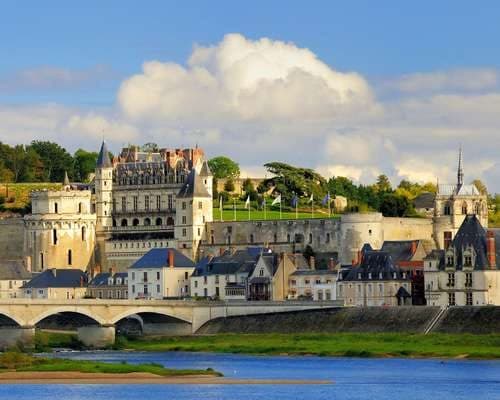
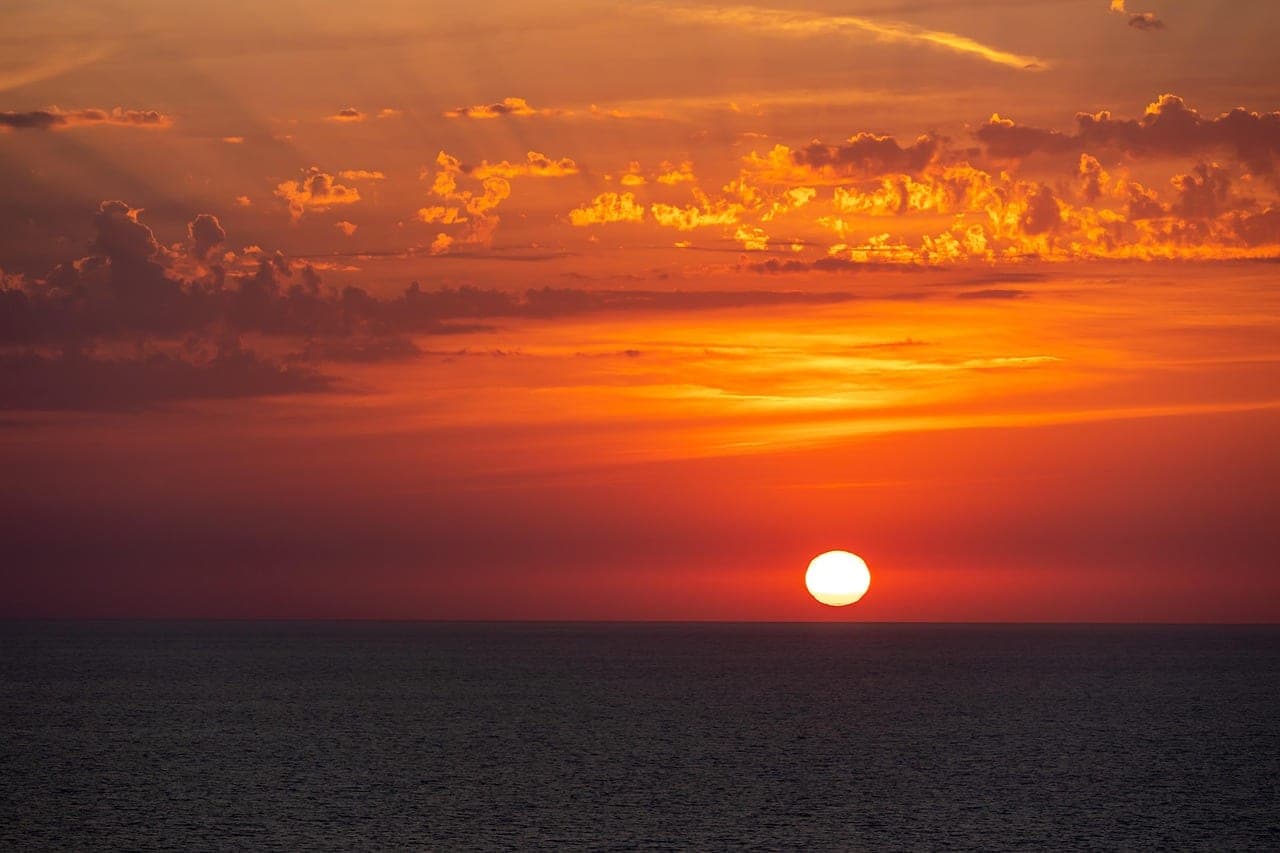
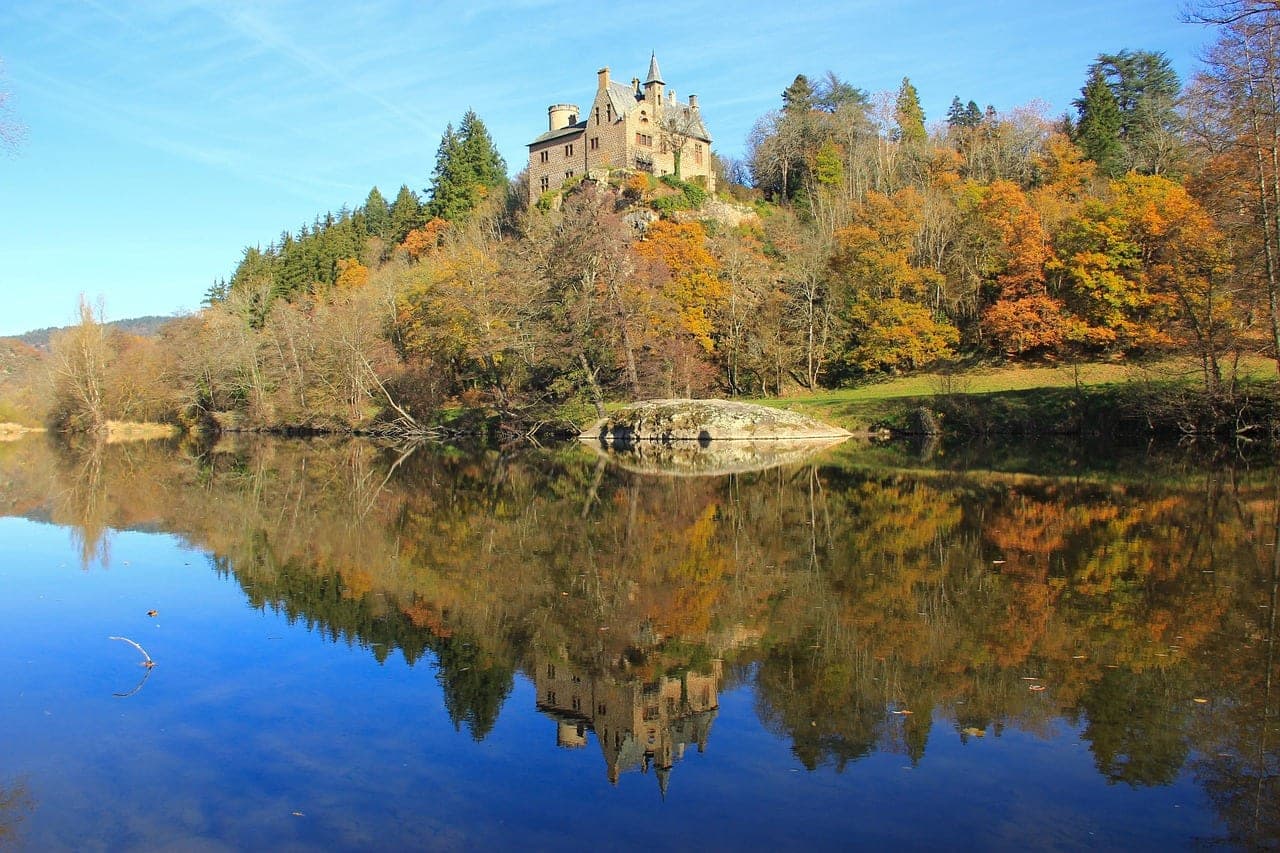
Renaissance château reflected in the Loire River at sunset, central France
On this page
  • Where the Loire Valley sits and why it is the densest château cluster in Europe
  • Six châteaux worth planning around — Chambord, Chenonceau, Amboise, Villandry, Cheverny, Blois
  • What to eat: rillettes, sandre au beurre blanc, tarte Tatin, goat cheese, and Vouvray
  • When to go, what to pack, and whether the Loire is safe for a high school group trip
  • Practical logistics for teachers — basing in Tours or Amboise, coach distances, and bike-day options
← All city guidesCountry guide: France
Plan a trip

A quick introduction

The Loire Valley is the 280 km stretch of central France between Orléans and the Atlantic where the kings and queens of late medieval and Renaissance France built their country residences. Roughly 300 châteaux survive across the valley; about a dozen are open to visitors at the kind of scale that makes them worth a school group's day. The river itself is the longest in France (1,012 km) and the valley between Sully-sur-Loire and Chalonnes is a UNESCO World Heritage cultural landscape.

For a student group, the Loire is the European Renaissance and French monarchy curriculum sitting on a single river. A two- or three-night base in Tours or Amboise puts six of the most important châteaux inside an hour by coach, and the valley itself — flat, rural, with paved bike paths — is the rare educational travel leg where a half-day cycling itinerary can be folded in without a logistical headache. It pairs cleanly with Paris (one hour by TGV from Tours) on a teacher-led tour.

Day by day

Top things to see and do

Château de Chambord

Château de Chambord

The largest château in the Loire — 440 rooms, a forest the size of central Paris around it, and a double-helix staircase attributed to Leonardo. Built by François I as a hunting lodge, never properly furnished, never lived in for long. The cathedral-scale château that anchors the trip.

Château de Chenonceau

Château de Chenonceau

The most photographed château in France — a two-story gallery arched directly over the River Cher. Five queens shaped it; the most famous, Catherine de' Medici, took it from Diane de Poitiers and built the bridge. A clean afternoon visit with a formal Renaissance garden.

Château d'Amboise & Clos Lucé

Château d'Amboise & Clos Lucé

The royal château that watches over Amboise from the cliff above the Loire. Leonardo da Vinci spent his last three years down the road at Clos Lucé, a 15-minute walk away — his bedroom, workshop, and a basement of working models from his notebooks are open to visitors. Two sites, one ticket plan, half a day.

Château de Villandry & gardens

Château de Villandry & gardens

Less the building and more the gardens — six terraces of geometric Renaissance vegetable plots, herb gardens, water gardens, and a maze. The clearest single lesson in Renaissance landscape design open to the public anywhere in France.

Château de Cheverny

Château de Cheverny

The 17th-century classical-French château that is still owned and lived in by the Hurault family who built it. The interiors (with original furniture) and the daily kennels feeding of the Cheverny hunting hounds are the two highlights for a student group.

Château royal de Blois

Château royal de Blois

Four wings, four kings, four architectural styles in a single courtyard — Gothic, Flamboyant, Renaissance, and Classical. The single best architectural-history lesson in the Loire if the group has only time for one château this dense.

Weather by season

When to go

  • May - Jun — spring sweet spot

    Daytime highs 17-25°C, gardens at peak bloom (Villandry's vegetable plots are most photogenic in mid-June), and long daylight that lets a coach do two châteaux in a day. The classic window for educational travel to the Loire.

  • Jul - Aug — peak heat, peak crowds

    Daytime highs 25-30°C and Chambord's parking lots full by 10:30 AM. Workable for a summer student group trip — Passports books the timed château slots when the group count locks; start at the gate when it opens, and use the lesser-known Cheverny / Villandry slots for afternoons.

  • Sep - Oct — shoulder-season gold

    The best window for teacher-led tours to the Loire. Vendanges (grape harvest) running across Vouvray and Chinon, light turning amber, temperatures back to 16-22°C, and the day-trip crowds dropping sharply after the first week of September.

  • Nov - Mar — quiet, atmospheric

    Daytime highs 8-12°C, occasional rain, and the châteaux genuinely empty. Some smaller estates (Villandry's gardens, Clos Lucé's grounds) shorten their hours; Chambord and Chenonceau stay open year-round. A workable interim-term or MLK-week student tours destination if the focus is interiors.

What to order

Food and culture

Rillettes de Tours

Rillettes de Tours

Slow-cooked pork shredded into its own fat and sealed in a crock — the Touraine charcuterie standard, eaten cold with baguette. Sold by weight at every market in the valley.

Sandre au beurre blanc

Sandre au beurre blanc

Pike-perch from the Loire served with the beurre blanc sauce that was invented down the river in Nantes — butter, shallots, and Muscadet wine. The defining freshwater-fish course of the valley.

Crottin de Chavignol

Crottin de Chavignol

A small disc of aged goat cheese from the Sancerre vineyards at the eastern end of the valley. Served warm on a salad or eaten cold with a slice of Sancerre — the standard cheese course at a Loire bistro.

Tarte Tatin

Tarte Tatin

The upside-down caramelized-apple tart invented (the story goes) by accident at the Hôtel Tatin in Lamotte-Beuvron, an hour south of Blois. The most famous Loire dessert; on every menu in the valley.

Vouvray & Chinon

Vouvray & Chinon

The two great Loire wines — Vouvray (Chenin Blanc, dry to sweet) and Chinon (Cabernet Franc, light red). For the over-21 chaperones; sparkling Vouvray-grape juice exists for the rest of the group at any tasting cellar in Vouvray itself.

Packing essentials

What to pack

  • Documents

    Passport valid 6+ months past travel date, two printed copies (one for the student, one for the Tour Director's file), insurance card, and the Passports group packet. No visa required for US citizens on a stay under 90 days in the Schengen area.

  • Clothing

    Layers — château interiors are cool stone year-round and the garden walks at Villandry can run hot in summer. Modest dress (shoulders and knees covered) for the chapel interiors. A light rain shell for spring and autumn.

  • Footwear

    Broken-in walking shoes with real soles. Chambord alone is a kilometer-long perimeter walk before you reach the door, and a student group on a two-château day will log 11,000-13,000 steps. Do not buy new shoes for the trip.

  • Rain layer

    The Loire catches Atlantic weather; April, May, October, and November all see frequent short showers. A packable rain shell lives in the daypack from October through May, and a compact umbrella covers the rest.

  • Tech

    France uses Type C / E plugs (European two-prong) — bring a universal adapter. A portable battery earns its weight on two-château coach days. T-Mobile and Google Fi work out of the box; others should pick up an Orange or SFR eSIM on arrival.

  • Extras

    A small daypack for château visits (most châteaux ask large bags to be checked), a reusable water bottle, sunscreen May through September, and a fabric tote for the Saturday market in Amboise or Tours.

The parent-meeting question

Is it safe?

Yes. France's US State Department rating is Level 2 ("exercise increased caution") — the same band as Italy, the UK, and Germany — and the elevated level reflects generic European terrorism risk, not anything specific to the Loire Valley. The valley is rural and small-town France; violent crime against travelers is essentially non-existent and the regional crime profile sits well below the French national average. The realistic risk is opportunistic pickpocketing in the most-visited châteaux on summer weekends and at the Tours train station on TGV-arrival mornings.

On a Passports teacher-led trip the group is never on public transport alone, the Tour Director runs a pickpocket-awareness briefing on the first evening, and every hotel is pre-vetted for 24-hour reception and secure room storage. We operate a 24/7 emergency line out of Boston, keep parents on a daily-update channel, and have English-speaking medical contacts in the valley. For most teachers running their first school group tours to France, the Loire feels easier than a domestic field trip — most days run between a single coach and a single château.

🛡️

Personal safety

Pickpocketing is the only realistic risk and concentrates in the Chambord and Chenonceau ticket queues on summer weekends and at Tours station. Cross-body bags in front, phones off café tables, Day 1 briefing. Hotels are vetted for 24-hour reception and in-room safes.

⚕️

Health & medical

Tap water is excellent across the valley. No special vaccines required beyond CDC routine. The CHRU de Tours runs a 24-hour ER to international standards, accepts US travel insurance, and is the regional referral hospital for serious cases across Centre-Val de Loire.

🚐

Roads & transport

All inter-château movement on a Passports itinerary is on private coach with seatbelt-equipped vehicles. The bike-day option (the Loire à Vélo paved cycle path) is fully supervised by the Tour Director on rented bikes from a vetted local operator — no students on rural roads alone.

🌪️

Natural hazards

The valley sits in a low-seismic, low-storm zone. Practical concerns are summer heat (château mornings, garden afternoons), occasional Atlantic rain, and the Loire's flood-protection levees, which the Tour Director monitors during the rare high- water events in late winter.

Practical tips

  • Base in Tours or Amboise, drive to the châteaux

    The valley does not have a useful train link between châteaux. Tours is the bigger base (TGV to Paris in 1h15); Amboise is smaller and more atmospheric, with the château literally above the hotel.

  • Two châteaux a day is the maximum

    A Chambord-and-Chenonceau morning-and-afternoon split is the standard. Three is too many for a high school group trip — the details start to blur and the coach time eats the day.

  • The Loire à Vélo is the hidden gem

    A 900 km paved bike route runs along the Loire and the Cher. A morning ride from Amboise to Chenonceau (about 15 km on flat protected path) is a workable add-on for a fit group, and a memorable change of pace from coach days.

  • French is the working language

    Châteaux all have multilingual audio guides; staff in the bigger sites (Chambord, Chenonceau, Amboise) speak English. A bonjour on the way into a shop and a merci on the way out go a long way — a useful classroom moment for French students on a school group tour.

  • Cards work, small cash helps at the markets

    Contactless is near-universal. Carry a bit of cash for the Saturday markets in Amboise, Tours, and Blois, and for the small farm stands selling rillettes and goat cheese along the country roads.
Five facts

Good to know

🎨

Leonardo da Vinci is buried in Amboise

He arrived at Clos Lucé in 1516 at the invitation of François I and died there in 1519. His tomb is in the Chapelle Saint- Hubert, inside the walls of the Château royal d'Amboise above the river.

🏥

Chenonceau was a hospital in WWI

Catherine Menier, who owned the château, ran the gallery over the river as a 120-bed hospital from 1914 to 1918 — the same gallery that Catherine de' Medici had built four hundred years earlier.

🦌

Chambord was Louis XIV's hunting lodge

He visited it nine times for a few weeks each. The 5,400-hectare walled hunting forest around the château is the largest enclosed forest in Europe and is still managed for wild boar and deer population control.

⚔️

Joan of Arc was here

She crossed the Loire at Orléans in May 1429, lifted the English siege, and returned to Tours and Chinon to be examined by court theologians before being sent to crown the king at Reims. The valley is her heartland.

🌀

The double-helix at Chambord may be Leonardo's

The famous double-spiral staircase at the center of Chambord lets two people climb without ever meeting. Leonardo was at Clos Lucé while Chambord was being designed; the attribution is plausible, the documentation thin.

Tours that go here

Tours that stop in Loire Valley

See all tours →
Gargoyle on Notre Dame Cathedral
France

Côte à Côte

Paris · St. Malo · Loire Valley · Nice

Language-immersion
See itinerary
Gargoyle on Notre Dame Cathedral
France

La Belle France

Paris · St. Malo · Loire Valley

Language-immersion
See itinerary
Paris
United Kingdom/England · France

Le Beau Voyage

London · Caen · St. Malo · Loire Valley · Paris

Large-group
See itinerary
Amboise Castle
United Kingdom/England · France

London, Normandy, the Loire Valley and Paris

London · Caen · St. Malo · Loire Valley · Paris

See itinerary
From our blog

Blog posts about Loire Valley

See all →
Eiffel tower
for teachers

Real Travel Talk with Dave - April 2022

After two months of leading groups in Europe, we've learned a lot about what travel will be like this year. Let's talk about it! 

Read post
Paris
travel inspiration

How to Choose the Right Destination for Your Student Tour

Whether your educational goals are historical, linguistic, cultural, charitable or a combination, Passports has the right tour for you and your students.

Read post
On the ground

More places in France

Country guide: France →
Moss-draped thermal fountain on Cours Mirabeau in Aix-en-Provence

Aix-en-Provence, France

Aix-en-Provence student group travel for teachers: Cézanne's studio, Provencal markets, and educational tours for teacher-led French high school group trips.

Ajaccio harbor and Corsican mountains across the Mediterranean

Ajaccio, France

Ajaccio student group travel for teachers: Napoleon's Corsican birthplace, Mediterranean coast, and educational tours for teacher-led French high school trips.

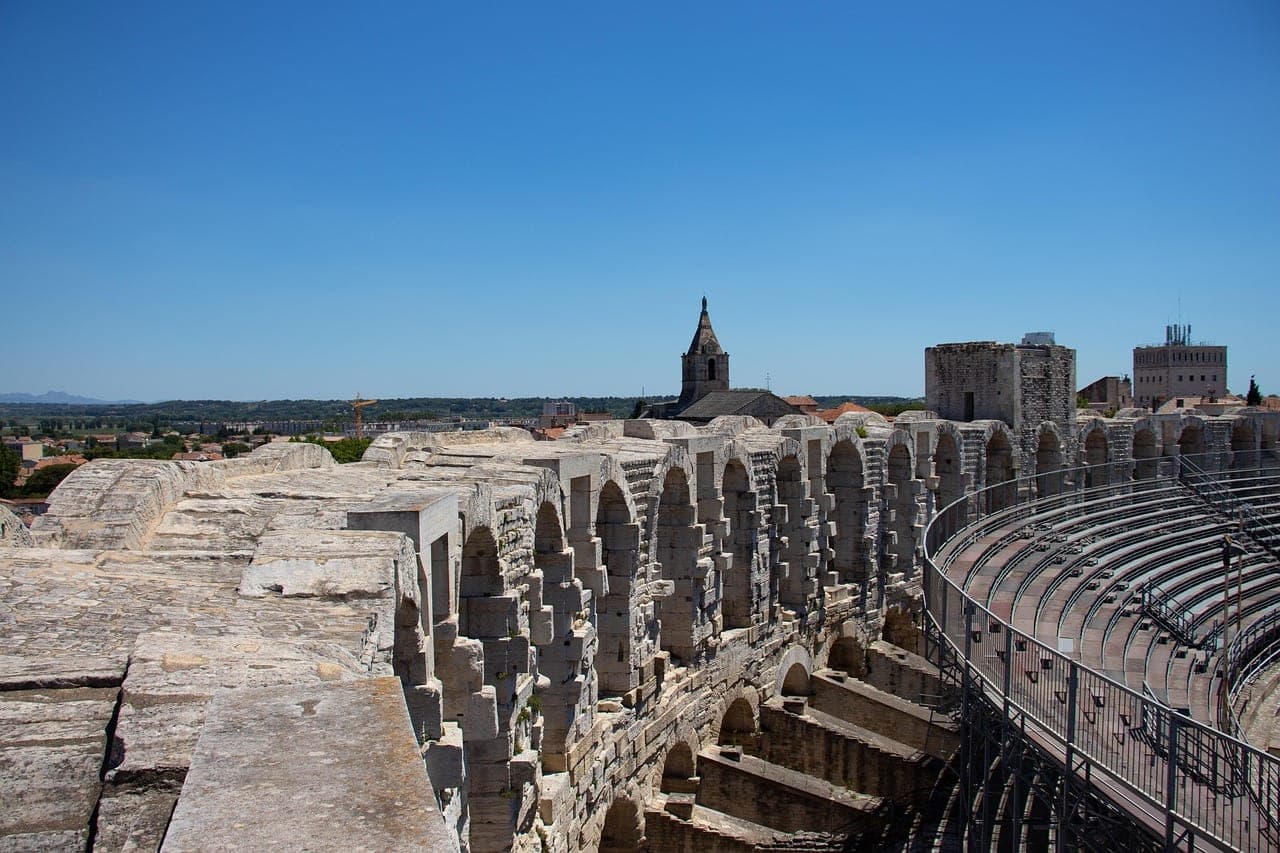
Roman amphitheater in Arles lit at dusk amid Provencal rooftops

Arles, France

Arles student group travel for teachers: Roman ruins and Van Gogh's Provence on teacher-led educational tours and high school group trips in art and history.

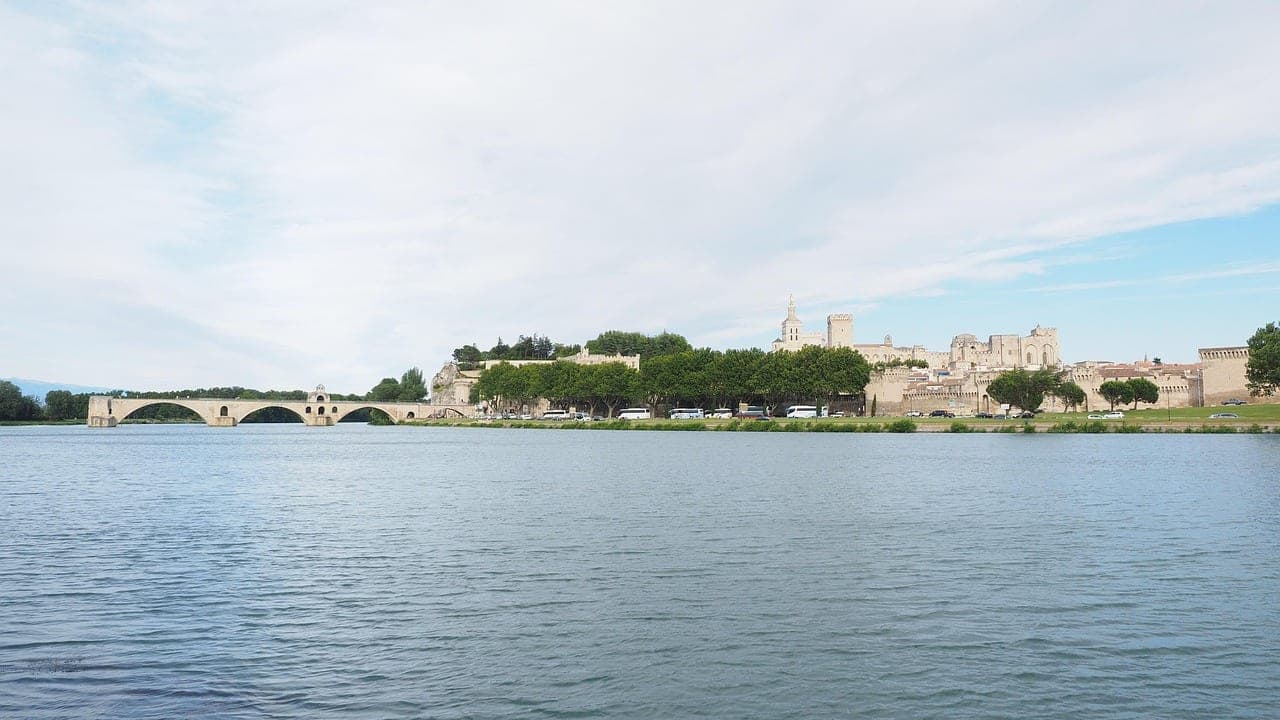
Pont d'Avignon and the Papal Palace fortress walls above the Rhône River in Provence

Avignon, France

Avignon student group travel for teachers: the Papal Palace, Pont d'Avignon, and Provençal history on teacher-led school group tours through southern France.

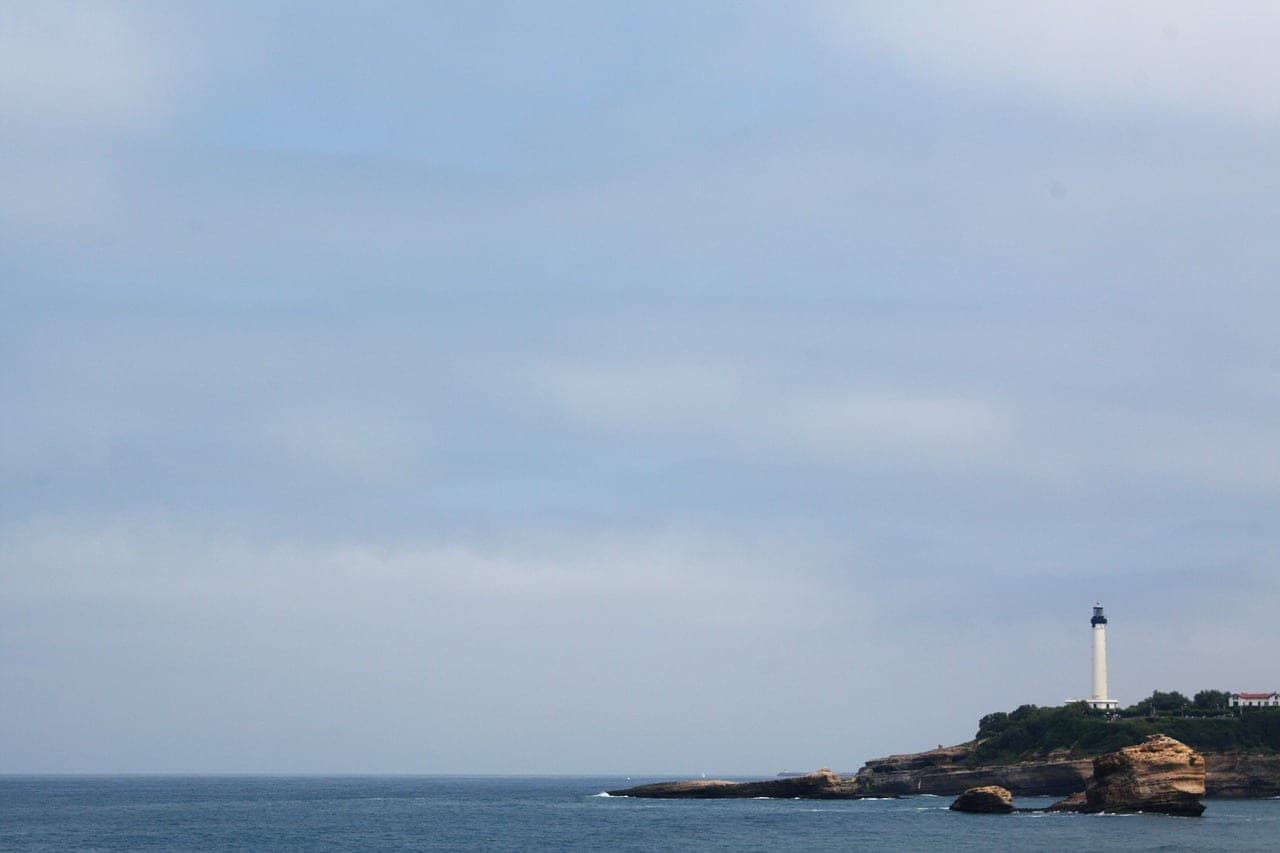
Grande Plage beach and Atlantic surf below the Belle Époque hotels of Biarritz, France

Biarritz, France

Biarritz student group travel for teachers: Basque coast, Belle Époque seafront, and Pyrénées day trips on teacher-led educational tours in southern France.

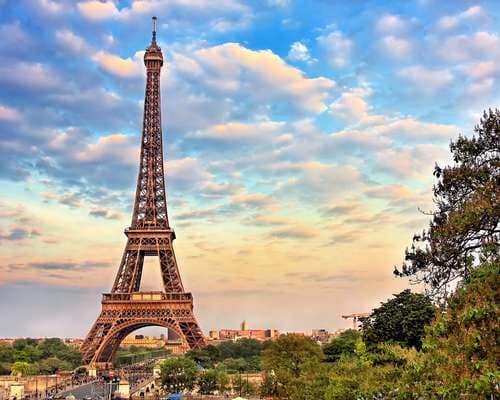
The Eiffel Tower above the Seine at golden hour, Paris's iconic skyline

Paris, France

Paris student group travel for teachers: Louvre, Eiffel Tower, Versailles, and the curriculum behind teacher-led trips and educational tours.

Bring your group to Loire Valley, France.

Every Passports trip is built around a teacher and a group — from first itinerary sketch to the last day on the ground. Tell us what you have in mind and we’ll take it from there.

Plan a trip