Destination

Athens, Greece

Athens student group travel for teachers: the Acropolis, the Agora, and Classical Greece brought to life on teacher-led high school group trips and tours.

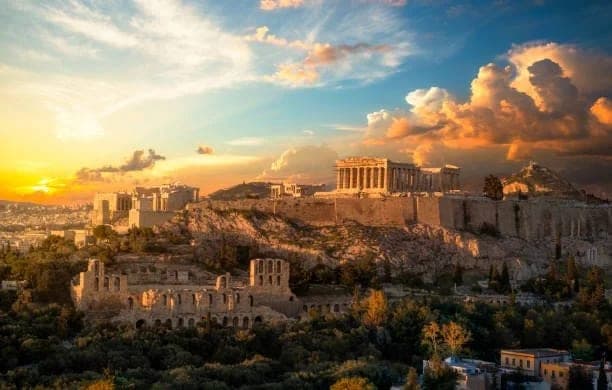
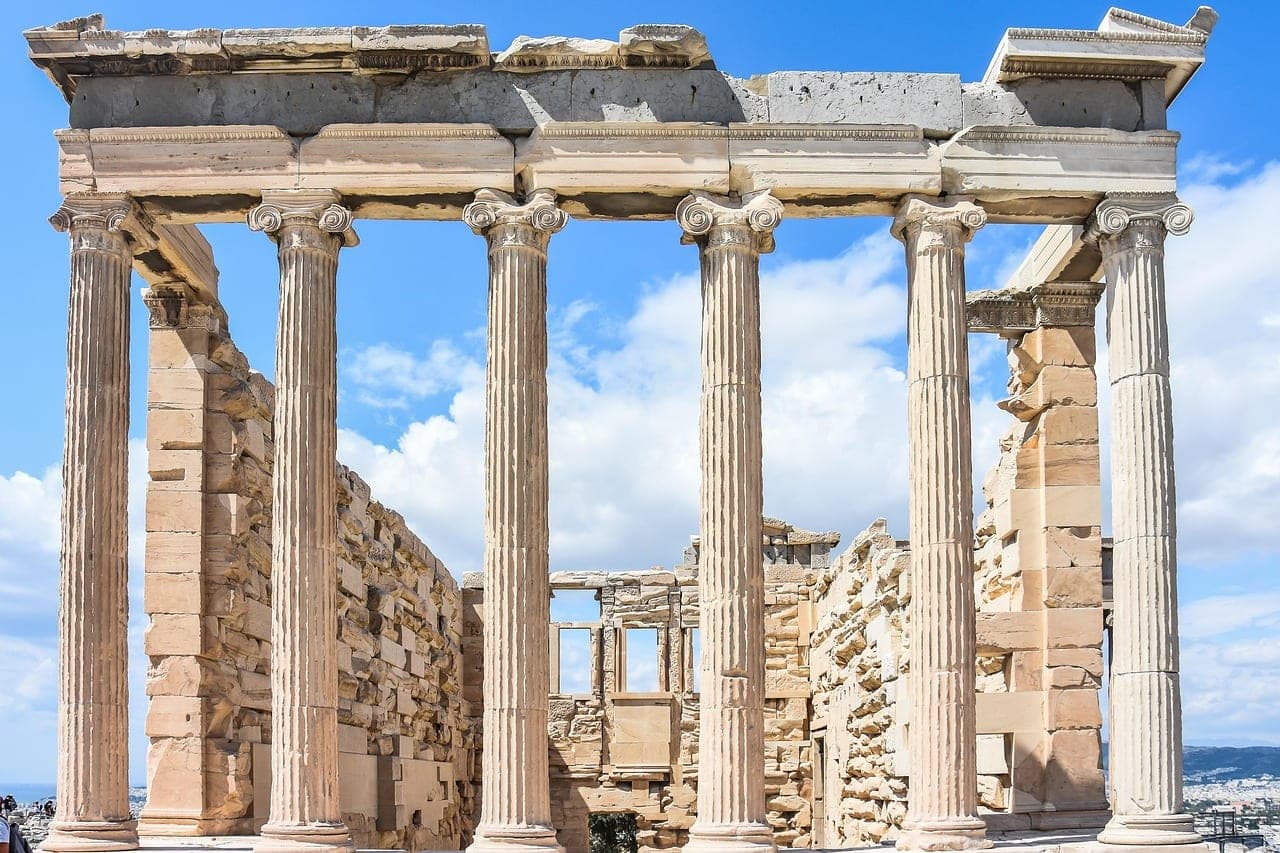
Acropolis and the Parthenon rising above the rooftops of Athens, Greece
On this page
  • Where Athens sits and why the Classical core is compact enough to walk in a day
  • Six sights that anchor a student group: Acropolis, Agora, Plaka, National Archaeological Museum
  • What to eat: souvlaki, moussaka, and the gyro done right
  • When to go, what to pack, and whether Athens is safe for high school groups
  • Practical logistics for teachers: metro tickets, Syntagma, and beating the midday heat
← All city guidesCountry guide: Greece
Plan a trip

A quick introduction

Athens is where Western political philosophy, theater, and democracy were invented — not borrowed, not refined, invented. The city has been continuously inhabited for more than 3,400 years, and the Parthenon has looked out over the rooftops since 438 BCE. Metro Athens is home to about 3.1 million people, roughly a third of Greece's population, and the Classical core — Acropolis, Agora, Plaka, Monastiraki — sits inside a 20-minute walking radius.

For a student group, Athens is the single most concentrated Classical-civilization visit in the world. A high school group trip that ties Western Civ, AP World History, or a humanities curriculum to a physical place starts here. Our teacher-led tours pair the Acropolis and the new Acropolis Museum with the Ancient Agora on day one, which means students stand where Socrates argued and Pericles spoke before lunch. Educational travel to Athens works because the artifacts and the ruins are on the same block.

Day by day

Top things to see and do

The Acropolis & the Parthenon

The Acropolis & the Parthenon

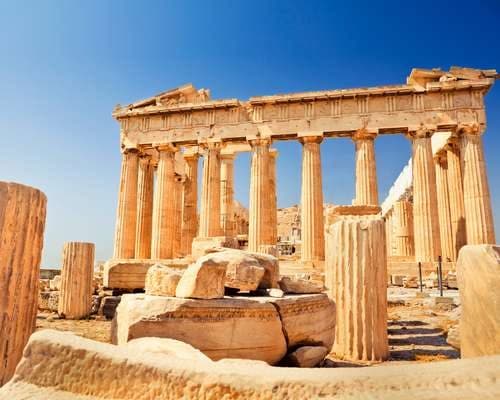
The 5th-century BCE citadel that anchors every Athens visit. The Parthenon, Erechtheion, and Temple of Athena Nike sit on the rock; the walk up takes 20 minutes. Go at opening (8:00 AM) to beat the heat and the cruise-ship groups.

Acropolis Museum

Acropolis Museum

Opened in 2009, built directly over an excavated Byzantine neighborhood you see through glass floors. The top gallery is oriented to mirror the Parthenon itself, with the original sculptures arrayed in the same positions. A two-hour visit pays off enormously after the hill.

Ancient Agora & the Stoa of Attalos

Ancient Agora & the Stoa of Attalos

The civic heart of Classical Athens — where the first democracy met, where Socrates was tried, where shoppers and philosophers crossed paths. The reconstructed Stoa of Attalos houses a small, excellent museum of everyday Athenian artifacts.

Plaka & Monastiraki

Plaka & Monastiraki

The old town at the foot of the Acropolis. Narrow lanes, neoclassical houses painted in ochre and white, and the best lunch options after a morning on the hill. Monastiraki's flea market and Sunday antique stalls are a good free-time slot.

National Archaeological Museum

National Archaeological Museum

The deepest collection of ancient Greek artifacts anywhere — Mycenaean gold from Schliemann's digs, the Antikythera Mechanism, and room after room of Classical sculpture. Budget two hours minimum; it rewards a focused tour over a wander.

Syntagma Square & the Evzones

Syntagma Square & the Evzones

The Parliament building and Tomb of the Unknown Soldier, with the Evzones changing guard every hour. The full ceremony on Sunday at 11:00 is worth planning around — traditional uniforms, pom-pom shoes, marching that students will actually photograph.

Weather by season

When to go

  • Apr - Jun — spring sweet spot

    The classic window for educational travel to Athens. Daytime highs climb from 18°C in April to 30°C by mid-June, wildflowers cover the slopes of the Acropolis, and the ruins sit in flattering morning light. Book Acropolis tickets two weeks ahead once April hits.

  • Jul - Aug — peak heat, peak crowds

    Daytime highs 34-38°C with occasional 40°C spikes, midday sun on unshaded marble, and cruise-ship volume at its loudest. Summer student groups still run successfully, but the itinerary shifts: Acropolis at opening, museums at midday, Plaka and the coast after 5 PM.

  • Sep - Oct — shoulder-season gold

    The best-kept secret among teacher-led tours. Temperatures drop to 22-28°C, the sea stays warm for a Cape Sounion afternoon, and the tourist volume halves after the first week of September. A September or October high school group trip is the move if your school calendar allows it.

  • Nov - Mar — quiet winter

    Daytime highs 12-16°C, occasional rain, short daylight, and the Acropolis nearly to yourself. Some island ferries run a reduced schedule, but Athens itself stays fully open and is cheaper across the board. Great for interim-term student tours; harder for photo-heavy itineraries and Aegean day trips.

What to order

Food and culture

Souvlaki & gyros

Souvlaki & gyros

Grilled pork or chicken on a stick, or shaved off a rotating spit, wrapped in pita with tomato, onion, tzatziki, and fries inside. The classic Athens lunch for a group on the move — €4-5 a wrap.

Moussaka

Moussaka

Layered eggplant, seasoned lamb, and béchamel, baked in a casserole until the top caramelizes. Every taverna has a version; the good ones are cooked in the morning and served warm, not screaming hot.

Greek salad (horiatiki)

Greek salad (horiatiki)

Tomato, cucumber, red onion, green pepper, Kalamata olives, and a thick slab of feta on top, dressed with olive oil and oregano. No lettuce, ever. A perfect midday plate in hot weather.

Spanakopita

Spanakopita

Flaky phyllo pastry stuffed with spinach, feta, and dill. Sold by the slice at bakeries for breakfast or a snack — the most reliable vegetarian option when a student group is trying to find one on the fly.

Loukoumades

Loukoumades

Small fried dough balls, drenched in honey syrup, topped with cinnamon and crushed walnuts. Traditional Athenian dessert stalls in Psyrri still fry them to order. Dangerous after dinner.

Packing essentials

What to pack

  • Documents

    Passport valid 6+ months past travel date, two printed copies (one for the student, one for the Tour Director's file), insurance card, and the Passports group packet. No visa required for US citizens on a stay under 90 days in the Schengen area.

  • Clothing

    Layers for variable spring and autumn weather; lightweight, breathable fabrics for summer. Shoulders and knees covered for any monastery visit (Kaisariani, Daphni, or an island day trip to a working church). A light scarf that doubles as a shoulder cover solves the dress-code moment on the fly.

  • Footwear

    Serious, broken-in walking shoes with grip. The marble on the Acropolis is genuinely slippery — it's been polished by 2,500 years of foot traffic. Do not wear new shoes or flat-soled fashion sneakers. A student group logs 10,000-14,000 steps a day here.

  • Sun protection

    Hat, sunglasses, SPF 30+ sunscreen, and a refillable water bottle. The Acropolis has almost no shade and the reflective marble multiplies the UV. Heat exhaustion is the single most common health issue on summer Athens itineraries — hydrate before you climb, not after.

  • Tech

    Greece uses Type C / F plugs (European two-prong) — bring a universal adapter. A portable battery earns its weight on museum days. T-Mobile and Google Fi work out of the box; others should buy a Cosmote or Vodafone GR eSIM on arrival at ATH airport.

  • Extras

    A small daypack for museum days (large bags have to be checked at the Acropolis Museum and the National Archaeological), a reusable water bottle (Athenian tap water is excellent and public fountains are common), a lightweight rain shell November through March, and a compact first-aid kit with blister plasters.

The parent-meeting question

Is it safe?

Yes. Greece's US State Department rating is Level 1 ("exercise normal precautions") — the lowest advisory tier, the same as Japan and Switzerland. Violent crime against travelers is genuinely rare in Athens. The actual risks are practical, not dramatic: pickpocketing on the Metro around Syntagma and Omonia, heat-related issues on the Acropolis in July and August, and the occasional protest or general strike around Syntagma Square that closes streets for an afternoon.

On a Passports teacher-led trip, the group is never on the metro alone, the Tour Director runs a pickpocket-awareness briefing on the first evening, every hotel is pre-vetted for 24-hour reception and secure room storage, and the Acropolis climb is scheduled for the cool end of the day. We operate a 24/7 emergency line out of Boston, keep parents on a daily-update channel, and have English-speaking medical contacts in every city we visit. For most teachers running their first school group tours to Greece, the logistics feel easier than a domestic field trip.

🛡️

Personal safety

Pickpocketing on the Metro (especially Line 1 through Syntagma and Monastiraki) is the real risk; violent crime is rare. Cross-body bags worn in front, phones off café tables, and a Day 1 briefing cover nearly all of it. Hotels are vetted for 24-hour reception, in-room safes, and English-speaking front desks.

⚕️

Health & medical

Athens tap water is safe and excellent. No special vaccines required beyond CDC routine. The biggest practical health risk is heat exhaustion between June and September — hydration, hats, and a late-afternoon Acropolis climb cover it. Evangelismos and Hygeia hospitals run 24-hour ERs to international standards and take US travel insurance.

🚐

Roads & transport

Athens traffic is famously chaotic; our groups move by private coach and by metro (the cleanest and safest in Southern Europe, archaeological displays in the stations). Drivers are licensed tourist-coach operators with full credentials. No students on mopeds or rented scooters at any point on the itinerary.

🌪️

Natural hazards

Greece sits in an active seismic zone but modern Athens buildings are engineered for it and noticeable quakes are rare in the city. Summer wildfire season (Jul-Aug) occasionally affects day-trip routes outside Athens; our Tour Director monitors the national civil-protection feed and reroutes if needed. No hurricanes or tornadoes.

Practical tips

  • Start early, finish after siesta

    The Acropolis opens at 8:00 AM and the first hour is the best hour of the day — cooler marble, softer light, room to photograph. Many smaller sites and shops close 2:00-5:00 PM; use the window for lunch and an indoor museum, then pick the itinerary back up when the city reopens around 5:30.

  • The Metro is excellent and cheap

    Athens has three Metro lines, trains run every 3-5 minutes in the core, and a single ride is €1.20. Buy a paper ticket or a reloadable Ath.ena card at any station machine and validate before boarding — inspectors do check. Our student groups travel as a group with the Tour Director, never in singletons.

  • Avoid Syntagma during announced protests

    Strikes and marches in Greece are a normal part of civic life and almost always peaceful, but they close streets around Syntagma Square and the Parliament. The Tour Director checks the daily advisory and routes the group around any scheduled action — it's the single most common reason we flex an itinerary in Athens.

  • Cards work almost everywhere

    Contactless is near-universal, including on the Metro turnstiles. Small cash helps at neighborhood souvlaki joints and at Monastiraki flea-market stalls, but most student-group spending runs fine on a single card. Tipping is modest — rounding up or 5-10% at a sit-down meal is standard.
Five facts

Good to know

🏛️

Direct democracy started here

In 508 BCE, Cleisthenes reorganized Athens into a system where every free male citizen voted directly on legislation. The assembly met on the Pnyx hill, a short walk west of the Acropolis, and you can still stand on the speaker's rock.

🎭

Theater was invented on the south slope

The Theater of Dionysus, right below the Acropolis, hosted the premieres of Aeschylus, Sophocles, Euripides, and Aristophanes. Every play from the Western canon's first century of theater debuted on that stone.

🗿

The Parthenon marbles are still disputed

Roughly half of the surviving Parthenon sculptures were removed by Lord Elgin in 1801-12 and are in the British Museum; the other half are in the Acropolis Museum in Athens. The Museum's top floor is arranged with empty spaces waiting for their return.

🔥

The Olympic flame begins nearby

The Olympic torch is lit at ancient Olympia in the Peloponnese and always passes through Athens' Panathenaic Stadium — the all-marble stadium that hosted the first modern Olympics in 1896. A group can walk onto the track.

🔤

Greeks write with a different alphabet

Modern Greek still uses the 24-letter alphabet that Plato used, which means students can read classical signage and spot roots of English science vocabulary (bio-, astro-, demo-) in real menus and street names. A cheap, lifelong classroom takeaway.

Tours that go here

Tours that stop in Athens

See all tours →
Santorini
Greece

Aegean Adventure

Athens · Aboard ship

Adult-recommendedSmall-groupLarge-group
See itinerary
Parthenon on the Akropolis in Athens
Italy · Greece

Classical Discovery

Rome · Athens

Small-group
See itinerary
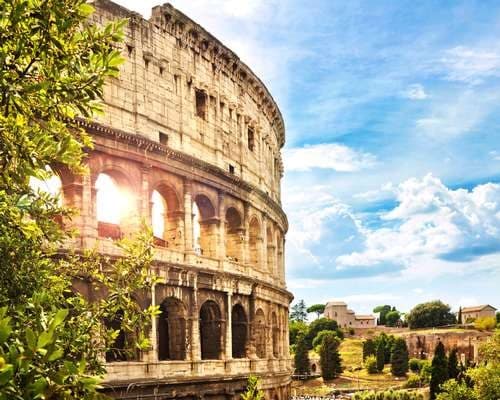
The Colosseum, Rome
Italy · Greece

Classical Exploration

Rome · Sorrento · Athens

Large-group
See itinerary
Parthenon on the Akropolis in Athens
Greece

Grecian Odyssey

Athens

Language-immersion
See itinerary
Classroom material

Lesson plans about Athens

See all →
GreecehistoryGrade 11-12

Classical Greece (4th-5th Centuries BCE): Plato: The Republic's Philosopher Kings

Through the investigation of selected primary and secondary sources, including a full text analysis of book 6 of Plato's Republic, students in this lesson will identify, understand and be able to explain the concept of rule by "philosopher …

View lesson
GreecehistoryGrade 11-12

Classical Greece (4th-5th centuries BCE): Athens: Democracy

Through the investigation of selected primary and secondary sources, students in this lesson will identify, understand and be able to compare and contrast how different ancient writers saw Athenian democracy and the role of citizens in that…

View lesson
GreeceHistoryGrade 11-12

Classical Greece (4th-5th centuries BCE): Plato: Allegory of the Cave

Through an in-depth analysis of primary and secondary sources, students in this lesson will identify, understand and be able to explain the story of Plato's "Allegory of the Cave", and using that knowledge will then theorize as to what mess…

View lesson
From our blog

Blog posts about Athens

See all →
Unlocking the History Behind European World Heritage Sites: A Teacher’s Guide
educational impact

Unlocking the History Behind European World Heritage Sites: A Teacher’s Guide

Six European UNESCO World Heritage Sites offer rich classroom tie-ins across history, architecture, and culture. This guide gives teachers activity ideas for each landmark

Read post
Engaging Students with Hands-On Travel Activities: Fun Ideas for Educational Tours
educational impact

Engaging Students with Hands-On Travel Activities: Fun Ideas for Educational Tours

Hands-on travel activities like graffiti workshops, geo-treasure hunts, and historical reenactments help students engage deeply with destinations and retain what they learn

Read post
Exploring Ancient Civilizations Through Student Travel: Top Historical Sites for Teachers
educational impact

Exploring Ancient Civilizations Through Student Travel: Top Historical Sites for Teachers

Student travel to ancient sites like Athens, Rome, and Pompeii transforms history lessons into hands-on experiences, with curriculum connections and pre- and post-trip activity ideas for teachers

Read post
Historical Landmarks with Fascinating Stories
destinations

Historical Landmarks with Fascinating Stories

Five iconic European landmarks—Rome's Colosseum, Paris's Eiffel Tower, Berlin Wall, Stonehenge, and Athens's Acropolis—and the history-shaping stories behind each one

Read post
Exploring Europe's Ancient Ruins and Archaeological Sites
destinations

Exploring Europe's Ancient Ruins and Archaeological Sites

Europe's top ancient ruins span Roman colosseums to prehistoric Stonehenge. This guide covers 10 must-see archaeological sites across Italy, Greece, England, Spain, and Turkey

Read post
Exploring Europe’s Historical Treasures: A Guide for History Enthusiasts and Educators
destinations

Exploring Europe’s Historical Treasures: A Guide for History Enthusiasts and Educators

Europe's most historically rich cities offer student groups vivid, hands-on learning across ancient, medieval, and Renaissance eras. This guide covers Rome, Athens, Prague, Edinburgh, Florence, and Paris

Read post
On the ground

More places in Greece

Country guide: Greece →
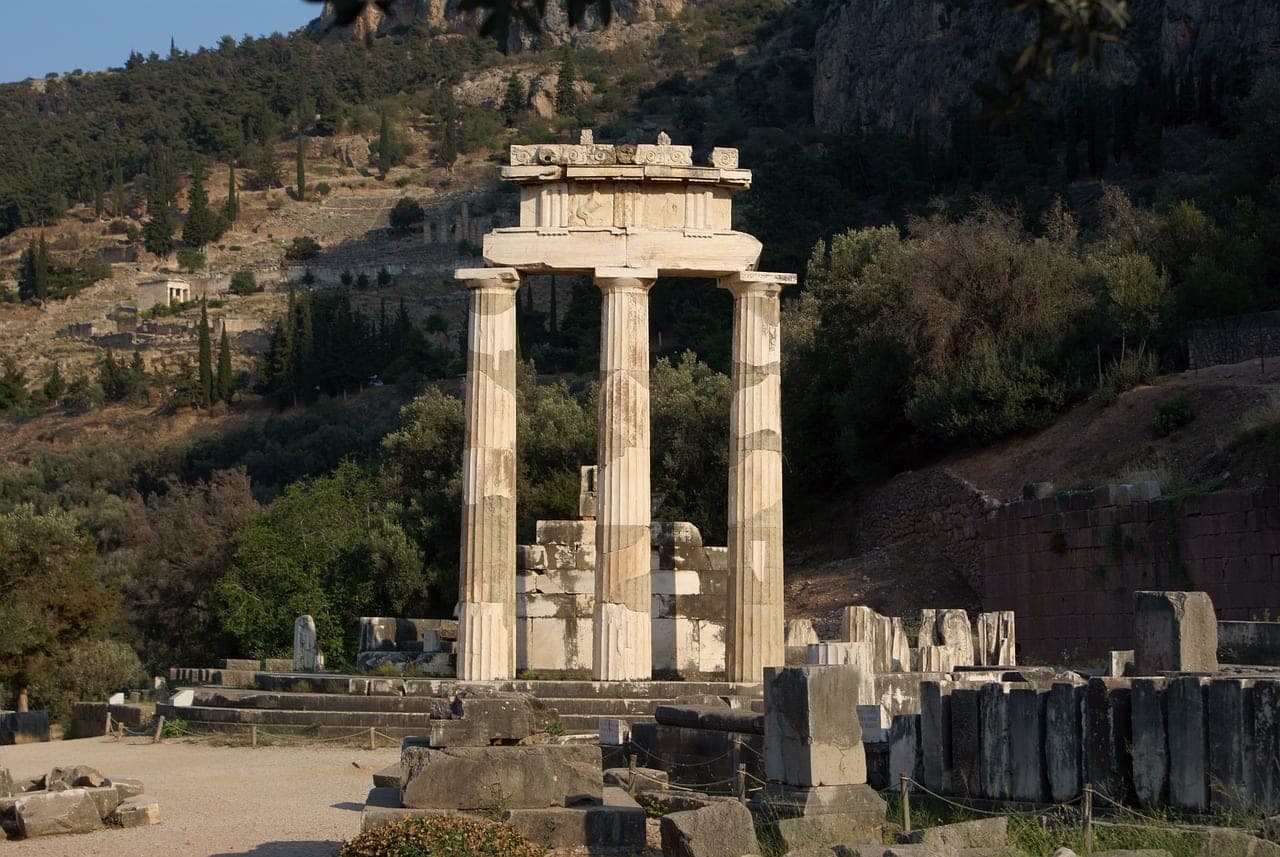
Ancient ruins of the sanctuary of Delphi on the slopes of Mount Parnassus

Delphi, Greece

Delphi student group travel guide for teachers: Apollo's oracle, Parnassus ruins, and the museum — educational travel and teacher-led tours of ancient Greece.

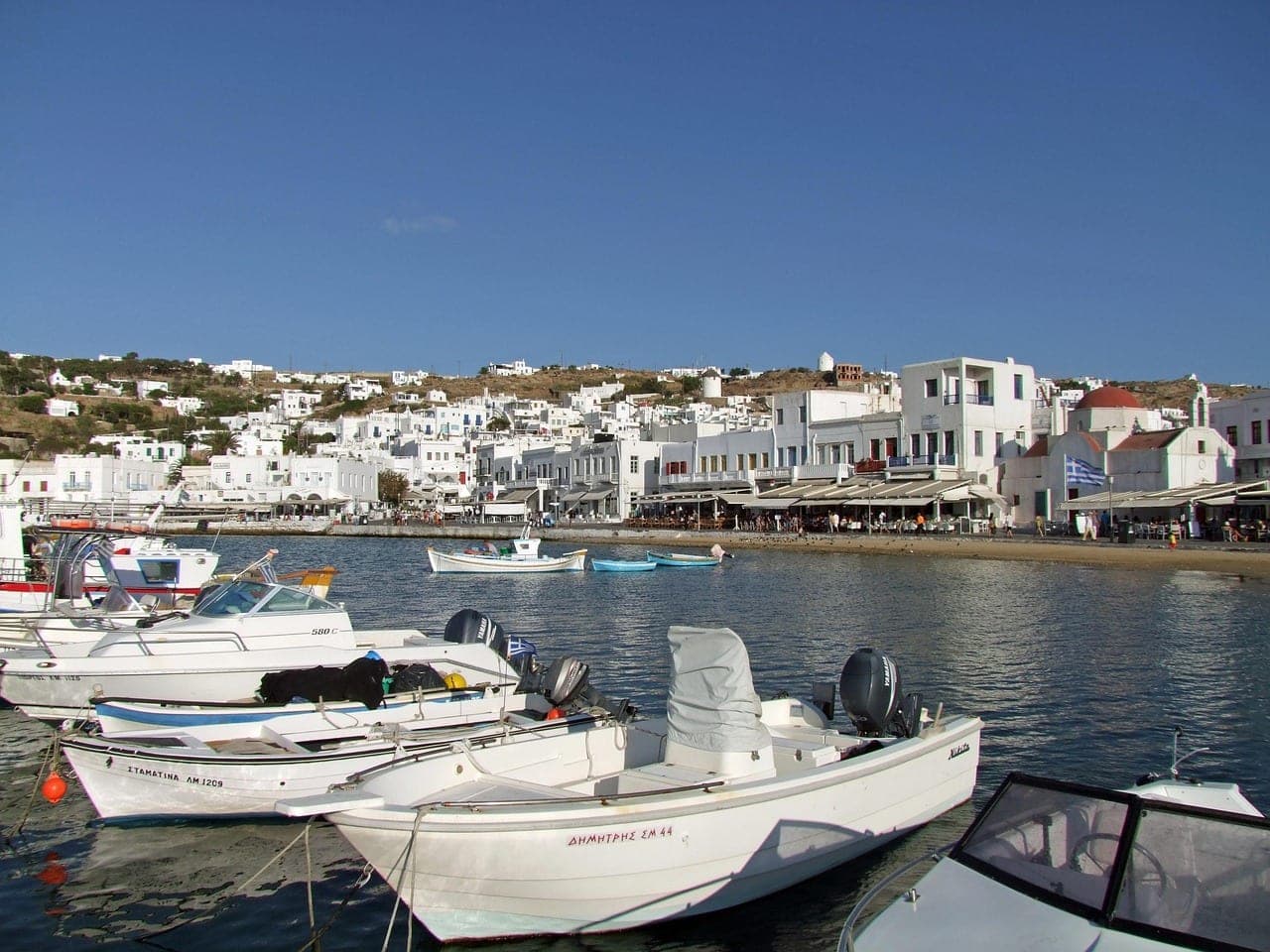
Whitewashed Cycladic houses of Mykonos Chora descending to the harbor, Greece

Mykonos, Greece

Mykonos student group travel for teachers: Cycladic windmills, Little Venice sunsets, Delos archaeology, and educational tours that fit teacher-led trips.

Free · No commitment

Get a free, no-hassle quote.

Just your name and email. A Tour Advisor follows up with pricing and options for your group — no obligation, no deposit.

No commitment. A Tour Advisor follows up with pricing and options — we never share your info.

Bring your group to Athens, Greece.

Every Passports trip is built around a teacher and a group — from first itinerary sketch to the last day on the ground. Tell us what you have in mind and we’ll take it from there.

Plan a trip