- RegionNorth Yorkshire, England
- LanguageEnglish
- CurrencyPound sterling (GBP)
- Best seasonMay - Jun, Sep - Oct
- TimezoneGreenwich Mean Time (UTC+0)
A quick introduction
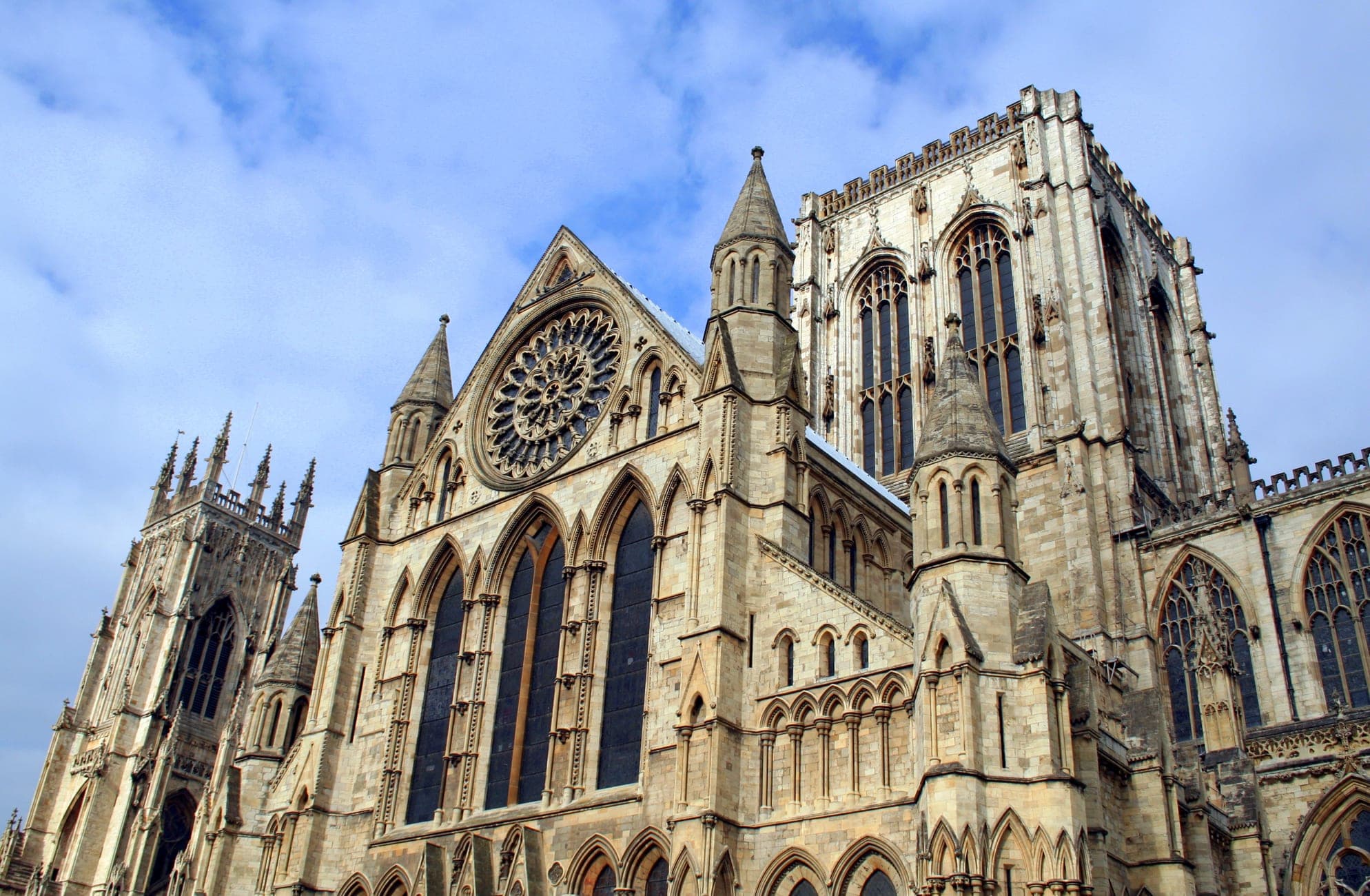
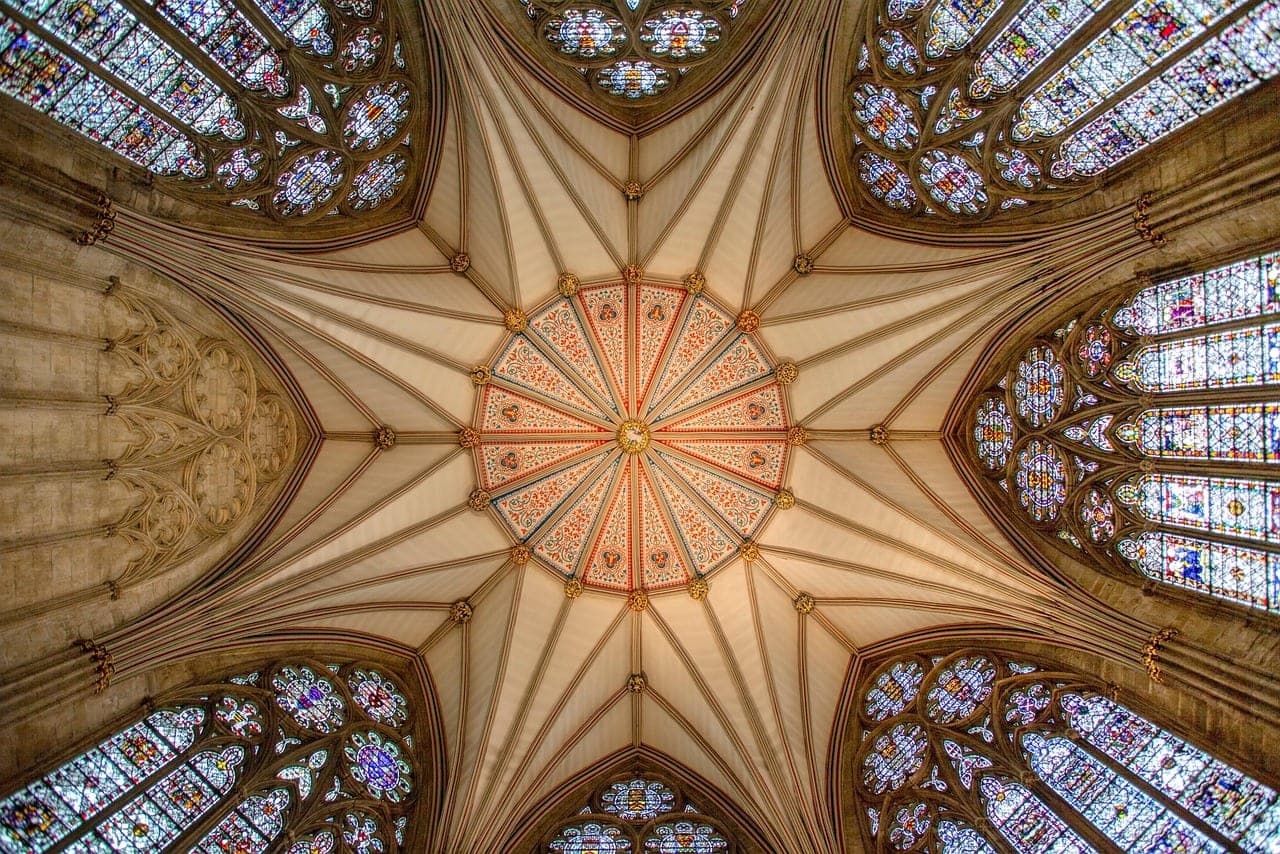
York is a walled cathedral city of about 200,000 people at the confluence of the Ouse and the Foss in North Yorkshire, 200 miles north of London by direct rail. The Romans founded Eboracum here in 71 AD; the Vikings ruled it as Jorvik in the 9th and 10th centuries; the Normans laid out the medieval street plan that still survives. The Bar Walls — three miles of medieval ramparts walkable end-to-end — wrap the historic core, and almost every sight a school group will visit sits inside that ring.
For a student group, York is the deepest medieval-and-Roman visit on our British Isles catalog. Two thousand years of layered history sit inside a 25-minute walk — Roman fortress wall, Viking dig, Gothic cathedral, Plantagenet city, Victorian railway museum — and unlike London, nothing requires the Tube. York pairs cleanly with Edinburgh, the Lake District, or Stratford and London on a week-long teacher-led high school group trip, and consistently lands in the top three for educational travel ratings from our returning history teachers.
Top things to see and do


When to go
- May - Jun — spring sweet spot
The classic window for educational tours to York. Daytime highs 14-20°C, long daylight pushing 9:30 PM by mid-June, and Museum Gardens in full bloom. Crowds are manageable until UK schools break in late July, and Minster timed-entry slots are easy to land a week or two ahead.
- Jul - Aug — peak crowds, soft weather
Daytime highs 18-23°C, frequent passing showers, and the Shambles shoulder-to-shoulder by 11 AM. Still works for summer high school student travel — start the day at opening (9:30 Minster, 10:00 Jorvik) (Passports books the timed slots when the group count locks).
- Sep - Oct — shoulder-season gold
Our favorite window for teacher-led trips. Temperatures drop to 11-17°C, the Bar Walls turn beautifully in low autumn light, and tourist volume drops sharply after the first week of September. A September school group trip threads the weather-and-crowd needle better than any other month.
- Nov - Mar — quiet, festive winter
Short daylight (sunset around 4:00 PM in December), reliable drizzle, and the St Nicholas Christmas Market on Parliament Street through late December. The Minster is near-empty after the holidays — but bring serious rain gear and a warm layer. Occasional Ouse flooding can close riverside paths in January.
Food and culture

Yorkshire pudding wrap
The local twist on the Sunday roast — a giant Yorkshire pudding folded around roast beef, mash, veg, and gravy. York Roast Co. on Stonegate sells them all day; an undeniably good £8 lunch for a group on the move.

A proper pork pie
Hand-raised hot-water-crust pastry around peppered pork and jelly, eaten cold. The shop counters at Mr P's Curious Tavern and at the indoor Shambles Market sell them by the slice; one of the foundational Yorkshire foods.

Fish and chips
Battered haddock (Yorkshire prefers haddock to cod) with chunky chips and mushy peas. The Wensleydale Heifer and Drakes do sit-down versions; takeaway from a chippy and a bench by the Ouse is the cheaper move.

Bettys afternoon tea
The Bettys tea room on St Helen's Square is a Yorkshire institution since 1919 — three-tier stand, scones with clotted cream, finger sandwiches, fat rascals (the house currant scone). Book the group block weeks ahead.

Wensleydale cheese
The crumbly white cheese from the Yorkshire Dales an hour west, made famous by Wallace and Gromit. Sold by the wedge at the Shambles Market deli stalls; pairs with a fat rascal for an unbeatable picnic on the Bar Walls.
What to pack
- Documents
Passport valid for the duration of travel (the UK doesn't require the 6-month buffer the Schengen area does, but we recommend it anyway), two printed copies (student + Tour Director's file), insurance card, and the Passports group packet. The UK's ETA is required for US citizens as of early 2025 — Passports handles that paperwork at the group level.
- Clothing
Layers, layers, layers. York sits a degree further north than London and runs 3-4°C cooler year-round; mornings on the Bar Walls bite even in May. Modest dress isn't enforced inside the Minster the way it is in Italian cathedrals, but shoulders covered remains the respectful default.
- Rain gear
A packable waterproof jacket with a hood beats an umbrella — the Bar Walls catch the wind off the Vale of York and the Shambles is too narrow for 30 umbrellas to coexist. Add a waterproof daypack cover or a dry bag for camera gear.
- Footwear
Serious, broken-in walking shoes with grip — York's medieval pavements get slick when wet and the Bar Walls' worn stone treads are a real fall hazard in the rain. A student group will log 12,000+ steps a day. Do not buy new shoes for the trip.
- Tech
The UK uses Type G plugs (three-prong, fused) — bring a universal adapter, different from continental Europe if the trip continues onward. T-Mobile and Google Fi work out of the box; other US carriers should add an international plan or buy a UK eSIM at Manchester or Heathrow on arrival.
- Extras
A small daypack for property days (large bags get checked at the Minster and Jorvik), a reusable water bottle (York tap water is excellent), and a contactless card for the Bar Walls-side coffee carts. A compact umbrella as backup to the waterproof jacket isn't a bad call.
Is it safe?
Yes — York is one of the safest destinations on our British Isles catalog. The UK's US State Department rating is Level 2 ("exercise increased caution"), reflecting generic European terrorism risk rather than anything York-specific. Violent crime against travelers is rare, and York's overall crime rate sits below the UK national average. The actual risk on the ground is petty theft on the Shambles in peak summer and bag-leaving in pub cloakrooms — predictable, easily managed.
On a Passports teacher-led trip, the group is never on the Bar Walls alone after dark, the Tour Director runs a situational- awareness briefing on the first evening, and every hotel is pre-vetted for 24-hour reception and secure in-room storage. We operate a 24/7 emergency line out of Boston, keep parents on a daily-update channel, and have English-speaking medical contacts in York and at York Hospital nearby. For most teachers running their first school group tour abroad, York feels easier than a domestic field trip — everyone speaks English and the historic core is small enough to walk end-to-end.
Practical tips
- The train from London is two hours flat
LNER runs direct from London King's Cross to York in 1h 50m to 2h 15m; group rates kick in at 10 passengers. For multi-city itineraries we coach students in from Manchester or pair York with Edinburgh and the Lake District by rail.
- Walk the Bar Walls early
The three-mile medieval circuit is best in the first hour after sunrise — empty, photogenic, and a free 45-minute orientation to the city before the museums open. Coaches drop at Bootham Bar or Walmgate Bar; the Tour Director walks the group up onto the wall from there.
- Contactless is universal, cash is rare
Tap-to-pay covers the Minster, Jorvik, the Castle Museum, pubs, cafés, and Shambles Market stalls. Students do not need pounds in cash for a standard York itinerary; a £20 note for emergencies is plenty. Currency exchange at the airport is a rip-off — skip it.
- The Minster is a working cathedral
Evensong (most days at 5:15 PM) is free and one of the most atmospheric 30 minutes a school group will spend in England. The choir-stall acoustics under the central tower are a music-class moment; quiet attendance and no photography during the service are the only asks.
- Tea is part of the curriculum
A booked sit-down tea at Bettys is the cultural set-piece of a York visit — Yorkshire tea-room tradition, the import-trade history of black tea in northern England, and a 90-minute sit-down for tired students. Passports books the table block ahead; the daytime set is more affordable than the evening.