- RegionKanto, Eastern Honshu
- LanguageJapanese
- CurrencyJapanese Yen (JPY)
- Best seasonMar - May, Oct - Nov
- TimezoneJapan Standard Time (UTC+9)
A quick introduction
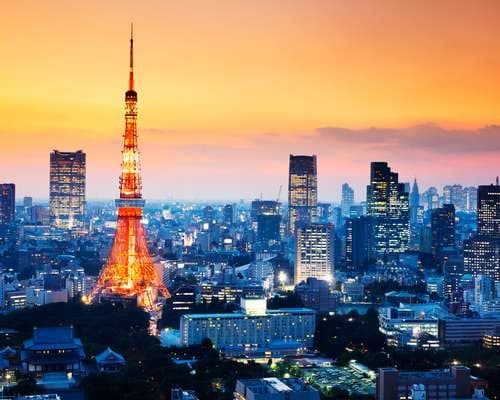
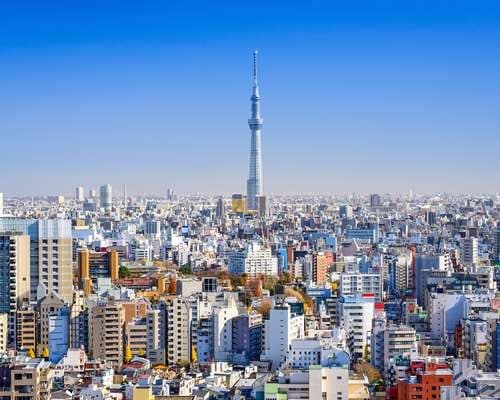
Tokyo is the largest urban agglomeration on Earth — about 37 million people across the metropolitan area, 14 million inside the 23 special wards. The city sits on Tokyo Bay at the eastern edge of Honshu, and despite its scale, it runs on the world's most punctual rail network and reads, neighborhood by neighborhood, like a collection of small cities that happened to fuse. Founded as Edo in 1603 when the Tokugawa shogunate set up its capital here, renamed Tokyo ("Eastern Capital") in 1868.
For a student group, Tokyo is the contemporary half of any Japan itinerary — the counter-weight to Kyoto's traditional weight and Hiroshima's history weight. Educational travel here means teaching urban planning at Shibuya Crossing, technology at Akihabara, post-war reconstruction at the Edo-Tokyo Museum, and pop culture at Harajuku. A teacher-led trip can keep a high school group moving from Asakusa to Shinjuku to Odaiba on a single rail pass without ever boarding a coach.
Top things to see and do


When to go
- Mar - May — cherry blossoms then warm
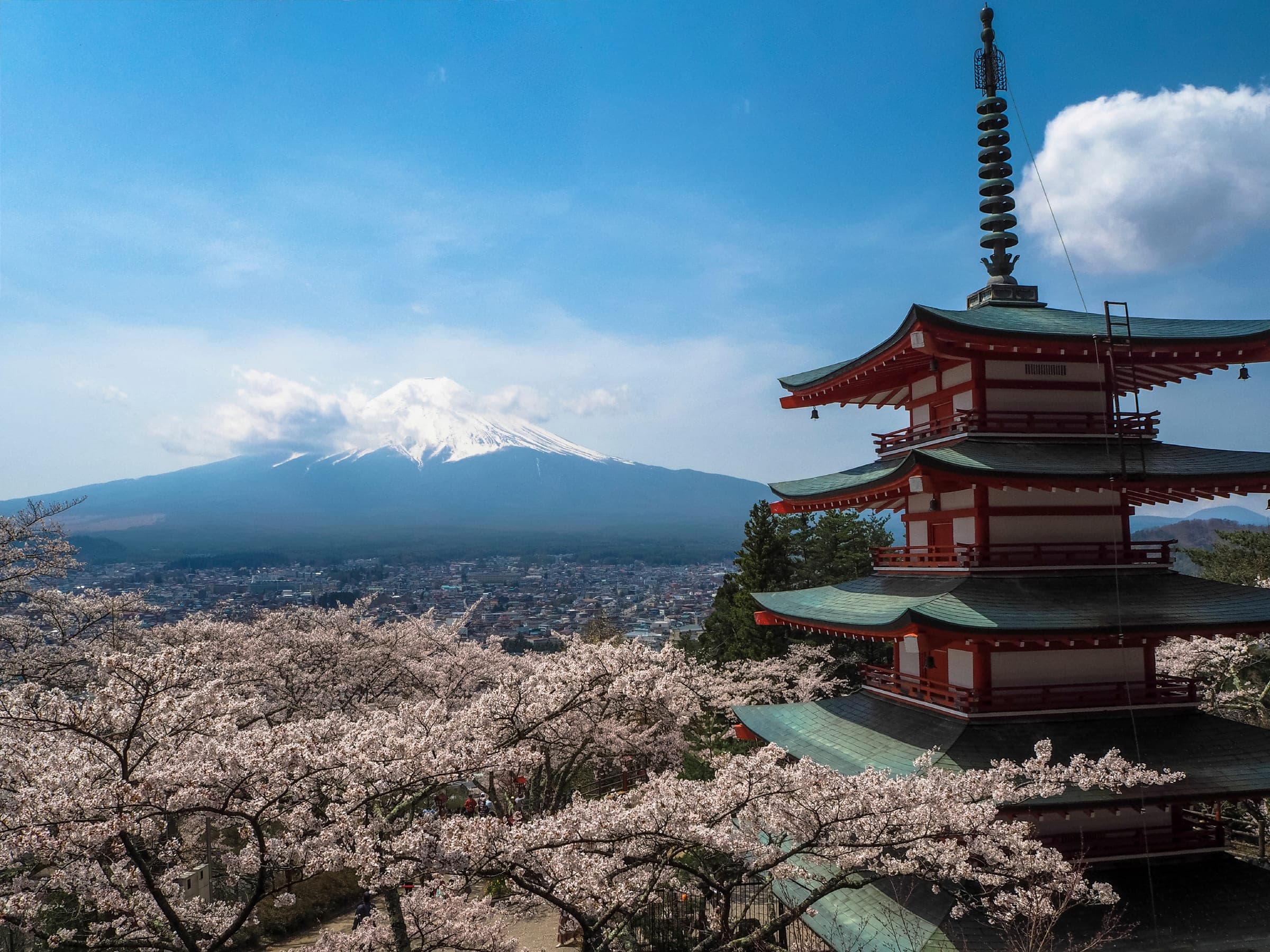
The classic window for educational travel to Tokyo. Sakura typically peaks late March / early April along the Meguro River and at Ueno Park; daytime highs run 13-23°C. Spring break student groups land here on purpose.
- Jun - Aug — rainy then humid heat
Tsuyu (rainy season) runs through June; July and August hit 30-35°C with brutal humidity. Hanabi (fireworks) festivals and the Sumida River fireworks in late July are spectacular but require pre-planning. Hardest-conditions window for teen groups.
- Sep - Nov — autumn color and clear skies
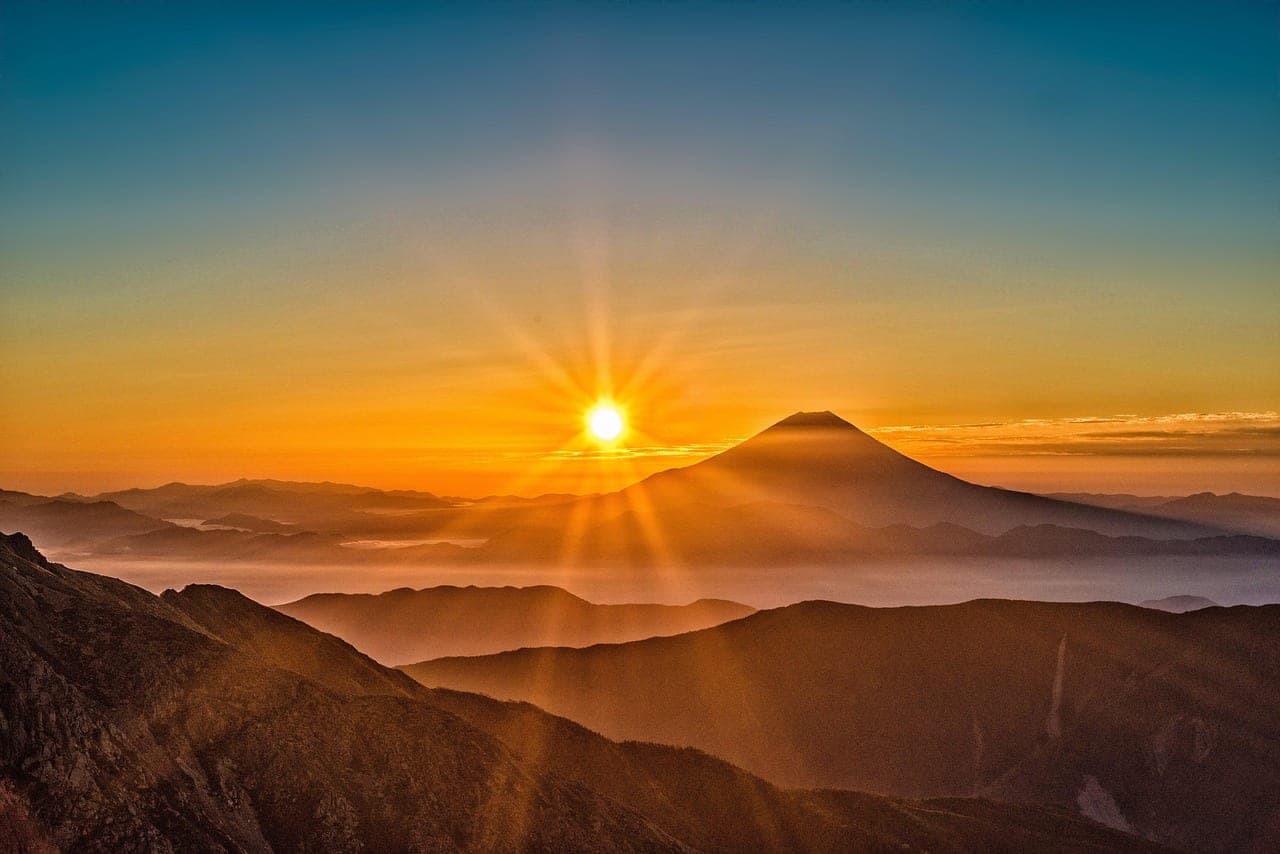
The other obvious sweet spot for teacher-led tours. Daytime highs drop to 16-25°C, ginkgo trees turn yellow at the Imperial Palace and Meiji Jingu Gaien in mid-November, and Mount Fuji becomes visible on clear days. November is the photographer's month.
- Dec - Feb — quiet, cold, dry
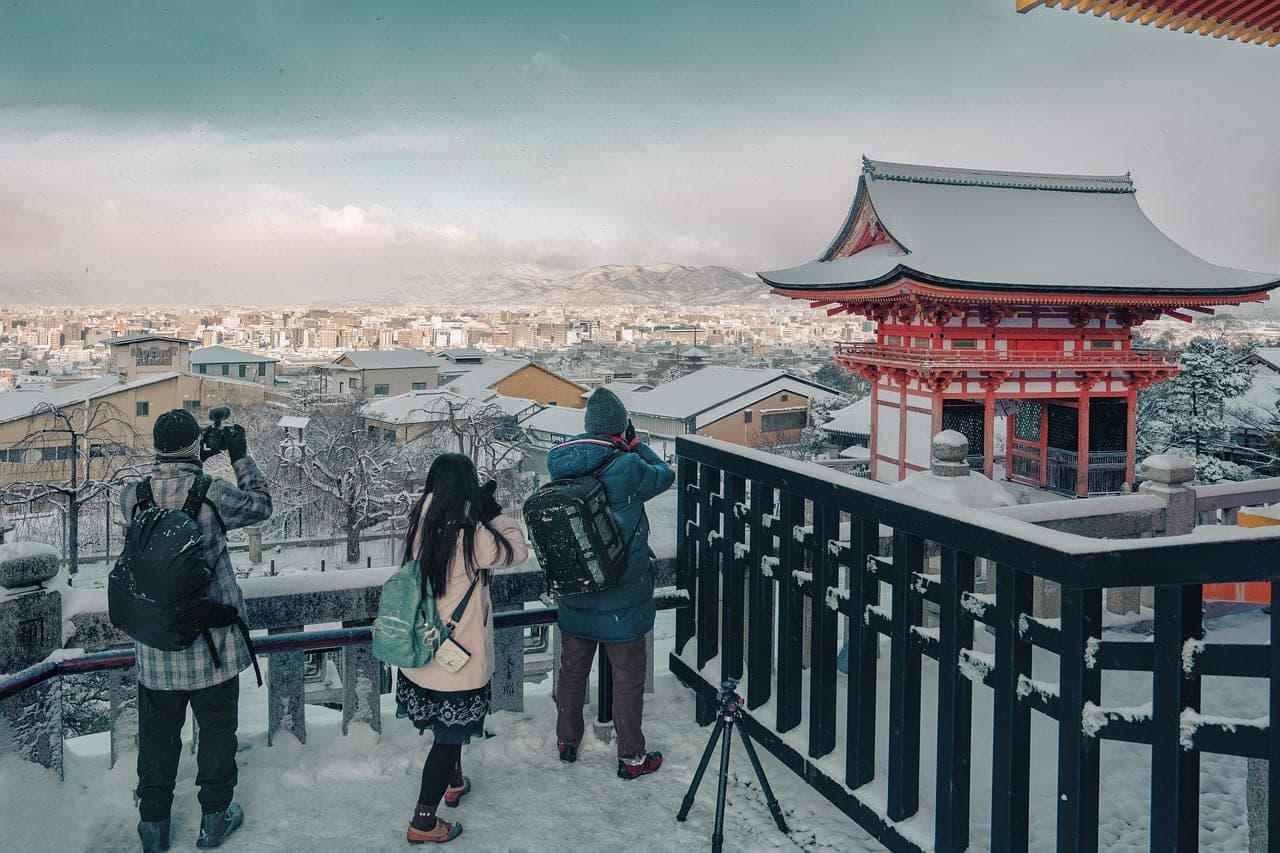
Daytime highs 9-12°C, dry sunny weeks, occasional snow that doesn't usually stick. Winter illuminations light up Roppongi, Marunouchi, and Caretta Shiodome in December. A solid interim-term window with short museum lines.
Food and culture

Sushi
Tsukiji Outer Market and Toyosu Market are the morning reference points. A standing-counter sushiya gets a 30-person group through faster and lets students see the nigiri made one-by-one in front of them.

Ramen
Every Tokyo neighborhood has a queue-out-the-door ramen shop. Tonkotsu (pork-bone), shoyu (soy), shio (salt), miso — order via vending-machine ticket at most counters. Slurping is polite, not rude.

Tempura
Battered, flash-fried seafood and vegetables. The high-end tempura counters in Ginza serve one piece at a time; the department-store basement food halls (depachika) sell excellent take-out trays for group lunch.

Monjayaki
Tokyo's runnier, savory cousin to Hiroshima okonomiyaki — cooked on a teppan in front of you and eaten directly off the grill with tiny spatulas. Tsukishima's Monja Street has 70+ restaurants on a four-block strip.

Convenience-store food
7-Eleven, Lawson, and FamilyMart run a tier of prepared food that genuinely beats most US restaurants. Onigiri (rice triangles), egg-salad sando, oden in winter, takeaway sushi. The group will live here at breakfast.
What to pack
- Documents
Passport valid 6+ months past travel date, two printed copies (one for the student, one for the Tour Director's file), and the Passports group packet. No visa required for US citizens on a stay under 90 days. JR Pass voucher if the itinerary uses one — exchange on arrival at HND or NRT.
- Clothing
Layers for spring and autumn — Tokyo runs warmer than Kyoto but the wind off the bay drops the perceived temperature. Modest dress for shrine visits; loud logos read fine in Harajuku, less fine at Meiji Shrine. A neat outfit for the Skytree dinner.
- Footwear
Slip-on walking shoes — temple visits and ryokan stays both require shoes off at the door. Broken-in pairs for the 15,000-step rail-and-walk days. Do not buy new shoes for the trip.
- Tech
Japan uses Type A plugs (US-compatible) at 100V. Pocket Wi-Fi or eSIM is essential — Google Maps in transit mode is the single most-used app of the trip. Portable battery for full-day rail circuits.
- Extras
A small daypack (large bags are awkward in trains and shrines), reusable water bottle, a folded handkerchief (most public restrooms don't provide hand towels), sunscreen in summer, compact umbrella year-round.
Is it safe?
Yes, emphatically. Japan is rated Level 1 by the US State Department — the lowest advisory tier — and Tokyo is consistently ranked the safest megacity in the world by global safety indices. Violent crime against travelers is statistically near zero, pickpocketing is rare, lost wallets are routinely returned intact via the koban (police box) network. The genuine risks on a Tokyo itinerary are seismic, weather (typhoons July through October), and the rare separation moment in a crowded Shinjuku Station.
On a Passports teacher-led trip, the Tour Director knows the rail network down to the platform, briefs the group on train etiquette before the first transfer, and runs a Day 1 "if you get separated" protocol that has worked across thousands of student tours. Hotels are pre-vetted, the coach driver carries professional medical certification, and we operate a 24/7 emergency line out of Boston with English- speaking medical contacts in every city we visit. For most teachers running their first student group travel to Japan, Tokyo is the easiest large city in the world to keep a group together.
Practical tips
- The IC card is the key to the city
Suica or Pasmo — tap to enter, tap to exit, works on every train, bus, and most convenience stores. The Tour Director hands one out per student on Day 1. Top up at any station machine.
- Quiet on the train
No phone calls, no loud conversation, no eating or drinking on most lines. Backpacks come off and go in front of you in the rush-hour cars. The locals model the norm — students pick it up by the second day.
- Shoes off matters here too
Less constant than Kyoto but still routine in temples, ryokan, traditional restaurants, and some museum exhibits. Slip-ons and clean socks are non-negotiable.
- Cash and IC card together
Contactless is growing but smaller restaurants, festivals, and older shops only take cash or IC. 7-Eleven ATMs accept foreign cards reliably and sit on every block. Tipping is not done — and may be politely refused.
- Stay right, walk left (mostly)
Tokyo's escalator convention is stand left, walk right — the opposite of Osaka. On busy stairs and platforms, follow the floor arrows; the Tour Director points them out.