- RegionChūgoku, Western Honshu
- LanguageJapanese
- CurrencyJapanese Yen (JPY)
- Best seasonMar - May, Oct - Nov
- TimezoneJapan Standard Time (UTC+9)
A quick introduction
Hiroshima sits on a delta of six rivers at the western end of Japan's main island, a city of about 1.2 million people that most Americans only know from one date. On August 6, 1945, the world's first atomic weapon used in war detonated 600 meters above the Shima Hospital. The reconstructed city that grew back is one of the most deliberate, articulate peace cities on the planet — rebuilt around a memorial park instead of around a downtown.
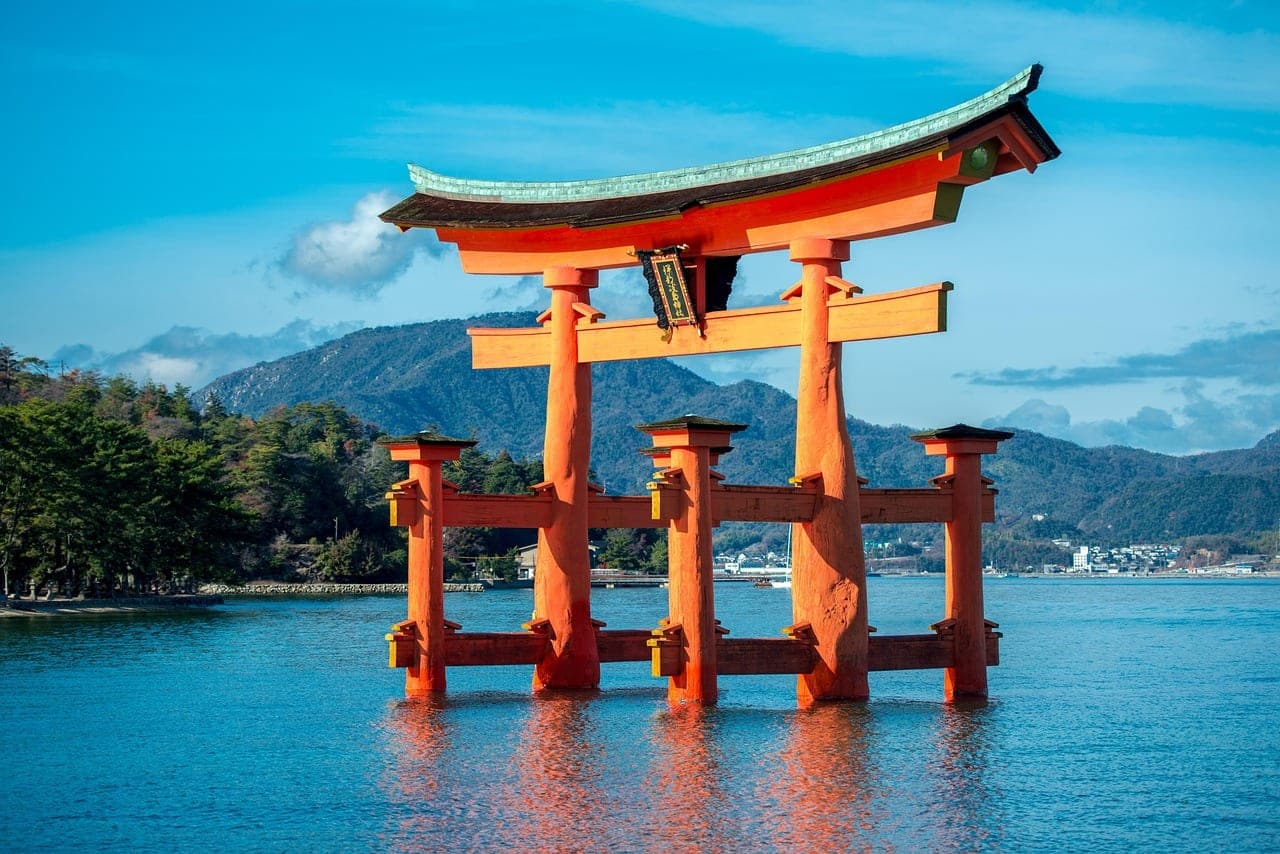
For a student group, Hiroshima is the single most powerful classroom day on a Japan itinerary. The Peace Memorial Museum is sober, age-appropriate for high school groups, and curated with extraordinary care; the A-Bomb Dome stands a five-minute walk away exactly as the blast left it. Pair the city center with a half-day on Miyajima — the floating torii, deer in the streets, Mount Misen — and the contrast does the teaching for you. This is a destination that rewards educational travel built around primary sources, survivor testimony, and the quiet moments between visits.
Top things to see and do


When to go
- Mar - May — cherry-blossom spring
The classic window for educational travel to Hiroshima. Daytime highs 12-22°C, sakura in Peace Memorial Park typically around the last week of March, lengthening daylight. Spring break student groups land here on purpose.
- Jun - Aug — rainy season then heavy heat
The tsuyu rains run mid-June into July; August sits in the 32-34°C range with high humidity. August 6 hosts the annual Peace Memorial Ceremony — a serious event, not a tourism moment, and the city books out months ahead.
- Sep - Nov — autumn color
The other sweet spot for teacher-led tours. Mount Misen on Miyajima turns scarlet in mid-November, temperatures drop to 14-22°C, and crowds thin after the early-October domestic travel weeks. A November high school group trip pairs Hiroshima with Kyoto's autumn beautifully.
- Dec - Feb — quiet, mild winter
Daytime highs 8-12°C, occasional rain, almost no snow at sea level. The museum and park are uncrowded; Miyajima's deer keep working the village. A solid interim-term window for a focused history-and-peace itinerary.
Food and culture

Okonomiyaki Hiroshima-style
The Hiroshima version is layered, not mixed — cabbage, pork, noodles, and egg stacked on a teppan grill in front of you. Different from Osaka's. Okonomi-mura in the city center stacks 24 stalls under one roof.

Hiroshima oysters
The city produces about 60% of Japan's oysters, farmed in the bays around Miyajima. Grilled on the half-shell at Miyajima's waterfront stalls is the local move.

Momiji manju
Maple-leaf-shaped sponge cakes filled with sweet red bean, custard, or chocolate. Sold by the dozen at Miyajima stalls; eaten warm off the press is the upgrade.

Tsukemen
Dipping ramen — cold noodles, hot spicy sauce in a separate bowl. Hiroshima's variant skews fiery red; the chain Bakudanya is the local reference.

Anago meshi
Grilled saltwater eel over rice, a Miyajima specialty going back to the early 1900s. Lighter and sweeter than Tokyo-style unagi.
What to pack
- Documents
Passport valid 6+ months past travel date, two printed copies (one for the student, one for the Tour Director's file), and the Passports group packet. No visa required for US citizens on a stay under 90 days. JR Pass voucher if the itinerary uses one — exchange on arrival at the airport JR desk.
- Clothing
Layers for spring and autumn (mornings cool, afternoons warm). Modest dress is appreciated at shrines and the Peace Memorial; loud logos and beachwear read wrong. A clean, neutral outfit for the museum visit is a small gesture students notice.
- Footwear
Slip-on walking shoes earn their weight — temple visits and ryokan stays both require shoes off at the door. Broken-in sneakers for the 12,000-step park-and-museum day; do not buy new shoes for the trip.
- Tech
Japan uses Type A plugs (same as the US) but at 100V — most US electronics tolerate it. A pocket Wi-Fi or eSIM is essential for translation and maps; the Tour Director can hand them out on arrival. Portable battery for full-park days.
- Extras
A small daypack (large bags are awkward in shrines), reusable water bottle, a folded handkerchief or small towel (most public restrooms don't provide them), sunscreen, and a compact umbrella year-round — Hiroshima rains.
Is it safe?
Yes, emphatically. Japan is rated Level 1 by the US State Department — the lowest advisory tier — and Hiroshima is one of the safest cities in one of the safest countries on the planet. Violent crime against travelers is statistically near zero; pickpocketing exists but is rare; lost wallets are routinely handed in to police boxes intact. The genuine risks on a Japan itinerary are seismic and weather-related, not criminal.
On a Passports teacher-led trip, the group moves with a Tour Director who speaks the language and knows the streetcar network, the Miyajima ferry schedule, and the museum-protocol expectations. Every hotel is pre-vetted, the coach driver carries medical certification, and we operate a 24/7 emergency line out of Boston with English-speaking medical contacts in every city we visit. For most teachers running their first student group travel to Japan, Hiroshima is the moment the trip's value clicks for parents back home.
Practical tips
- Quiet at the Peace Park
Voices low, no eating, hats off at the Cenotaph. The park is an active memorial and the city expects visiting students to treat it that way. A short pre-visit briefing from the Tour Director sets the tone.
- The streetcar is the easy local move
The Hiroden runs from Hiroshima Station past the Peace Park to the Miyajimaguchi ferry. Flat fare, pay on exit. A group of 30 can ride together if the Tour Director boards first and pays out the back.
- Shoes off — a lot
Miyajima's shrine, ryokan rooms, some restaurants, and many museum exhibits expect shoes off. Wear pairs that slip on and off cleanly and bring socks without holes. This is a Japan-wide rule, not a Hiroshima quirk.
- Cash still matters
Contactless is growing but not universal. Carry a few thousand yen for Miyajima stalls, smaller temples, and the older okonomiyaki shops. 7-Eleven ATMs accept foreign cards reliably and sit on every block.
- Photo etiquette in the museum
Photography is allowed in most galleries but not in the survivor-testimony rooms. Phones on silent throughout. The museum staff will quietly redirect anyone who forgets — follow their lead.